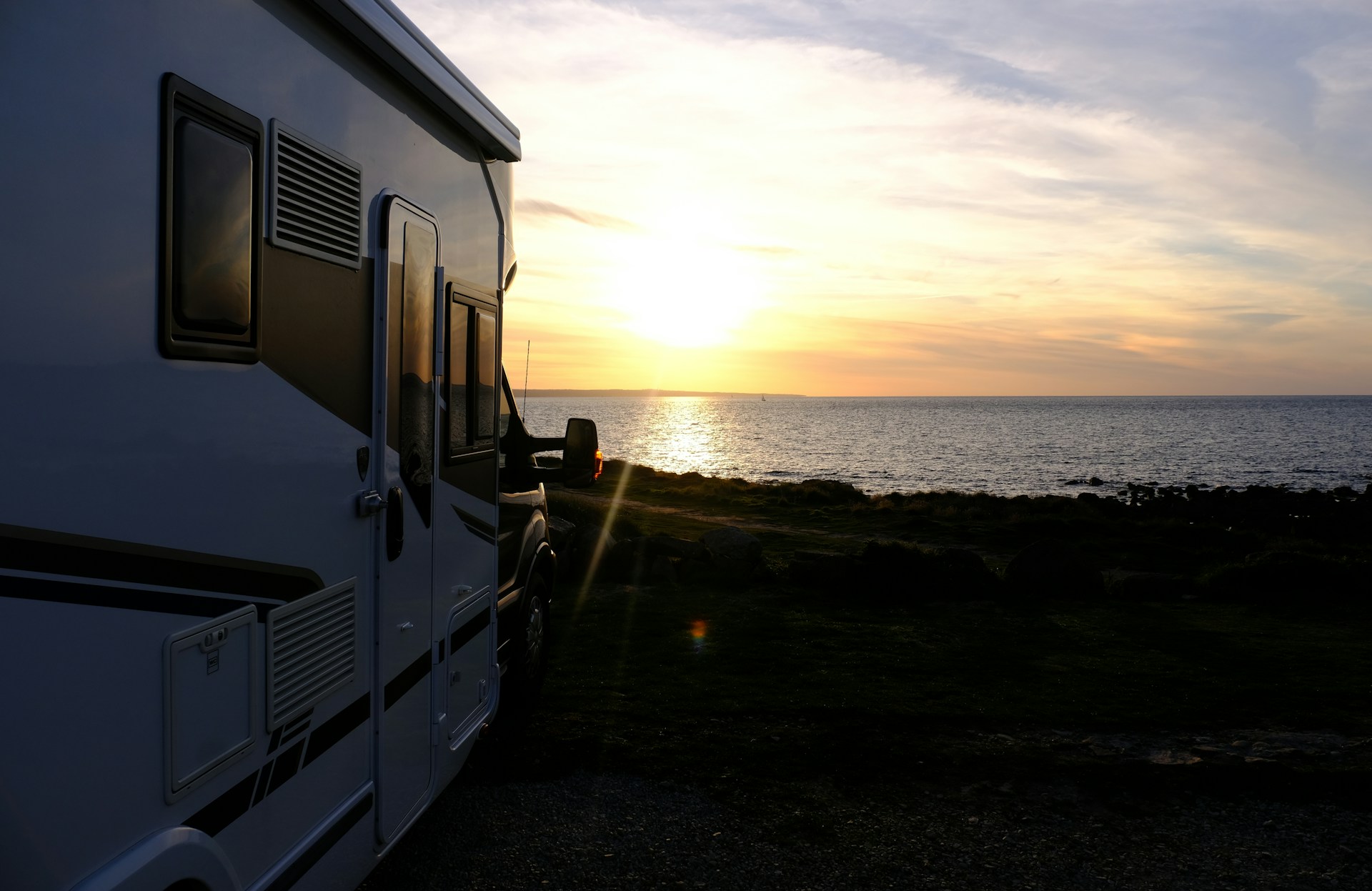
Many states have rules that make free overnight parking for RVs difficult or illegal in rest areas or highway welcome centers. This article uses sources including Boondocker’s Bible’s rest-area rules database, state codes, and research from LegalClarity and state DOT sites to identify 10 U.S. states where overnight parking is explicitly prohibited or effectively impossible due to short time-limits.
California: Short-Stay Caps and Local Ordinances
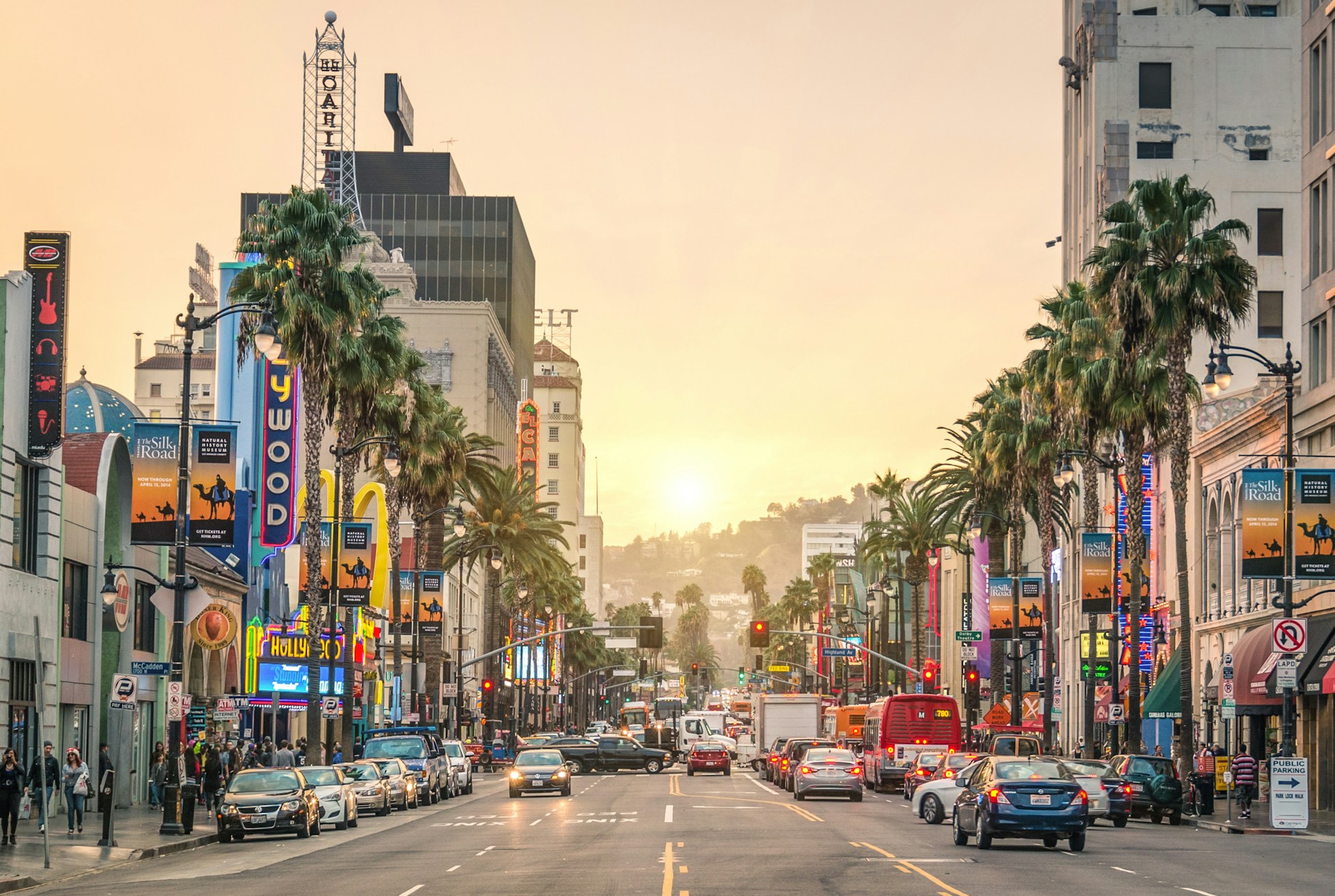
In California, rest areas allow parking for up to 8 hours maximum, but overnight parking and camping are not permitted in rest areas. Moreover, many cities impose limits: for example, some cities ban RVs from parking in public streets for more than 72 hours. These combined rules make it difficult for RV travelers to park overnight for free, unless they are using a designated campground or federal lands.
Florida: Three-Hour Cap at State Rest Areas, No Camping
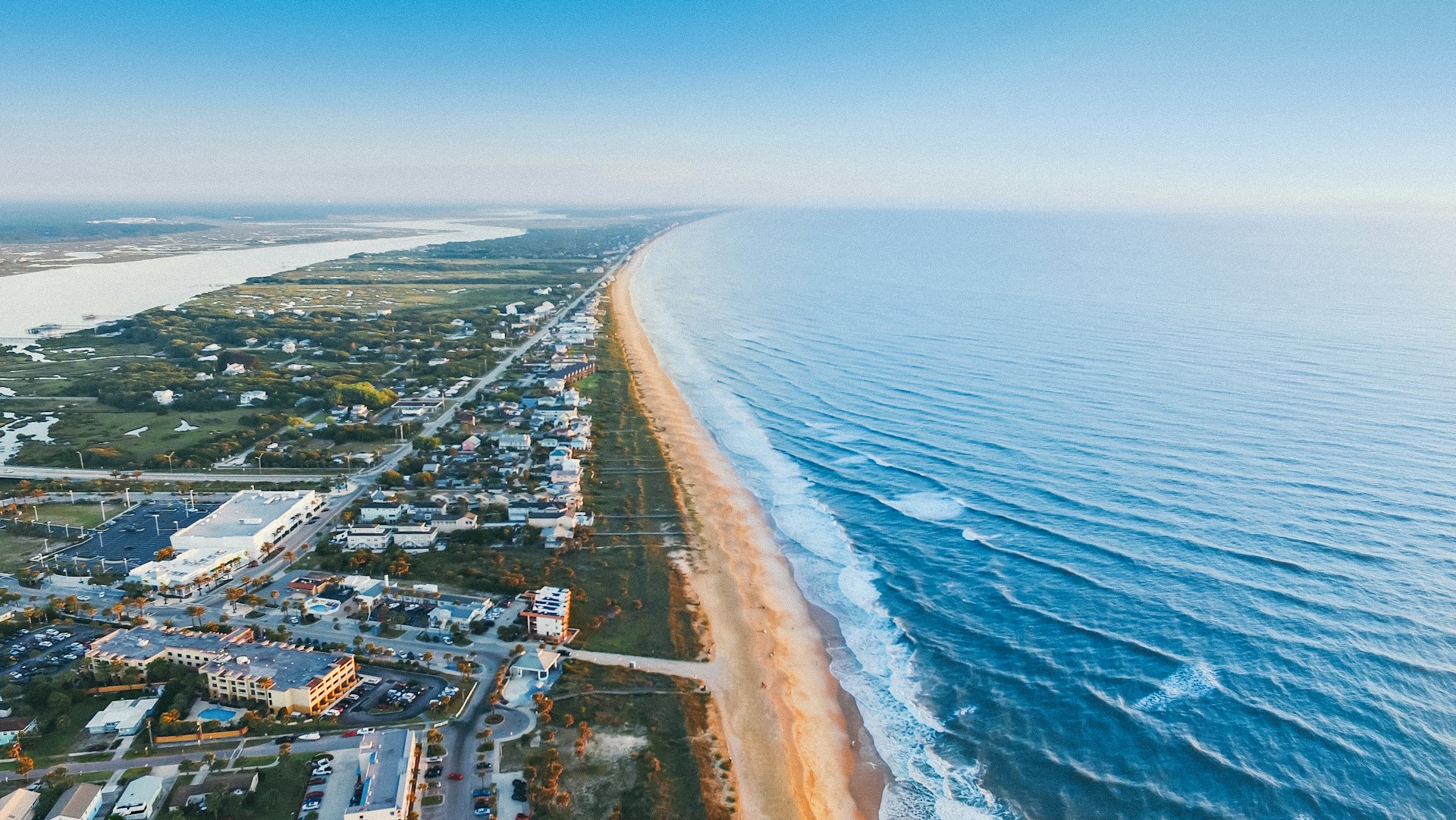
Rest areas in Florida impose a 3-hour stay limit and do not allow overnight parking or camping, even for RVs. Also, state parks require overnight stays to be in designated campsites, cabins, or lodges, not in day-use or rest area parking lots. For many RVers, that means there are very few free overnight options outside private campsites or commercial parking.
Colorado: Overnight Parking Banned in Rest Areas
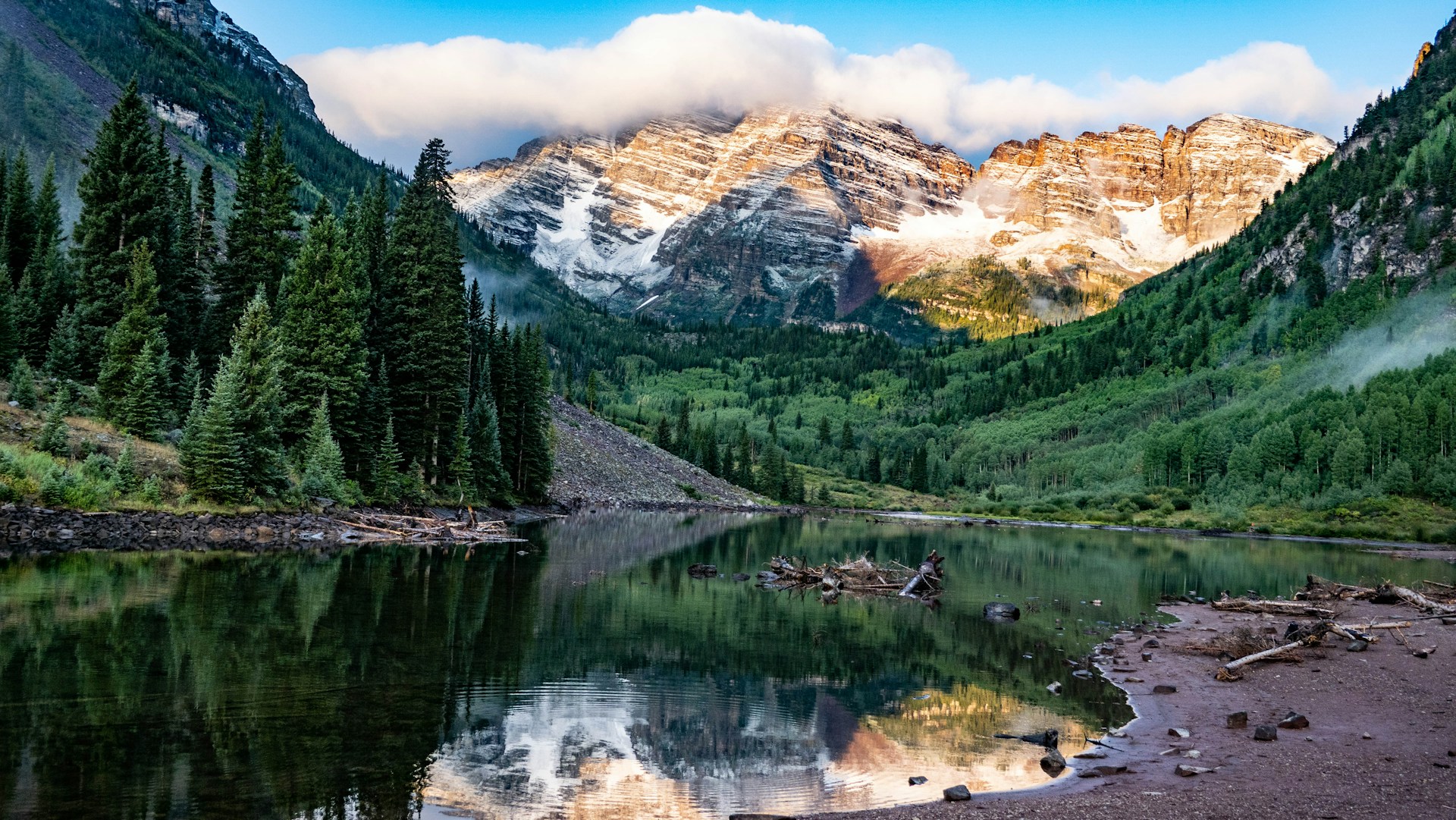
Colorado’s rest areas officially prohibit overnight parking and camping. Though the rules permit short rests for driver fatigue, the state DOT (CDOT) posts signs at rest/safety areas banning overnight use; enforcement may vary. Outside rest areas, RVers may use dispersed camping on federal or state public lands, but only in permitted areas and with restrictions.
Hawaii: Statewide Ban on Sleeping in Vehicles Overnight
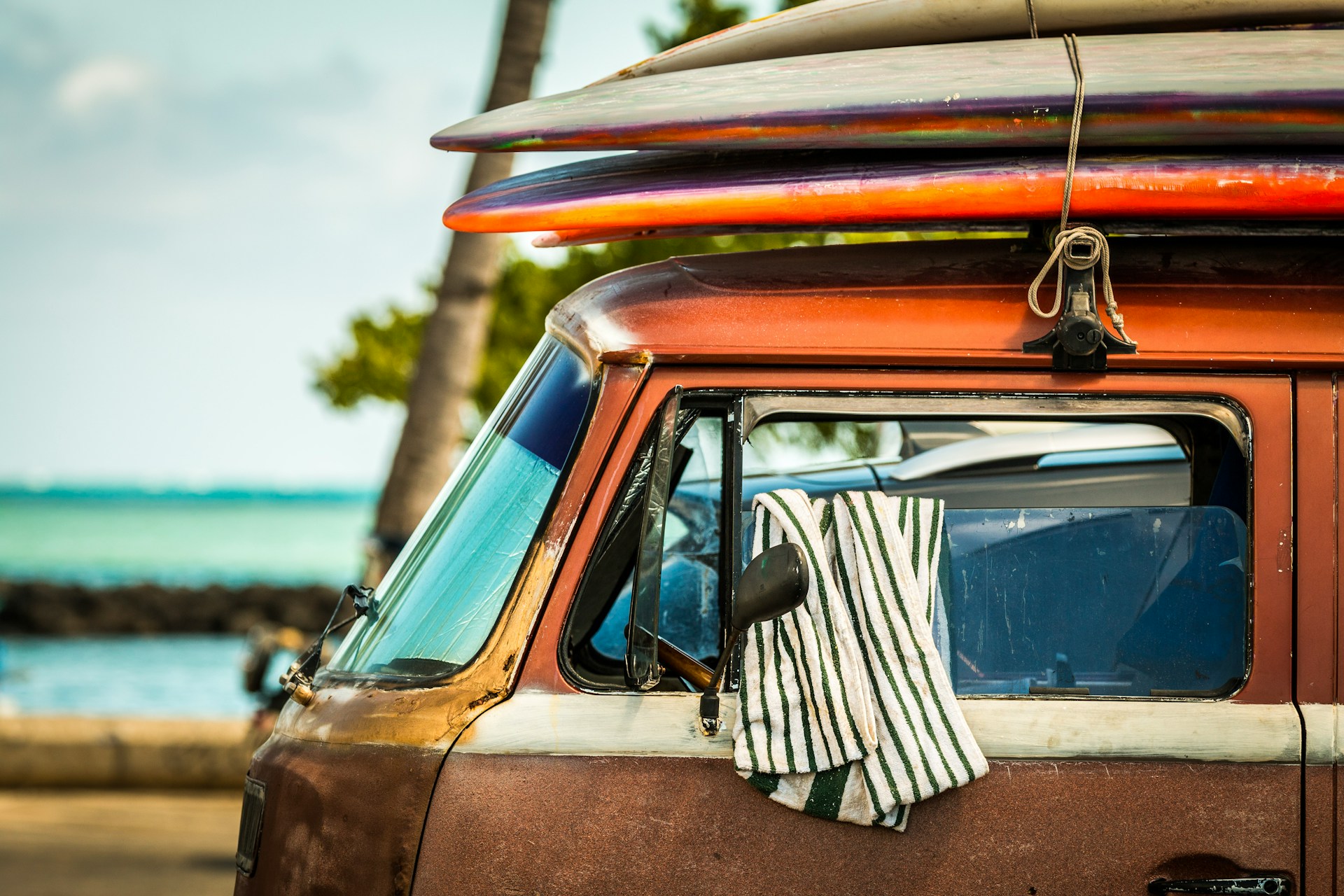
Hawaii does not have rest areas like many continental states, but the key fact is that sleeping in vehicles overnight anywhere in public property is prohibited. Because of its small land size and dense municipal regulation, free overnight RV parking is essentially not an option unless in designated privately owned or campground spaces.
Maryland: 3-Hour Maximum Stay, No Overnight Parking
In Maryland rest areas you are limited to 3 hours stay, and overnight parking is explicitly prohibited. The Maryland DOT rules say you can ask for exceptions from rest area personnel if extremely tired, but it’s not guaranteed.
Nebraska: Ten-Hour Limit but No Camping
Nebraska rest areas generally forbid camping, and while parking may be allowed for up to 10 hours in some rest areas, overnight stays (as in extended stay or camping) are not allowed. This means “overnight” in the sense of being there overnight (sleeping, lingering past rest stop hours) is effectively disallowed.
North Carolina: Rest Areas Forbid Overnight Stays
In North Carolina, rest areas are governed such that overnight parking and camping are disallowed. There is also a 4-hour limit at many rest stops, making it impractical for RVs to stay overnight unless a specific lot or facility allows it.
South Carolina: No Overnight Parking or Camping at Rest Areas
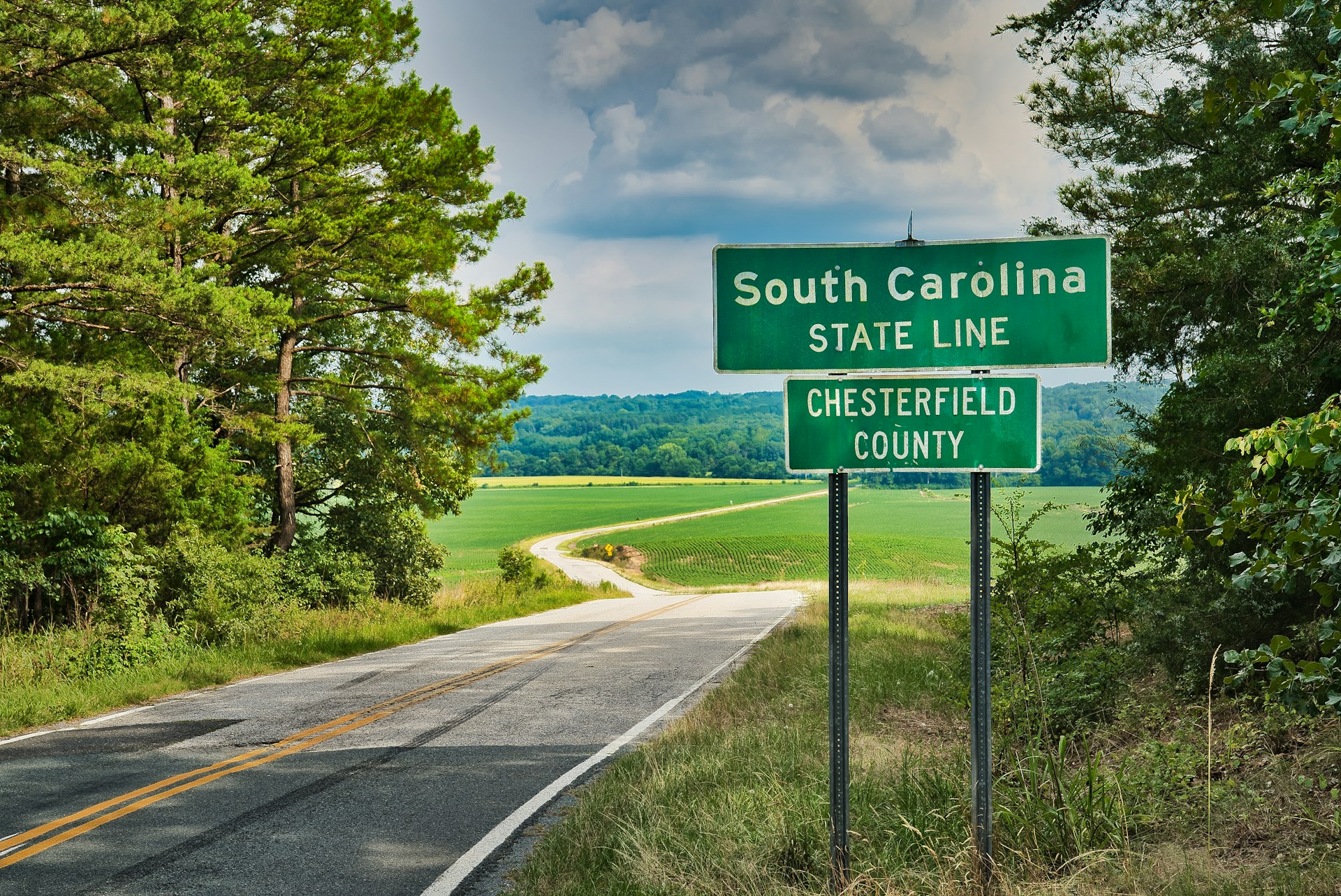
South Carolina’s rest area rules similarly prohibit overnight parking and camping. RV travelers will find that rest stops are for short periods only; any overnight stay would risk violation of state rest area regulation.
Tennessee: Two-Hour Limit, Illegal Overnight Parking
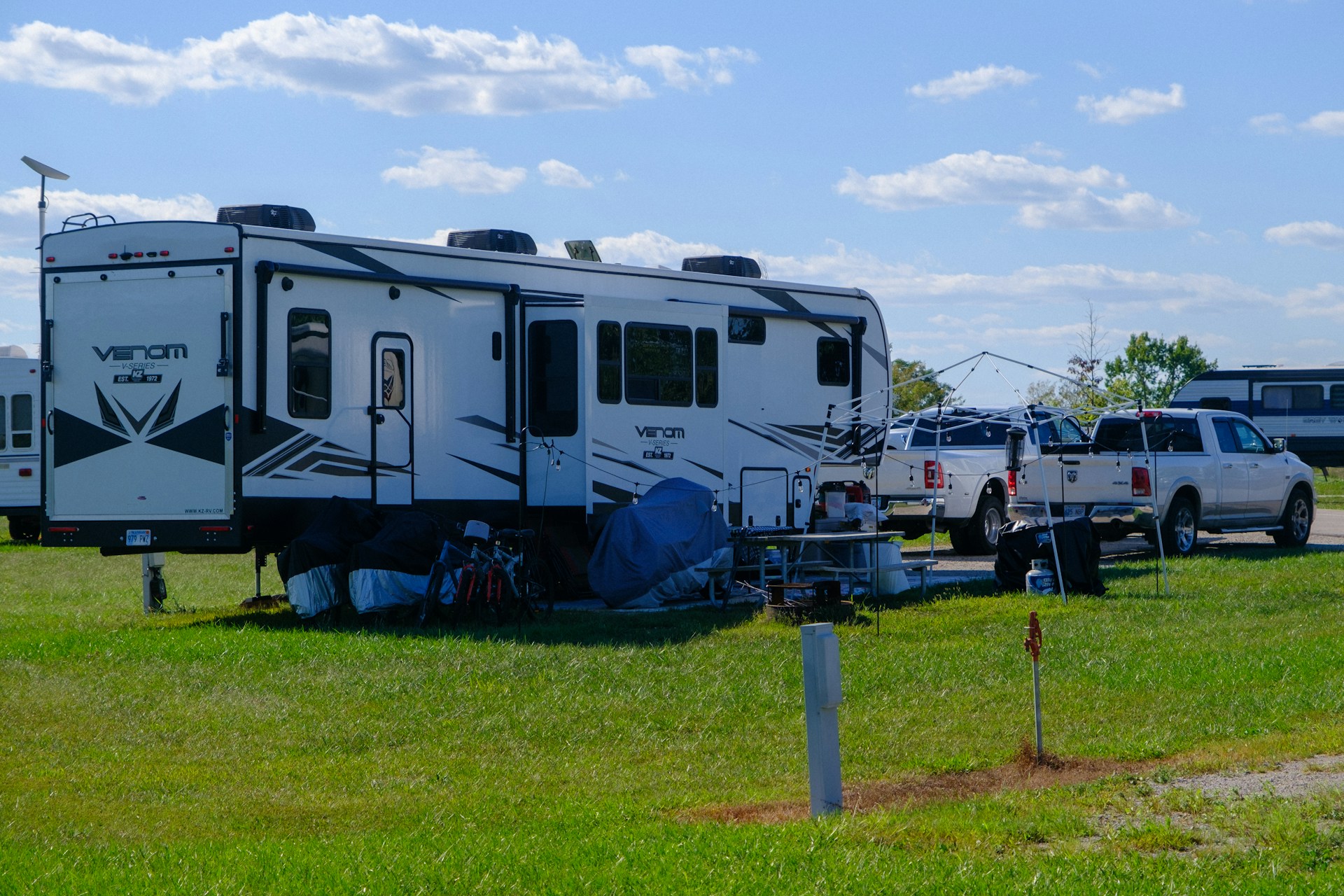
Tennessee has among the strictest rules: no overnight parking or camping at rest areas, and a maximum stay of two hours in rest/welcome center lots. Further, state law forbids “camping” (which includes sleeping) on state-owned properties during the hours of 10:00 p.m. to 7:00 a.m. For RVers, that means free overnight stops on highways are not an option here.
Virginia: Rest Areas Off-Limits for Overnight Parking
In Virginia, rest and highway rest/wayside areas strictly ban overnight parking or camping. Sleeping in a vehicle in those areas is prohibited, regardless of whether the rest area is open 24/7, unless signage explicitly allows it (very rare). City and county rules may also impose additional restrictions in public spaces.