Deer rely on heightened senses to detect subtle changes in their environment, especially after dark. Small, seemingly harmless camp behaviors can quietly disrupt natural patterns and alert nearby animals. Sound, scent, light, and movement carry farther at night, making deer more cautious. Even experienced campers overlook how minor actions travel through quiet woods. Once alerted, deer alter routes, feeding areas, and movement timing. Understanding these triggers matters for hunters, wildlife observers, and low impact campers alike. These ten small camp behaviors commonly alert deer overnight, revealing how minimal disturbances can reshape wildlife activity long before morning arrives.
Unsecured Food Odors

Unsecured food odors travel surprisingly far overnight. Deer possess strong scent detection and notice unfamiliar smells quickly. Cooking residue, open containers, and scented packaging release persistent aromas. Even plant based foods alter normal scent profiles. Calm nighttime air carries smells farther than expected. Deer interpret these odors as risk indicators and avoid the area. Hanging or sealing food reduces spread. Leaving scraps or wrappers near camp increases detection. What seems harmless to people becomes a clear signal to wildlife. Unsecured food odors often alert deer hours before humans notice any reaction, changing movement patterns and reducing nighttime presence around camp locations.
Excessive Flashlight Use
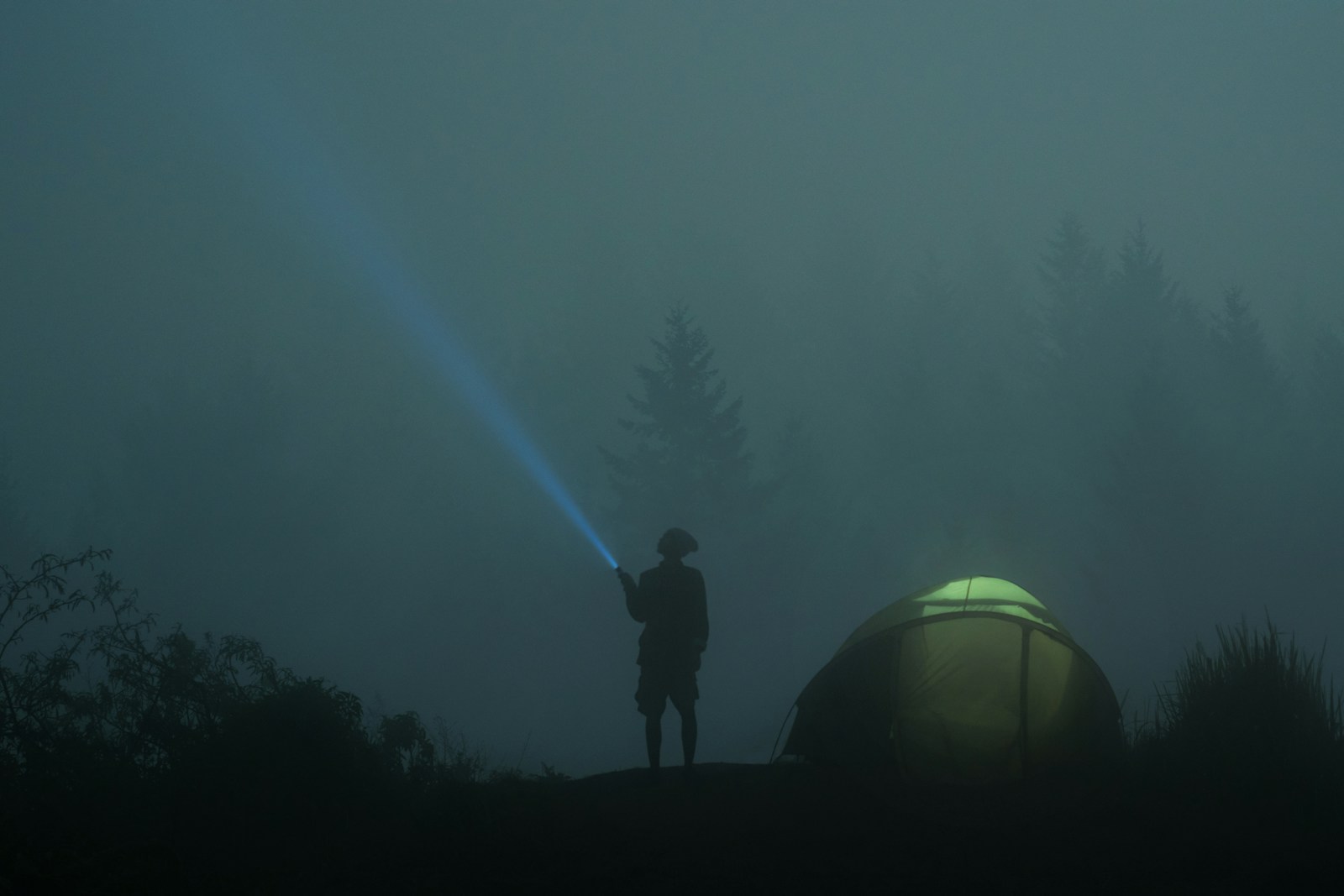
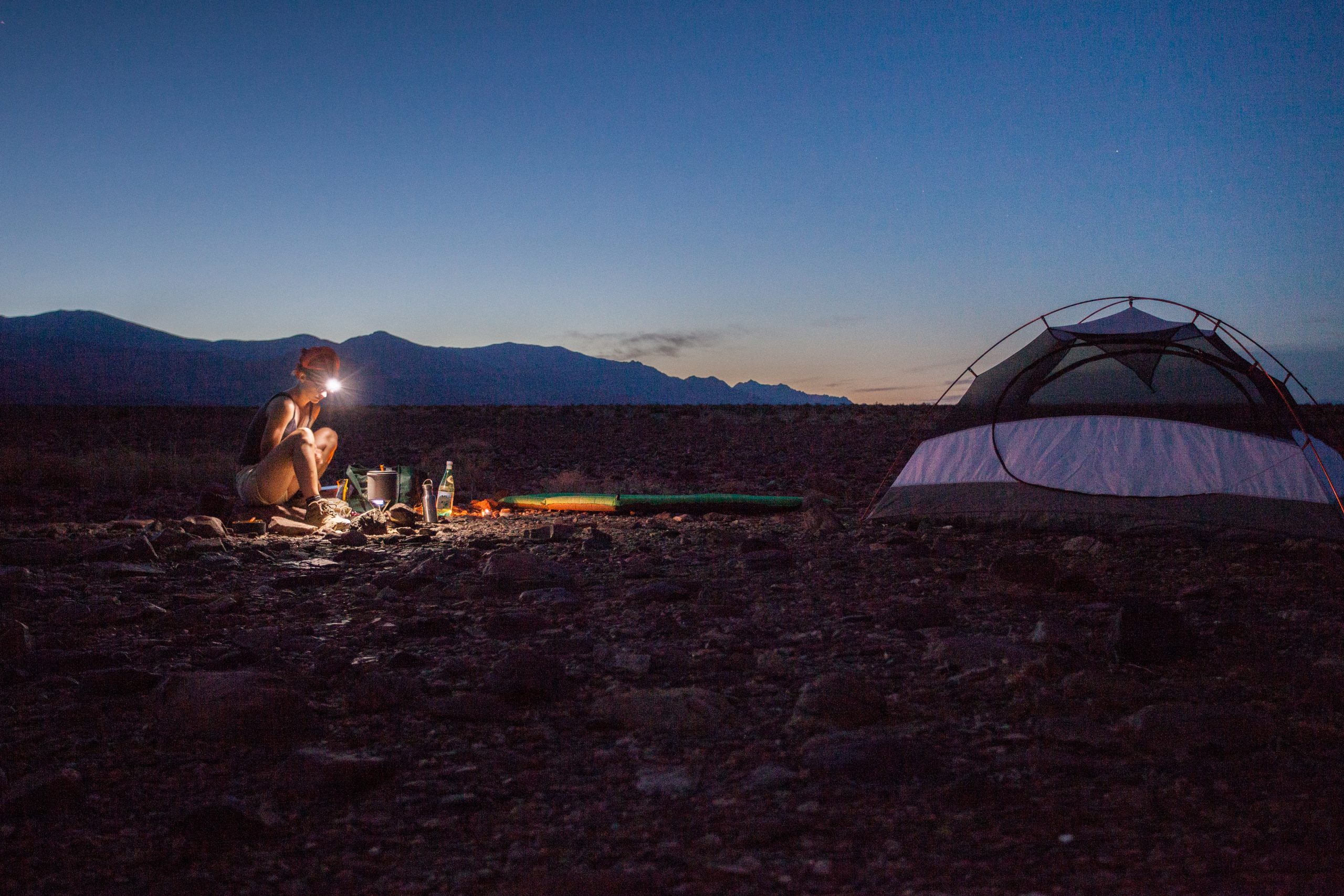
Excessive flashlight use alerts deer easily overnight. Sudden beams cut through darkness and disrupt natural rhythms. Deer notice repeated light movement between trees. White light especially signals human presence. Even brief scans create visible patterns. Headlamps swinging during camp chores amplify detection. Deer associate artificial light with danger and retreat quickly. Reducing light intensity and duration lowers impact. Campers often underestimate how far light travels in open woods. Flashlight use that feels minimal still registers clearly to wildlife, making campsites stand out unnaturally and discouraging deer from approaching feeding or travel corridors nearby after dark.
Campfire Smoke Drift
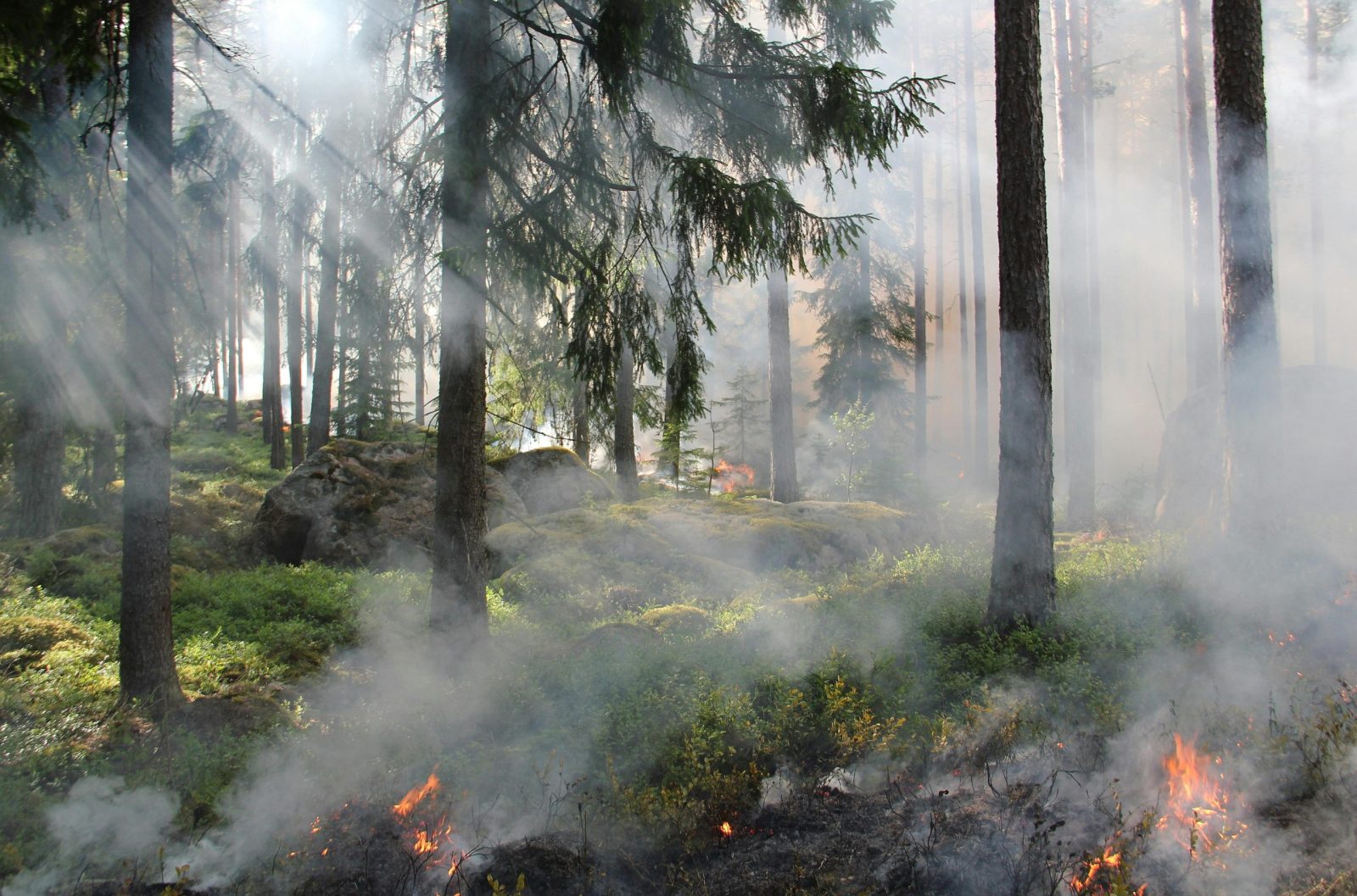
Campfire smoke drift carries human presence through the forest overnight. Smoke clings to vegetation and settles in low areas. Deer detect unfamiliar scents long after flames die. Wind shifts spread smoke unpredictably. Even small fires produce noticeable odor. Damp wood increases smoke output. Overnight cooling pushes scent downhill. Deer encountering smoke avoid affected zones. Campers often believe extinguished fires stop signaling. In reality, smoke lingers for hours. Campfire smoke drift becomes an extended alert marker, informing deer of recent activity and influencing how they route movement well into the night and following morning.
Loud Camp Conversations

Loud camp conversations travel farther at night than expected. Quiet forests amplify human voices. Deer recognize unnatural sound patterns quickly. Repeated talking, laughter, or raised voices signal sustained presence. Sound reflects off terrain and water. Calm nighttime air reduces sound absorption. Even distant conversations register clearly. Deer respond by increasing distance and delaying movement. Campers often feel noise fades into darkness, but wildlife hears clearly. Loud conversations become continuous alerts, teaching deer to associate the area with risk and reducing their willingness to approach feeding zones or established trails anywhere near active campsites overnight.
Frequent Gear Clanking
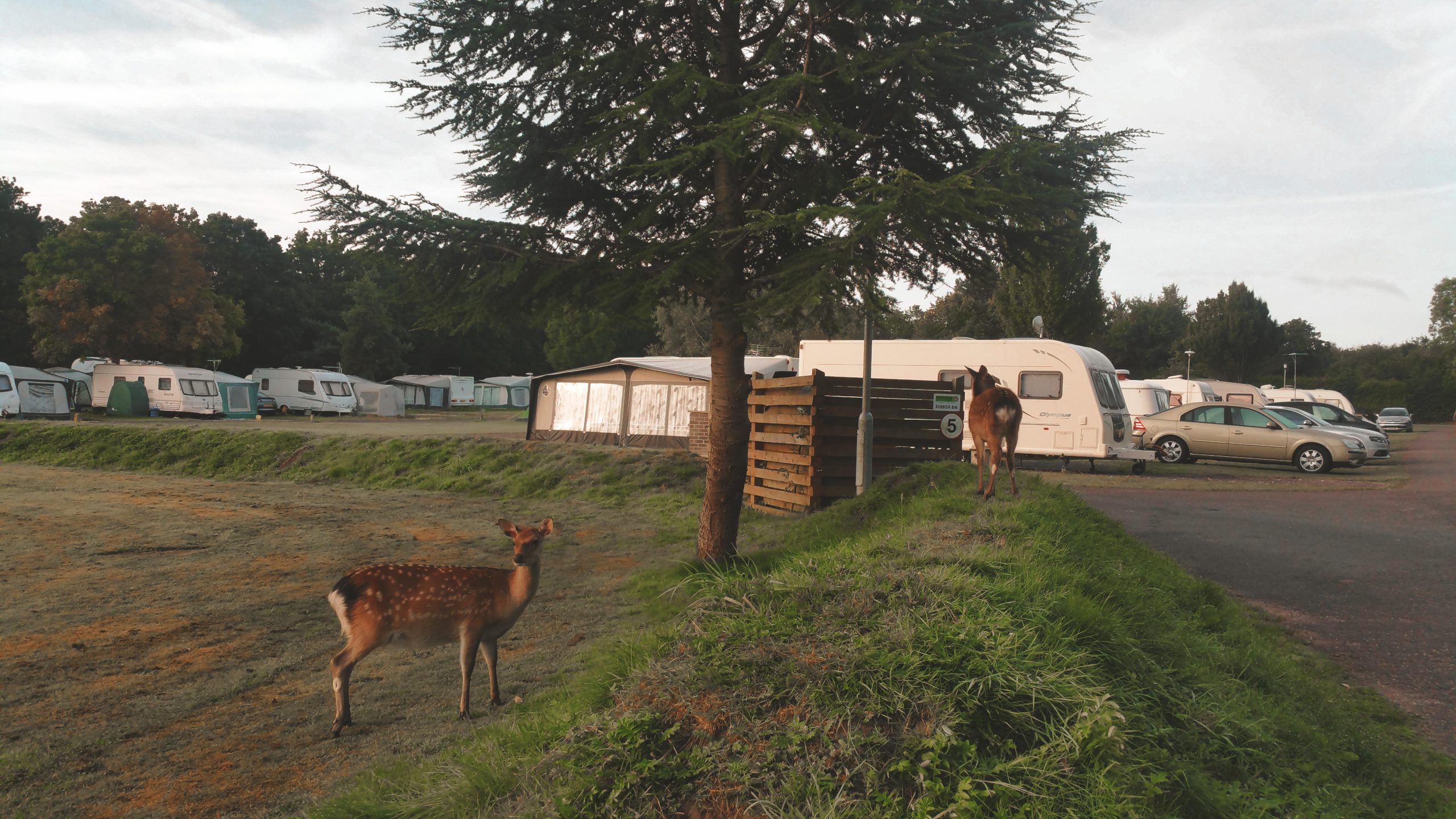
Frequent gear clanking alerts deer through irregular metallic sounds. Buckles, cookware, and tools striking create sharp noises. These sounds differ from natural nighttime noises. Repetition reinforces danger signals. Deer associate metallic clinks with humans. Even minor adjustments create noticeable sound in still air. Campers often ignore small noises. Over time, clanking accumulates into constant disturbance. Deer react by shifting movement routes away. Quiet organization and padding reduce impact. Gear clanking that seems trivial to campers becomes a clear warning to wildlife, signaling ongoing activity and reducing nighttime deer movement near camp areas.
Walking Around Camp Repeatedly
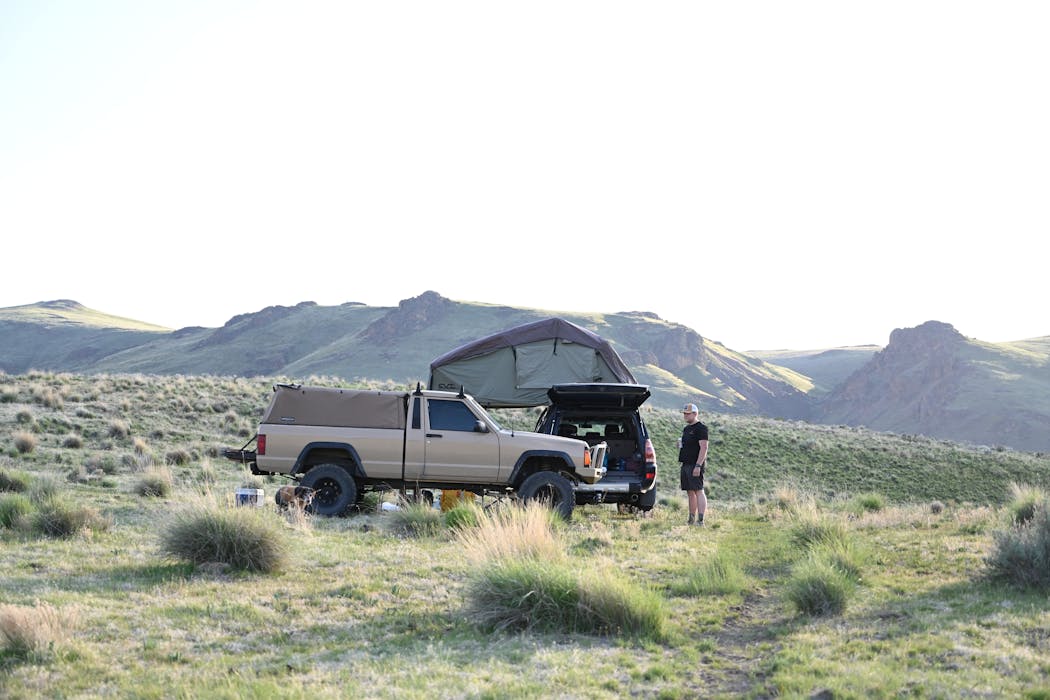
Walking around camp repeatedly creates detectable patterns. Footsteps compress leaves and soil. Subtle crunching carries far at night. Deer notice consistent movement paths. Repetition suggests occupation rather than passing presence. Even soft footwear produces sound in quiet conditions. Deer interpret ongoing movement as threat. Campers pacing while organizing or socializing increase disturbance. Remaining stationary after setup lowers detection. Repeated walking extends scent trails and sound exposure. This behavior often alerts deer without notice, causing them to avoid nearby areas overnight and altering their normal routines until the campsite quiets completely for extended periods.
Using Scented Hygiene Products

Using scented hygiene products alerts deer quickly. Soap, toothpaste, and wipes release strong artificial smells. Deer detect these unfamiliar scents immediately. Wind spreads odors across large areas. Even biodegradable products carry noticeable fragrance. Campers often use hygiene items near sleeping areas. Residual scent lingers on skin and gear. Deer associate new smells with danger. Unscented alternatives reduce detection. Scented hygiene use that feels minor becomes a clear signal in the forest. This behavior often discourages deer from approaching camp zones overnight, even when other disturbances remain minimal.
Late Night Cooking

Late night cooking increases detection risk significantly. Food preparation releases strong odors during peak deer activity hours. Nighttime air carries scent farther. Deer actively forage after dark and encounter smells quickly. Cooking sounds add auditory cues. Heat and smoke combine with food scent. Campers cooking late often underestimate impact. Even quick meals create long lasting scent trails. Deer respond by avoiding the area entirely. Late night cooking transforms a quiet campsite into a focal disturbance, alerting deer precisely when they would otherwise move through the area under cover of darkness.
Improper Waste Disposal
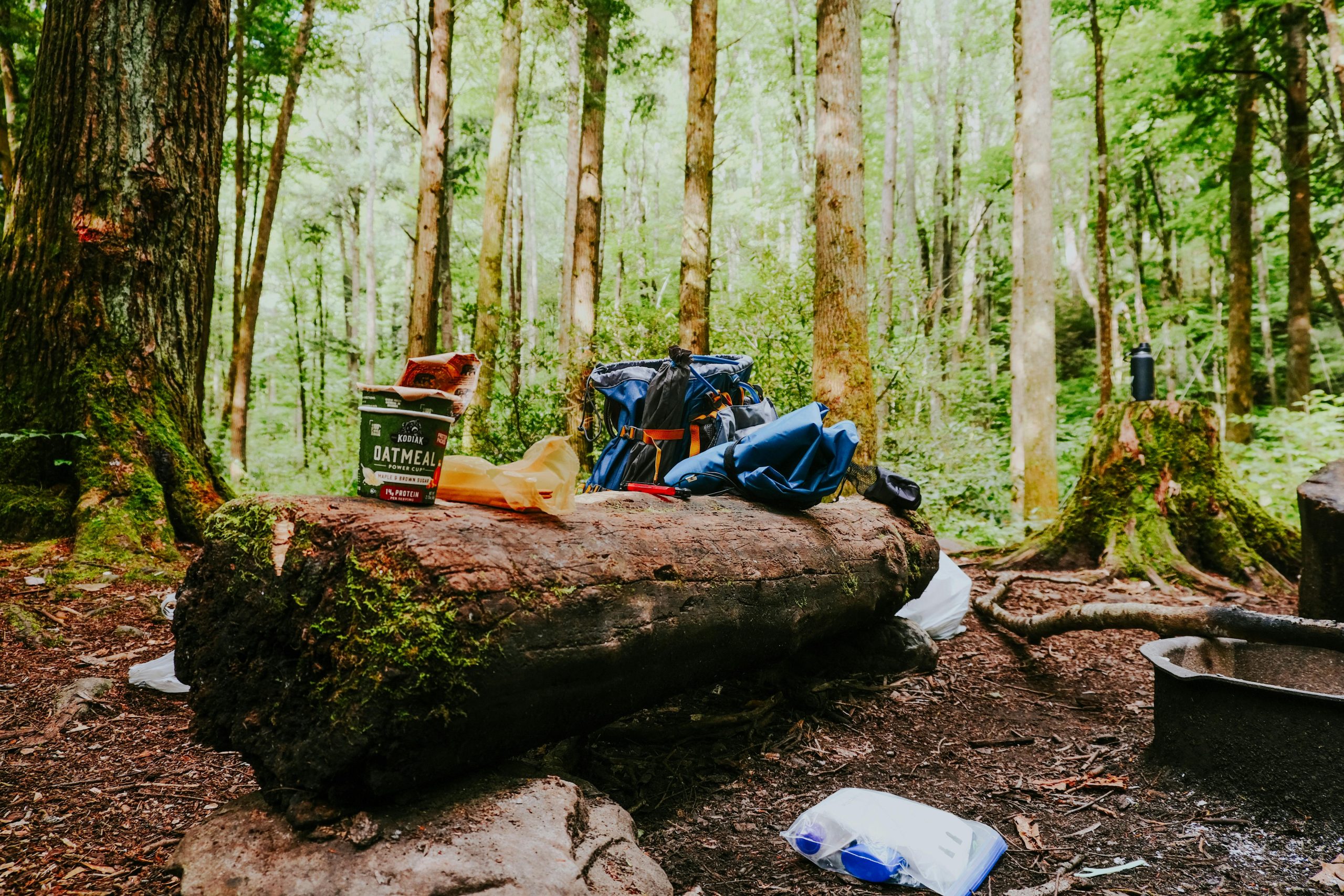
Improper waste disposal alerts deer through scent and disturbance. Food scraps, packaging, and wastewater release odors. Deer investigate unusual smells cautiously. Waste placed near camp concentrates scent. Even buried scraps surface through animals. Burning waste adds smoke signals. Campers often leave small amounts behind unintentionally. Deer encountering waste associate the area with human presence. Proper packing out reduces impact. Improper disposal creates lasting alerts that persist overnight, influencing deer movement patterns and increasing avoidance behavior around campsites long after campers settle in or sleep through the night.
Shining Light Into Surrounding Woods

Shining light into surrounding woods directly alerts deer. Sweeping beams catch reflective eyes and movement. Deer notice scanning behavior immediately. Repeated light exposure conditions avoidance. Even brief illumination disrupts cover. Deer rely on darkness for security. Campers checking surroundings unintentionally reveal presence. Light reaching tree lines travels farther than expected. Avoiding unnecessary scanning reduces impact. This behavior often alerts deer instantly, causing them to retreat and adjust routes. Shining light outward from camp stands out sharply in darkness, signaling human vigilance and eliminating the cover deer depend on overnight.