Spending time hiking or camping offers powerful connections to nature, yet it also requires awareness of wildlife behavior. Animal predators generally avoid humans, but certain conditions can increase the risk of an encounter. Understanding environmental cues, animal habits, and situational warning signs helps reduce danger without fueling unnecessary fear. Many wildlife agencies emphasize education, preparedness, and calm responses as the foundation of outdoor safety. This article outlines ten well-documented signs that may indicate heightened predator risk in wilderness settings, along with responsible actions based on established wildlife safety guidance and ecological research used by park services.
Unusual Silence In The Environment

A sudden lack of normal forest or desert sounds can indicate the presence of a predator nearby. Birds and smaller animals often become quiet when sensing danger, creating an unnatural stillness. Experienced hikers recognize this shift as an early environmental warning rather than a coincidence. Wildlife experts recommend stopping movement, scanning surroundings carefully, and avoiding sudden noise when silence settles in. Backing away slowly while maintaining awareness can reduce surprise encounters. Making presence known calmly after assessment may deter animals like bears or mountain lions that prefer to avoid confrontation when humans appear alert and confident in shared territory.
Persistent Animal Following Tracks

Repeatedly noticing fresh tracks that parallel a trail or campsite may suggest an animal monitoring movement. Predators such as mountain lions or wolves sometimes shadow from a distance out of curiosity or territorial assessment. Wildlife authorities advise avoiding continued travel in the same direction if tracks remain consistent. Changing routes, increasing group cohesion, and making controlled noise can discourage interest. Avoid running, as sudden flight may trigger pursuit instincts. Documenting track size and direction helps assess species risk. Awareness of tracking signs allows early response before proximity increases during extended outdoor activities.
Direct Staring Or Visual Fixation
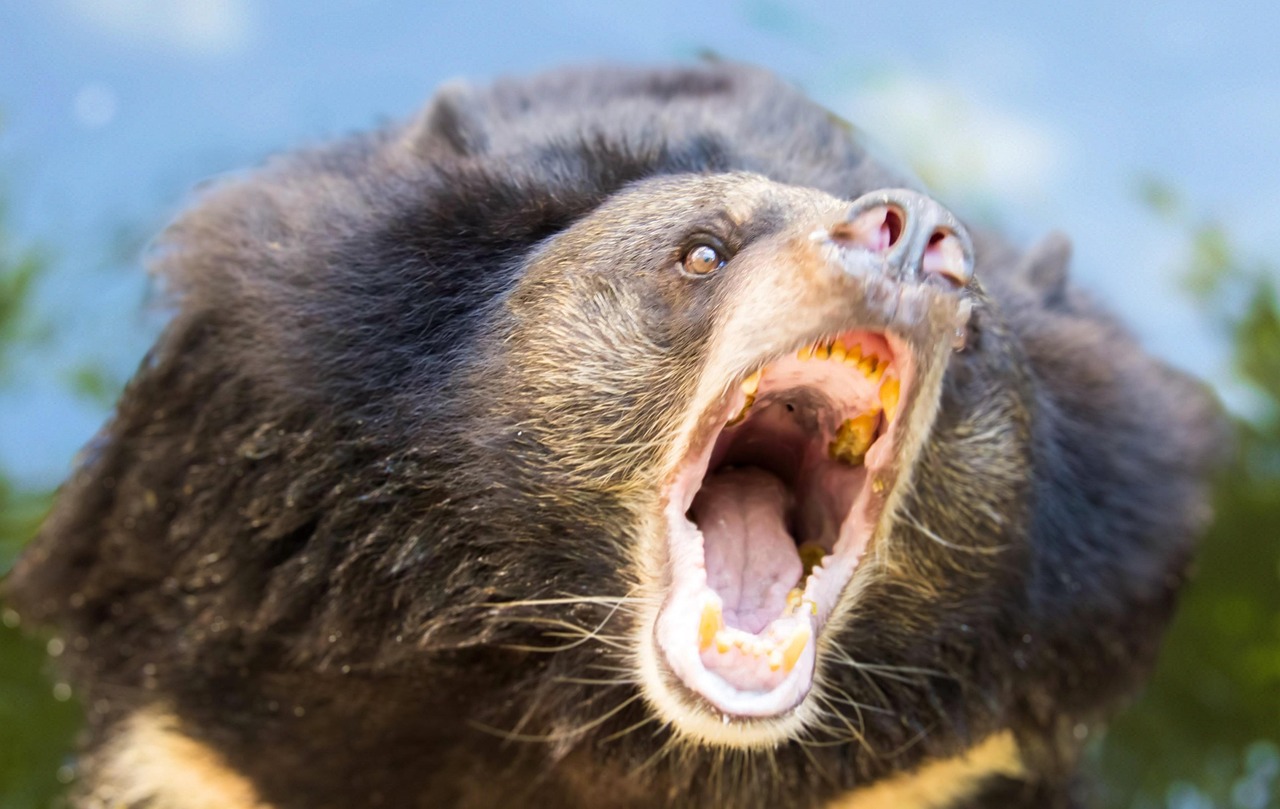
Prolonged eye contact from a wild predator can signal heightened interest or defensive assessment. Animals such as cougars and wolves may visually fixate before deciding how to respond. Wildlife safety guidelines recommend maintaining eye contact while standing tall to appear larger. Avoid crouching or turning away suddenly. Backing away slowly without breaking visual awareness can reduce escalation. Using a firm voice may assert presence without provoking aggression. Recognizing visual fixation as communication rather than curiosity helps guide calm, deliberate responses that reduce the likelihood of an attack during close-range encounters.
Approaching Cubs Or Juveniles
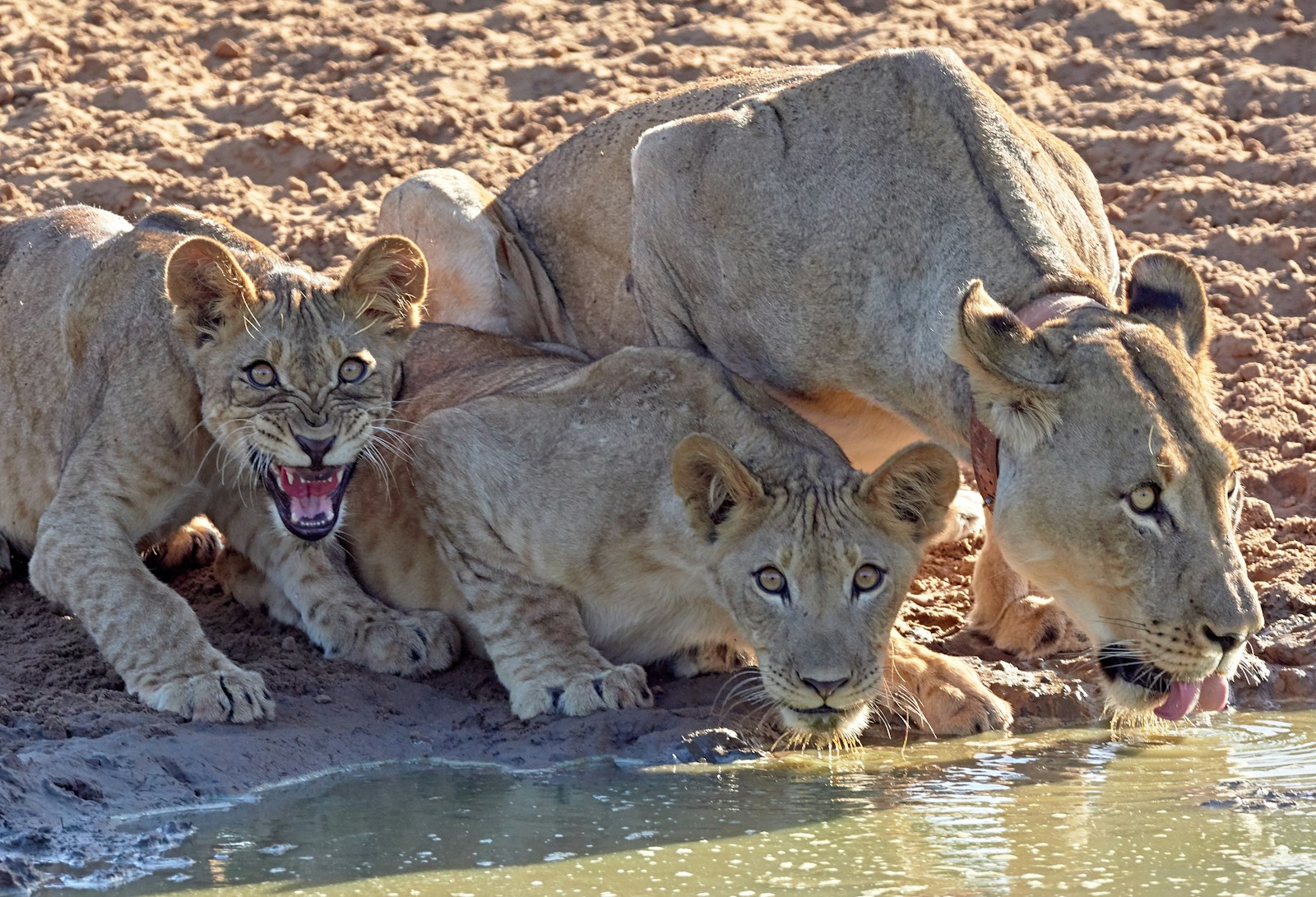
Encountering young animals dramatically increases danger due to protective parental instincts. Species like bears, moose, and big cats aggressively defend their offspring when perceived threats appear nearby. Wildlife agencies stress the importance of immediate distance creation when juveniles are observed. Leaving the area calmly and quickly without lingering photography reduces risk. Never position between young animals and potential escape routes. Awareness of seasonal birthing periods further supports prevention. Recognizing juveniles as a warning sign rather than a sighting opportunity remains critical for maintaining safety in wilderness environments shared with large mammals.
Predatory Animals During Low Light

Dawn and dusk represent peak activity periods for many predators due to hunting advantages offered by low light. Reduced visibility increases the chance of surprise encounters along trails or near campsites. Wildlife experts recommend heightened awareness during these transitional hours, including traveling in groups and carrying deterrents where permitted. Headlamps should illuminate the surroundings rather than only the path. Avoid hiking quietly during these times. Understanding crepuscular behavior patterns supports better timing decisions and reduces overlap with active predators seeking prey during low visibility conditions common in wilderness settings.
Food Odors Around Campsites

Strong food smells attract predators by signaling easy calories rather than direct human presence. Improperly stored food, scented toiletries, or cooking residue can draw bears, raccoons, or coyotes into camp areas. Park services consistently emphasize proper food storage using bear canisters or suspended systems. Cooking and eating away from sleeping areas reduces risk. Cleaning cookware thoroughly and managing waste responsibly limit attraction. Recognizing odor presence as a warning sign encourages immediate corrective action. Reducing scent cues helps maintain a safe distance between humans and wildlife driven by opportunistic feeding behavior.
Animals Displaying Defensive Postures

Raised fur, flattened ears, growling, or bluff charges indicate defensive stress rather than immediate predation intent. These behaviors often occur when animals feel threatened or cornered. Wildlife professionals advise standing ground initially, avoiding sudden movements, and speaking calmly. Slowly increasing distance while maintaining awareness can defuse tension. Never approach or attempt to scare aggressively. Understanding defensive signals prevents misinterpretation and escalation. Respecting animal space and responding appropriately reduces risk while allowing wildlife to disengage naturally without feeling forced into confrontation.
Traveling Alone In Dense Terrain

Dense vegetation, narrow trails, and limited visibility increase vulnerability by reducing detection time for both humans and animals. Predators may approach unseen, especially in areas with natural cover. Wildlife safety guidance encourages group travel and regular communication through sound. Avoid wearing headphones that limit awareness. Staying on established trails improves visibility and escape options. Recognizing terrain-related risk factors supports smarter route planning. Awareness of surroundings combined with companionship reduces surprise encounters and allows more response time when animals enter shared spaces unexpectedly.
Fresh Kill Or Feeding Sites Nearby
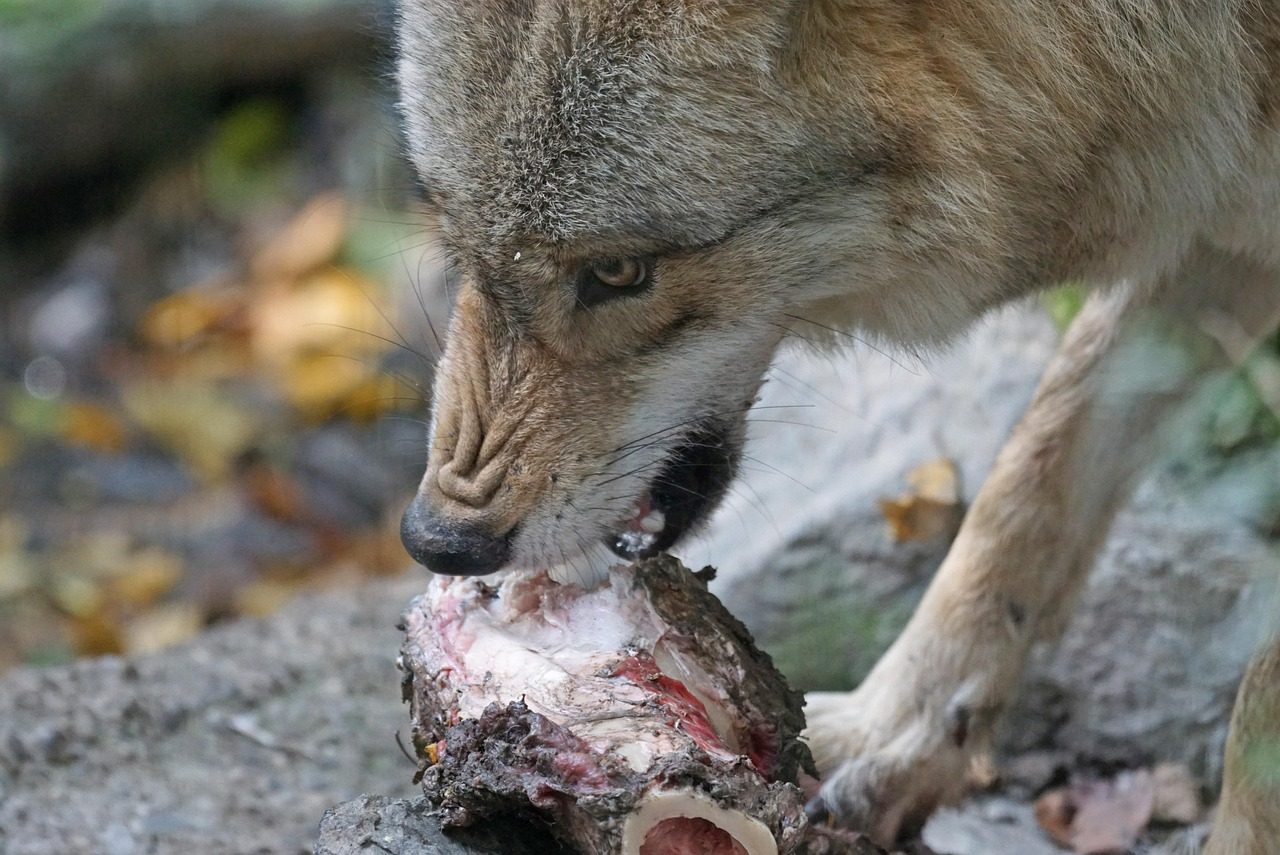
Discovering carcasses, scavenging birds, or concentrated animal tracks may indicate an active predator feeding nearby. Carnivores often defend their kills aggressively if approached. Wildlife agencies recommend leaving the area immediately and quietly when such signs appear. Never investigate or linger near feeding sites. Increasing distance reduces the risk of defensive encounters. Recognizing indirect signs like circling birds or strong odors supports early detection. Understanding feeding behavior helps hikers avoid conflict zones where predators are focused and less tolerant of perceived intrusion during critical feeding periods.
Reduced Situational Awareness
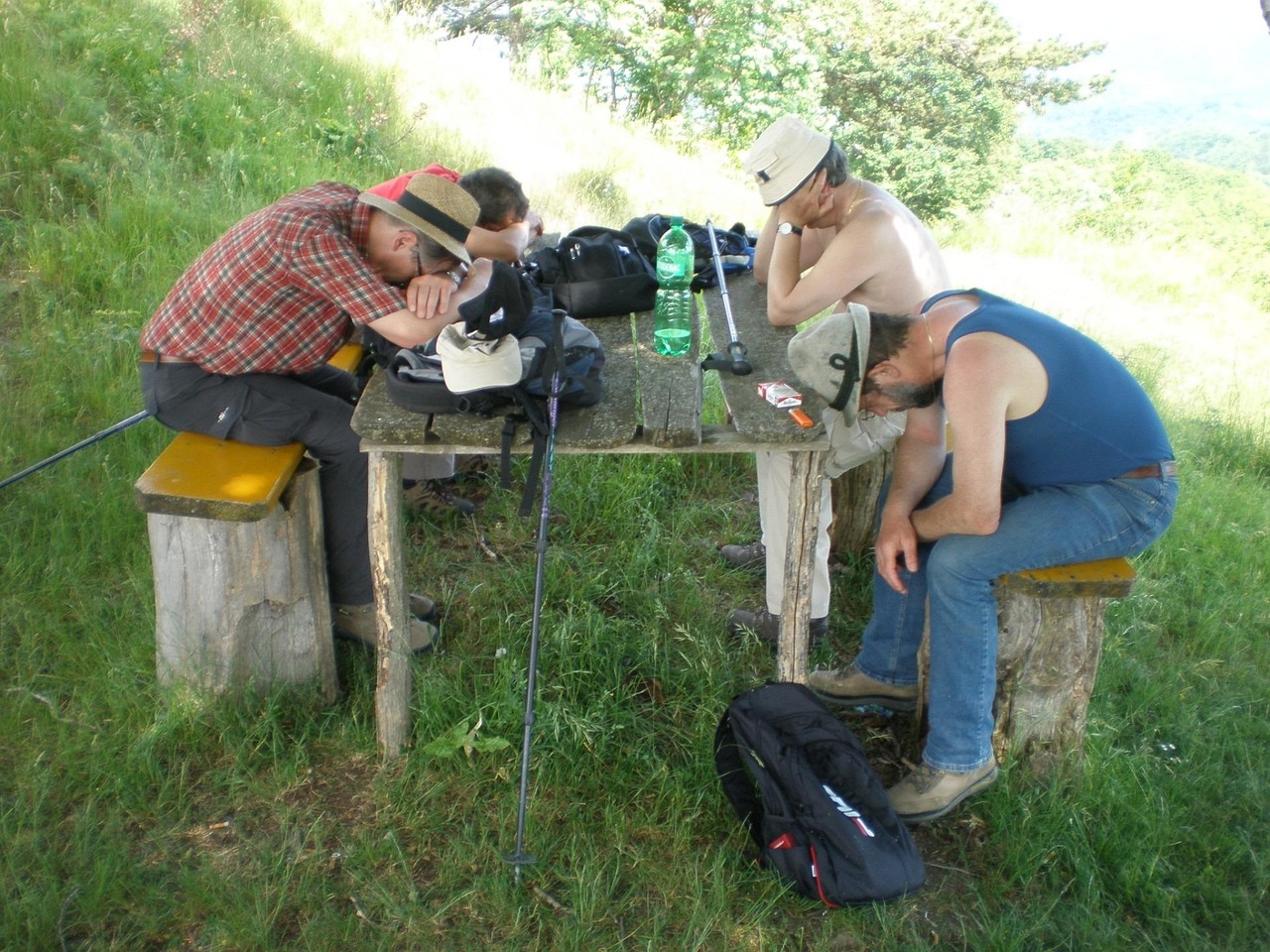
Distraction from fatigue, devices, or poor planning can increase risk by delaying response to warning signs. Wildlife encounters escalate more often when humans fail to notice early cues. Outdoor safety organizations stress the importance of active observation, rest management, and deliberate movement. Pausing regularly to scan the surroundings improves detection. Maintaining awareness does not require fear, only engagement with the environment. Recognizing distraction as a risk factor empowers better habits. Preparedness, attention, and respect for wildlife behavior collectively reduce the likelihood of dangerous predator encounters.