Learning bushcraft takes patience and practice, but progress often shows up in ways that are easy to overlook. As time outdoors increases, tasks that once felt complicated start feeling natural. Building shelters, identifying plants, and staying calm in challenges all begin to come together. These small improvements reveal a growing connection with nature and a deeper understanding of how to live comfortably and confidently in the wild.
Building Shelters Becomes Easier
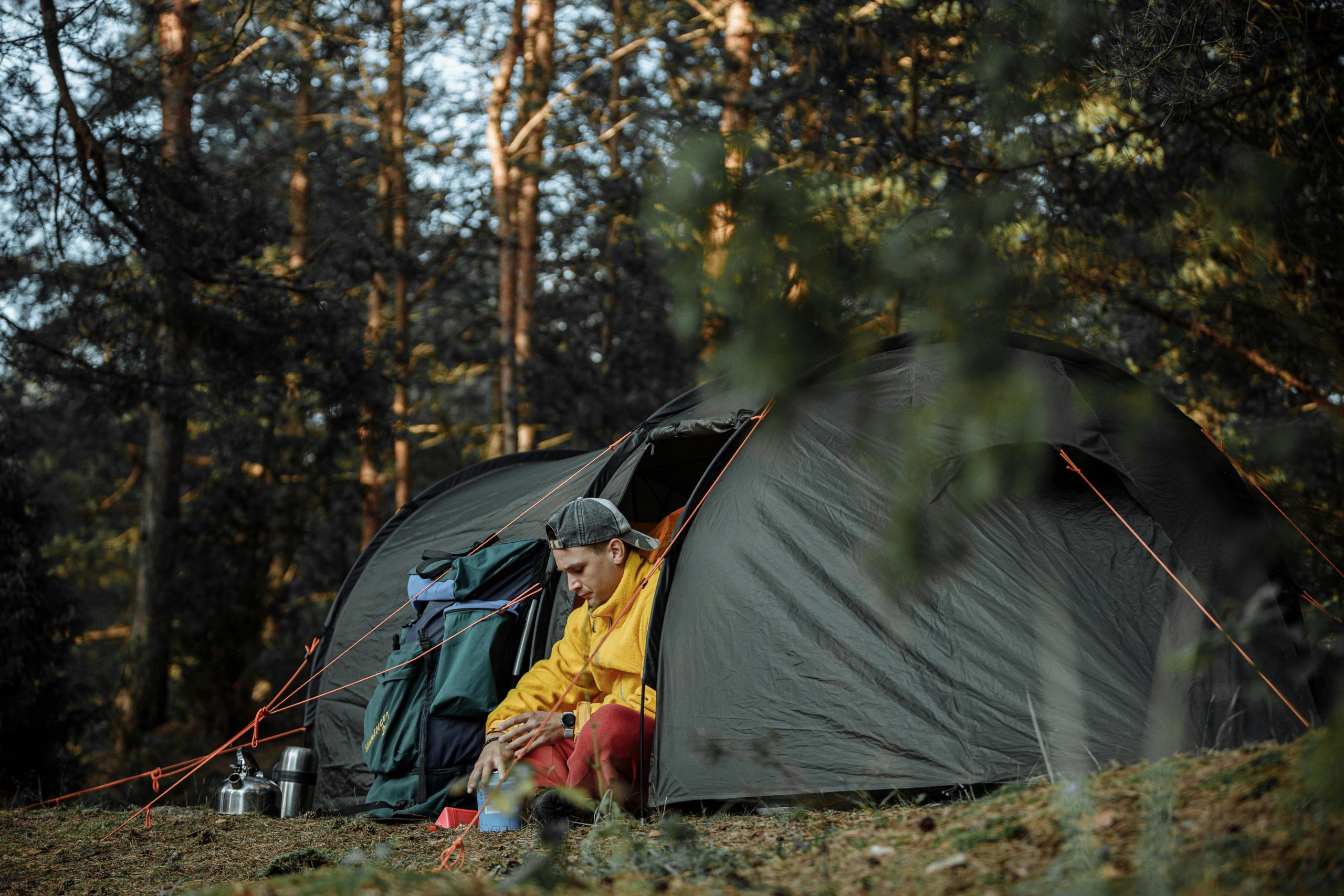
Creating a sturdy shelter starts to feel less like guesswork and more like instinct. Choosing the right materials, shaping a strong frame, and adjusting for wind or rain begin to happen naturally. Each structure stands firmer and takes less time to build. When efficiency and comfort align, it’s a clear sign of progress in bushcraft ability.
Fire Building Feels Natural
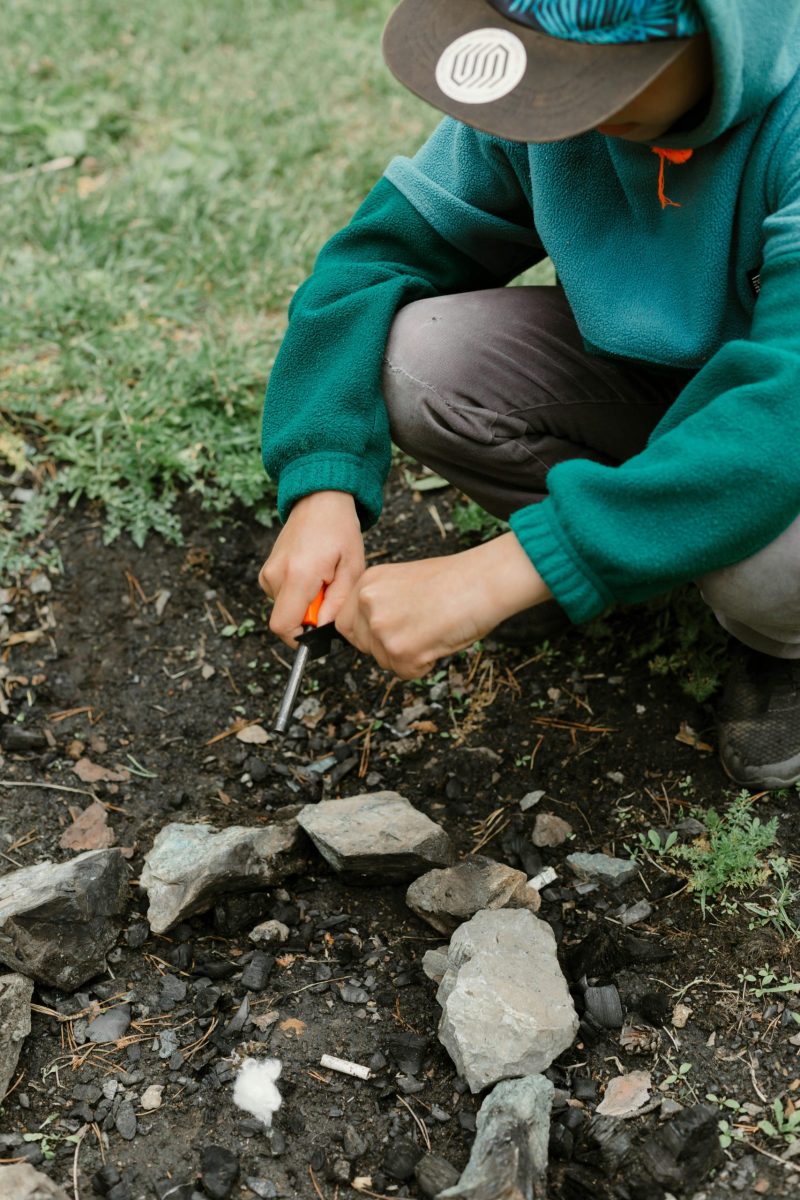
Finding dry tinder, stacking wood properly, and lighting a fire with fewer attempts show how much technique has improved. A once-challenging skill becomes smooth and reliable. Maintaining steady heat through rain or wind shows growing awareness of how fire behaves. It’s a sure marker that outdoor experience is paying off.
Identifying Useful Plants Comes Easily
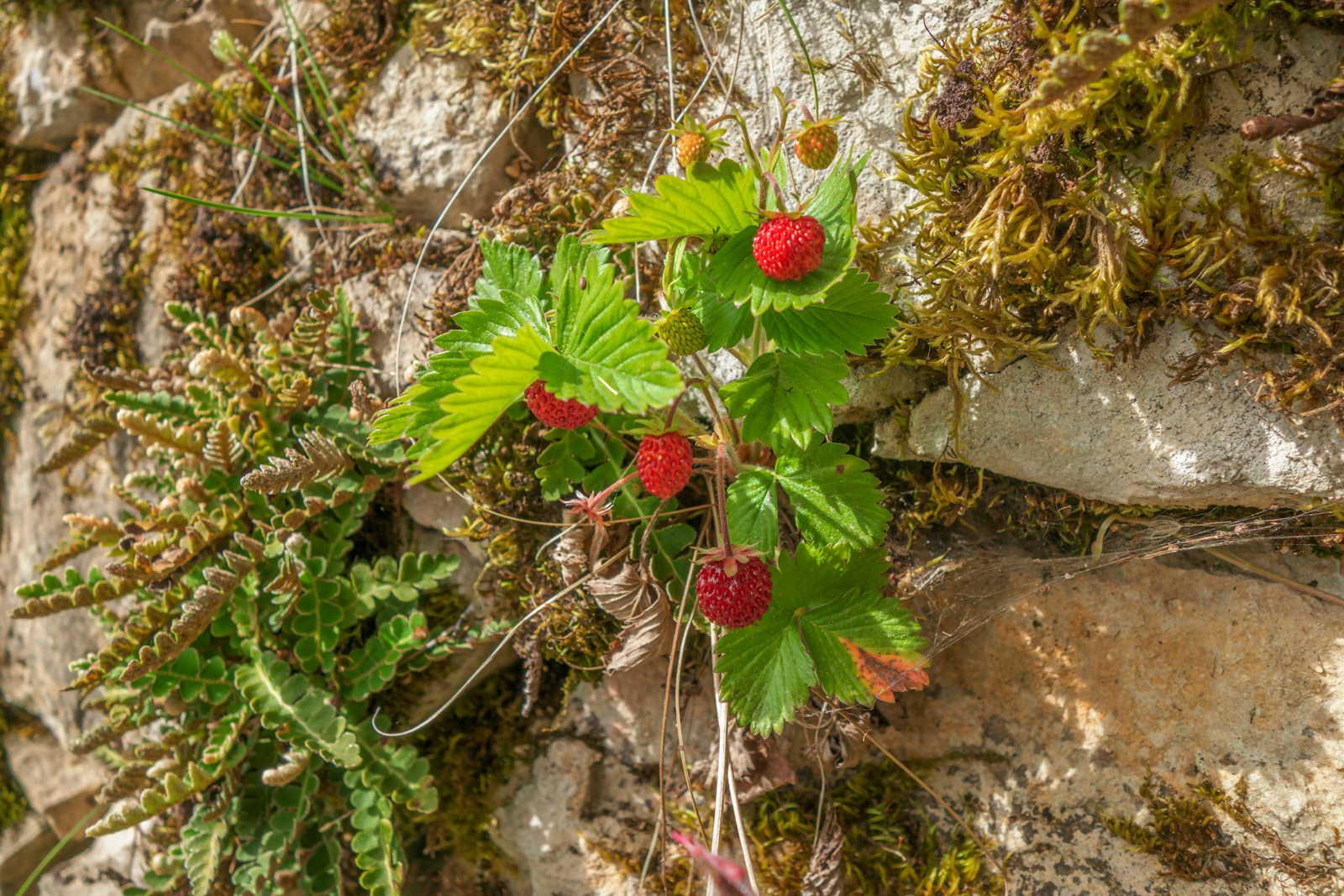
Recognizing edible or medicinal plants becomes second nature after enough time in nature. The shapes, colors, and textures of different leaves start to stand out. Knowing what’s safe to touch or eat shows expanding knowledge and respect for the land. This skill often grows quietly but makes a big difference in the wild.
Navigation Feels Confident

Reading the sun, stars, or natural landmarks gradually replaces dependence on digital maps. The sense of direction sharpens through observation and experience. Each step taken with confidence shows a stronger connection to the environment. It becomes easier to trust instincts when navigating through forests, hills, or open plains.
Tools Are Used More Efficiently
Working with knives, axes, and saws starts to feel smoother and safer. Cutting wood or carving tools happens with fewer mistakes and more control. There’s less wasted effort and more precision. Handling gear properly also extends its life, proving not just skill but growing care for craftsmanship and safety.
Staying Calm Becomes a Habit

Frustrating moments in the outdoors begin to feel manageable. Instead of reacting to setbacks, it becomes easier to think clearly and adapt. Whether it’s changing weather or broken gear, staying composed shows true growth. A calm approach helps conserve energy and builds confidence in problem-solving.
Waste Reduces Over Time
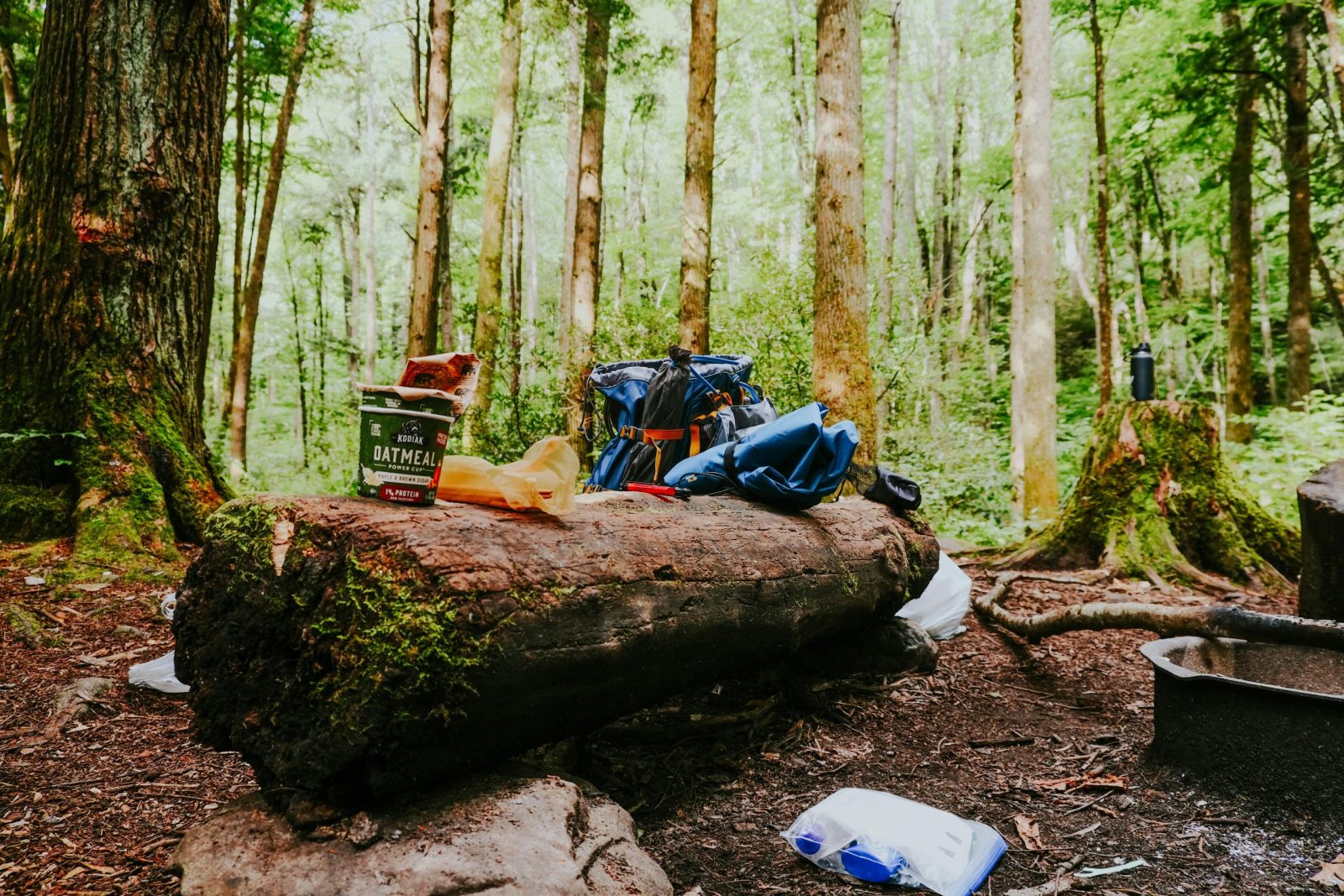
Experience teaches how to use fewer materials and make the most of what’s available. Nothing goes to waste when every resource is used efficiently. Creating less impact on the environment reflects awareness and respect for the natural world. This shift toward sustainability signals maturity in outdoor practice.
Knots Hold Stronger
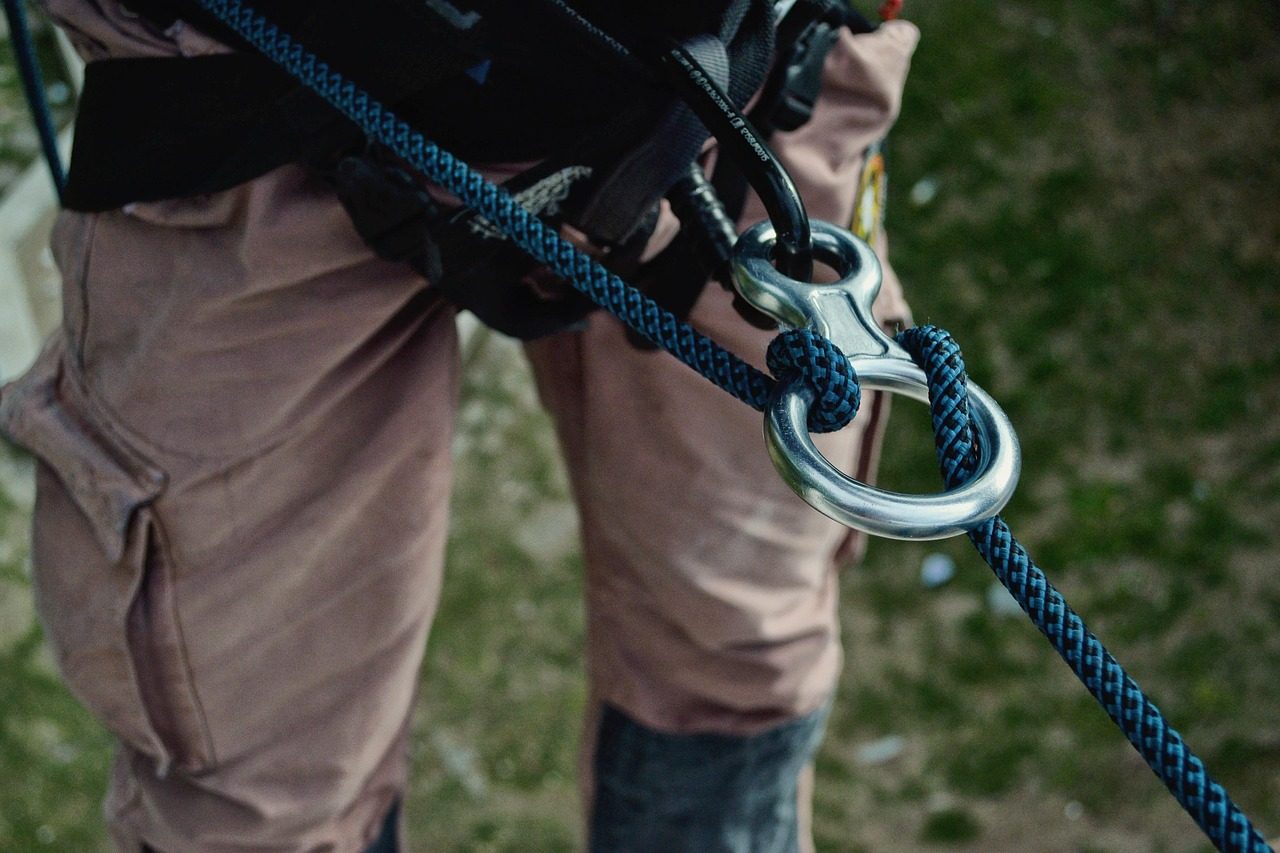
Tying secure knots becomes effortless after enough repetition. Each knot looks neater, takes less time, and serves its purpose well. Whether used for shelter building or securing gear, good knots show improved technique and focus. Reliable craftsmanship in small details often highlights how far skills have come.
Weather Patterns Are Easier to Read
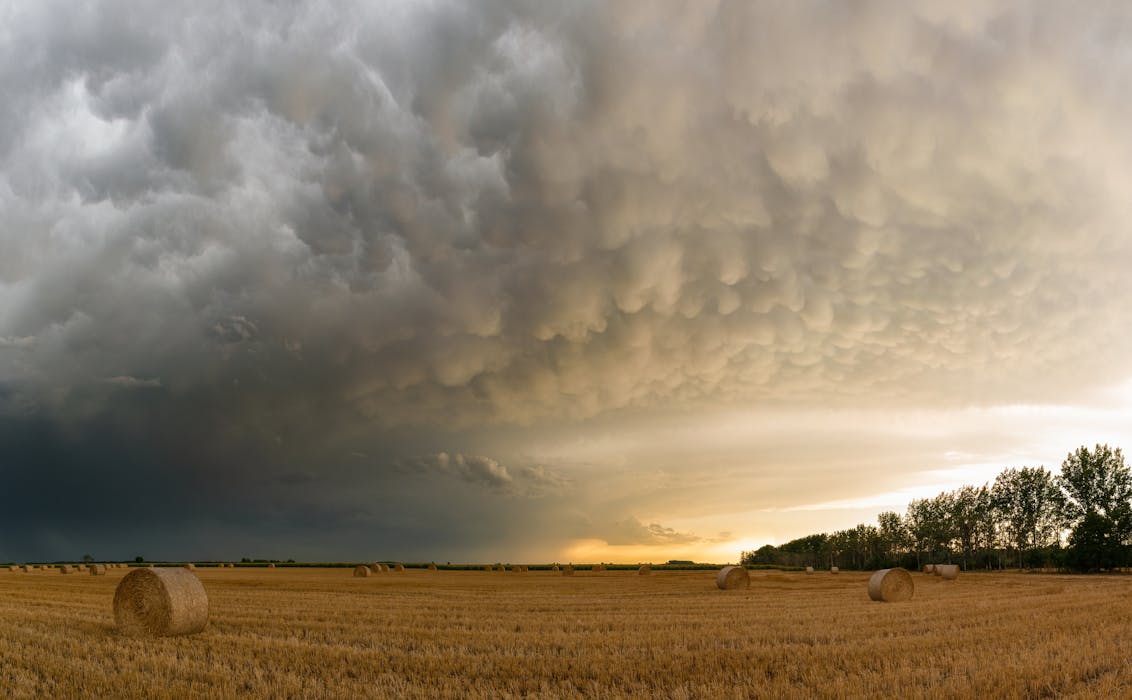
Changes in clouds, wind, and air pressure start to make more sense. Predicting rain or temperature shifts becomes instinctive through observation. Recognizing these subtle signs helps with planning and safety outdoors. This growing awareness reflects both attentiveness and understanding of the natural world.
Sharing Knowledge Feels Natural
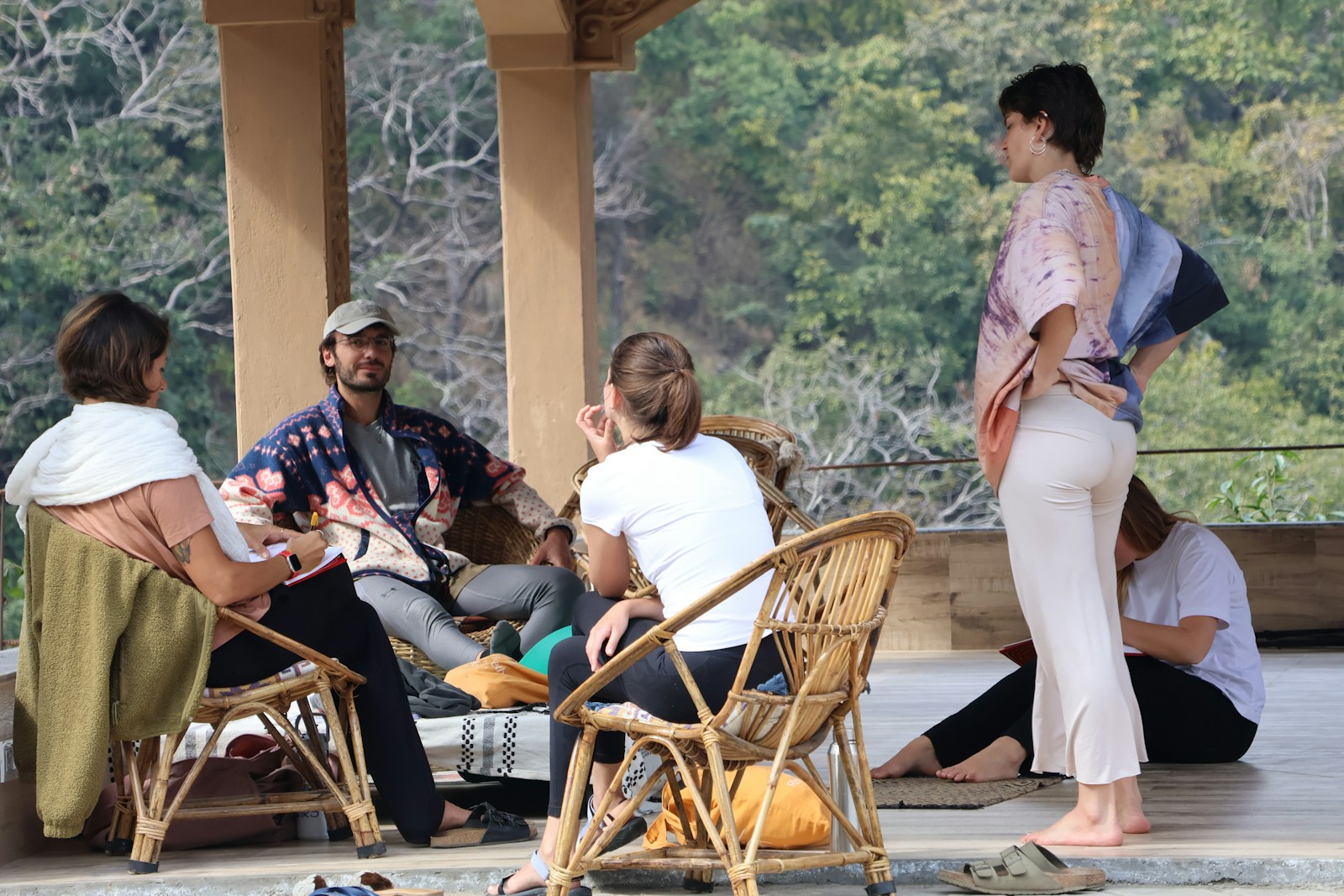
Passing along what’s been learned marks real growth. Explaining skills clearly or helping others solve outdoor challenges strengthens understanding. Teaching becomes a way to reinforce confidence and connect with a wider community. It shows that bushcraft is more than survival when it’s a shared experience and learning through nature.