The outdoor industry presents itself as a community built around authenticity, adventure, and a genuine connection to the natural world. The marketing is compelling, the imagery is beautiful, and the products often carry price tags that suggest serious engineering and meaningful performance differences. But underneath the weathered flannel aesthetic and the carefully curated trail photography sits a commercial machine operating with the same motivations as any other consumer industry: margin optimization, brand perception management, and the cultivation of purchasing habits that favor replacement over repair and upgrades over genuine necessity. Experienced hikers, guides, gear testers, and outdoor professionals who spend real time in the field rather than in marketing meetings tend to see things very differently from the way brands present them. The gap between what the industry tells you and what extended field experience actually reveals is wider than most buyers realize, and it is consistently profitable for brands that the gap remains that wide. The ten realities below are what the outdoor industry would genuinely prefer you never figure out, presented with the specific numbers and field details that make each one impossible to dismiss as simple cynicism.
1. Most Waterproofing Wears Off Far Sooner Than Advertised
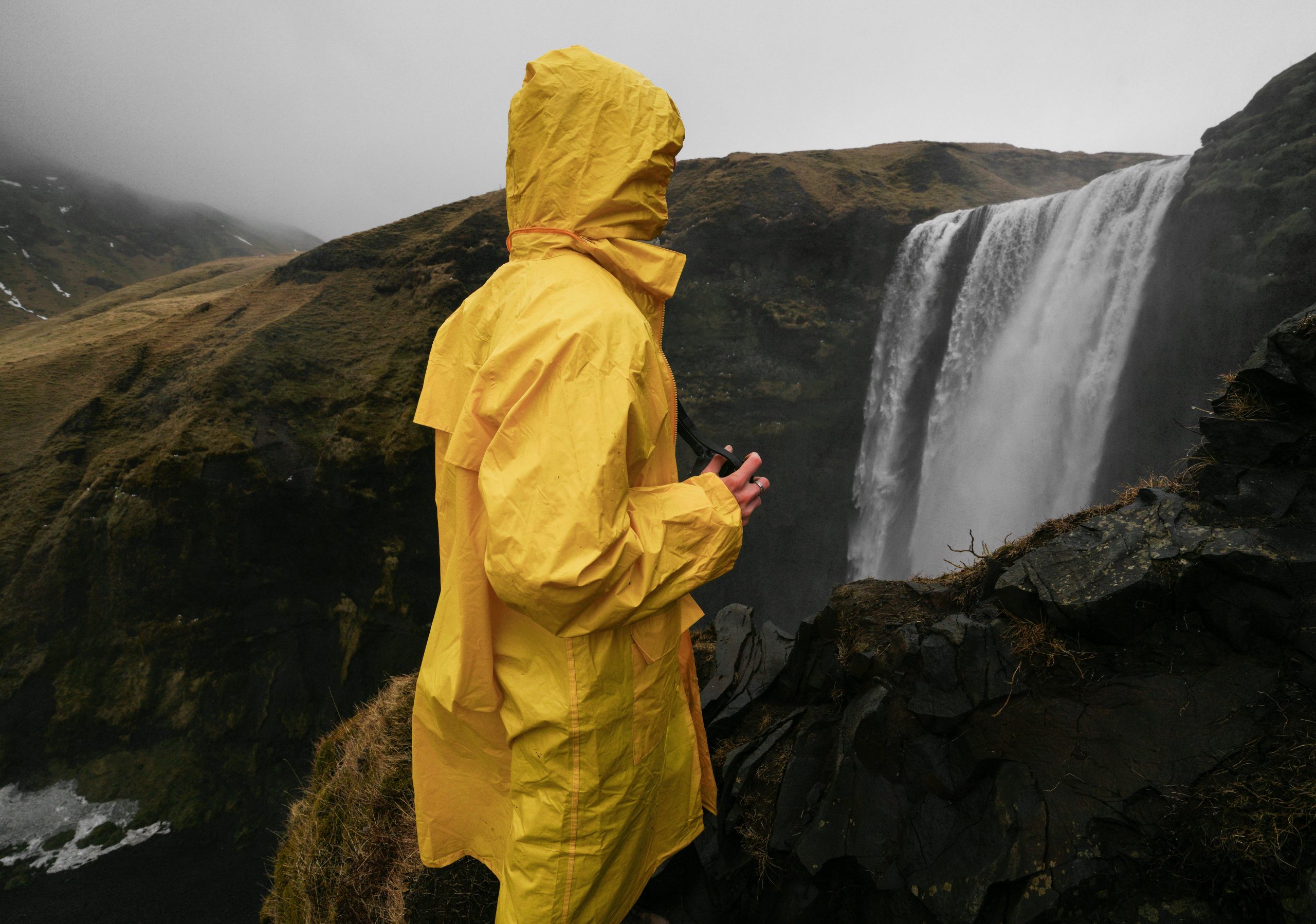
Durable Water Repellent treatments, universally marketed under the DWR abbreviation, are applied to the outer face fabric of virtually every waterproof jacket sold by major outdoor brands. The marketing implies lasting protection, but the physical reality of DWR chemistry tells a different story. Independent testing by organizations including Bluesign and various consumer advocacy groups has consistently shown that factory-applied DWR treatments begin failing after just 10 to 20 hours of field use under normal washing and abrasion conditions. At that point, the outer fabric starts absorbing moisture rather than repelling it, a process called wetting out that dramatically reduces the breathability of the membrane beneath, even when the waterproof membrane itself remains fully intact. The jacket feels cold and clammy rather than failing, which leads most owners to believe the waterproofing itself has failed when the membrane is actually fine. Brands sell DWR reproofing sprays as accessories without prominently communicating that reproofing is not optional maintenance but a predictable and necessary part of the product’s basic function that begins within months of first use rather than years.
2. Gear Weight Specifications Are Measured Under Ideal Conditions
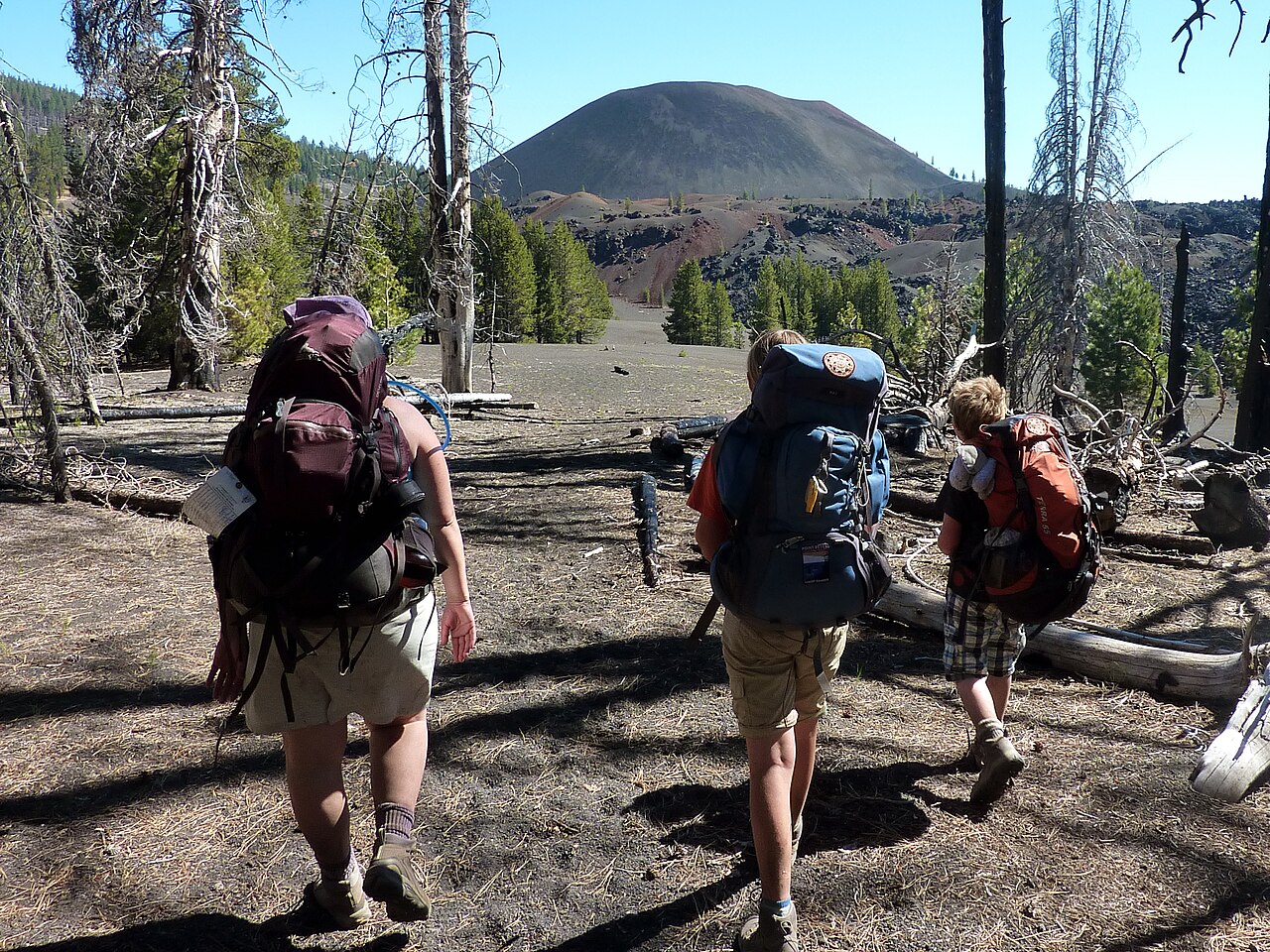
Every weight listed on an outdoor product’s specification sheet represents the lightest possible version of that item measured under the most favorable conditions the brand can construct. Sleeping bags are weighed without stuff sacks. Tents are listed as body-only weights without stakes, guylines, or footprints that are functionally necessary for use. Backpacks are measured empty without frames, hip belt padding inserts, or hydration sleeves that most users include. The difference between a manufacturer’s listed weight and what actually goes on your back is consistently significant. A tent listed at 2 pounds 8 ounces frequently weighs 3 pounds 6 ounces when everything required to pitch and use it properly is included. A sleeping bag listed at 1 pound 14 ounces gains 4 to 6 ounces with its compression sack. Across a complete kit, the cumulative gap between specification weights and real carry weights commonly reaches 2 to 4 pounds on a typical three-season backpacking setup. Ultralight gear communities have documented this discrepancy systematically for years. Brands are aware of it and make no structural effort to standardize specifications in ways that would allow honest consumer comparison.
3. Merino Wool Blends Contain Far Less Merino Than You Think
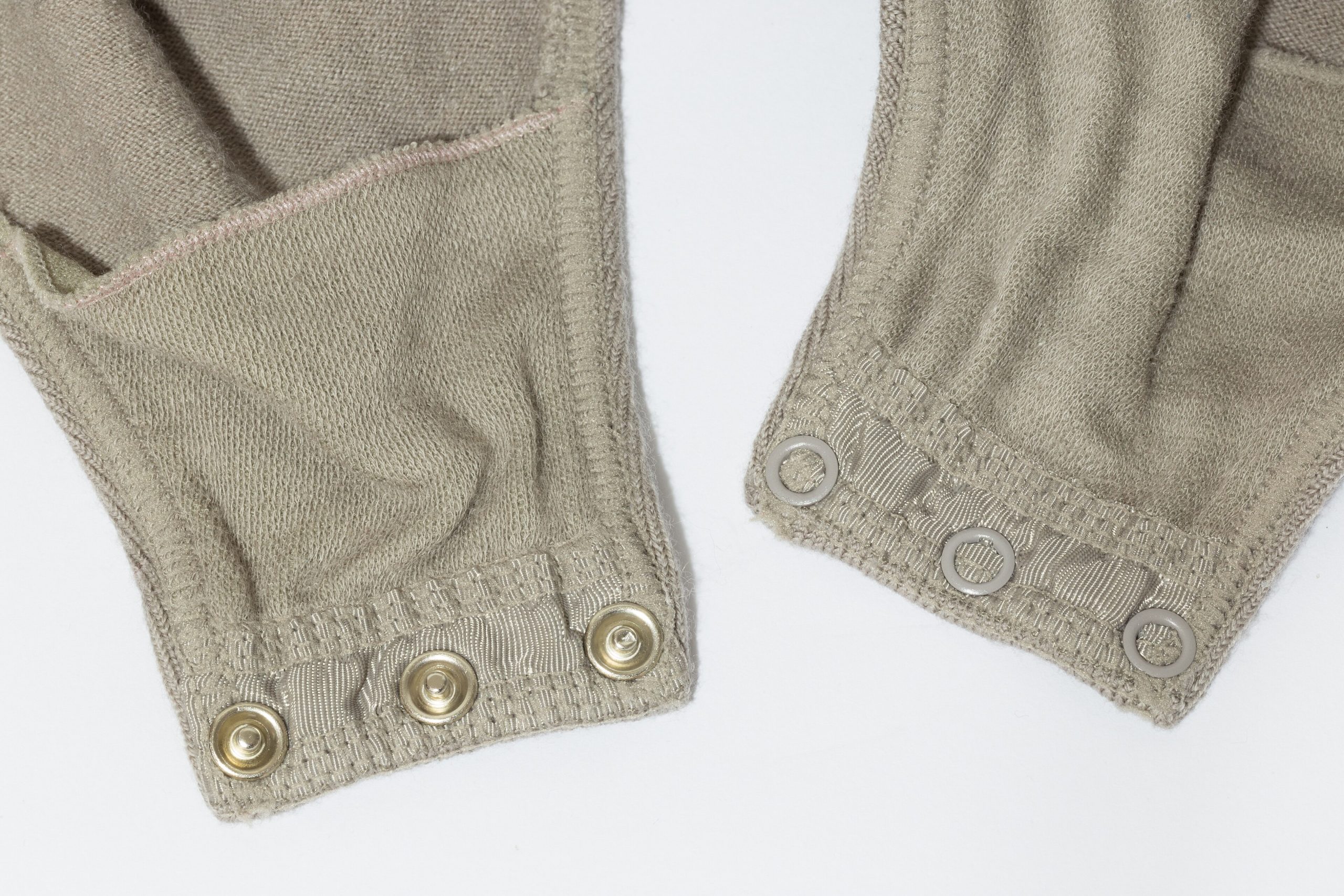
Merino wool has become one of the outdoor industry’s most powerful marketing terms, carrying connotations of premium natural performance, odor resistance, and exceptional temperature regulation that justify significant price premiums across base layers, socks, and midlayers. What brands disclose less prominently is that many products marketed as merino wool contain fiber blends where merino represents as little as 30 to 50 percent of the total fabric composition, with nylon, polyester, and elastane filling the remainder. The odor resistance, moisture management, and soft-against-skin properties that buyers are paying for are primarily merino-specific characteristics that diminish proportionally as the merino percentage drops. A garment that is 40 percent merino and 60 percent synthetic delivers a meaningfully different performance profile than a 100 percent merino equivalent, but the marketing language rarely draws that distinction with clarity. Price does not reliably indicate merino percentage either, as some brands charge near-premium prices for lower-blend products. Reading the fiber content label on the hang tag rather than the front marketing panel is the only way to know what percentage of merino you are actually purchasing at any given price point.
4. Lifetime Warranties Are Significantly More Limited Than They Sound
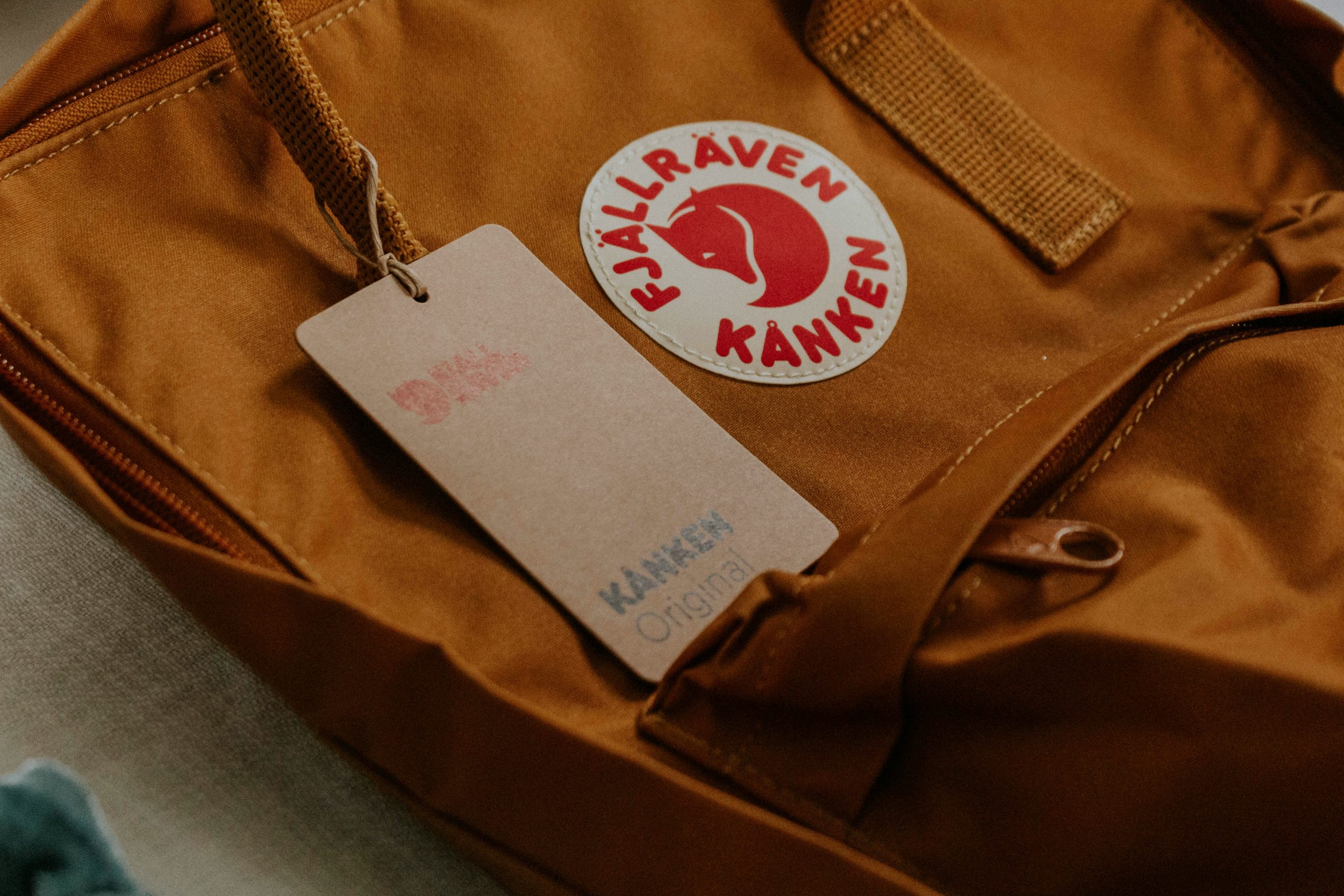
The phrase lifetime warranty has become a powerful sales tool in the outdoor industry, used prominently by brands including major names in packs, cookware, and outerwear to suggest unconditional long-term confidence in their products. The actual terms of most lifetime warranties, buried in documentation that requires deliberate effort to locate and read, tell a substantially different story. Most outdoor industry lifetime warranties cover manufacturing defects only, explicitly excluding wear and tear, damage from misuse, UV degradation, zipper failure from debris accumulation, delamination from improper washing, and seam tape failure from age, all of which represent the actual failure modes that outdoor gear experiences over extended field use. Some brands have quietly moved from lifetime to limited lifetime designations in recent years, further narrowing coverage without prominent disclosure. The return and claim process for warranties that do apply often requires original proof of purchase, original packaging details, and processing times of 4 to 8 weeks. A warranty that excludes the ways gear actually fails while requiring documentation most buyers no longer have is a marketing asset rather than a genuine consumer protection, regardless of how prominently it appears in the product description.
5. Budget Gear Performs Closer to Premium Than Brands Admit
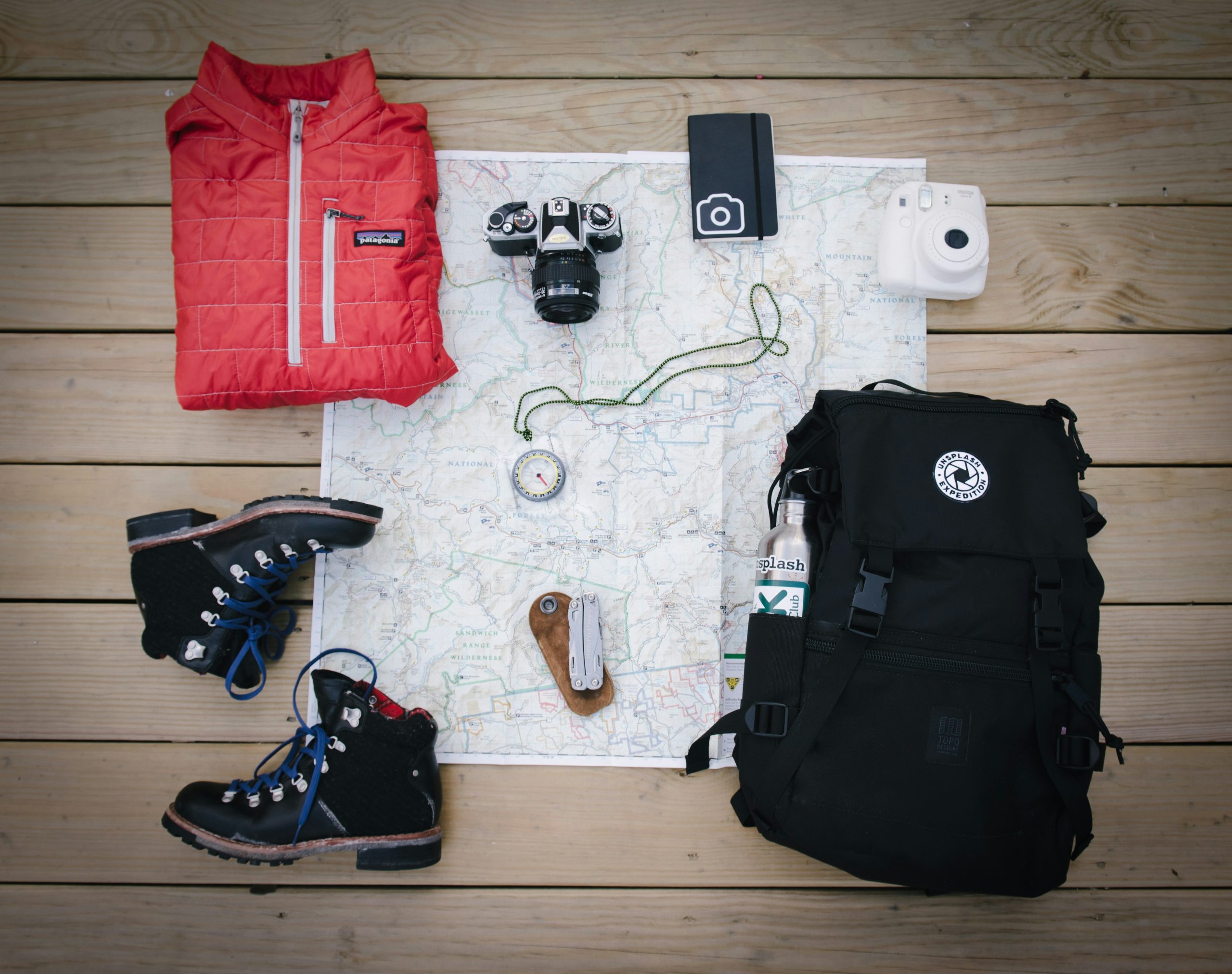
The outdoor industry invests significant effort in creating and maintaining the perception that meaningful performance gaps exist between budget and premium gear across most categories, because that perception directly supports premium pricing structures that generate substantially higher margins. Independent field testing and controlled laboratory comparison consistently tell a more complicated story. In sleeping bag testing conducted by outdoor gear review organizations, budget bags from brands like Teton Sports performing at the $80 to $120 price point have matched premium bags costing $350 to $450 in measured temperature rating accuracy within 3 to 5 degrees Fahrenheit. Budget rain jackets using established waterproof membranes from secondary suppliers have matched premium brand waterproofing performance in standardized hydrostatic head testing at 10,000 to 15,000mm, identical to entry-level premium membranes. The genuine differences that do exist typically involve weight, durability over thousands of use hours, and packability rather than baseline functional performance. For casual weekend campers averaging 8 to 12 nights outdoors annually, those durability and weight differences may never become practically relevant, meaning the performance gap they are paying hundreds of dollars to bridge is largely theoretical for their actual usage pattern.
6. Hiking Boot Waterproofing Creates More Problems Than It Solves

Gore-Tex and equivalent waterproof membranes in hiking boots are marketed as essential features for serious trail use, and for specific environments and conditions, for which marketing is genuinely accurate. For the majority of three-season hiking conditions that most recreational hikers actually encounter, however, waterproof boot membranes create a set of tradeoffs that brands rarely communicate with honesty or balance. Waterproof membranes significantly reduce breathability, with moisture vapor transmission rates in waterproof boots averaging 30 to 50 percent lower than equivalent non-waterproof constructions in the same boot line. In temperatures above 60 degrees Fahrenheit, that reduced breathability produces interior moisture accumulation from foot perspiration that saturates insoles and sock systems within 4 to 6 hours of sustained hiking, creating wet conditions from the inside that are functionally indistinguishable from external water intrusion. Waterproof boots also dry dramatically slower when thoroughly soaked, taking 24 to 48 hours compared to 4 to 8 hours for mesh non-waterproof equivalents. Trail runners in non-waterproof configurations have become the dominant choice among thru-hikers on major long-distance routes precisely because experienced hikers have worked through this tradeoff and concluded that breathability and fast drying outperform waterproofing across most conditions they actually encounter.
7. Sunscreen and Insect Repellent Damage Gear Faster Than UV Does
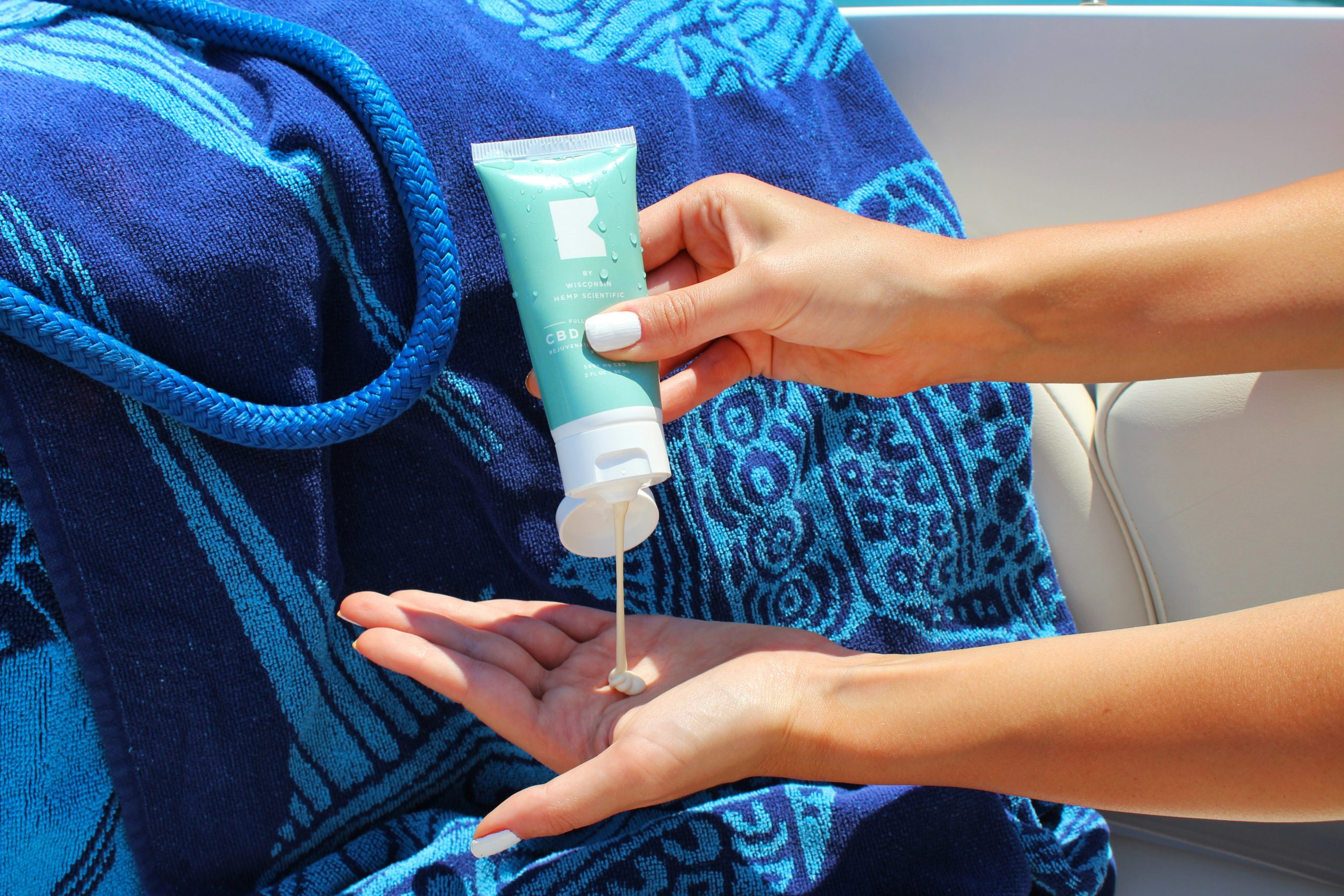
Outdoor brands market UV resistance and sun protection as selling points across fabrics, pack materials, and outerwear, implying that sun exposure represents the primary environmental threat to gear longevity. Field experience and materials testing consistently identify a different primary culprit that brands discuss far less prominently: the chemical interaction between DEET-based insect repellents and synthetic materials. DEET at concentrations above 30 percent, which includes virtually every effective wilderness-grade repellent formula, dissolves synthetic polymer materials, including nylon, polyester, spandex, and certain plastic hardware components on direct contact. The damage is not gradual degradation but active chemical breakdown that can compromise fabric integrity, coating adhesion, and plastic buckle strength within a single season of regular contact. Sunscreen chemicals, including oxybenzone and avobenzone, similarly degrade certain technical fabric treatments and waterproof coatings on repeated exposure. Brands that sell both technical gear and chemical protection products rarely connect these dots in their care instructions, leaving buyers to discover the incompatibility after $400 jackets develop unexplained coating failures and $180 packs show stress cracking around hardware contact points that occurred far sooner than material quality alone would predict.
8. Trekking Pole Price Premiums Rarely Reflect Performance Differences

Trekking poles span a retail price range from approximately $30 for basic aluminum pairs to $350 or more for premium carbon fiber designs from leading brands, a price spread that implies substantial performance differentiation across the range. The actual functional differences that matter for typical recreational hiking are considerably narrower than the spread suggests. Carbon fiber poles are genuinely lighter, with premium pairs weighing 8 to 10 ounces per pair compared to 14 to 18 ounces for aluminum equivalents, a difference that matters meaningfully on multi-week trips where cumulative energy expenditure is measured carefully. For weekend and short-trip hikers, that weight saving is largely theoretical. Carbon fiber is also more brittle than aluminum under lateral impact stress, with carbon poles failing catastrophically rather than bending when struck against rocks or subjected to torsional loading, while aluminum poles bend and remain usable. The locking mechanisms on budget poles have improved substantially, with twist-lock and lever-lock systems on poles in the $40 to $80 range performing comparably to premium equivalents in controlled extension retention testing. The $200 price gap between functional budget poles and premium alternatives purchases weight savings that most recreational hikers will never notice and durability characteristics that actually favor the less expensive option in rocky terrain.
9. Calorie Counts on Freeze-Dried Meals Are Consistently Overstated

Freeze-dried backpacking meals occupy a premium price segment, with single-serving pouches retailing between $10 and $18 and multi-serving options climbing to $22 or more. The caloric content listed on packaging is a primary purchasing consideration for backpackers managing energy intake against output on multi-day trips, making accurate labeling directly relevant to trip safety and performance. Independent nutritional analysis of popular freeze-dried meal brands conducted by outdoor media organizations has documented consistent discrepancies between labeled and actual caloric content, with measured values running 10 to 17 percent below stated figures across multiple products and brands. On a trip where a hiker targets 3,500 calories daily across three meals and snacks, a systematic 15 percent overstatement translates to a daily deficit of 525 calories that compounds across trip duration, producing energy depletion that hikers typically attribute to exertion rather than inaccurate labeling. Serving size definitions also frequently understate realistic consumption, with single-serving designations reflecting portions that most active hikers find insufficient, requiring consumption of the full pouch to approach satiety, a detail that the per-serving calorie figure obscures rather than clarifies for trip planning purposes.
10. Outdoor Clothing Sustainability Claims Are Largely Unverified
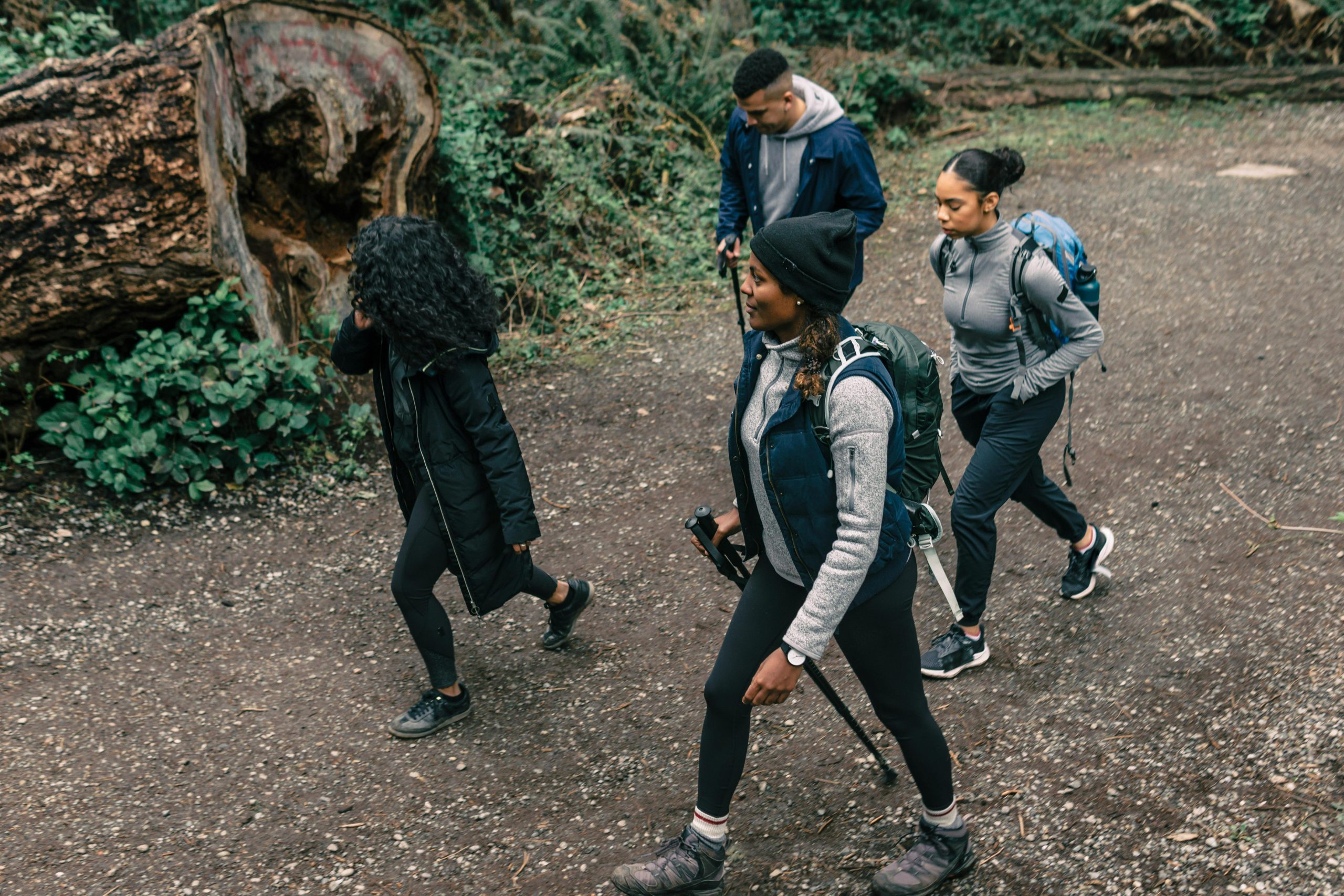
Sustainability has become one of the outdoor industry’s most prominent marketing themes, with terms including recycled, responsible, bluesign approved, and carbon neutral appearing across product descriptions, hangtags, and brand mission statements with increasing frequency and decreasing specificity. The regulatory environment governing these claims in the United States requires no independent third-party verification for most sustainability language, meaning brands can apply environmental terminology to products based on internal definitions and internal measurement methodologies without external audit or accountability. Recycled content claims, for example, frequently apply to packaging rather than fabric when read carefully. Carbon-neutral designations often rely on offset purchasing rather than emissions reduction, with offset quality varying enormously across the programs’ brands. The Federal Trade Commission updated its Green Guides in 2012 to address misleading environmental marketing, yet a 2023 review found that a significant percentage of outdoor industry environmental claims still failed to meet the specificity and substantiation standards those guides recommend. Consumers who make purchasing decisions based on sustainability claims are frequently paying a premium for marketing language rather than verified environmental outcomes, a gap the industry has little financial incentive to close through transparency that would require acknowledging how far current practices fall from the values the marketing implies.