Extreme cold exposes weaknesses in rifles faster than almost any other environment, turning minor design flaws into sudden failures when temperatures plunge far below zero. Lubricants thicken, metal contracts, moisture freezes in tiny gaps, and actions that normally run smoothly begin to drag or lock up. While the AR-15 performs well in many climates, its tighter tolerances and fast-cycling lightweight parts can struggle during prolonged exposure to deep winter conditions. Because of this, many hunters, guides, and cold-region shooters trust rifles built with heavier bolts, generous clearances, and operating systems that remain dependable even when ice, snow, and freezing winds push equipment to its limits.
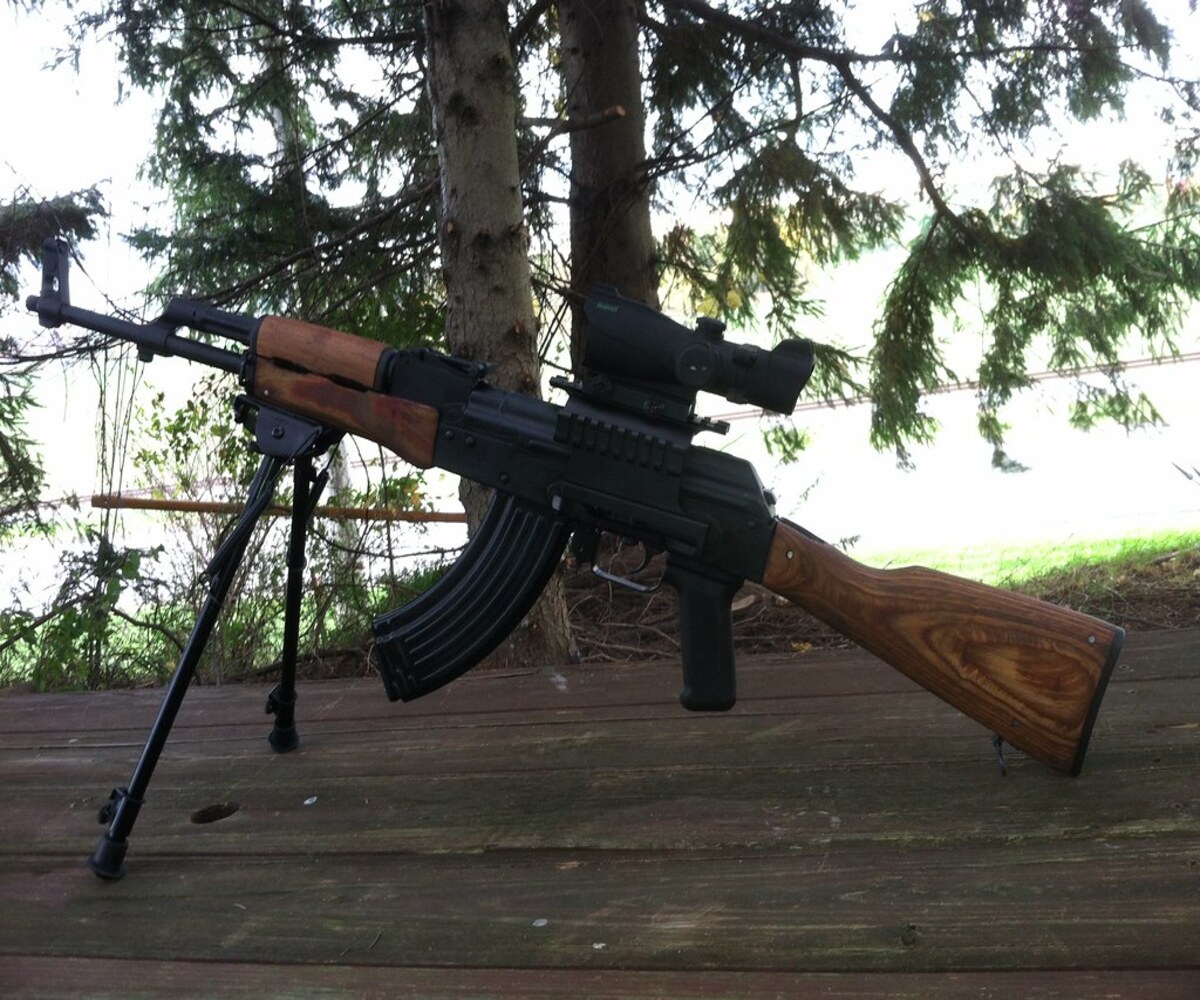
1. AK-47 / AKM Series
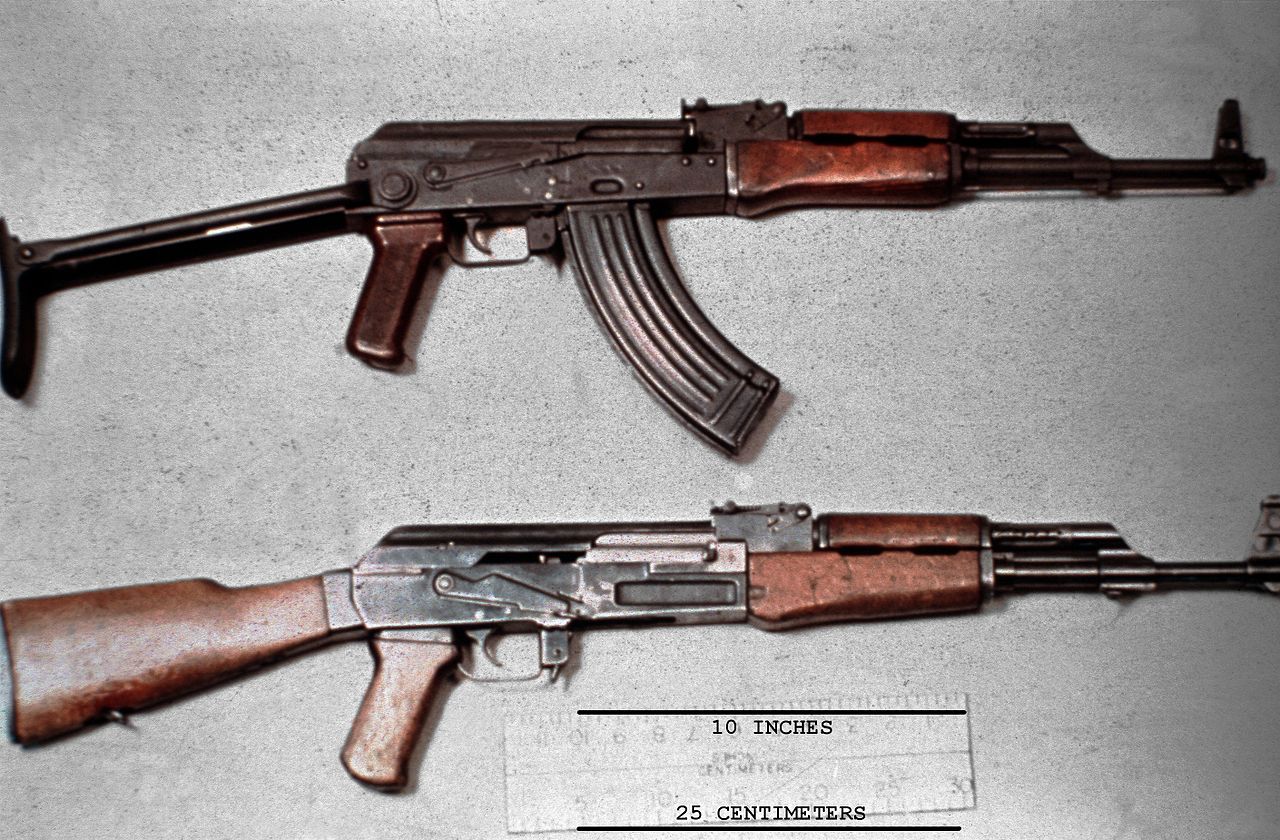
The AK-47 and AKM platforms have earned their reputation for surviving harsh environments, and extreme cold is no exception. Their long-stroke gas piston drives the action with force that cuts through sluggish lubricants, while the rifle’s wide internal clearances allow snow, frost, and grit to pass without binding the bolt. Even when metal contraction affects smaller parts on other rifles, the AK’s heavy carrier and simple rotating bolt continue to function. Although accuracy can dip in freezing winds, its dependable cycling and forgiving tolerances make it more consistent than an AR-15 during long exposure to deep winter temperatures.
2. SKS Carbine
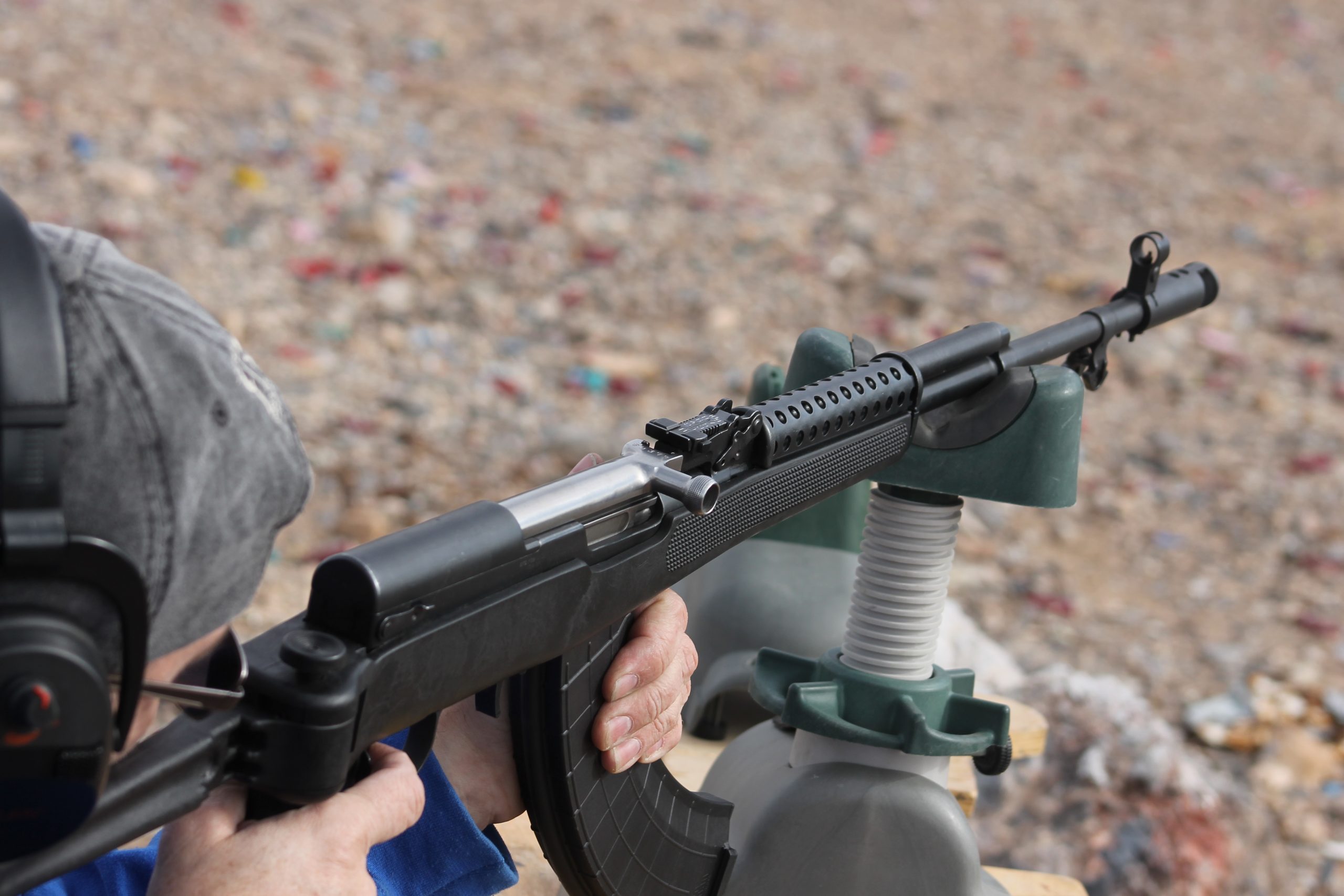
The SKS carbine thrives in extreme cold thanks to its slow, deliberate operating cycle and uncomplicated piston system. The rifle’s tilting-bolt design gives it sturdy engagement surfaces that resist freezing, and the broad interior channels are less prone to collecting ice than more intricate modern actions. Because it requires minimal lubrication, the SKS avoids many cold-weather stoppages caused by thickened oils. Its fixed magazine also eliminates issues related to brittle feed lips or stiff springs. While heavier and dated, this rugged carbine continues to impress hunters who want predictable reliability during long winter hunts in sub-zero conditions.
3. M1 Garand
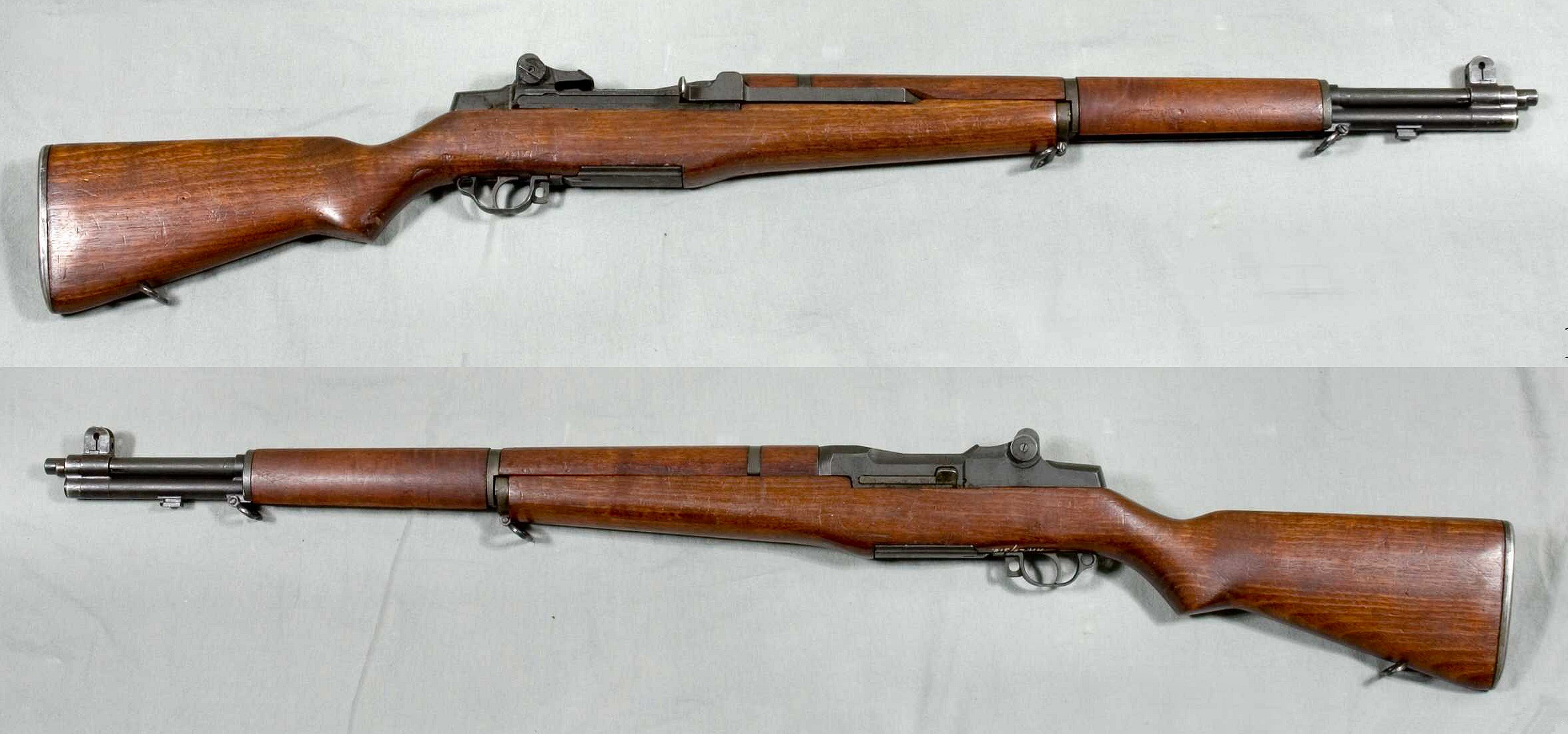
The M1 Garand’s battle-proven reliability extends naturally into harsh winter climates, where its sturdy rotating bolt and robust op-rod system maintain consistent function even when exposed to freezing moisture. The rifle’s components are large enough to resist contraction-related binding, and its gas mechanism continues to cycle reliably when cold air thickens lubricants. During historical winter campaigns, soldiers valued how the Garand could be cleared of snow and returned to firing condition with minimal effort. Although heavier than modern rifles, its predictable performance in brutal cold makes it a dependable alternative when AR-15 platforms begin to struggle.
4. M14 / M1A Rifles
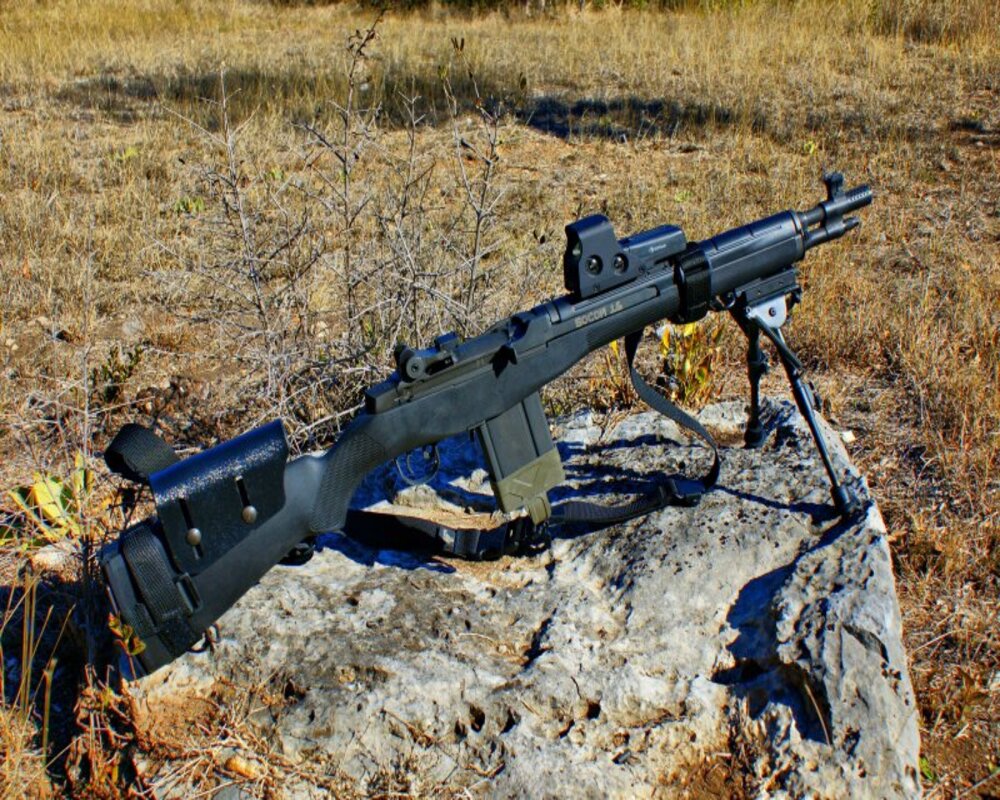
The M14 and civilian M1A offer strong cold-weather performance due to their durable rotating bolt, solid op-rod, and reliable gas system. These rifles operate with enough mechanical mass to push through sluggish lubrication, reducing the likelihood of short-cycling during deep freezes. Their internal tolerances strike a balance between precision and clearance, allowing ice or frost to melt without seizing the action. Hunters and outdoor professionals often choose the M1A for winter trips because it remains responsive after long exposure to sleet, blowing snow, or sudden temperature changes. While not lightweight, its dependable cold-weather behavior outshines many AR-style rifles.
5. Ruger Mini-14
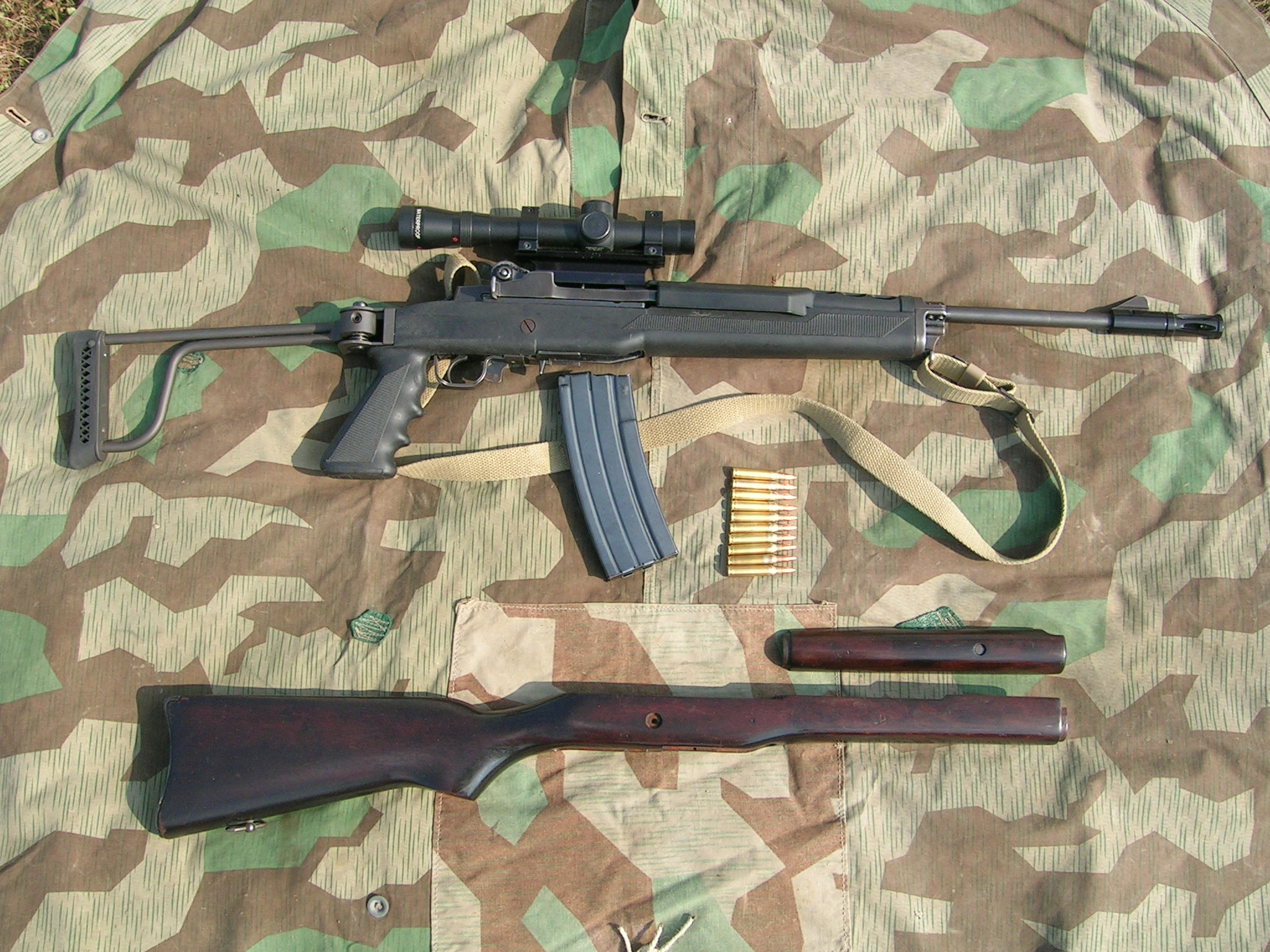
The Ruger Mini-14 benefits from a Garand-inspired design that naturally handles winter stress. Its fixed-piston gas system maintains cycling strength even when cold air thickens lubricants or when moisture begins to freeze inside the action. The rifle’s tolerances are forgiving enough to prevent binding, yet tight enough to preserve accuracy under shifting temperatures. Snow and ice tend to shed quickly from the action due to its open layout, and the bolt’s solid travel helps ensure consistent chambering. While the Mini-14 lacks the modularity of AR platforms, many shooters rely on it for stable performance during freezing hunts or backcountry travel.
6. Mosin-Nagant 91/30
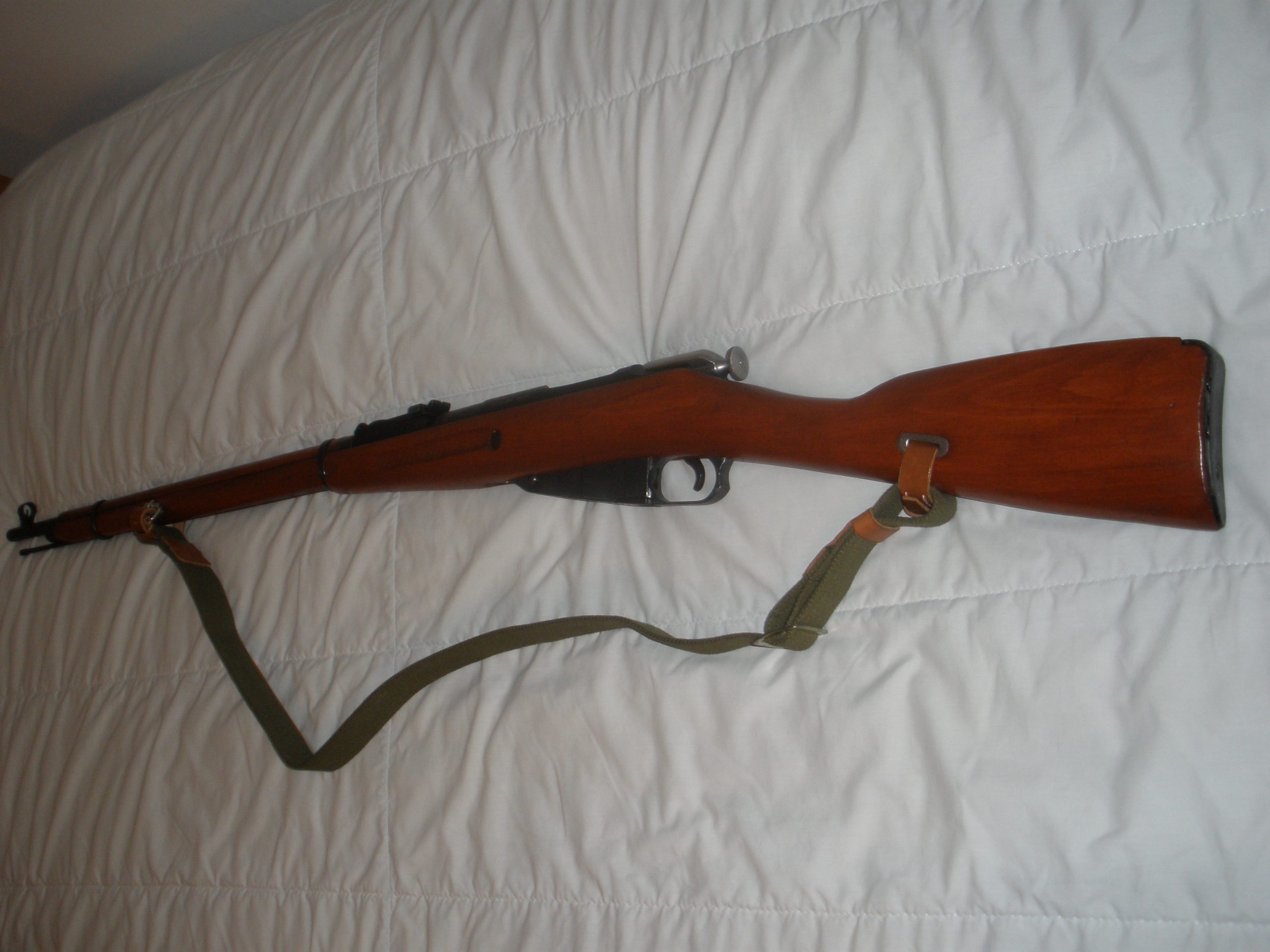
The Mosin-Nagant 91/30 was born for brutal winters, and its rugged bolt-action system remains one of the most cold-tolerant designs ever issued. Its oversized bolt handle gives shooters strong leverage when frost builds up, and the simple extractor rarely freezes. The rifle functions reliably with minimal lubrication, avoiding problems caused by oils thickening in frigid temperatures. Even when condensation freezes inside the chamber or magazine, the Mosin’s straightforward mechanics allow shooters to clear it quickly. Though crude and heavy, its dependability in deep cold continues to make it a trusted choice for hunters in northern regions.
7. Tikka T3x Series
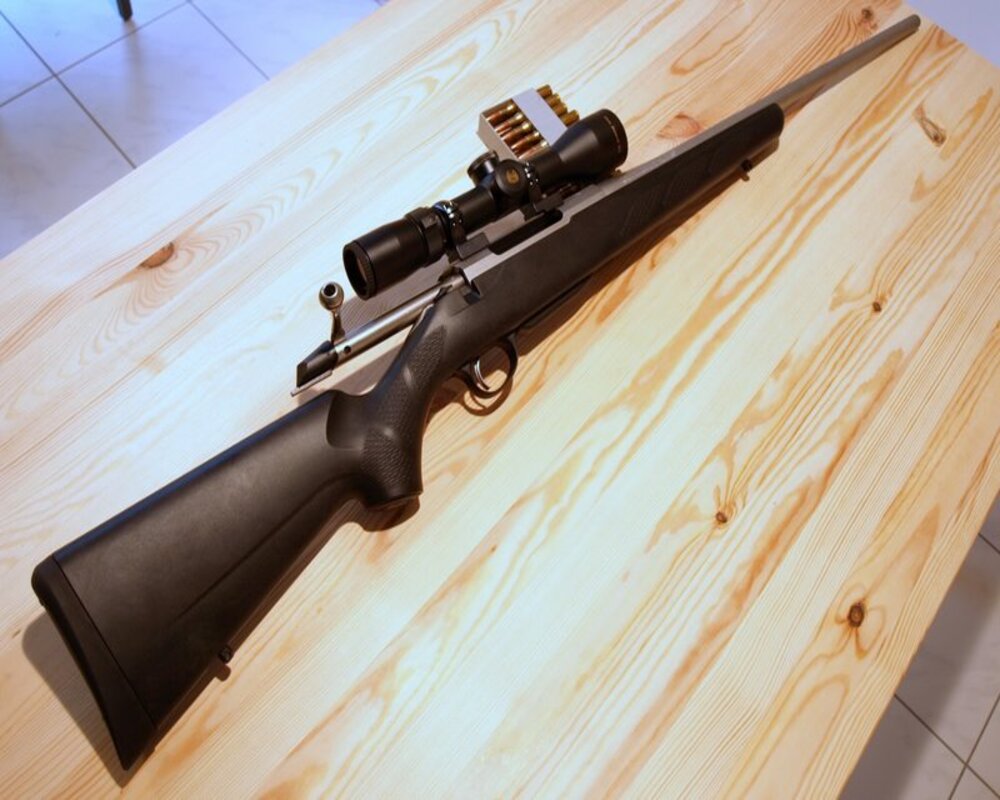
The Tikka T3x line offers a blend of precision and cold-weather toughness that appeals to winter hunters. Its smooth, dual-rail bolt minimizes friction when lubricants stiffen, and the action tolerates light, cold-rated oils without losing speed. The firing pin spring maintains strong energy in freezing temperatures, helping ensure reliable ignition even when moisture freezes inside the bolt body. Polymer stocks used on many models resist temperature-related warping, preserving accuracy across long hunts. While the rifle is more refined than old military designs, its consistent performance during deep-cold excursions often surpasses AR-15 platforms operating in similar conditions.
8. Sako 85 Rifles
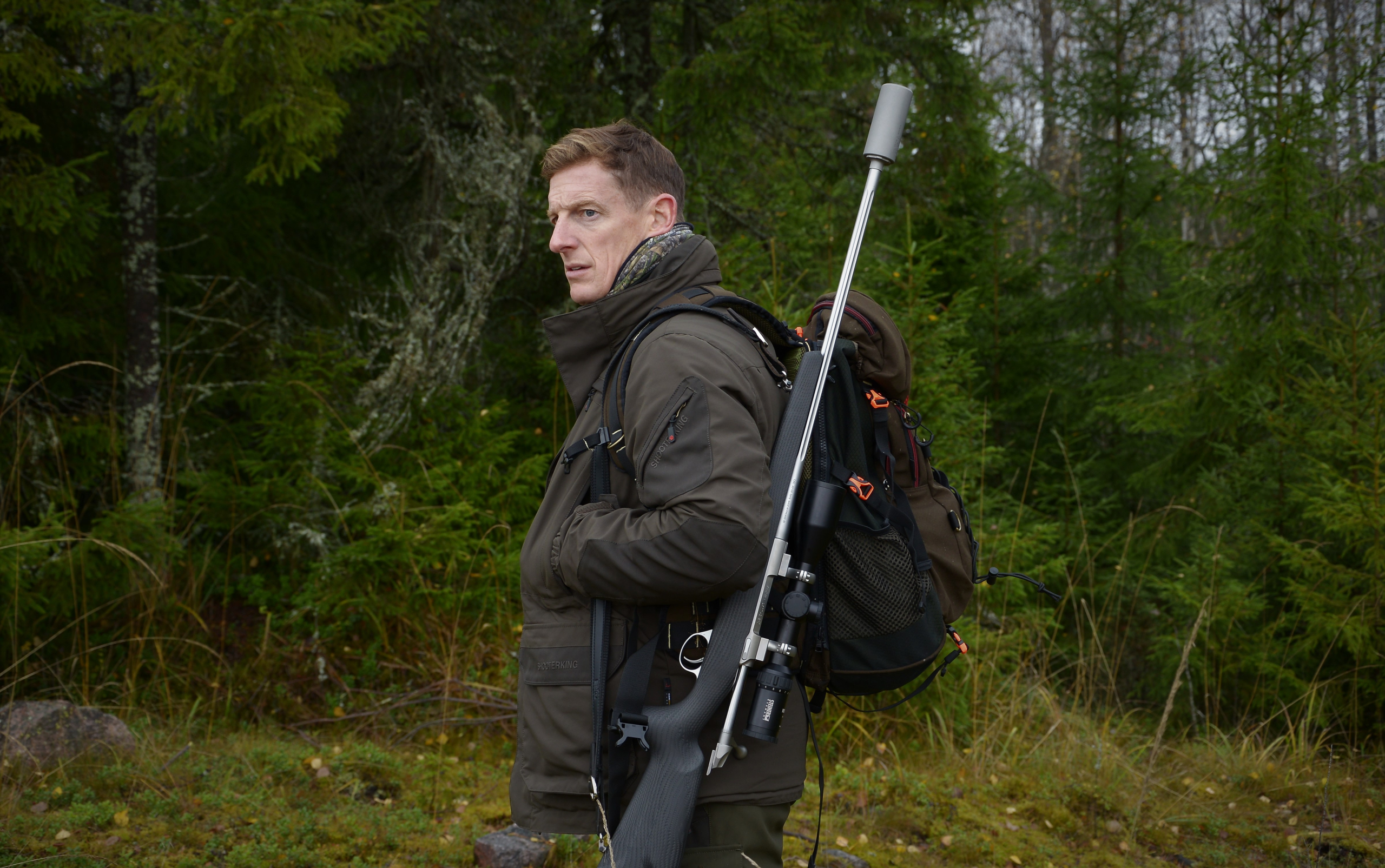
The Sako 85’s controlled-round-feed system makes it a standout performer in extreme cold, where reliable extraction is crucial. Its three-lug bolt locks firmly without relying on tight tolerances, reducing the risk of freezing during metal contraction. The rifle’s internal geometry sheds ice and snow efficiently, allowing it to cycle even when frost forms inside the action. Hunters appreciate the strong firing pin and dependable trigger, both engineered to resist sluggishness in frigid temperatures. Although Sako rifles are premium options, their stability during prolonged cold exposure often places them ahead of AR-style rifles in reliability.
9. Savage 110 Series
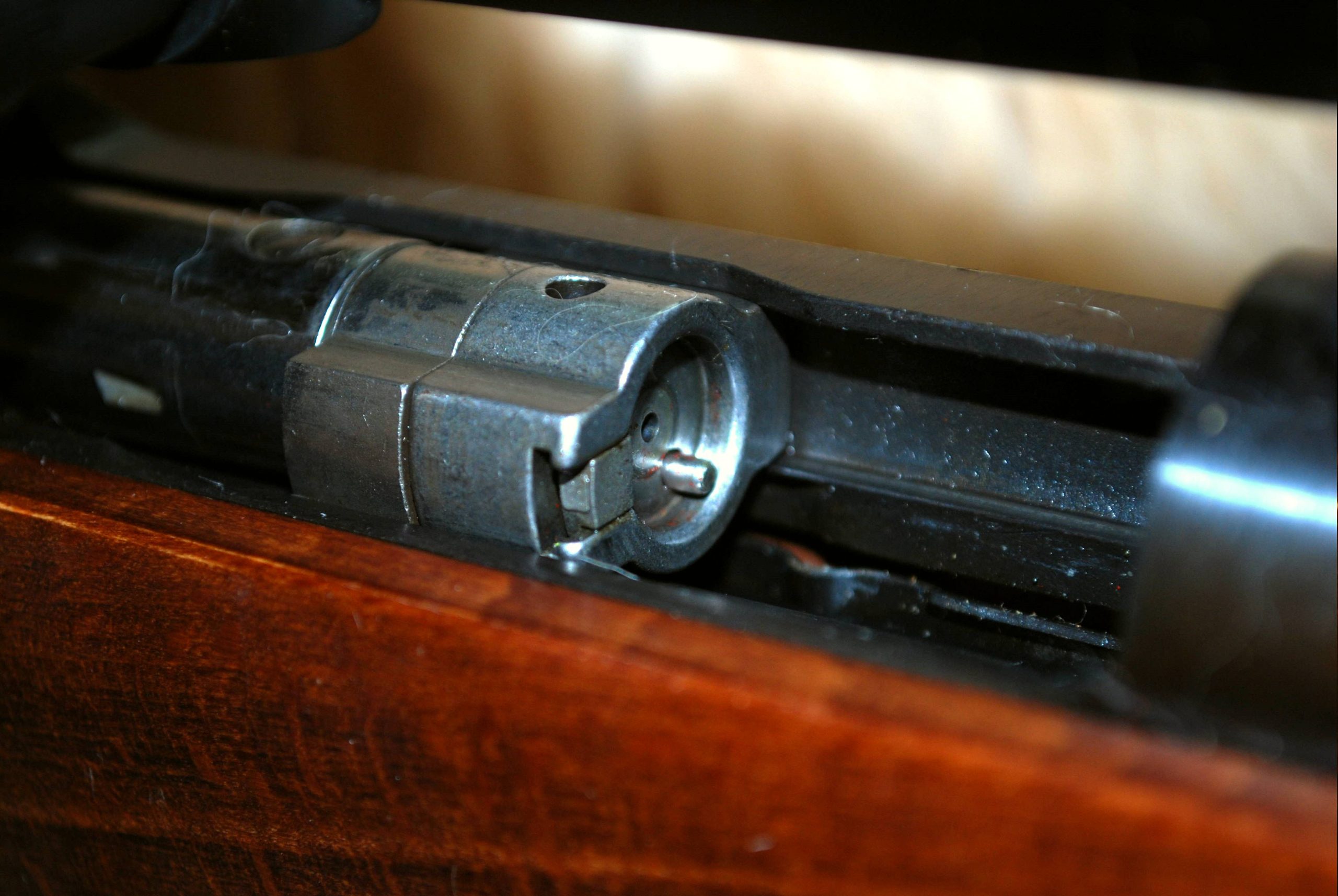
Savage 110 rifles have earned respect for functioning reliably in freezing environments thanks to their floating bolt head and strong locking lugs. This design maintains consistent engagement even when metal contracts or frost forms around the bolt body. The action handles light winter lubricants well, and its extractor maintains grip on icy casings. Synthetic stocks commonly paired with the 110 resist swelling, helping the rifle stay accurate despite shifting temperatures. While less modular than AR-15s, the 110 Series provides consistent performance for hunters who spend long days in deep cold, where mechanical simplicity is a major advantage.
10. Winchester Model 70
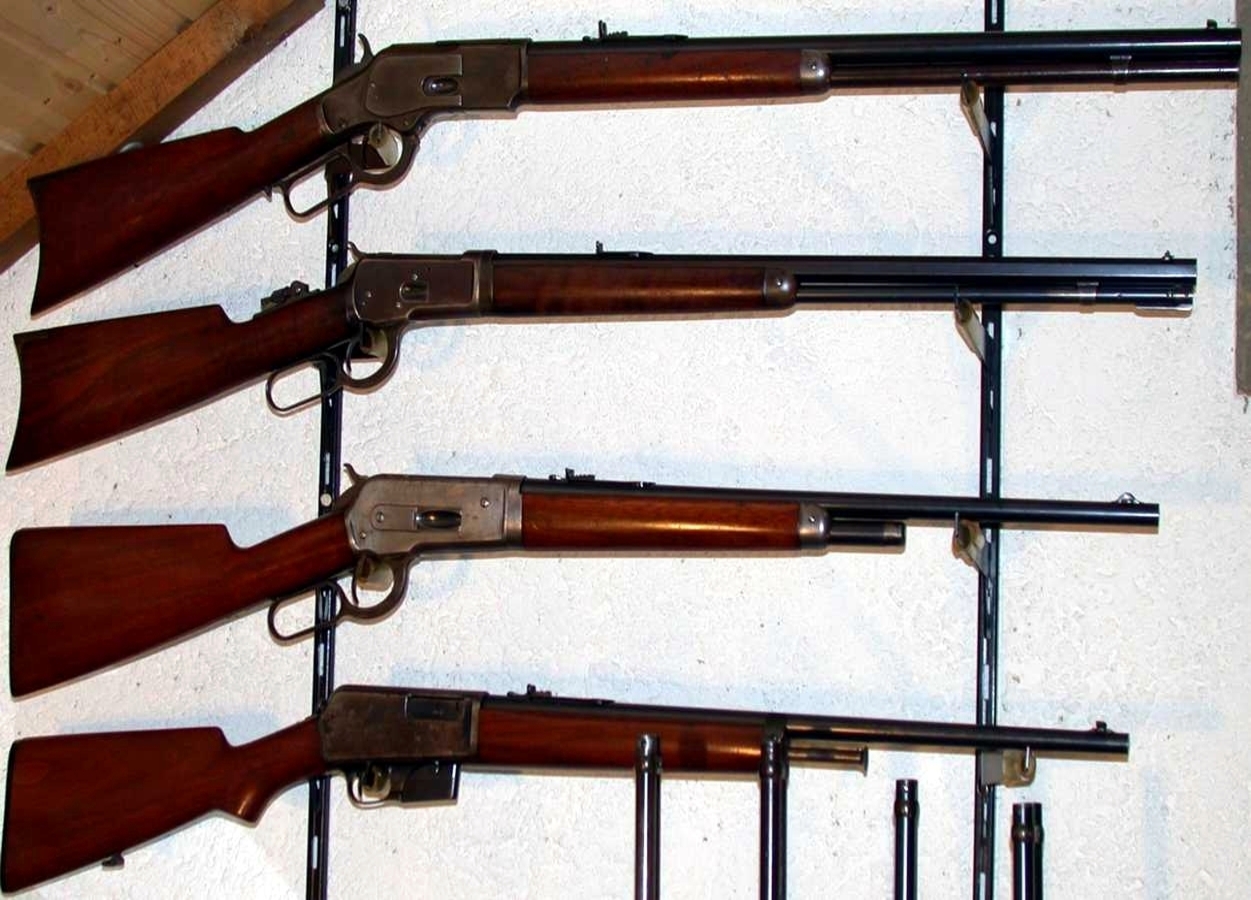
The Winchester Model 70 excels in severe cold due to its classic controlled-round-feed action, which grips and ejects cartridges dependably even when ice begins to form inside the chamber. The bolt design provides enough clearance to avoid freezing, while still locking up firmly for safety and accuracy. Its firing pin channel is straightforward and resists moisture buildup, which helps prevent light strikes in freezing air. Hunters trust the Model 70 for long winter trips because it maintains responsiveness after exposure to snow, sleet, and rapid temperature swings. Though heavier than AR platforms, it delivers unmatched cold-weather confidence.