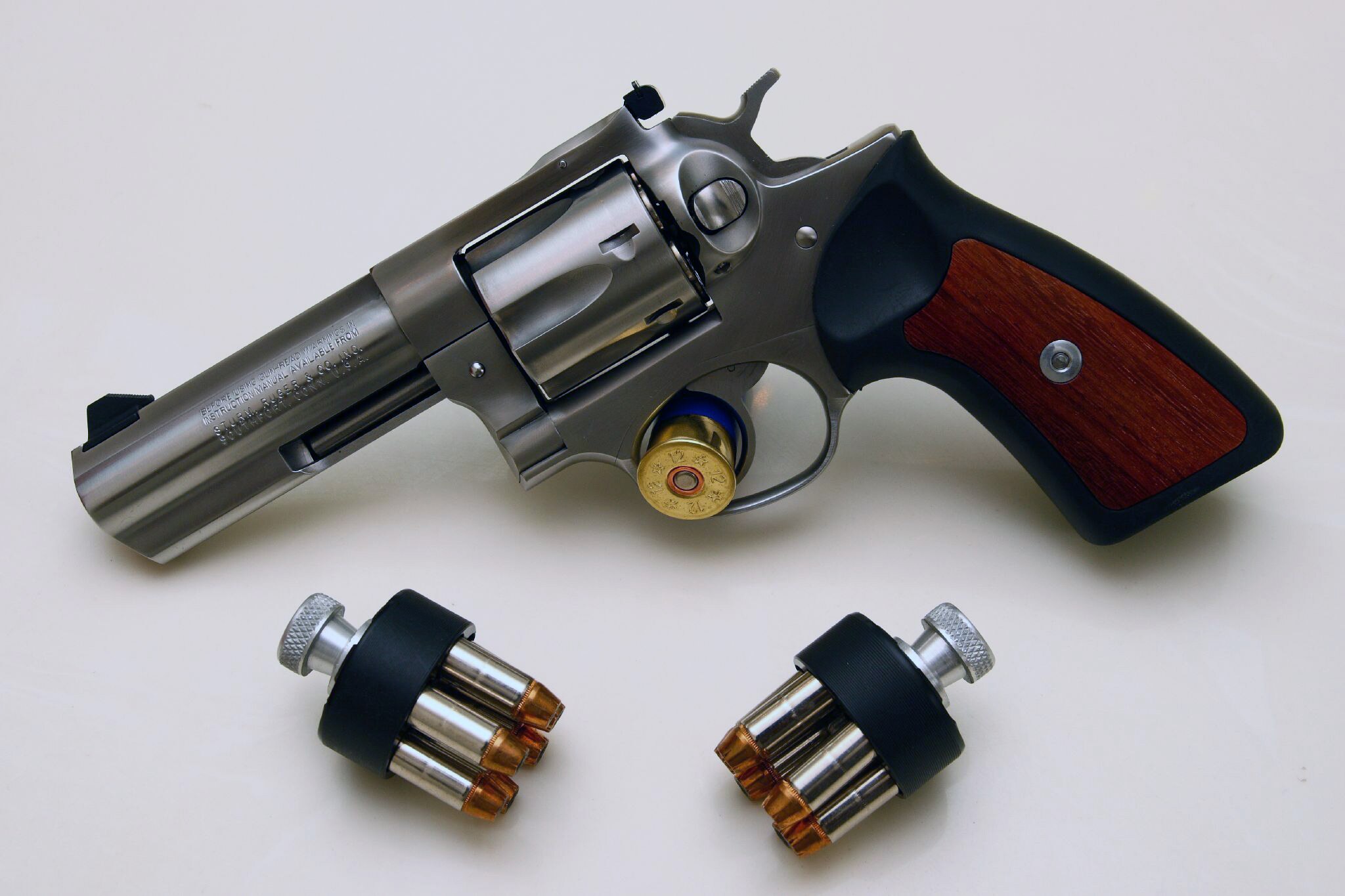
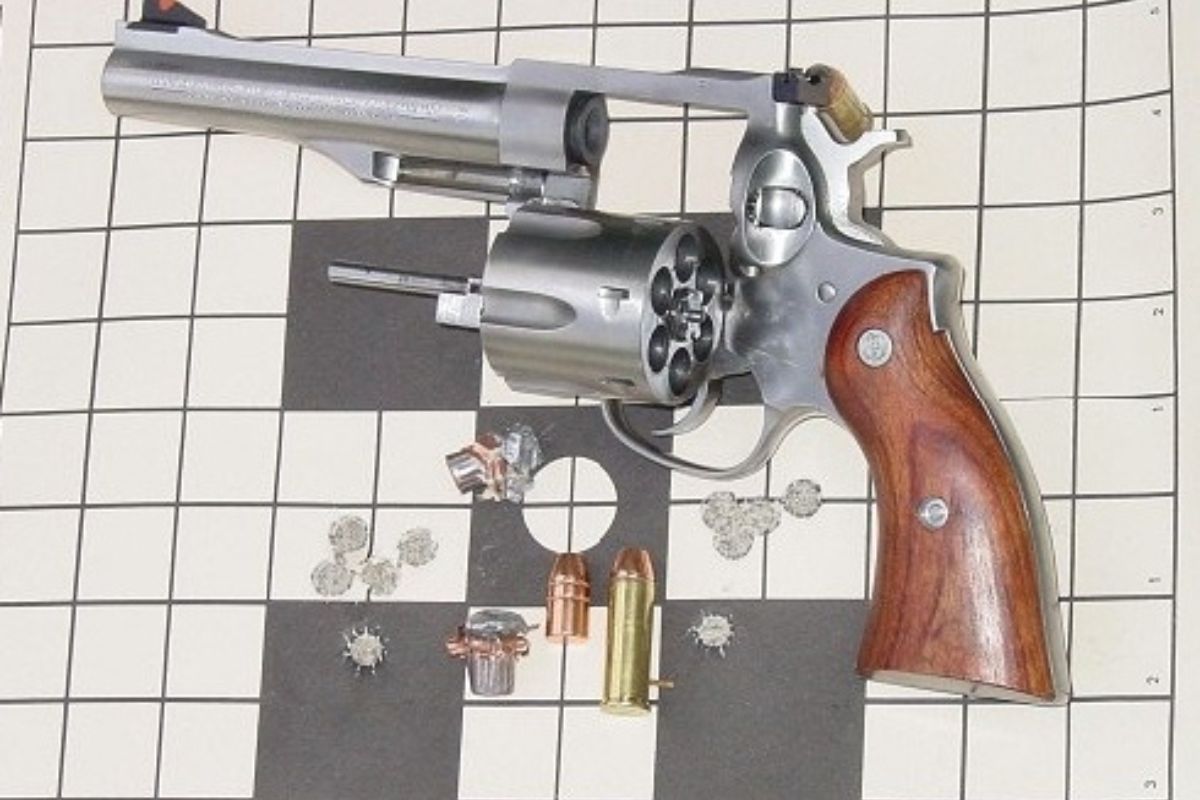
The Ruger GP100 has earned a reputation as a rugged, dependable revolver, often praised for its solid construction and longevity. Many shooters genuinely admire the platform, and countless examples have performed reliably for years. Still, no firearm is perfect for every user, and durability claims sometimes overshadow practical considerations that influence ownership satisfaction. Factors such as weight, ergonomics, trigger characteristics, and evolving market alternatives all play meaningful roles in determining whether a revolver truly fits a shooter’s needs. A closer, more critical look helps balance expectations with real-world experience. The following points explore commonly discussed concerns that some owners and prospective buyers consider when evaluating the GP100, particularly when comparing it to modern revolvers designed with different priorities.
1. Excessive Weight Can Limit Practical Use
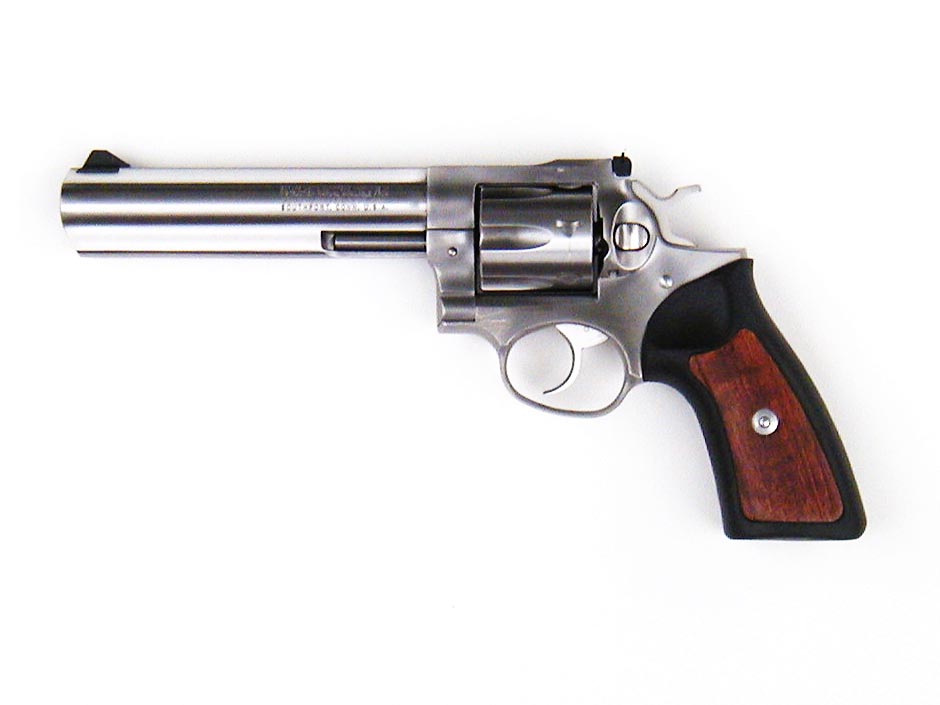
The GP100’s weight is frequently cited as both a strength and a drawback. While added mass can reduce felt recoil, it can also make the revolver feel cumbersome during extended handling. Shooters who spend long sessions at the range may notice increased fatigue, especially compared to lighter platforms. Carrying a heavier revolver for prolonged periods may also become uncomfortable, even with quality holsters. Practical usability often depends on balance rather than sheer sturdiness. Many modern revolvers achieve impressive durability without the same level of bulk. For users prioritizing mobility, comfort, or everyday portability, the GP100’s heft may feel more like a burden than a benefit. Weight alone does not guarantee a superior shooting experience, and preferences can shift quickly once real-world handling becomes a factor.
2. Bulk Can Affect Grip and Control
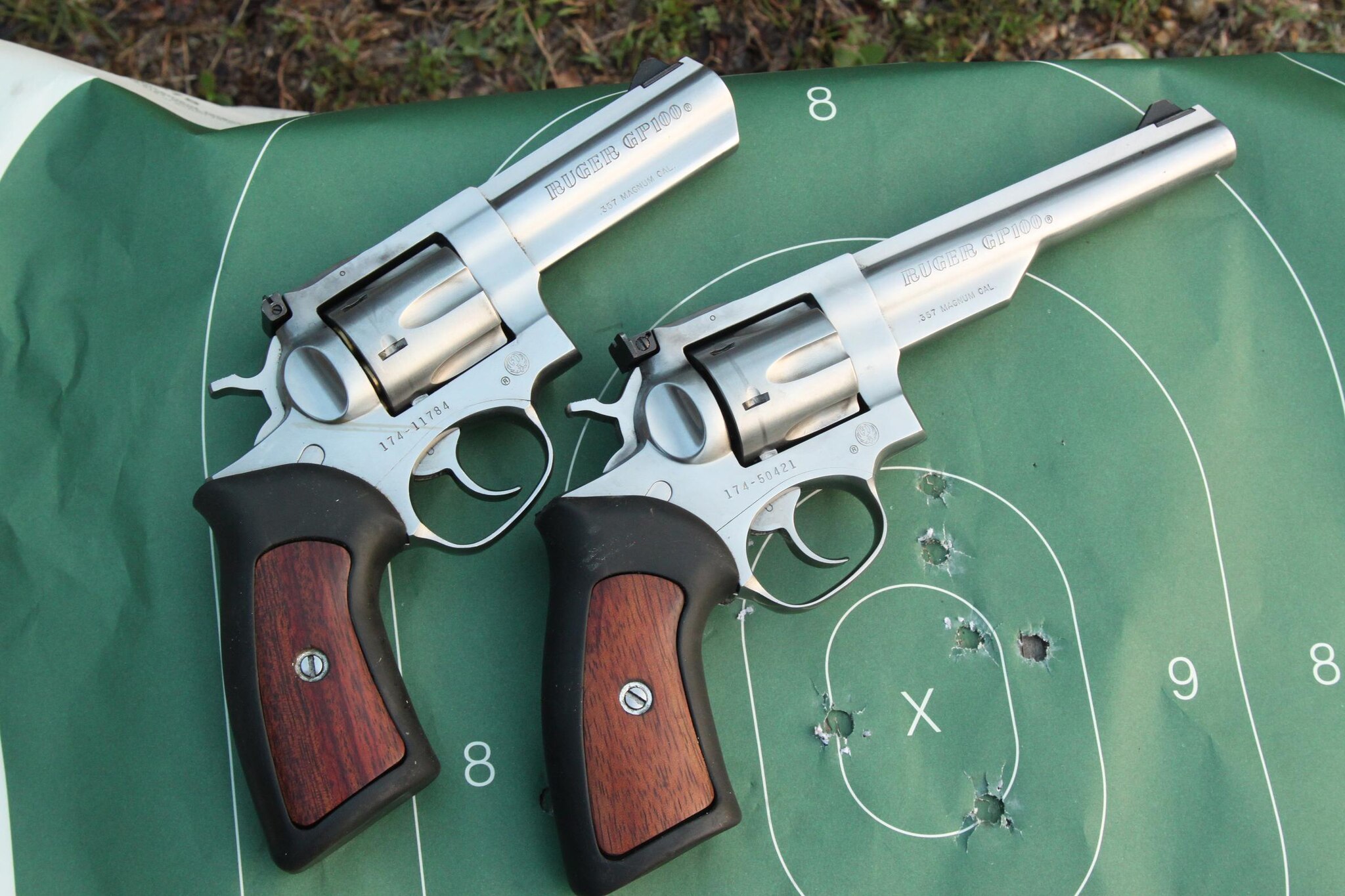
Beyond weight, the revolver’s physical dimensions influence handling dynamics. The GP100’s thick frame and robust profile contribute to its sturdy feel, yet some shooters find it less comfortable to grip. Hand size plays a significant role, and individuals with smaller hands may struggle to achieve a natural hold. A grip that feels oversized can subtly reduce confidence and control, even if the firearm remains mechanically sound. Quick target transitions and consistent trigger reach may feel less intuitive for certain users. While many appreciate the revolver’s solid presence, others prefer slimmer designs offering enhanced agility. Comfort and ergonomics directly affect shooting performance, making bulk a legitimate consideration rather than a purely cosmetic concern.
3. Trigger Characteristics May Disappoint
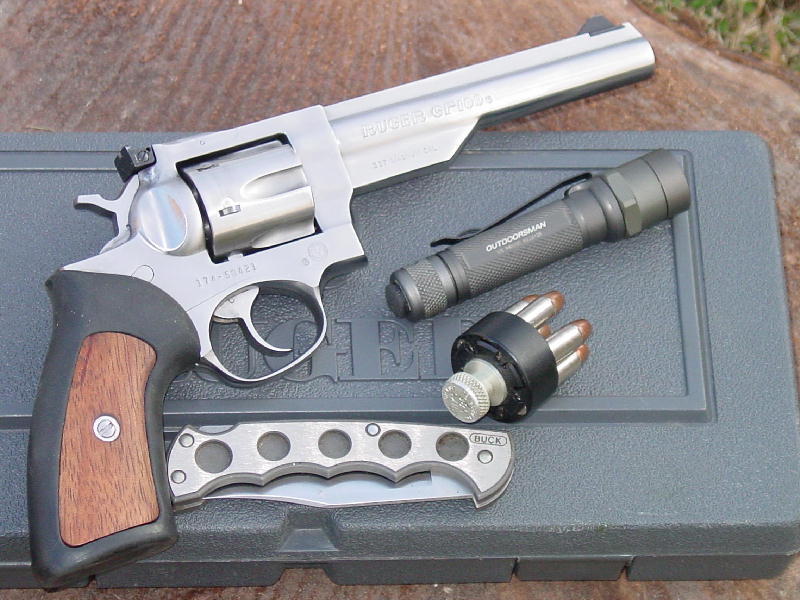
Trigger feel is highly subjective, but it remains a critical component of shooting accuracy and enjoyment. Some users report that the GP100’s trigger pull feels heavier or less refined than expected. A stiffer trigger can influence shot consistency, particularly for shooters accustomed to smoother actions. Although trigger performance often improves with use, not every owner wishes to invest time or resources into break-in periods or modifications. Expectations shaped by reputation can amplify disappointment if the trigger does not immediately meet personal standards. Modern revolvers frequently emphasize factory trigger refinement, raising comparisons. Trigger comfort significantly shapes the ownership experience, and perceived shortcomings may affect overall satisfaction despite the revolver’s durable construction.
4. Durability Advantages Are No Longer Unique
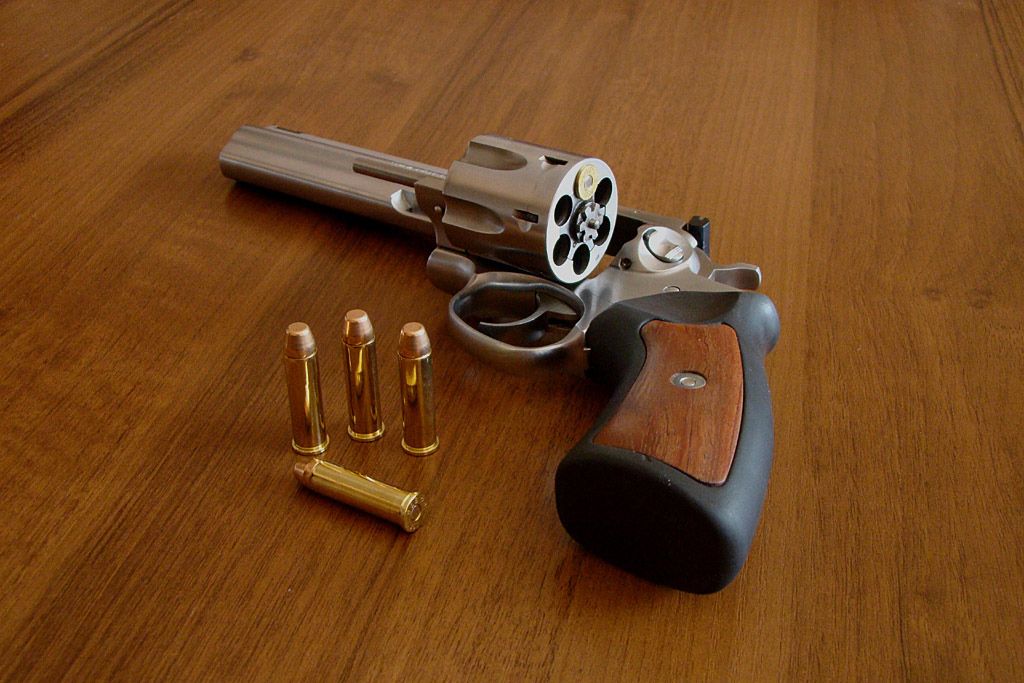
Historically, the GP100 stood out for its tank-like construction, but advancements in manufacturing have changed the competitive landscape. Numerous revolvers now offer comparable strength while improving weight efficiency and ergonomics. Buyers evaluating contemporary options may discover alternatives balancing durability with modern design improvements. Innovation has broadened consumer expectations, making traditional ruggedness less distinctive. Firearm selection increasingly depends on intended role rather than legacy reputation. While the GP100 remains respected, its core selling points may feel less compelling when compared to newer platforms. Durability, though important, is rarely the sole deciding factor for today’s buyers.
5. Recoil Control Depends on Multiple Factors
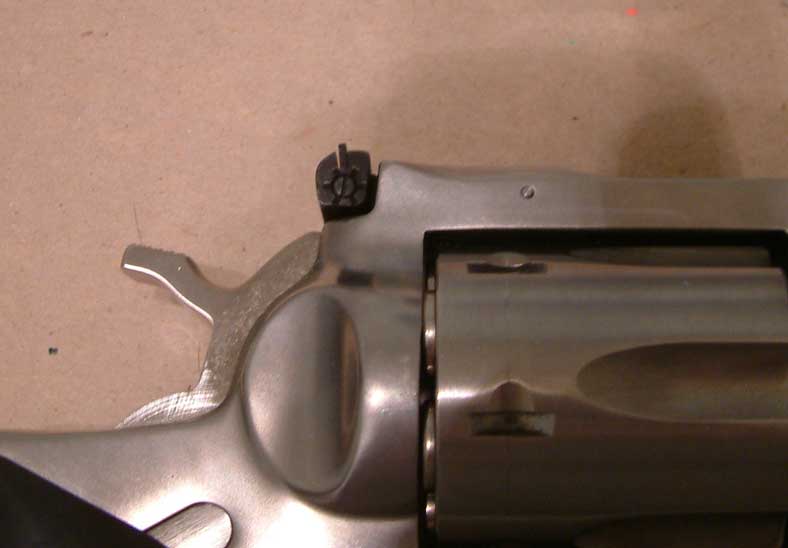
A common assumption links heavier firearms to superior recoil management. Although weight can influence recoil perception, grip design, ammunition choice, and shooting technique are equally important. Some shooters find the recoil difference less dramatic than anticipated. Comfort often stems from ergonomics rather than mass alone. Modern grip technologies have significantly altered shooting dynamics. Bulk does not universally translate into better control. Individual experience varies widely, reinforcing the idea that recoil management is not solely determined by frame size. Evaluating handling comfort provides more meaningful insight than relying on theoretical expectations.
6. Concealed Carry Practicality May Be Limited
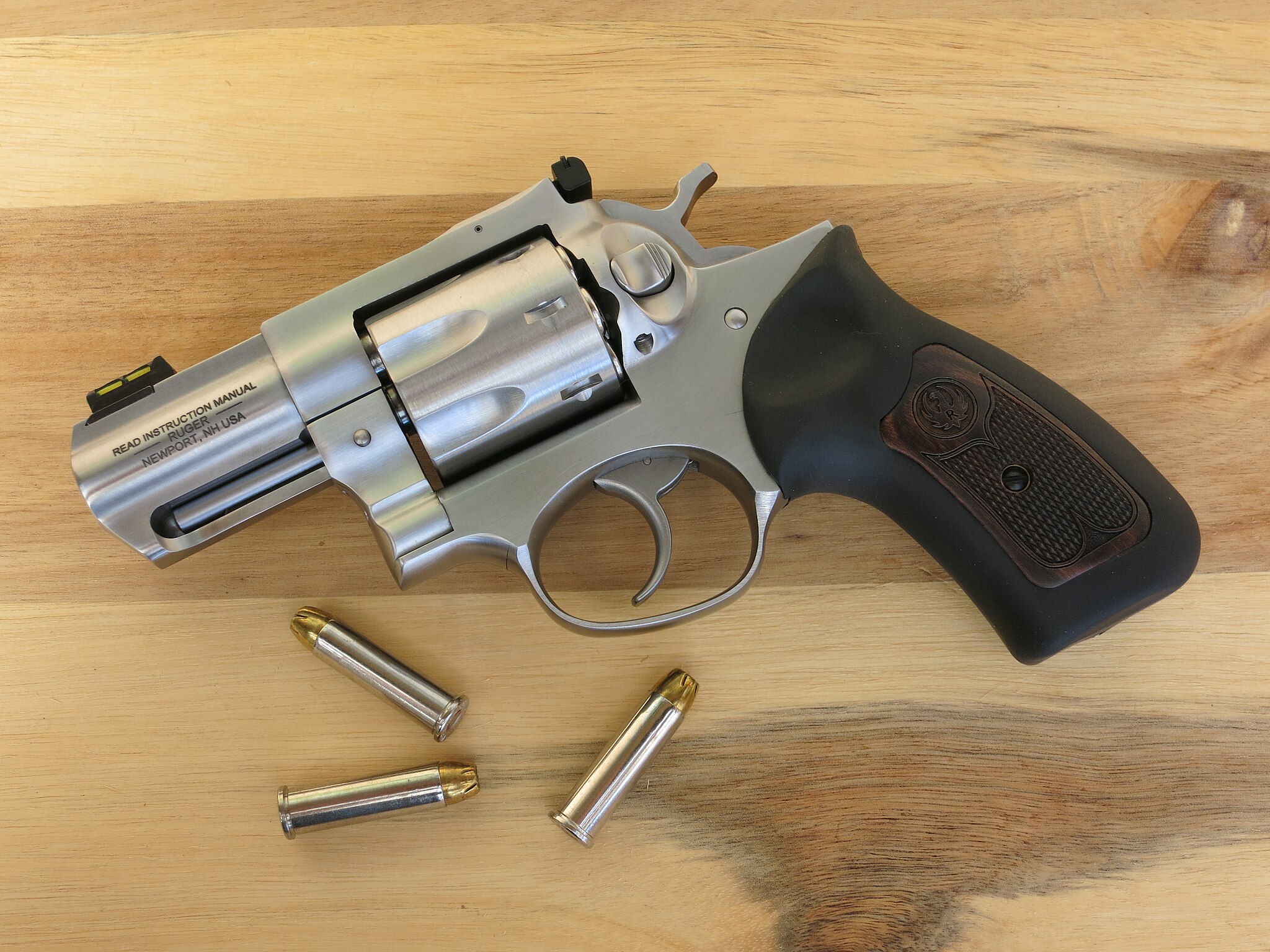
For those considering concealed carry, size and weight quickly become decisive. The GP100’s sturdy frame may complicate discreet carry depending on clothing, holster selection, and daily activity. Comfort challenges can emerge during prolonged wear. Smaller revolvers often better suit concealment priorities. Carry practicality frequently outweighs perceived durability benefits. Evaluating lifestyle compatibility is essential. A revolver that feels manageable at the range may prove inconvenient in daily scenarios. Practical carry considerations often reshape buyer preferences.
7. Maintenance Still Requires Attention

Revolvers are sometimes viewed as maintenance-free, yet all firearms benefit from regular inspection and care. Residue buildup, lubrication needs, and component wear remain realities. Durability does not eliminate upkeep responsibilities. Owners expecting minimal maintenance may encounter surprises. Consistent care supports long-term reliability. Mechanical strength still relies on proper handling and cleaning. Understanding maintenance expectations prevents dissatisfaction. Reliability depends on habits as much as design.
8. Ergonomics Can Vary Between Shooters
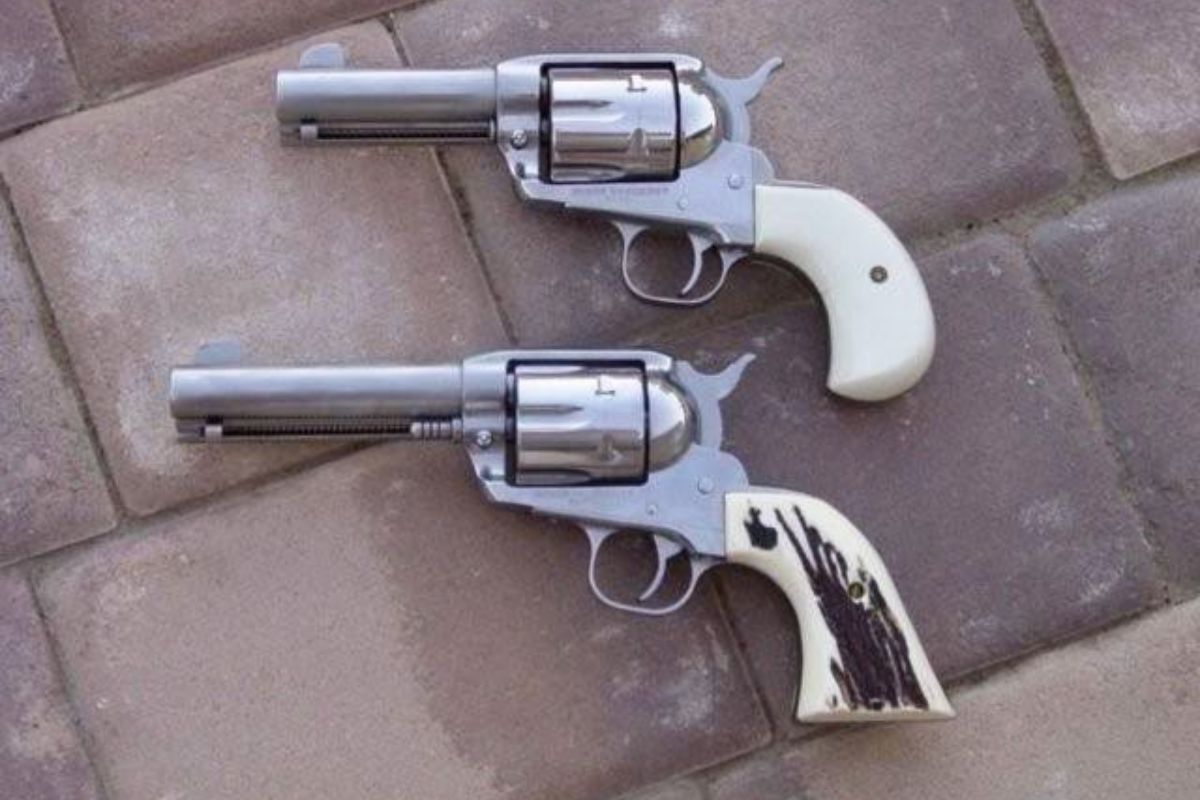
Comfort remains deeply personal, shaped by hand size, grip preference, and shooting style. Some users find the GP100 less accommodating than expected. Ergonomic mismatch affects confidence and control. Testing firearm fit beforehand is invaluable. Specifications rarely capture individual comfort nuances. Modern designs increasingly prioritize adaptability. Personal ergonomics often outweighs generalized reputation. Handling experience ultimately defines satisfaction.
9. Marketing Can Shape Unrealistic Expectations
Strong durability narratives may unintentionally create assumptions of invulnerability. All mechanical systems possess limits. Misaligned expectations can influence owner perceptions. Durability should be viewed realistically. Balanced evaluation encourages informed decisions. Strength remainscontext-dependentt rather than absolute. Understanding limitations prevents disappointment. Practical experience defines long-term judgment.
10. Suitability Ultimately Depends on Preference
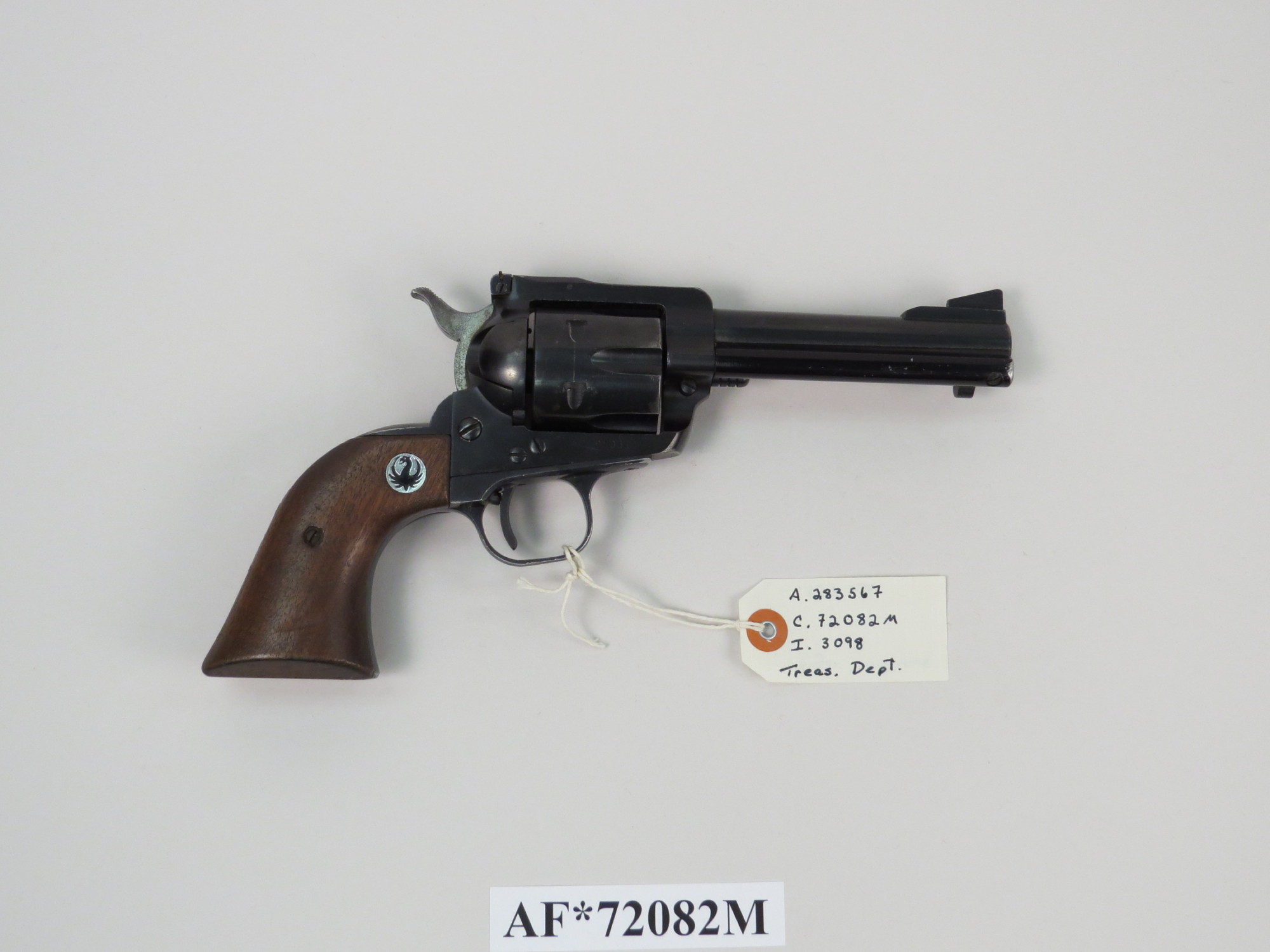
No revolver universally satisfies every shooter. The GP100 performs admirably for many owners, yet may not align with every set of priorities. Comfort, intended use, and handling preferences vary widely. Comparing alternatives remains a wise approach. Individual experience remains decisive. Suitability emerges from context rather than reputation alone. Careful evaluation supports better purchasing decisions.