Wild camping often appears peaceful and inspiring, but the reality can feel more demanding than expected. The experience requires comfort with unpredictable conditions, practical problem-solving, and steady awareness of the environment. Nights tend to feel longer without familiar comforts, and managing basic needs becomes a constant part of the routine. While some find joy in this simplicity, others feel overwhelmed by the solitude, effort, and responsibility involved. Understanding these factors helps set realistic expectations for anyone curious about the wilderness.
Limited Access to Comforts
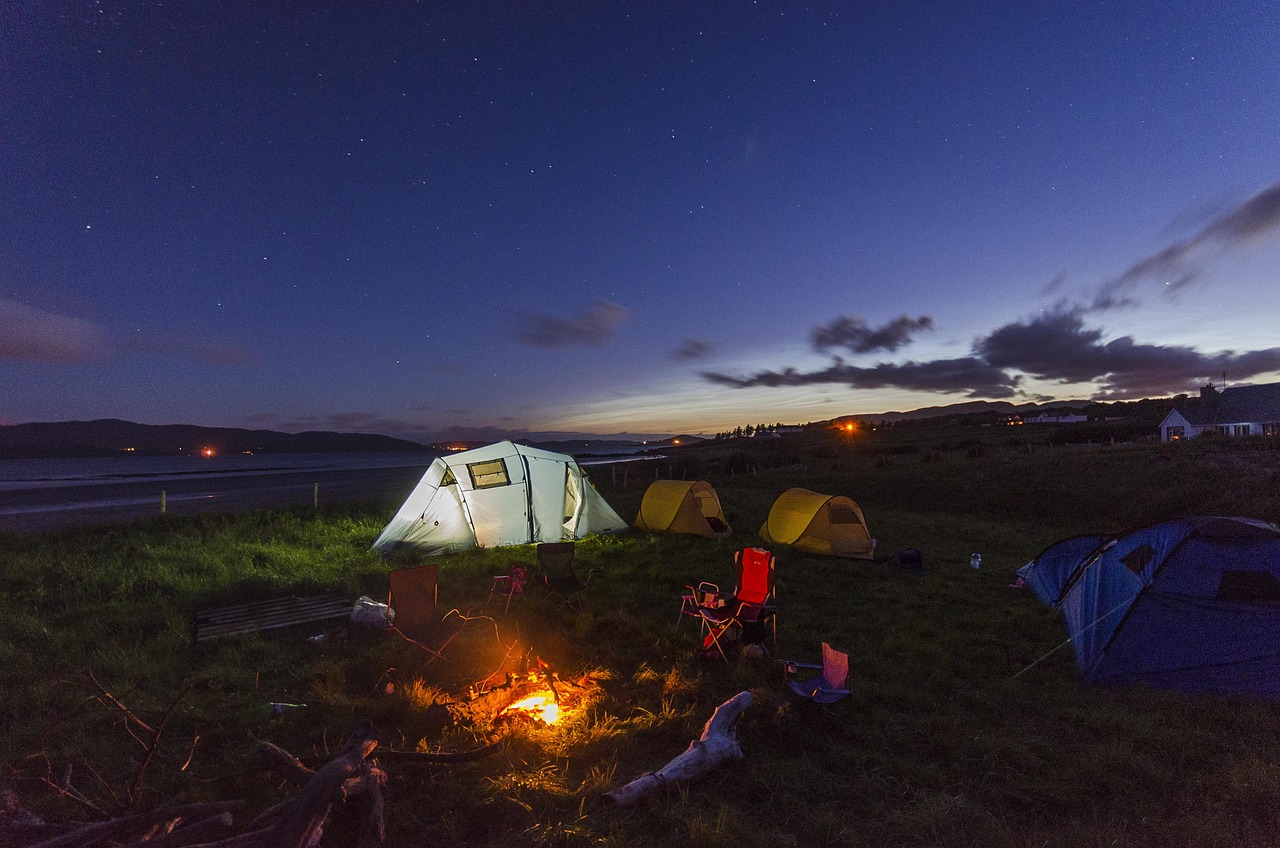
Stepping into wild terrain means giving up many daily conveniences, and the shift can feel more difficult than anticipated. Sleeping surfaces are uneven, temperature changes arrive quickly, and simple tasks require more time and energy. Cooking relies on basic tools, hygiene demands extra planning, and rest becomes inconsistent without controlled surroundings. The minimalist atmosphere appeals to some, but others find the lack of structure draining. The adjustment often reveals how different the wilderness feels compared to familiar spaces.
Weather Shifts Quickly
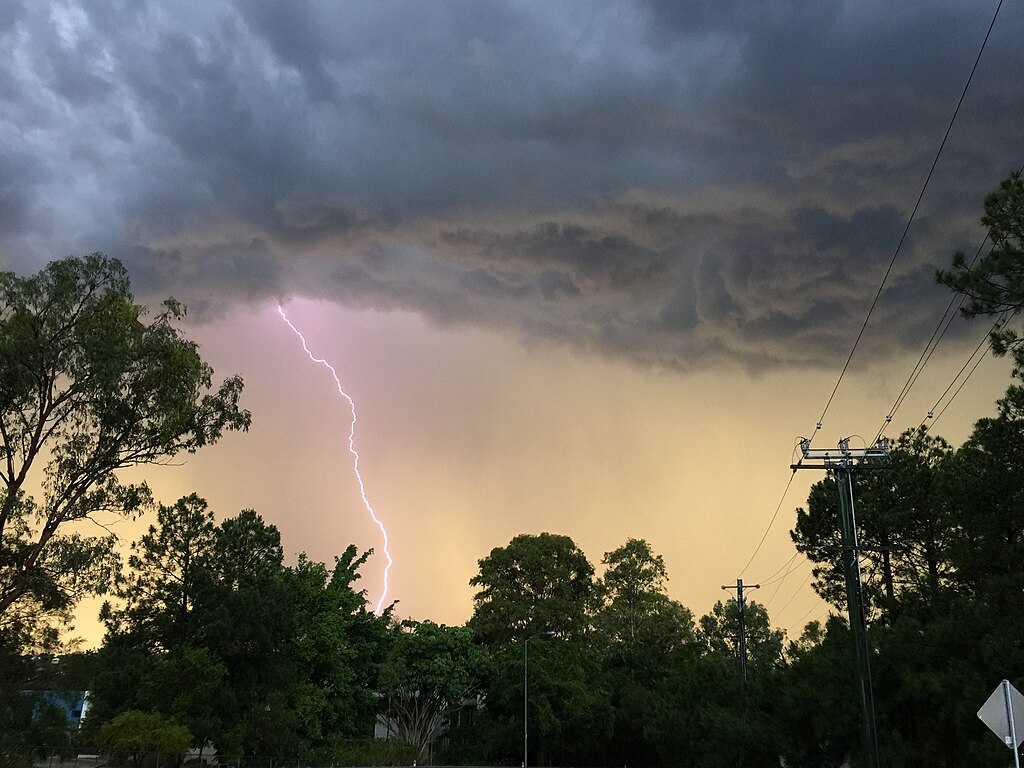
Remote environments bring constant weather variability, creating a setting where conditions change without warning. A trip that begins under clear skies may suddenly turn wet, windy, or unexpectedly cold. Preparing for these shifts requires layers, protective coverings, and careful planning, yet the uncertainty still adds tension for those who prefer stability. Nights can feel especially harsh as temperatures drop and winds rise. These fluctuations make wild camping challenging for anyone sensitive to abrupt environmental changes.
Navigating Without Facilities
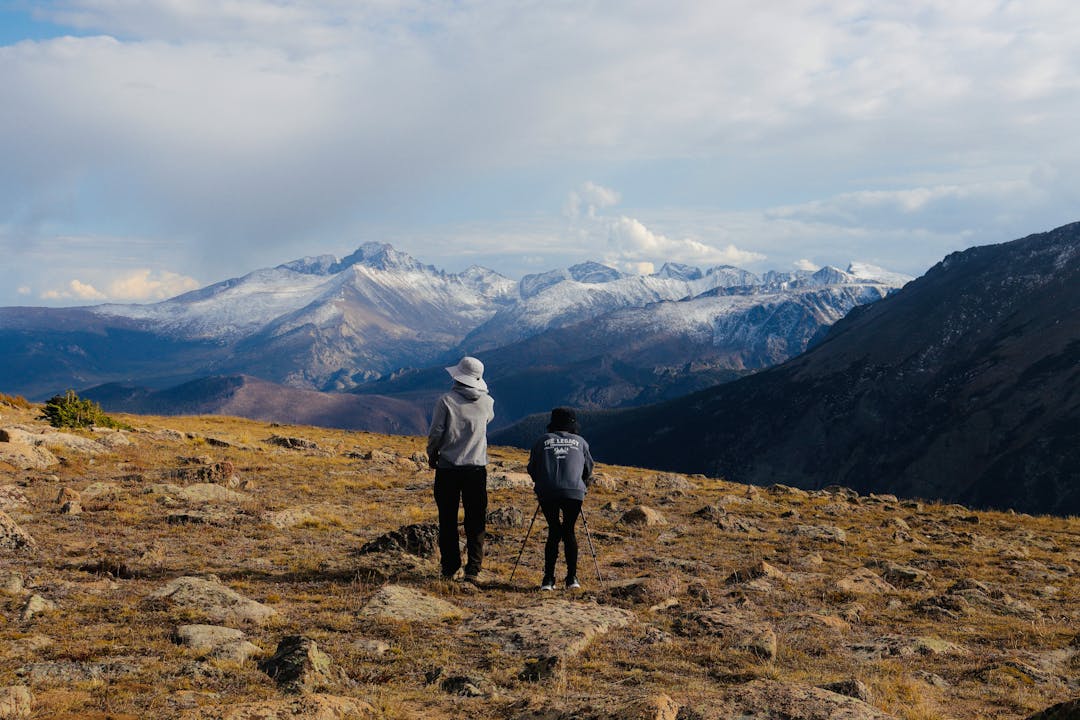
True wilderness areas rarely include marked trails, water sources, or restroom facilities, so navigation becomes an essential skill. Maps, digital tools, and environmental cues guide movement through unfamiliar landscapes, yet each choice demands attention and confidence. Water must be filtered or treated, waste must be managed responsibly, and daily tasks require more thought than in developed areas. This level of independence can feel rewarding for some, but others may find the experience mentally taxing and physically tiring.
Noise From Wildlife
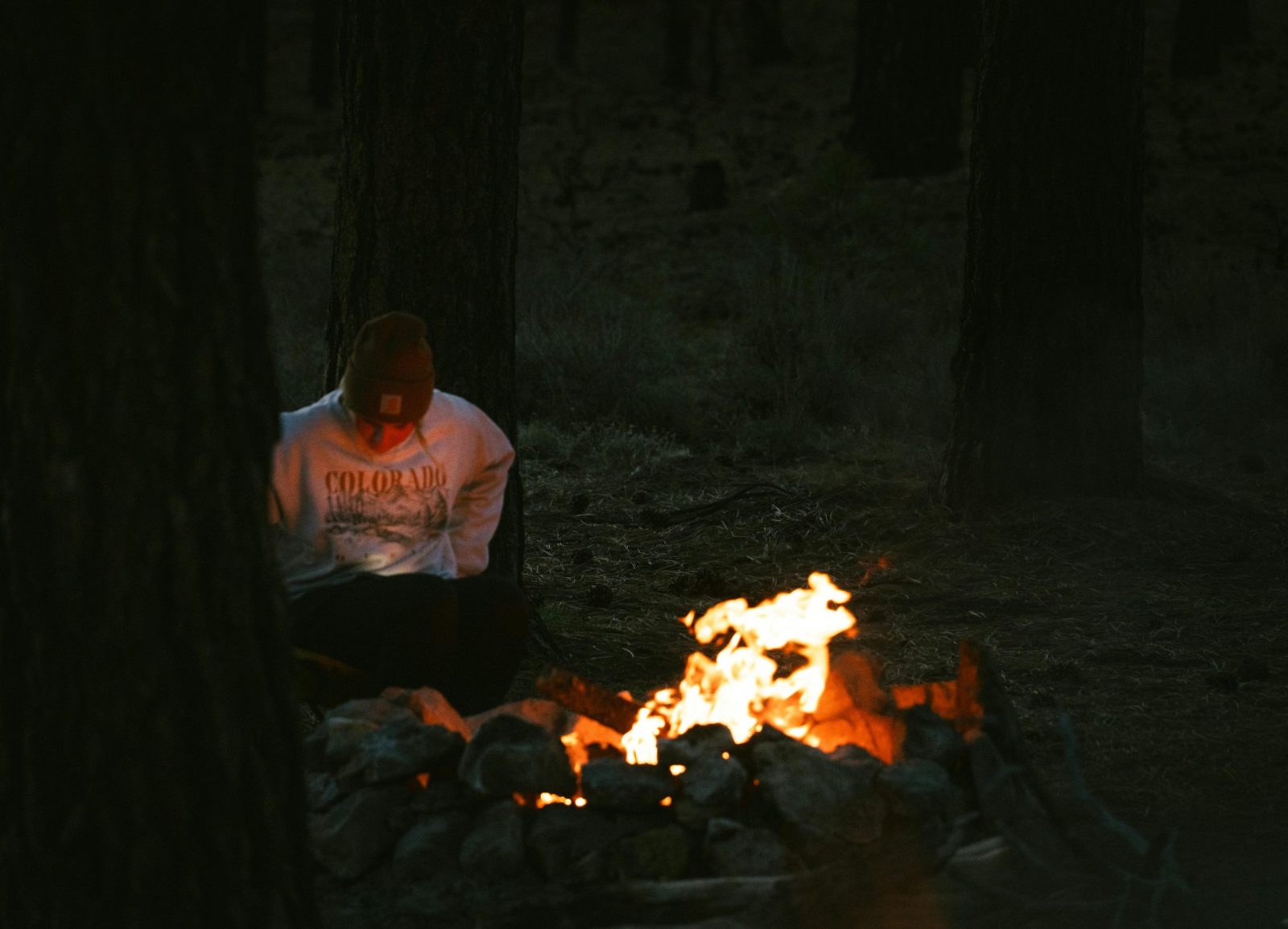
Nature carries its own soundtrack, and every unfamiliar rustle or call becomes part of the nighttime environment. Wildlife activity, even when harmless, often disrupts sleep and raises alertness for those unused to such sounds. Insects, birds, and small animals move freely through the area, creating noises that seem amplified in quiet surroundings. Rest becomes harder to maintain, especially during long nights in remote locations. For many, these natural sounds feel more unsettling than calming, reducing overall relaxation.
Heavy Gear Requirements
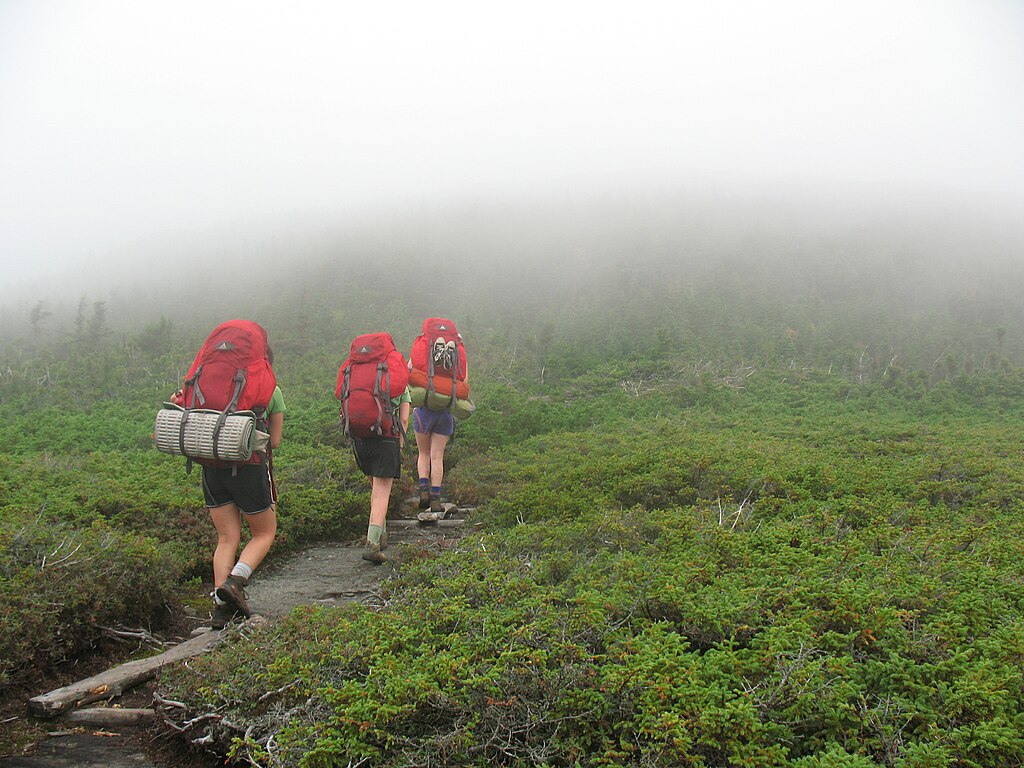
Carrying essential items such as shelter, food, and tools adds significant weight to any outing. Trails become more demanding with every additional pound, turning simple routes into strenuous climbs. Careful planning is required to balance necessity with a manageable load, yet even an optimized pack can feel burdensome over long distances. The physical strain often surprises beginners, especially when elevation changes or rough terrain come into play. This demanding aspect frequently becomes one of the biggest barriers to enjoying wild camping.
Limited Connectivity
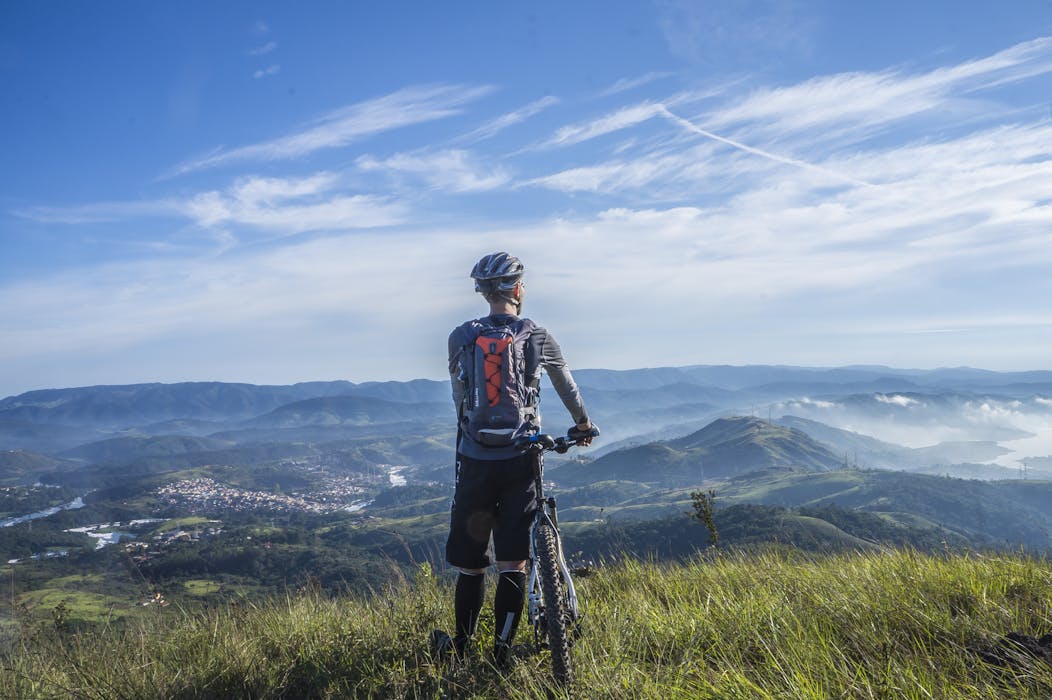
Remote locations often lack reliable cell service, creating periods of complete disconnection from digital communication. Without instant access to navigation tools, weather updates, or outside contact, situations require more preparation and self-reliance. This isolation can feel refreshing for some but stressful for those accustomed to constant connection. Emergencies or unexpected changes must be handled with the resources already on hand. The absence of communication quickly highlights how much daily life depends on modern technology.
Inconsistent Sleep Quality
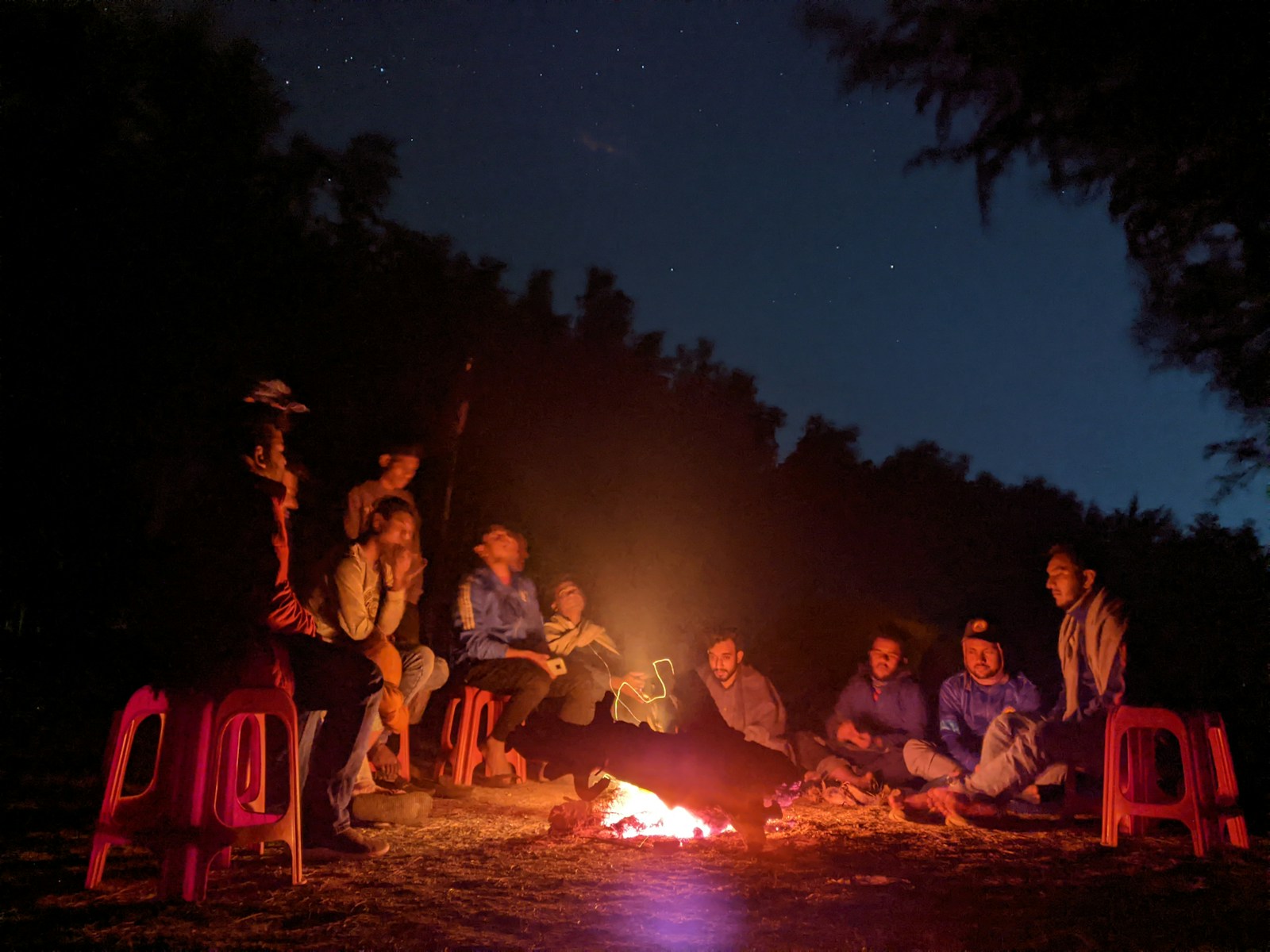
Outdoor sleep rarely matches the comfort of a bed, and the body responds to new surroundings with restlessness. Temperature drops, shifting winds, and uneven ground all contribute to discomfort that builds through the night. Natural sounds interrupt rest, and limited padding offers only minimal support. Accumulated fatigue affects daytime energy, making each task feel more demanding. Many people find that repeated nights of light, fragmented sleep greatly reduce the enjoyment of extended wilderness stays.
Safety Concerns
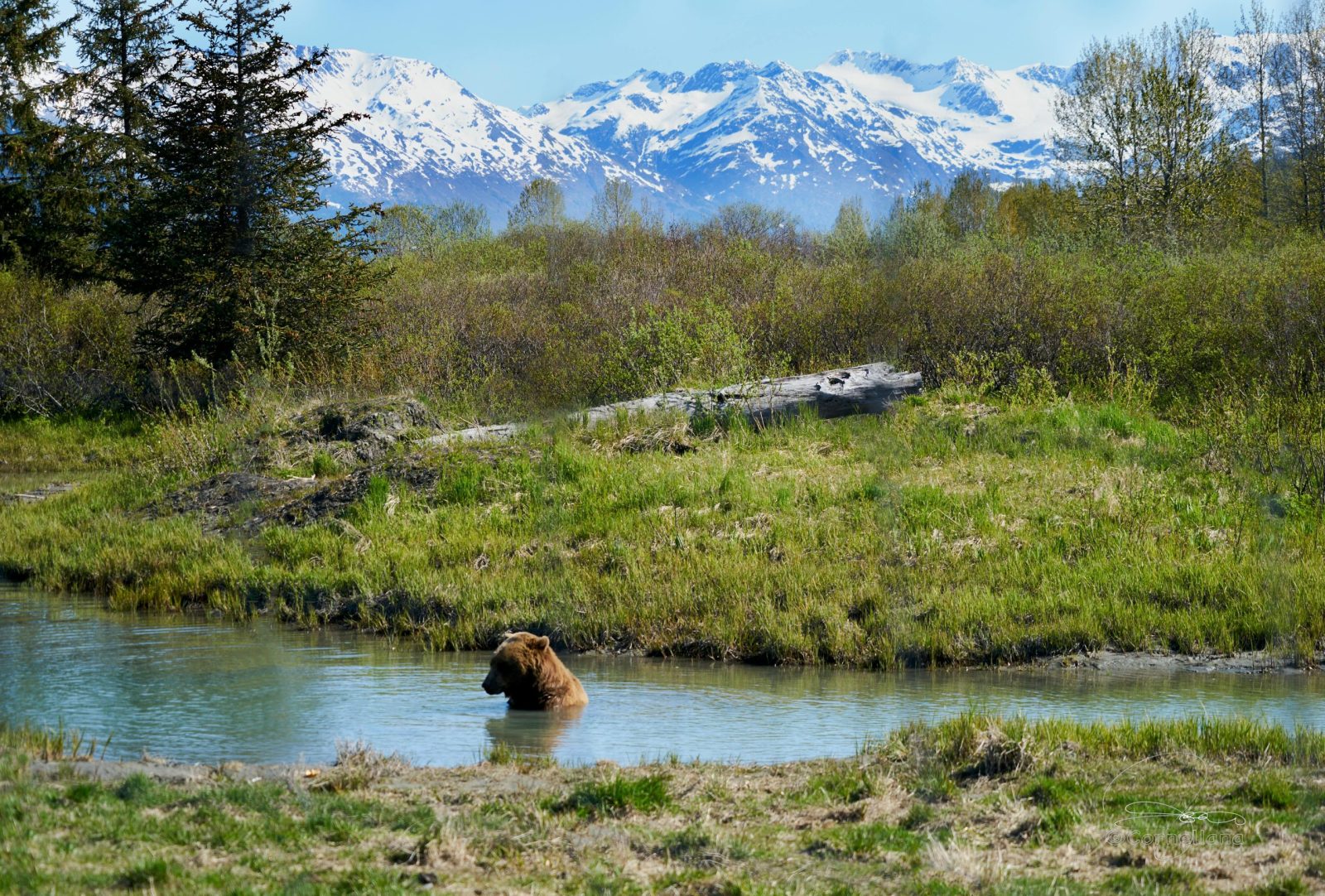
Camping outside designated areas requires constant awareness of potential risks, including wildlife behavior, weather changes, and shifting terrain. Without managed facilities or on-site assistance, safety relies heavily on preparation and informed decision-making. Carrying basic medical supplies, monitoring surroundings, and anticipating hazards become ongoing responsibilities. This level of vigilance can feel overwhelming for those more comfortable in structured environments. The added pressure often makes wild camping less appealing for individuals who prefer predictable conditions.
Food Limitations

Meal planning in remote settings must account for weight, storage, and simplicity, resulting in limited options. Lightweight foods, dehydrated meals, and basic cooking methods dominate the menu, leaving little room for variety or freshness. Cleanup must be handled carefully to avoid attracting wildlife, adding extra steps to each meal. The practical nature of wilderness cooking shifts focus away from enjoyment and toward efficiency. Those who appreciate flavorful or diverse meals may find the restrictions disappointing.
Minimal Privacy
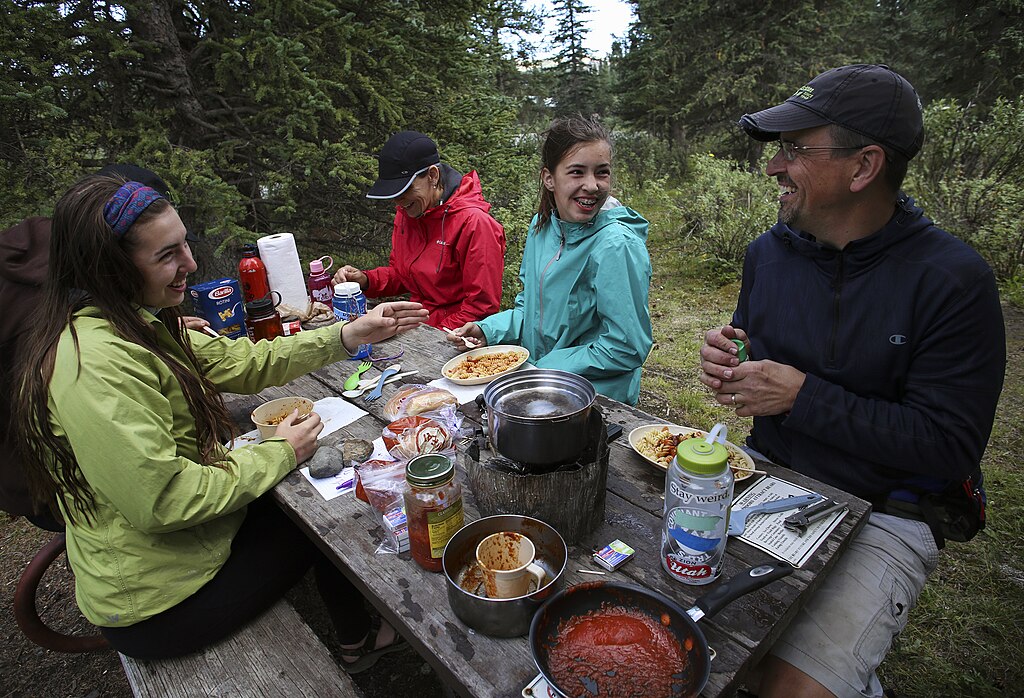
Open landscapes bring expansive views but also reduce opportunities for privacy. Basic tasks such as changing clothes or handling hygiene require careful consideration of location and timing, especially when others share the area. Without established boundaries or designated spaces, maintaining personal comfort becomes more challenging. This lack of separation can feel awkward for individuals who value solitude or personal space. The wilderness offers freedom, but it does not always provide the privacy many expect.