Social media filters often mask the gritty reality of dangerous trekking locations. 10 popular hiking routes that are deadlier than they look on Instagram lure thousands of unprepared tourists annually. A stunning selfie background frequently sits just inches away from a fatal vertical drop. Many enthusiastic hikers underestimate the physical demands and environmental hazards hiding behind the perfect saturation levels. Likes and shares cannot save a person from a sudden slip or severe dehydration. Understanding the true risks involved with these scenic destinations is vital for survival. This list reveals the perilous truth behind ten viral photo spots.
Mount Huashan
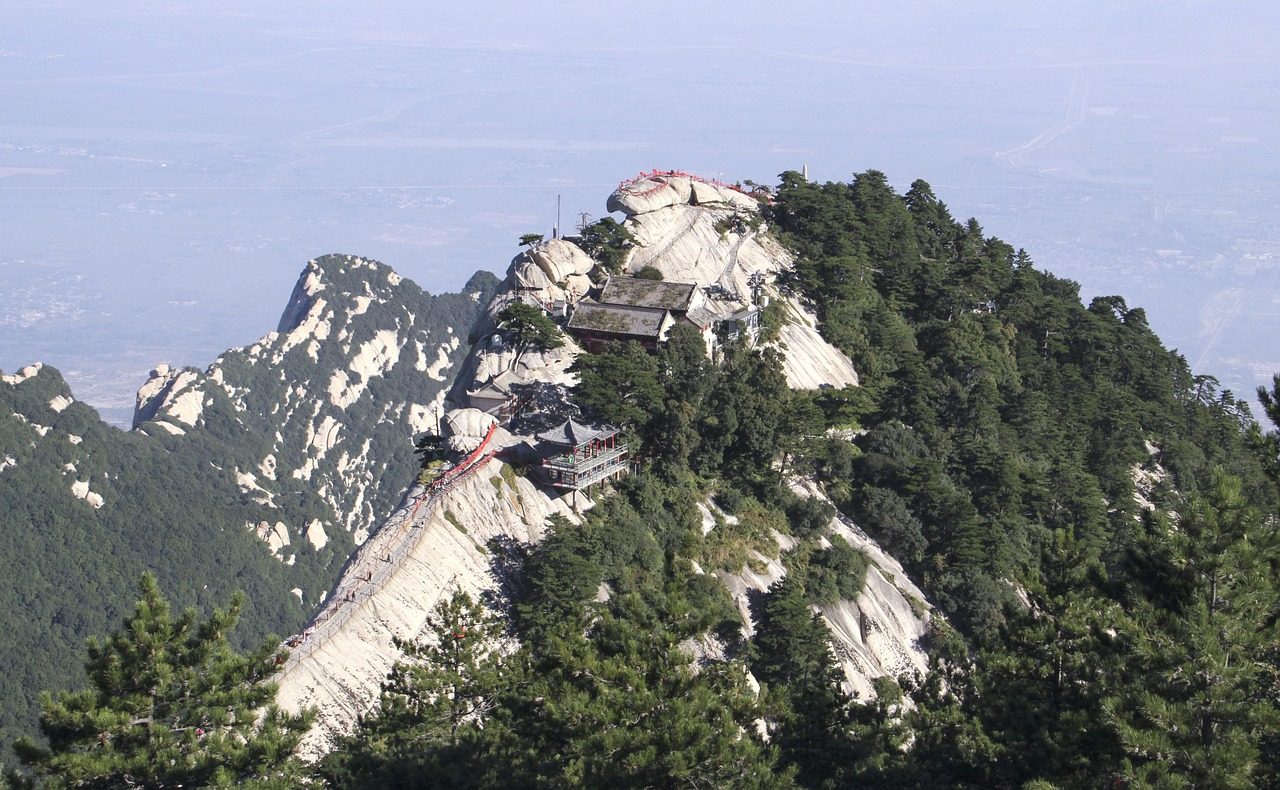
The Plank Walk on Mount Huashan offers terrifying views that attract thrill-seekers worldwide. Visitors must navigate narrow wooden boards bolted directly into the sheer vertical cliff face. A flimsy safety harness is the only thing preventing a deadly fall into the abyss below. Mist and clouds often obscure the bottom, which adds to the disorientation and fear factor. While the photos look daring and adventurous, the reality involves intense physical and mental strain. One slip on the slick wood could be the final mistake a hiker makes. The mountain claims lives regularly despite safety improvements.
Angels Landing
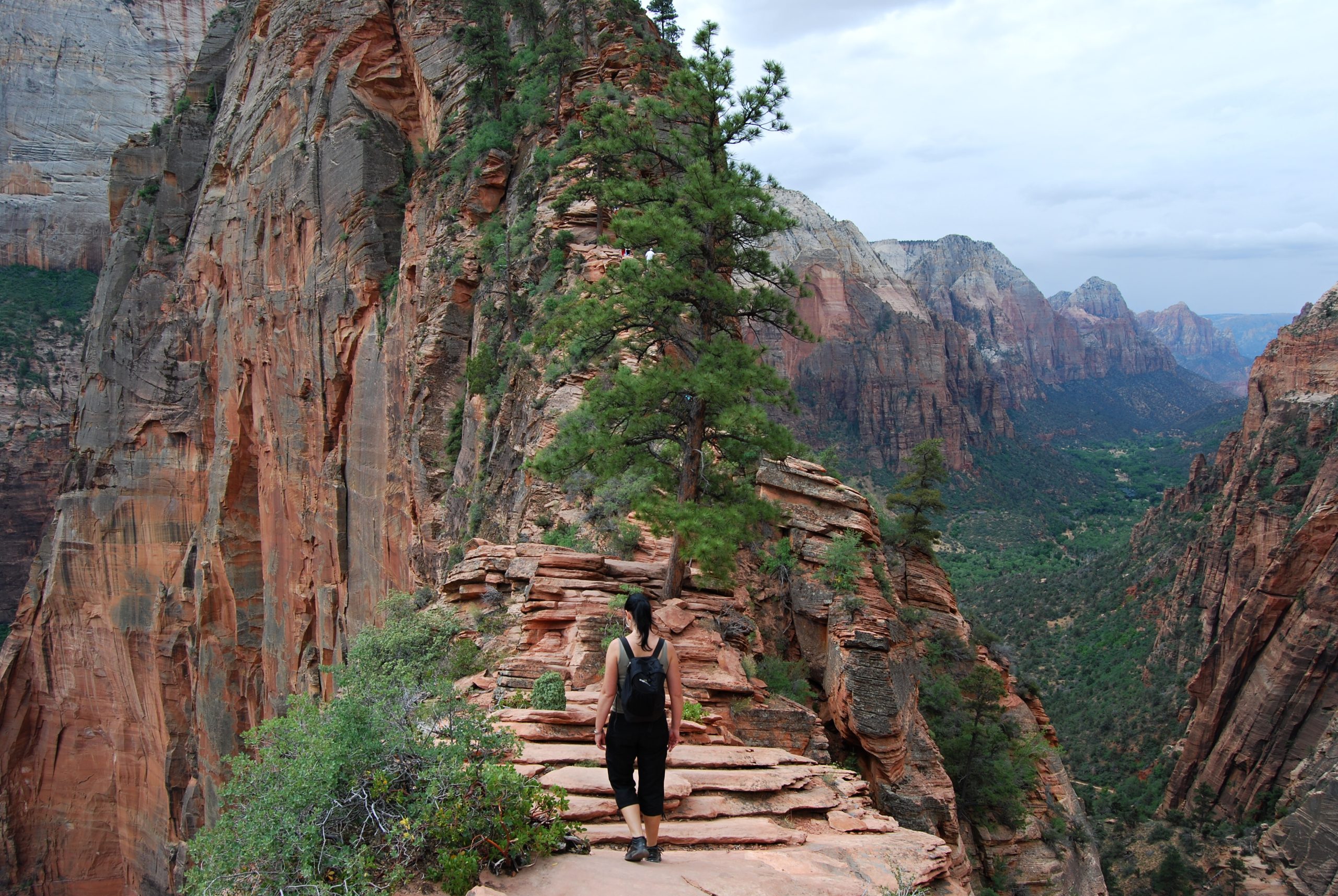
Angels Landing in Zion National Park features a narrow spine that challenges even experienced climbers. The final ascent requires holding onto a chain while navigating slick sandstone with massive drop-offs. Crowds of tourists often bottleneck at the most dangerous sections, which increases the risk of falling. A momentary loss of focus or a shove from a neighbor can result in tragedy. The stunning panoramic views of the canyon floor often distract hikers from their footing. This route demands absolute concentration and proper footwear to survive the climb. It remains one of the deadliest hikes in America.
Half Dome
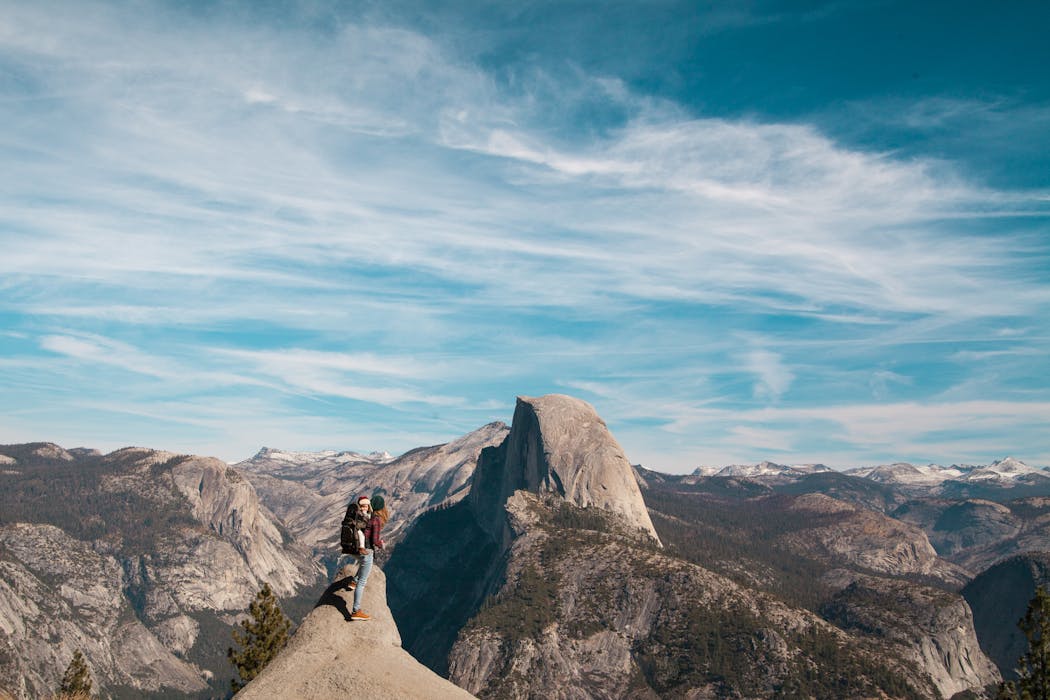
Yosemite National Park is famous for the grueling ascent up the cables of Half Dome. Hikers must pull themselves up the final four hundred feet of smooth granite rock. Rain or hail makes the surface incredibly slippery and virtually impossible to grip securely. Many people attempt this climb without adequate upper body strength or proper preparation for the altitude. The sheer exposure on both sides of the cables can induce panic and freezing in place. Rescues are frequent and difficult due to the remote location. Reaching the summit is an achievement, but the descent is equally perilous.
Kalalau Trail
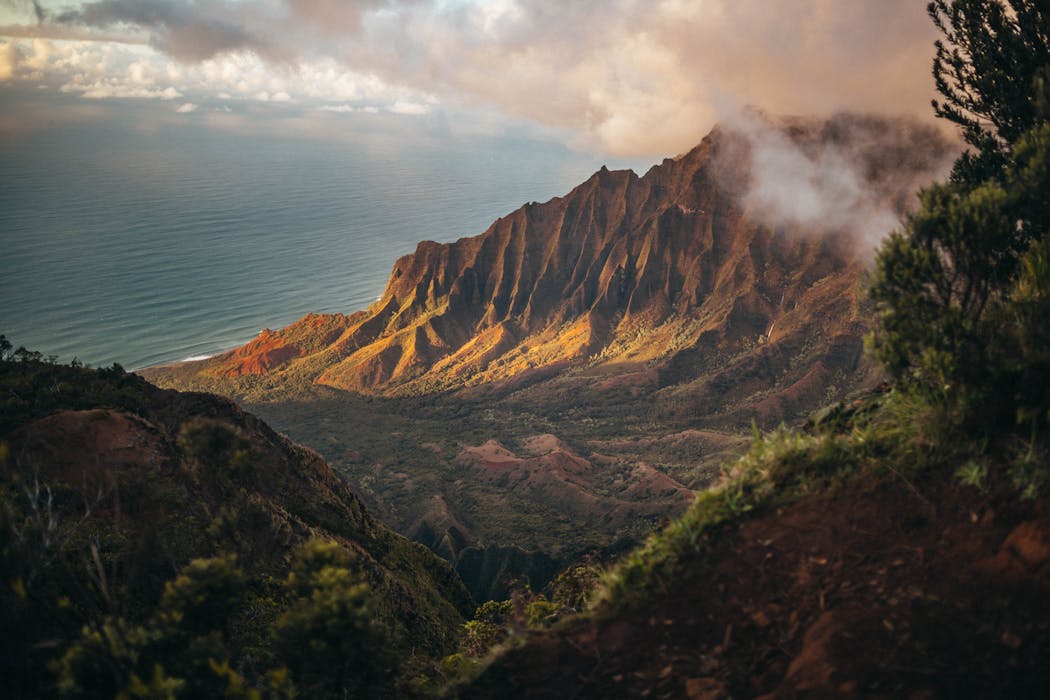
The Kalalau Trail on Kauai provides breathtaking views of the Na Pali Coast but hides danger. Crumbling trail edges and slippery mud make traversing the narrow path a high-stakes gamble. Flash floods in the numerous stream crossings can sweep hikers out to sea instantly. The remote nature of the trail means that help is often hours or days away. Swelling streams turn into raging torrents with little warning during frequent tropical rainstorms. The sheer cliffs drop hundreds of feet directly into the crashing ocean waves. It is a test of endurance that punishes the unprepared without mercy.
Mount Washington
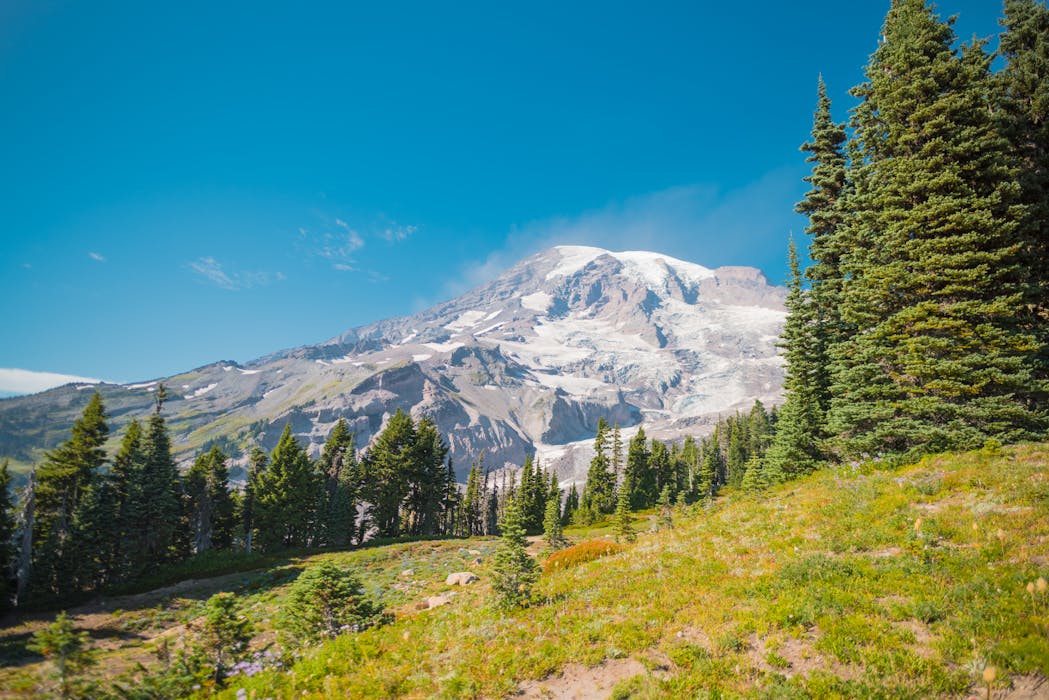
New Hampshire is home to Mount Washington, which claims the title of world’s worst weather. Hikers often underestimate the mountain because of its relatively low elevation compared to western peaks. Sudden storms can drop temperatures below freezing even during the middle of the summer months. Hurricane-force winds knock people off their feet and push them into treacherous ravines. Hypothermia is a constant threat for those wearing cotton or lacking windproof layers. The erratic weather patterns catch many casual tourists completely off guard near the summit. It remains a deadly trap for those who ignore the forecast.
The Narrows
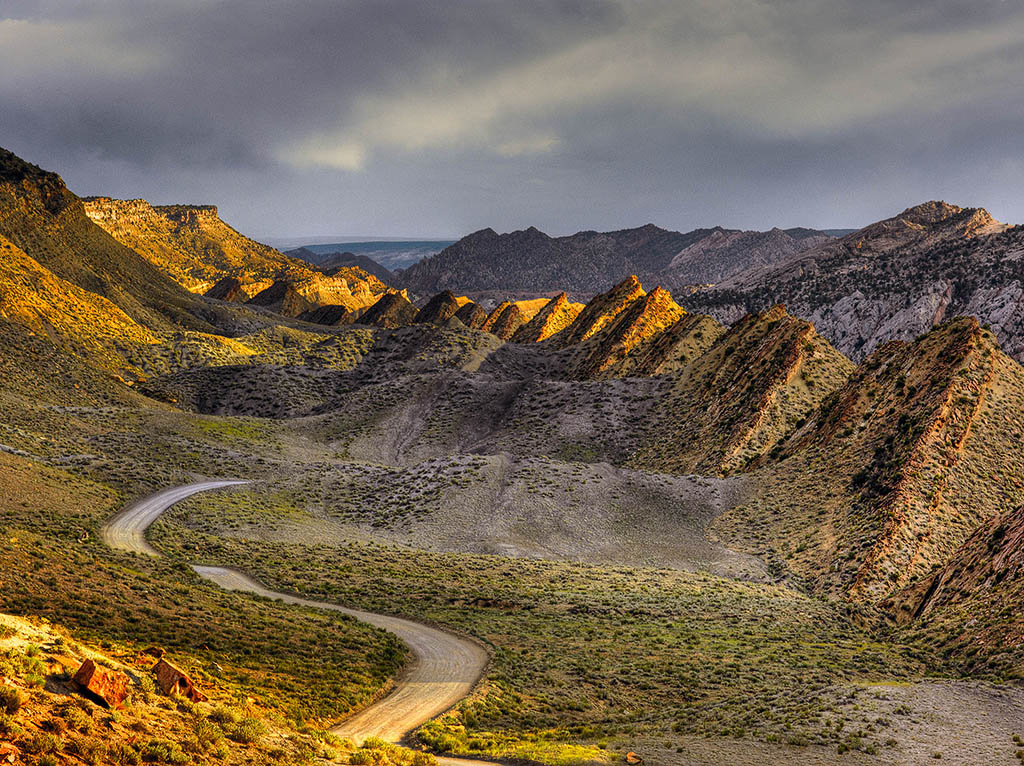
Wading through the Virgin River in Zion National Park creates stunning imagery for social media feeds. However, the Narrows is a slot canyon that becomes a death trap during rainstorms. Flash floods can fill the canyon with a wall of water in mere minutes. There is no high ground to escape the rushing debris and violent currents once the water rises. Cold water temperatures also pose a significant risk of hypothermia for slow-moving hikers. Navigating the slippery river rocks requires sturdy footwear and a walking stick. Checking the weather report is a mandatory survival step here.
Huayna Picchu
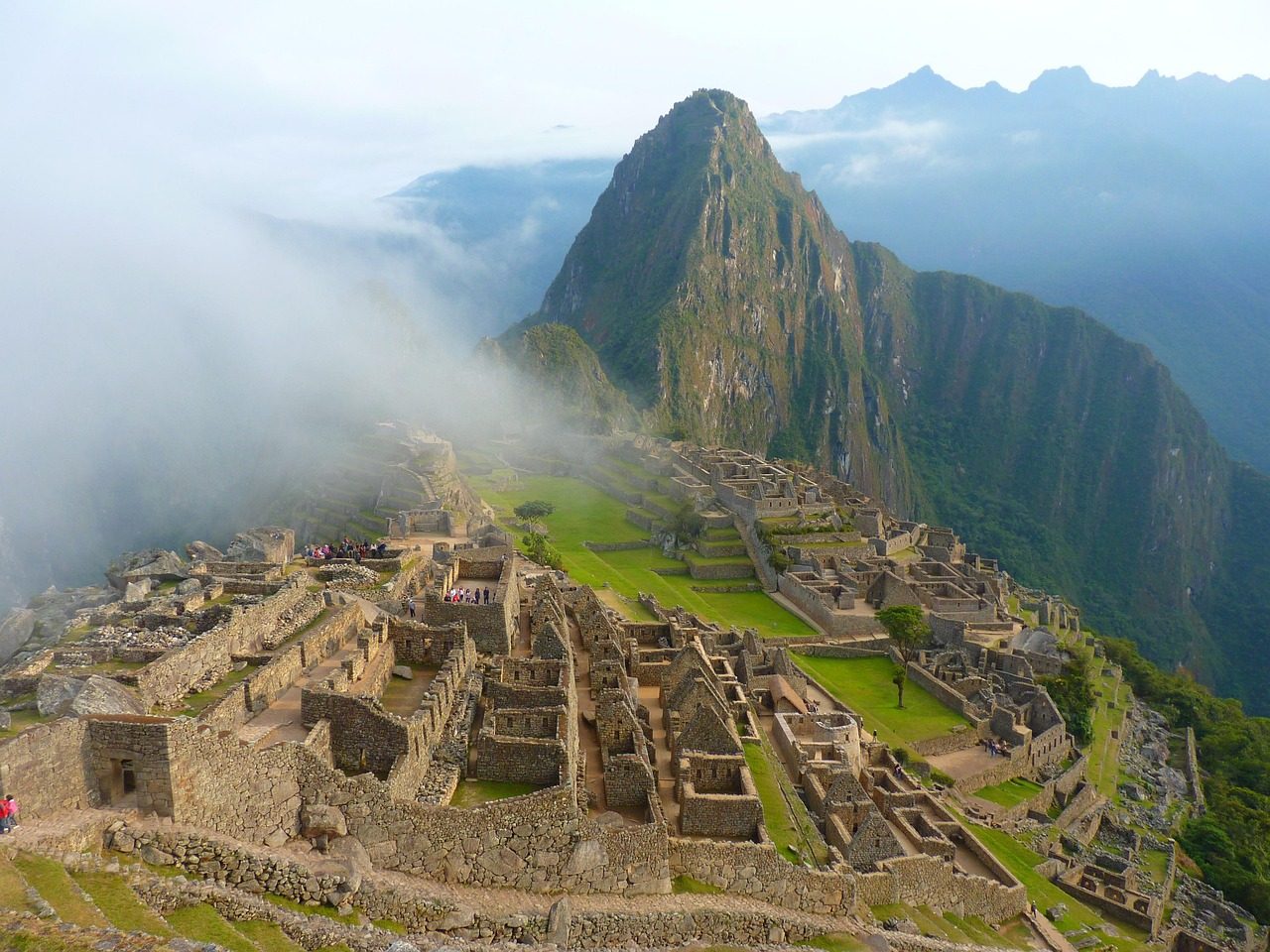
The steep climb up Huayna Picchu overlooks the famous ruins of Machu Picchu in Peru. Known as the stairs of death, the trail features ancient floating steps with no railings. The path is incredibly narrow and exposed to a sheer drop of over one thousand feet. Humidity and rain often make the stones slick and difficult to traverse safely. A single misstep on the uneven Inca stonework can lead to a fatal tumble. The high altitude adds physical stress that causes dizziness and fatigue during the ascent. It offers an iconic view that comes with extreme risk.
Trolltunga
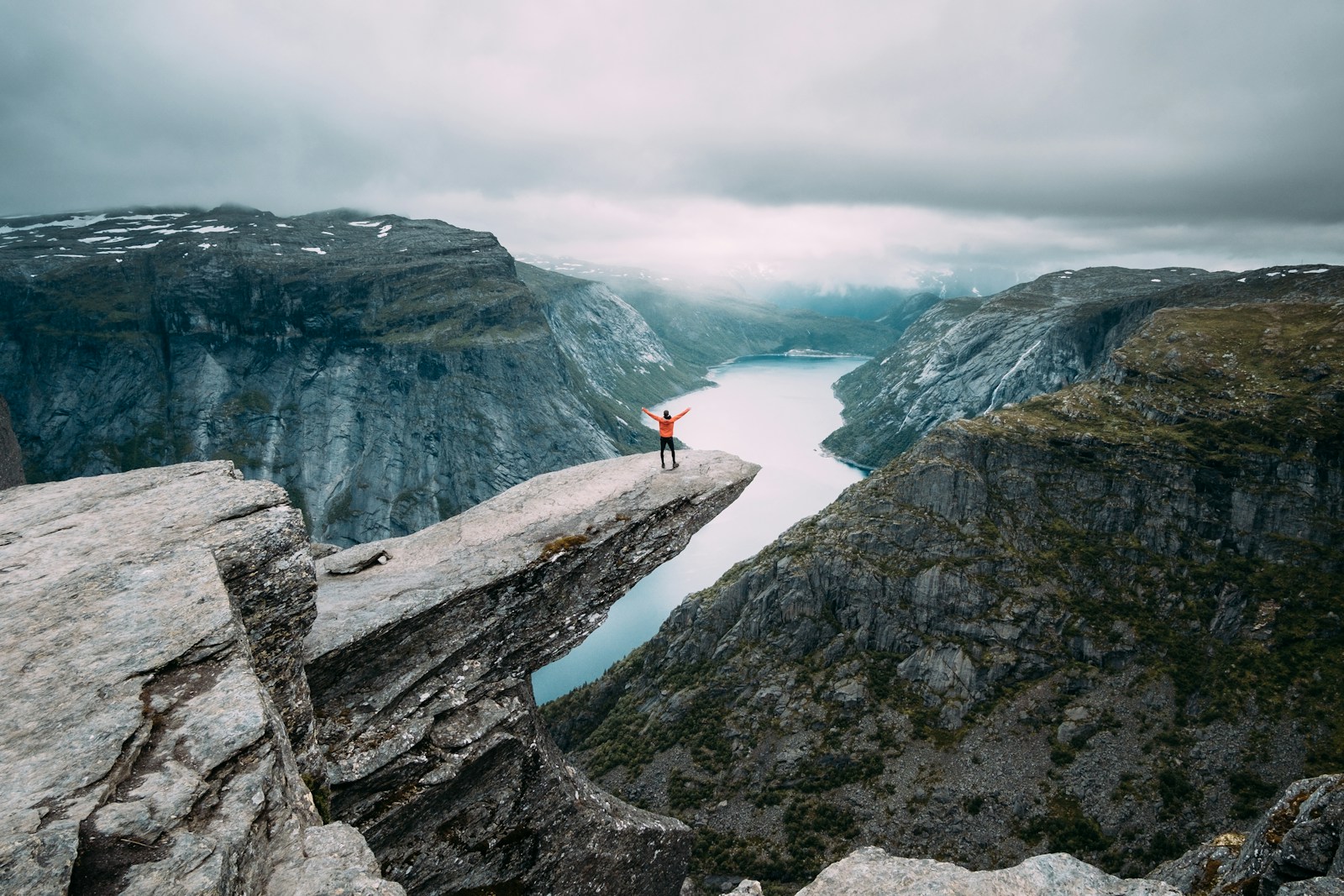
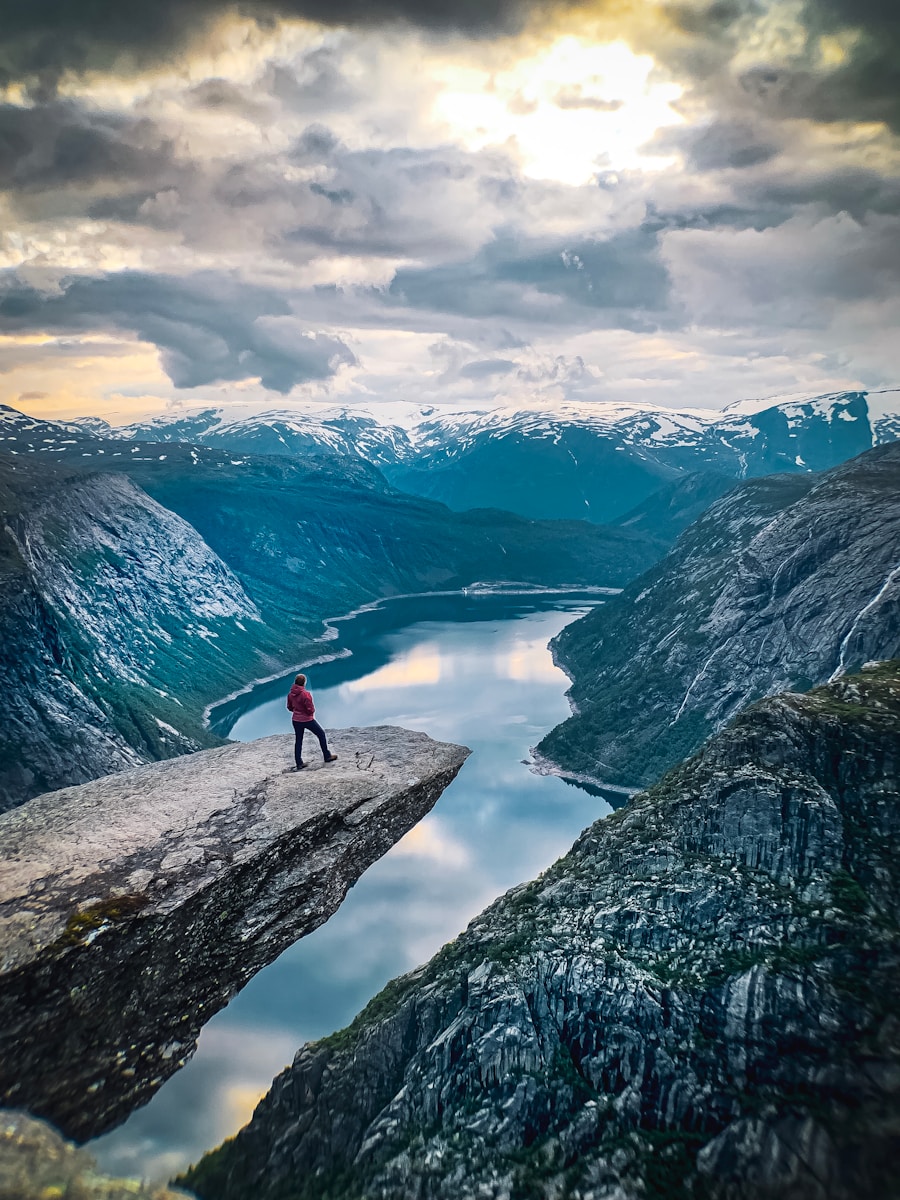
Norway boasts the spectacular Trolltunga rock formation that juts out over a pristine blue lake. Thousands of tourists queue for hours to take a photo on the exposed tip. The hike to reach this spot is long, grueling, and physically exhausting for most. Fog can roll in quickly and obscure the trail markers, leading to disorientation in the wilderness. Slipping near the edge of the cliff guarantees a fall of several hundred meters. The exhaustion from the trek often leads to poor decision-making near the ledge. It is a test of stamina that demands respect.
Bright Angel Trail
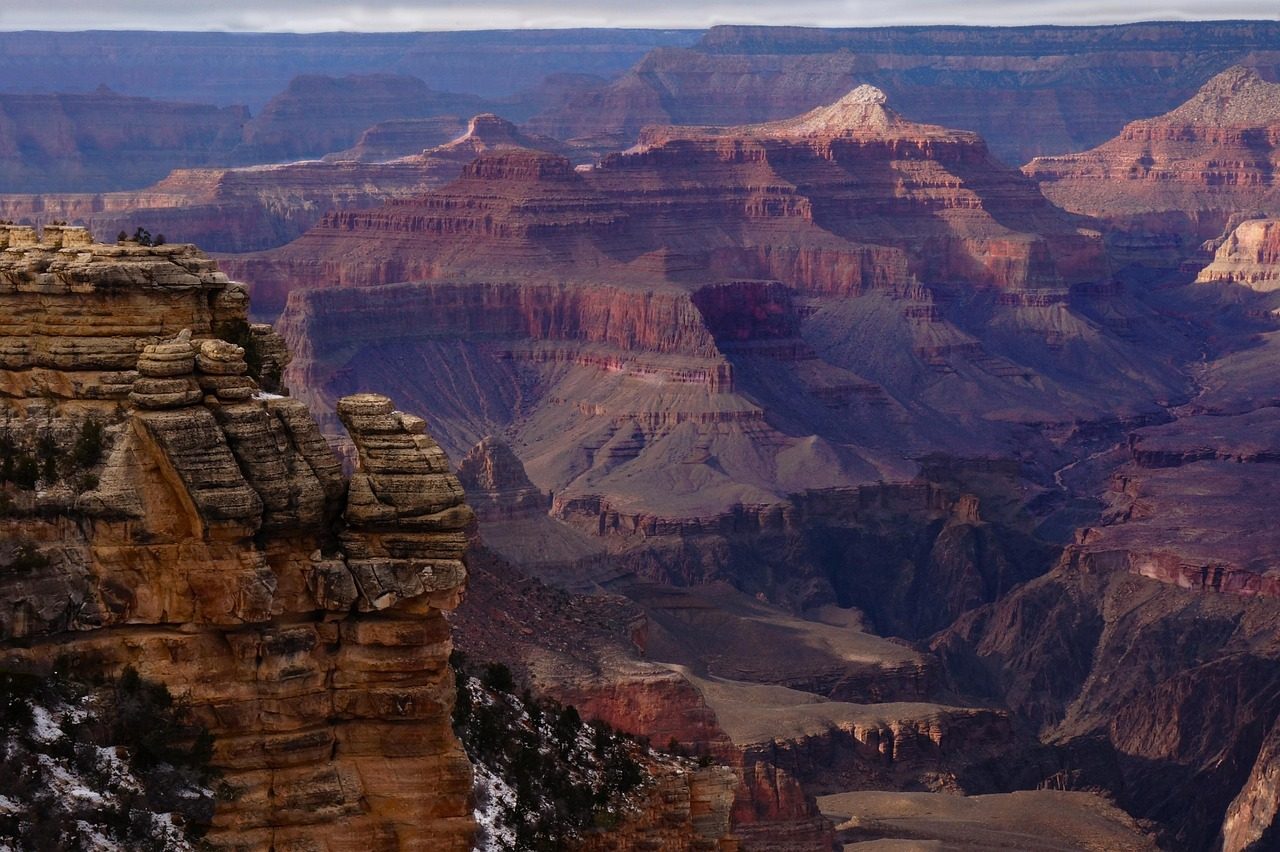
The Grand Canyon lures hikers down the Bright Angel Trail with its deceptive ease of descent. Temperatures at the bottom of the canyon can soar well over one hundred degrees. Many visitors fail to carry enough water or electrolytes to survive the grueling hike back up. Heat exhaustion and dehydration strike rapidly in the arid desert environment without warning. The trail is steep and relentless and offers very little shade from the punishing sun. Rescues are common because people overestimate their fitness levels in the heat. The climb out is always much harder than the walk down.
Drakensberg Traverse
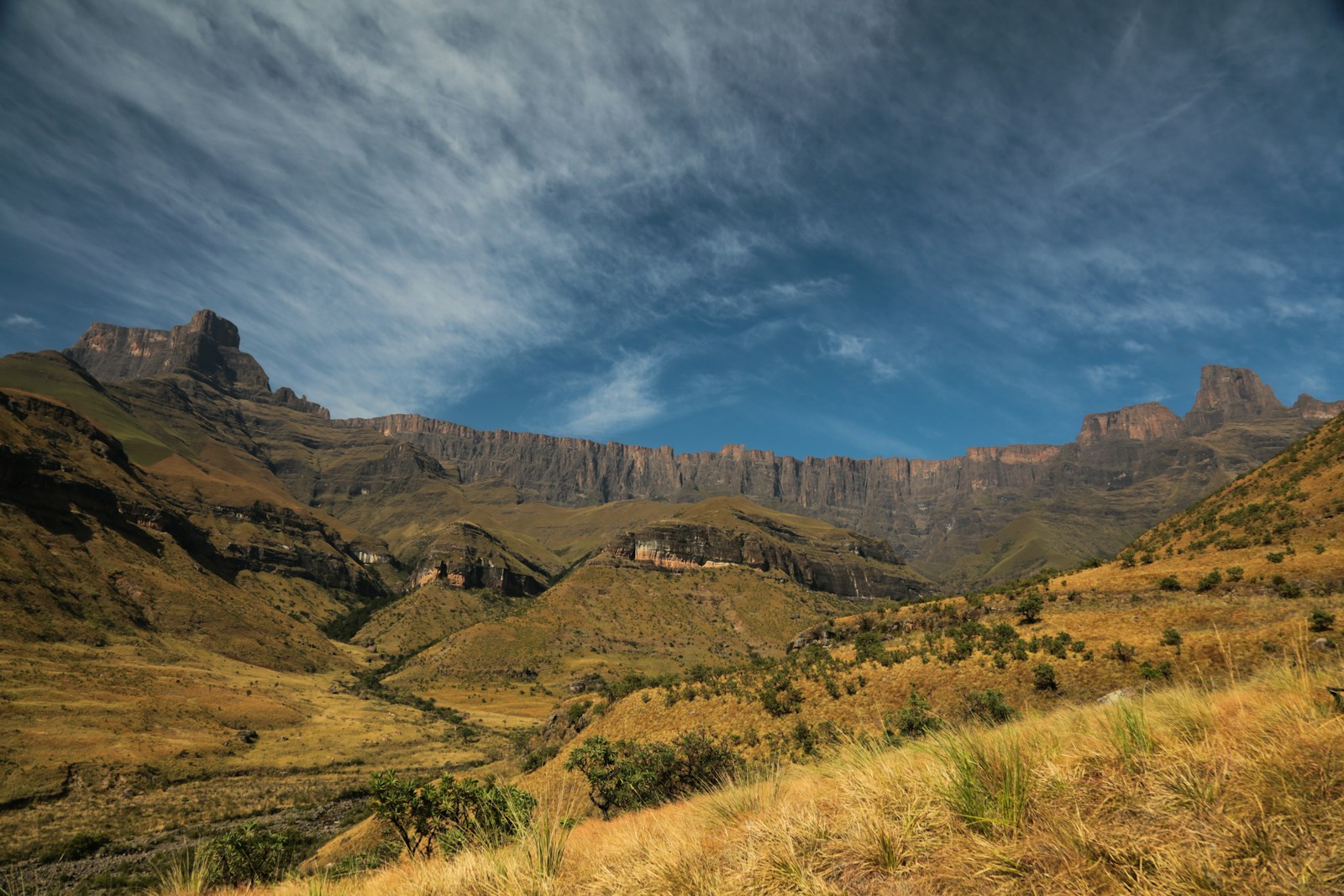
South Africa offers the Drakensberg Traverse, which is known for its rugged beauty and deadly history. Hikers must navigate questionable chain ladders and scramble over loose rocks on steep cliffs. The weather changes rapidly from sunny skies to blinding snow or fog in minutes. This lack of visibility causes hikers to walk off the edge of the massive escarpment. Bandits and smugglers also pose a security threat in certain remote sections of the trail. The combination of human and natural hazards makes this a serious undertaking. It requires immense preparation and situational awareness to complete the journey safely.