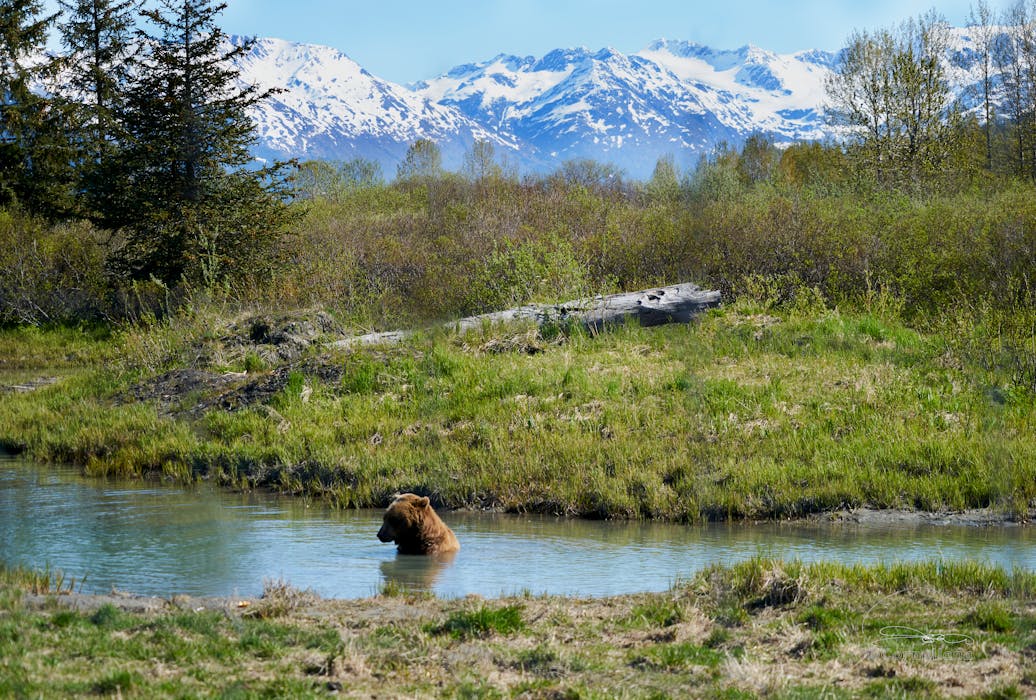
Bears remain highly adaptable mammals whose movements often reflect food availability, seasonal change, and landscape connectivity rather than random chance. Across North America and other bear range regions, sightings tend to cluster in familiar environments where natural resources overlap with human activity. Wildlife biologists study these patterns to reduce conflict and protect both animals and communities. Certain places consistently attract bears because they offer reliable nourishment, and travel routes. From protected wilderness to edges, these locations show how bears continue using time-tested habitats while adjusting to expanding.
National Parks
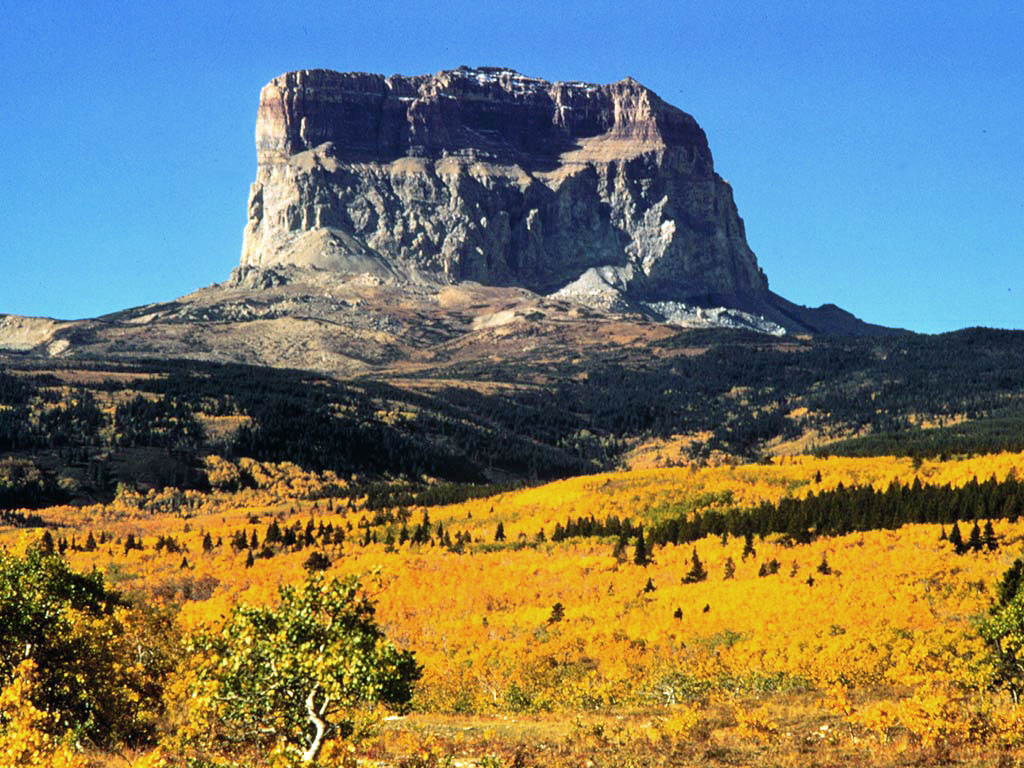
National parks rank among the most reliable places to see bears because protected land preserves natural food cycles and large home ranges. Forests, meadows, rivers, and alpine zones allow bears to follow seasonal diets without heavy habitat disruption. Many parks support both black bears and grizzly bears, depending on region. Bears often revisit the same valleys, slopes, and waterways each year as vegetation and prey become available. High visitor numbers increase visibility rather than population density. Park managers rely on food storage rules and trail advisories to limit close encounters while allowing bears to remain wild.
National Forests
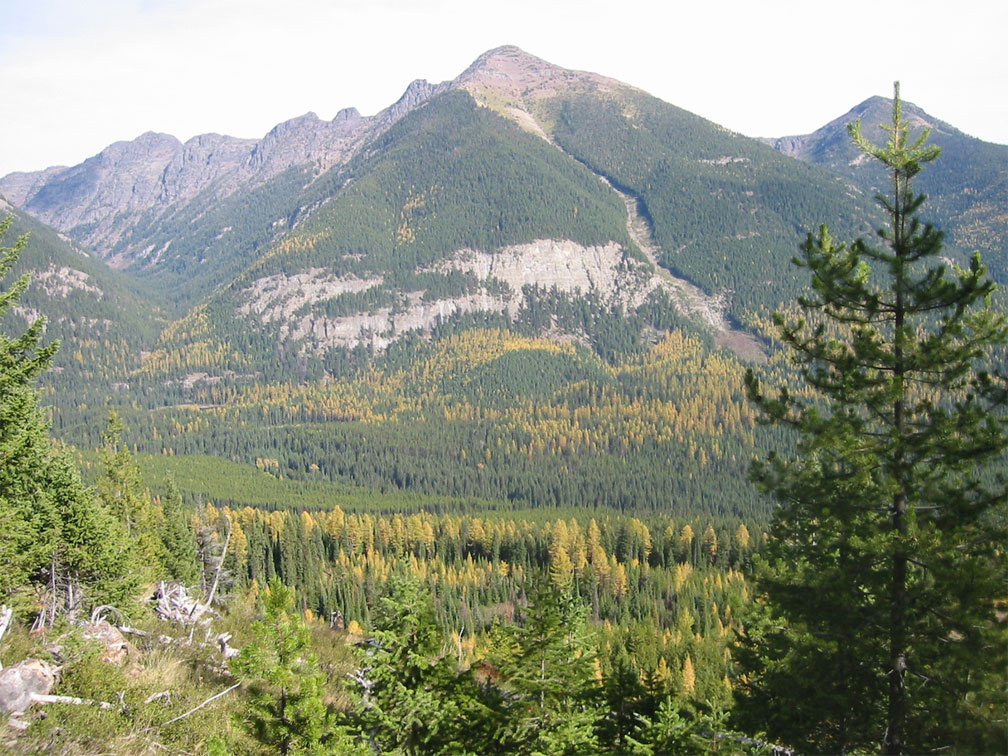
National forests consistently attract bears due to their vast size and mixed-use landscapes. These areas combine wilderness habitat with logging roads, campgrounds, and grazing land, creating repeated bear movement through predictable corridors. Bears forage on berries, roots, insects, and carrion while traveling between drainages and seasonal feeding areas. Unlike national parks, hunting and resource use may occur, yet habitat continuity remains strong. Bears often return annually to the same forest zones because terrain and food sources remain stable. Human activity raises encounter likelihood, especially during late summer and early fall.
River Corridors
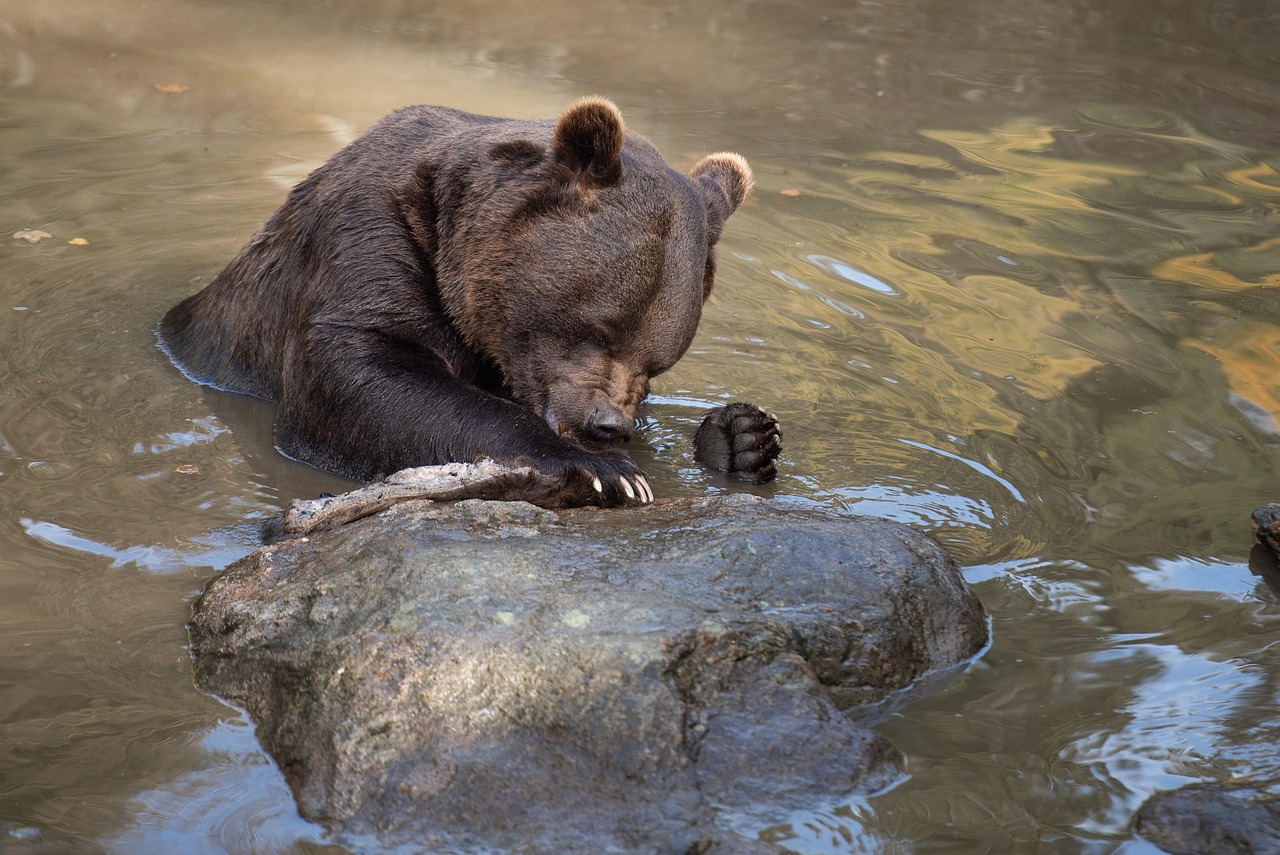
River corridors serve as natural travel routes that bears repeatedly follow across long distances. Riparian vegetation provides cover, water, and diverse food sources throughout the year. In many regions, bears rely on rivers during spring and summer for emerging plants and later for fish runs. The linear landscape allows efficient movement between mountains, valleys, and coastal zones. Bears often revisit familiar river stretches annually, especially where salmon or trout spawn. Campgrounds, trails, and fishing access along rivers increase reported sightings without necessarily indicating higher bear numbers.
Coastal Areas
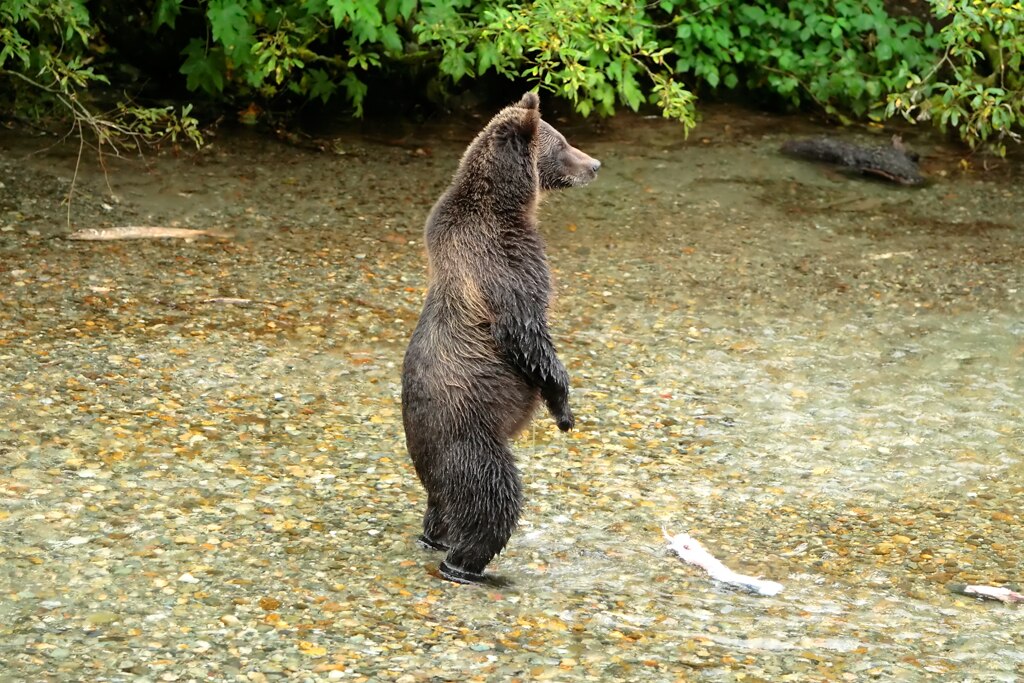
Coastal areas draw bears because shorelines deliver nutrient-rich food that supports high body weight and survival. In places like Alaska and western Canada, bears regularly forage along beaches for fish, shellfish, and stranded marine life. Seasonal salmon runs strongly influence repeated visits to estuaries and tidal flats. Bears learn specific coastal feeding sites and return annually as timing aligns with food availability. Dense vegetation near shorelines offers cover while open beaches improve feeding efficiency. Human presence near coasts increases sightings, particularly during summer tourism and fishing seasons.
Mountain Valleys
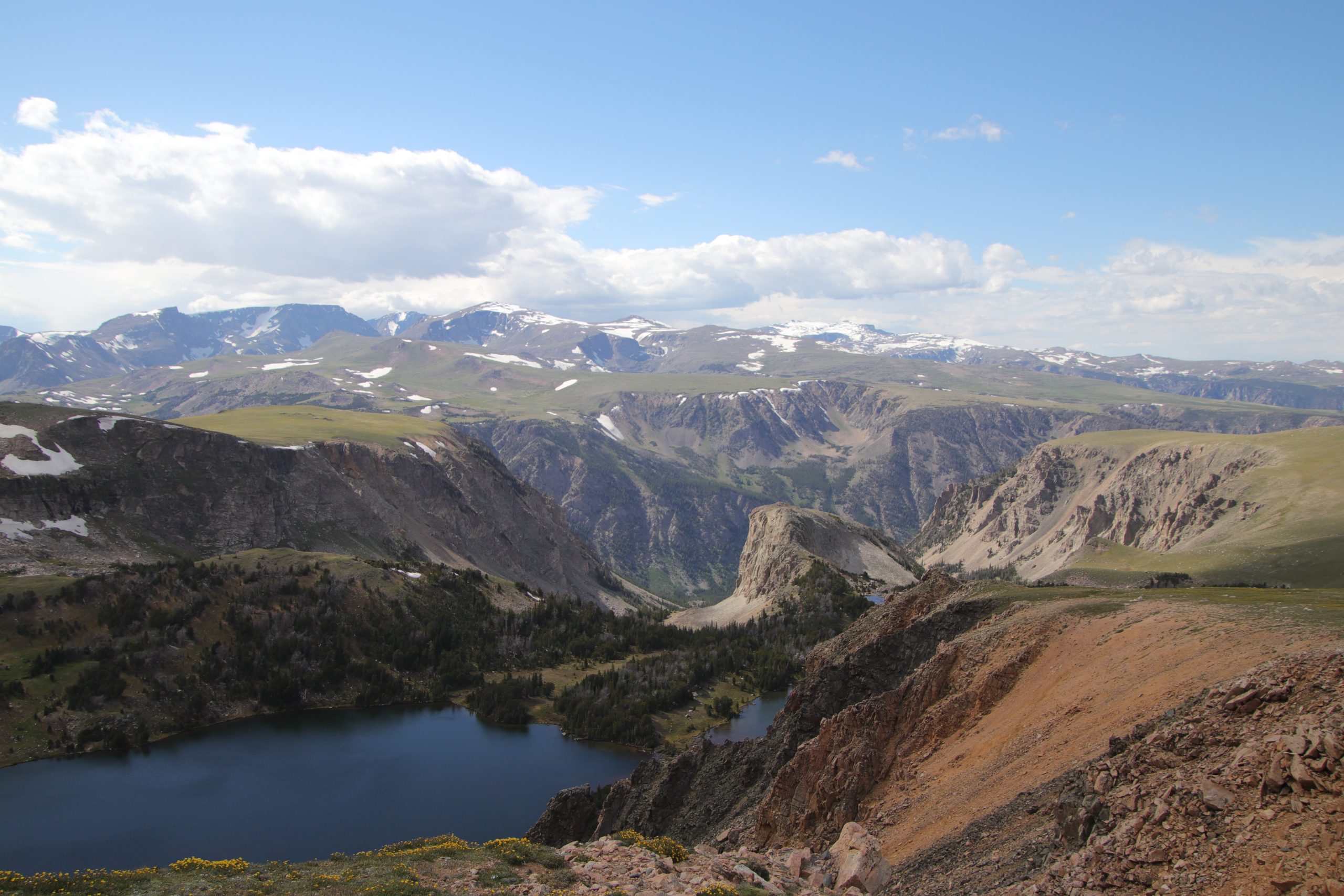
Mountain valleys frequently host bear activity because they concentrate food, water, and travel pathways within sheltered terrain. Bears descend into valleys during spring to access early vegetation and return later for berries and insects. These low-elevation areas often connect multiple habitats, allowing bears to move efficiently without crossing extreme terrain. Valleys also tend to contain roads, trails, and settlements, which increases the chance of sightings. Bears may revisit the same valley floors yearly due to predictable seasonal resources, even as surrounding peaks remain snow-covered or less productive.
Suburban Edges
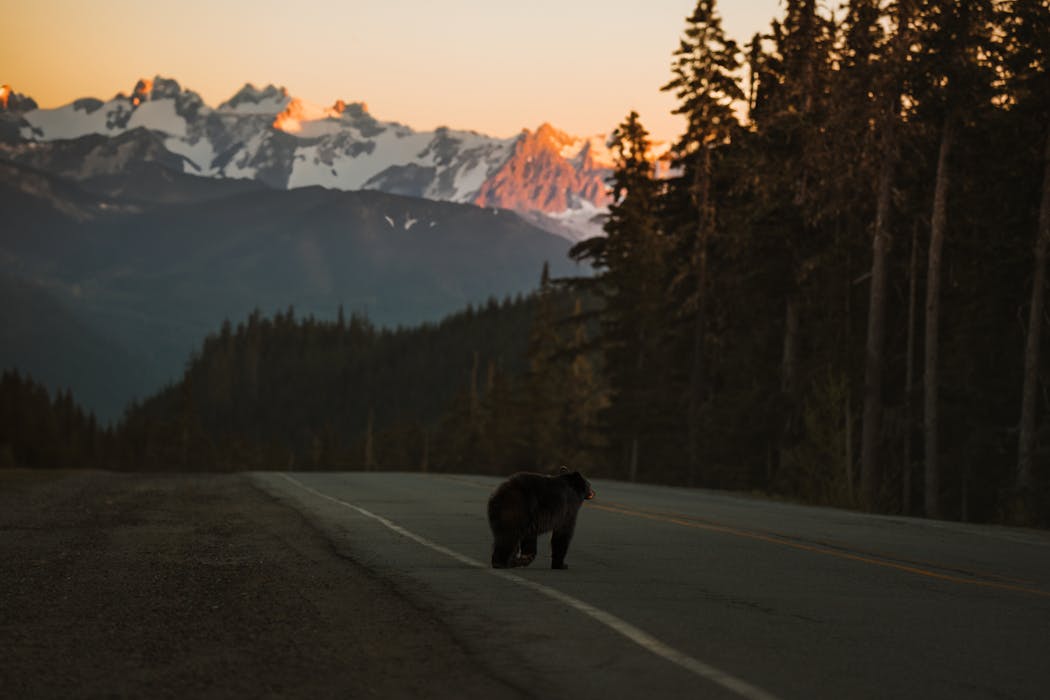
Suburban edges increasingly experience bear appearances as development expands into traditional habitat. Bears are drawn to fruit trees, bird feeders, pet food, and unsecured trash, which provide high-calorie rewards. Once a bear finds an accessible food source, repeated visits often follow until attractants are removed. These areas typically border forests, foothills, or greenbelts that allow quick retreat to cover. Black bears are most common, though grizzlies appear in some regions. Wildlife agencies emphasize attractant management because preventing food access reduces repeat visits more effectively than relocation.
Campgrounds
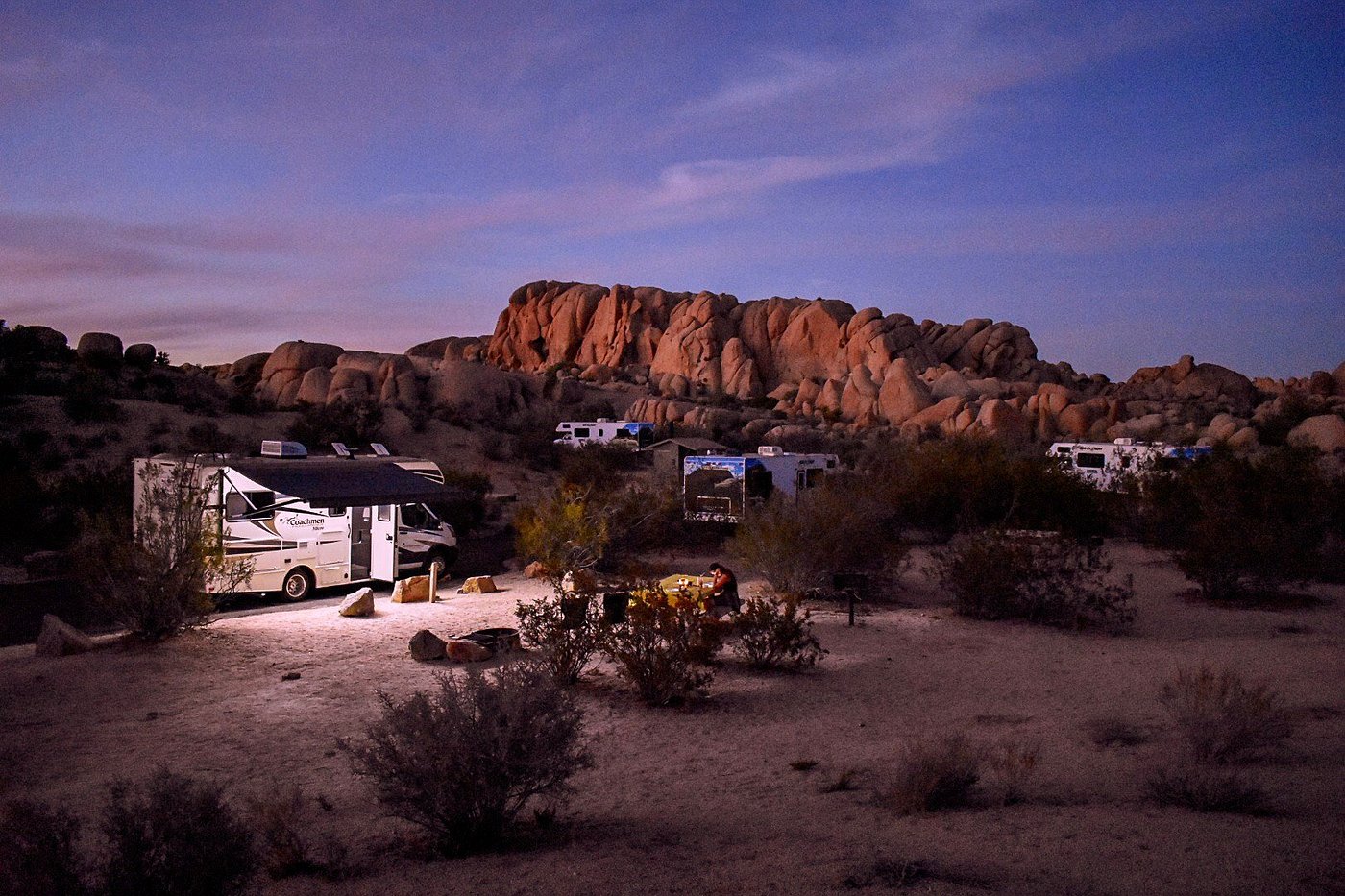
Campgrounds attract bears because food odors, cooking residue, and improper storage create strong incentives. Even when rules exist, repeated human use can leave lingering smells that bears associate with easy calories. Bears may revisit campgrounds seasonally, especially in summer and fall when energy needs peak. Over time, bears can learn the layout of campsites and return to familiar loops or sites. Modern campground management relies on bear-resistant containers and strict enforcement. High visitation increases observation frequency, making campgrounds common locations for reported bear encounters.
Berry-Producing Landscapes

Berry-producing landscapes consistently draw bears because berries offer critical nutrition during late summer and early fall. Huckleberries, blueberries, and other native fruits help bears build fat reserves before winter. Bears often remember productive patches and return annually if conditions remain favorable. These areas can include forest clearings, burn scars, hillsides, and mountain slopes. When berry crops fail elsewhere, bears may expand their range, but reliable sites still see repeated use. Human activity near berry patches increases sightings, especially during hiking and foraging seasons in mountainous regions.
Mountain Passes
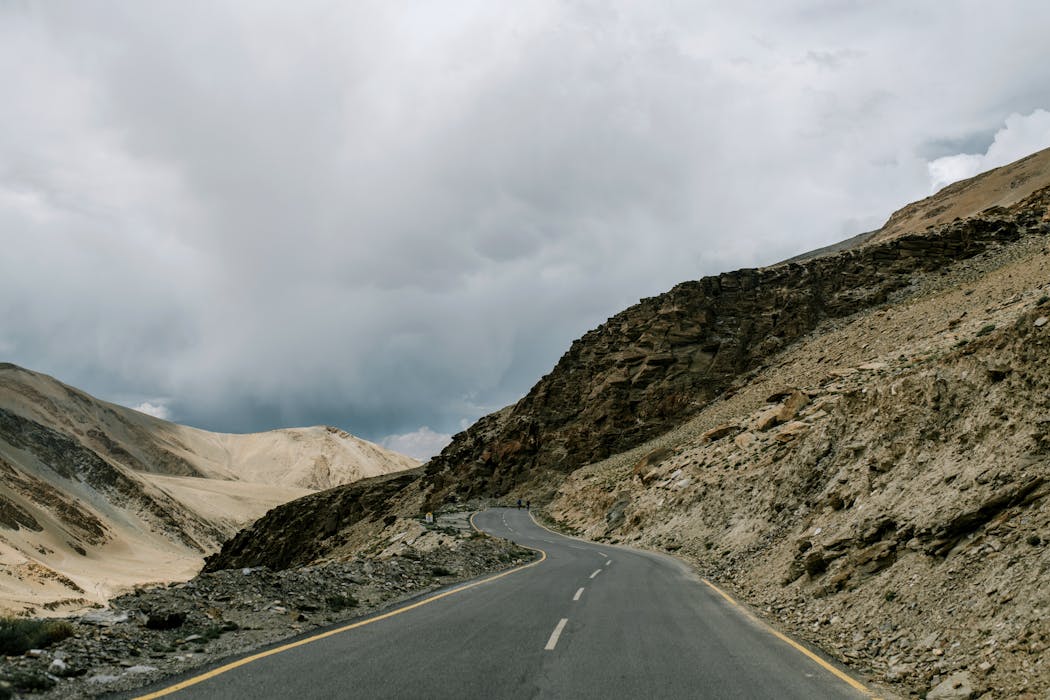
Mountain passes function as natural funnels that concentrate wildlife movement, including bears. Lower elevation routes between mountain ranges allow easier travel than steep ridges or deep snow zones. Bears often use passes during seasonal migrations tied to food availability or mating behavior. These locations may see repeated appearances as individuals follow established paths year after year. Roads frequently cross mountain passes, increasing human observation. Wildlife crossings and monitoring efforts focus on these zones because consistent animal movement raises both conservation value and collision risk.
Landfill Areas
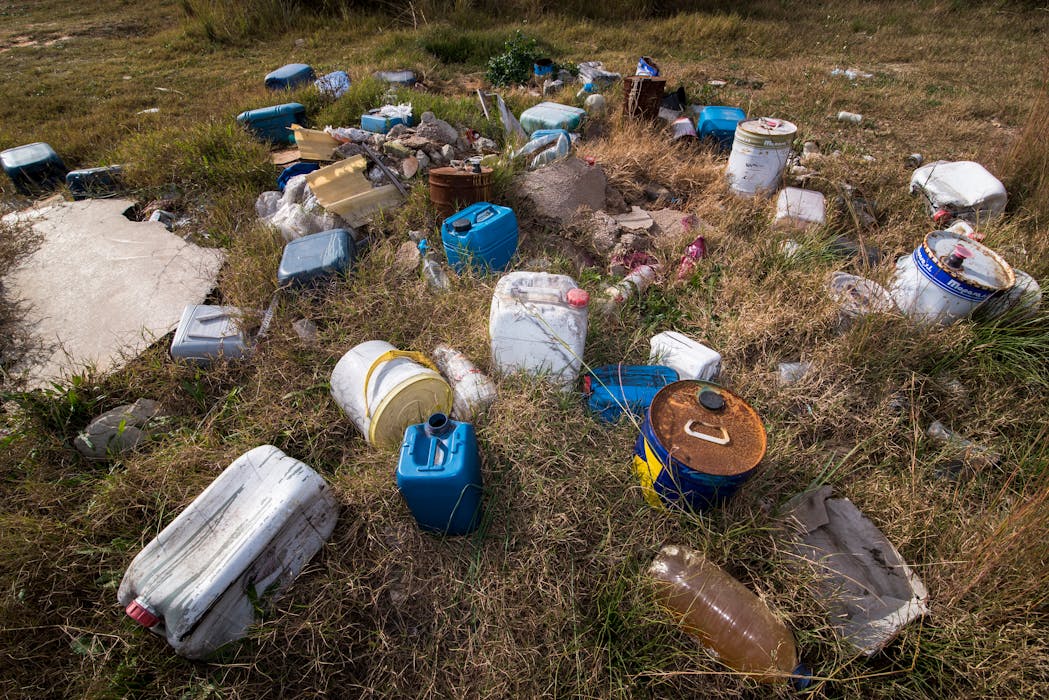
Landfill areas attract bears where waste management practices fail to secure food sources. Bears possess strong memories and will repeatedly return once they associate a landfill with reliable calories. These sites can disrupt natural foraging behavior and increase conflict risk. Bears may travel long distances to revisit known landfills, especially during periods of scarce natural food. Modern facilities use fencing, electric deterrents, and strict waste handling to prevent access. Where controls are effective, repeat visits decline. Where controls lag, landfills remain persistent hotspots for bear appearances.