Reliability is the single most important quality most shooters look for in a pistol, yet not every well-known model earns its reputation the same way. Some pistols struggle due to early production problems, ambitious design choices, or inconsistent quality control over time. Others work well for certain users but develop patterns of complaints when used broadly. Knowing about these issues is not about shaming brands, but about informed decision-making. Firearms history shows that even respected manufacturers have produced models that missed the mark. This list highlights pistols that have developed reputations for reliability concerns, helping shooters approach them with realistic expectations rather than marketing hype.
1. Remington R51
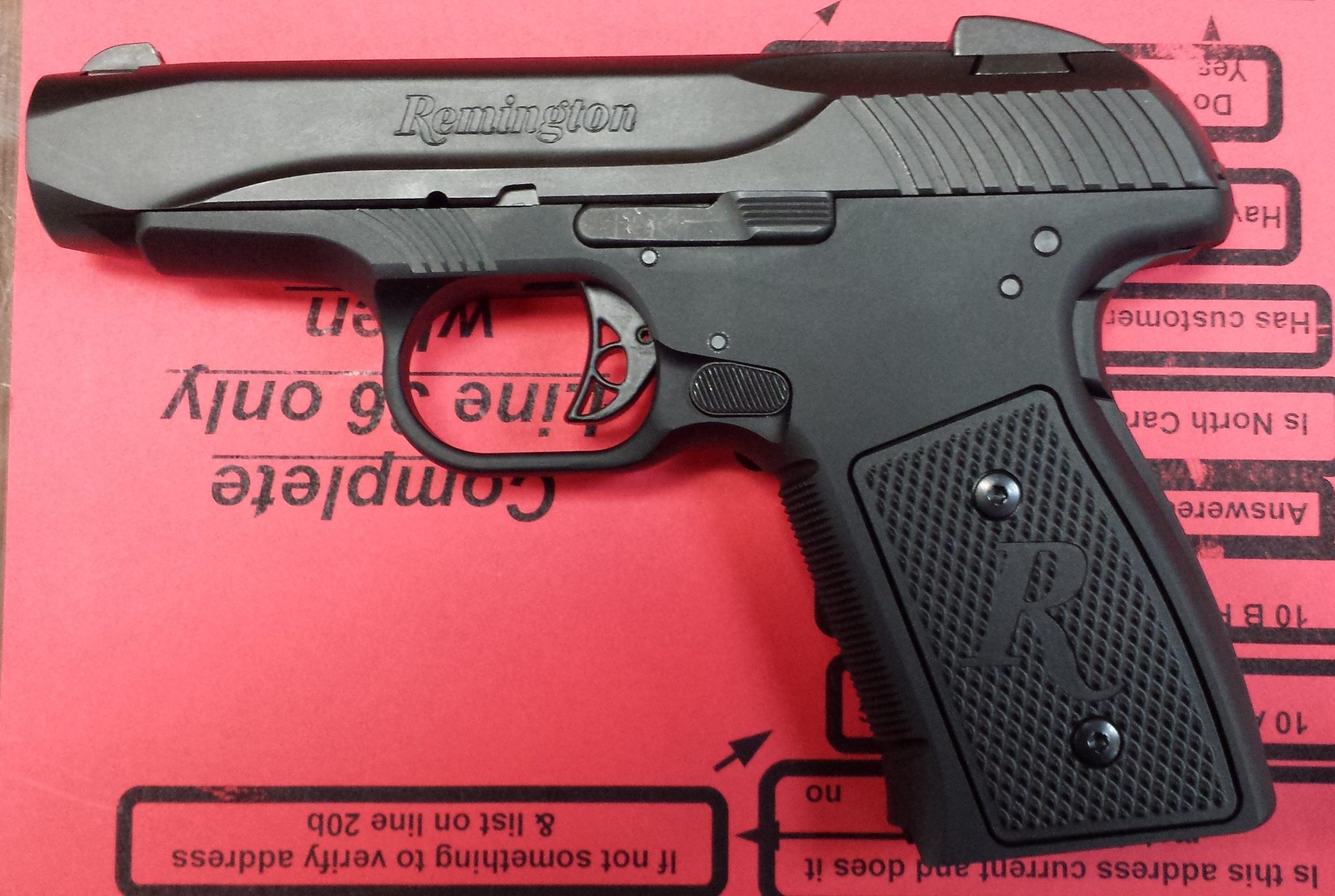
The Remington R51 gained attention for its innovative operating system, but innovation did not translate into consistency. Early production models were widely criticized for failures to feed, extract, and cycle smoothly. Many users reported erratic performance across different ammunition types. The pistol’s design demanded precise tolerances, leaving little margin for manufacturing variation. While later revisions attempted to improve it, the damage to its reputation was already done. The R51 became a lesson in how ambitious engineering can struggle without rigorous execution. Shooters today often view it cautiously, recognizing that novel ideas do not always guarantee dependable performance.
2. Kimber Solo
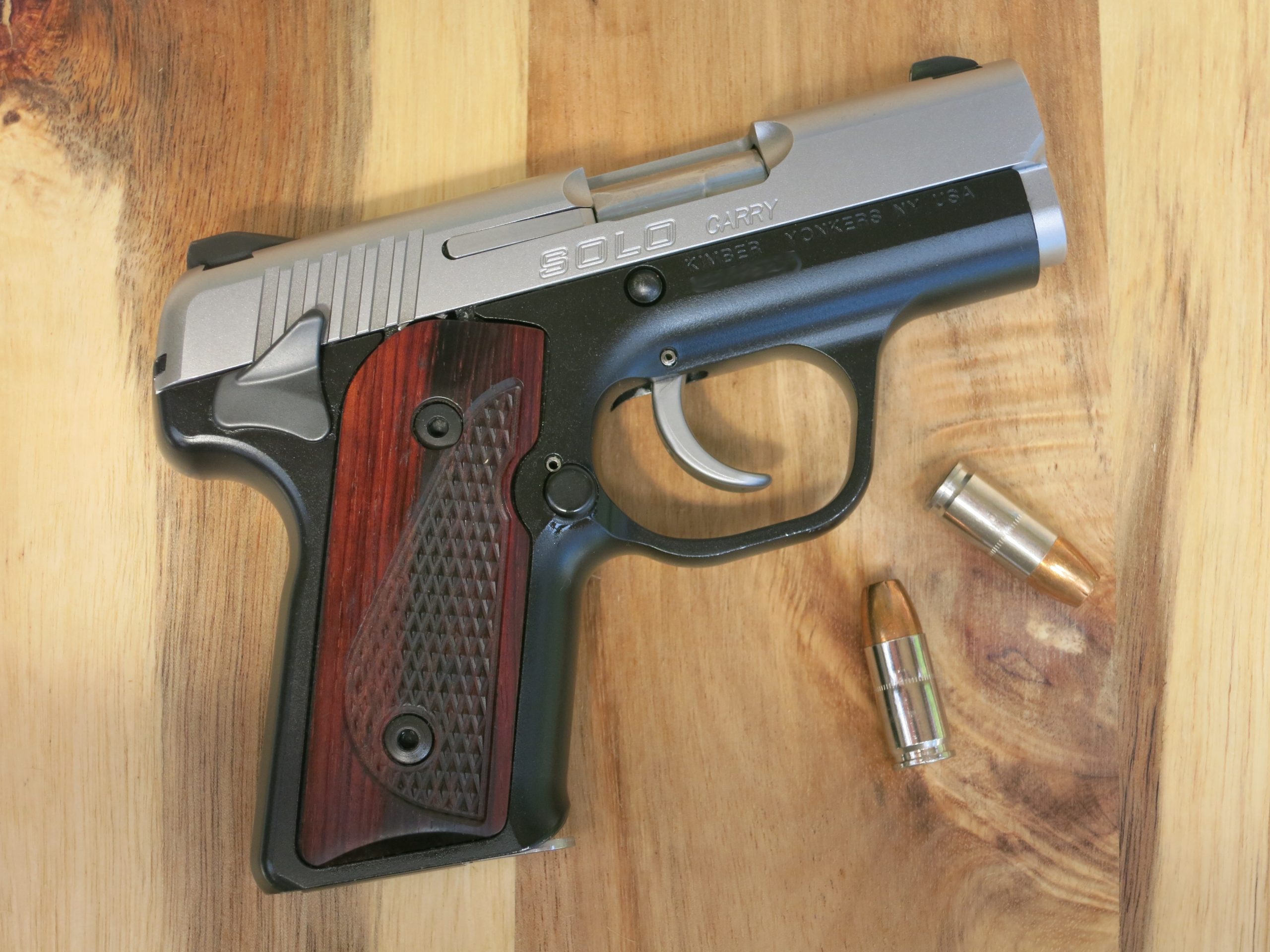
The Kimber Solo promised premium compact performance but quickly earned mixed reviews. Its reliability was often described as ammunition-sensitive, with inconsistent performance outside a narrow range of loads. For a pistol marketed toward everyday carry, this limitation frustrated many buyers. Reports of failures to eject and feed appeared frequently in user discussions. The tight tolerances intended to enhance accuracy may have reduced reliability under less-than-ideal conditions. While some owners experienced flawless operation, others faced repeated stoppages. This inconsistency placed the Solo in a category where expectations often exceeded real-world performance.
3. Taurus PT111 Millennium
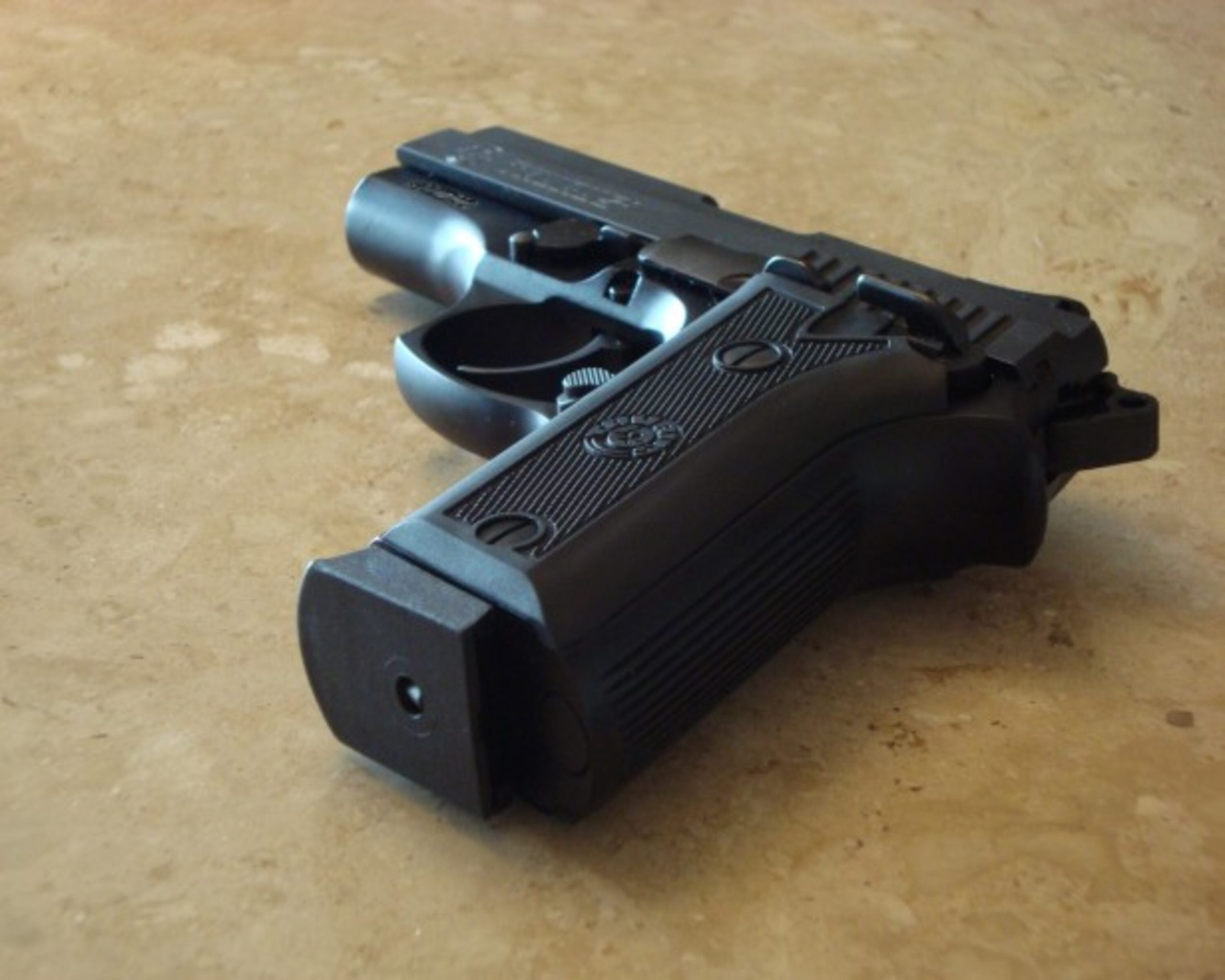
The Taurus PT111 Millennium gained popularity due to affordability and features, but reliability concerns followed. Some users reported inconsistent trigger resets, feeding problems, and sporadic failures to fire. Quality control appeared uneven, with experiences varying significantly between individual pistols. While many functioned acceptably, enough complaints emerged to raise concerns among experienced shooters. The pistol’s reputation became tied to unpredictability rather than outright failure. For buyers, the challenge was uncertainty, as performance depended heavily on the specific unit rather than the model as a whole.
4. Walther PK380
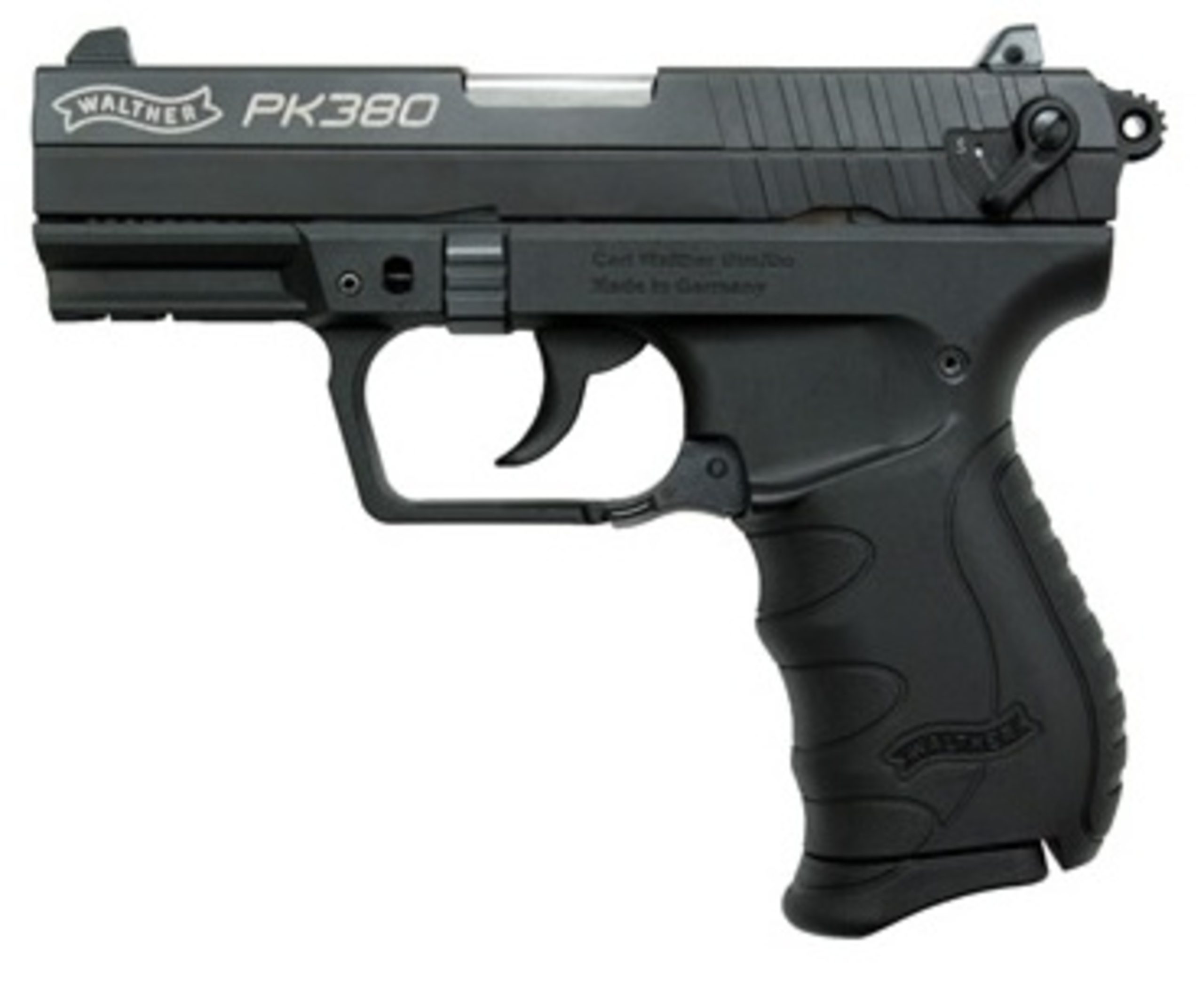
The Walther PK380 was designed as a lightweight, user-friendly pistol, yet reliability issues surfaced over time. Some owners noted sensitivity to ammunition and inconsistent cycling. Its internal design, intended to reduce recoil, introduced complexity that occasionally affected dependability. Reports of failures to feed and eject appeared more frequently than expected for a pistol carrying a respected brand name. While many shooters appreciated its ergonomics, others found its performance inconsistent during extended use. The PK380 serves as an example of how comfort-focused design does not always align perfectly with mechanical reliability.
5. SIG Sauer Mosquito
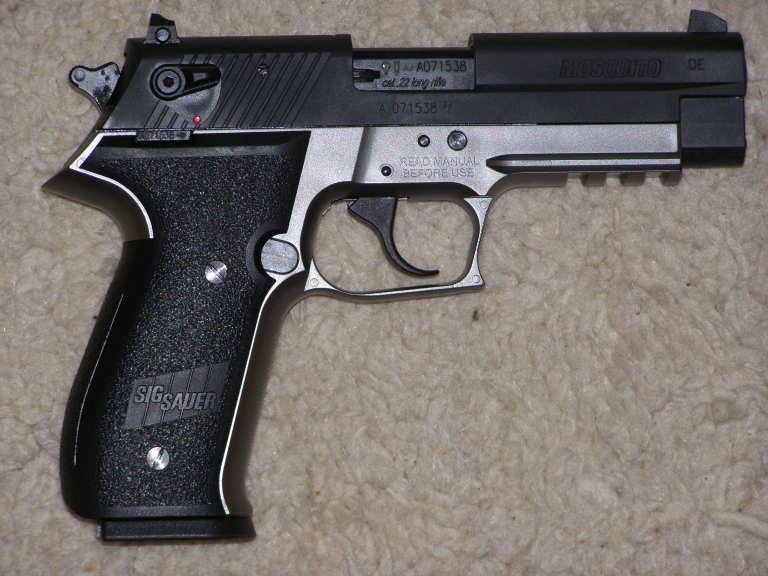
The SIG Sauer Mosquito was intended as an accessible training pistol, but reliability complaints became widespread. Many users experienced frequent malfunctions, particularly with bulk or lower-powered ammunition. The pistol often required specific loads to function consistently, limiting its versatility. Its lightweight slide and internal design made it less forgiving than comparable models. While some owners achieved reliability through careful ammunition selection, others found the experience frustrating. The Mosquito’s reputation highlights how even established manufacturers can struggle when adapting designs to different calibers and purposes.
6. AMT Backup
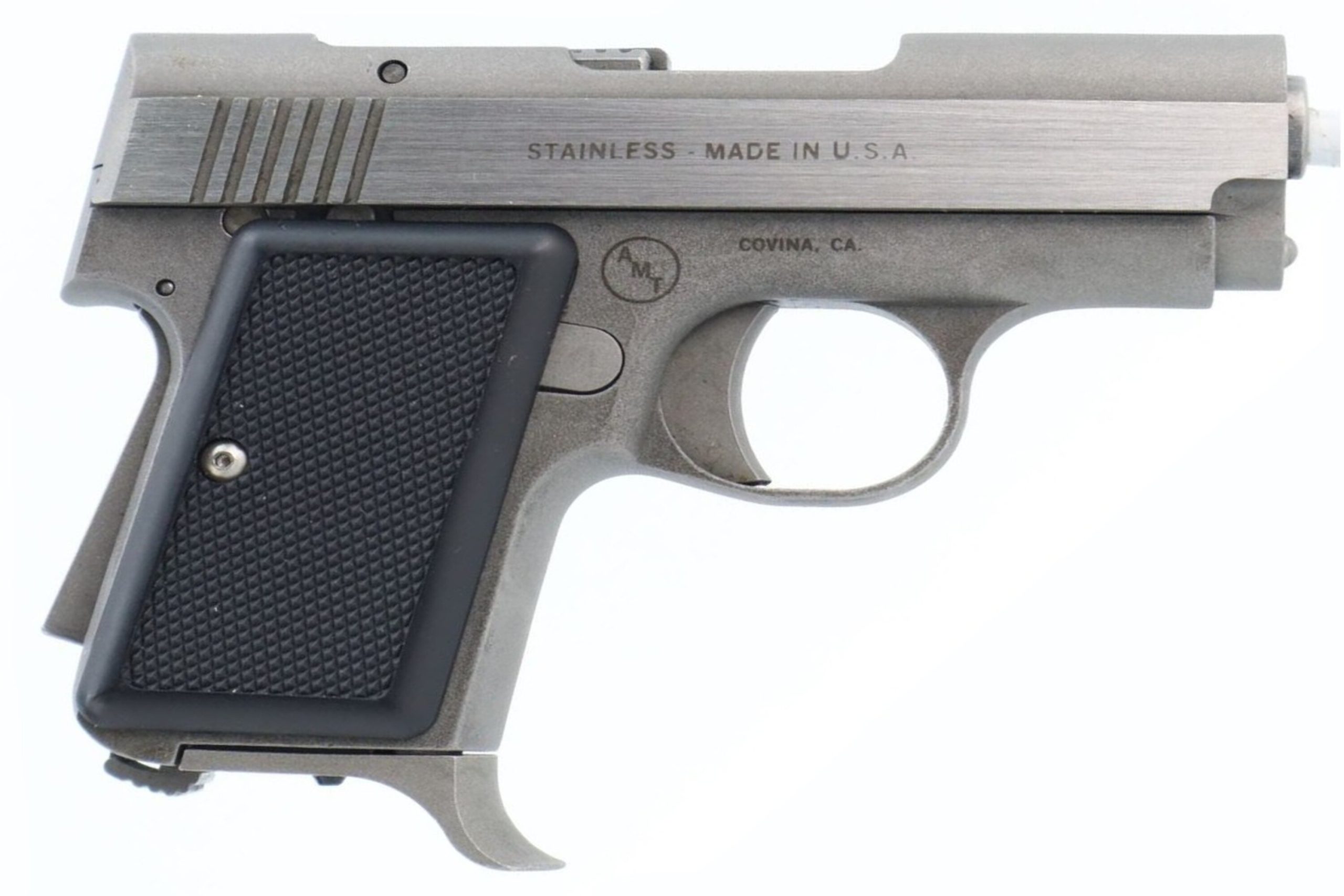
The AMT Backup was appealing due to its compact stainless steel construction, but reliability issues followed it throughout its lifespan. Users frequently reported feeding and extraction problems, particularly under rapid fire. The pistol’s small size and heavy trigger pull contributed to inconsistent operation for some shooters. Manufacturing quality varied significantly across production runs. While the concept was sound, execution proved uneven. The Backup remains a cautionary tale about early compact pistol designs and the challenges of balancing size, power, and reliability.
7. Kahr MK9
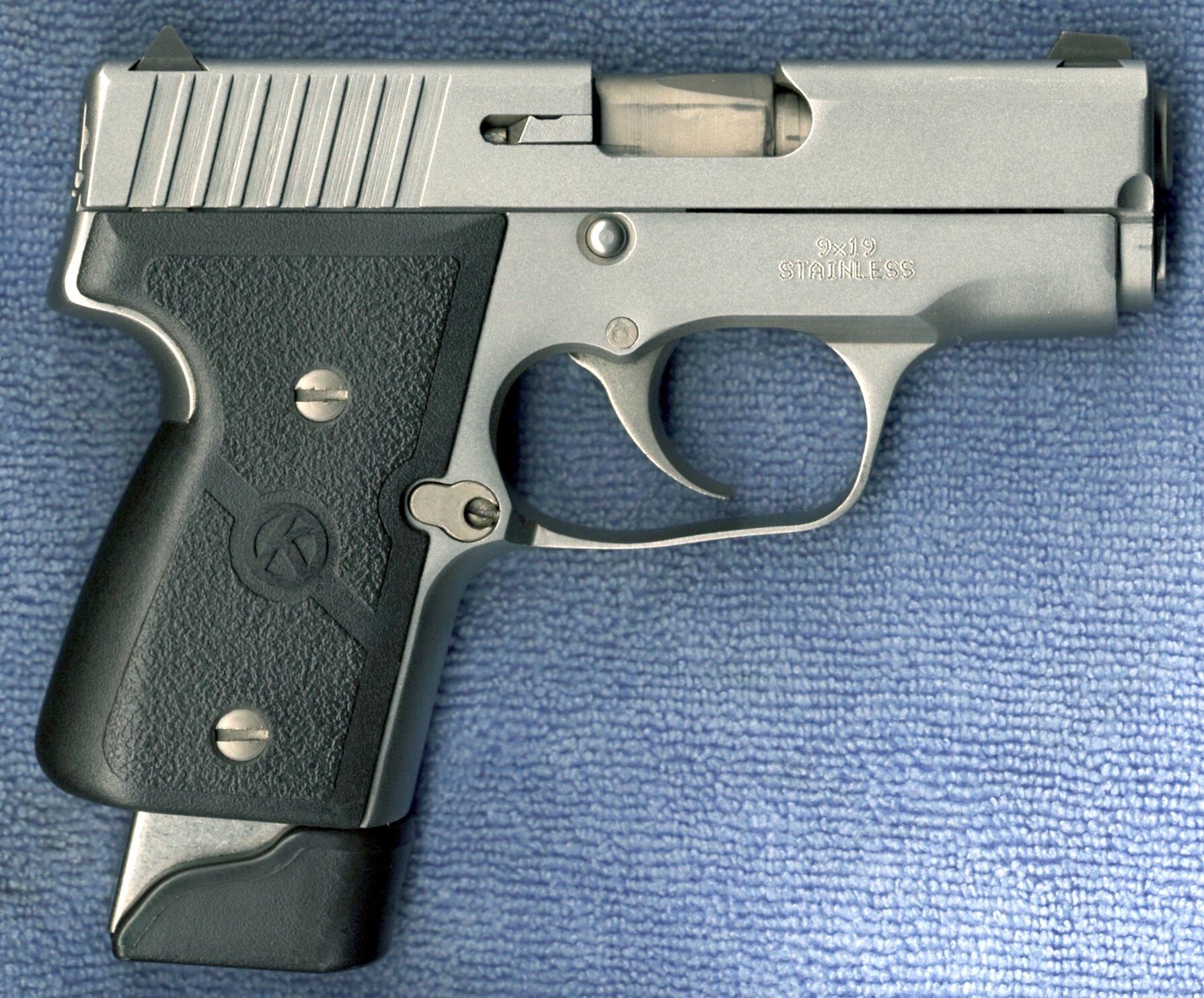
Kahr pistols are often praised for concealability, but the MK9 developed a mixed reliability reputation. Some users experienced break-in periods marked by frequent malfunctions. The pistol’s tight tolerances and powerful caliber combination demanded precise handling. While many owners reported improved function over time, initial reliability concerns discouraged confidence. For a defensive pistol, early inconsistency can be a serious drawback. The MK9 demonstrates how design choices that prioritize compactness can introduce reliability challenges if not perfectly executed.
8. Beretta Nano
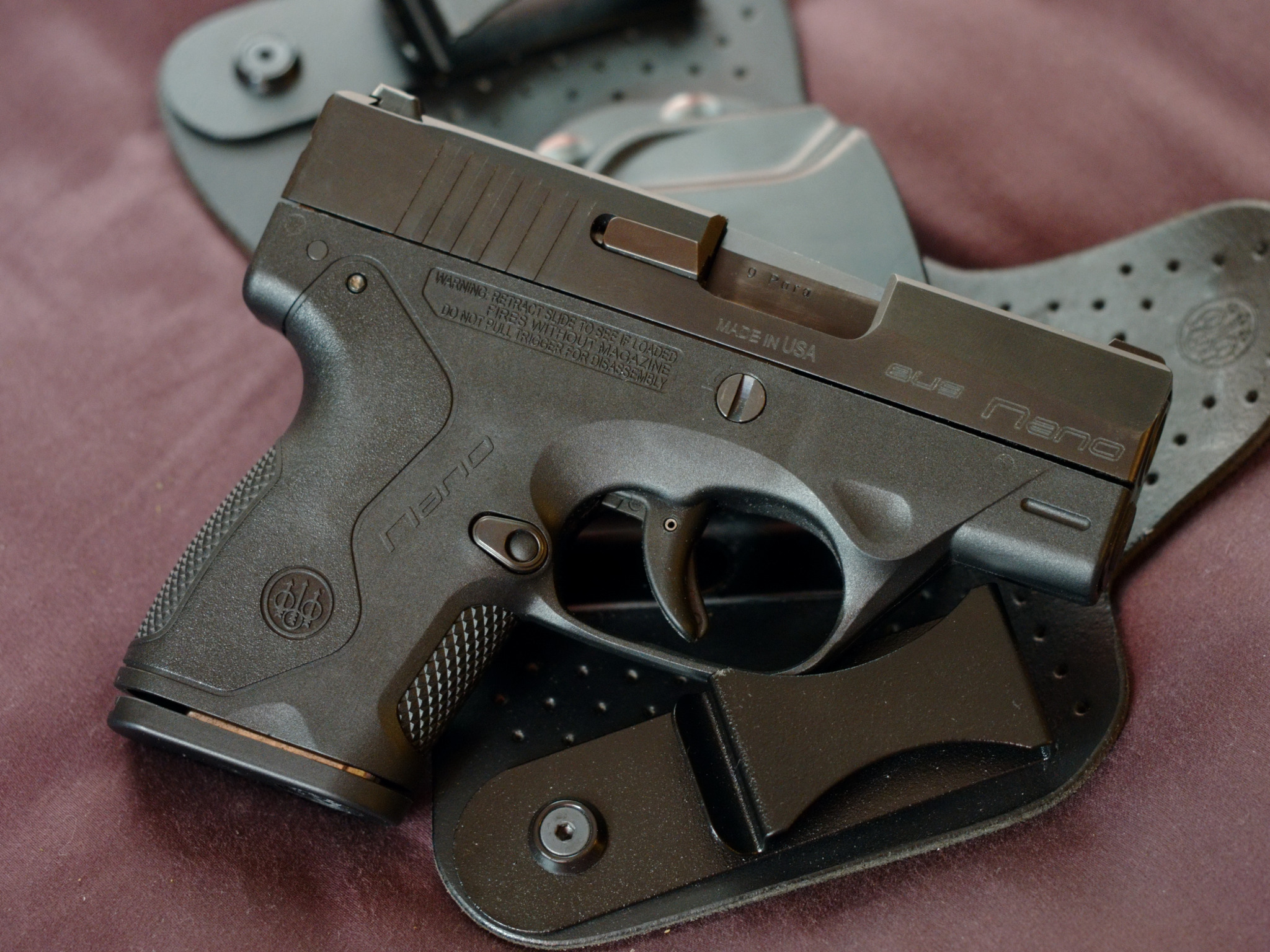
The Beretta Nano was marketed as a modern, striker-fired compact pistol, yet reliability feedback varied widely. Some shooters encountered failures to extract or inconsistent ejection patterns. The pistol’s minimal external controls appealed to simplicity but did not compensate for performance concerns. Ergonomic complaints sometimes overlapped with reliability frustrations, creating a mixed overall experience. While Beretta’s reputation remained strong, the Nano never achieved universal confidence among users. Its story illustrates how expectations tied to brand legacy can amplify disappointment when performance feels inconsistent.
9. SCCY CPX Series
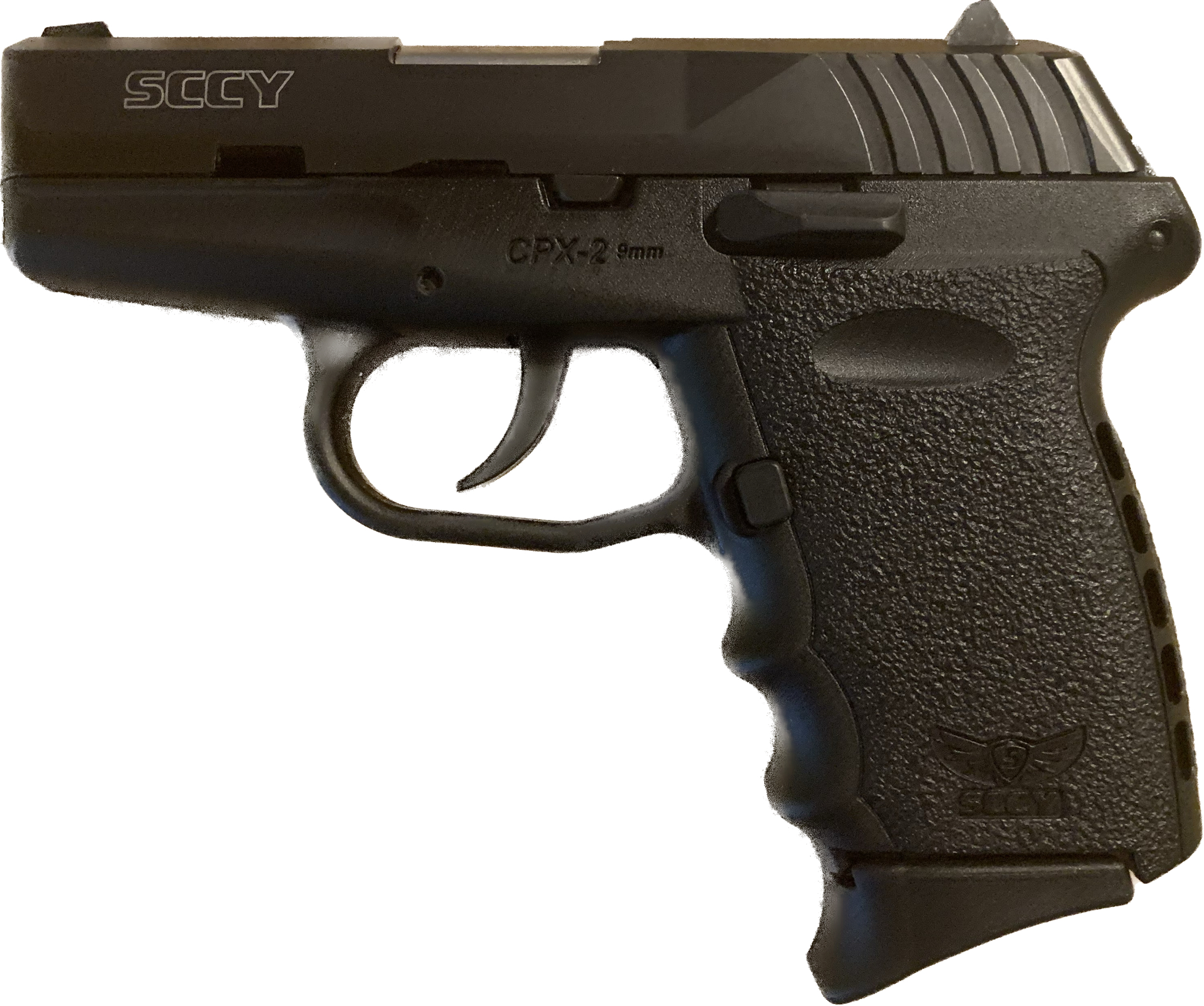
The SCCY CPX series attracted attention for affordability and lifetime warranties, but reliability concerns followed. Reports included failures to feed, light primer strikes, and inconsistent cycling. While customer service was often praised, recurring issues affected buyer confidence. The pistols functioned well for some users but poorly for others, reinforcing a reputation for variability. Budget-friendly pricing made them accessible, but reliability remained a common topic of discussion. The CPX series highlights the tradeoff between cost savings and consistent performance.
10. Smith & Wesson Sigma Series
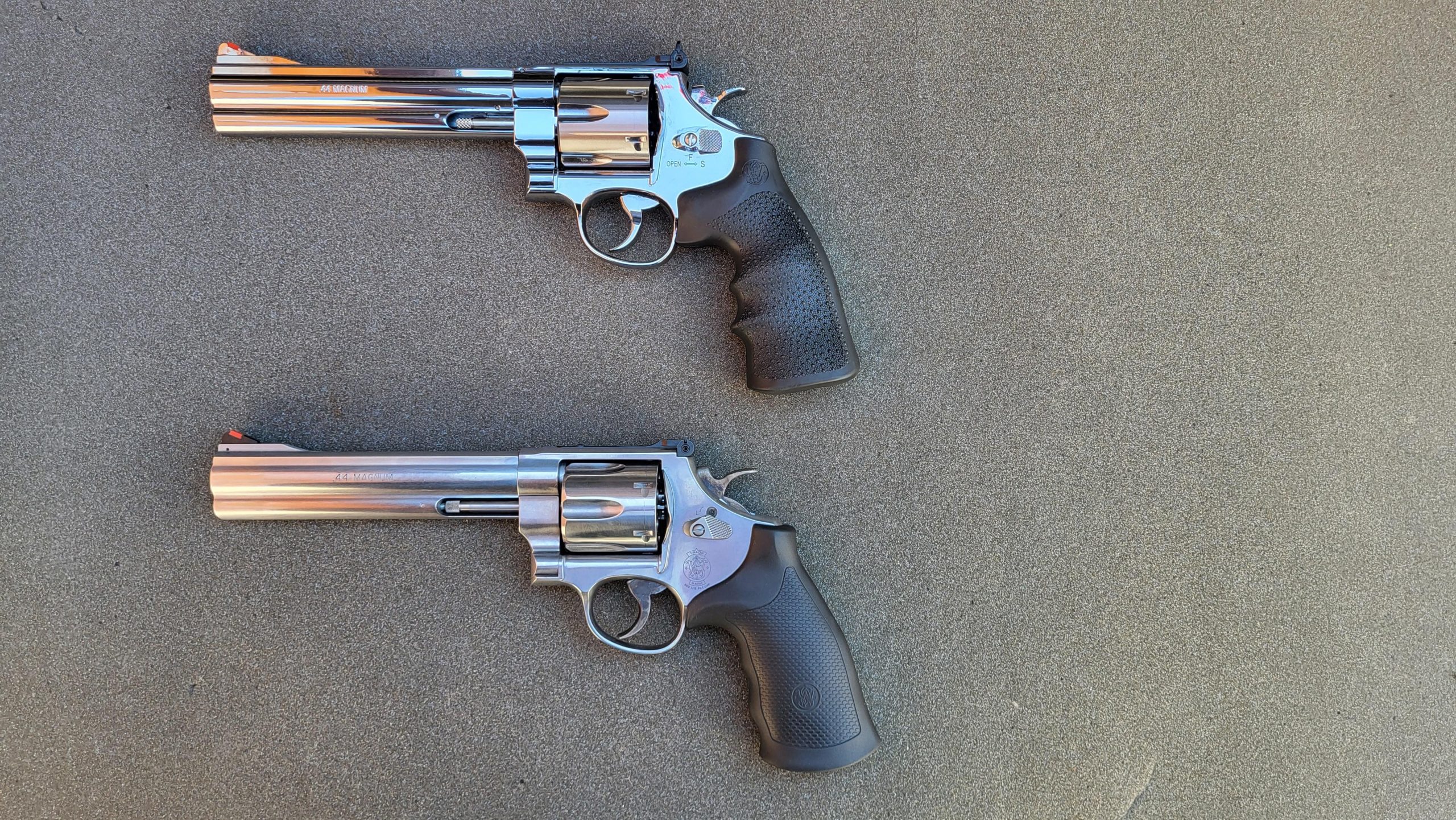
The Smith & Wesson Sigma series entered the market as an affordable striker-fired option, but it developed a reputation for uneven reliability and user dissatisfaction. Early models were frequently criticized for inconsistent feeding and occasional failures to reset properly. The heavy trigger pull, intended as a safety feature, often made consistent shooting difficult and amplified perceived malfunctions. Quality control appeared to vary between production runs, leading to drastically different user experiences. Some shooters reported acceptable performance, while others encountered persistent stoppages.