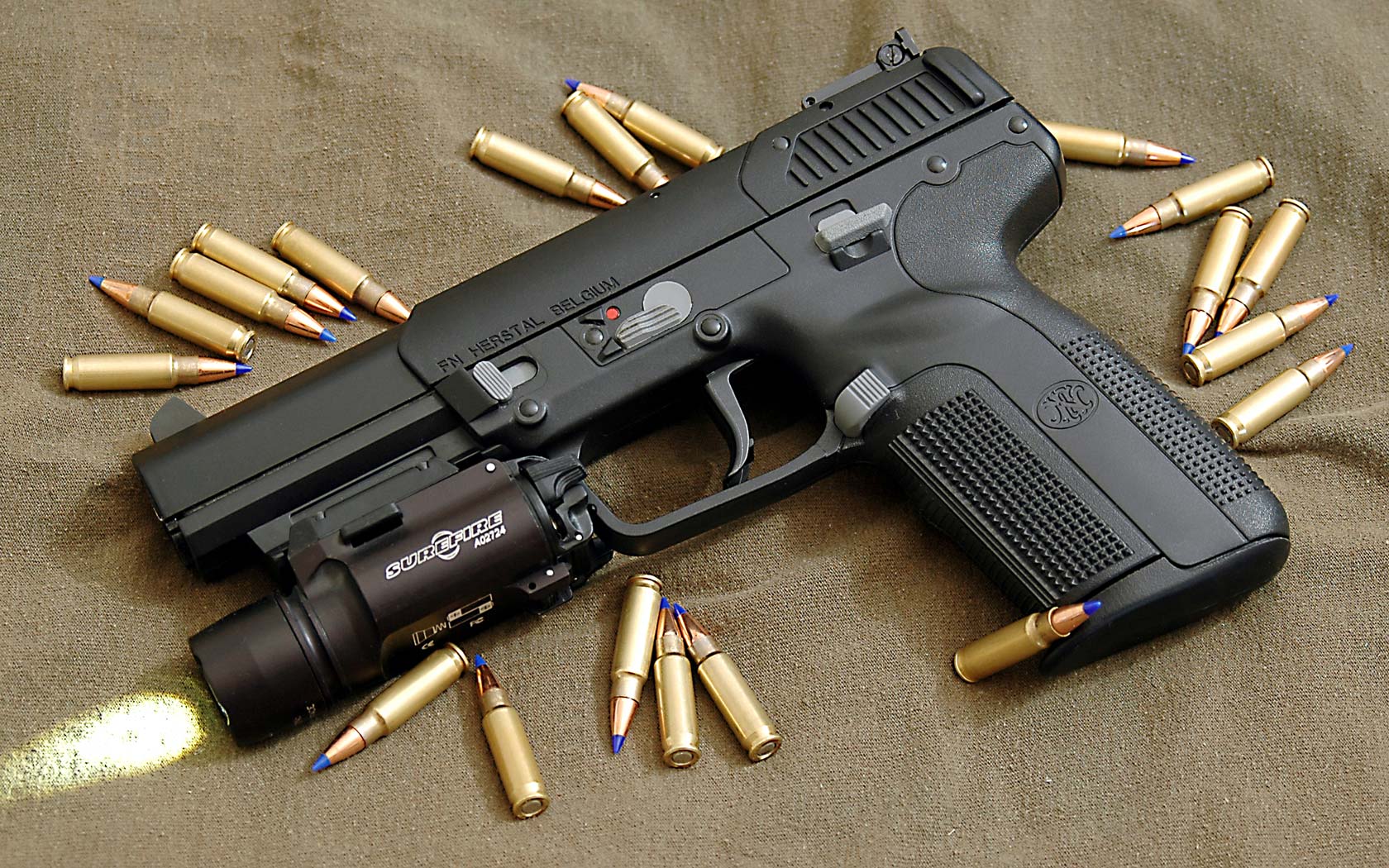
Firearm hype often grows faster than real-world performance. Marketing campaigns, social media praise, and influencer enthusiasm can create unrealistic expectations around certain pistols. Once these firearms reach the range, many shooters discover that looks, branding, or reputation do not always translate into comfort, accuracy, or reliability. Some pistols feel awkward in the hand, others struggle with consistency, and a few simply fail to justify their price. This list focuses on pistols that frequently disappoint shooters after the excitement fades. They are not unsafe or useless, but they often fall short when judged by practical shooting experience rather than reputation alone.
1. Desert Eagle
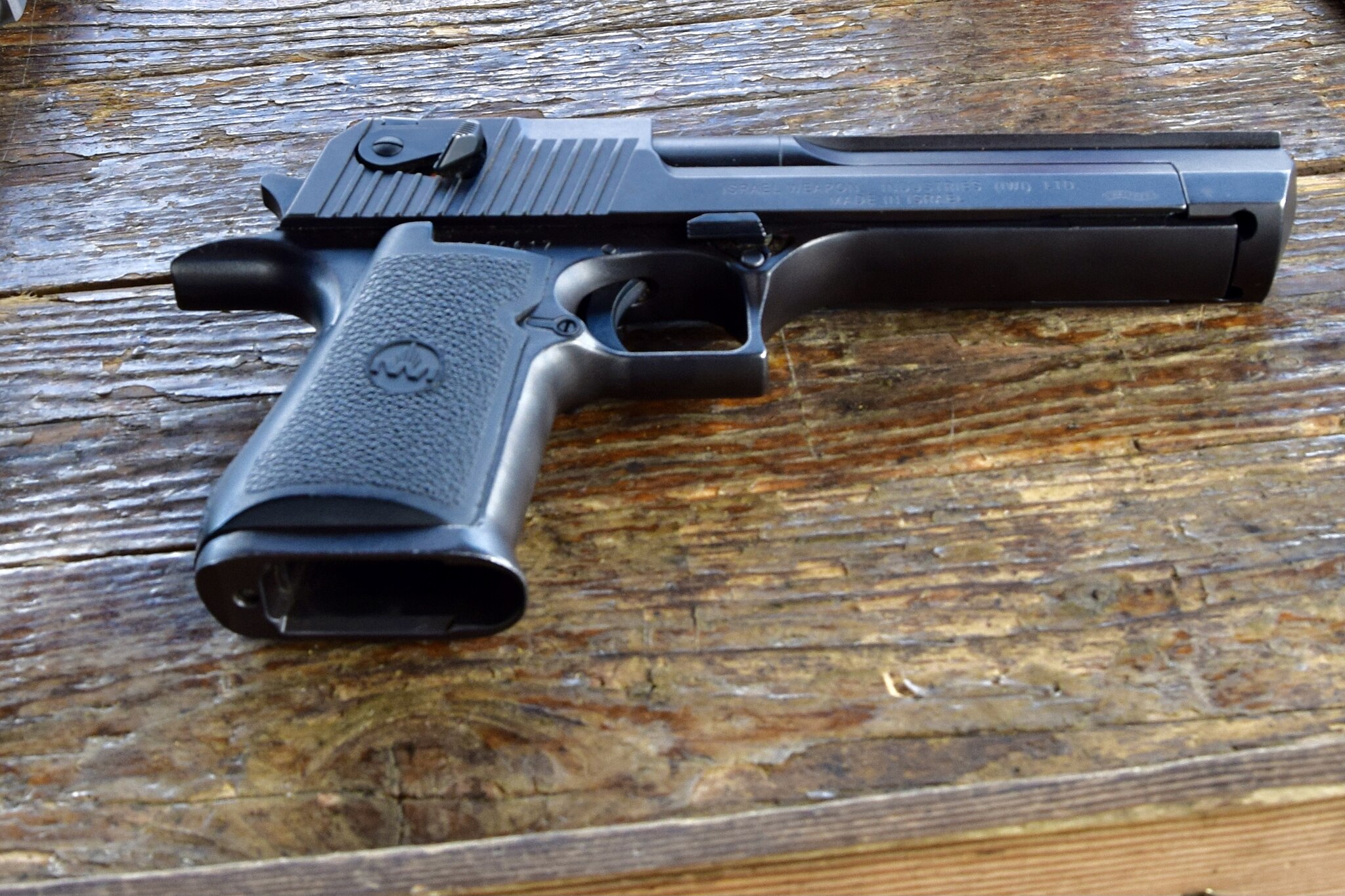
The Desert Eagle commands attention the moment it appears, but range time often reveals its shortcomings. Its massive size makes a proper grip difficult for many shooters, especially those with average or smaller hands. Despite its weight, recoil remains abrupt and disrupts follow-up shots. Ammunition costs are high, limiting practice time for most owners. Reliability can suffer if grip technique or ammunition choice is imperfect. While undeniably iconic, the pistol prioritizes spectacle over shootability. Many owners admire it more than they actually enjoy firing it.
2. Walther PPK
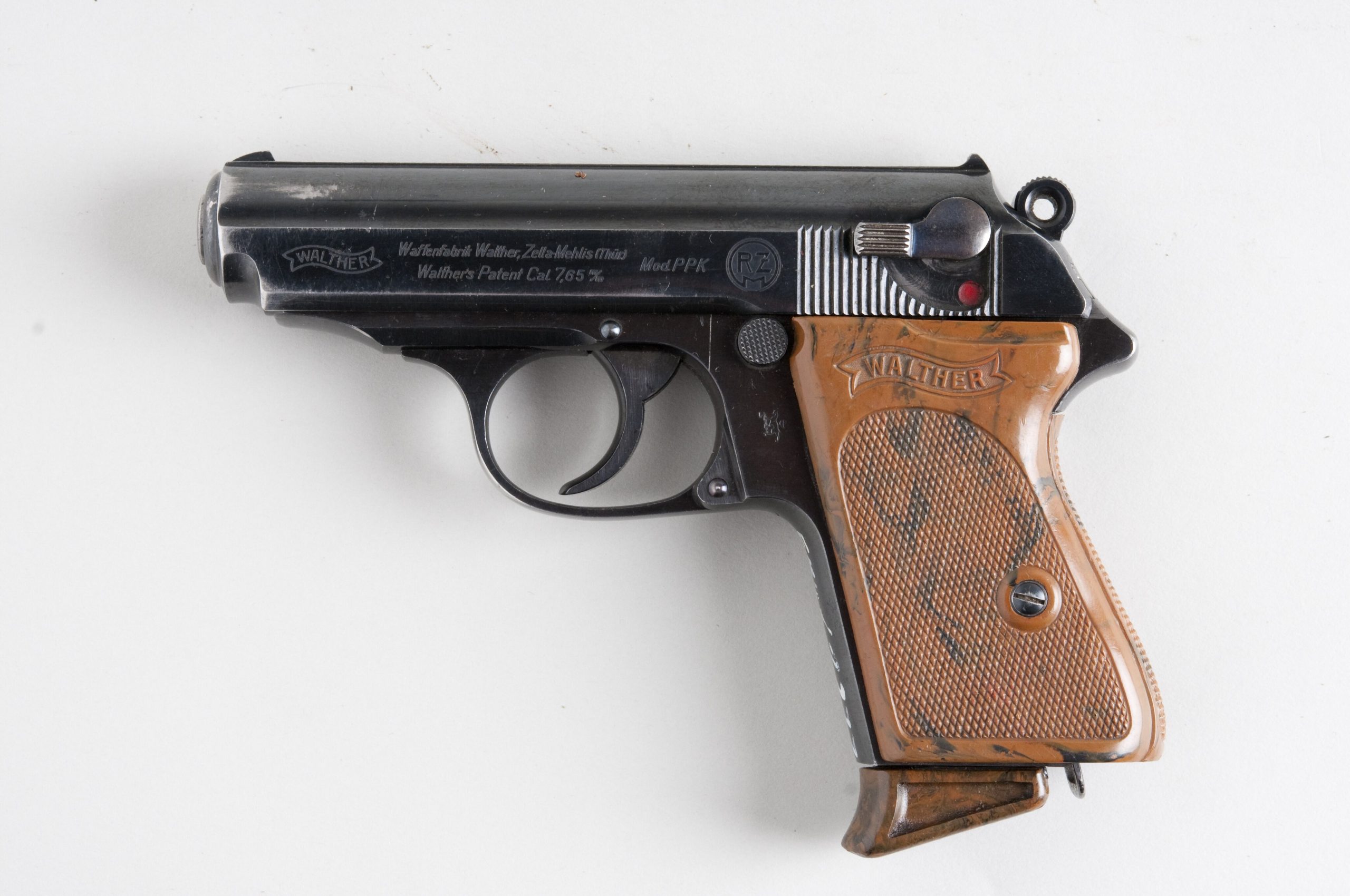
The Walther PPK carries classic styling and historical prestige, yet modern shooters frequently feel underwhelmed. Its small grip frame can feel cramped, leading to discomfort during extended sessions. Slide bite is a common complaint, especially for those with larger hands. The heavy trigger pull makes accurate shooting more difficult, particularly for beginners. Minimal sights further limit precision. While elegant and collectible, the PPK struggles to compete with modern compact pistols designed for comfort and control.
3. Taurus Judge
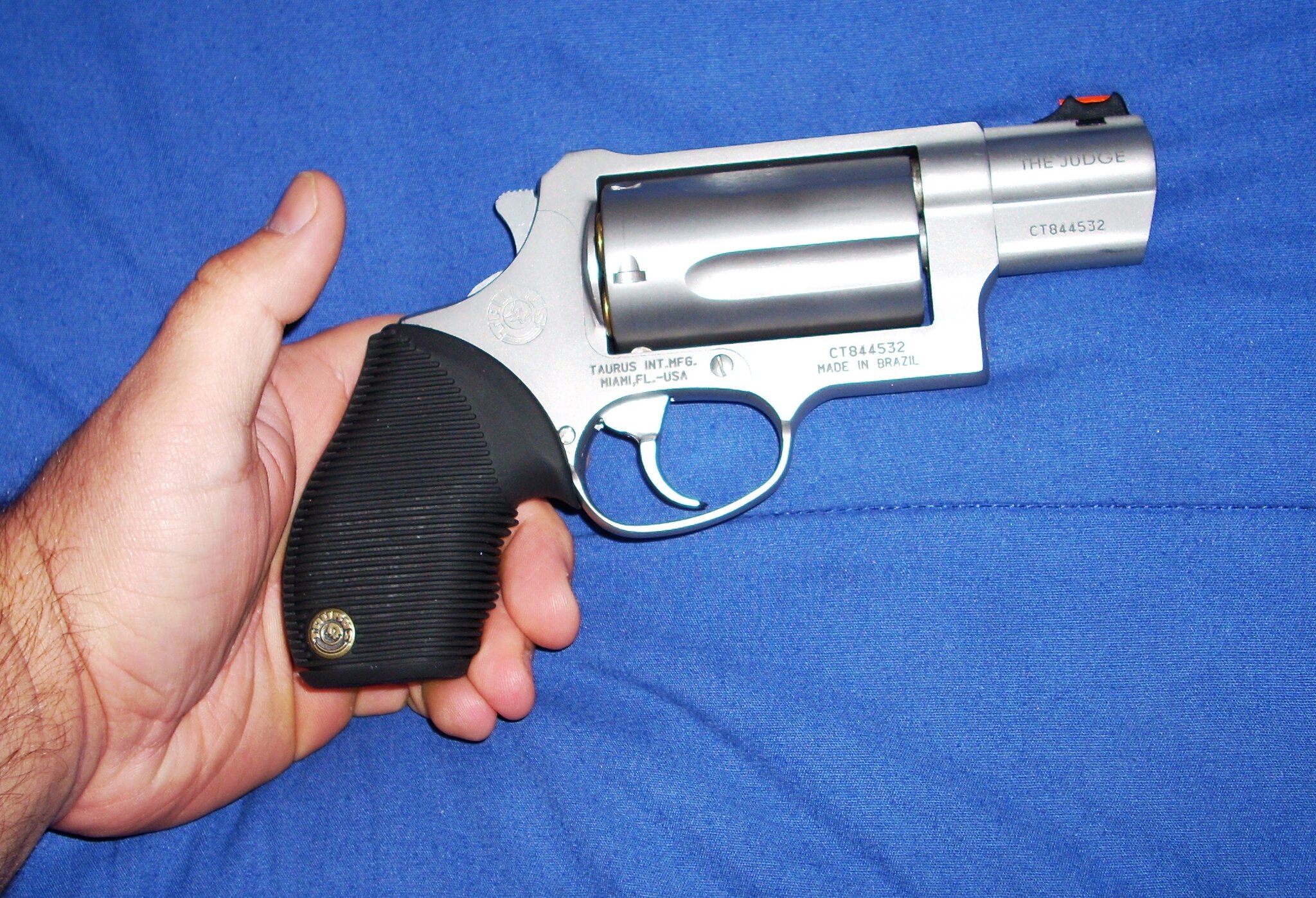
The Taurus Judge promises versatility, but real-world performance often disappoints. Accuracy varies widely depending on ammunition choice, and recoil can feel harsh and unpredictable. The oversized cylinder affects balance and makes the grip awkward. Reloading is slow, and ammunition options are expensive or limited. Many buyers expect practical flexibility but discover the pistol is better suited as a novelty. The concept sounds appealing, but the execution leaves many shooters dissatisfied.
4. Kimber 1911
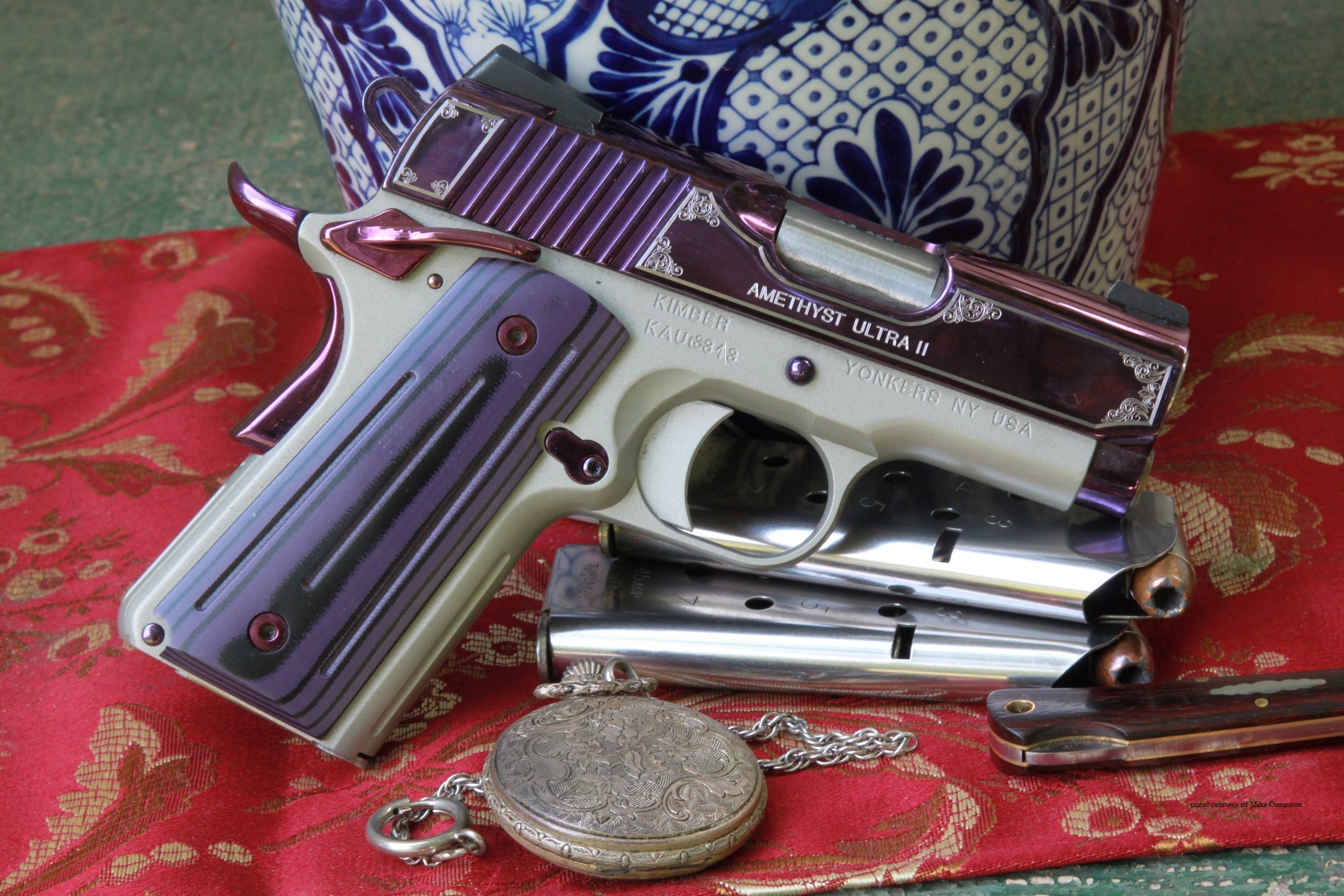
Kimber 1911 pistols are marketed as premium firearms, but expectations often exceed reality. Many owners report finicky reliability during early use, requiring extensive break-in periods. Tight tolerances can lead to feeding issues without delivering improved accuracy. Considering the price, shooters frequently expect flawless performance that does not always materialize. While visually appealing, the shooting experience sometimes fails to justify the investment when compared to similarly priced alternatives.
5. Glock 44
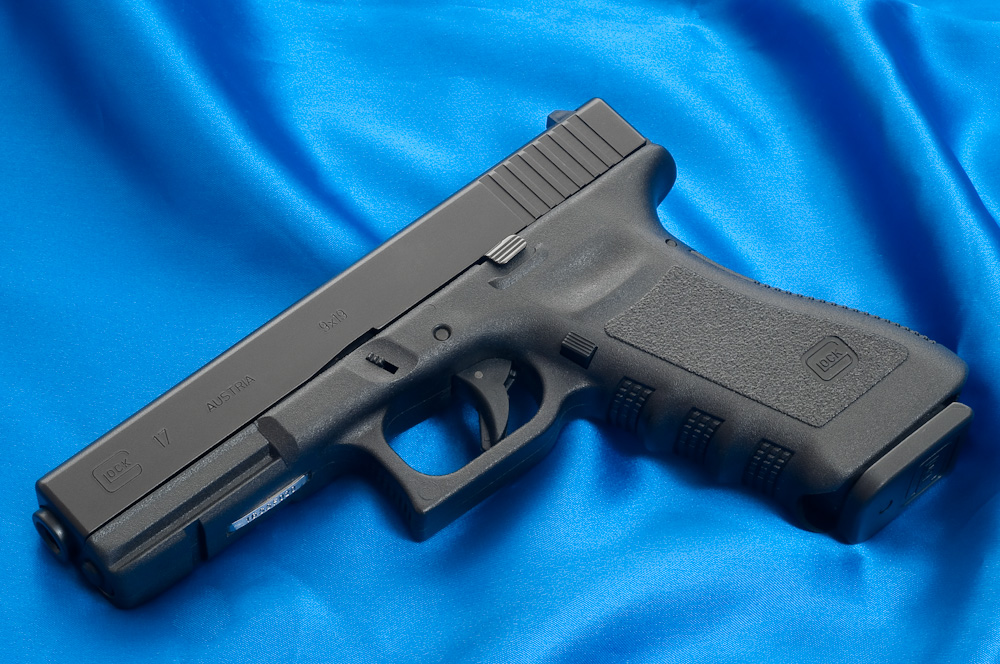
The Glock 44 was designed as a training companion, but results are mixed. Ammunition sensitivity is a frequent complaint, with reliability varying widely between brands. The lightweight slide alters recoil impulse in ways some shooters find unnatural. Accuracy is adequate but inconsistent. While it mimics Glock ergonomics, it does not fully replicate centerfire handling. Many shooters walk away wishing it felt more familiar and dependable.
6. Beretta APX
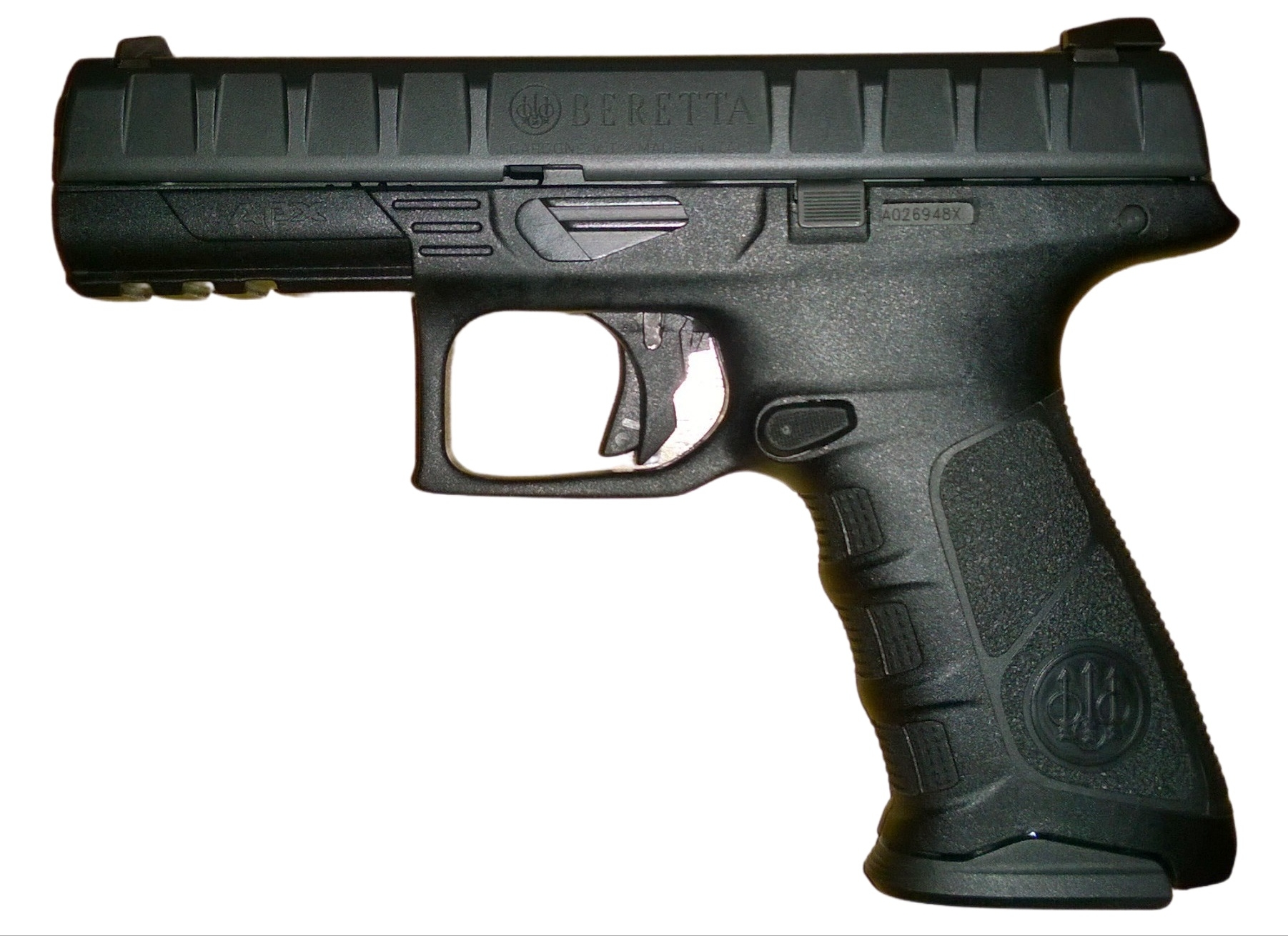
The Beretta APX looks rugged and duty-ready, but range performance can feel average. The trigger is often criticized for lacking refinement and a clean break. Aggressive grip texturing may cause discomfort during longer sessions. Accuracy is serviceable but rarely impressive. With strong competitors offering smoother shooting experiences, the APX sometimes feels overshadowed by pistols that deliver more comfort and precision out of the box.
7. FN Five-seveN
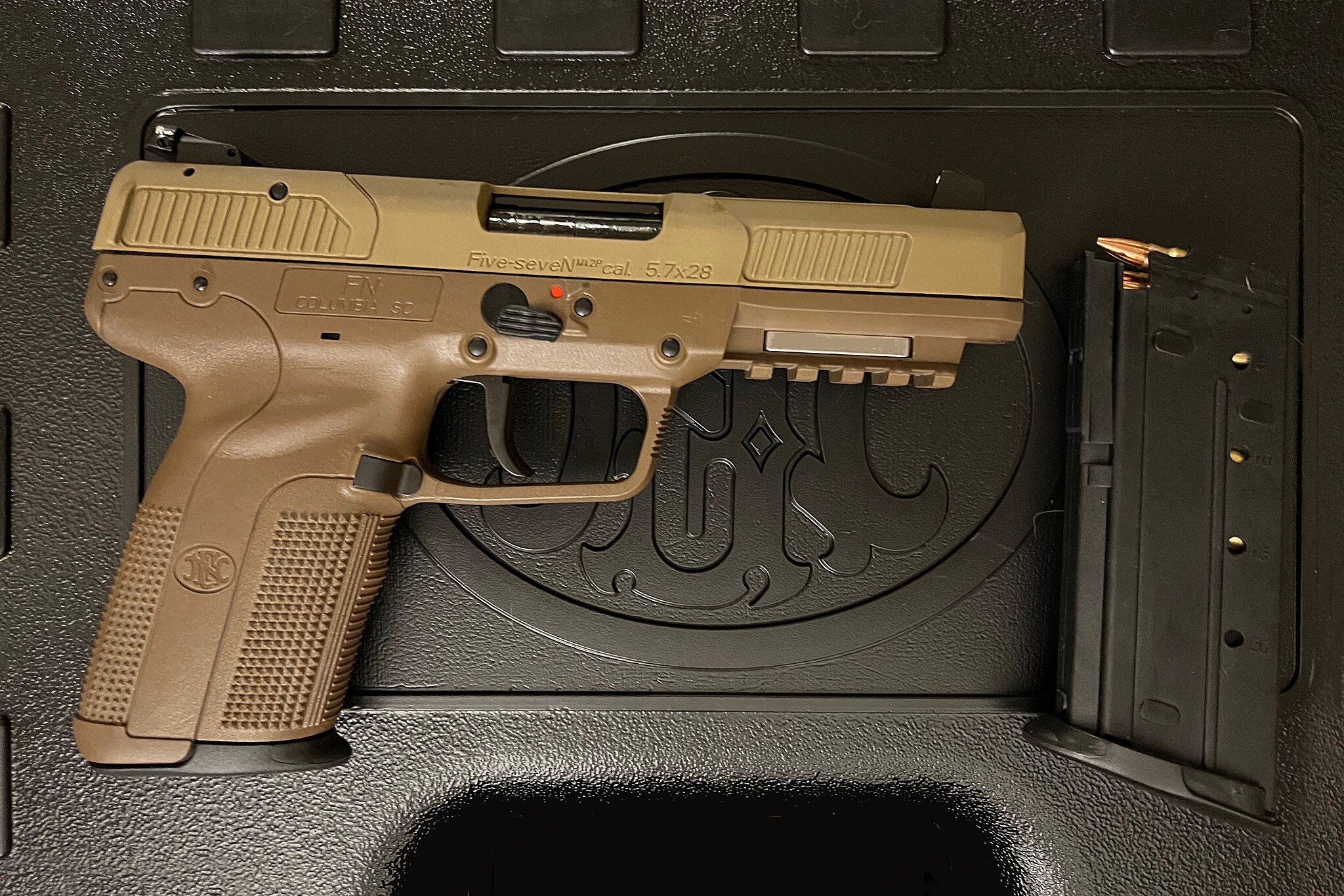
The FN Five-seveN appears futuristic and innovative, yet shooting it can feel anticlimactic. Its large grip circumference does not suit all hand sizes. The trigger often feels spongy, reducing precision. Ammunition costs remain high, limiting regular practice. Although reliable and lightweight, many shooters find the experience lacks the excitement promised by its reputation and unique caliber.
8. SCCY CPX-2
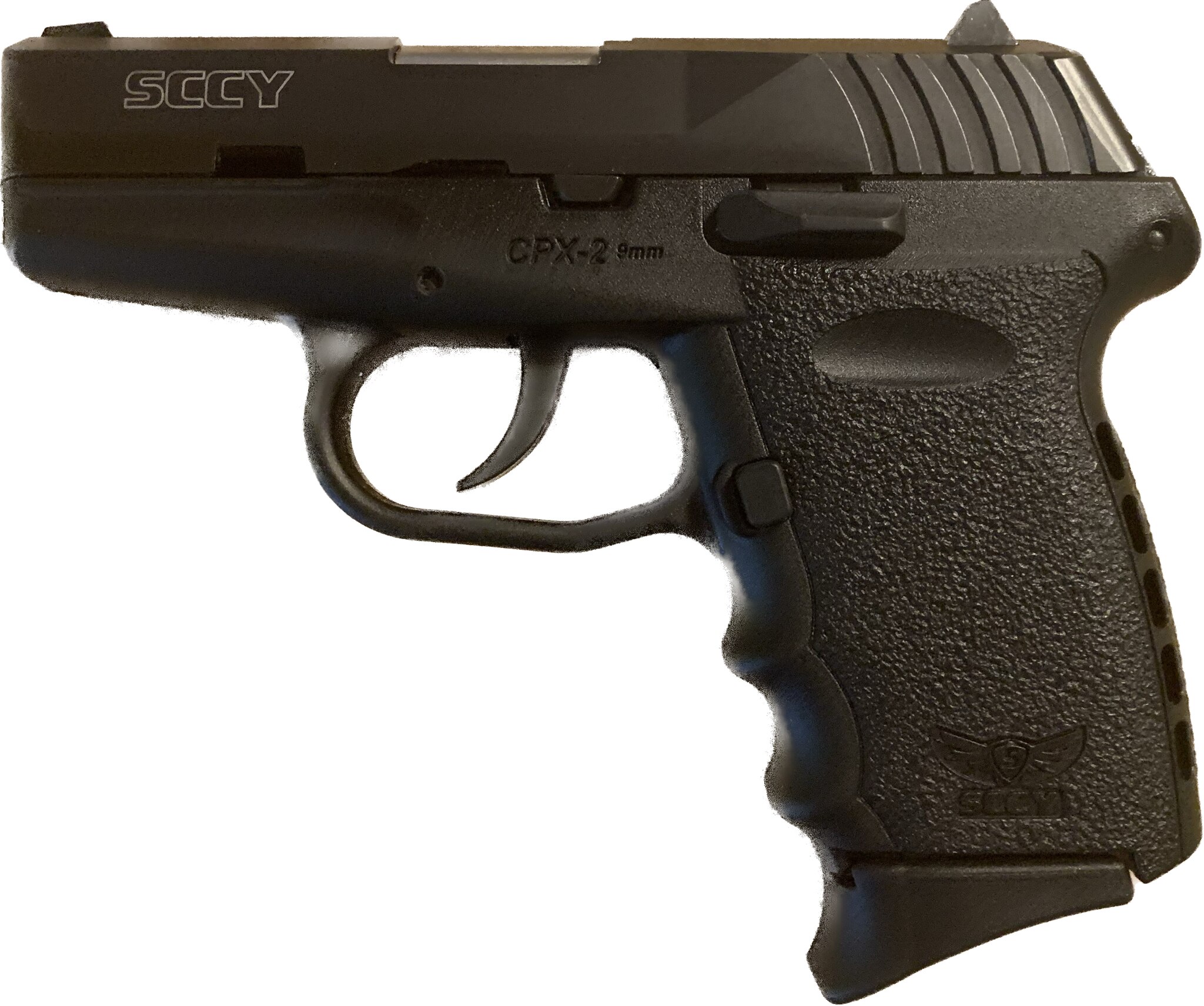
The SCCY CPX-2 attracts attention due to its affordability, but compromises are obvious. The heavy trigger pull makes accurate shooting challenging. Recoil feels sharp despite its compact size. Ergonomics are basic, and fit and finish lack refinement. While it functions adequately, many shooters quickly upgrade after realizing the limitations that come with the lower price point.
9. Heckler and Koch VP70
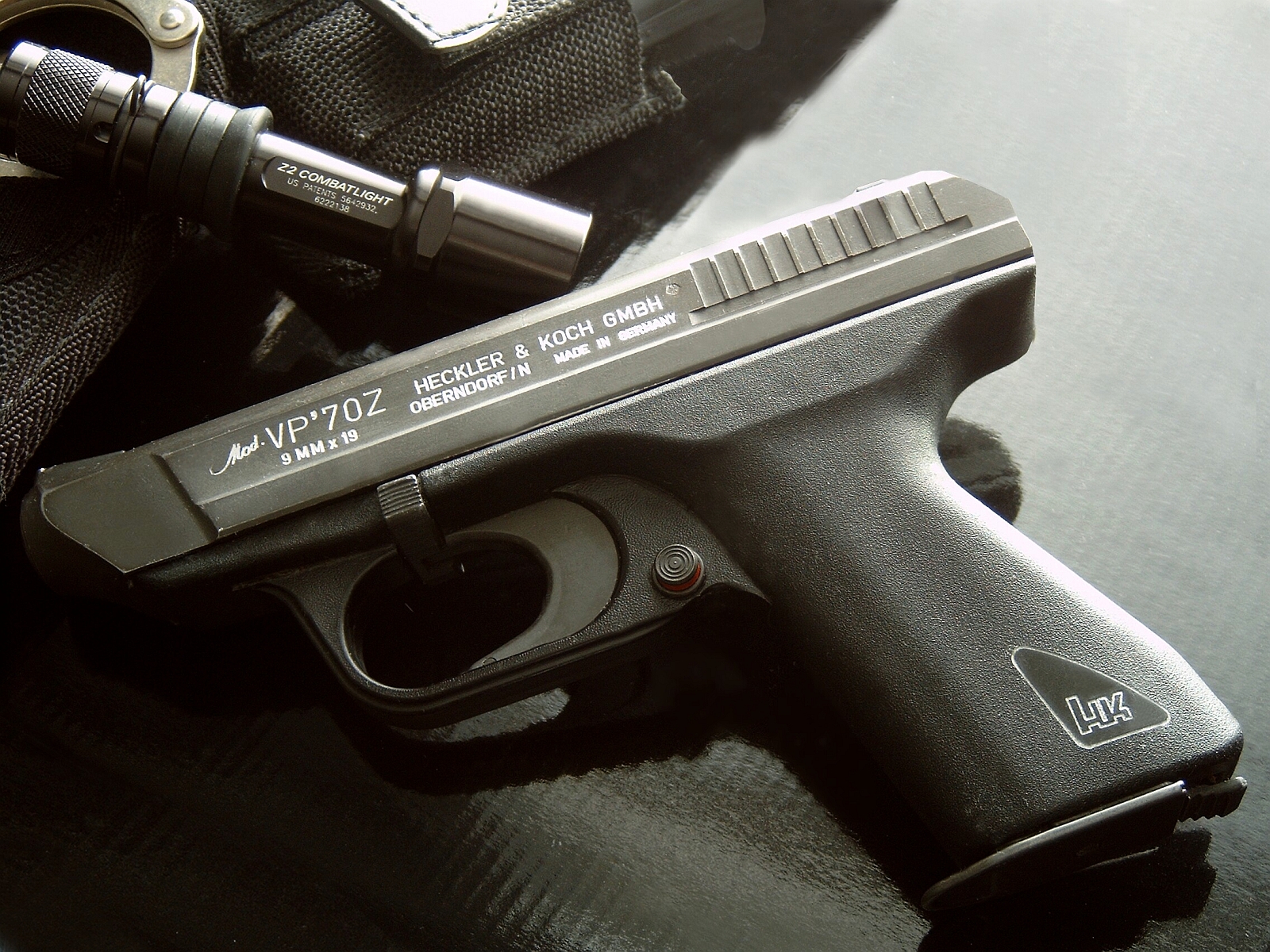
The Heckler & Koch VP70 appears advanced for its era, but shooting it today often feels underwhelming. The grip is bulky and uncomfortable for many hands, making control difficult. Its trigger pull is extremely heavy, which negatively affects accuracy and shooter confidence. Recoil feels abrupt despite the pistol’s size. Sights are basic and uninspiring. While historically interesting, the VP70 lacks the refinement that modern shooters expect. Many appreciate it as a collectible, but few enjoy extended range sessions with it.
10. Chiappa Rhino
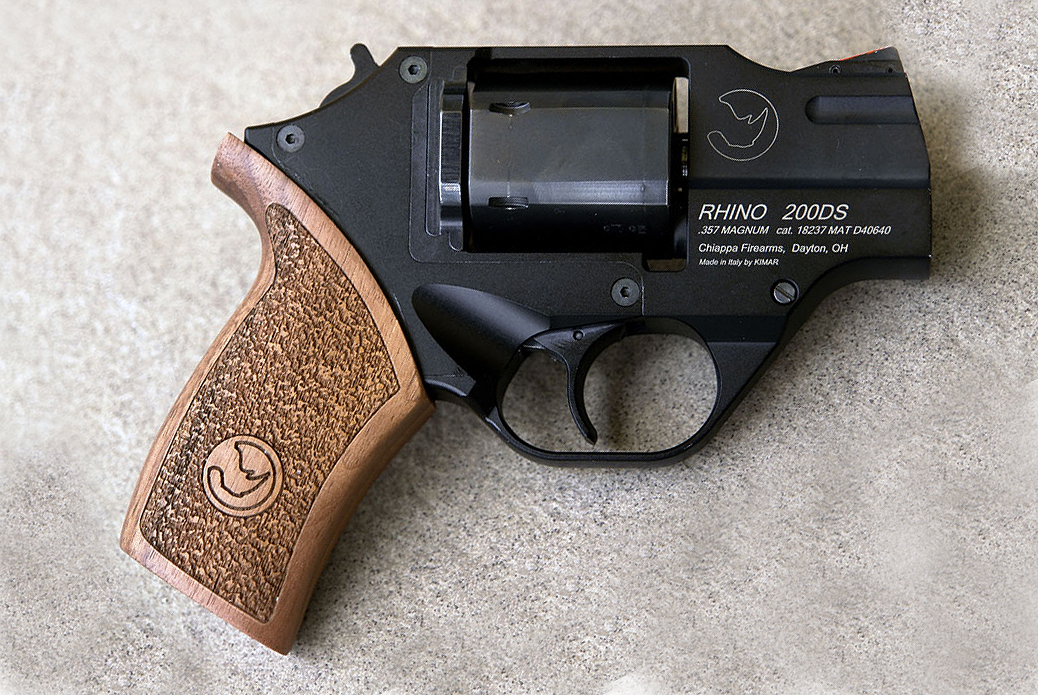
The Chiappa Rhino draws attention with its unconventional design, but shooting it requires an adjustment that many dislike. The grip angle feels unnatural to traditional revolver shooters. Trigger quality varies across models. Recoil impulse feels unusual despite the low bore axis. While mechanically interesting, the pistol demands adaptation that most shooters do not find rewarding during regular range use.