Outdoor adventures promise freedom, challenge, and connection with nature, yet even experienced campers make critical mistakes. Many errors stem from overconfidence, poor planning, or misunderstanding environmental conditions. These missteps often reveal themselves only after discomfort, stress, or danger appears. Learning from common survival mistakes helps improve judgment, safety, and enjoyment outdoors. Some lessons are universal, regardless of skill level or destination. The following survival mistakes are frequently reported by hikers, campers, and outdoor professionals. Each highlights how preparation, awareness, and adaptability matter when facing unpredictable terrain, weather, wildlife, and limited resources far from immediate help.
Underestimating Weather Changes
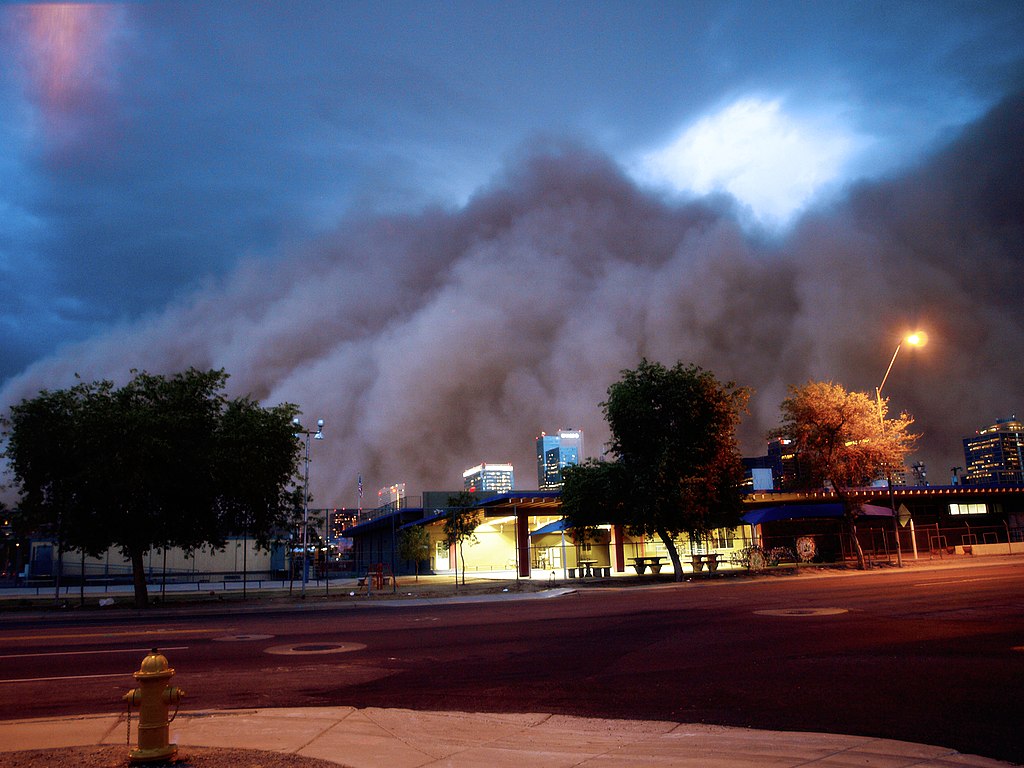
Many outdoor travelers underestimate how quickly weather can shift. Clear skies often create false confidence. Temperature drops, storms, or high winds arrive unexpectedly, especially in mountains or coastal regions. Campers forget to check detailed forecasts or rely on outdated information. Inadequate clothing and shelter quickly become dangerous. Sudden weather exposes poor preparation. Professionals emphasize layering, waterproof gear, and conservative planning. Weather impacts navigation, visibility, and morale. Underestimating conditions leads to hypothermia or heat stress. Recognizing weather variability helps travelers adjust plans early, protect safety, and avoid emergencies caused by exposure during rapidly changing outdoor environments.
Carrying Too Little Water

Running short on water ranks among the most common survival mistakes. Campers often misjudge exertion levels or distance. Hot, dry, or high elevation environments increase dehydration risk. Natural water sources may be unavailable or contaminated. Relying on streams without filtration creates danger. Professionals recommend carrying more water than expected and using purification systems. Dehydration reduces decision making ability and physical strength. Early signs often go ignored. Running out of water escalates quickly into emergency situations. Proper water planning remains essential for endurance, clarity, and safety across varied outdoor conditions.
Ignoring Navigation Basics
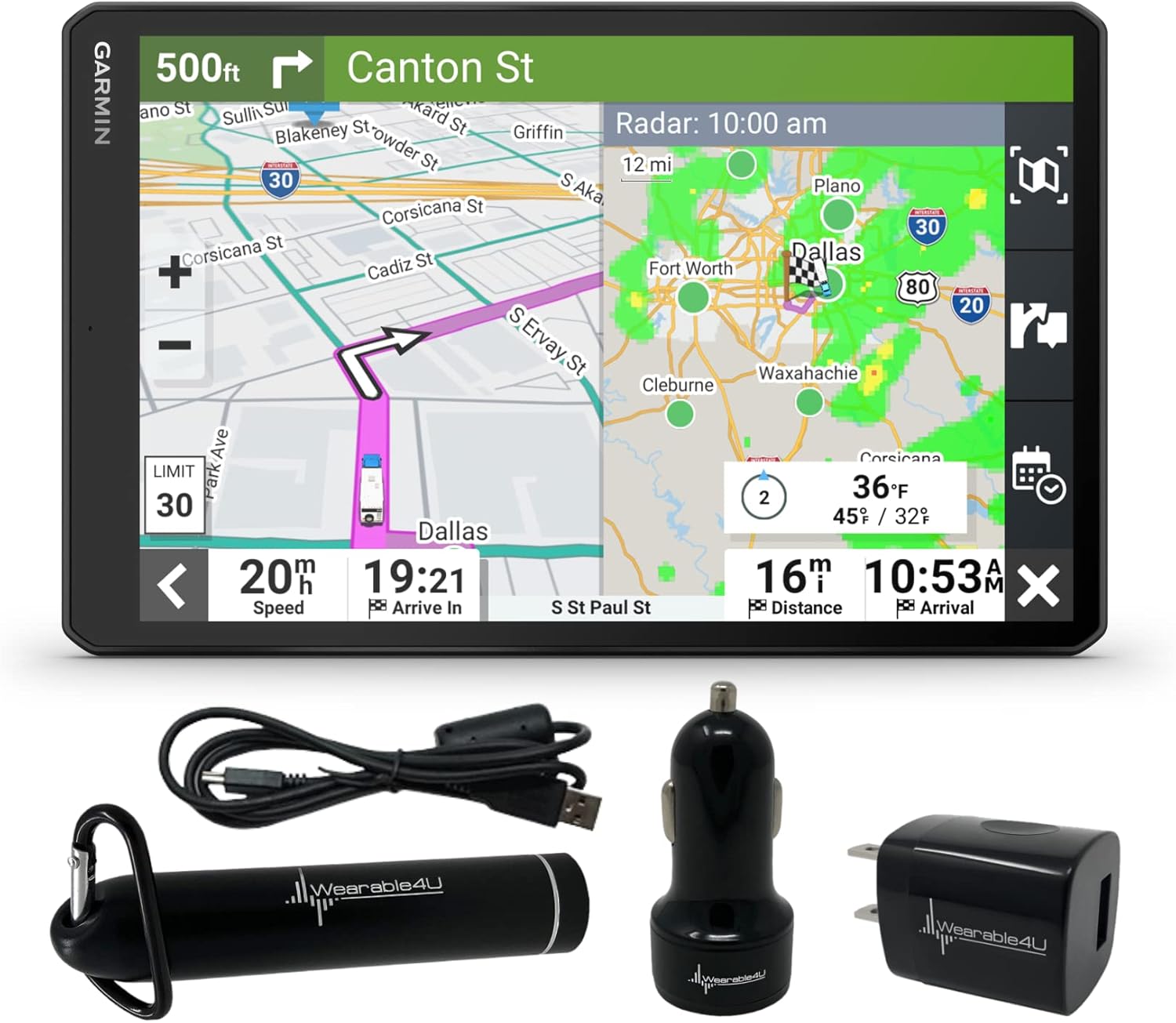
Many outdoor travelers rely solely on phones or GPS devices. Battery failure, signal loss, or damage quickly leave people disoriented. Maps and compasses often remain unused or unfamiliar. Trails change or disappear. Professionals stress understanding basic navigation skills. Ignoring landmarks and route awareness increases risk of getting lost. Panic worsens mistakes. Navigation errors consume time and energy. Simple preparation prevents confusion. Learning map reading and compass use builds confidence. Proper navigation skills help travelers adapt when technology fails, ensuring safer movement through unfamiliar terrain.
Wearing Inappropriate Footwear
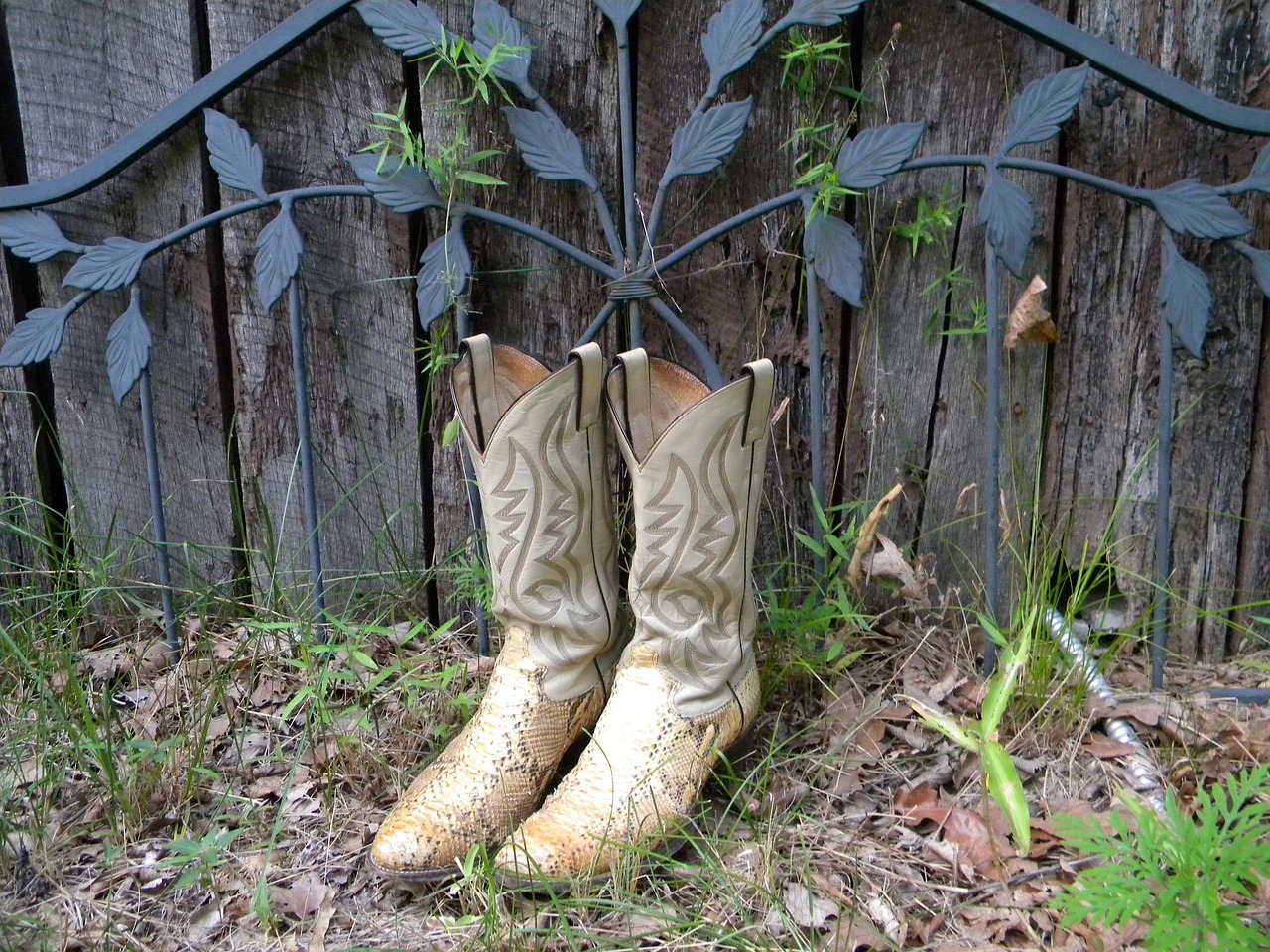
Footwear mistakes affect comfort, safety, and endurance. Campers often prioritize style or weight over support. New boots cause blisters. Inadequate tread leads to slips. Wet environments demand waterproof protection. Professionals stress broken in footwear matched to terrain. Foot injuries escalate quickly into trip ending problems. Poor footwear affects balance and confidence. Pain slows movement and increases fatigue. Many underestimate foot care importance. Selecting proper footwear reduces injury risk. Reliable boots or shoes support long distances, uneven ground, and changing weather, maintaining mobility throughout demanding outdoor conditions.
Failing To Secure Food

Improper food storage attracts wildlife and creates safety hazards. Campers forget animals associate camps with easy meals. Bears, raccoons, and rodents exploit unsecured food. Professionals emphasize using bear canisters or hanging methods. Food odors linger on gear. Poor storage leads to lost supplies or dangerous encounters. Wildlife becomes habituated. Campsites suffer closures. Many underestimate how quickly animals investigate. Proper food management protects both people and animals. Securing food responsibly reduces conflict, preserves ecosystems, and ensures supplies remain available throughout multi day trips.
Packing Without Redundancy
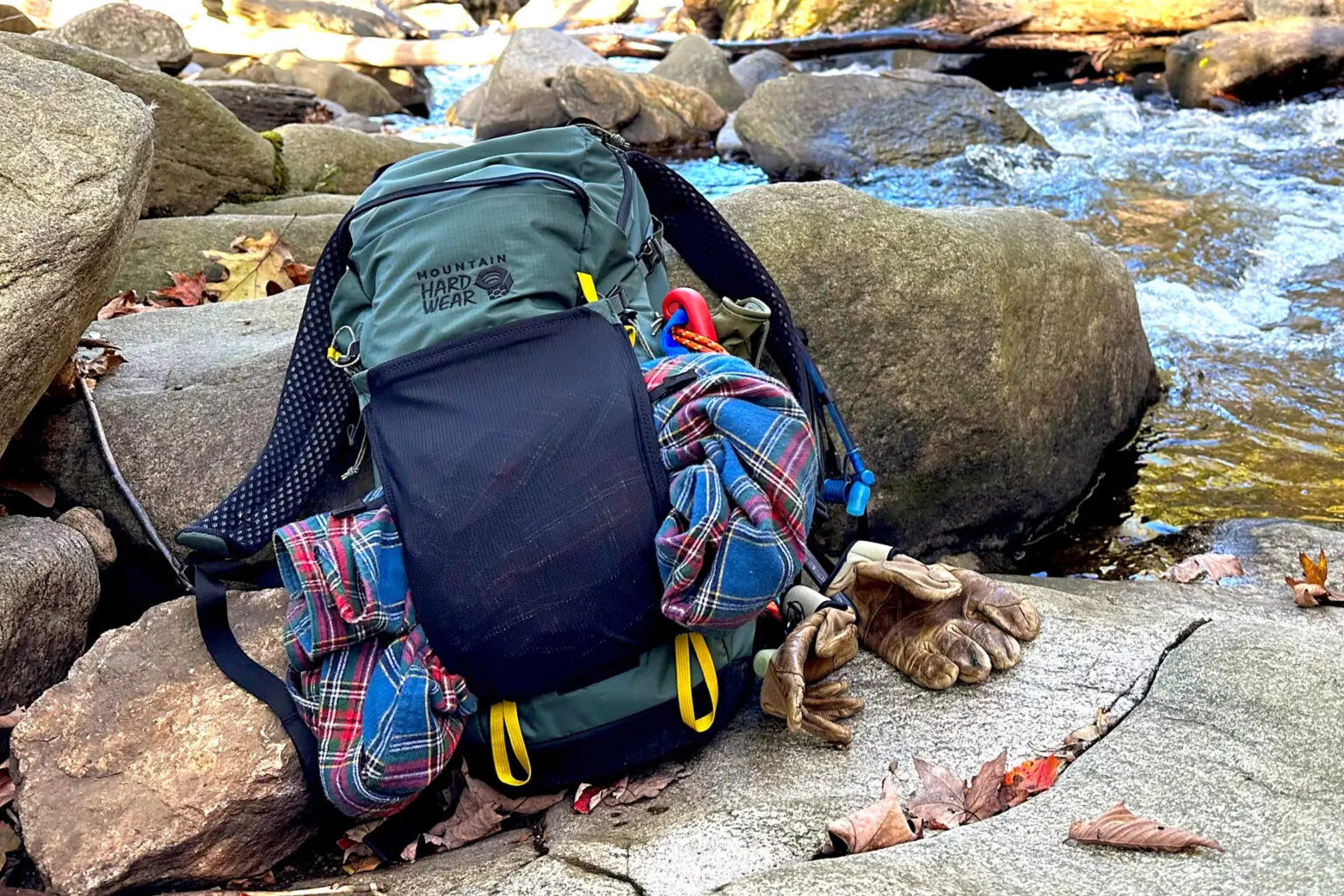
Many travelers pack only single use items. When gear fails, options disappear. Lighters break. Headlamps fail. Rain gear tears. Professionals recommend redundancy for critical systems like fire, light, and shelter. Overconfidence leads to minimalist packing errors. Redundancy increases weight slightly but improves safety greatly. Backup tools prevent emergencies from escalating. Multiple solutions provide flexibility. Outdoor environments punish single points of failure. Packing redundancy supports resilience when conditions deteriorate, equipment malfunctions, or unexpected delays force extended exposure outdoors.
Neglecting First Aid Knowledge
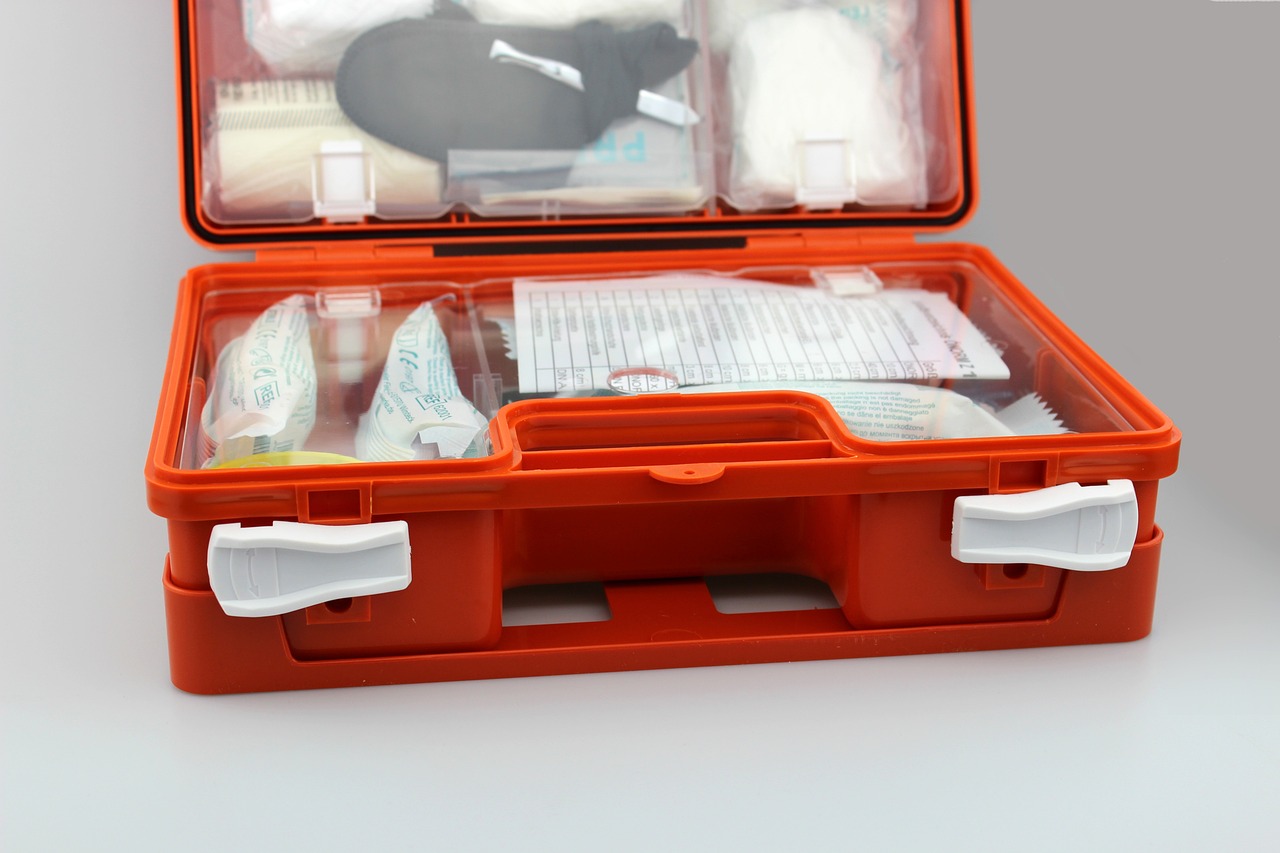
Carrying a first aid kit means little without knowledge. Campers often pack supplies but lack training. Minor injuries worsen when treated incorrectly or ignored. Blisters, cuts, and sprains escalate. Professionals stress basic first aid education. Understanding wound care, immobilization, and illness signs matters. Panic reduces effectiveness. Proper response prevents infection and further injury. Many assume emergencies will not occur. Knowing first aid empowers calm decisions. Preparedness improves outcomes when accidents happen far from immediate medical assistance during extended trips, remote terrain travel, and unpredictable outdoor emergencies.
Overestimating Physical Ability
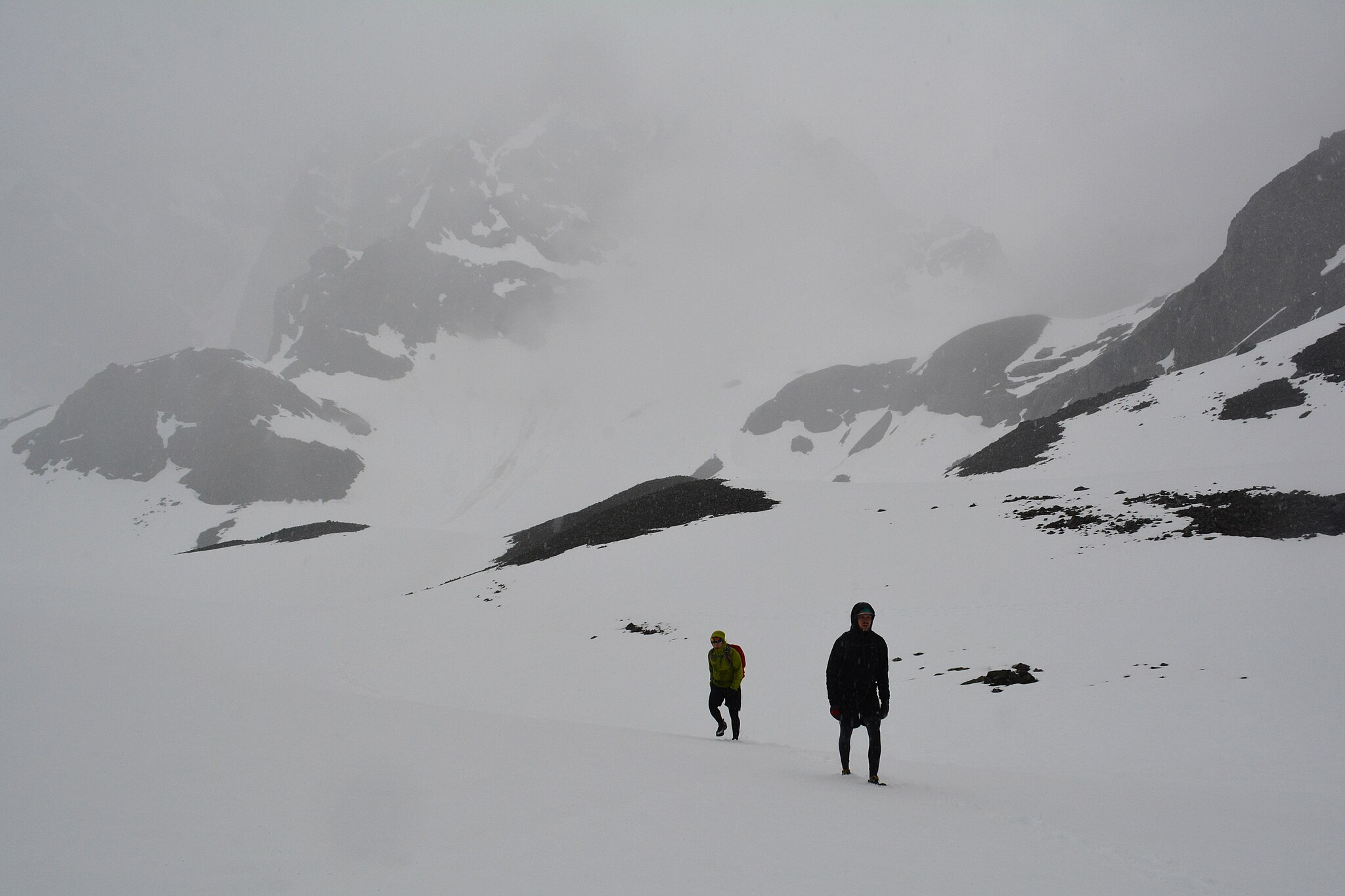
Outdoor trips often demand more endurance than expected. Campers misjudge terrain difficulty or elevation impact. Fatigue increases mistakes. Professionals stress pacing and honest assessment. Carrying heavy packs worsens strain. Overconfidence leads to injury or exhaustion. Rest becomes essential. Ignoring limits creates dangerous situations. Training and gradual progression matter. Understanding personal capability allows safer planning. Recognizing fatigue signs helps prevent accidents. Respecting physical limits improves trip success and reduces risk during challenging outdoor activities over consecutive days, steep routes, and high elevation environments.
Poor Camp Setup Choices
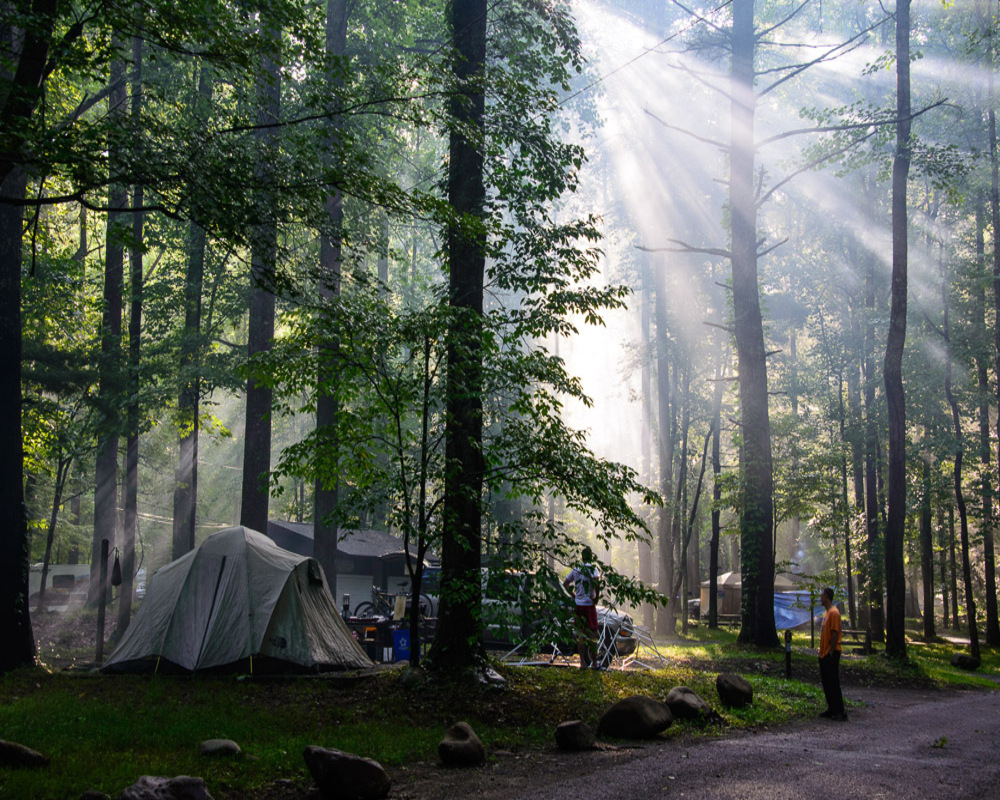
Choosing an improper campsite creates ongoing problems. Campers pitch tents in low areas or exposed ridges. Flooding, wind, or falling branches create hazards. Professionals recommend evaluating drainage, wind direction, and surroundings. Convenience often overrides judgment. Poor setup affects sleep and safety. Relocating later wastes energy. Good camp placement improves comfort. Awareness of terrain features prevents issues. Thoughtful campsite selection supports rest, shelter integrity, and resilience during adverse weather or nighttime conditions across varied landscapes and changing environmental factors.
Forgetting Emergency Communication Plans
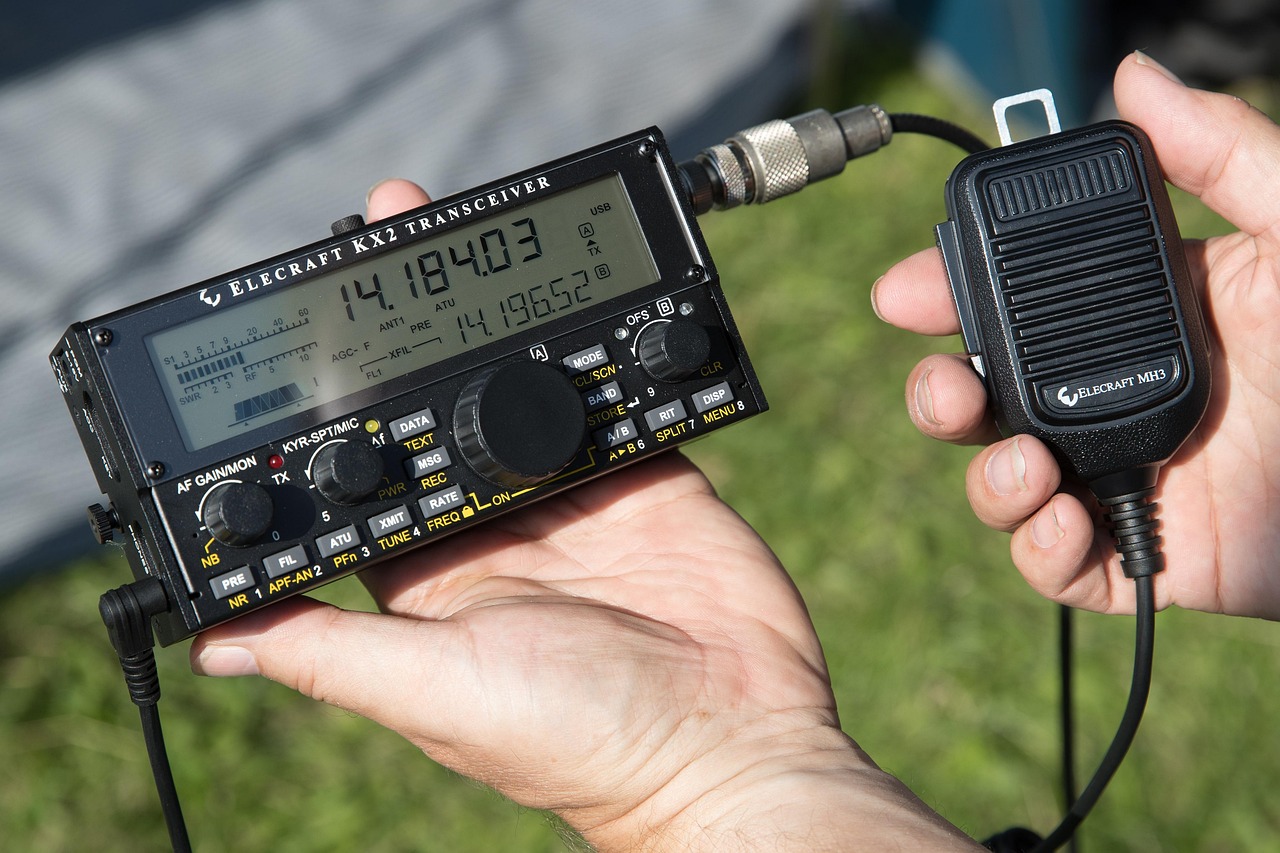
Many outdoor travelers neglect emergency communication planning. Phones may not work. No one knows exact routes or return times. Professionals emphasize sharing itineraries. Emergency beacons provide backup. Forgetting communication plans delays rescue. Accidents become more serious. Simple planning saves lives. Leaving information with trusted contacts matters. Knowing how to signal for help improves outcomes. Emergency communication remains critical when traveling remotely. Proper planning ensures assistance can reach travelers if unexpected situations arise during isolated trips, severe weather, or unplanned delays.