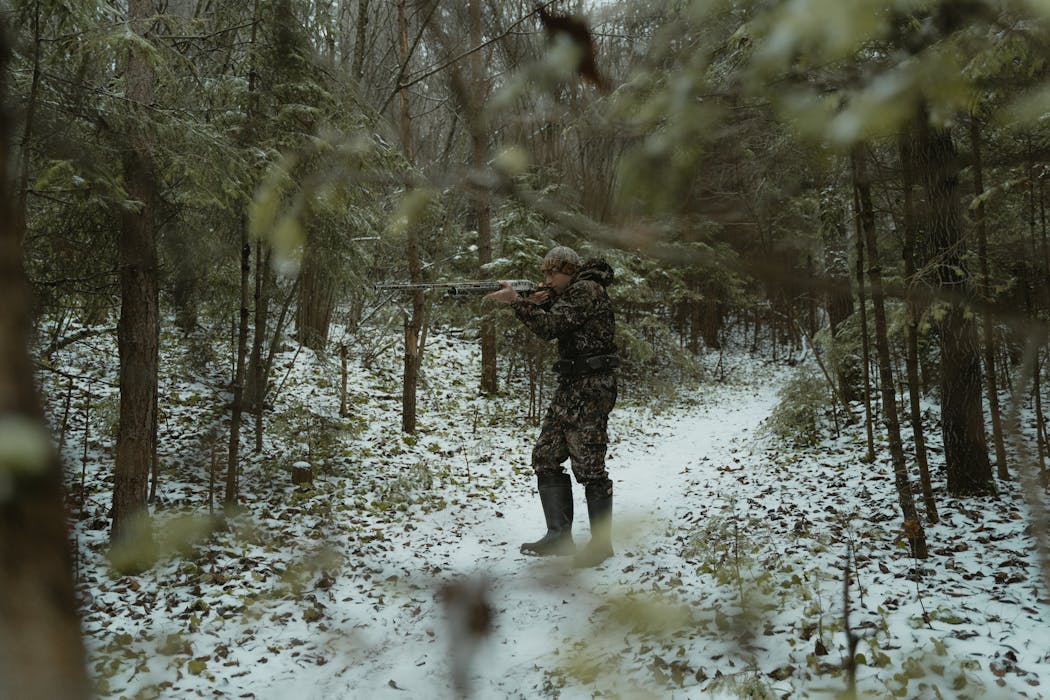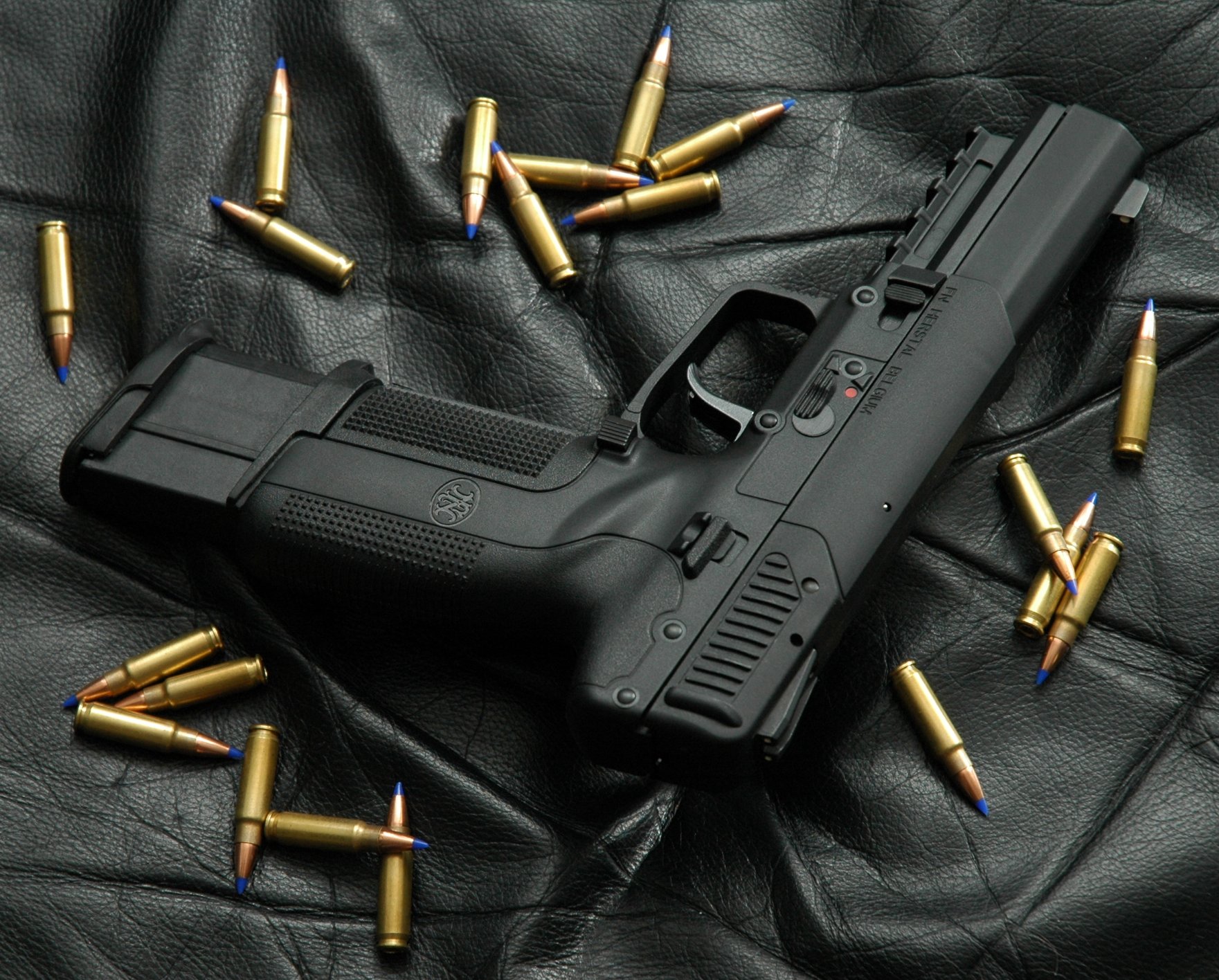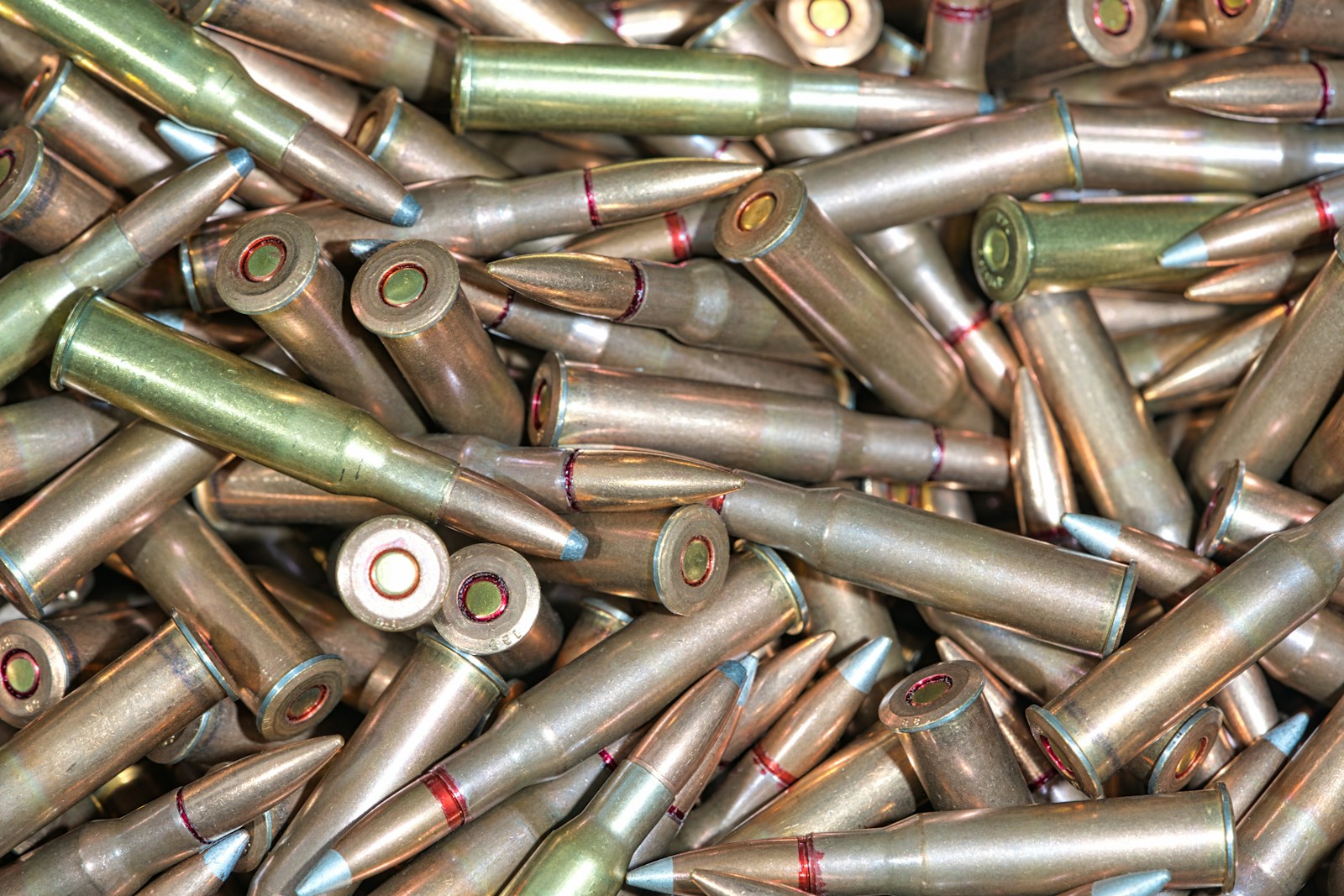
Calibers every veteran loves to debate reveal a fascinating intersection of hunting history and modern ballistics. Discussions about these 10 outdoor calibers every veteran loves to debate frequently dominate weekend hunting camps and local shooting ranges. Experienced marksmen constantly analyze trajectory tables and terminal performance metrics to prove their personal favorites remain superior. Every generation introduces new ammunition designs that challenge traditional heavy hitters in the field. Understanding these complex ballistic arguments helps new hunters make informed decisions when purchasing their first reliable outdoor rifle. The perfect ammunition choice always depends heavily on specific environmental conditions.
The .30-06 Springfield
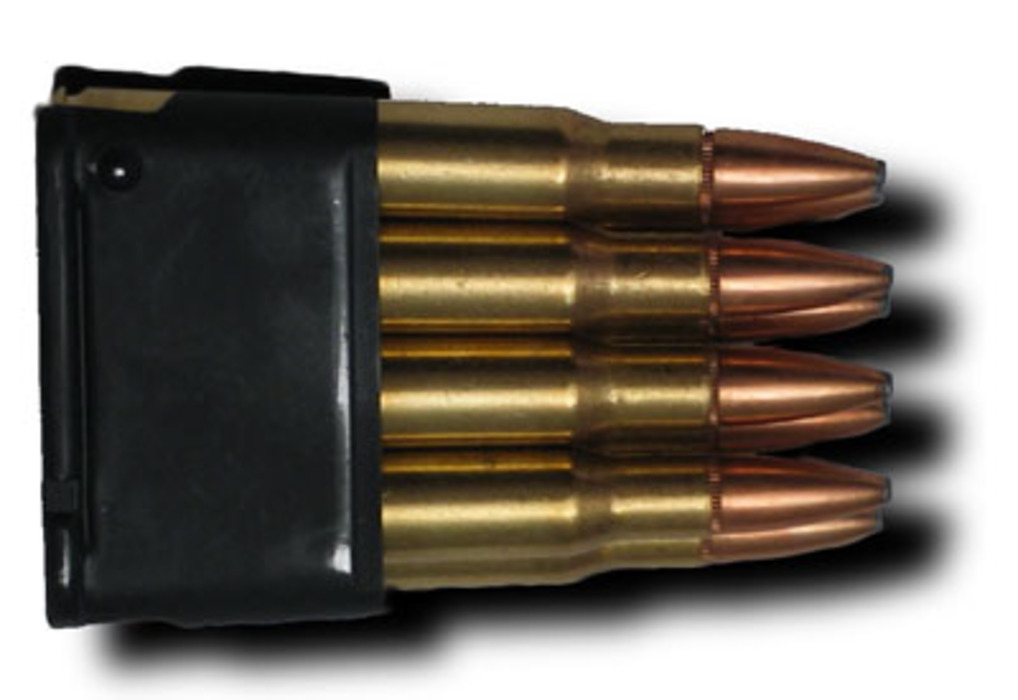
The legendary .30-06 Springfield remains a staple conversation piece among seasoned outdoorsmen tracking large game across North America. Fans praise its incredible versatility and widespread availability at rural sporting goods stores everywhere. Detractors often argue that modern short-action cartridges deliver similar energy with significantly less physical recoil. This historic military round successfully transitioned into a premier hunting option over a century ago. Hunters still rely on its proven knockdown power when facing massive elk in dense pine forests. The fierce loyalty surrounding this classic caliber guarantees its permanent place in modern wilderness sporting discussions and intense arguments today.
The .308 Winchester
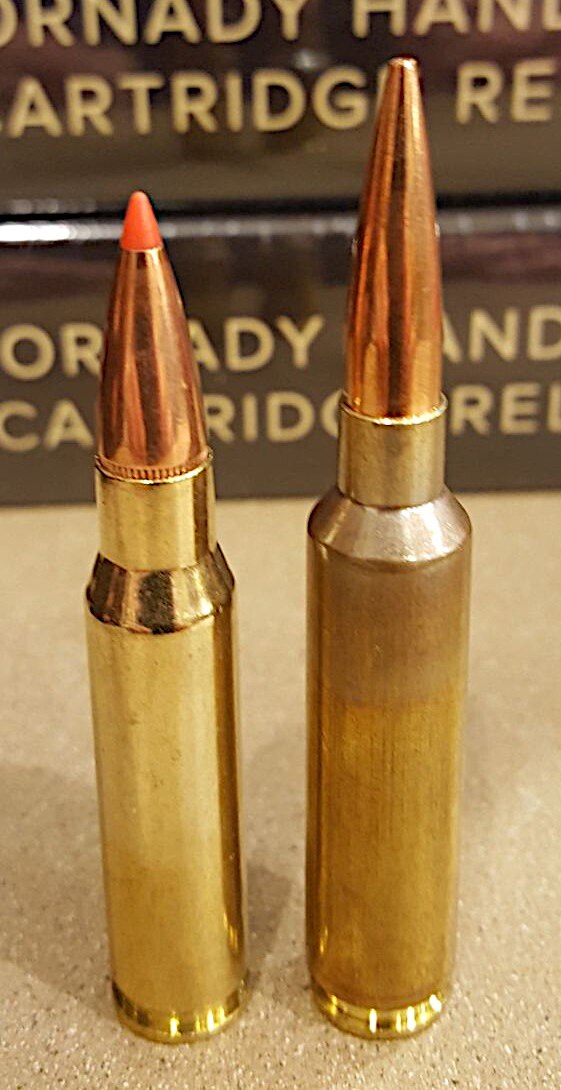
Another massive point of contention involves the highly efficient .308 Winchester cartridge. Supporters quickly highlight the inherently accurate short action design that allows for faster follow-up shots on moving targets. Critics claim the bullet drops too aggressively at extended ranges compared to faster magnum options available today. This reliable round consistently harvests medium-sized game without destroying excessive amounts of usable meat. Police snipers and tactical competitors also utilize this stable caliber for precision target engagements. The ongoing comparisons against older military rounds provide endless entertainment around hunting lodge fireplaces during cold winter evenings across the entire country.
The 6.5mm Creedmoor
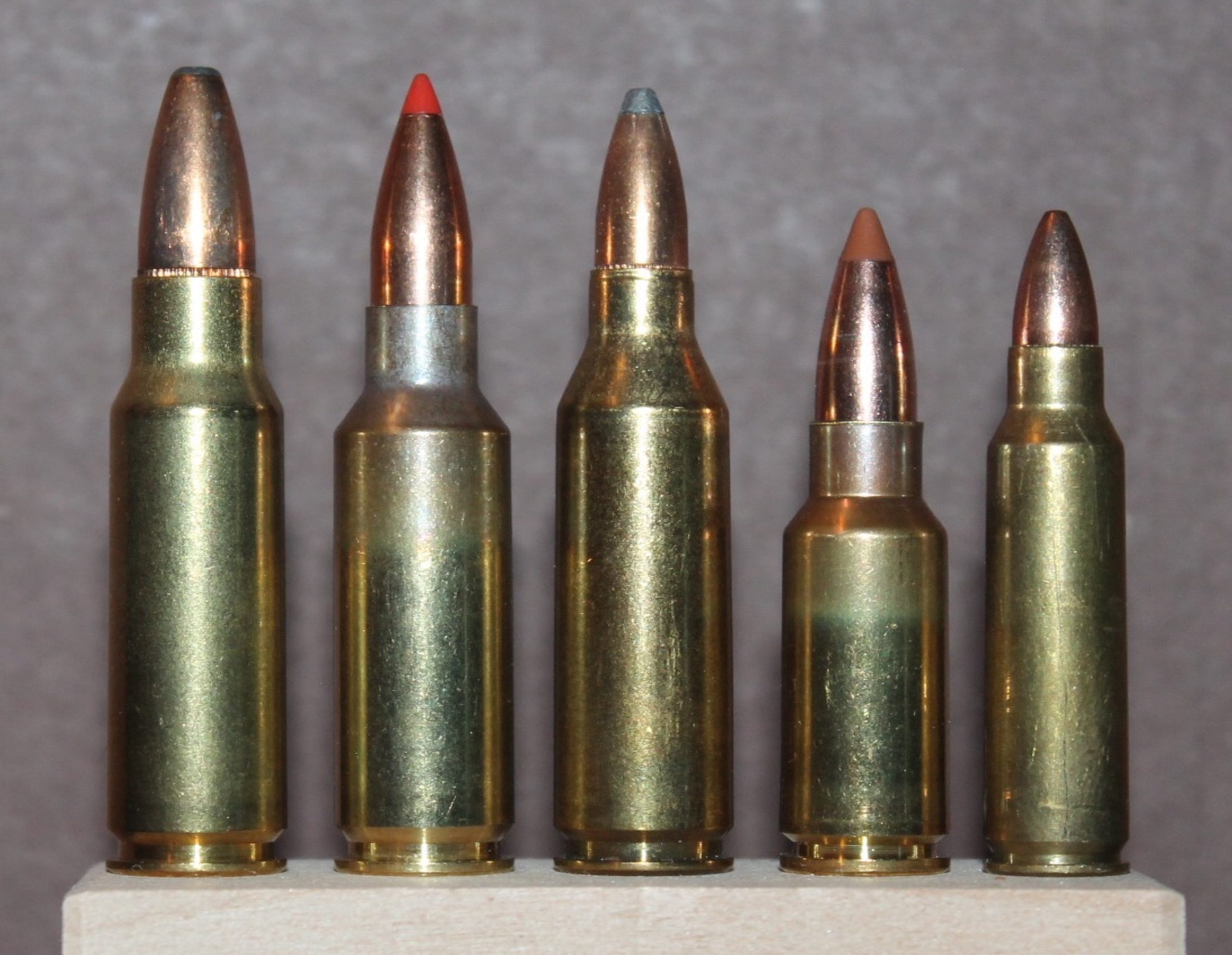
No modern cartridge generates more passionate disagreement than the wildly popular 6.5mm Creedmoor. Younger shooters absolutely adore the incredibly mild recoil and outstanding long-distance aerodynamic efficiency. Traditionalists completely dismiss the round as a trendy marketing gimmick incapable of dropping tough animals reliably. The sleek bullet design bucks heavy crosswinds beautifully across wide open prairie landscapes. Many older veterans stubbornly refuse to abandon their heavy-hitting magnums for this mathematically optimized newcomer. This intense generational divide creates fascinating conversations about energy transfer requirements and shot placement importance during guided wilderness hunting excursions out west every single season available today.
The .223 Remington
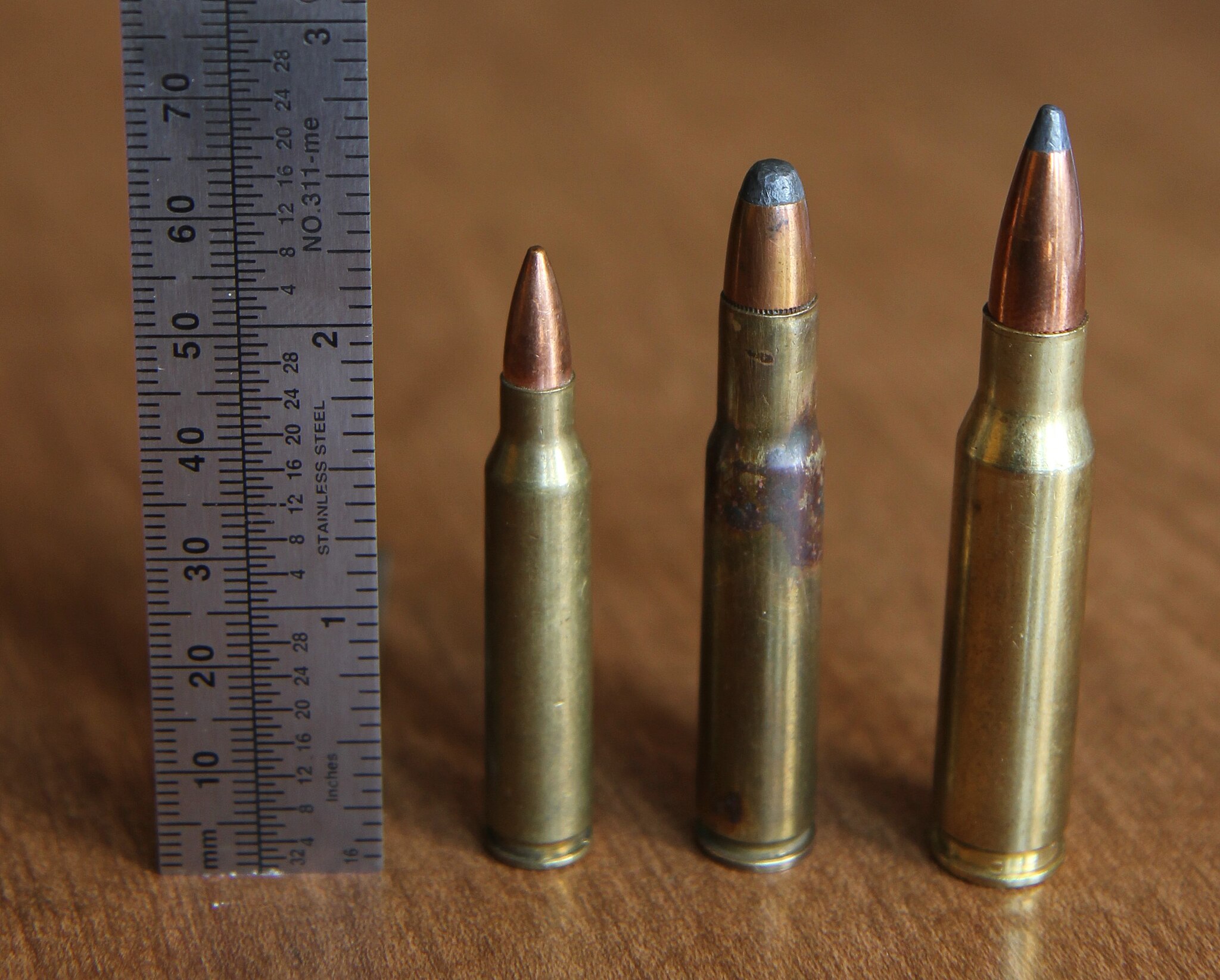
Debates surrounding the popular .223 Remington focus heavily on ethical hunting applications for medium game. Many states prohibit using this lightweight projectile for deer because officials fear inadequate penetration and poor blood trails. Experienced marksmen counter this argument by highlighting modern bonded bullets that retain significant weight upon impact. The extremely low recoil allows shooters to watch their precise bullet impacts through the rifle scope. Varmint hunters absolutely cherish this flat-shooting cartridge for eliminating agricultural pests across sprawling farm fields today. The endless argument between speed and bullet mass always continues dominating outdoor sporting internet forums, constantly everywhere.
The .300 Winchester Magnum
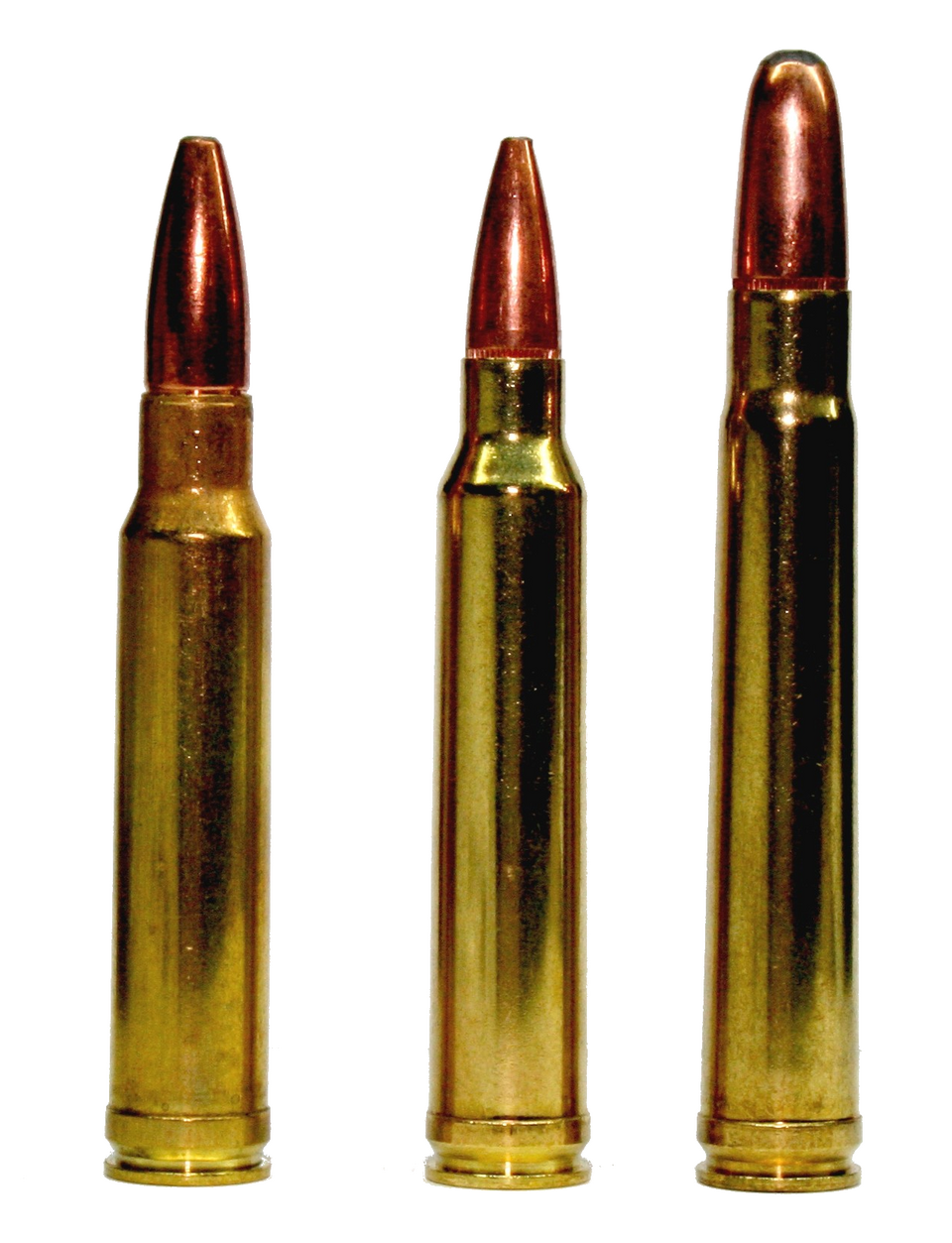
Hardcore big game hunters constantly defend the massive .300 Winchester Magnum against modern lightweight competitors. This powerful cartridge delivers devastating kinetic energy at distances where standard rounds lose all lethal velocity. Critics quickly point out the punishing shoulder recoil that inevitably causes terrible flinching habits in novice marksmen. The heavy powder charges required for optimum performance quickly burn out delicate rifle barrels during high-volume target practice. Dedicated elk guides still prefer this proven magnum because it anchors massive animals quickly before they vanish into deep coastal canyons. The intense debate regarding the necessary stopping power rages on endlessly today.
The .270 Winchester
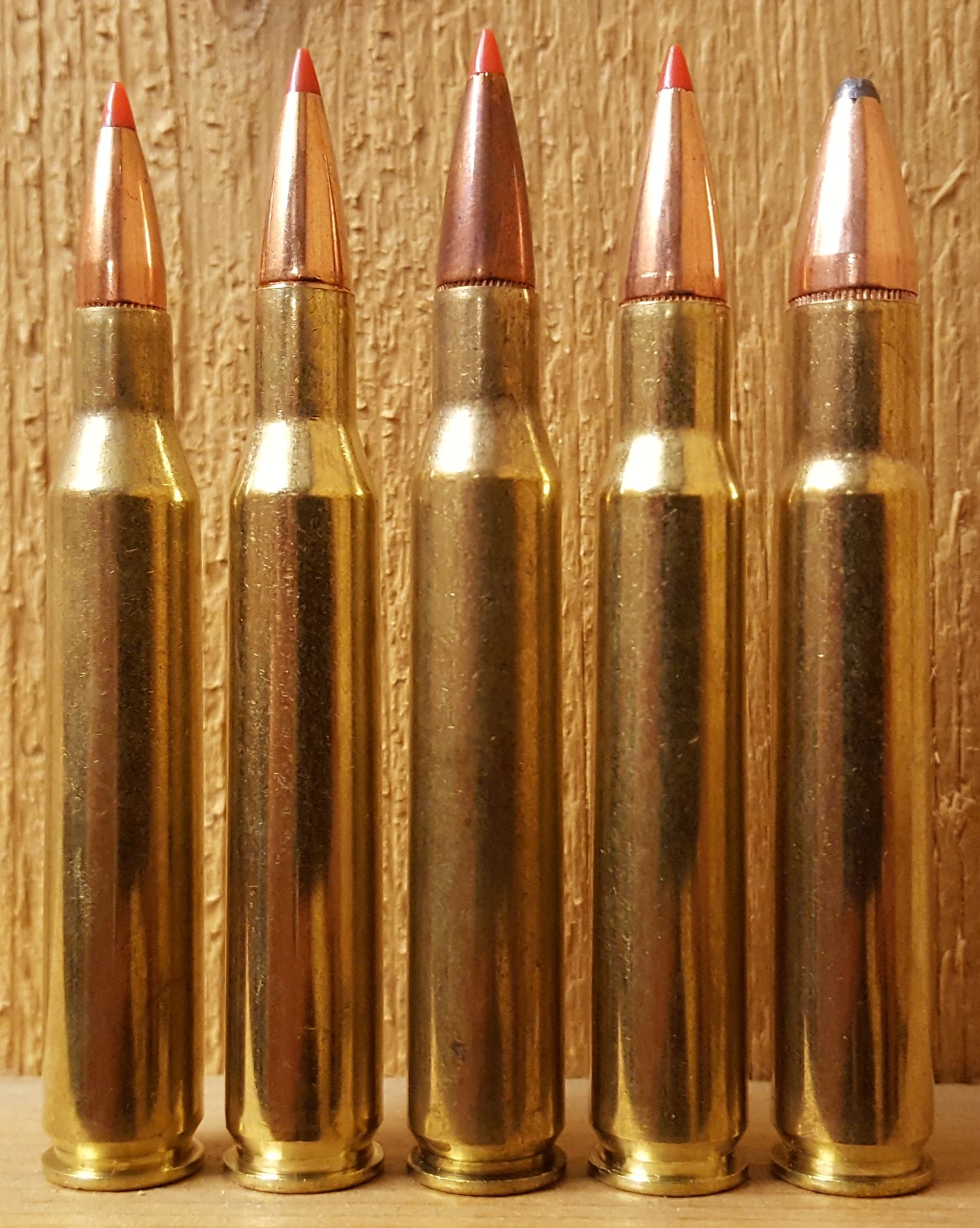
Famous outdoor writers historically praised the fast-stepping .270 Winchester as the ultimate sheep hunting caliber. This flat shooting round minimizes complicated bullet drop calculations when engaging skittish animals across massive mountain valleys. Detractors suggest that the lighter bullets suffer significantly from wind drift during turbulent weather conditions. Modern optics has arguably reduced the distinct advantage of inherently flat trajectory curves that older hunters cherished deeply. Many families proudly pass down beautiful wooden sporting rifles chambered in this reliable configuration. The nostalgic connection keeps the classic cartridge highly relevant in contemporary campfire discussions about wilderness survival gear choices today.
The .45-70 Government
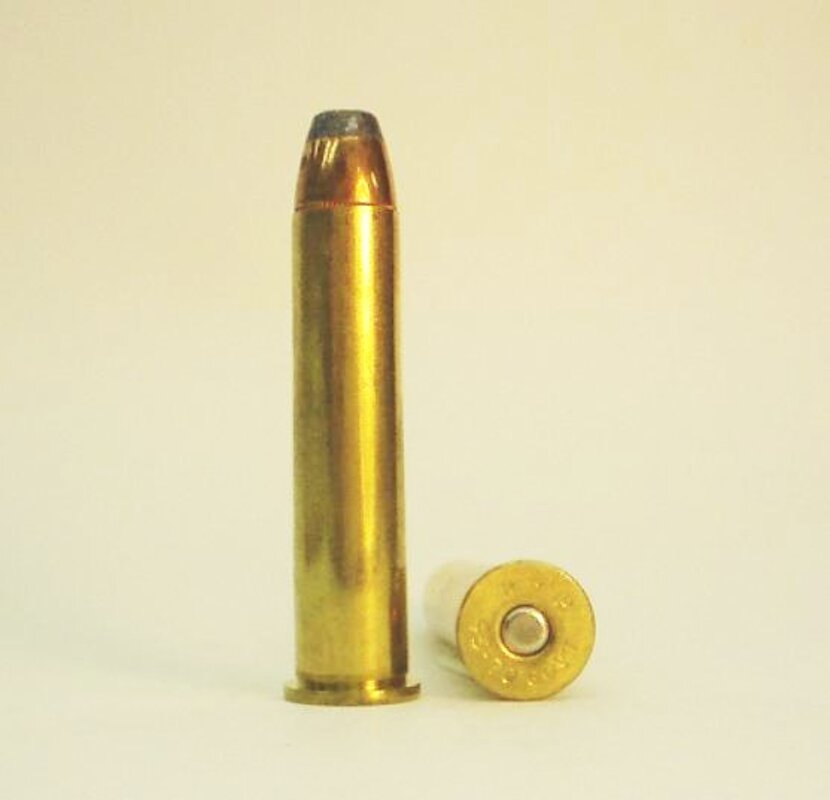
Deep brush hunters constantly argue about the incredible stopping capabilities of the old .45-70 Government round. This massive, heavy bullet effortlessly punches through thick vegetation without deflecting off small tree branches easily. Skeptics complain about the extremely limited effective range caused by the slow looping flight path. Operating traditional lever-action rifles chambered in this caliber provides a thrilling historical experience for nostalgic woodsmen everywhere. Modern ammunition manufacturers recently revitalized the antique cartridge with stronger brass and specialized polymer-tipped bullets. The ongoing arguments between traditional aesthetics and modern ballistic performance never truly conclude in typical hunting camps today.
The 7mm Remington Magnum
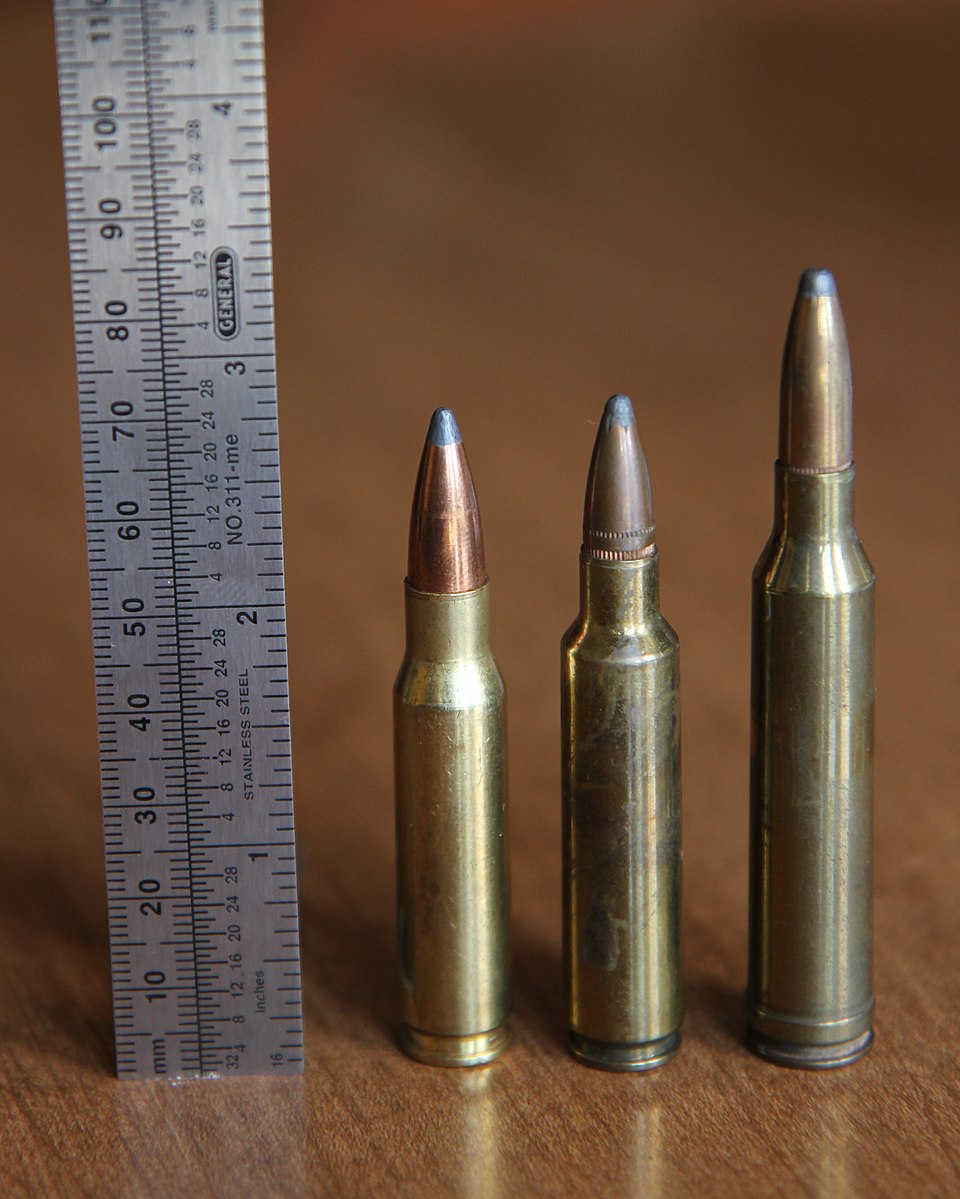
The 7mm Remington Magnum sparks intense debates regarding the perfect balance of recoil and retained energy. Supporters consider it the absolute peak of western hunting performance for harvesting distant mule deer safely. Critics argue that the long casing requires heavier rifle actions that become exhausting to carry up steep mountains. The exceptionally high ballistic coefficient allows the projectile to slice through turbulent crosswinds with remarkable ease. Firing this powerful cartridge demands proper technique to avoid developing a painful flinch during extensive range practice. Sportsmen continuously compare their specific field performance against competing .30 caliber magnum options available out there.
The .243 Winchester
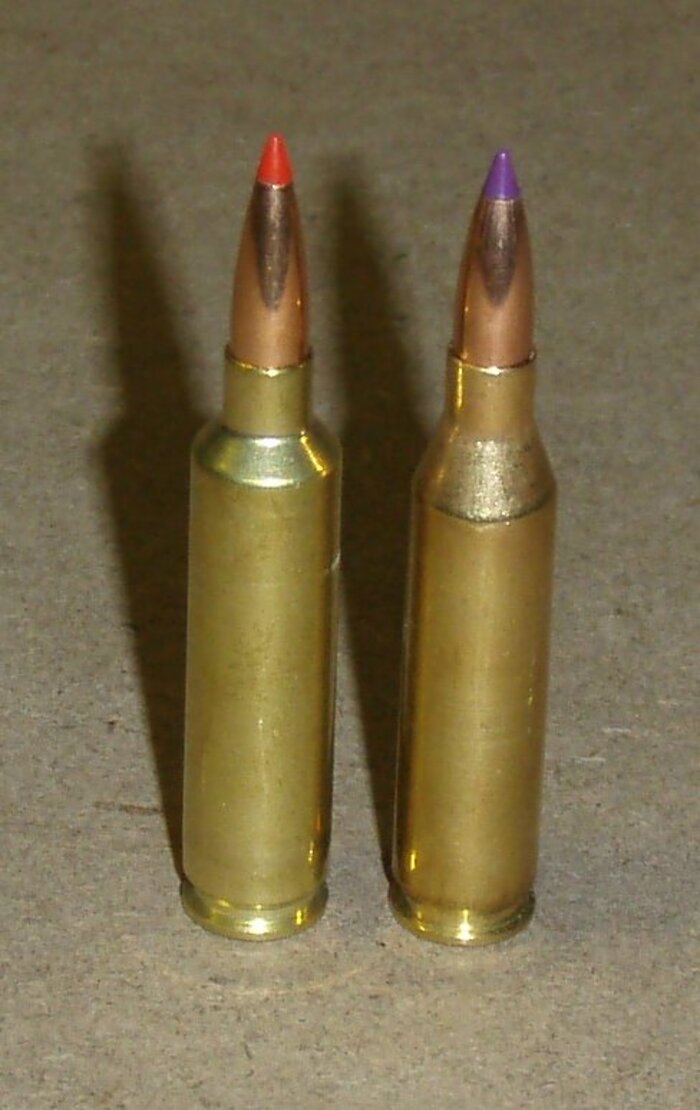
Many experienced mentors recommend the .243 Winchester for introducing young shooters to serious deer hunting adventures. This gentle cartridge builds essential confidence without punishing small shoulders during initial target practice sessions. Skeptics passionately argue that the tiny bullet leaves absolutely no margin for error regarding proper shot placement. Striking a heavy shoulder bone often results in lost animals and completely broken hearts for novice hunters. Expert marksmen appreciate the laser flat trajectory when chasing fast coyotes across barren winter landscapes. Debating its overall effectiveness as an ethical big game round remains incredibly popular among seasoned wilderness outfitters everywhere.
The .30-30 Winchester
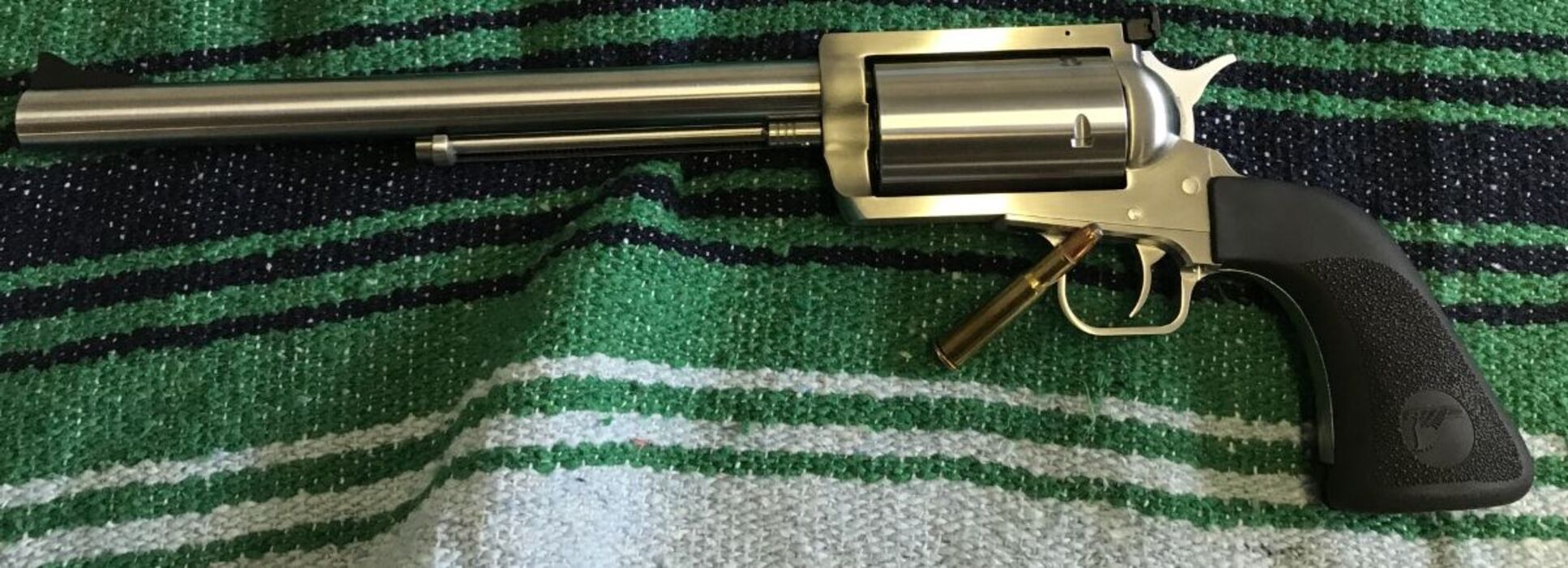
The venerable .30-30 Winchester started countless arguments regarding its relevance in the modern era of hunting equipment. Purists claim this legendary deer slayer has harvested more North American game than any other existing cartridge. Modernists quickly dismiss the blunt-nosed bullets and severely limited effective range as completely obsolete technology. The incredibly lightweight carbines chambered for this round remain exceptionally easy to carry through dense and impenetrable cedar swamps. Firing these nostalgic lever actions immediately connects modern shooters with a romanticized pioneer past. Hunters will stubbornly defend their beloved brush guns during campfire conversations for many long decades ahead.