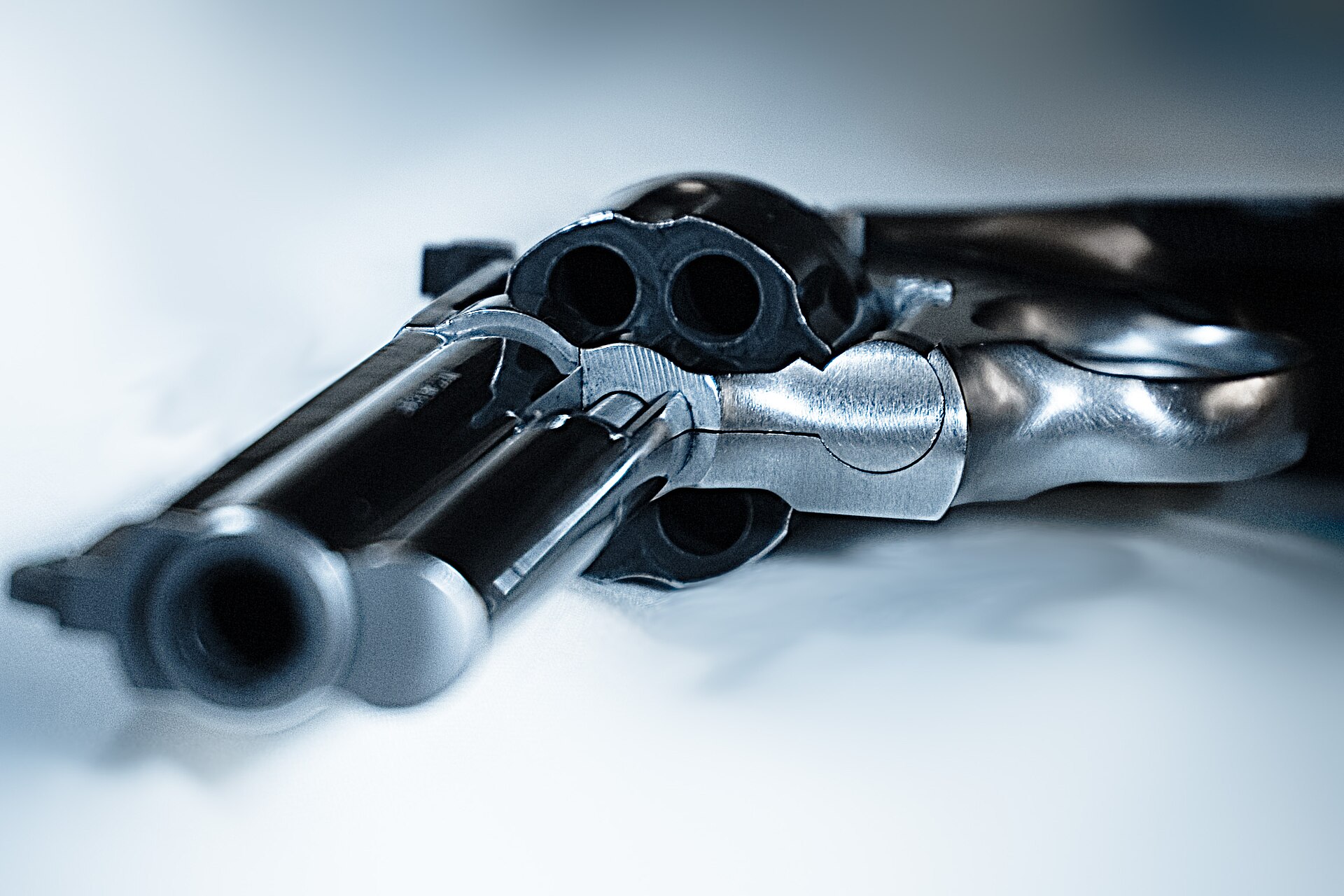
Modern handguns come with red dot optics, polymer frames, accessory rails, and high-capacity magazines, but many experienced shooters still appreciate features that were common on older pistols and revolvers. These old-school design elements were created for reliability, control, and real-world shooting rather than trends. While some of them may look outdated, they often provide advantages that modern designs sometimes overlook. From steel frames to simple iron sights, these classic features can still make range time more enjoyable and more consistent. Many shooters even keep older-style gear in their range bag because it works without complication. Below are ten old-school handgun features that still deserve a place in your range bag, not because of nostalgia alone, but because they continue to prove useful every time you step onto the firing line.
1. All Steel Frames
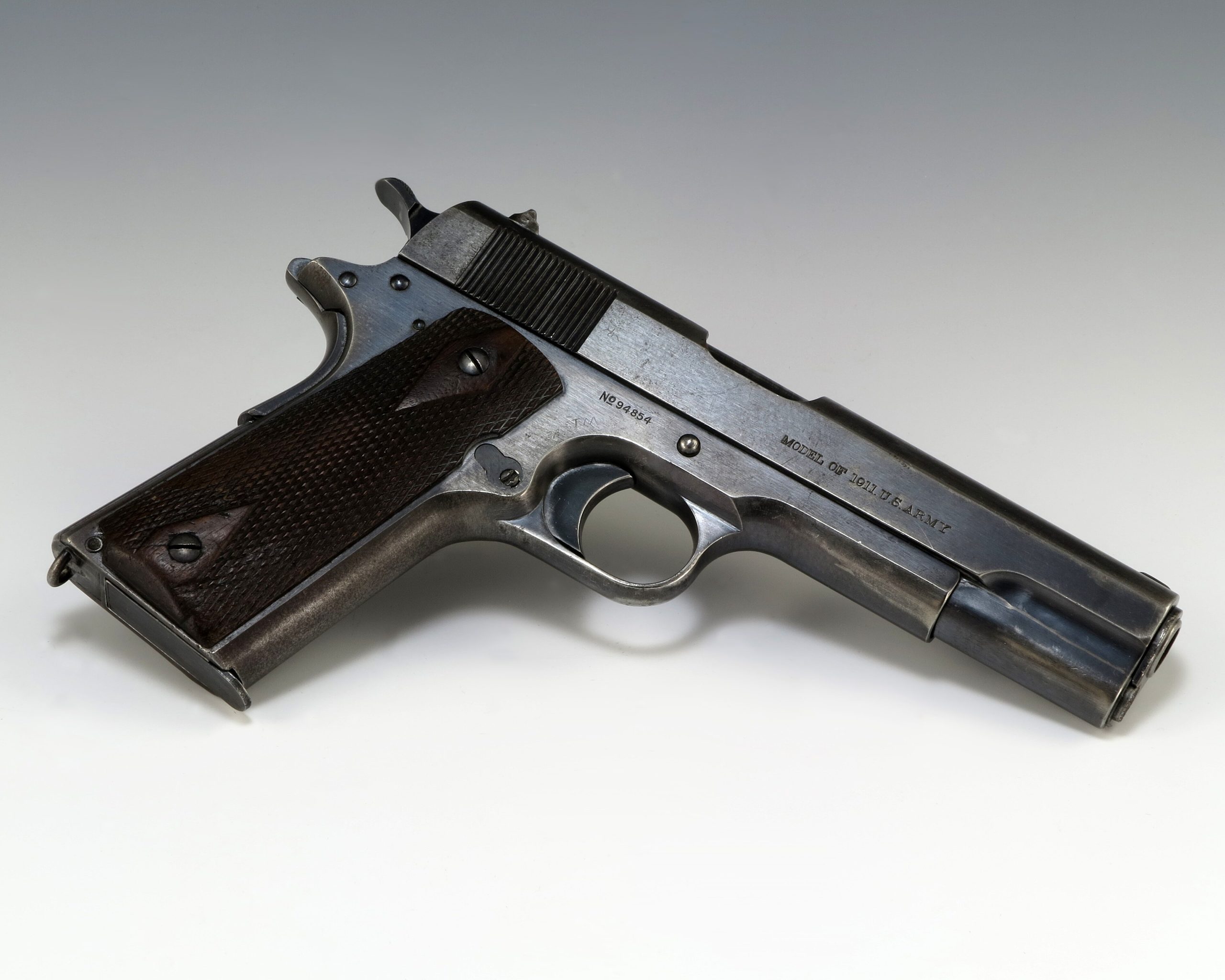
All steel handgun frames were once the standard before lightweight alloys and polymers became popular. While modern materials make pistols easier to carry, steel frmes still offer advantages that many shooters appreciate at the range. The extra weight helps reduce recoil, allowing faster follow-up shots and better control during long practice sessions. Steel frames also tend to last for decades with proper care, which is why many older pistols are still in excellent working condition today. Another benefit is the solid feel in the hand, which gives confidence when shooting powerful calibers. For range use, the durability and stability of a steel frame can still be hard to beat.
2. Fixed Iron Sights
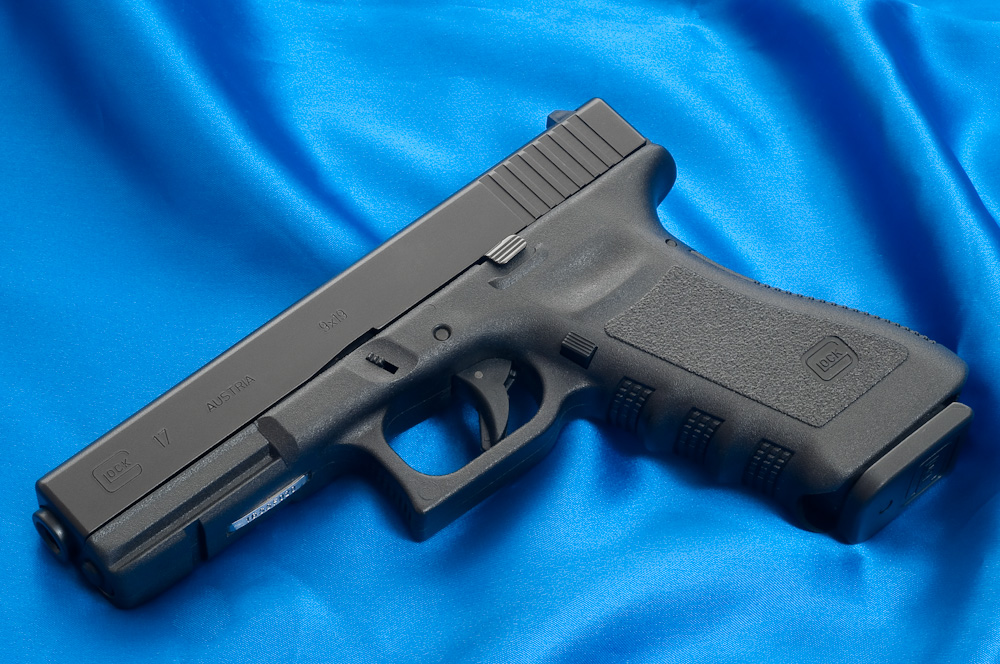
Before adjustable target sights and red dot optics became common, most handguns used simple fixed iron sights. These sights may look basic, but they are extremely durable and easy to use. Fixed sights rarely lose zero, and they can handle rough handling without needing adjustment. Many shooters also find that practicing with simple sights improves focus and shooting fundamentals. At the range, iron sights allow you to concentrate on grip, trigger control, and alignment instead of equipment settings. Even today, many experienced shooters keep at least one handgun with fixed sights because they work every time without batteries, tools, or special maintenance.
3. Hammer-Fired Actions
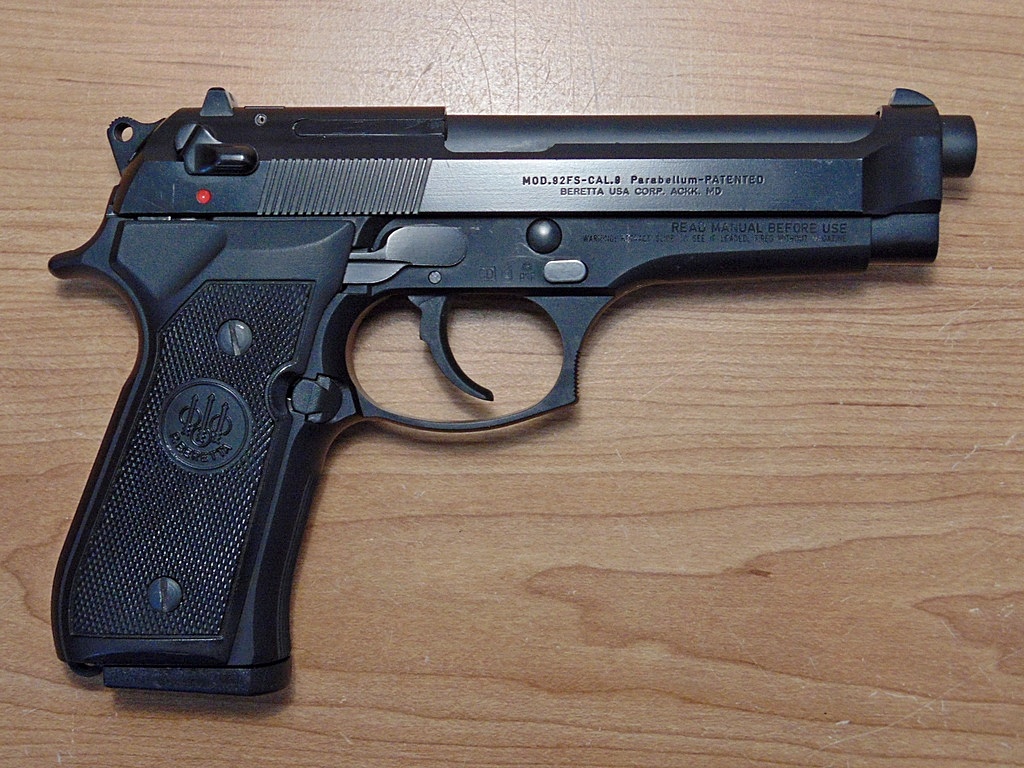
Hammer-fired handguns were once the normal design, and many shooters still prefer them over striker-fired pistols. A visible hammer gives clear feedback about the condition of the firearm, which can make handling feel safer and more controlled. Single-action and double-action triggers also provide different shooting experiences that help build skill. Some shooters like the heavier first pull of a double-action trigger because it requires deliberate control. Others enjoy the clean break of single-action shooting. At the range, hammer-fired pistols offer a traditional feel that many believe helps improve discipline and accuracy during practice.
4. Grip Panels Instead of Molded Frames
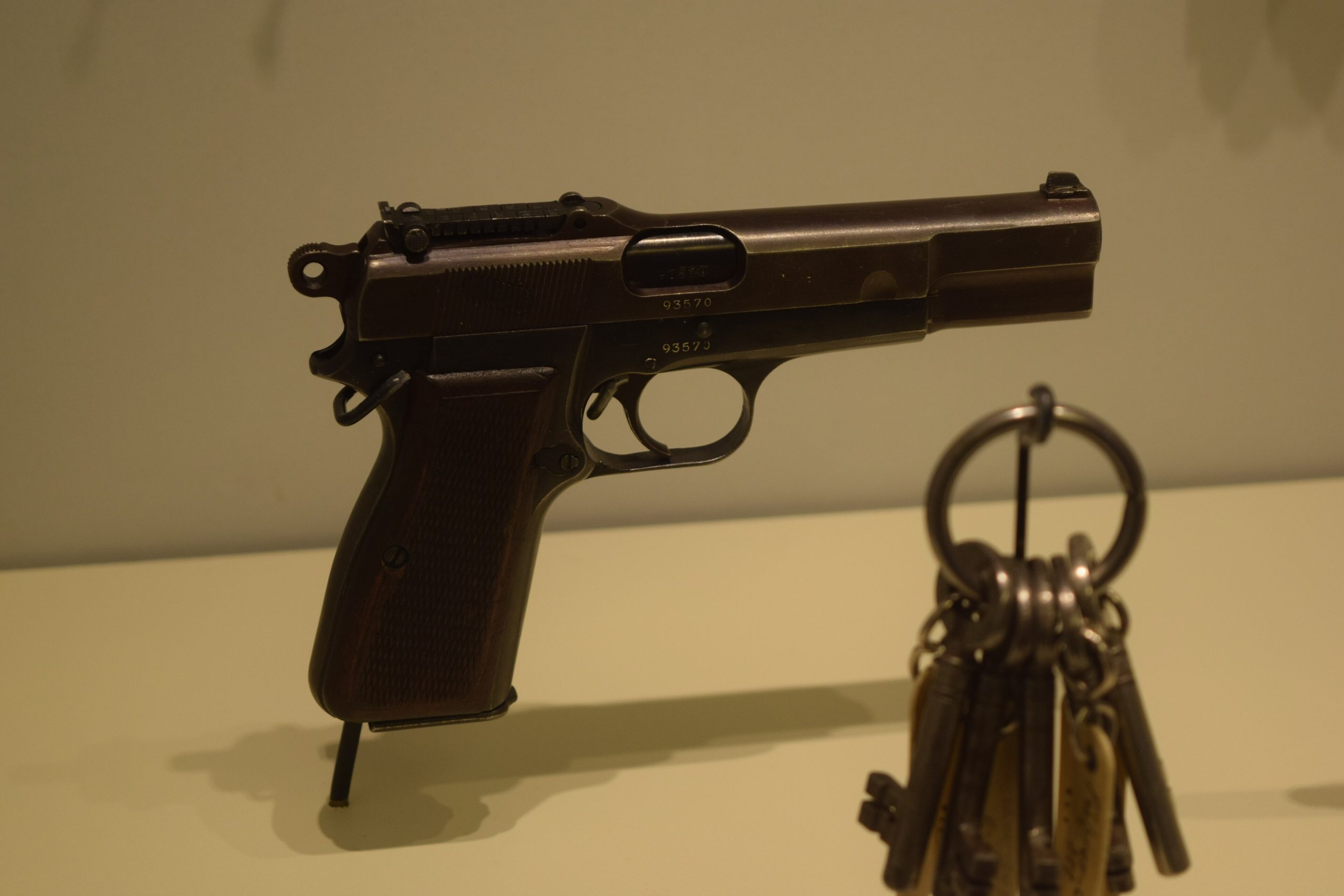
Older handguns often used removable grip panels attached to a metal frame instead of molded grips built into the frame. This design allowed shooters to change the grip material, shape, or thickness to fit their hands perfectly. Wood, rubber, and textured plastic grips were all common choices. Having the ability to adjust grip panels makes a handgun more comfortable during long-range sessions. It also allows owners to replace worn grips without changing the entire frame. Even today, many shooters prefer this design because it offers flexibility that modern one-piece polymer frames do not always provide.
5. Manual Thumb Safeties
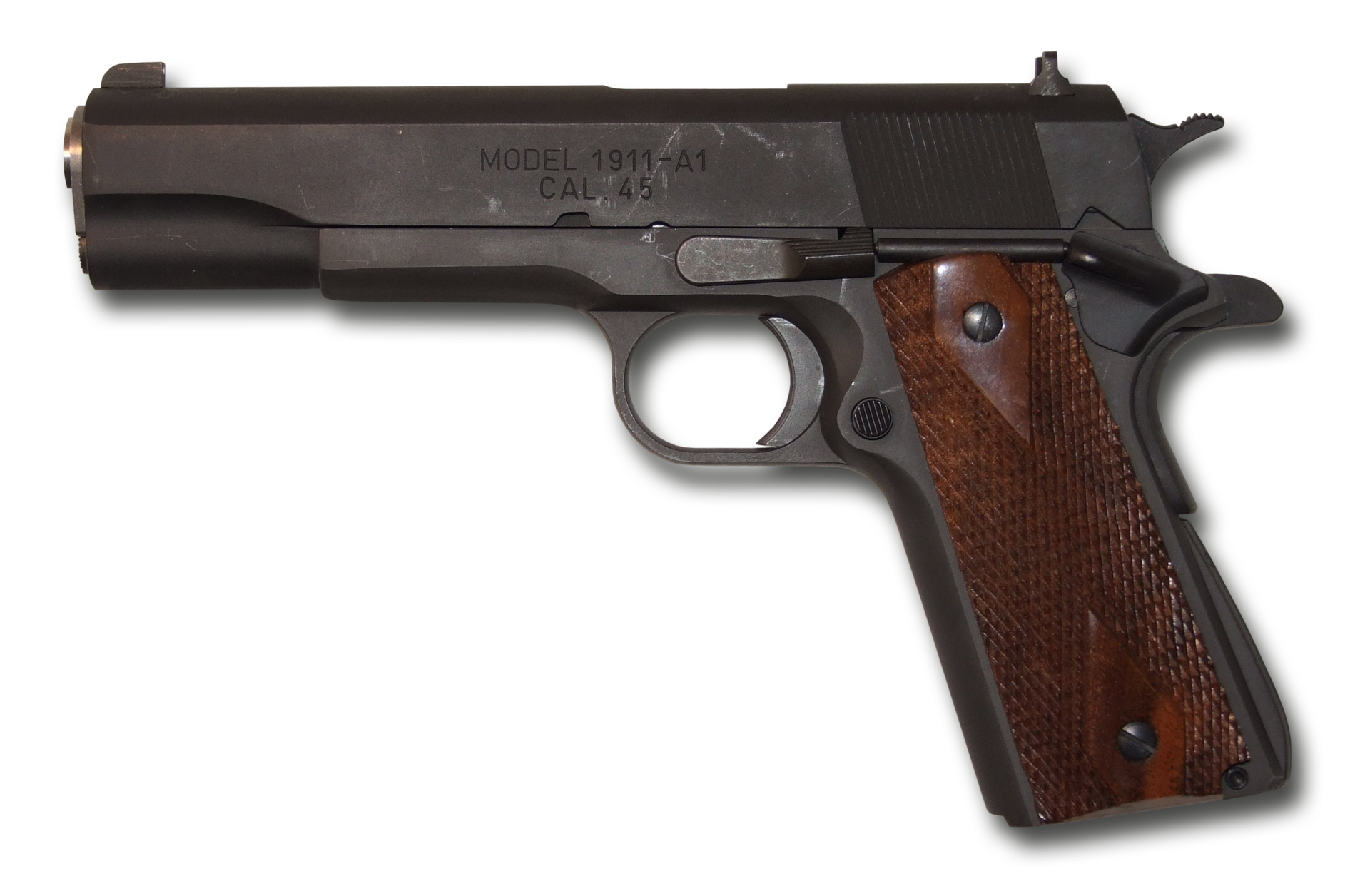
Many modern pistols rely on internal safeties, but older handguns often included a manual thumb safety that could be turned on or off by the shooter. This feature gives a clear physical confirmation that the gun is secured, which some people find reassuring during training or transport. At the range, a thumb safety also allows shooters to practice proper handling techniques, especially when learning controlled drawing and firing drills. While not everyone prefers manual safeties, they remain popular among those who like having direct control over the firearm’s ready condition. For many shooters, this classic feature still feels natural and reliable.
6. Single Stack Magazines
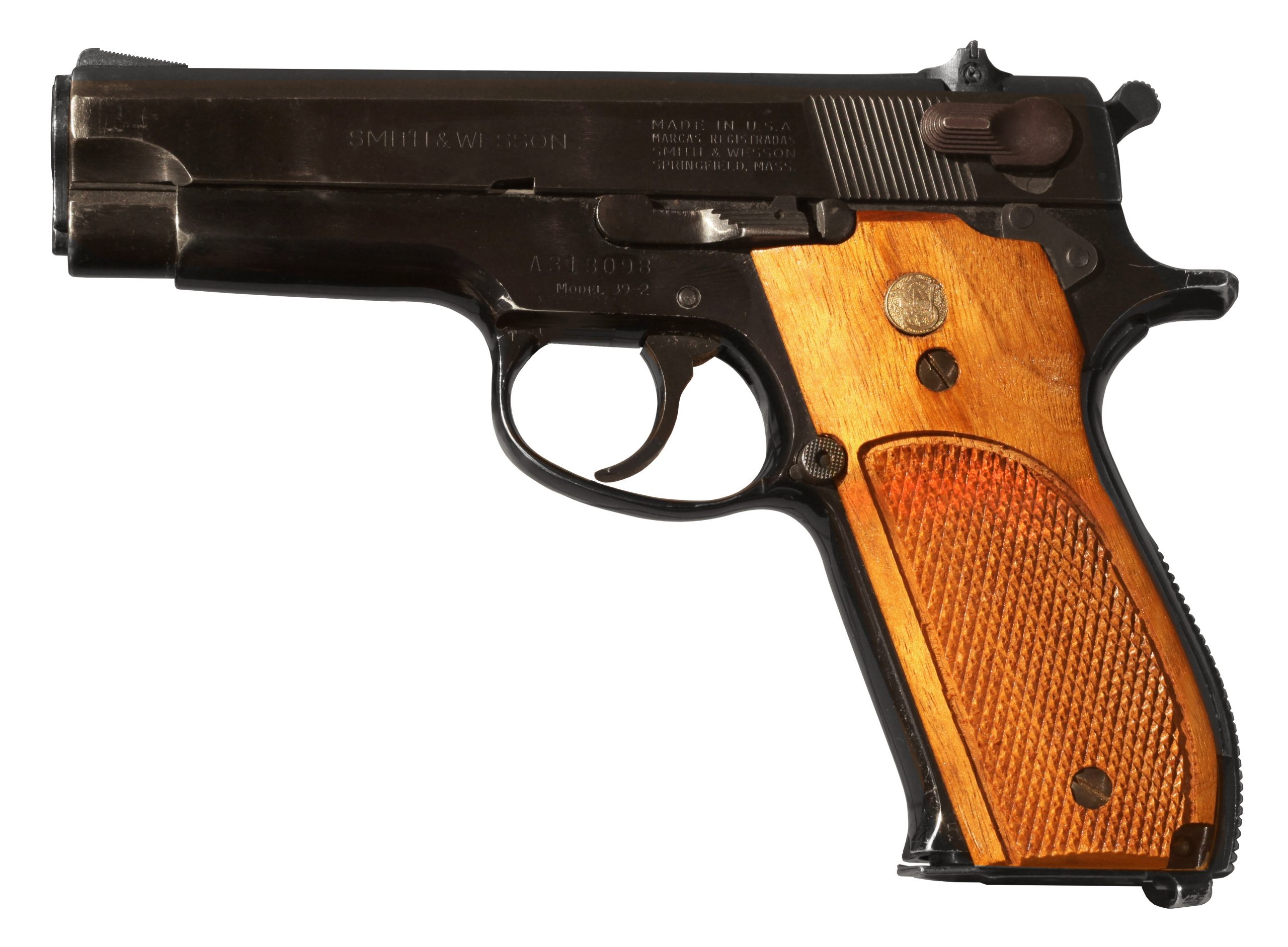
Before high-capacity magazines became common, most pistols used single-stack magazines that held fewer rounds but kept the grip slim. A thinner grip can make the handgun easier to hold, especially for shooters with smaller hands. Single-stack designs also tend to feed smoothly because the cartridges line up in a straight column. At the range, these magazines make it easier to focus on accuracy rather than rapid-fire shooting. Reloading more often can even help build better habits. Many shooters still keep single-stack pistols in their range bag because they are comfortable, simple, and very consistent.
7. Exposed Ejectors and Extractors
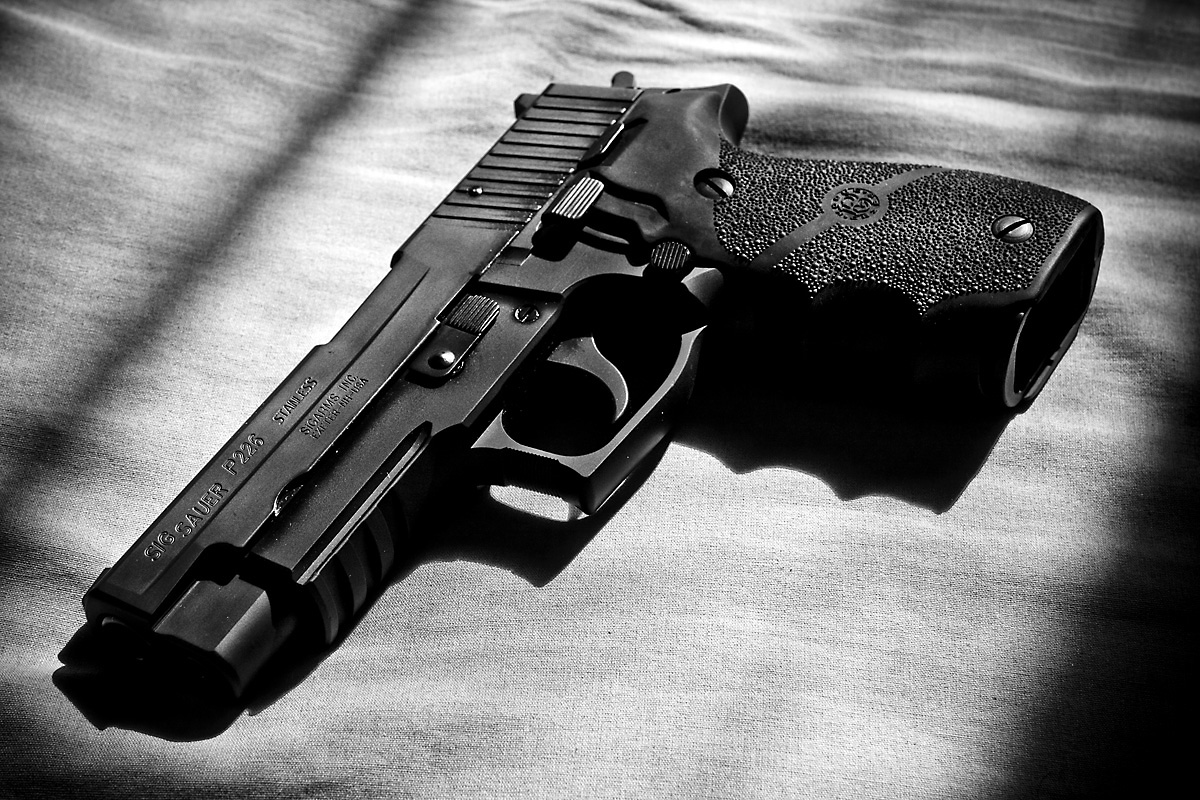
Older handgun designs often had exposed extractors and ejectors that were easy to see and inspect. This made it simple to check for dirt, damage, or wear after shooting. Modern enclosed designs look cleaner, but they can be harder to examine without taking the gun apart. At the range, being able to quickly look at the extractor or ejector helps identify problems before they become serious. This feature also makes cleaning easier because the important parts are visible. Shooters who like maintaining their own firearms often appreciate these older designs because they make the gun easier to understand and service.
8. Heavy Double-Action Revolver Triggers
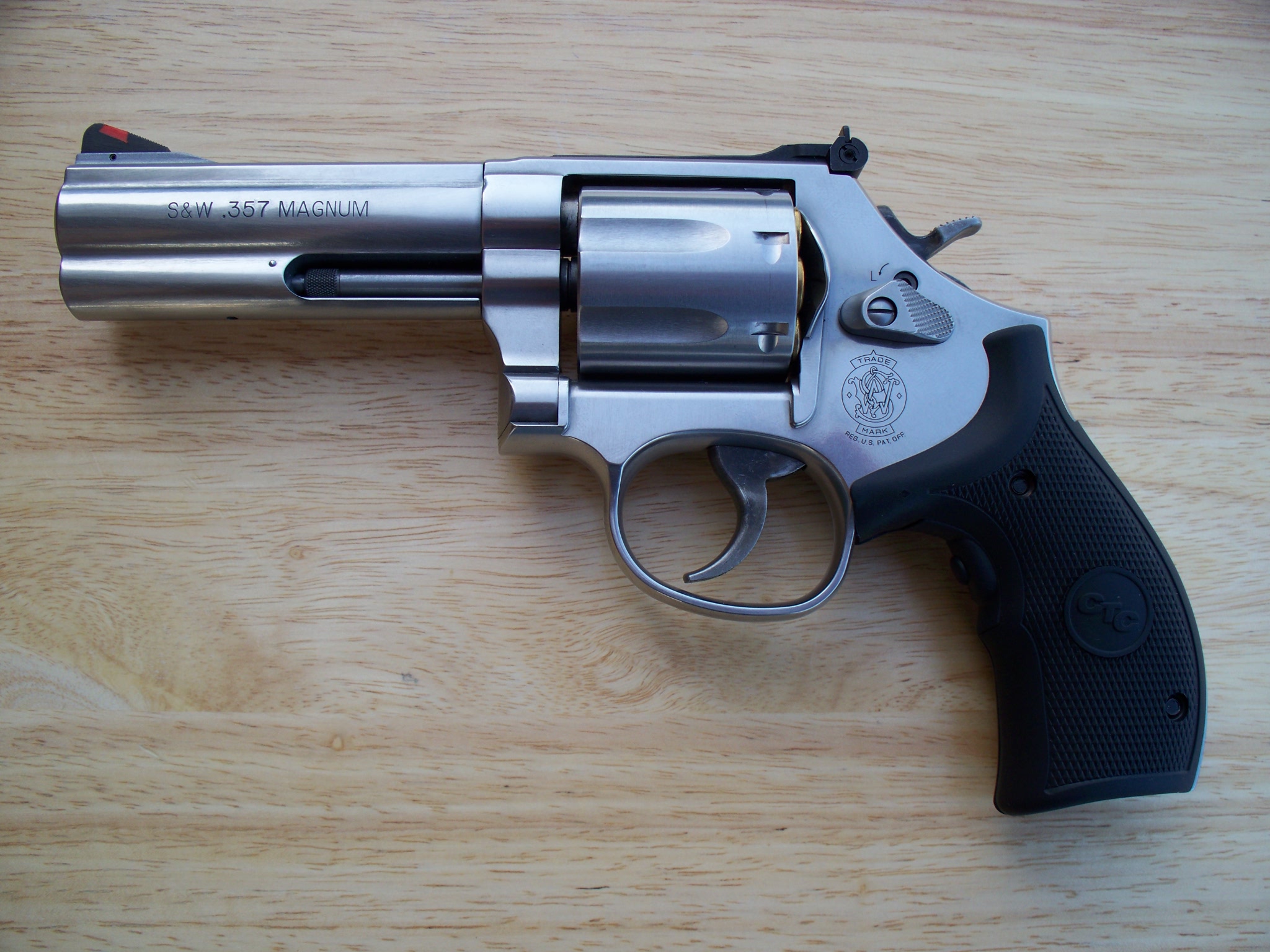
Classic revolvers were known for their heavy double-action trigger pulls, which required steady control to shoot accurately. While this may seem like a disadvantage, many shooters believe it builds strong fundamentals. Learning to fire smoothly with a heavy trigger improves grip strength and trigger discipline. When switching to lighter triggers, accuracy often feels easier. At the range, practicing with a traditional double-action revolver can be a great training tool. It forces the shooter to focus on technique instead of speed. Because of this, many experienced shooters still keep an old revolver in their range bag for practice sessions.
9. Blued Steel Finishes
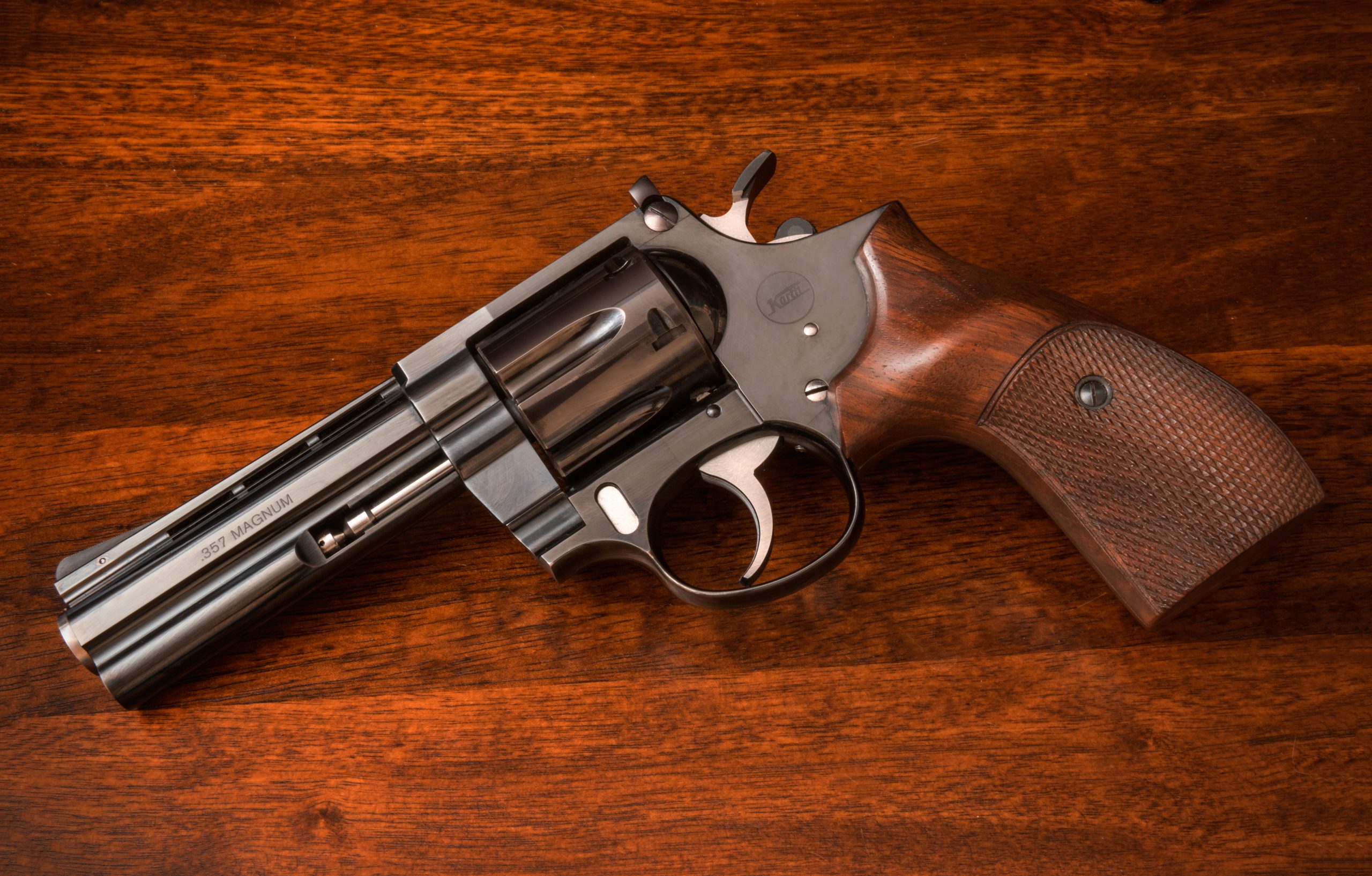
Bluesteel was once the most common finish on handguns, giving them a deep, dark appearance that many shooters still admire. While modern coatings resist rust better, blued steel has a smooth feel and classic look that makes range time more enjoyable for some people. With proper care, blued finishes can last for many years and develop a unique character over time. Cleaning and oiling the gun after shooting also becomes part of the experience. Many shooters like the connection to tradition that comes with using a blued steel handgun, especially when practicing at the range.
10. Simple Field Stripping Designs
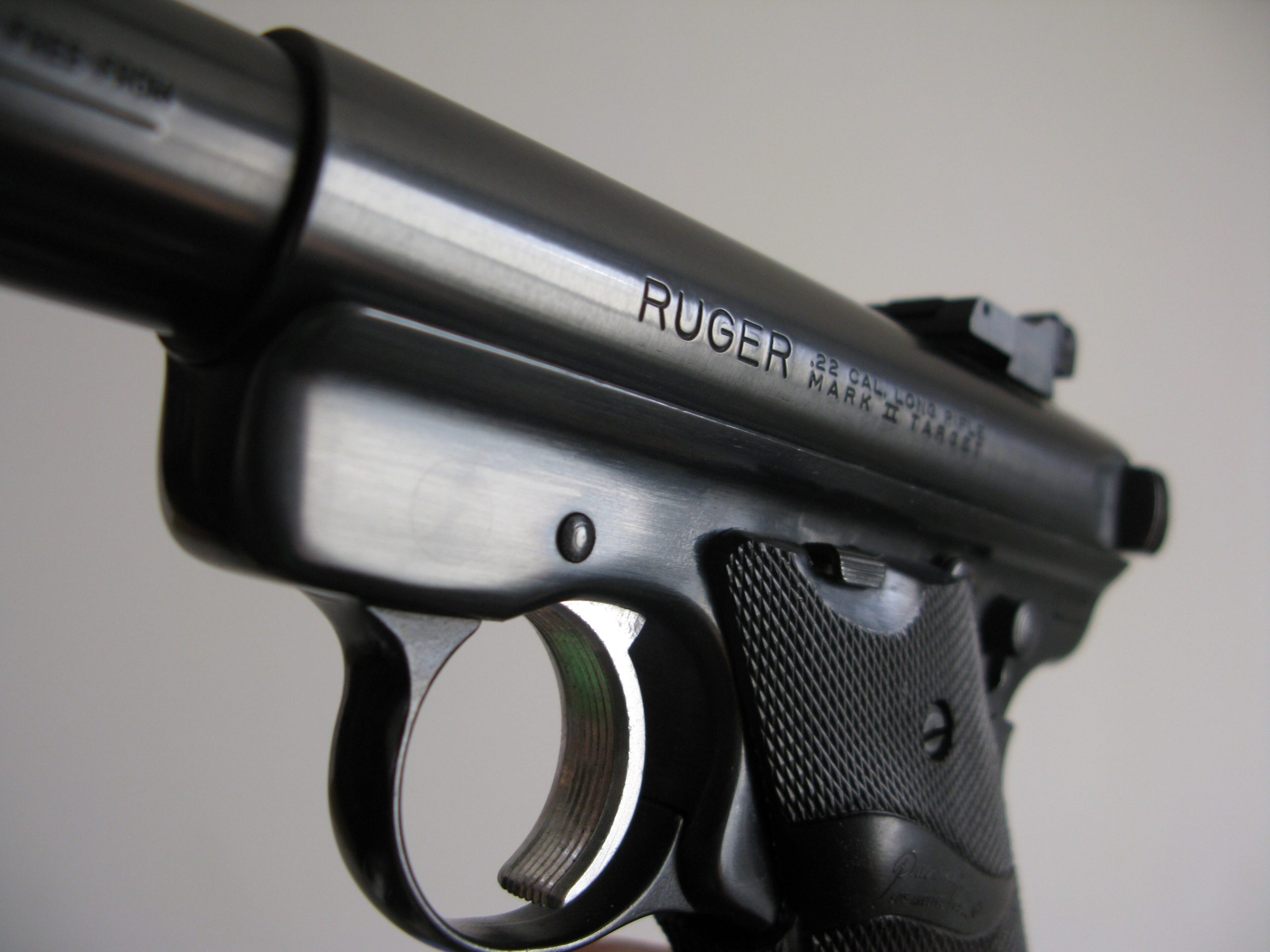
Older handguns were often designed to be taken apart without special tools, allowing quick cleaning after a day at the range. Simple field stripping makes it easier to keep the firearm in good condition, which helps maintain reliability. Some modern pistols require special steps or small tools, but classic designs were made for soldiers and police who needed fast maintenance. At the range, being able to clean the gun quickly means less time worrying about equipment and more time shooting. This kind of straightforward design is one reason many shooters still trust older-style handguns for regular practice.