Shooters often find that certain old military handguns that handle recoil more smoothly than modern ones provide a much more stable experience at the firing range. While contemporary polymer frames offer lightweight convenience for daily carry, they frequently lack the substantial mass required to absorb aggressive kinetic energy effectively during a shot. Heavier steel constructions and unique mechanical designs allow these vintage service weapons to remain remarkably flat during rapid strings of fire. Enthusiasts appreciate how these historic tools prioritize steady handling and follow-up accuracy over mere portability. This guide explores ten iconic models that demonstrate the benefits of traditional firearms engineering.
Colt M1911A1
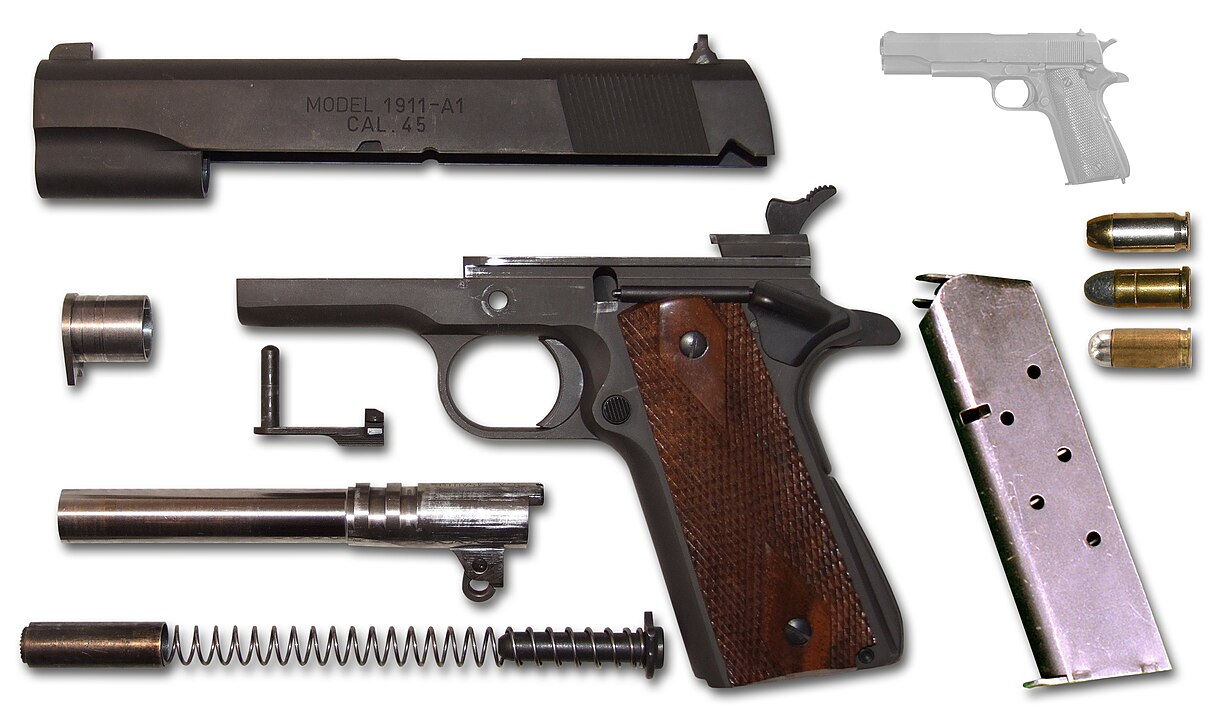
The legendary Colt M1911A1 utilized a heavy steel frame and a short recoil operation to tame the stout forty five ACP cartridge for generations of soldiers. Its significant physical weight acts as a natural dampener that transforms a sharp kick into a manageable and slow push against the palm. The narrow grip and ergonomic tang design prevent the muzzle from rising excessively, which allows the marksman to maintain a consistent sight picture. Many modern shooters return to this classic design because it offers a level of shooting comfort that many plastic-framed alternatives simply cannot match during intensive practice sessions today.
Browning Hi Power
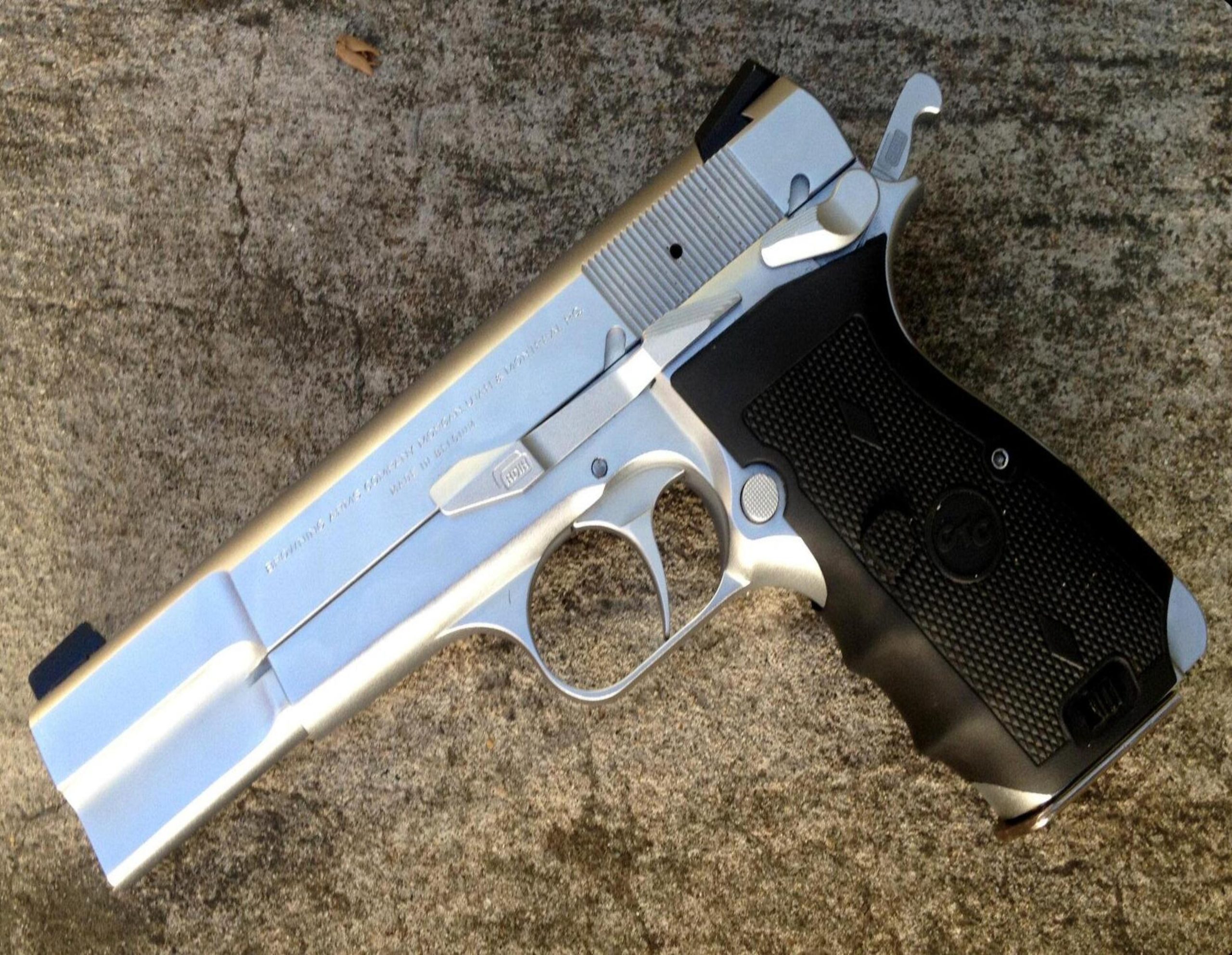
Designed by John Browning and perfected by Dieudonne Saive, the Browning Hi Power features a beautifully balanced steel frame that handles nine millimeter recoil with incredible grace. The wide grip and ergonomic contours distribute the force of the shot evenly across the hand to minimize felt vibration and discomfort. Unlike modern subcompacts that feel snappy and difficult to control, this full-sized service pistol remains exceptionally stable during every cycle of the action. Its internal geometry and weight distribution make it a favorite for those who value a smooth and predictable shooting experience. It remains a masterpiece of handgun engineering.
Beretta M9
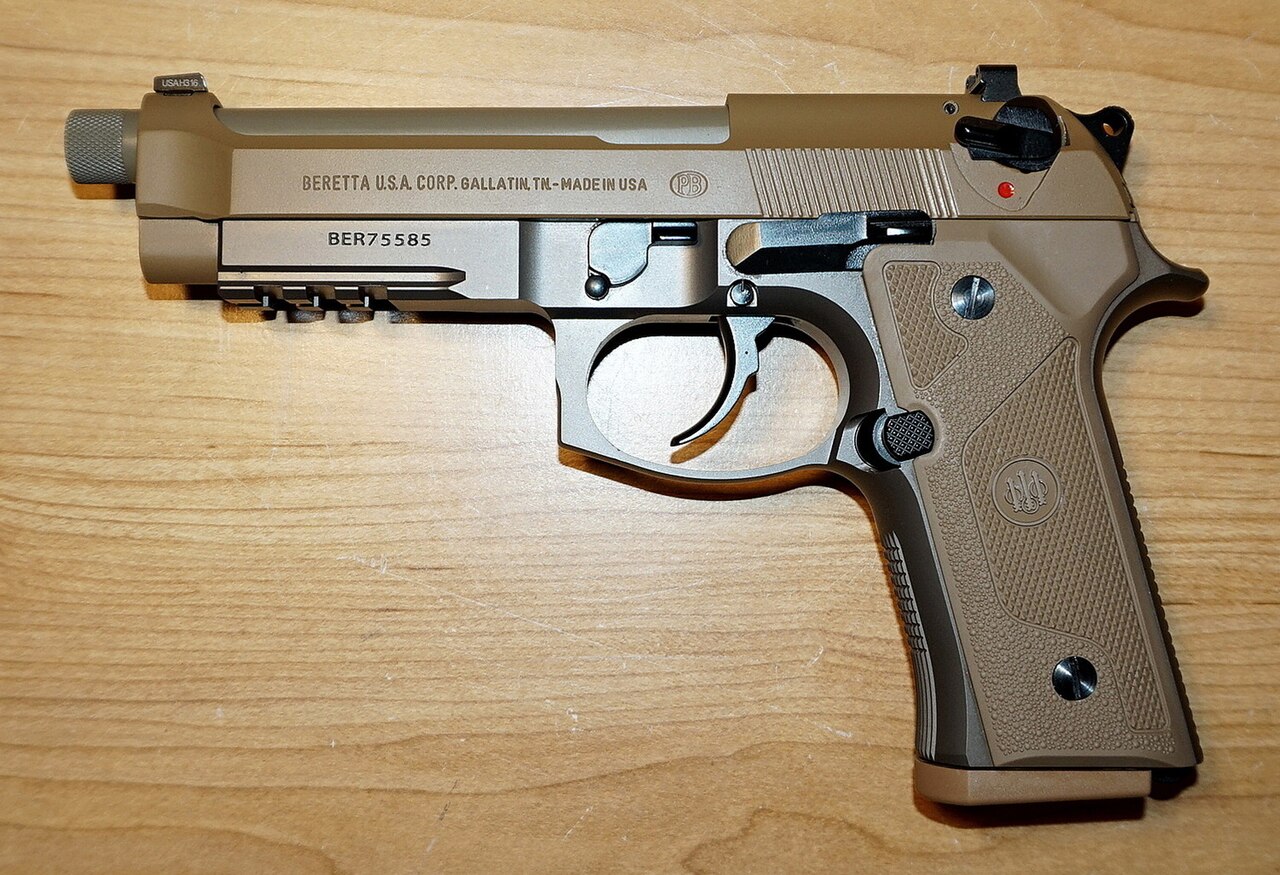
The Beretta M9 served as the primary sidearm for the United States military for decades, partly because its large aluminum frame effectively mitigates muzzle flip. An open slide design reduces the reciprocating mass, which results in a much softer cycling sensation than many contemporary striker-fired pistols. Shooters often notice that the sights return to the target almost instantly after each shot because the weight helps anchor the weapon in the hand. This combination of size and weight creates a very forgiving platform for beginners and experts alike. It provides a level of control that inspires absolute shooting confidence.
Sig Sauer P226
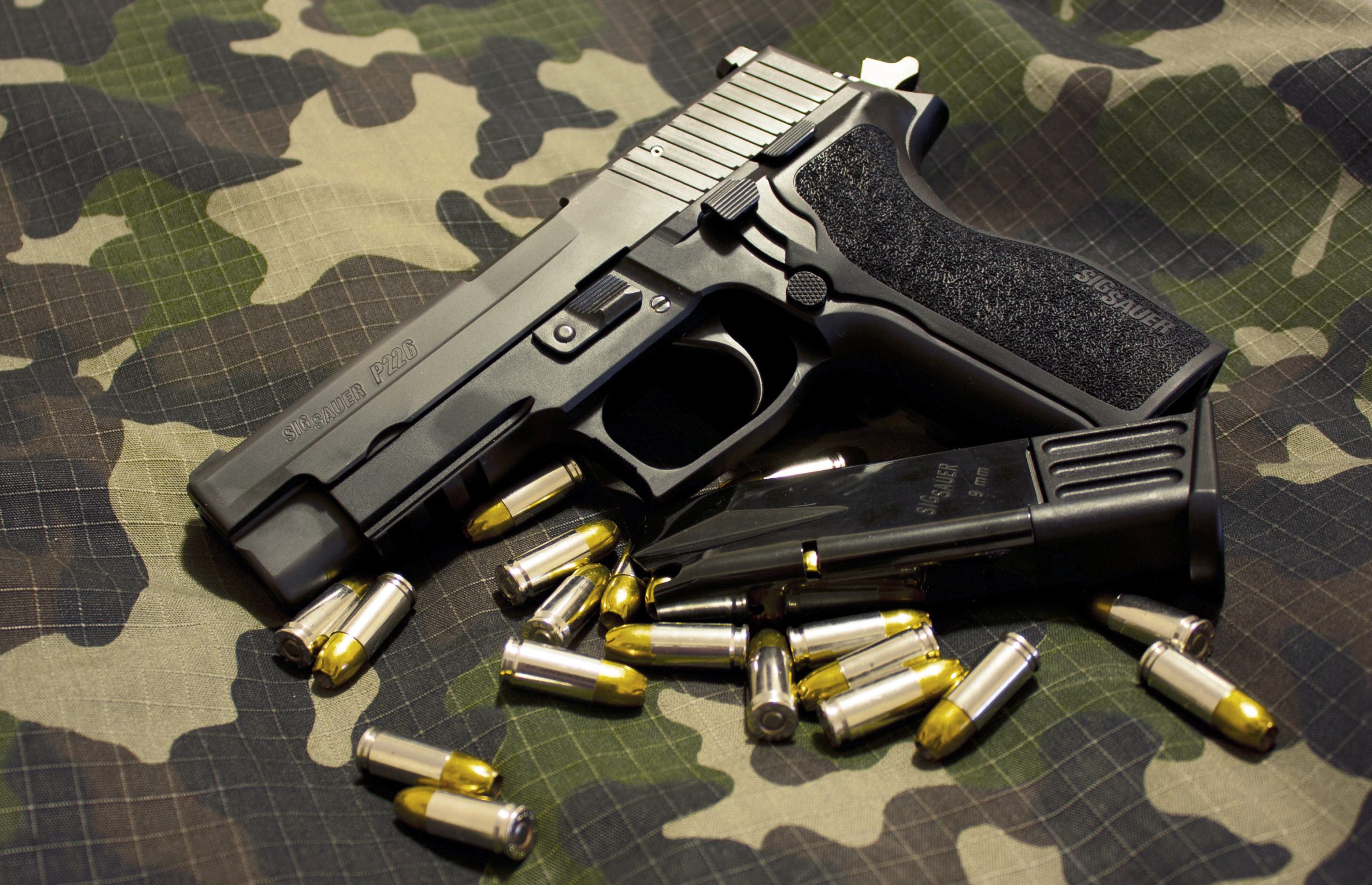
Favored by elite naval forces, the Sig Sauer P226 earned its reputation through extreme reliability and a remarkably smooth recoil impulse during high-stress combat operations. The metal frame and high-quality slide fitment ensure that the mechanical energy is absorbed through the chassis rather than the shooter’s wrist. Many owners find that the double-action system paired with the significant weight makes the pistol feel much more substantial and controlled than modern counterparts. The precise balance allows for rapid and accurate engagement without the sharp and irritating vibration found in lighter polymer firearms. It is a professional-grade tool.
Makarov PM
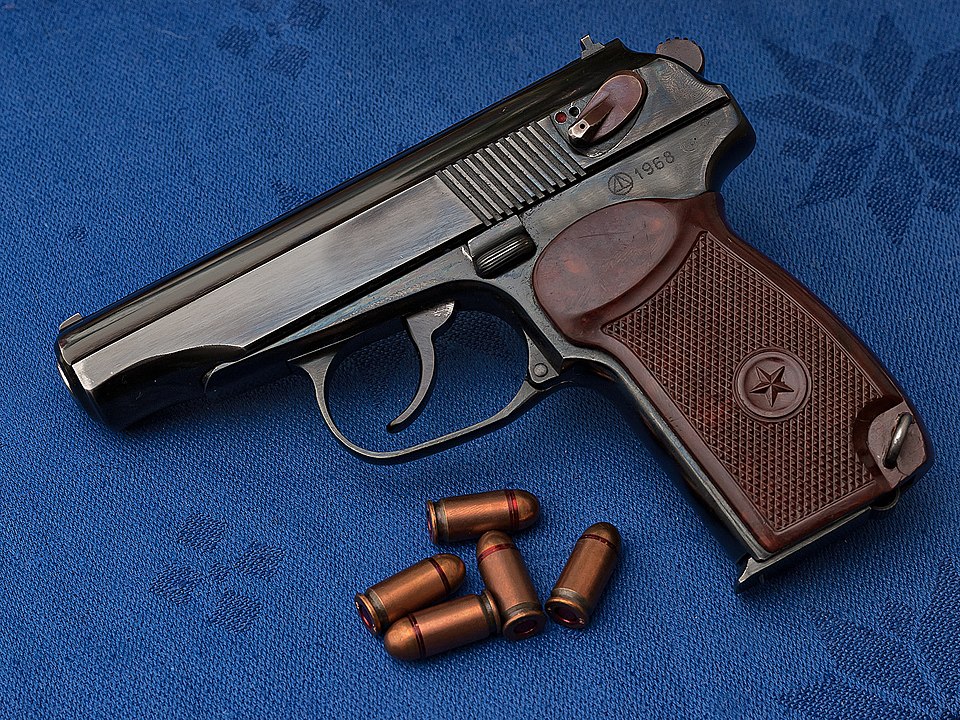
The Makarov PM utilizes a simple blowback system, but its heavy all-steel construction manages the nine-millimeter Makarov round with surprising efficiency. Because the pistol is relatively small for its weight, the mass provides a stabilizing effect that helps keep the muzzle down during the firing sequence. The thick hammer and sturdy internal components contribute to a solid mechanical feel that many modern pocket pistols lack today. While it may appear rudimentary, the actual shooting experience is often smoother and more pleasant than using a contemporary lightweight thirty-eight caliber handgun. It remains a rugged and dependable classic.
Walther P38
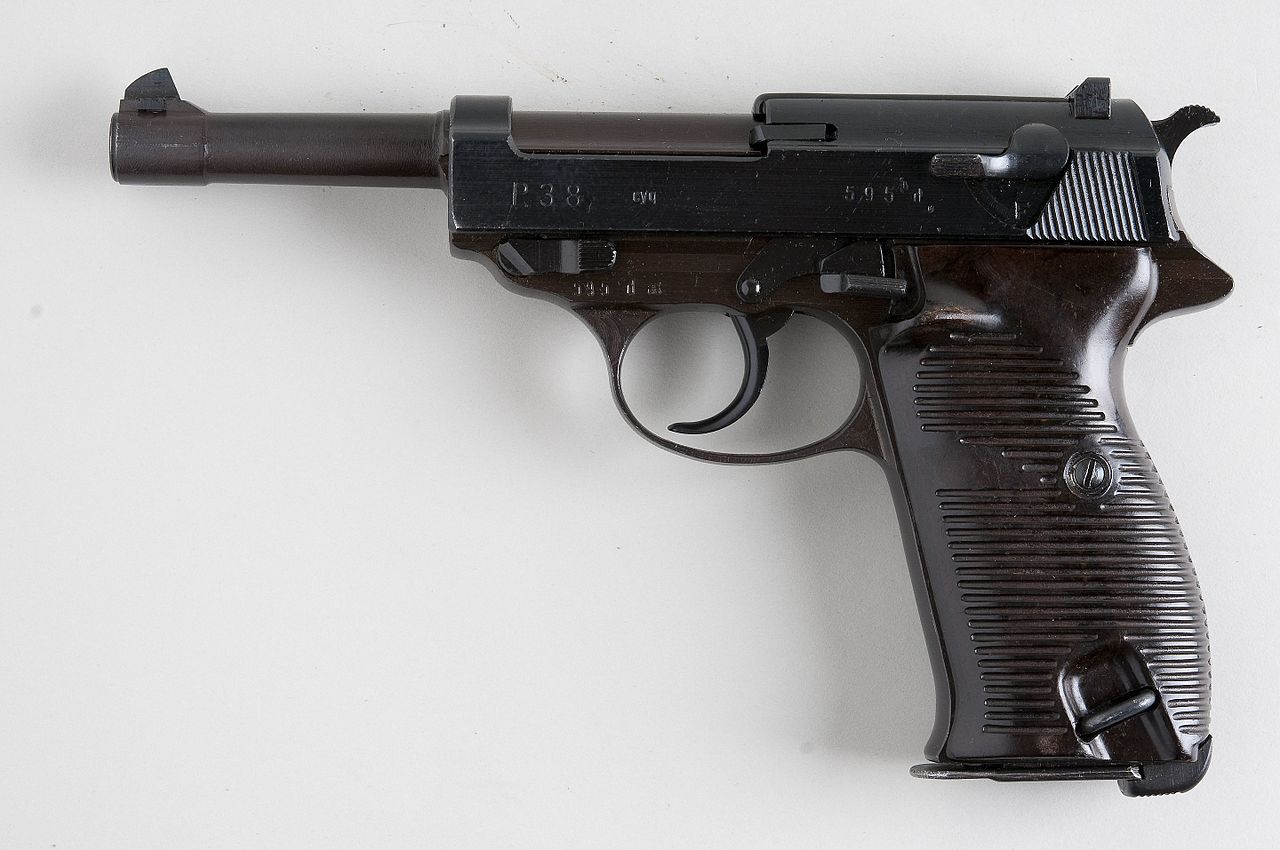
The Walther P38 introduced a sophisticated falling block locking system that significantly reduced the felt recoil of the nine millimeter Parabellum round during World War Two. This mechanical innovation allows the slide to travel smoothly without the violent jarring often associated with cheaper blowback designs found in modern times. The full-sized frame and long barrel provide enough mass to keep the pistol steady while the shooter focuses on trigger control and target alignment. Collectors frequently praise this model for its unique aesthetics and its ability to deliver a gentle and predictable shooting experience on the range.
CZ 75
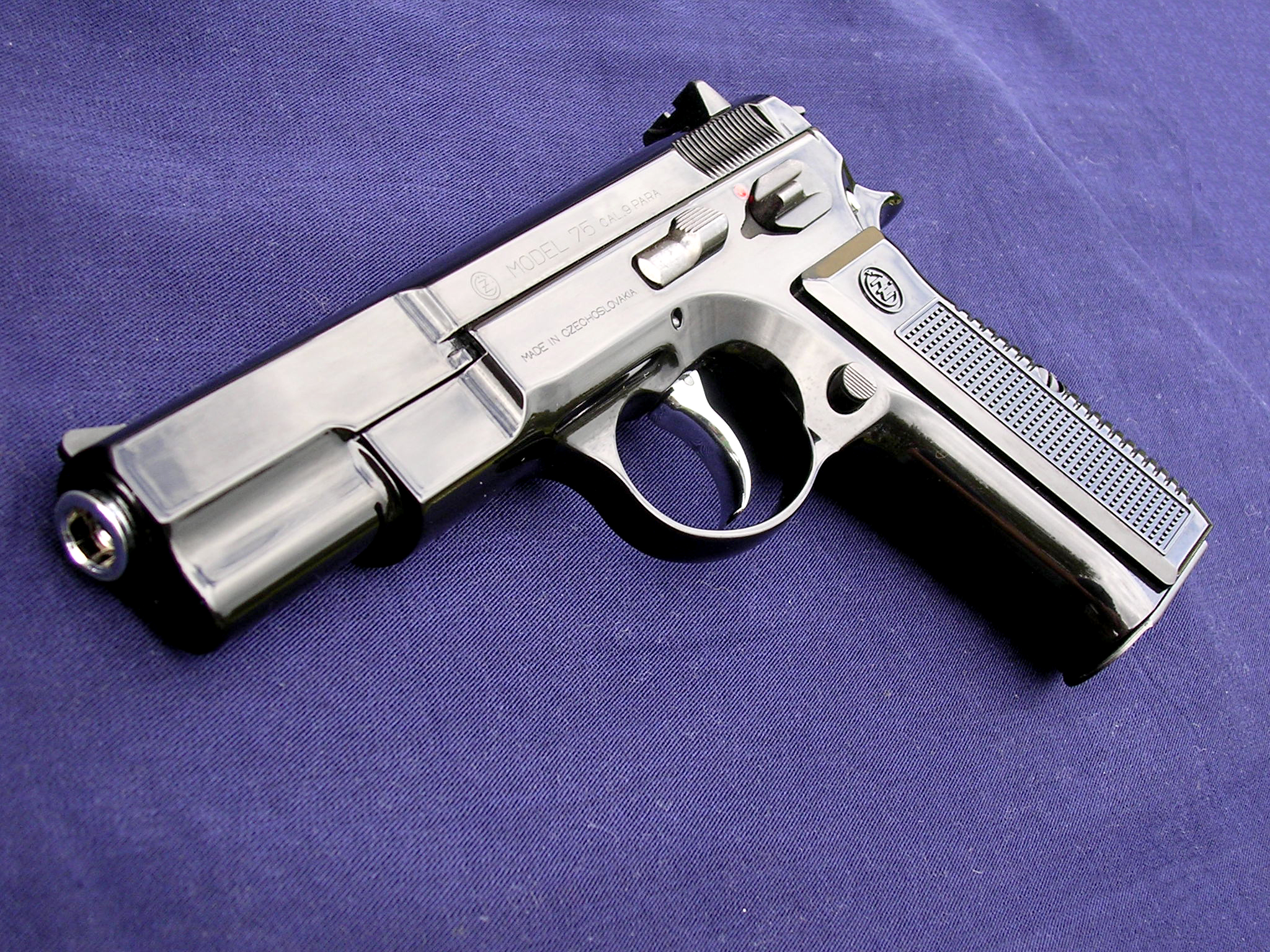
The CZ 75 features a unique slide-in-frame design that lowers the bore axis and creates an exceptionally smooth recoil profile for the shooter. By keeping the center of mass closer to the hand, this military classic minimizes muzzle rise and allows for incredibly fast and accurate follow-up shots. The all-steel construction provides the necessary weight to soak up the energy of the nine-millimeter cartridge with ease. Many modern competition shooters still prefer this vintage geometry over newer designs because the handling characteristics are simply superior. It feels like an extension of the arm.
Smith And Wesson Model 10
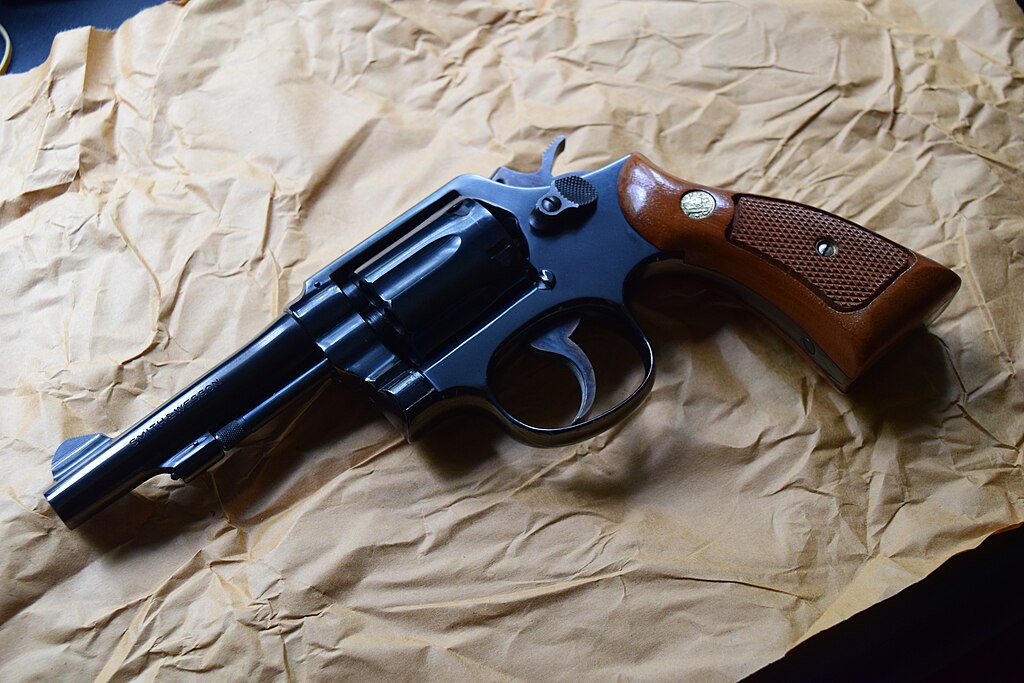
The Smith and Wesson Model 10 revolver served countless police and military units with its heavy four-inch barrel and solid steel K-frame chassis. When firing standard thirty-eight Special ammunition, the significant weight of the cylinder and frame makes the recoil feel almost non-existent for most shooters. The lack of a reciprocating slide means there is no mechanical slamming sensation, which provides a much smoother experience than semi-automatic pistols. Its simple and robust design has made it a favorite for those who want a reliable and comfortable firearm. It remains a benchmark for shooting ease.
Tokarev TT-33
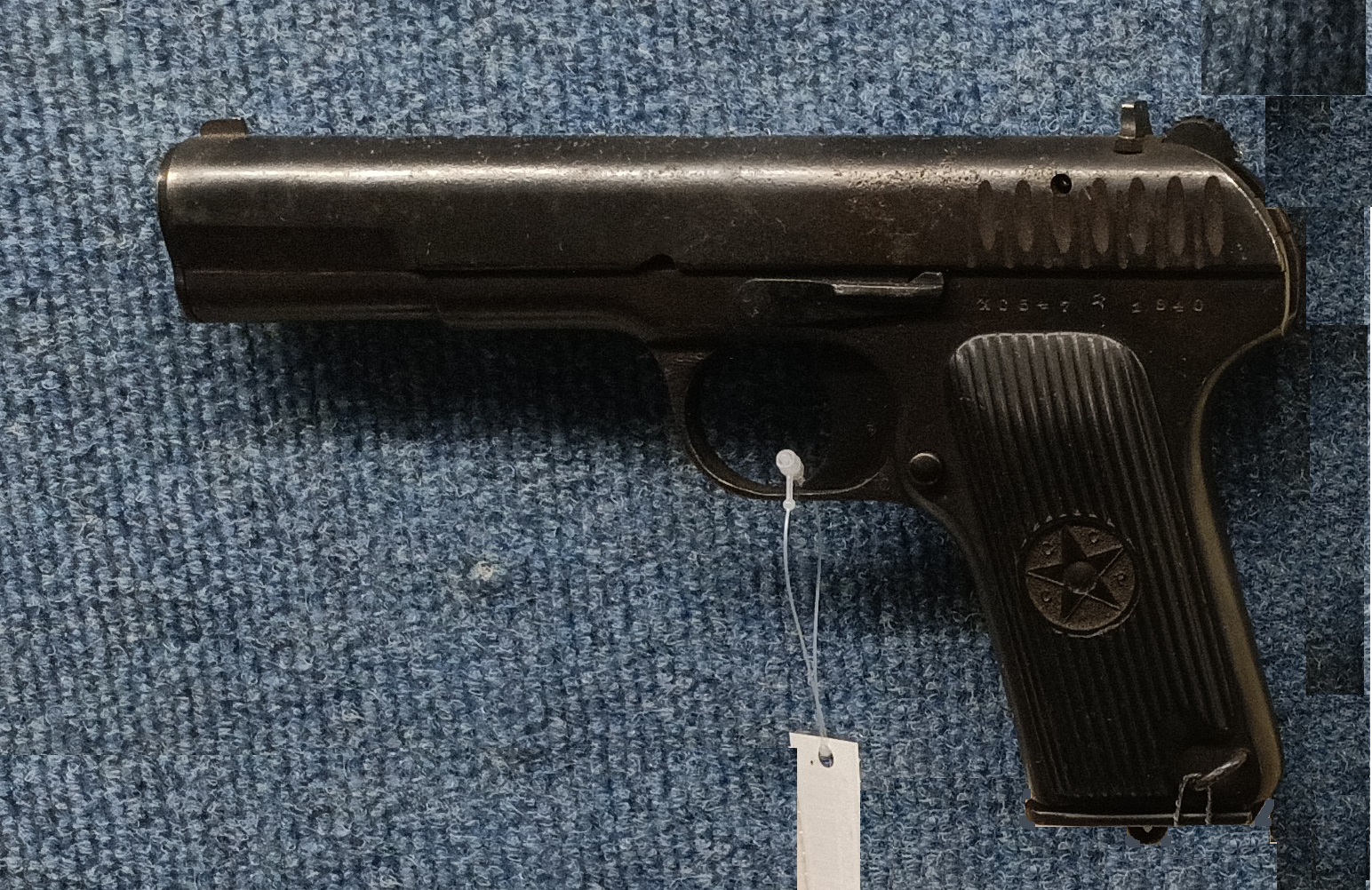
The Tokarev TT-33 fires a high-velocity seven-point-six-two millimeter round, but its slim steel frame manages the energy surprisingly well. Based on the Browning tilting barrel system, the pistol provides a firm and direct recoil path that feels very consistent during every single shot. The weight of the all-metal construction prevents the high-speed projectile from creating an uncomfortable or unmanageable snap in the hand. Many enthusiasts find that the narrow grip allows for a very secure hold, which further enhances the overall control of the weapon. It is a powerful and flat shooting historical sidearm.
Webley MK VI
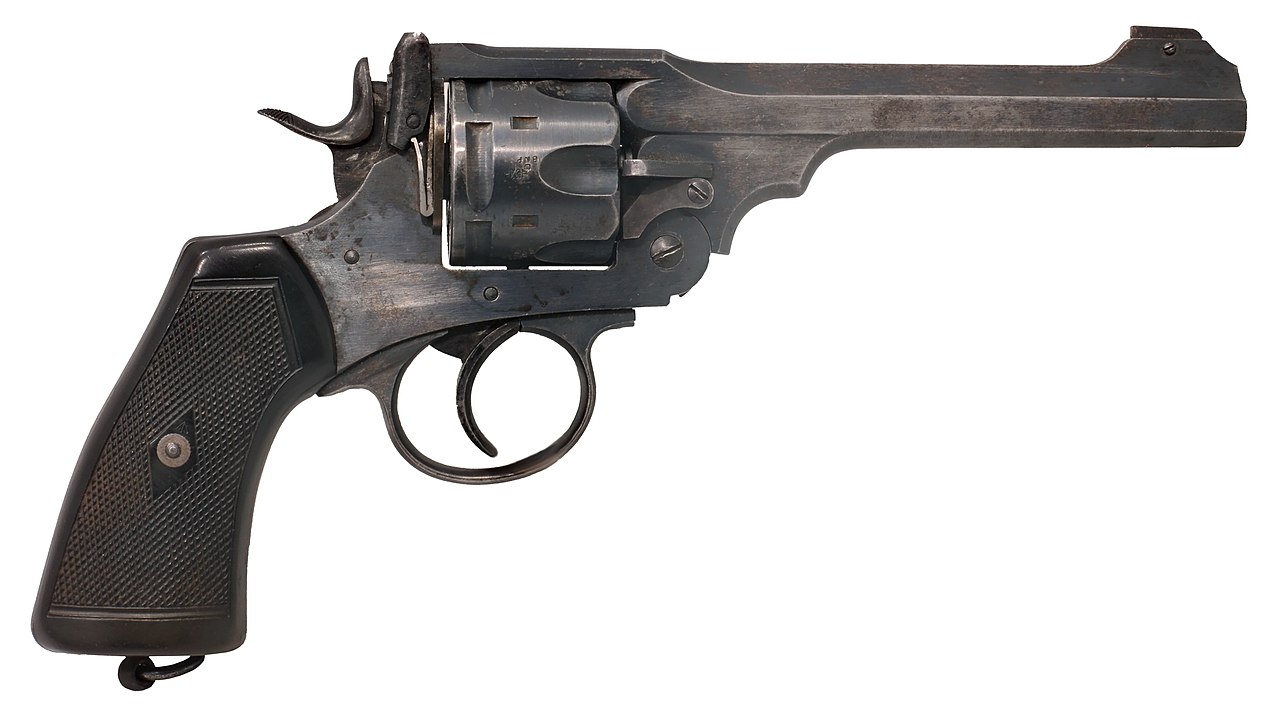
The massive Webley MK VI top break revolver utilized a heavy frame and a long barrel to tame the large forty five caliber rounds of its era. Its unique grip shape and substantial physical weight allow it to absorb the kick of the heavy projectile with remarkable efficiency during use. While it may look intimidating, the actual firing experience is often quite smooth because the mass of the steel prevents the muzzle from flipping upward. This classic British service weapon offers a level of mechanical charm and shooting comfort that modern lightweight revolvers cannot replicate today. It is a true heavyweight.