Experienced campers rarely talk about their best tricks outright, not because they’re secretive, but because these lessons are usually learned the hard way. Real camping knowledge comes from mistakes, long nights, unexpected weather, and quiet problem-solving when no one is around to help. These are the habits and insights that separate casual campers from people who are truly comfortable outdoors. They don’t rely on expensive gear or flashy setups, but on awareness, planning, and understanding how nature actually behaves. This list pulls back the curtain on practical camping secrets that professionals quietly rely on. Knowing them won’t guarantee comfort, but it will help you avoid common problems and respond calmly when things don’t go as planned.
1. Campsite Selection Matters More Than Gear
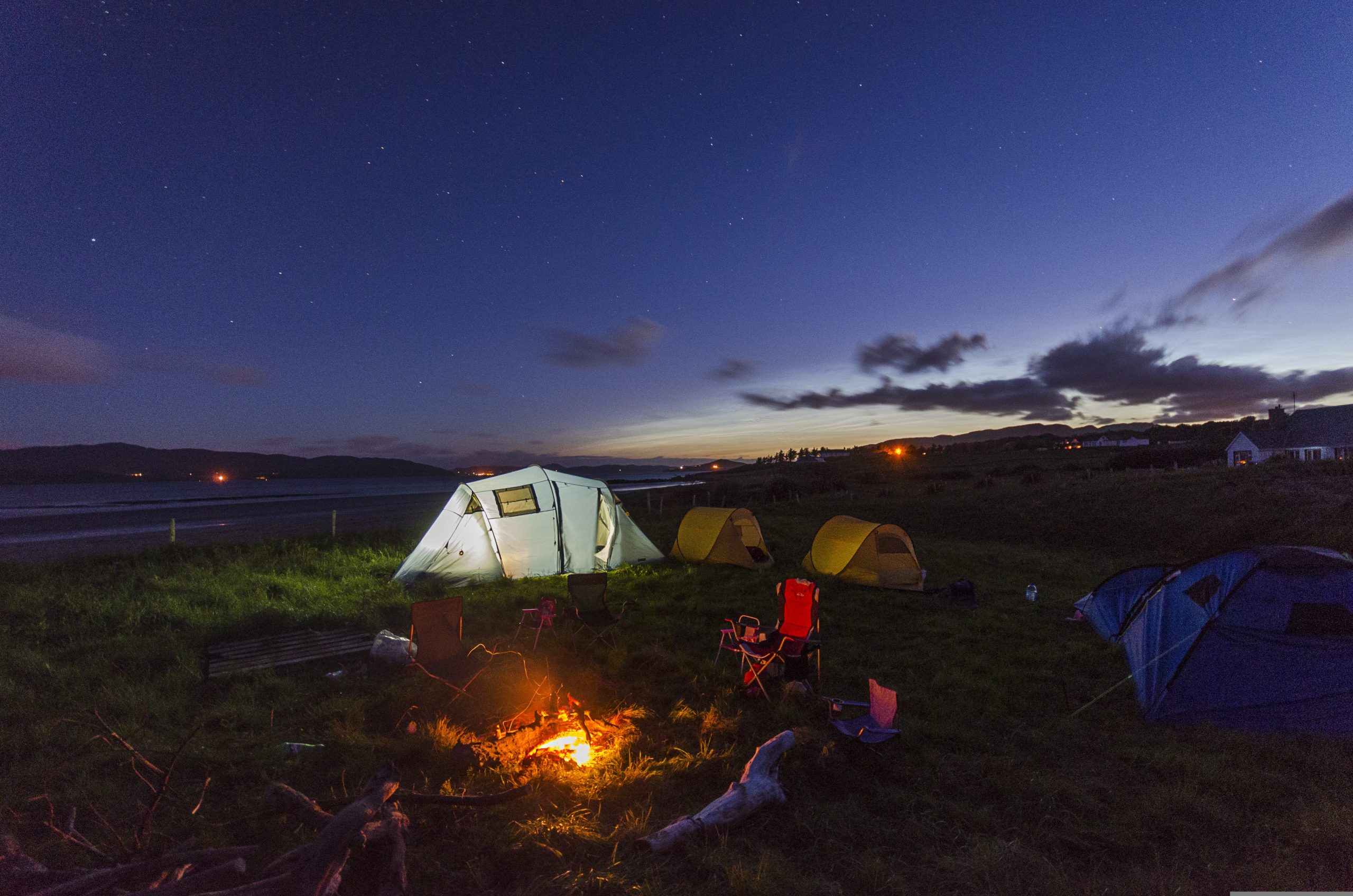
Professional campers know that where you sleep matters more than what you sleep in. A poor campsite can turn high-end gear into a liability. Slight elevation prevents water pooling during rain, while natural wind breaks reduce overnight chill. Avoid low spots that look flat but collect cold air and moisture. Ground firmness matters too, as soft soil shifts during the night. Experienced campers also watch vegetation patterns, which often reveal drainage paths and prevailing wind directions. They arrive early enough to observe how light, shade, and wind behave. A well-chosen site reduces fatigue, improves sleep, and prevents problems before they start, making it the foundation of every successful camp.
2. Fire Placement Is About Control, Not Convenience
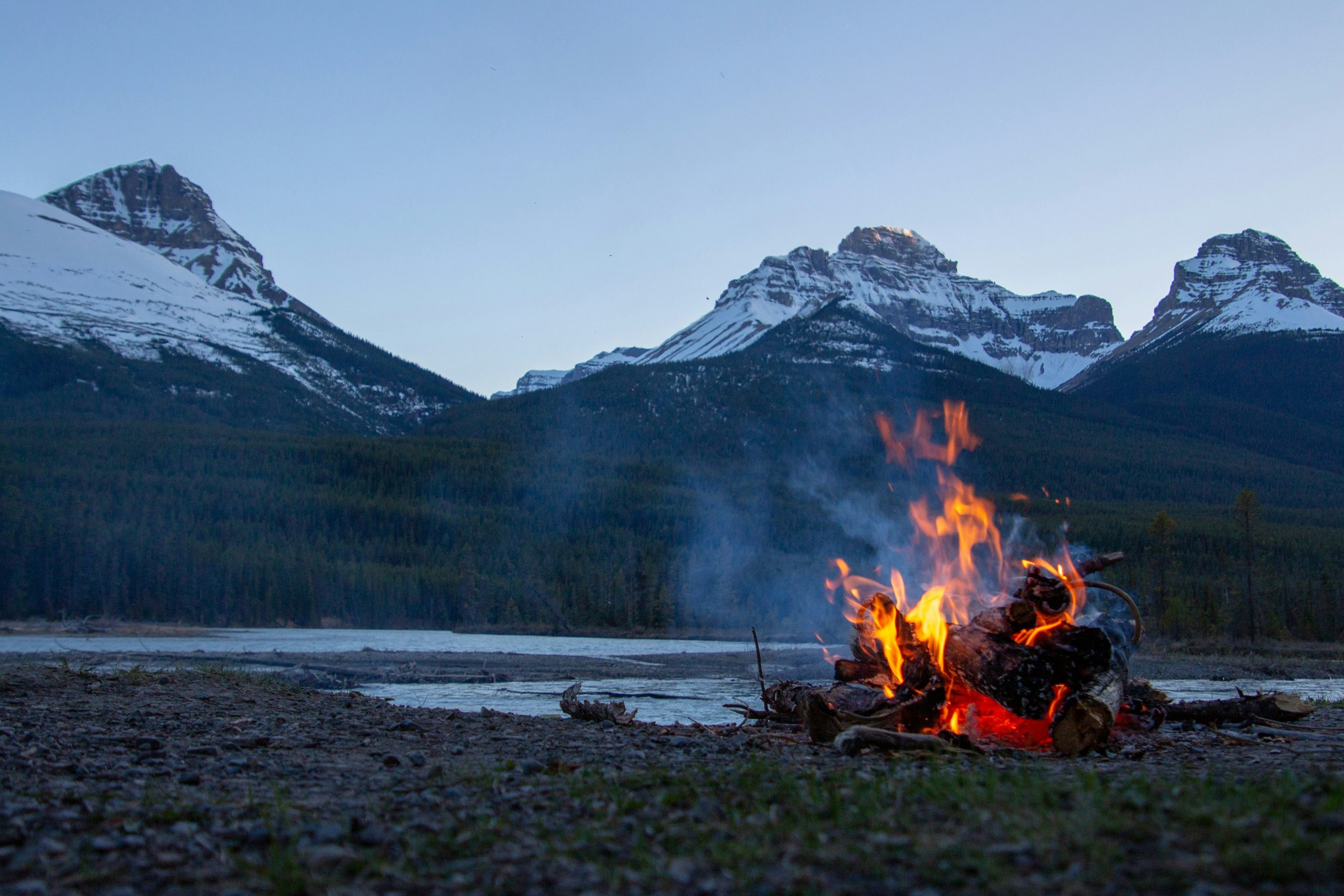
Most beginners place fires where they look good or feel cozy, but pros think about airflow, fuel efficiency, and safety first. Fire placement should consider wind direction, ground composition, and nearby fuel sources. A fire built too close to camp can blow sparks into tents or gear. Too far away, and it wastes energy and time. Experienced campers also choose locations that reflect heat efficiently, such as near rock faces, without risking flare-ups. They prepare the fire area before ignition, clearing debris and planning fuel placement. This level of intention keeps fires manageable, safer, and more useful for cooking and warmth.
3. Nighttime Prep Prevents Morning Problems
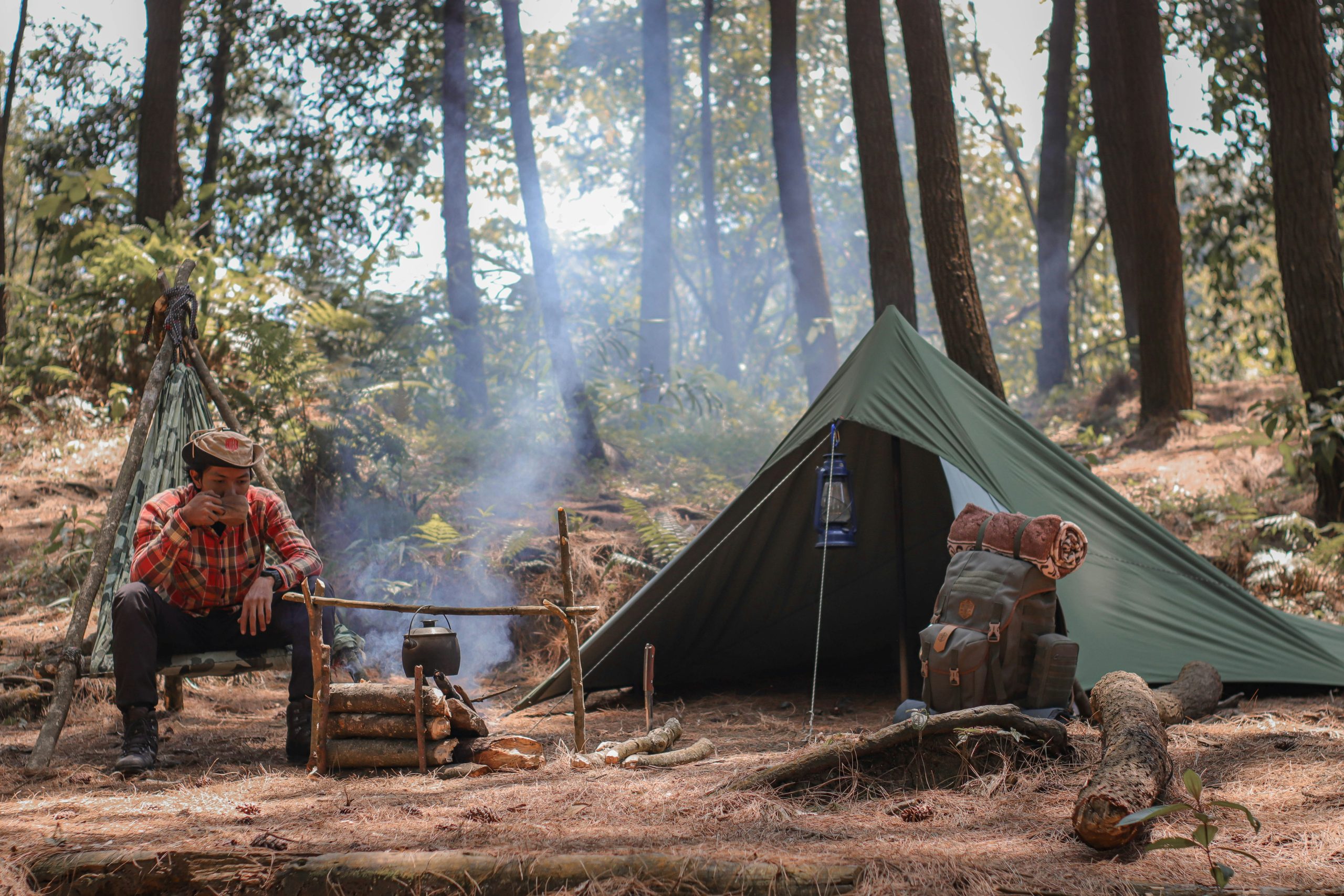
Pros prepare for the morning before going to sleep. Boots are positioned where they won’t freeze or fill with water. Headlamps are placed within reach, not buried in packs. Water containers are sealed and protected from animals. Breakfast items are staged to minimize movement in cold conditions. This preparation saves energy and reduces frustration when temperatures drop overnight. Experienced campers know mornings are when mistakes happen due to stiffness and fatigue. Small habits like loosening boot laces or staging dry layers make a big difference. These quiet routines create smoother mornings and prevent rushed decisions that can derail the day.
4. Weather Forecasts Are Only a Starting Point
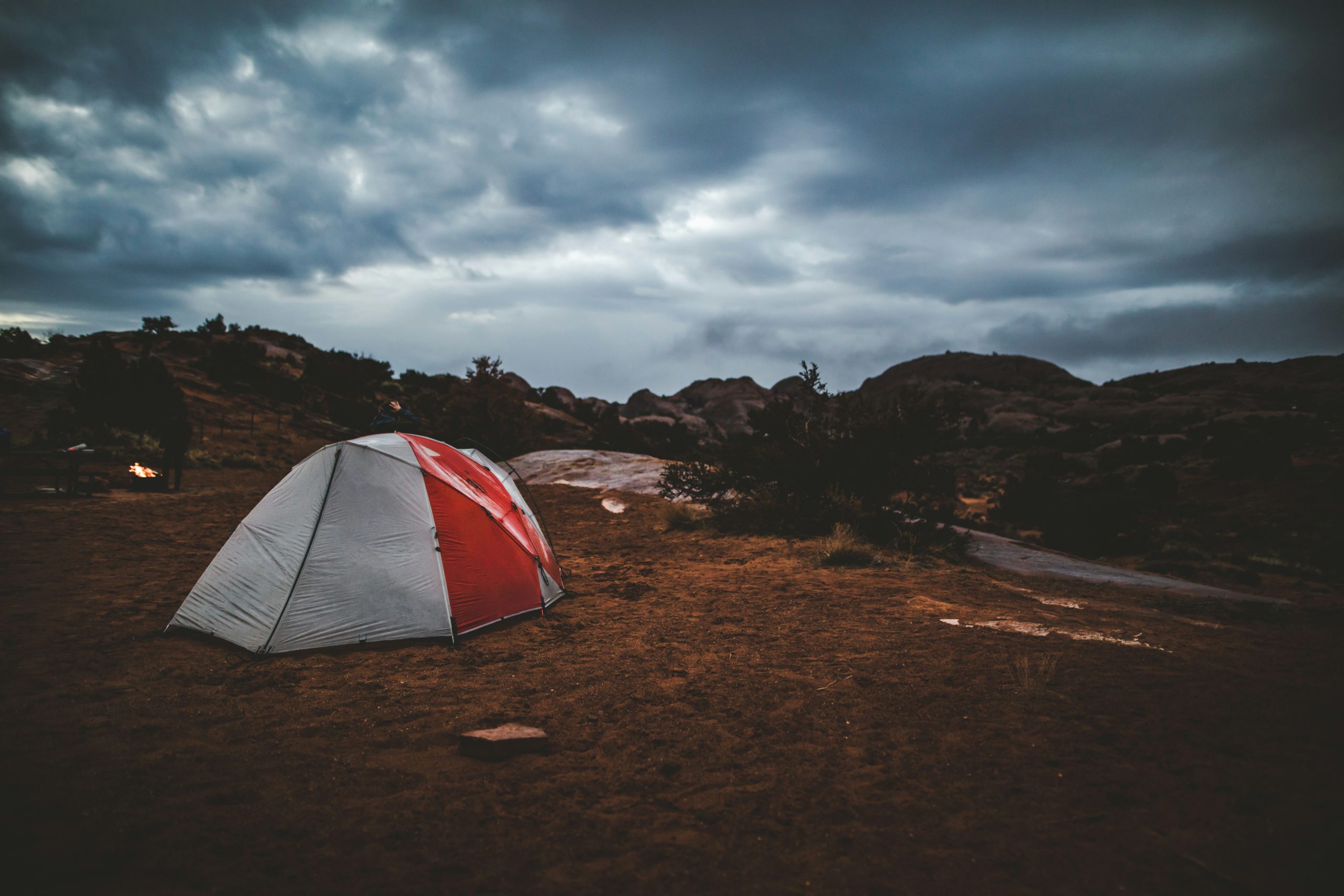
Experienced campers never trust forecasts blindly. They use them as a baseline, then read environmental signals on site. Cloud movement, humidity changes, wind shifts, and temperature drops often reveal incoming weather long before apps do. Pros watch how birds behave and how air pressure feels. They plan campsites and routes assuming conditions will worsen, not improve. This mindset prevents surprise exposure and rushed relocations. Carrying layers and shelter options isn’t paranoia; it’s realism. Those who camp often know weather rarely follows predictions exactly. Preparing for variability is what keeps unexpected storms from becoming emergencies.
5. Food Planning Is About Energy, Not Just Taste
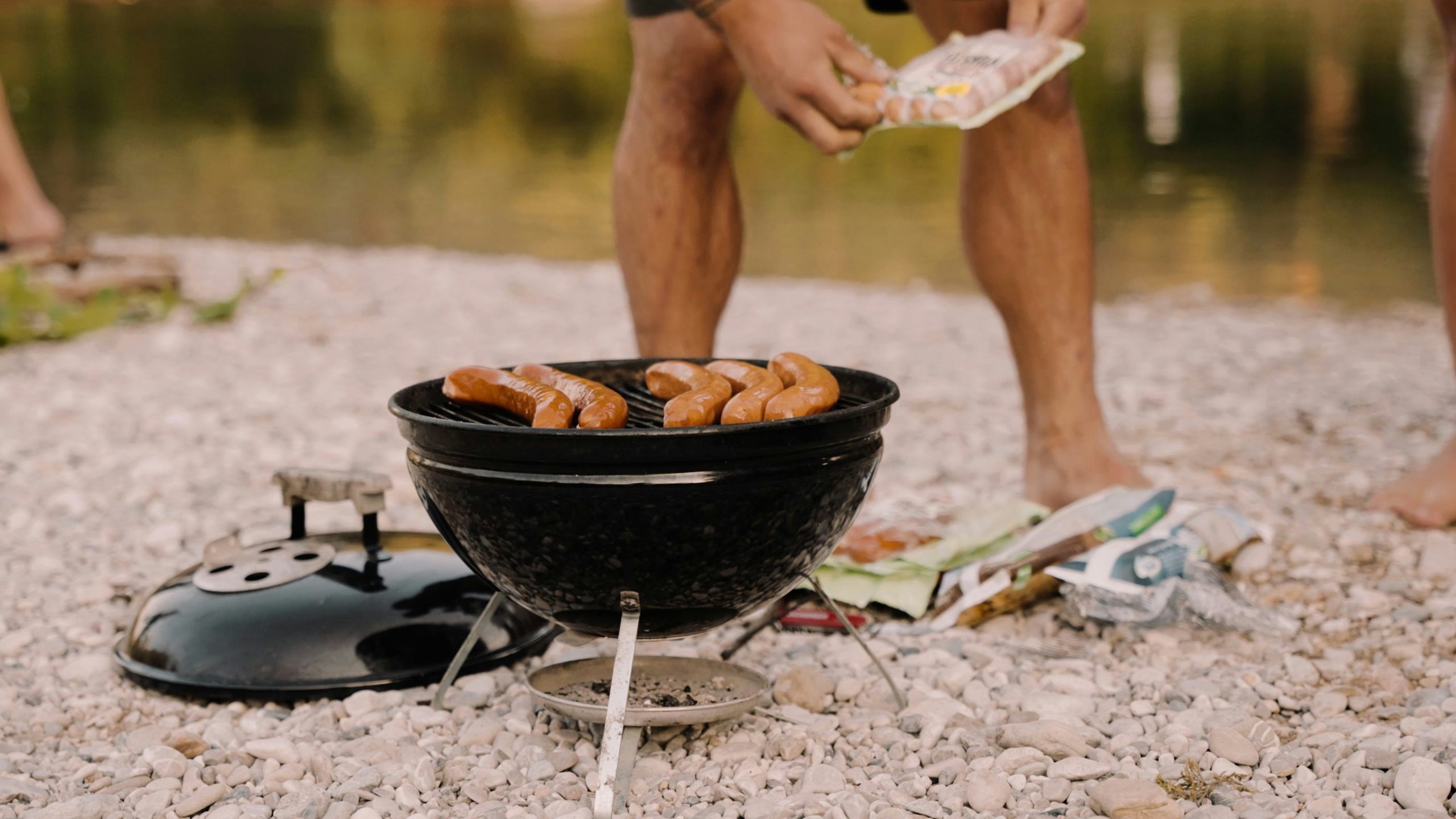
Professionals plan meals based on output, not cravings. High-calorie, easy-to-digest foods are prioritized for long days, while heavier meals are reserved for evenings. Snacks are staged for quick access rather than buried in packs. Pros also account for appetite changes at elevation or during heat. Cooking complexity is minimized when energy is low. They balance morale foods with functional fuel. This approach keeps energy stable and reduces decision fatigue. Experienced campers know hunger affects judgment, pace, and mood. Smart food planning isn’t glamorous, but it quietly supports every other aspect of a successful trip.
6. Clean Camps Attract Less Trouble
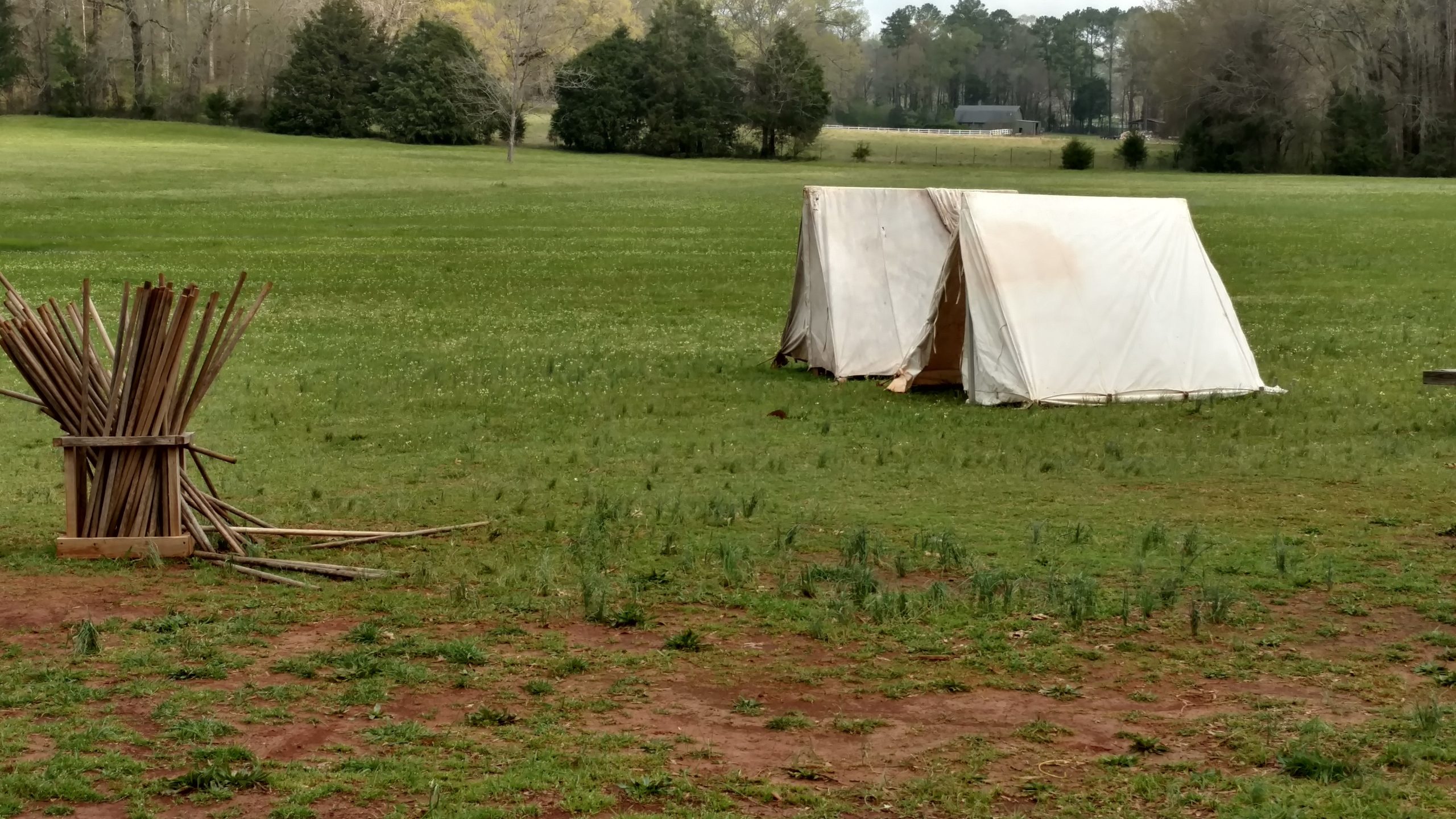
Messy camps invite problems, not just from animals but from weather and fatigue. Pros keep gear organized, food sealed, and trash managed immediately. This reduces time spent searching for items and prevents contamination. Clean camps also make it easier to respond quickly to changes, like sudden rain or wildlife movement. Experienced campers develop habits that minimize loose items and clutter. They know disorder increases stress, especially after dark. A tidy camp isn’t about aesthetics; it’s about efficiency and safety. This discipline often goes unnoticed, but it’s one of the clearest signs of an experienced outdoors person.
7. Sound Carries Farther Than You Think
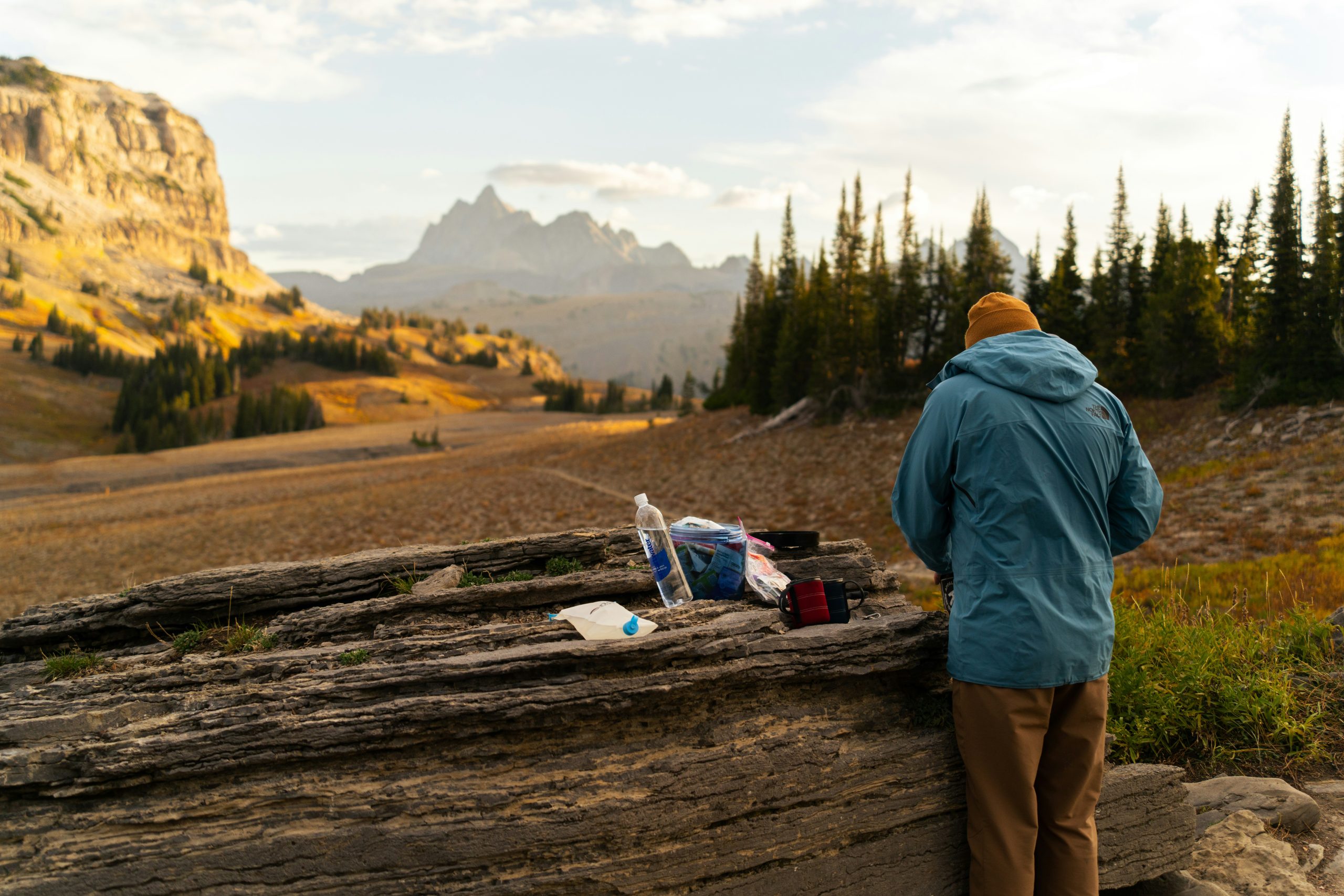
Professionals are always aware of how sound behaves outdoors. Voices, metal clanking, and zippers carry farther at night and across water. This affects wildlife encounters and campsite privacy. Experienced campers adjust their behavior accordingly, moving deliberately and minimizing unnecessary noise. They also listen more than they speak, picking up on distant weather, animals, or human activity. This awareness helps with navigation and safety. Sound management is rarely discussed, but it plays a role in staying unnoticed, calm, and connected to surroundings. Quiet camps are not just peaceful; they are more informed and controlled.
8. Navigation Skills Matter Even on Familiar Trails

Pros never assume familiarity equals safety. Trails change due to weather, erosion, and growth. Campsites disappear, landmarks shift, and signs go missing. Experienced campers regularly check bearings, landmarks, and time-distance estimates even in known areas. They carry backups to digital navigation and know how to use them. This habit prevents small errors from becoming major detours. Navigation awareness also builds confidence, reducing anxiety when visibility drops. Pros know that getting slightly lost wastes energy and morale. Staying oriented at all times is a discipline, not a reaction.
9. Comfort Is Created, Not Packed

Seasoned campers know comfort comes from routines, not gear volume. They manage layers carefully, adjust schedules to daylight, and pace themselves realistically. Small adjustments like venting shelters or timing breaks prevent discomfort before it builds. Pros don’t chase luxury items; they refine systems. Comfort also includes mental pacing, allowing time for rest and observation. This reduces burnout and mistakes. Beginners often overpack to chase comfort, while professionals simplify. Comfort emerges from awareness, preparation, and adaptability. This mindset keeps trips enjoyable even when conditions aren’t ideal.
10. The Exit Plan Is As Important As the Route In

Professionals always know how they’ll leave before they arrive. They identify alternate routes, bailout points, and time thresholds. This planning removes pressure during unexpected events. Knowing when to turn back is a skill, not a failure. Pros track weather windows, daylight, and energy reserves with honesty. This discipline prevents risky decisions driven by pride or sunk cost. Exit planning also reassures group members, improving morale. Experienced campers rarely talk about this openly, but it’s one of the most important habits they practice. A good exit plan turns uncertainty into control.