Planning your first multi-day camping trip can feel exciting and a little overwhelming, but with a few smart habits, you can make the experience smooth and memorable. From packing essentials to staying comfortable in the wild, a little preparation goes a long way. Knowing how to balance comfort with practicality helps you enjoy every moment outdoors. These tips will guide you through the basics so you can relax, explore, and make the most of your adventure.
Plan Your Campsite Early
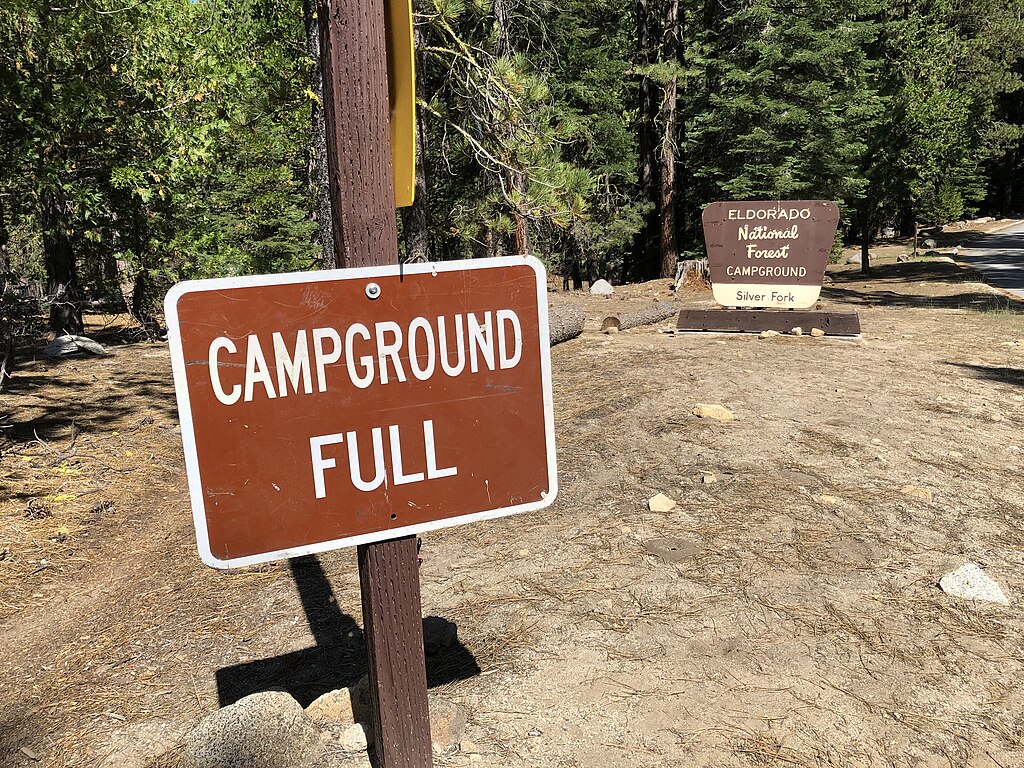
Choosing your campsite ahead of time ensures a smooth start to your trip. Research the area, check accessibility, and confirm reservations if needed. Knowing the terrain and available amenities helps you pack appropriately. Arriving early lets you set up before dark, giving you more time to settle in and enjoy your surroundings without rushing through important setup tasks.
Pack Smart and Light
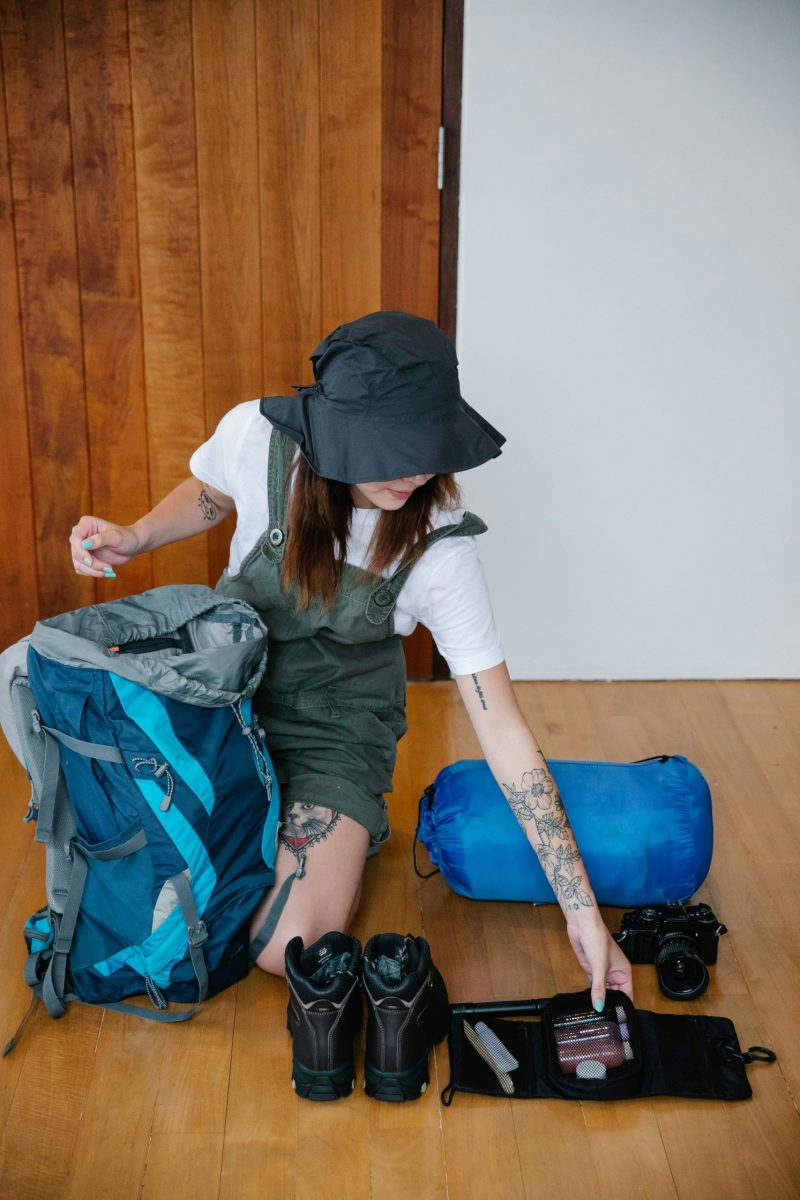
Overpacking can make travel difficult, while forgetting essentials creates stress on the trail. Focus on multi-use items, layered clothing, and compact cooking gear. Keep your load balanced and accessible by organizing with small bags or compartments. A well-thought-out pack makes hiking easier and keeps you comfortable throughout your journey without weighing you down.
Test Your Gear First
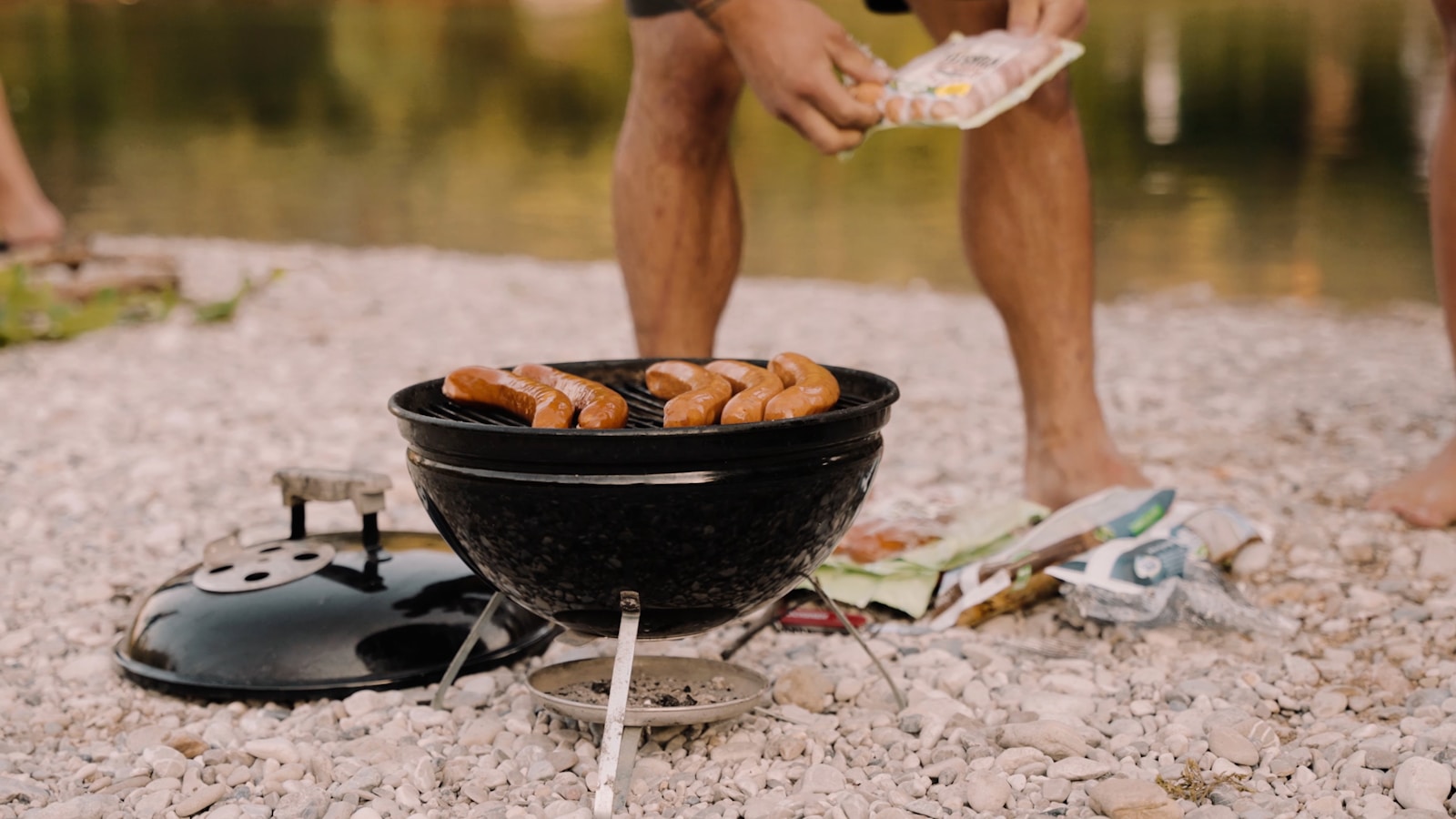
Before heading out, test your tent, stove, and sleeping setup at home. Familiarizing yourself with your gear prevents surprises in the field and ensures everything works properly. Practicing the setup also saves time once you arrive at camp. A quick trial run builds confidence and reduces frustration when the weather or daylight becomes unpredictable.
Plan Your Meals Ahead

Meal planning helps keep energy levels high and waste low. Prepping ingredients at home and packing lightweight, easy-to-cook meals saves effort on-site. Choose options that require minimal cleanup and provide balanced nutrition for long days outdoors. Having meals ready means more time to relax by the fire instead of scrambling for food ideas.
Stay Hydrated and Prepared
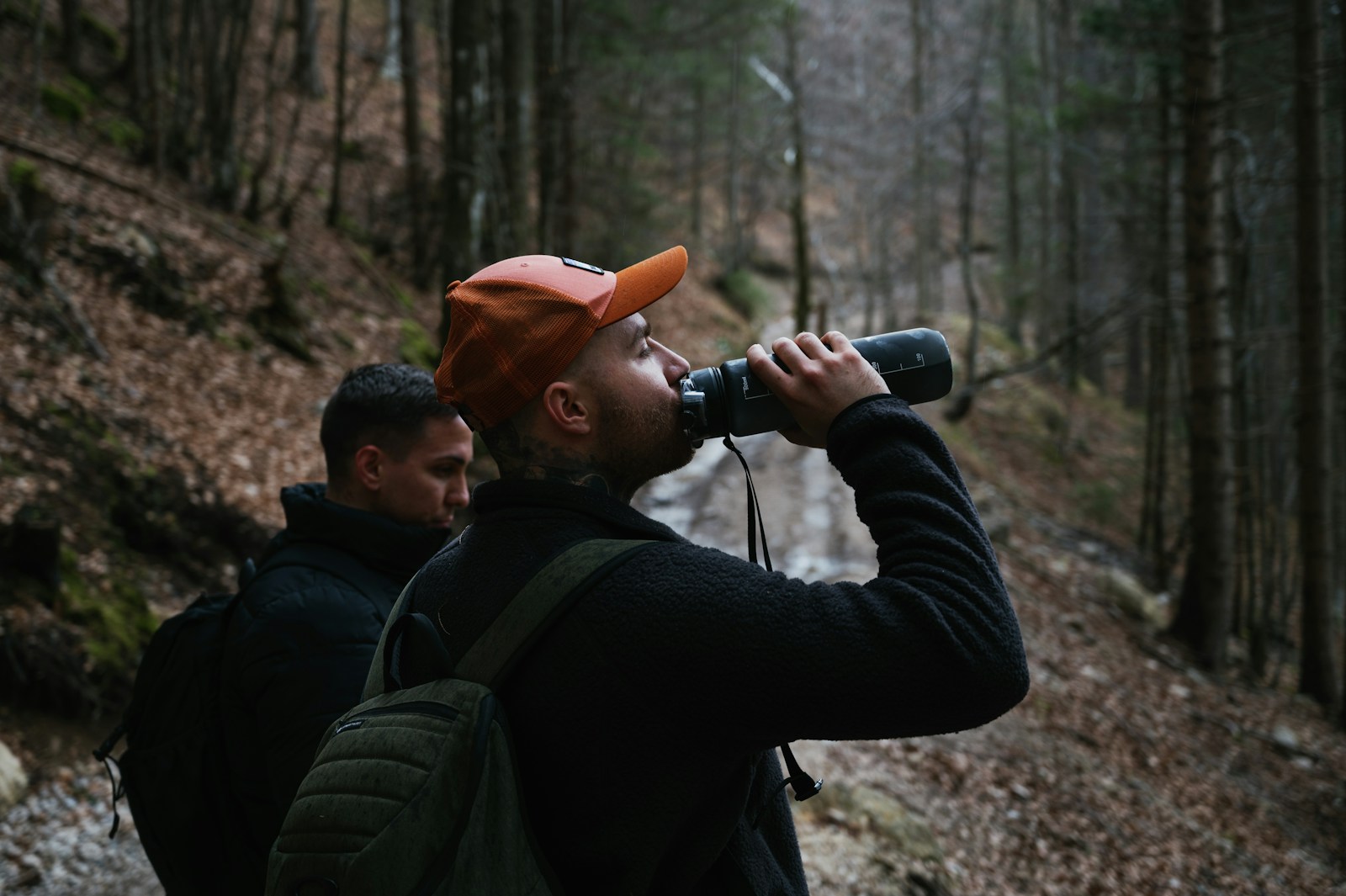
Water is your most important supply on any trip. Bring a reliable filtration system and plan water stops along your route. Drinking regularly keeps you energized and alert, especially in warm or high-altitude conditions. Always carry a backup purification method, like tablets, in case your main system fails or natural sources run dry.
Dress in Layers
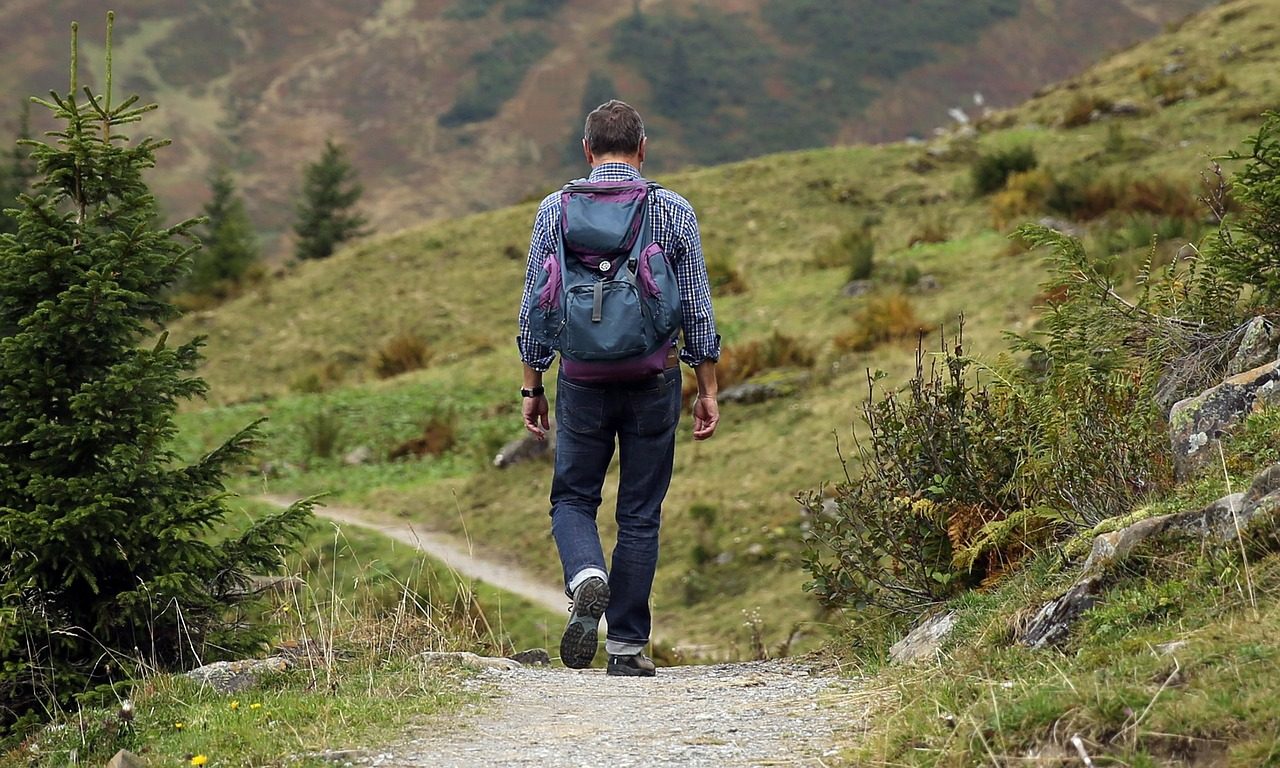
Weather can shift quickly, so dressing in layers keeps you comfortable and adaptable. Start with moisture-wicking fabrics, add insulating layers, and top with a waterproof shell. Avoid cotton since it traps moisture and cools your body down. Layering lets you regulate temperature easily without overpacking bulky items you might not need.
Keep a Clean Campsite
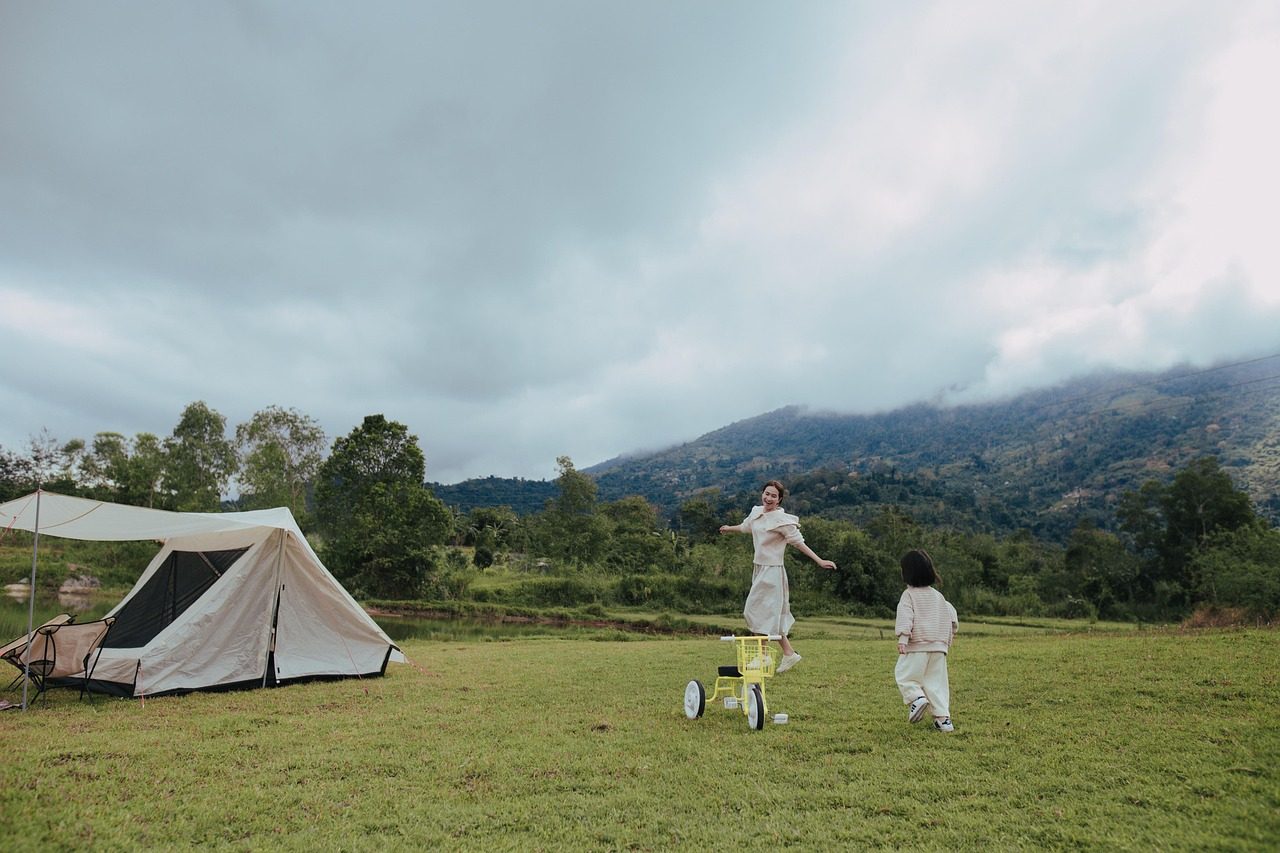
Maintaining cleanliness helps protect wildlife and keeps your gear safe. Store food securely in sealed containers and dispose of waste properly. Keeping your campsite tidy prevents unwanted animal visitors and reduces environmental impact. Leaving no trace ensures others can enjoy the same pristine landscape you came to experience.
Bring a First Aid Kit
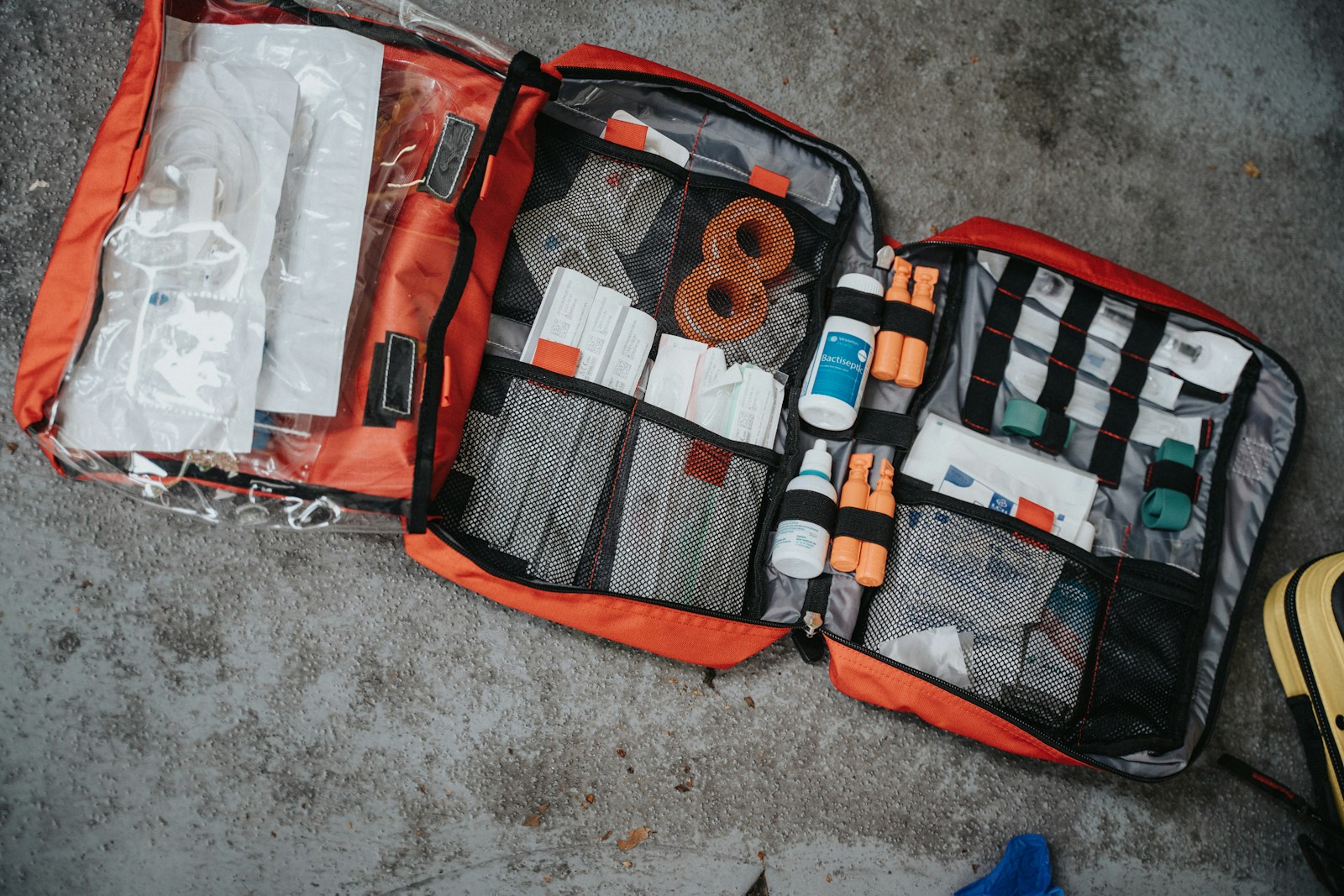
A well-stocked first aid kit is essential for handling minor injuries or emergencies. Include items like bandages, antiseptic wipes, and pain relievers. Knowing how to use them effectively is just as important as carrying them. Regularly checking and restocking your kit before each trip helps you stay ready for anything unexpected.
Protect Yourself from the Elements
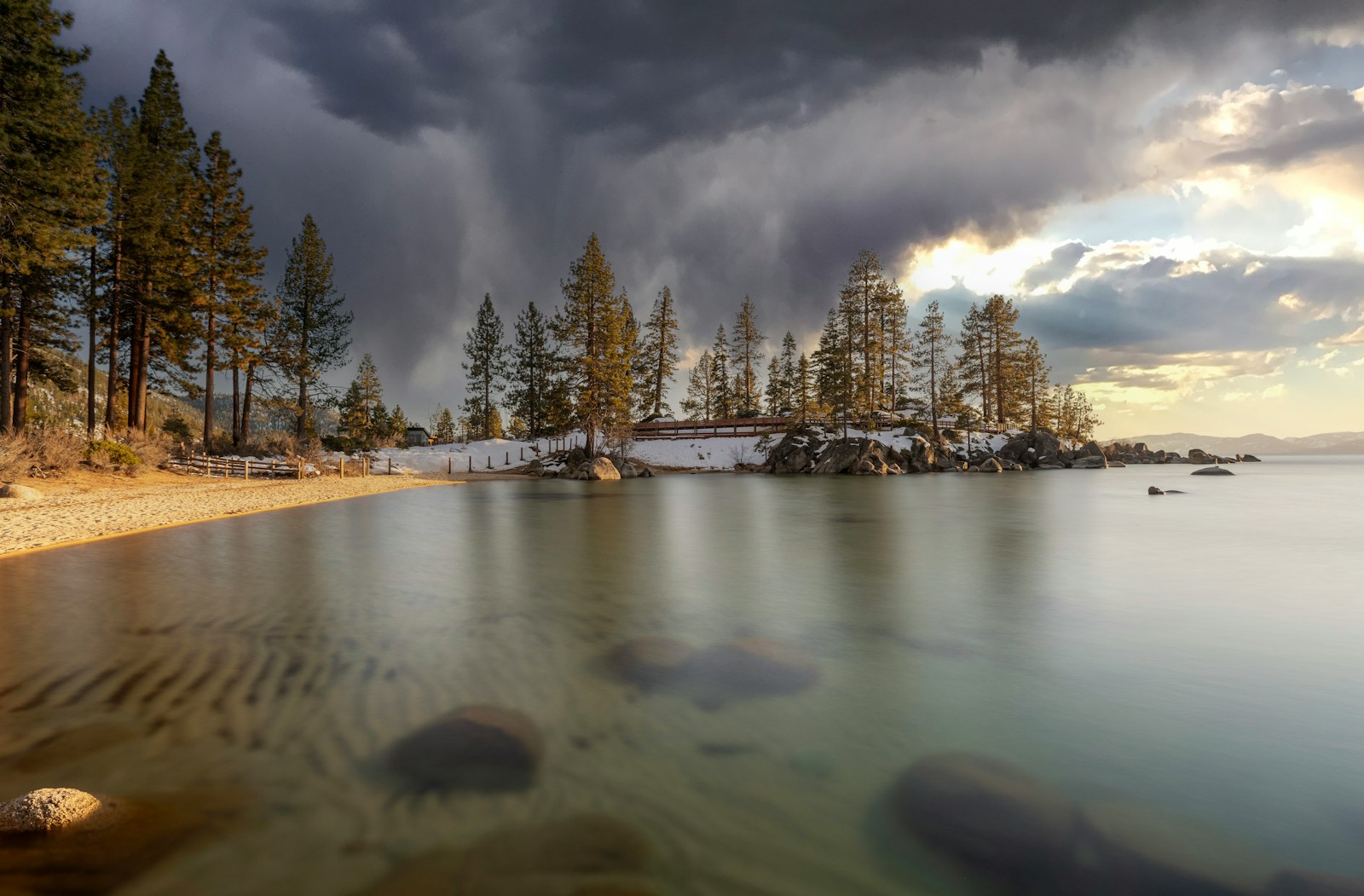
Sun, insects, and unpredictable weather can take a toll on your trip. Pack sunscreen, bug spray, and a hat to stay protected. Setting up camp with natural shade and windbreaks helps you stay comfortable through changing conditions. Preparing for nature’s challenges makes every moment outdoors more enjoyable and stress-free.
Respect Quiet Hours and Wildlife
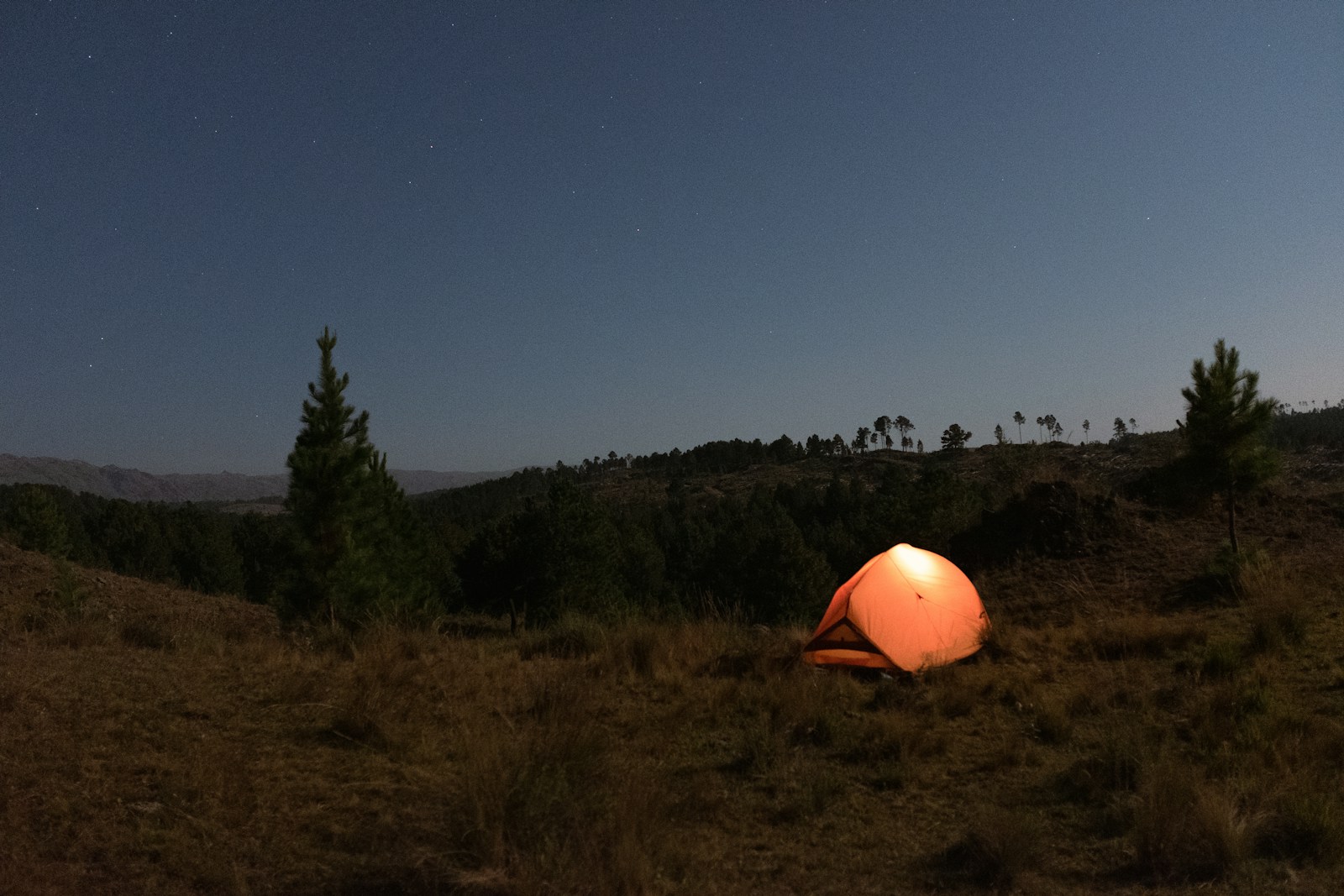
Nature thrives on balance, and being a mindful camper keeps it that way. Keep noise levels low, respect posted quiet hours, and observe animals from a distance. Avoid feeding wildlife or leaving food scraps behind. Following basic etiquette keeps the outdoors peaceful for everyone and preserves habitats for future adventurers.