
Garages feel like a convenient place to store ammunition. They are out of the way, easy to access, and often already used for tools and gear. The problem is that garages create environmental conditions that most people do not fully consider. Temperature swings, moisture, and everyday activity slowly affect ammunition quality and safety. These issues rarely cause immediate problems, which is why they are often overlooked. Understanding these common storage mistakes helps prevent reliability issues, material degradation, and unnecessary risk over time.
1. Exposing Ammo to Extreme Temperature Swings

Garages heat up during summer and cool rapidly during winter. These repeated temperature swings slowly degrade ammunition components. Powder stability can be affected, and primers become less reliable over time. Even sealed boxes are not immune to constant expansion and contraction. Because ammo often looks unchanged, people assume it is still fine. The damage happens internally and appears later as misfires or inconsistent performance. Garages without climate control create one of the most common long-term storage problems. Stable temperatures matter more than short-term convenience when storing ammunition for extended periods.
2. Ignoring Moisture and Humidity Levels

Moisture is a silent threat in garages. Condensation forms during temperature changes, especially in humid regions. Ammo stored near concrete floors or exterior walls absorbs moisture slowly. Brass can corrode, and steel cases may rust. Cardboard packaging traps humidity instead of protecting against it. These changes happen gradually and often go unnoticed until corrosion is visible. Once moisture damage begins, it cannot be reversed. Garages without humidity control require extra precautions. Many people underestimate how quickly damp air affects ammunition integrity over months or years.
3. Storing Ammo in Original Cardboard Boxes
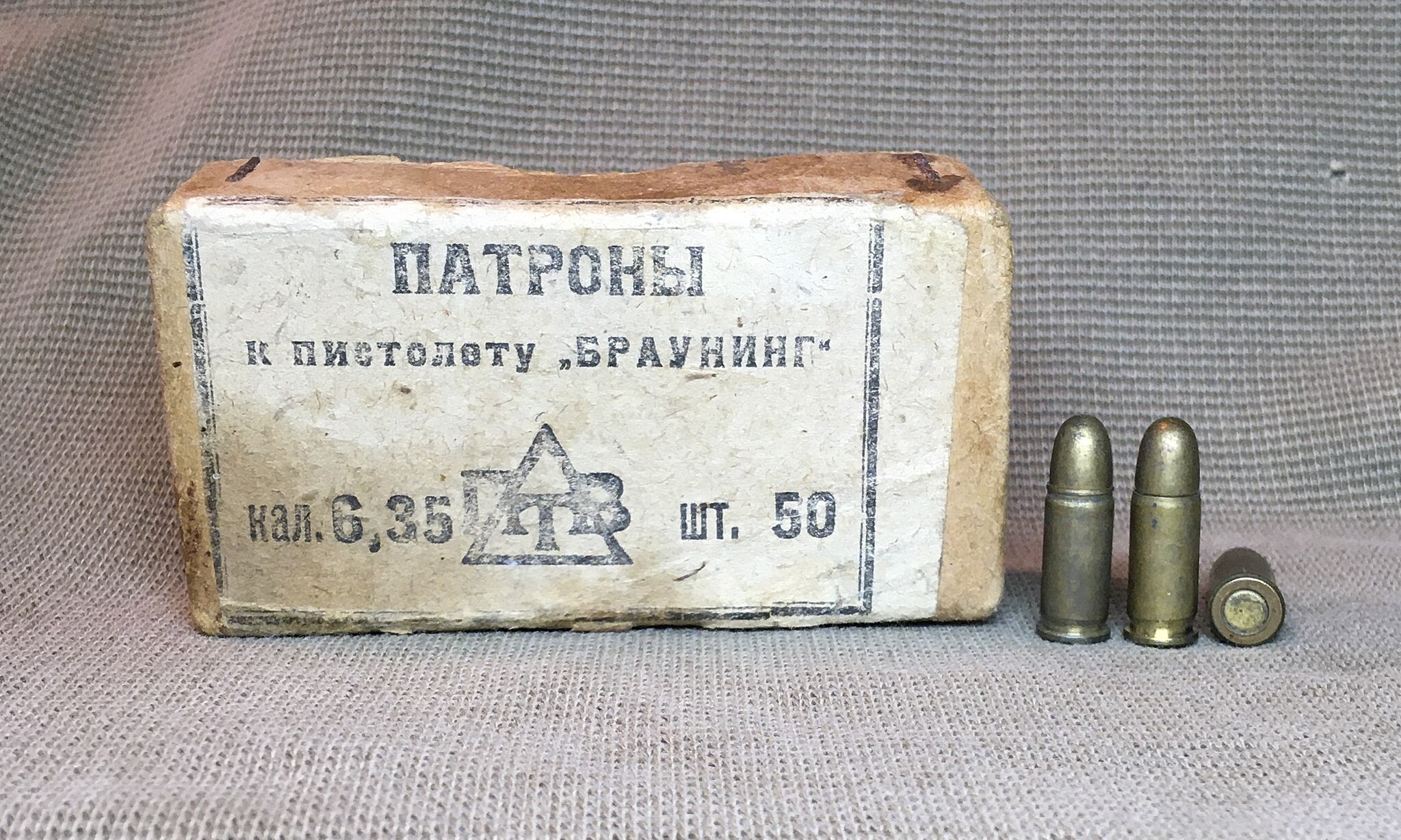
Cardboard packaging is designed for transport, not long-term storage. In garages, cardboard absorbs moisture and breaks down over time. Oils, fumes, and dust from vehicles and tools settle into the material. This contamination transfers to cartridges. Labels fade, making identification harder later. Boxes weaken and collapse when stacked, increasing the risk of spills. Because factory packaging feels official, people trust it too much. In a garage environment, cardboard offers minimal protection and creates long-term organization and preservation issues.
4. Placing Ammo Directly on Concrete Floors
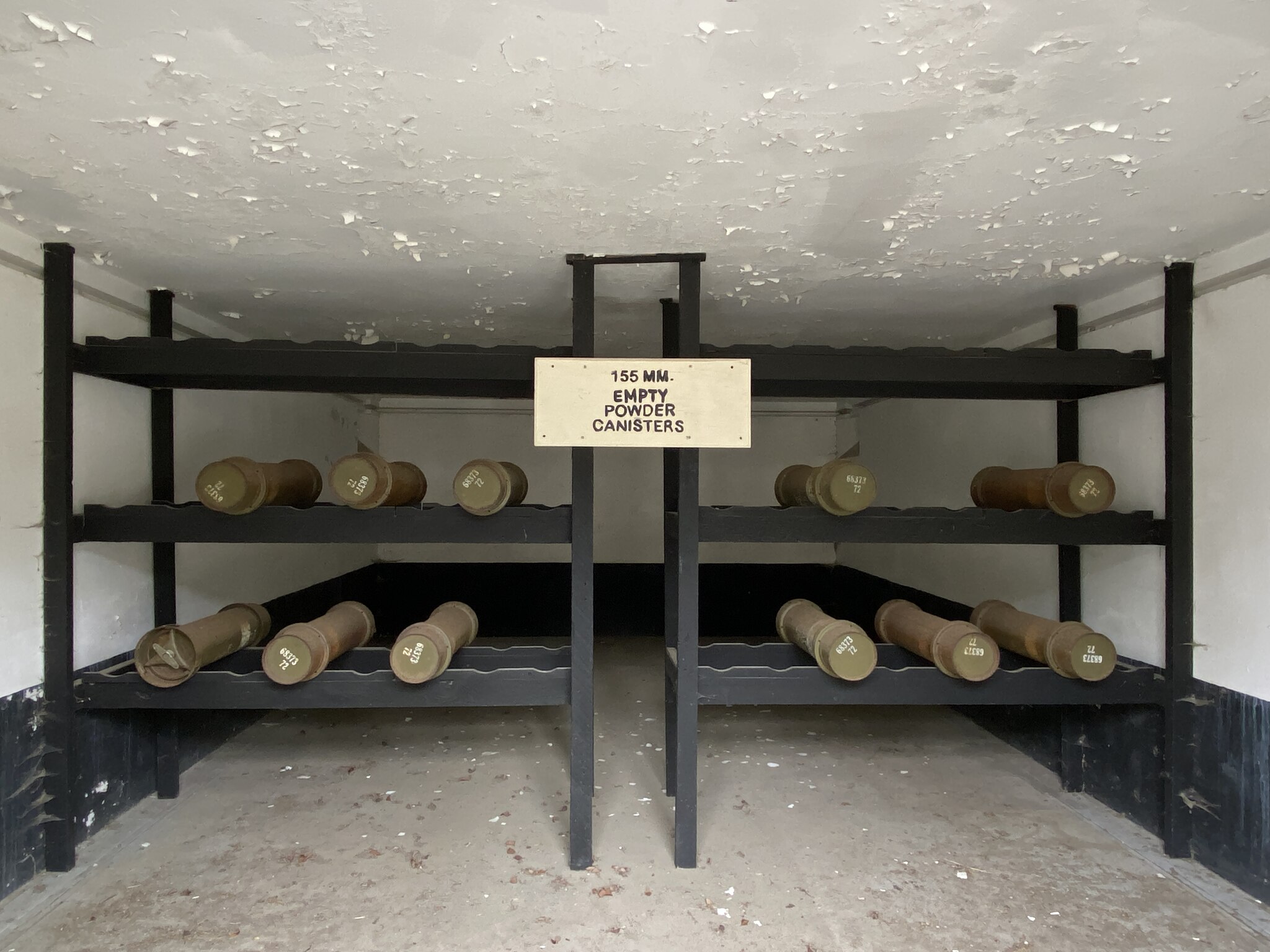
Concrete floors release moisture even when they appear dry. Ammo stored directly on the floor absorbs this moisture through packaging and containers. Temperature differences between the floor and air create condensation. Over time, corrosion forms on cases and primers. Many people store ammo low to save shelf space, unaware of the moisture risk. Even plastic containers can trap damp air underneath. Elevating ammo off the floor reduces exposure significantly. This mistake is common because concrete looks solid and dry, but it constantly transfers moisture upward.
5. Using Non-Sealed Containers
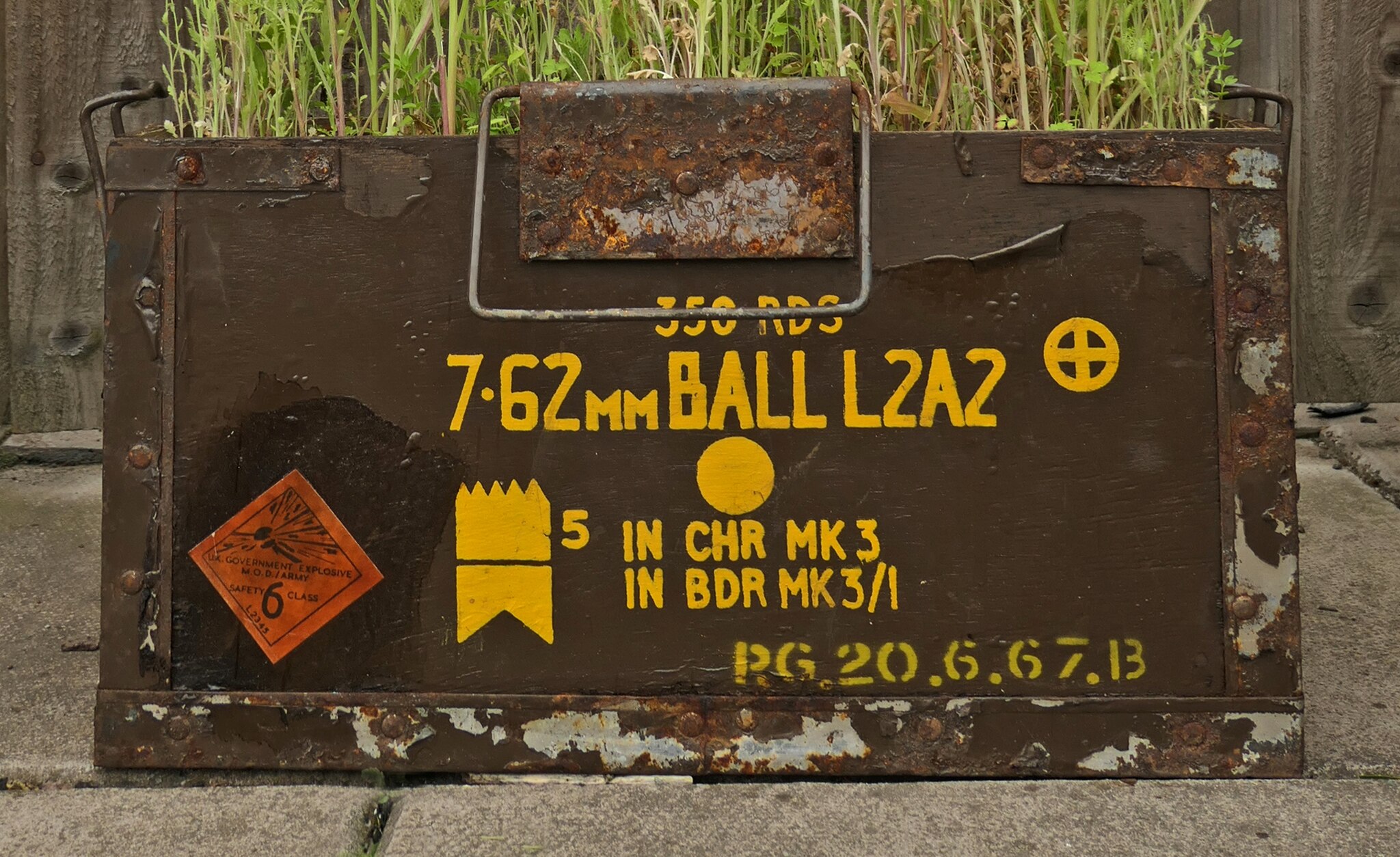
Open bins, toolboxes, or loosely closed containers allow air, dust, and humidity to circulate freely. Garages are not clean environments. Fine metal dust, oils, and exhaust residue settle everywhere. Ammo stored in unsealed containers slowly accumulates contamination. Primers and casings are sensitive to chemical exposure. The damage is gradual and invisible at first. Many people believe a lid is enough, but without proper sealing, protection is minimal. Airtight storage matters more in garages than in climate-controlled indoor spaces.
6. Mixing Different Calibers Without Labels

Garages often become catch-all storage spaces. Ammo stored loosely or mixed creates confusion later. Similar-looking cartridges can be mistaken for one another, increasing the risk of improper use. Over time, labels fall off or fade. Without clear organization, people rely on memory, which fails. This mistake is more about safety than preservation. Proper identification prevents loading errors and wasted time. Garages encourage casual storage habits that become problematic when ammo is needed quickly or after long periods of storage.
7. Storing Ammo Near Chemicals and Fuels
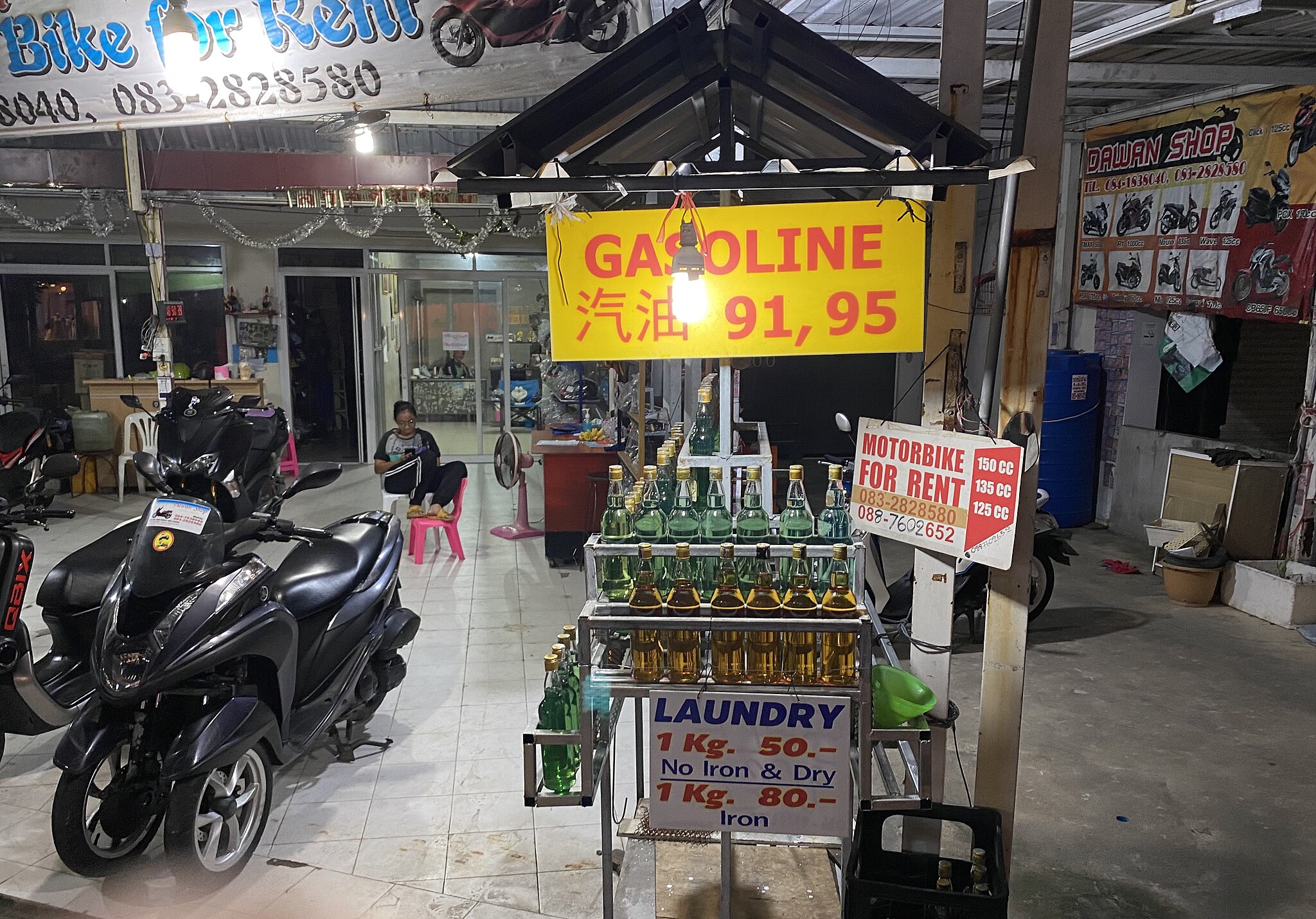
Garages commonly store gasoline, solvents, paints, and cleaning chemicals. These substances release vapors that penetrate packaging over time. Ammunition components can react negatively to chemical exposure, affecting reliability. The smell may be noticeable long before damage is suspected. Many people store ammo wherever space allows, without considering nearby materials. Chemical contamination does not cause immediate failure but increases long-term degradation. Separating ammo from harsh substances reduces unnecessary exposure and preserves performance.
8. Failing to Rotate Stored Ammunition
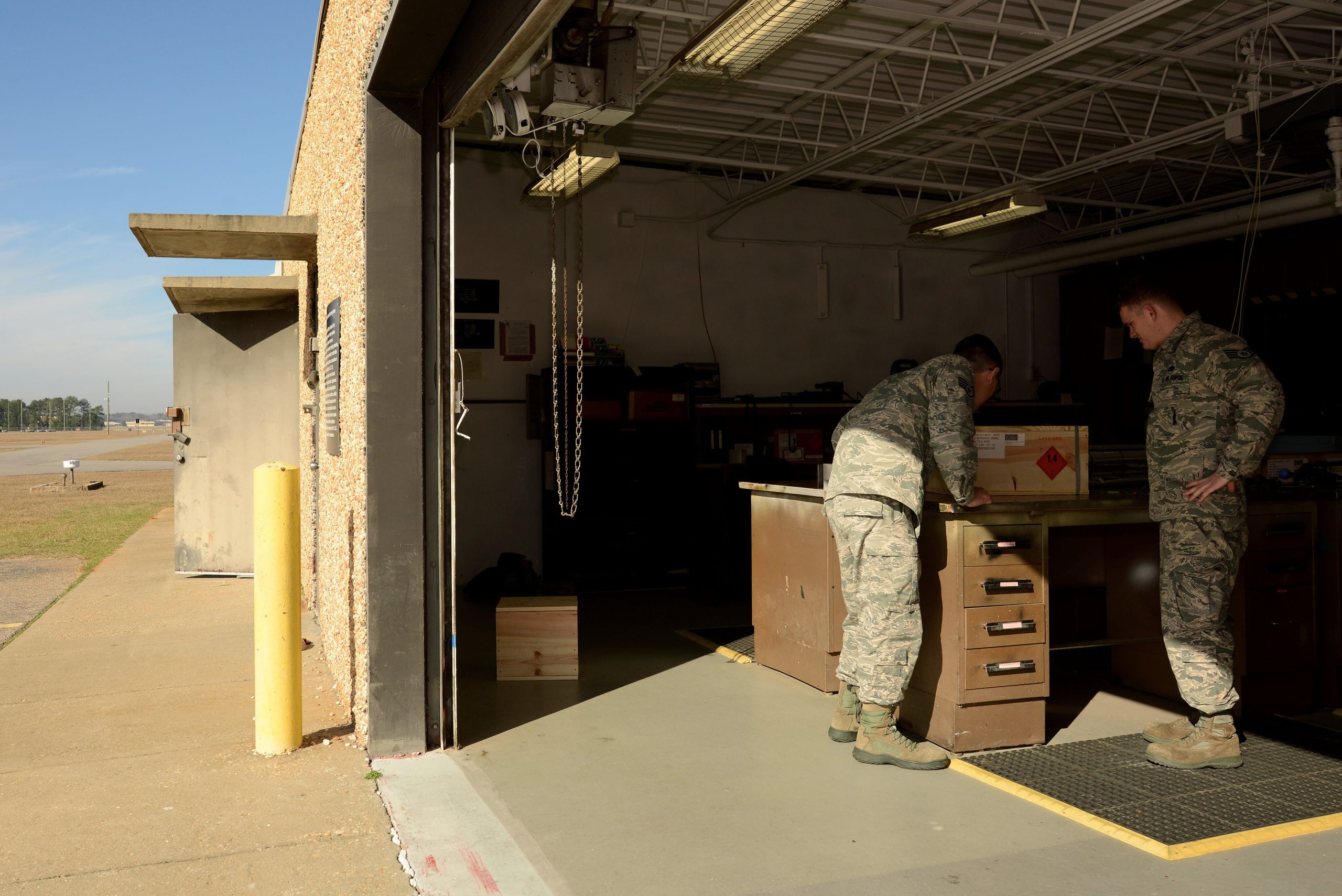
Ammo stored in garages is often forgotten. New purchases go in front while older stock sits untouched. Over the years, temperature and humidity exposure affect older ammo first. Without rotation, degraded rounds remain unnoticed. When eventually used, reliability issues appear unexpectedly. This creates frustration and safety concerns. Rotating stock allows early detection of problems and ensures older ammo is used first. Garages encourage long-term storage without inspection. Regular checks prevent surprises and extend overall usability.
9. Overstacking Heavy Ammo Containers
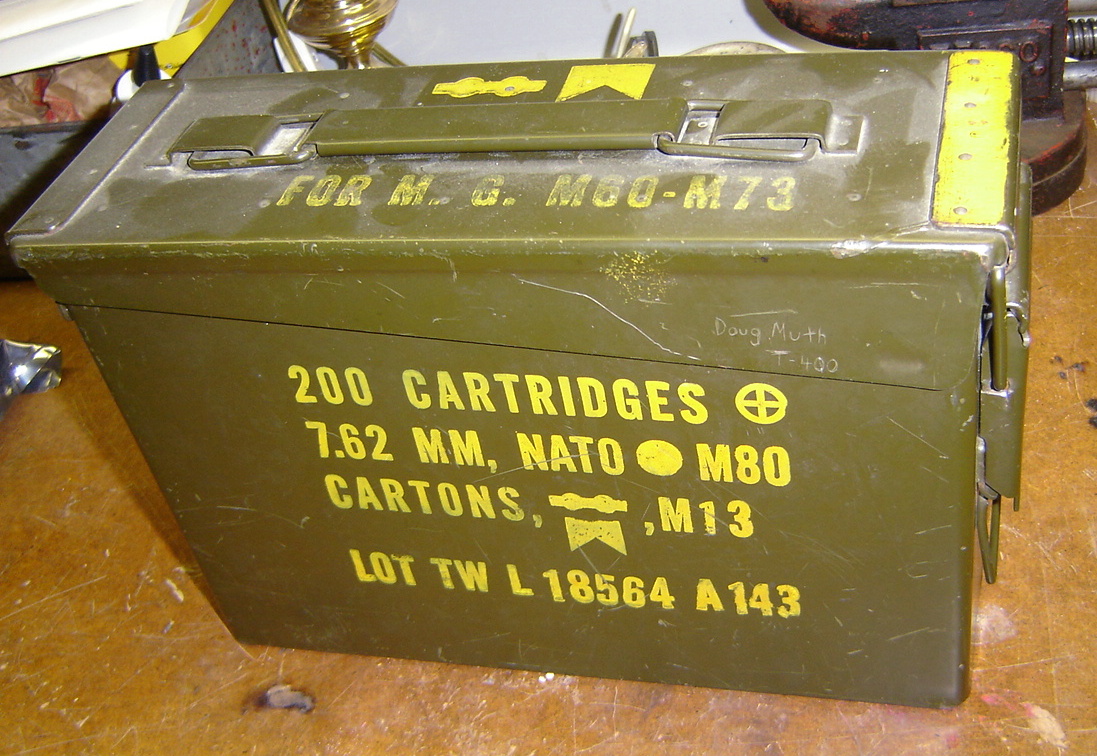
Ammunition is heavy. Stacking containers too high in garages causes stress on lower boxes. Over time, lids warp and seals fail. Plastic containers crack under constant weight, allowing air and moisture inside. Collapses can cause spills and damage. Many people stack vertically to save space, unaware of long-term pressure effects. Garages often lack sturdy shelving designed for heavy loads. Proper weight distribution protects containers and prevents slow structural failure that compromises storage integrity.
10. Assuming the Garage Is Always Secure
Garages are often less secure than the main home. Doors are opened frequently, and locks are sometimes minimal. Ammo stored openly increases unauthorized access risks. Visitors, children, or service workers may enter garages unexpectedly. Even locked cabinets may be easier to access than indoor safes. People assume out of sight equals secure. Garages create a false sense of security. Considering both environmental and access risks is essential. Proper storage balances preservation with responsible control of who can reach the ammunition.