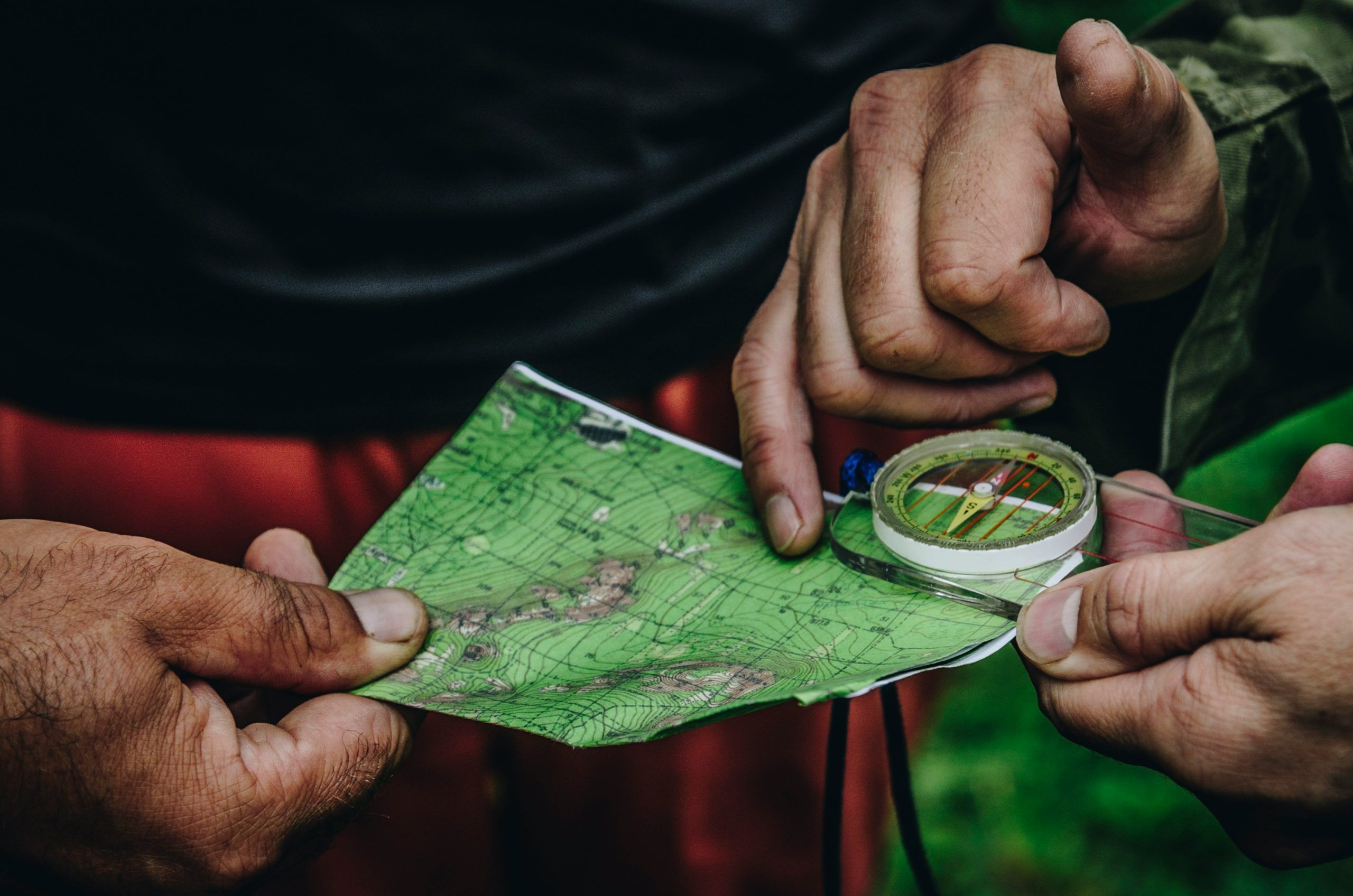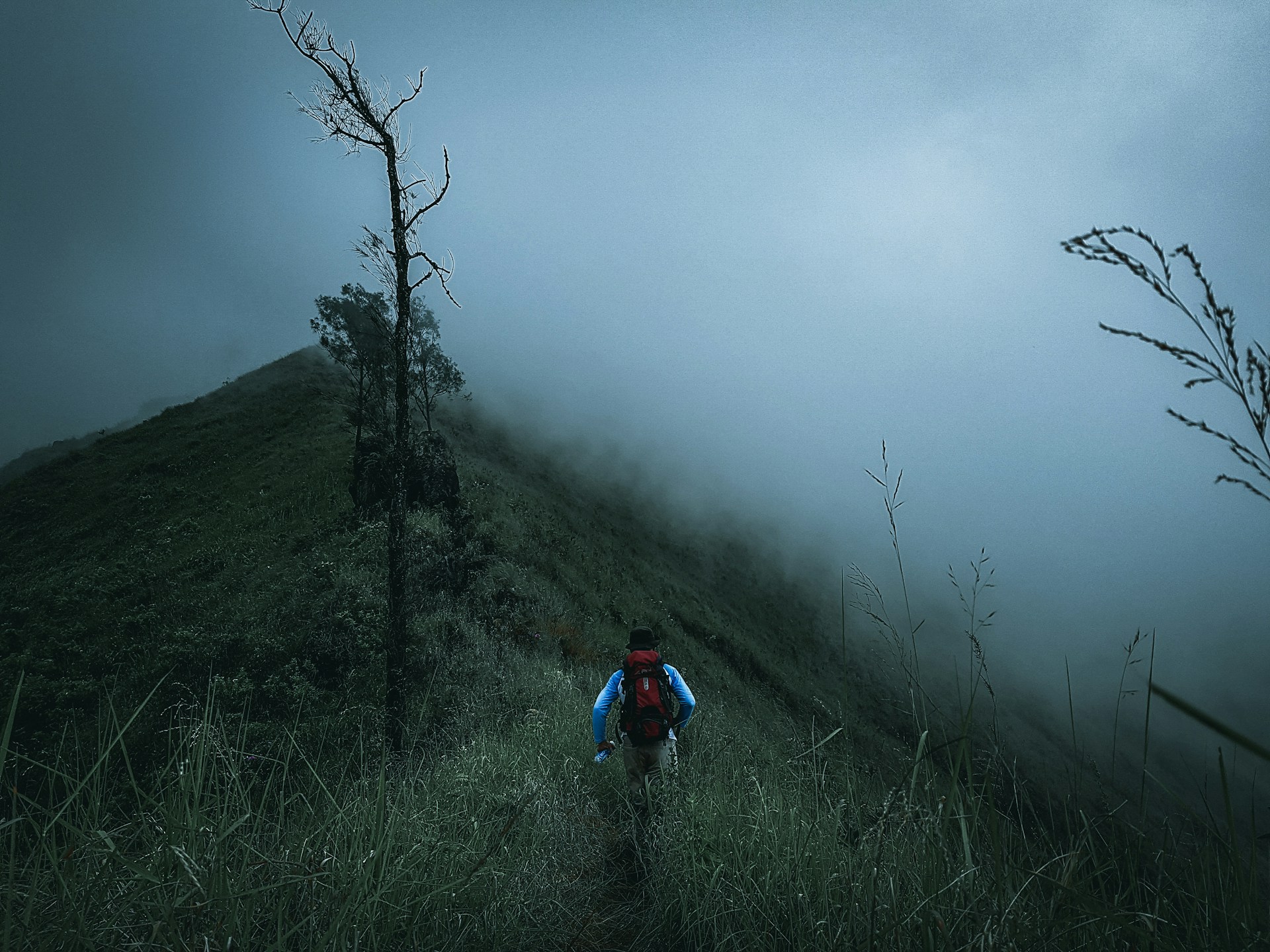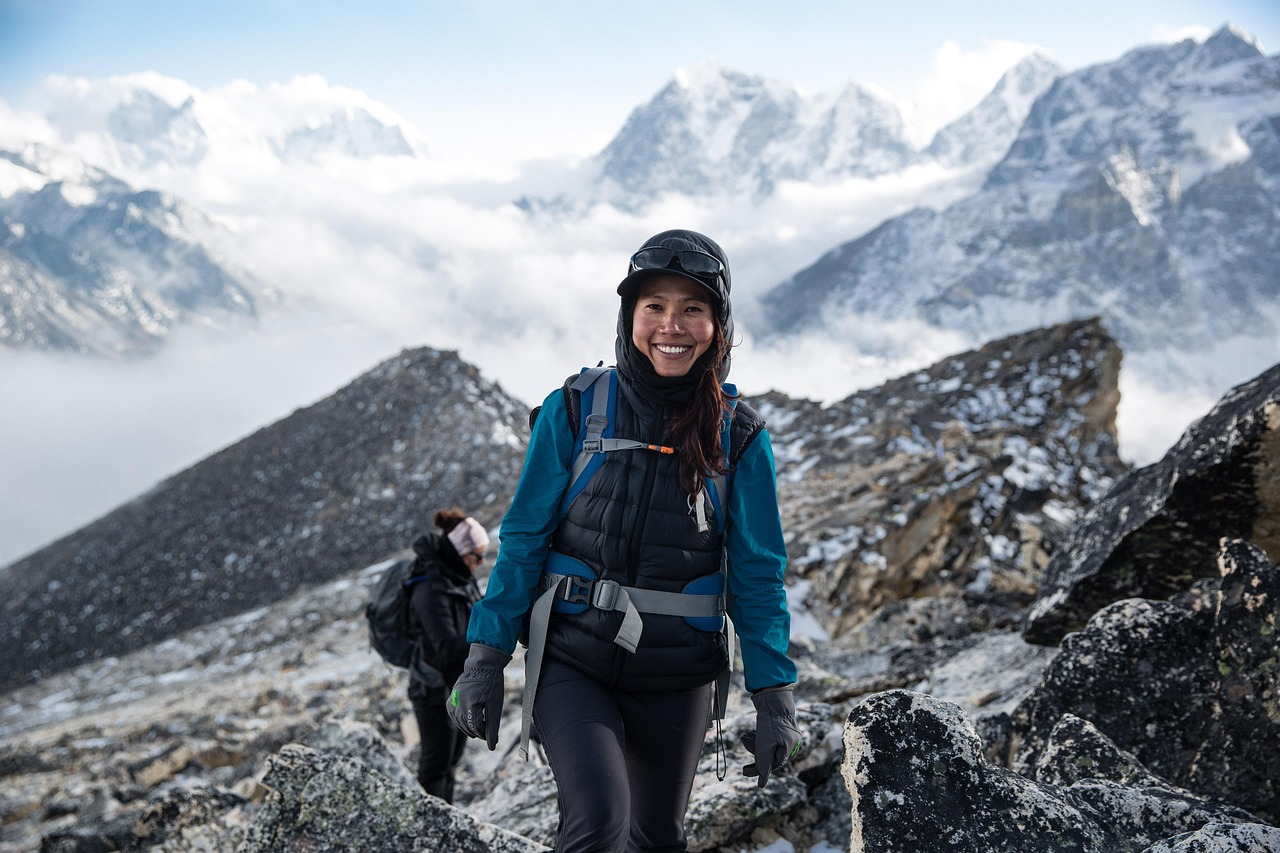
Believing these 10 misconceptions about hiking gear can easily ruin a perfectly planned wilderness adventure. Many outdoor enthusiasts spend small fortunes on heavy equipment that totally fails to improve their actual trail experience. Marketing campaigns convince eager beginners to purchase unnecessary gadgets instead of focusing on essential outdoor skills. Experienced backpackers know that carrying lighter packs often prevents painful joint injuries during long mountain ascents. Proper education helps shoppers avoid expensive mistakes when outfitting their upcoming summer camping trips. Understanding the truth behind popular retail myths ensures hikers stay safe and comfortable while exploring beautiful natural landscapes.
Heavy Boots Provide Better Ankle Support
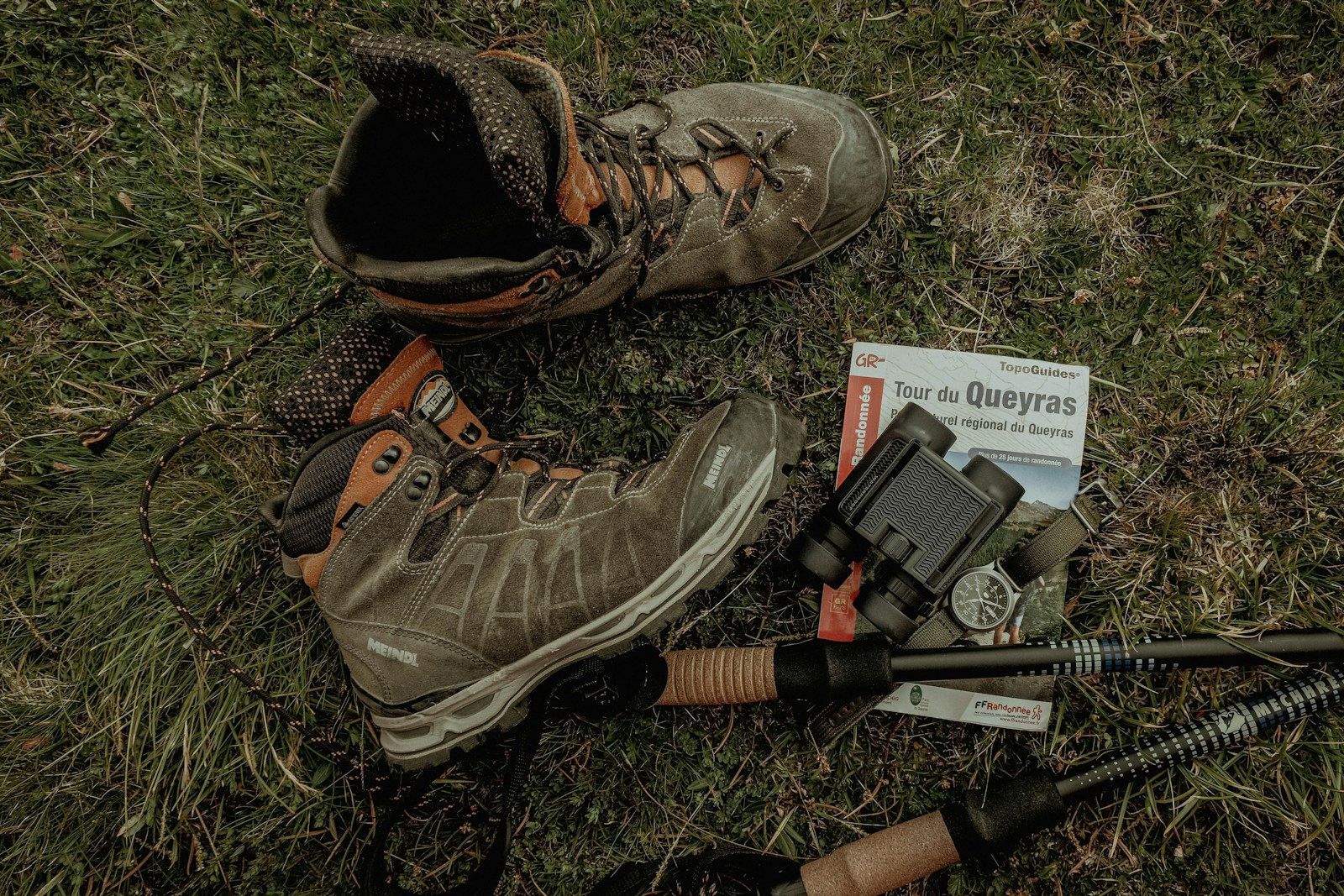
Traditional thinking suggests that bulky leather boots automatically prevent painful ankle sprains on rocky trails. Modern sports medicine reveals that building muscle strength actually provides much better joint stability than rigid footwear. Thick, heavy soles reduce natural foot flexibility and cause severe fatigue during extended backcountry treks. Many experienced hikers now prefer lightweight trail running shoes for navigating difficult mountain terrain. These flexible alternatives allow feet to adapt instantly to uneven surfaces without causing massive blisters. Carrying less weight on the feet significantly increases overall endurance and makes long summer wilderness excursions infinitely more enjoyable for everyone involved.
Cotton Clothing Keeps Bodies Cool
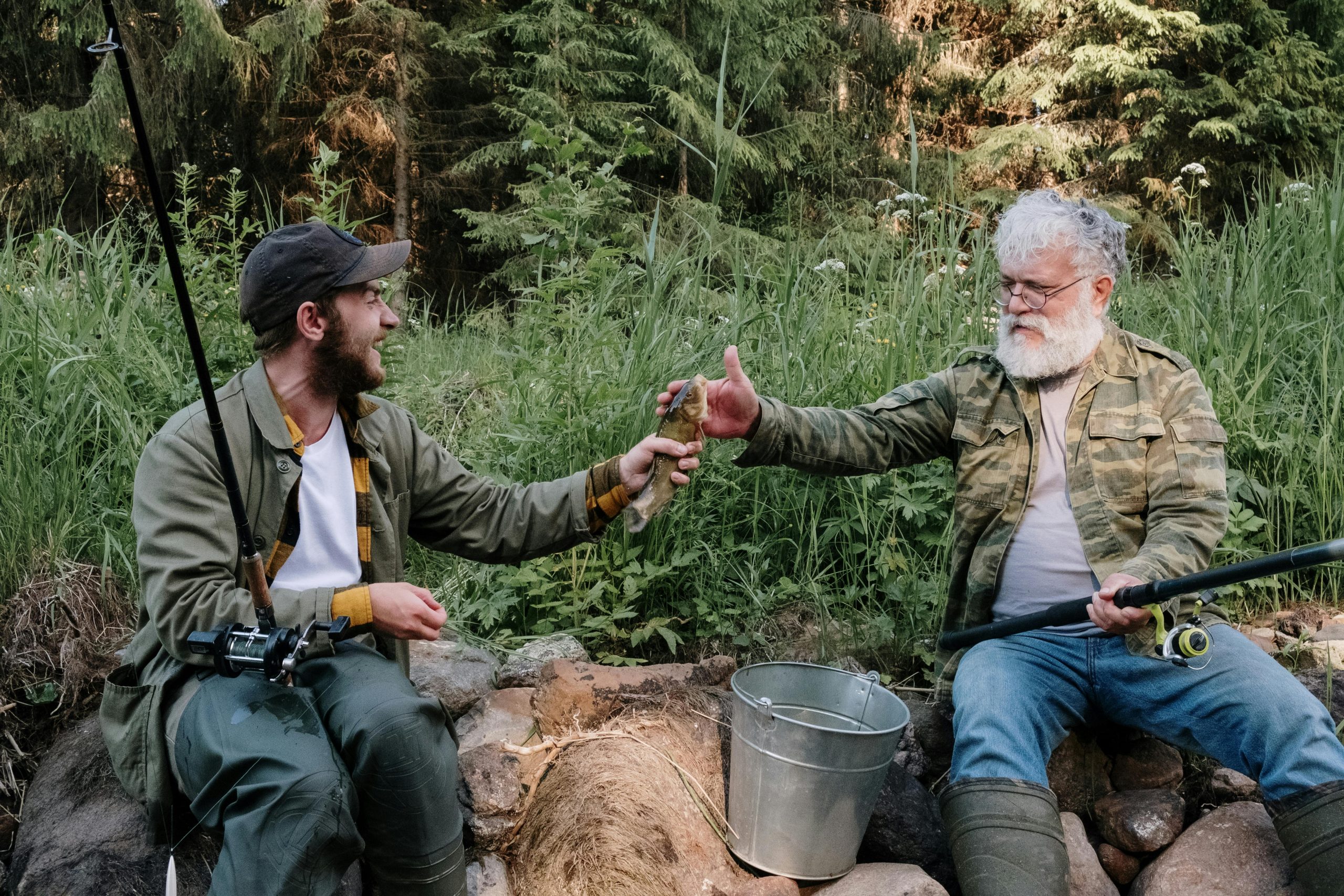
Novice outdoor adventurers frequently assume that basic cotton t-shirts offer superior comfort during hot weather hikes. This common fabric absorbs massive amounts of sweat and refuses to dry quickly in humid conditions. Wet cotton violently pulls heat away from the body once evening temperatures begin dropping rapidly. Chilled hikers face serious hypothermia risks even during seemingly mild summer backpacking trips. Synthetic materials and lightweight merino wool pull moisture safely away from the skin. Investing in proper athletic layers ensures reliable temperature regulation and prevents dangerous chilling when unexpected rainstorms suddenly strike an exposed alpine ridge.
Expensive Gear Guarantees Safety
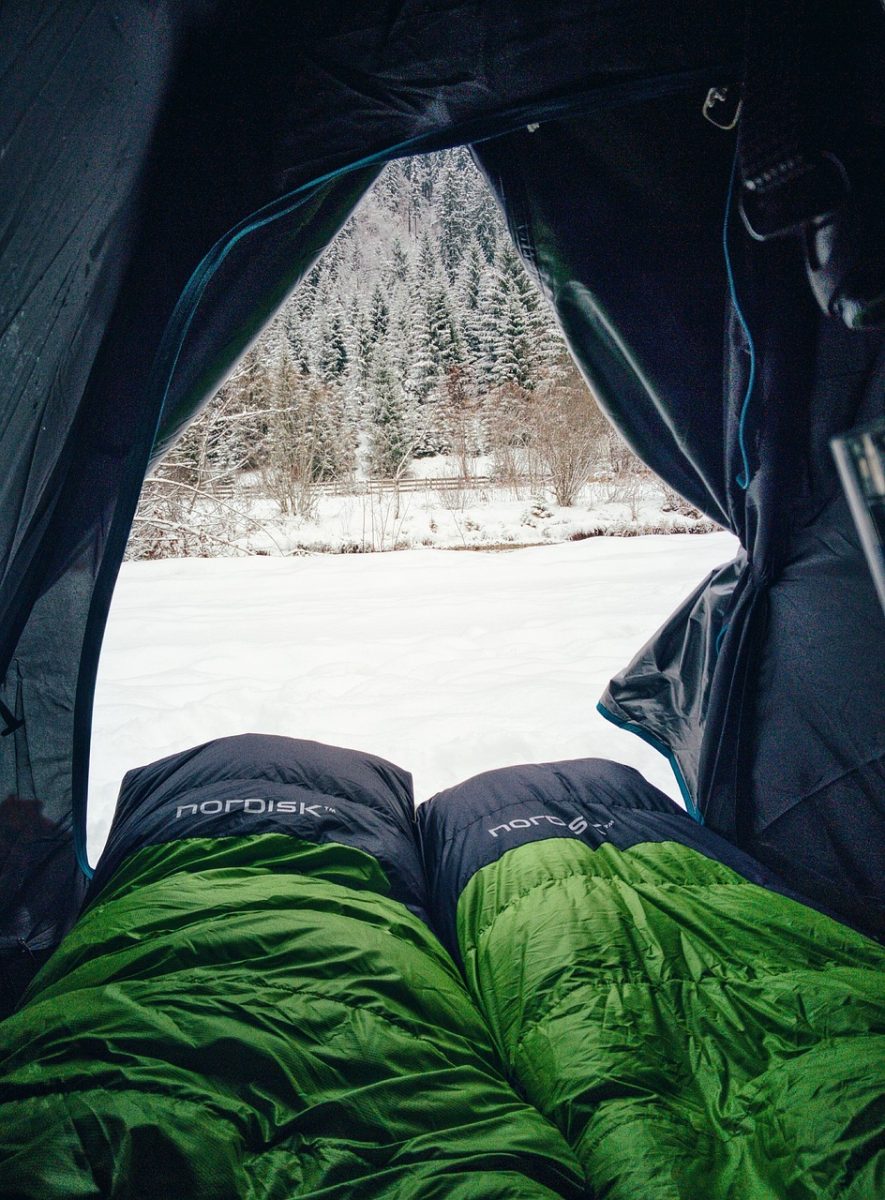
Spending thousands of dollars on premium survival equipment never magically grants outdoor expertise to beginners. High-tech GPS devices cannot rescue lost hikers who ignore basic physical navigation principles. Owning an expensive winter sleeping bag remains totally useless if campers select a flooded tent site. Wilderness survival completely depends on critical thinking and extensive practical experience rather than flashy brand names. A cheap foam pad deployed correctly offers more warmth than a luxurious air mattress set up wrong. Proper wilderness education always provides far more reliable protection than a full shopping cart at a sporting goods store.
More Backpack Capacity Is Always Better
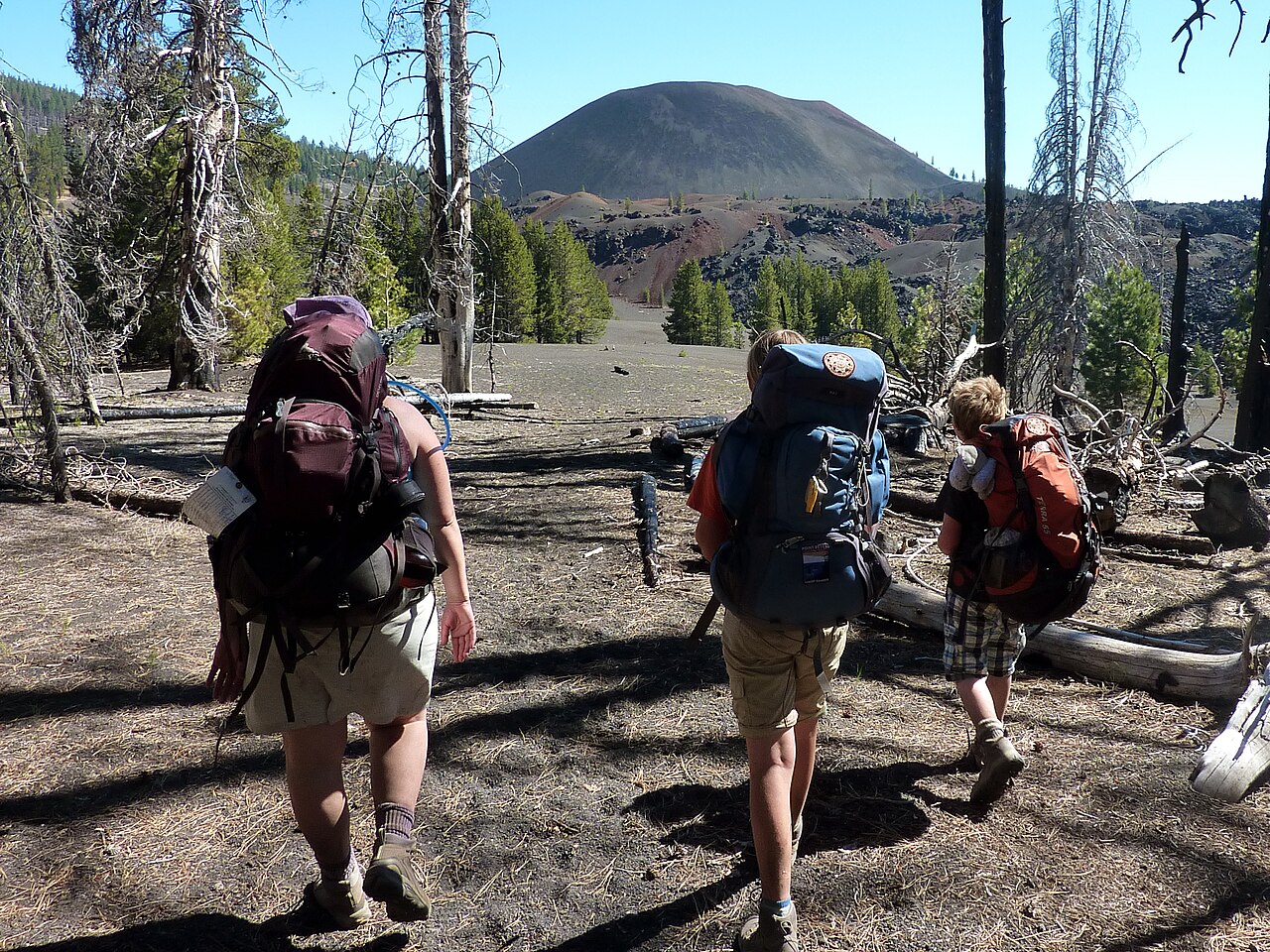
Purchasing a massive expedition backpack inevitably encourages people to overpack useless luxury items. Space inside a large bag subconsciously begs to be filled with extra clothing and heavy camp chairs. Carrying ninety liters of equipment forces hikers to endure agonizing back pain on simple weekend trips. Smaller volume packs naturally restrict gear choices strictly to lightweight essential survival items. Limiting overall cargo weight drastically increases walking speed while reducing sheer physical exhaustion. Smart backpackers utilize fifty-liter bags to enforce strict packing discipline and guarantee a truly comfortable summer journey through beautiful national parks.
Waterproof Jackets Prevent All Moisture
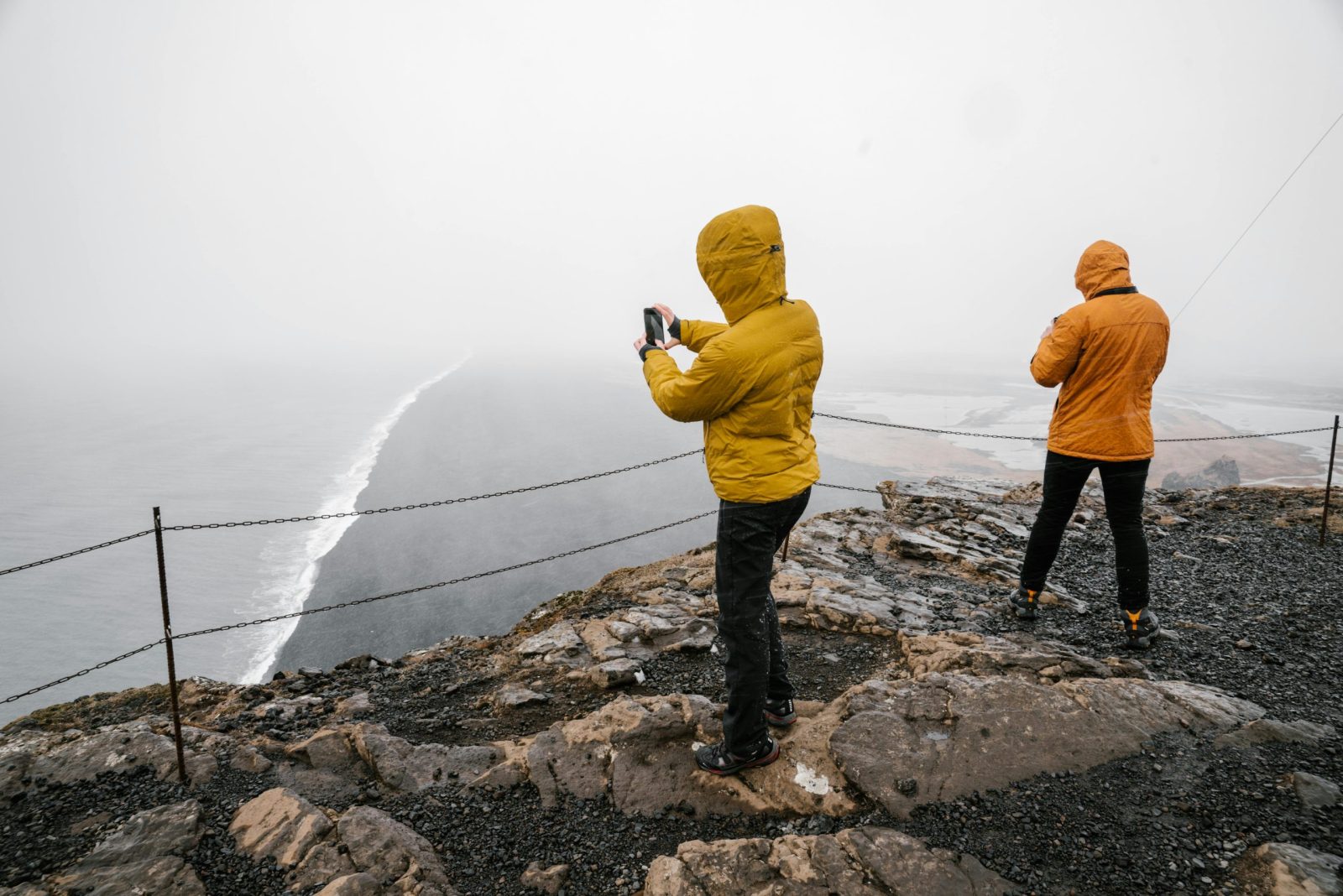
Many consumers mistakenly believe their expensive rain jackets eliminate all dampness during severe outdoor storms. Even the absolute highest quality breathable membranes trap significant condensation inside the garment during strenuous physical activity. Hiking up a steep incline generates intense body heat that quickly overwhelms delicate waterproof fabric layers. People often feel completely soaked from their own sweat despite wearing premium protective outerwear. Proper ventilation requires actively unzipping underarm vents and opening the main collar to release trapped internal moisture. Accepting a small amount of dampness simply remains an unavoidable reality of active wilderness exploration.
Trekking Poles Are Only For Older Hikers
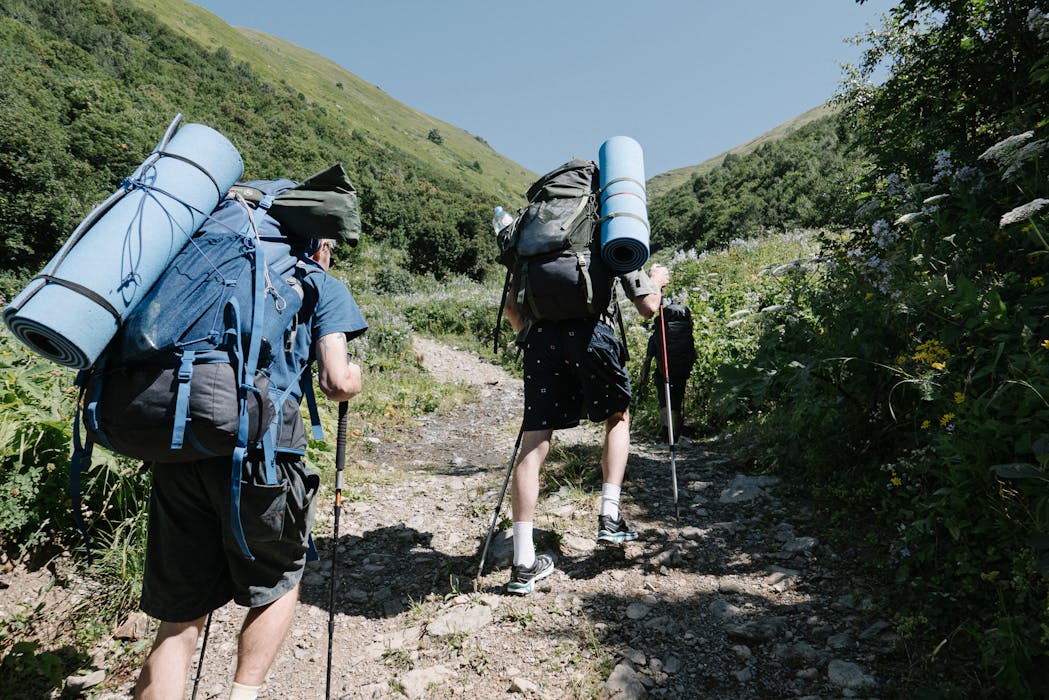
Younger athletes constantly dismiss trekking poles as useless walking crutches meant strictly for elderly outdoor enthusiasts. Medical studies clearly demonstrate that using poles dramatically reduces destructive impact forces on vulnerable knee joints. Four points of contact provide massive stability improvements when crossing treacherous rock fields or raging river currents. Engaging upper body muscles effectively propels hikers forward and preserves vital leg energy for grueling summit pushes. Properly adjusted carbon fiber sticks practically eliminate painful stumbles on steep downhill descents. Wise mountaineers of all ages confidently embrace these crucial tools to protect their long-term physical health.
Sleeping Bag Temperature Ratings Guarantee Comfort
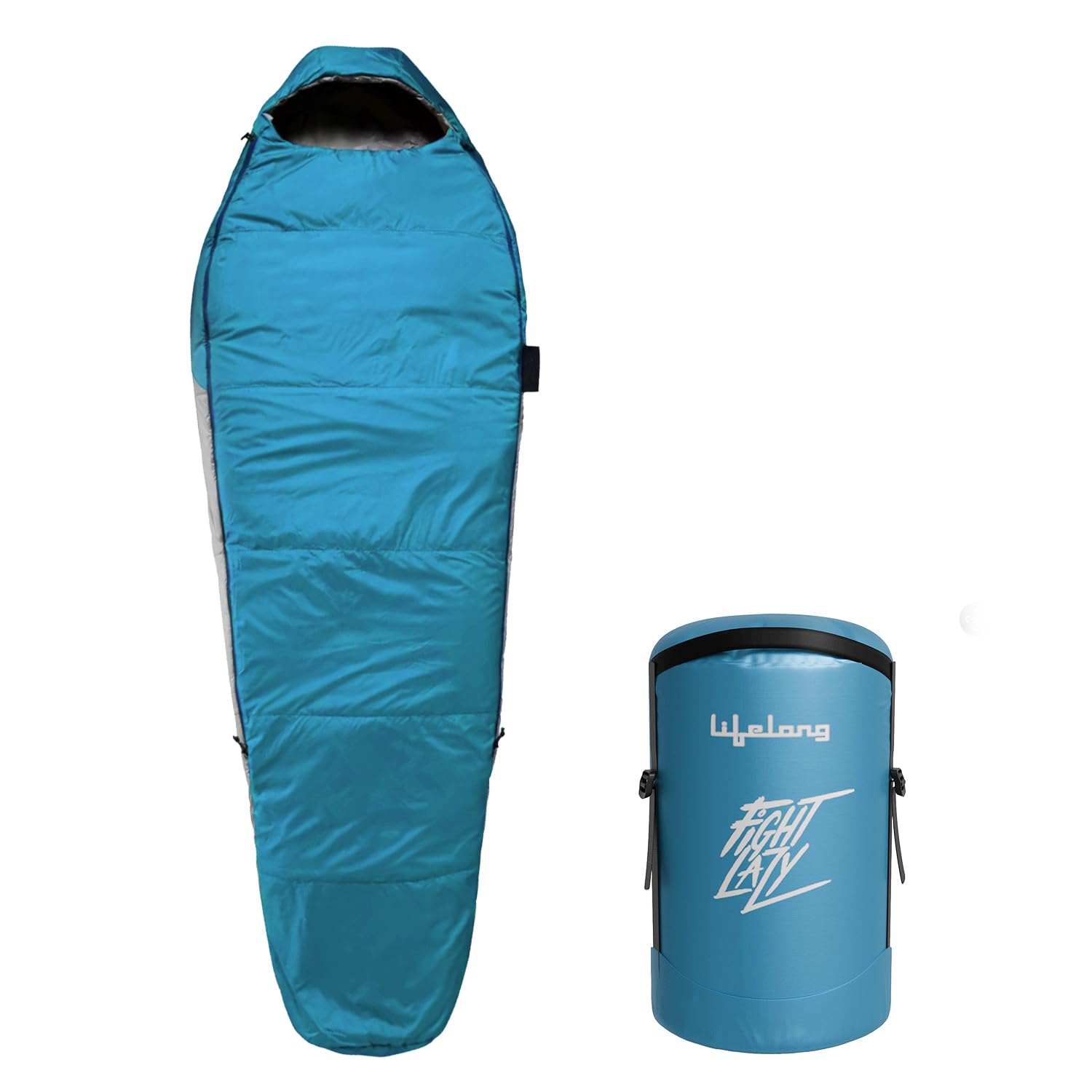
Retail marketing heavily emphasizes standardized temperature ratings that trick shoppers into buying inadequate cold-weather gear. These laboratory numbers solely represent the absolute survival limit rather than a comfortable nighttime resting temperature. A heavily exhausted hiker naturally produces significantly less body heat than a rested laboratory testing dummy. Wind chill and high humidity instantly destroy the advertised warmth of an expensive sleeping bag. Adding extra thermal clothing layers usually becomes necessary to survive freezing temperatures safely. Smart campers simply subtract fifteen degrees from any official manufacturer rating to ensure reliable warmth during icy midnight snowstorms.
First Aid Kits Require Endless Supplies
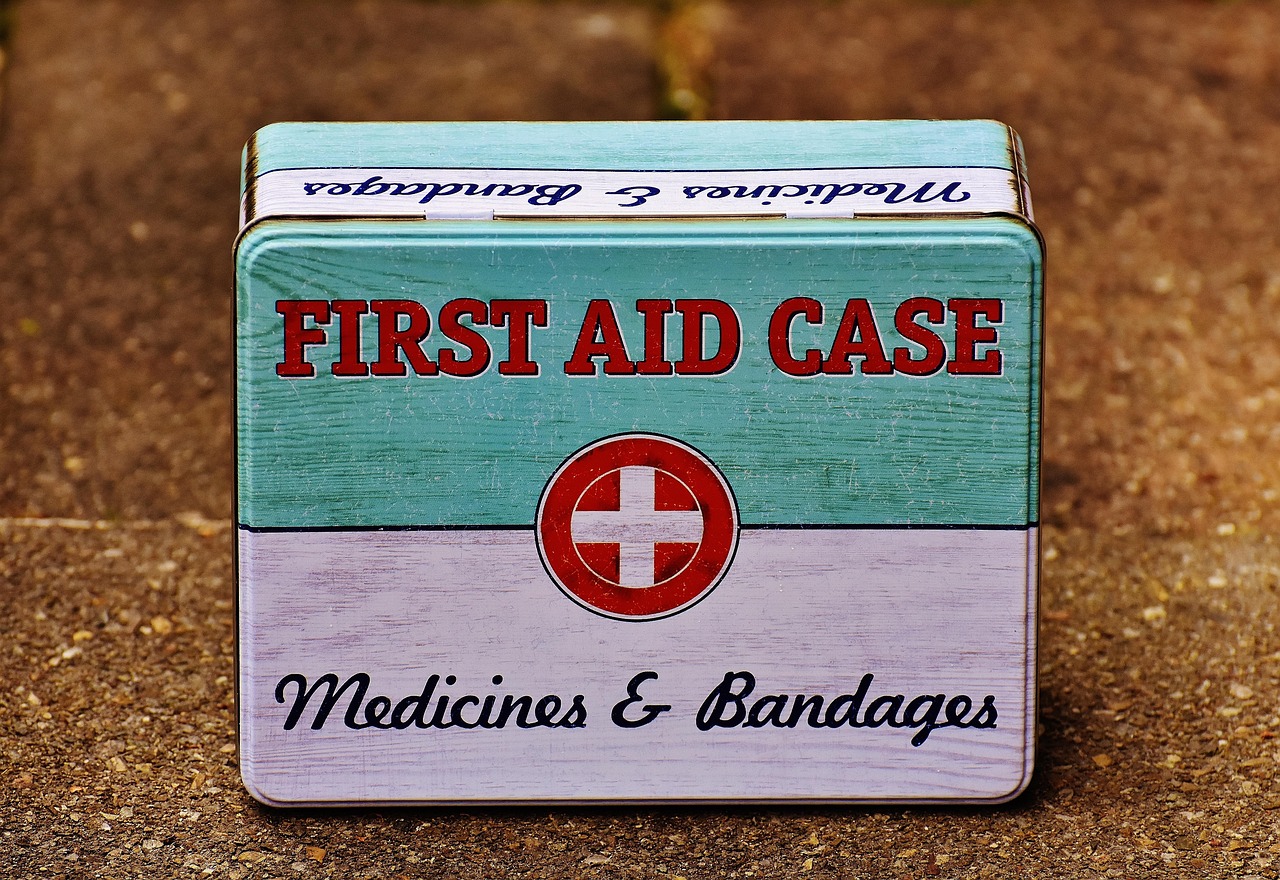
Panicked beginners constantly haul massive medical trauma bags onto peaceful local trails for basic afternoon walks. The vast majority of standard medical emergencies simply involve minor scrapes and annoying heel blisters. Carrying heavy surgical instruments wastes precious backpack space and adds completely unnecessary weight to the load. A compact customized kit containing tough bandages and strong athletic tape solves nearly every common wilderness injury. True medical preparedness relies upon extensive first aid training rather than possessing hundreds of complicated medical gadgets. Fast critical thinking always saves more lives than a heavy bag of pristine medical supplies.
Knife Size Dictates Survival Success
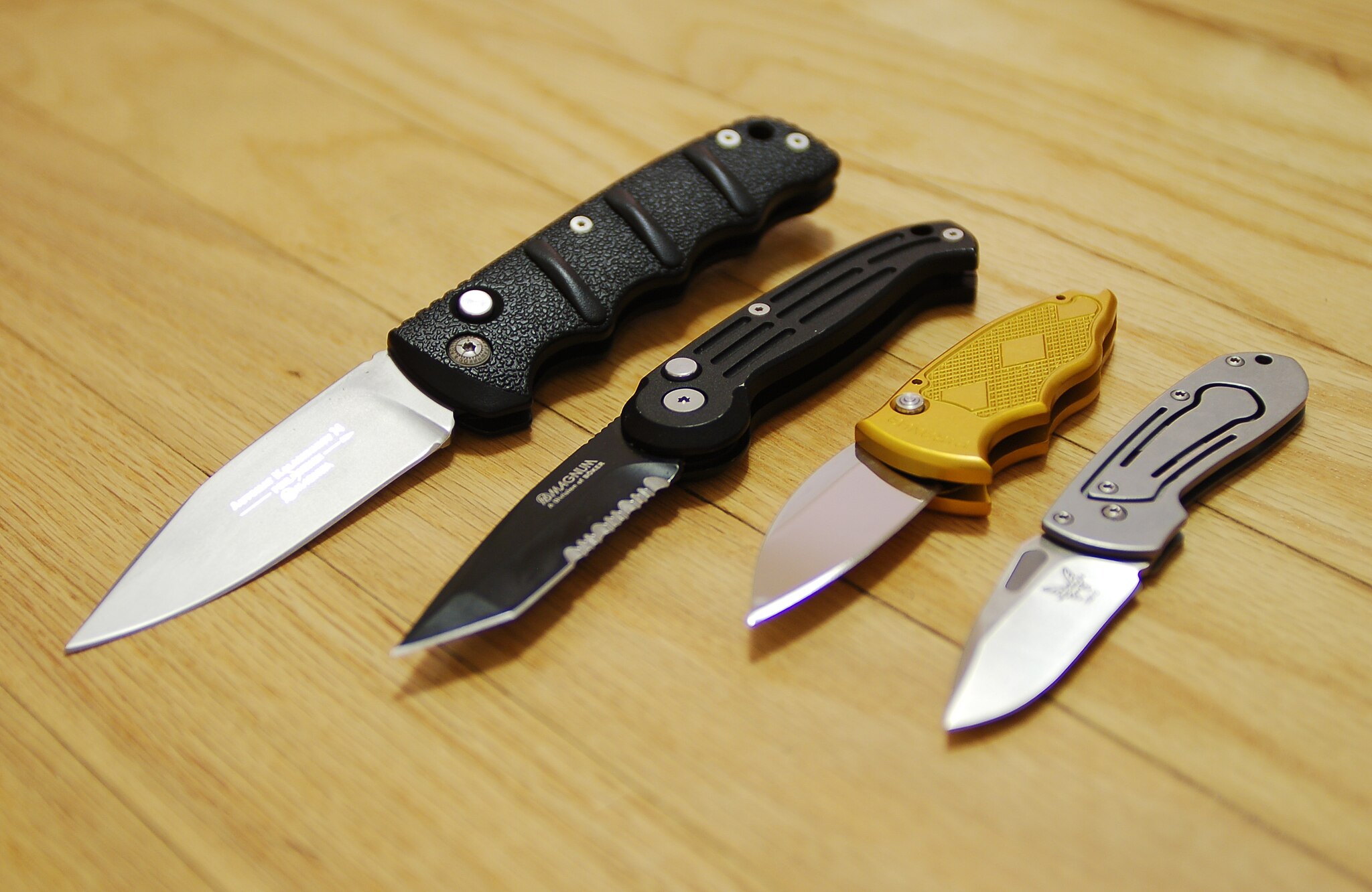
Action movies falsely teach audiences that surviving dangerous wilderness conditions requires carrying a gigantic hunting blade. Massive heavy swords prove incredibly clumsy when carving delicate wooden tools or preparing a tiny meal. A simple folding pocket knife easily handles rope cutting and basic food preparation with outstanding precision. Huge blades quickly become dull and completely exhaust the user during mundane daily camp chores. Most seasoned wilderness experts proudly carry very small utility blades that weigh absolutely nothing. True bushcraft masters rely entirely on careful technique instead of intimidating heavy steel tools to secure camp safely.
Multi-Tools Replace Dedicated Equipment
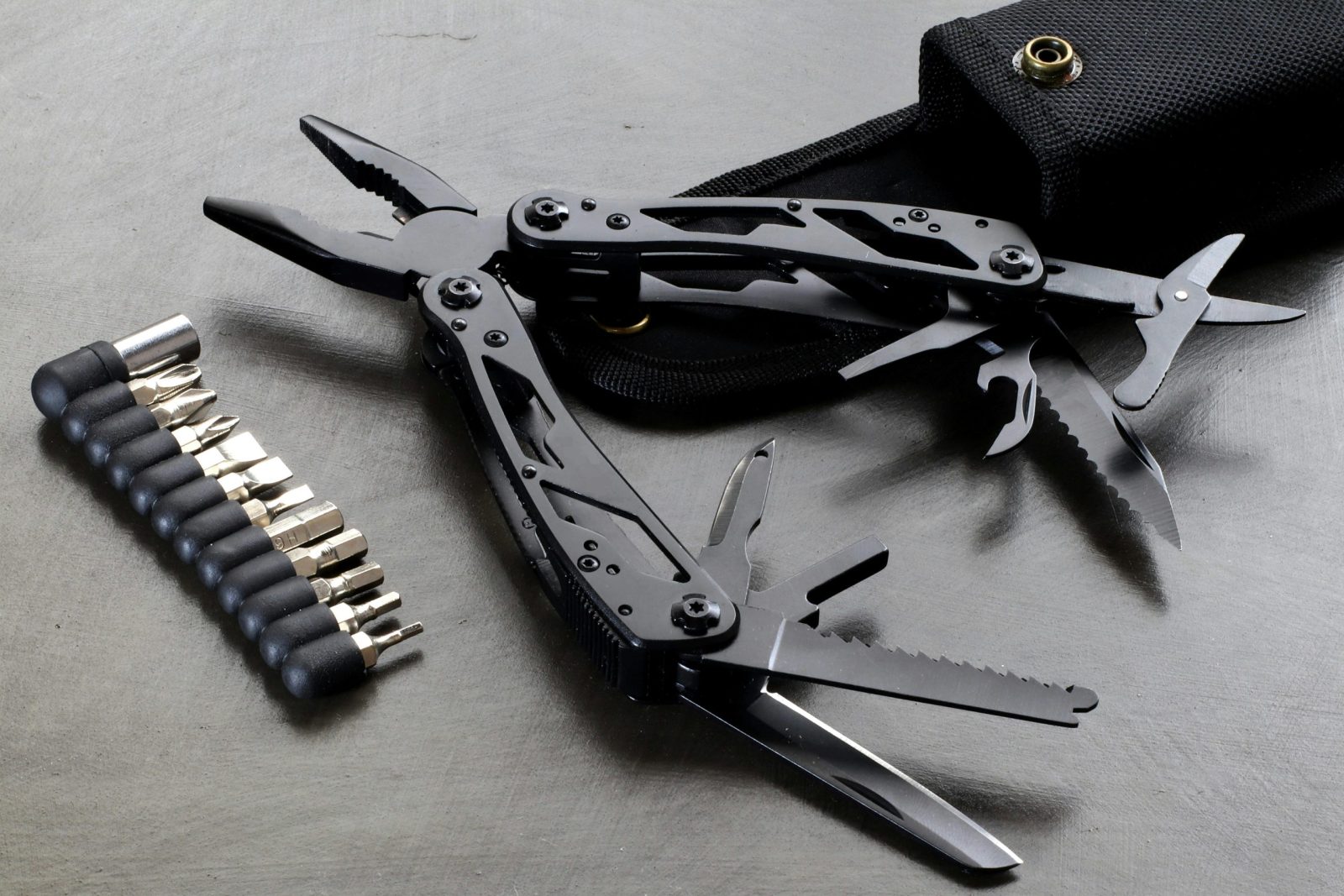
Gadget enthusiasts love purchasing thick metal multitools packed with thirty different tiny mechanical accessories. These heavy blocks of steel rarely perform any single task better than a proper dedicated tool. The tiny pliers slip easily, and the minuscule saw blades constantly bind inside damp wood branches. Fumbling with complicated locking mechanisms often leads to painful pinched fingers during cold-weather repairs. Carrying a lightweight single blade and tiny repair patches offers far more practical value for wilderness maintenance. Simplifying gear choices eliminates frustrating mechanical failures while hiking through dense, remote forests during a storm.