Military history is filled with specific ammunition types that defied initial skepticism to become legendary standards. 10 military calibers that outperformed expectations often started as controversial experiments before proving their worth on the battlefield. Engineers frequently doubted whether smaller projectiles or unique casing designs could handle the rigors of modern combat environments effectively. However, these rounds demonstrated exceptional versatility and reliability when soldiers needed them most during intense firefights. This guide explores the specific cartridges that silenced critics and redefined ballistics for armed forces around the globe. It highlights the engineering triumphs that turned doubtful concepts into essential tools of war.
5.56x45mm NATO
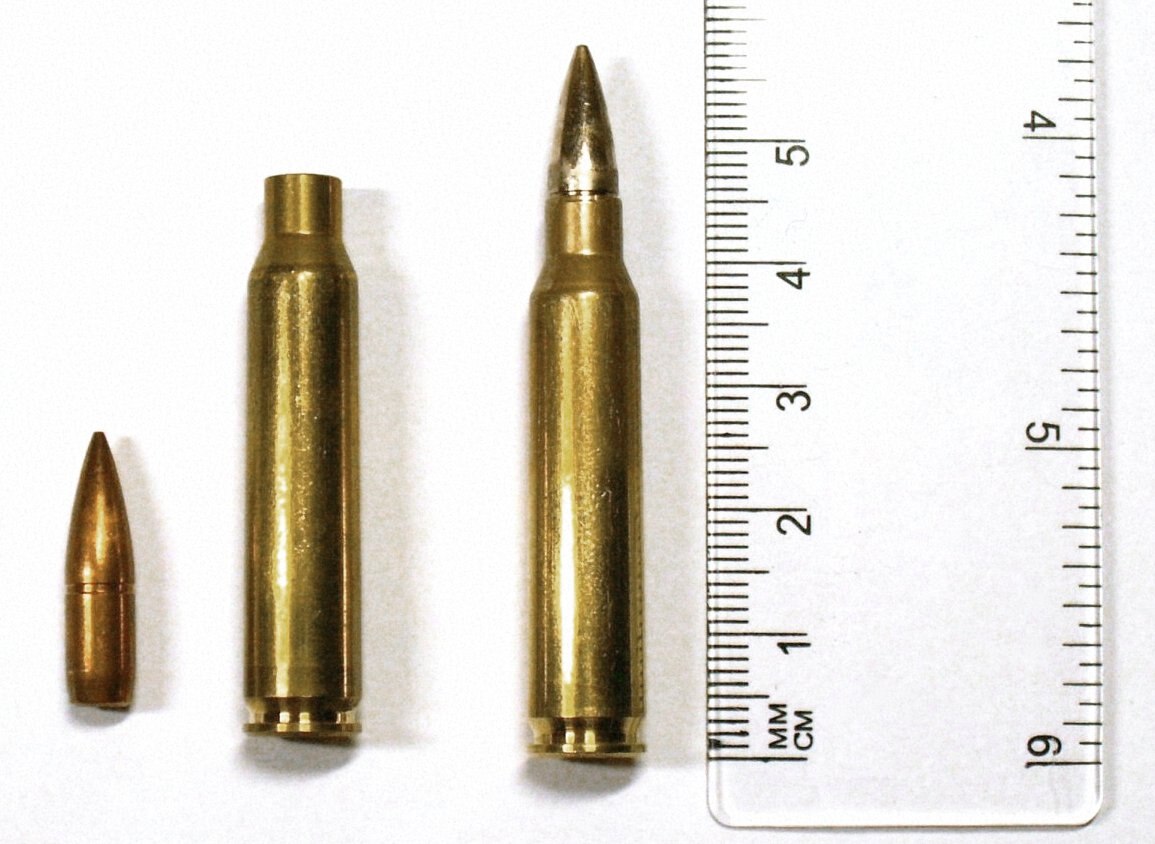
The 5.56x45mm NATO faced immense criticism during its early adoption for lacking the stopping power of larger rounds. Generals initially scoffed at the small size of the projectile and affectionately called it a varmint cartridge. Despite these doubts, the lightweight ammunition allowed soldiers to carry significantly more rounds into combat without fatigue. Its high velocity created devastating terminal ballistics that proved highly effective in the jungles of Vietnam. Over decades of service, it evolved through various bullet weights to become the versatile standard for the Western world. It remains the backbone of modern infantry rifles today.
7.62x39mm
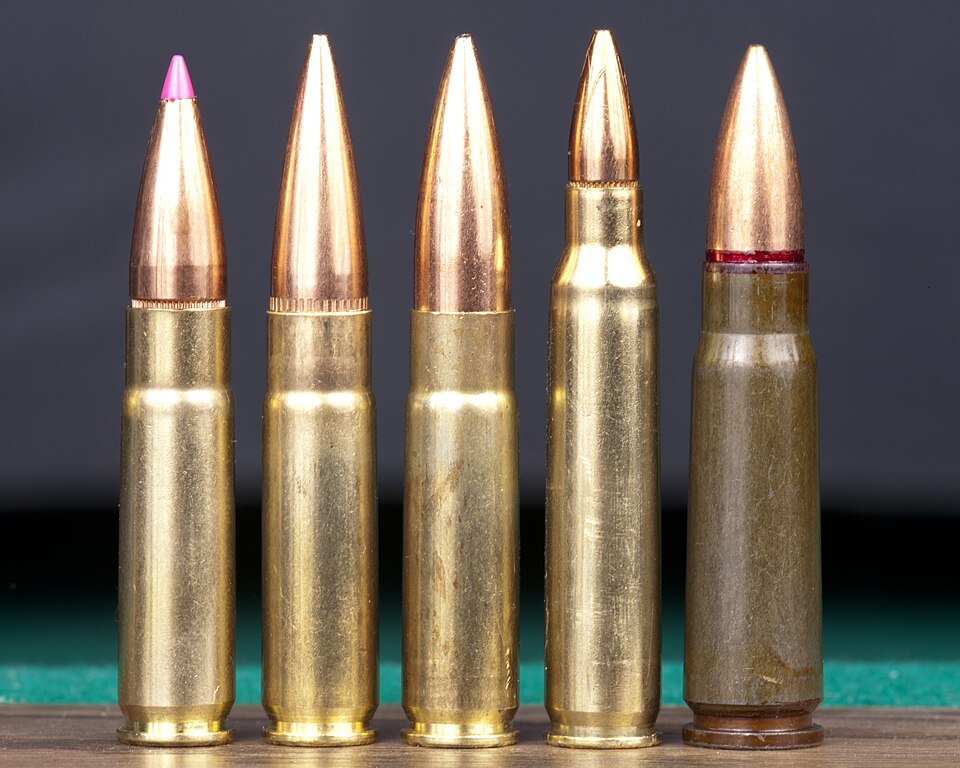
Soviet engineers designed the 7.62x39mm to be a true intermediate cartridge that bridged the gap between submachine guns and full-power rifles. Western observers initially underestimated the crude appearance of the steel-cased ammunition found in the AK-47 platform. However, the tapered case design ensured reliable feeding and extraction even when the weapon was filled with mud or sand. Its ability to penetrate light cover and punch through dense vegetation made it a nightmare for opposing forces to counter. This round democratized firepower and armed revolutionary movements across every continent for the last seventy years.
.50 BMG
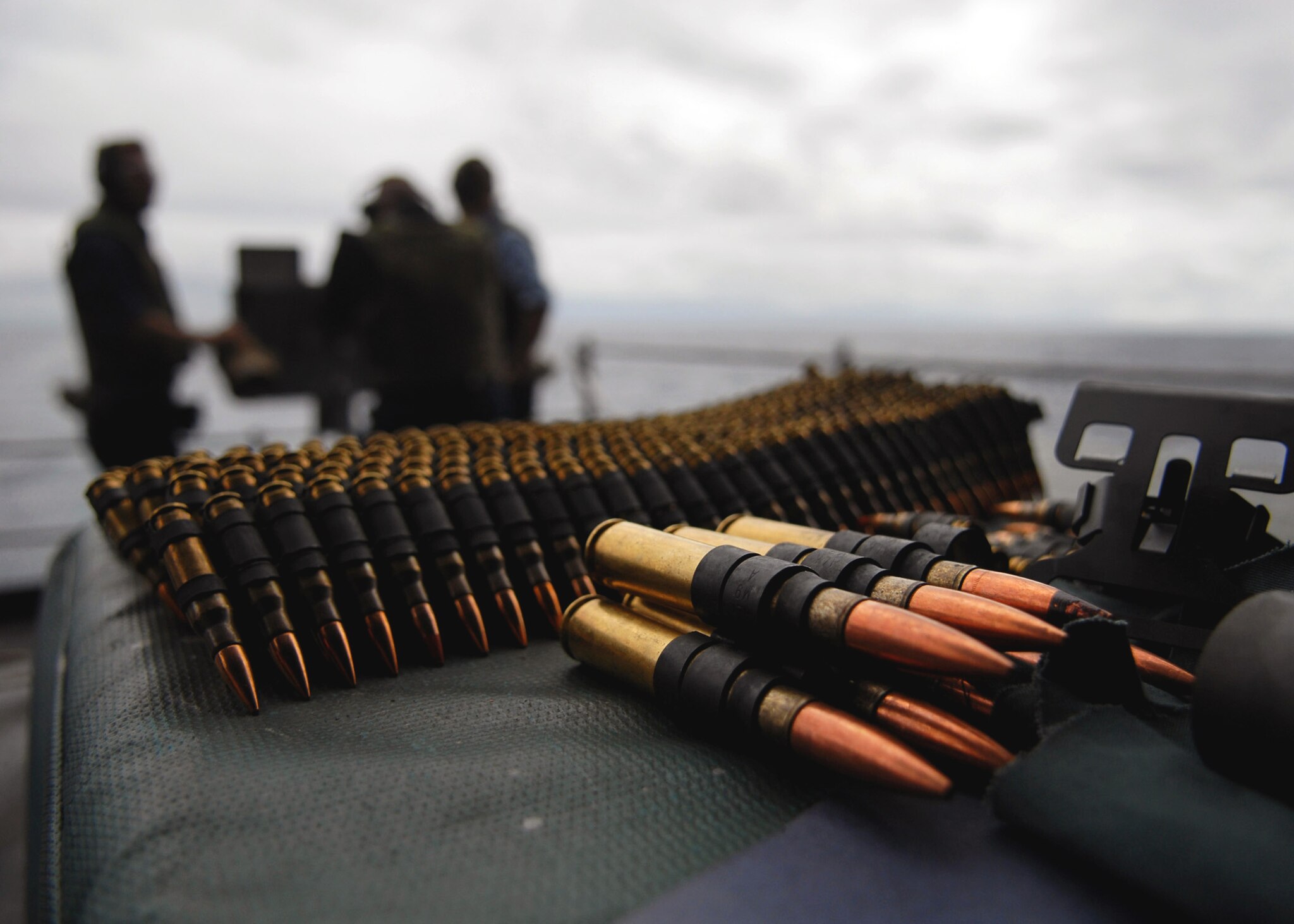
John Browning originally developed the massive .50 BMG as an anti-tank round to counter armored vehicles in World War I. While tank armor eventually outpaced the cartridge, it found a new purpose as a devastating long-range sniper tool. Military strategists were surprised by its ability to disable light vehicles and destroy enemy equipment from over a mile away. The sheer kinetic energy delivers a psychological impact that suppresses enemy movement effectively during combat operations. It evolved from a simple machine gun round into a precision instrument that defines modern anti-materiel capabilities.
9x19mm Parabellum
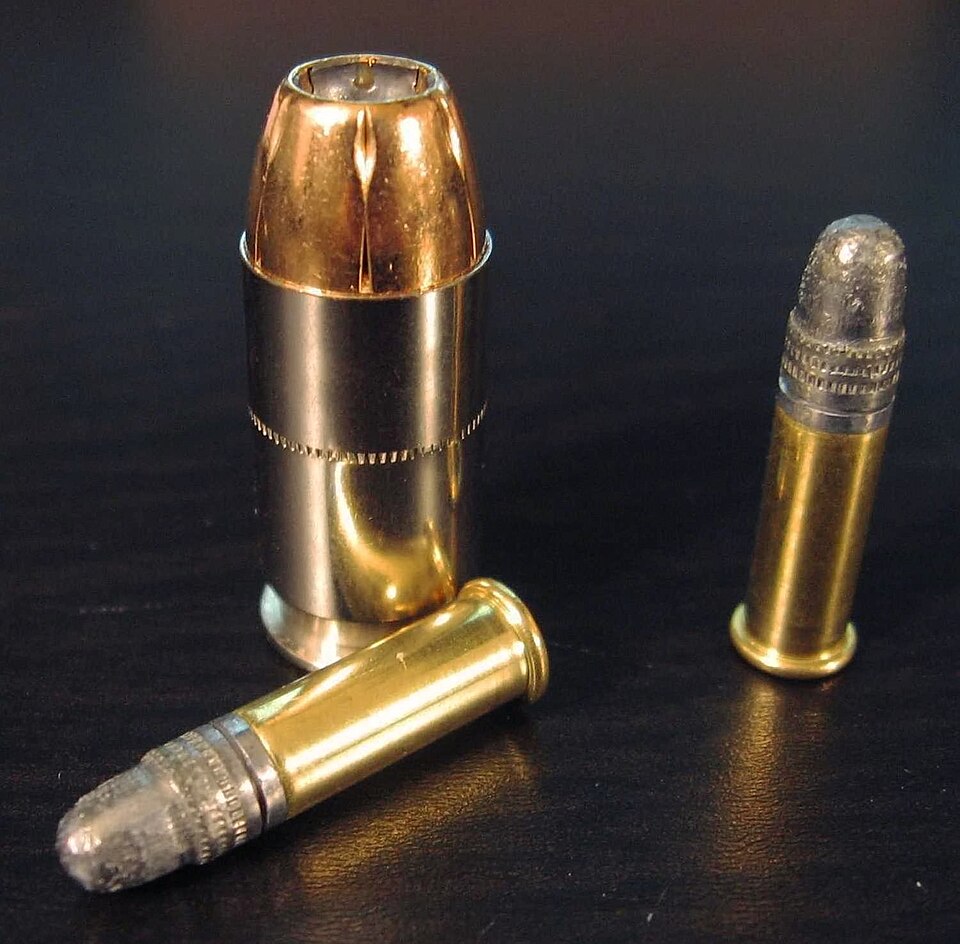
The 9x19mm Parabellum started as a modest German service cartridge but eventually conquered the entire world of handguns. Early critics claimed it lacked the stopping power necessary for military applications compared to larger American calibers. Advances in bullet technology and propellant chemistry transformed this efficient round into a highly capable defensive tool. Its compact size allows for high-capacity magazines that give soldiers more chances to neutralize a threat during close-quarters battle. Police and military units globally now rely on it as the universal standard for sidearms. It strikes the perfect balance of recoil and capacity.
.30-06 Springfield
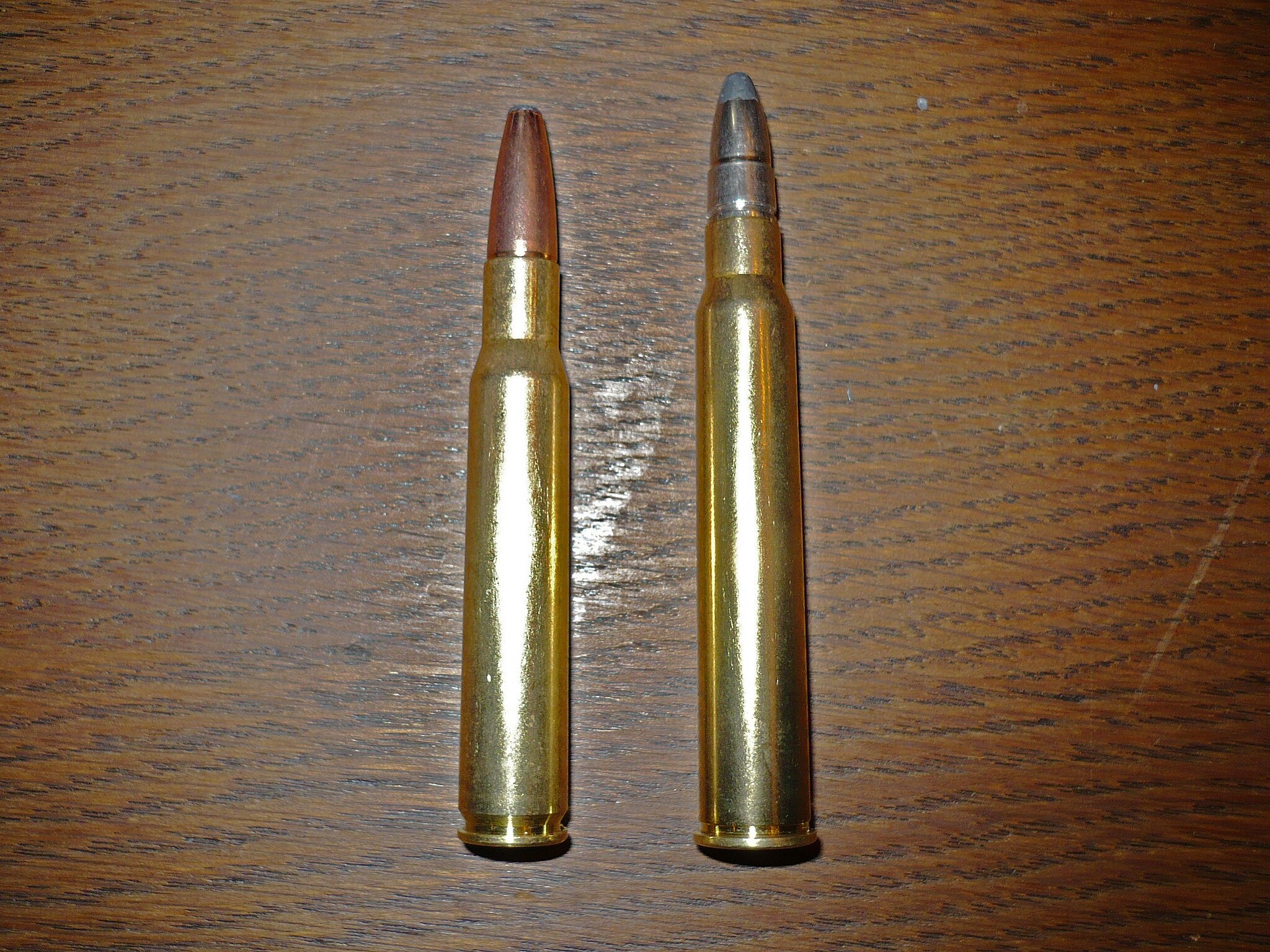
The .30-06 Springfield served American forces through two world wars and proved remarkably versatile across different weapon platforms. It functioned flawlessly in belt-fed machine guns and semi-automatic rifles like the M1 Garand simultaneously. Ballisticians were impressed by its ability to handle a wide range of bullet weights for different tactical missions. Soldiers trusted it implicitly because it offered the range and power to engage targets well beyond normal combat distances. Although it was eventually replaced by lighter rounds, its ballistic performance set the benchmark for military power. It remains a legend of American industrial might.
.45 ACP
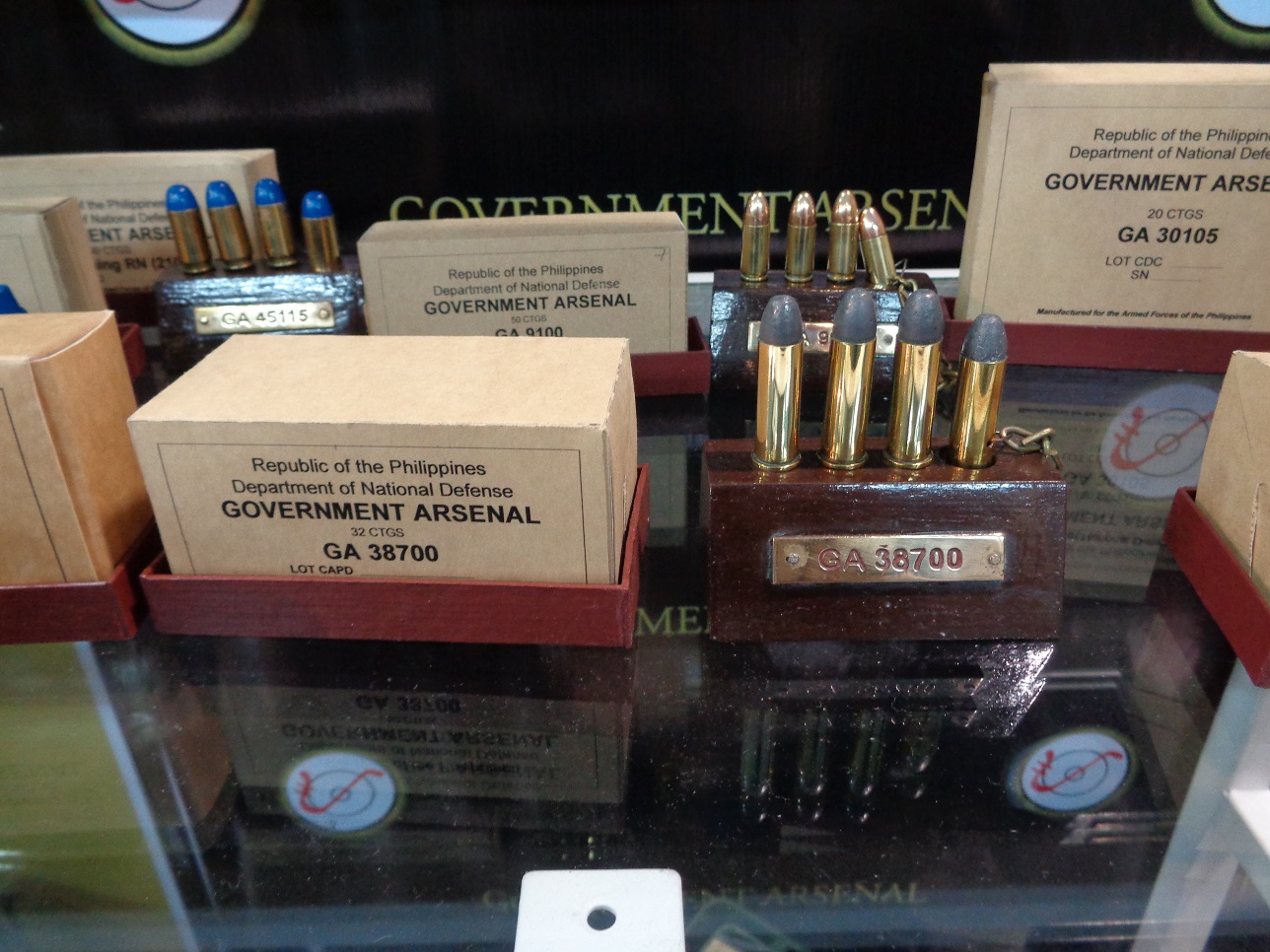
The .45 ACP was born from the failure of smaller calibers to stop determined adversaries in the Philippines. This heavy and slow-moving bullet earned a reputation for ending fights with a single well-placed shot. While many modern experts consider it outdated due to low capacity, it served as the primary US service cartridge for decades. Special operations units continued to use it long after official replacement because they valued its suppressed performance. The subsonic nature of the round makes it ideal for quiet operations. It remains a symbol of raw stopping power in handgun history.
.303 British
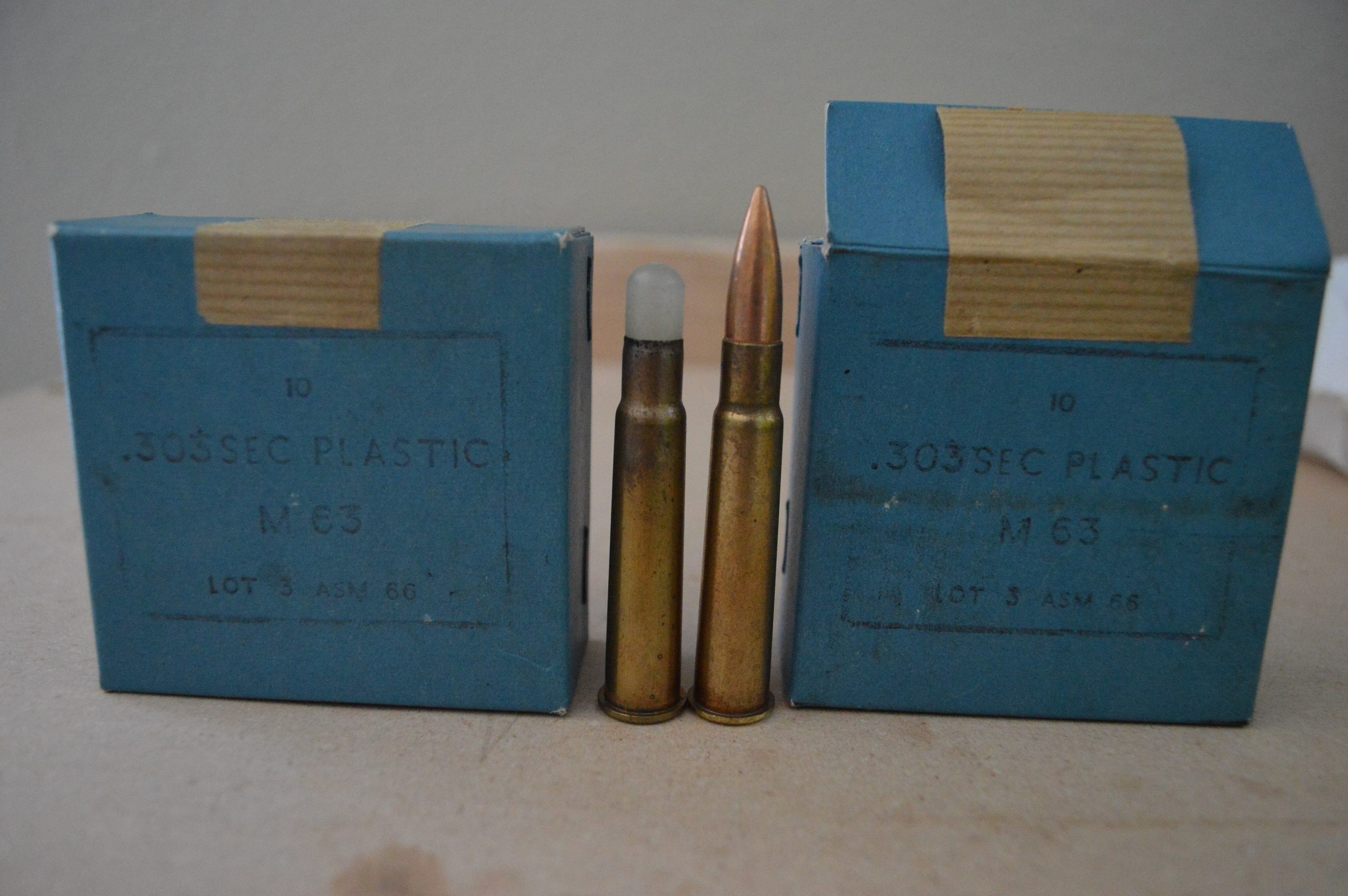
The rimmed design of the .303 British seemed obsolete almost immediately after its introduction, but it soldiered on for decades. Critics pointed out that rimmed cartridges were difficult to feed in automatic weapons compared to rimless designs. Despite this theoretical disadvantage, it powered the legendary Lee Enfield rifle and served the British Empire faithfully. Its performance in the trenches of Europe and the deserts of Africa proved that reliability mattered more than modern design aesthetics. The cartridge remains a testament to the idea that practical field results outweigh theoretical engineering complaints. It defended an empire successfully.
5.45x39mm
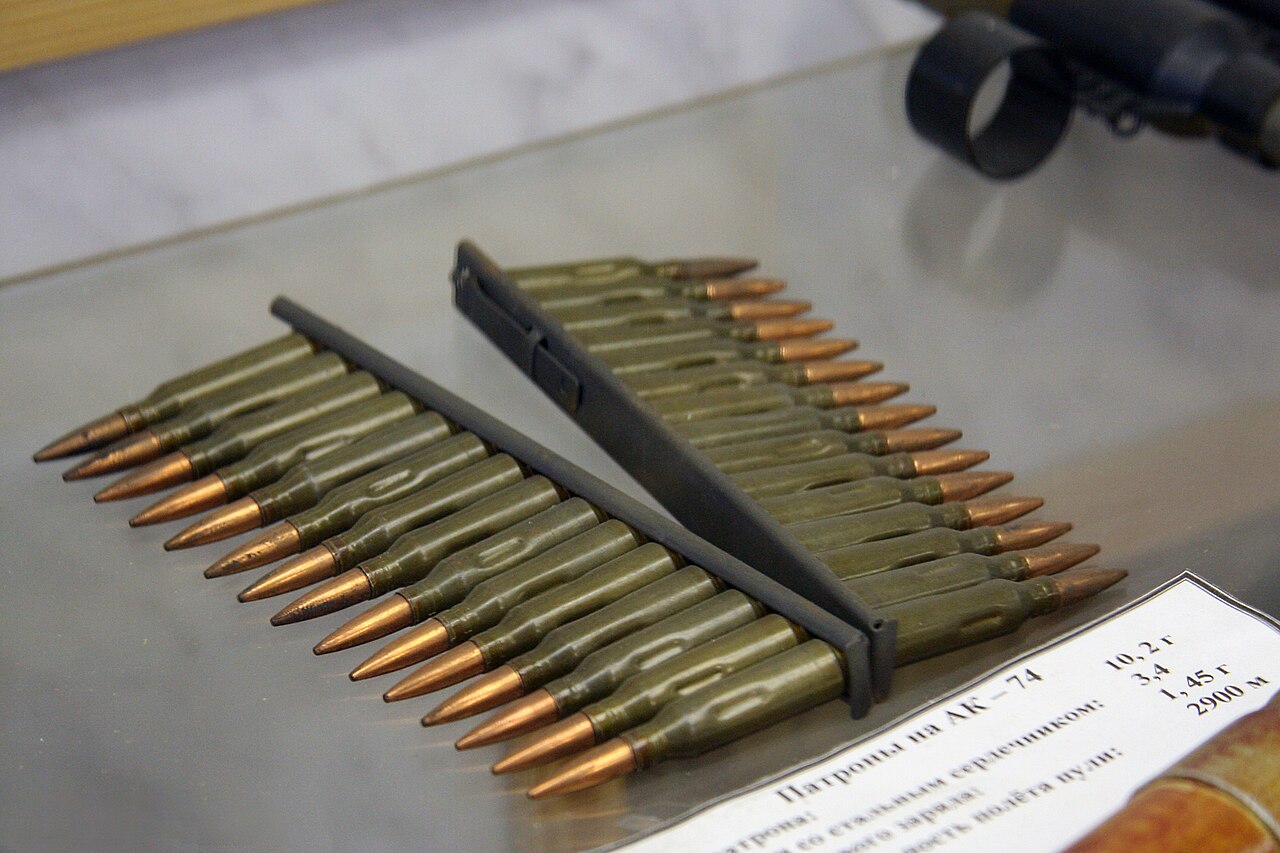
The Soviet Union developed the 5.45x39mm as a direct response to the American shift toward smaller high-velocity cartridges. Western analysts were initially skeptical that the Russians would abandon their proven heavy caliber for a lighter bullet. However, the unique air pocket inside the projectile tip caused it to tumble violently upon impact with soft tissue. This poison bullet created wounds that were disproportionately severe for such a small caliber round. It allowed Soviet infantry to carry more ammunition while maintaining lethal effectiveness at combat ranges. It proved that the East could innovate just as effectively.
7.62x54mmR
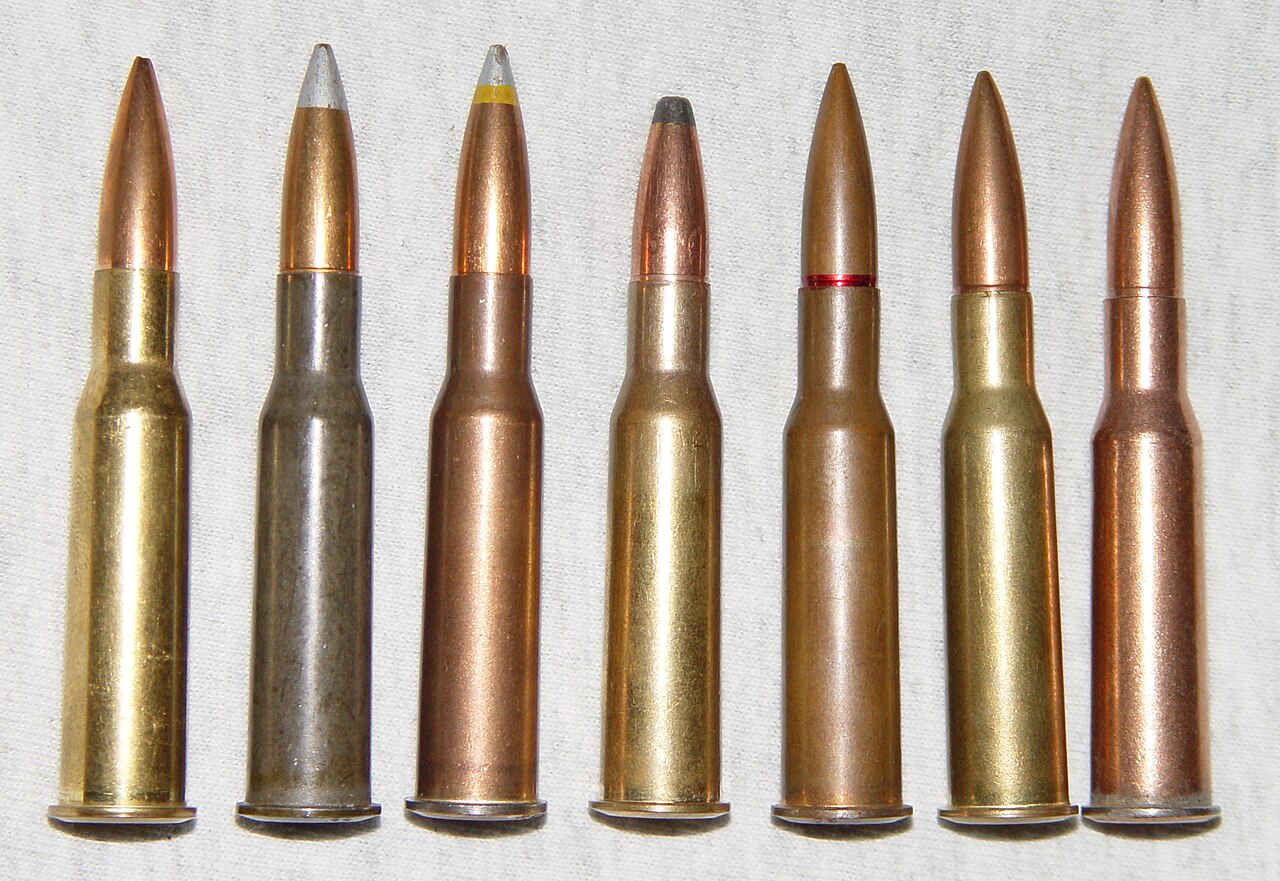
The 7.62x54mmR holds the distinction of being the longest-serving military cartridge in history despite its archaic rimmed design. Originally adopted by the Russian Empire in 1891, it still sees active frontline service in machine guns and sniper rifles today. Western experts frequently predicted its demise due to the difficulties of designing magazines for rimmed ammunition. Yet the sheer power and low cost of production kept it relevant through the rise and fall of the Soviet Union. It demonstrates that a robust and simple design can outlast complex modern alternatives. It is a true survivor of warfare.
.338 Lapua Magnum
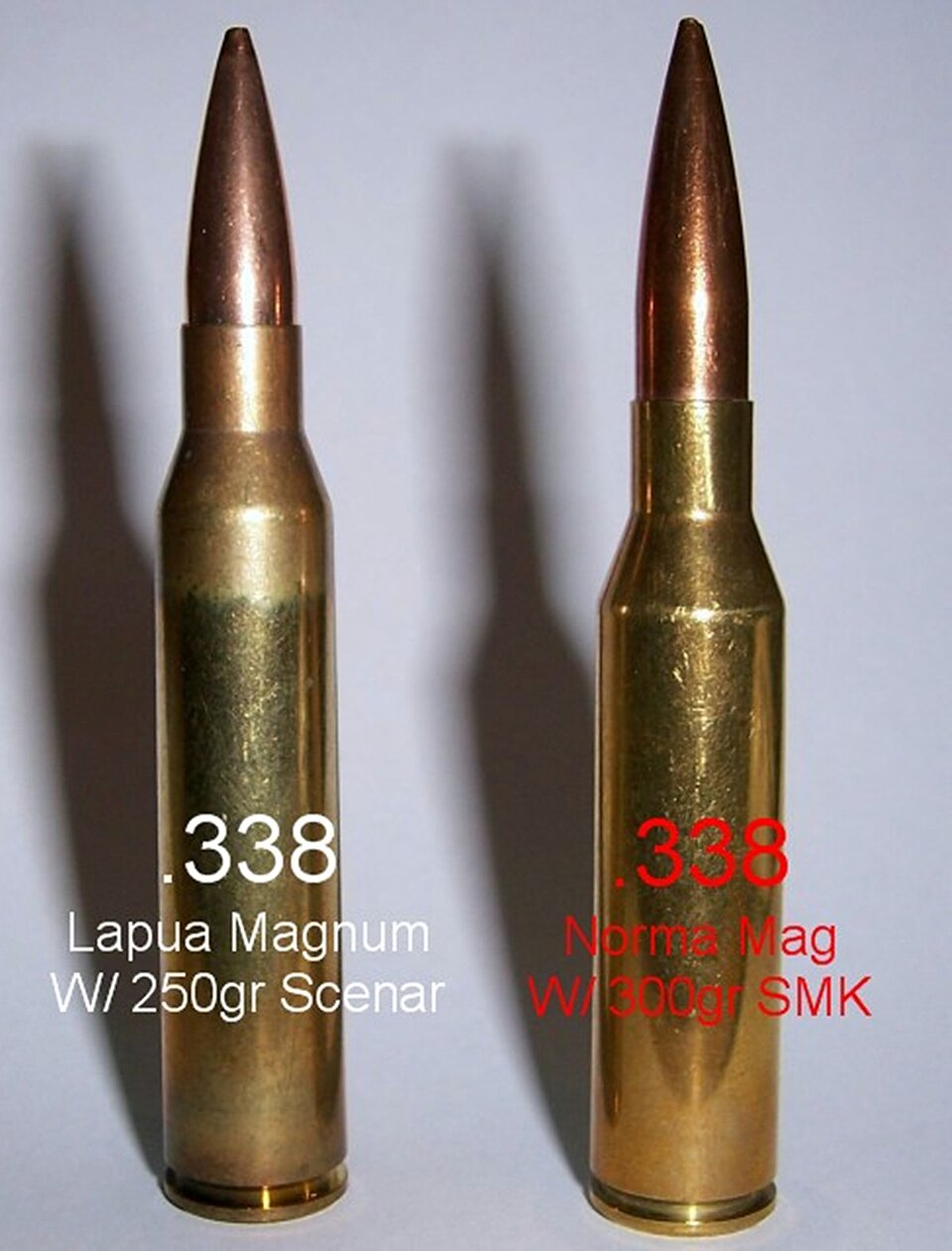
The .338 Lapua Magnum was designed specifically to bridge the gap between standard sniper rifles and heavy .50 caliber weapons. Military snipers needed a round that could hit man-sized targets at extreme distances without the massive weight of anti-materiel rifles. This cartridge exceeded all expectations by enabling confirmed kills at ranges previously thought impossible for portable weapons. It allows a single marksman to dominate a vast area of terrain with precision fire. The adoption of this round revolutionized long-range sniper tactics globally. It turned the impossible shot into a repeatable standard for elite units.