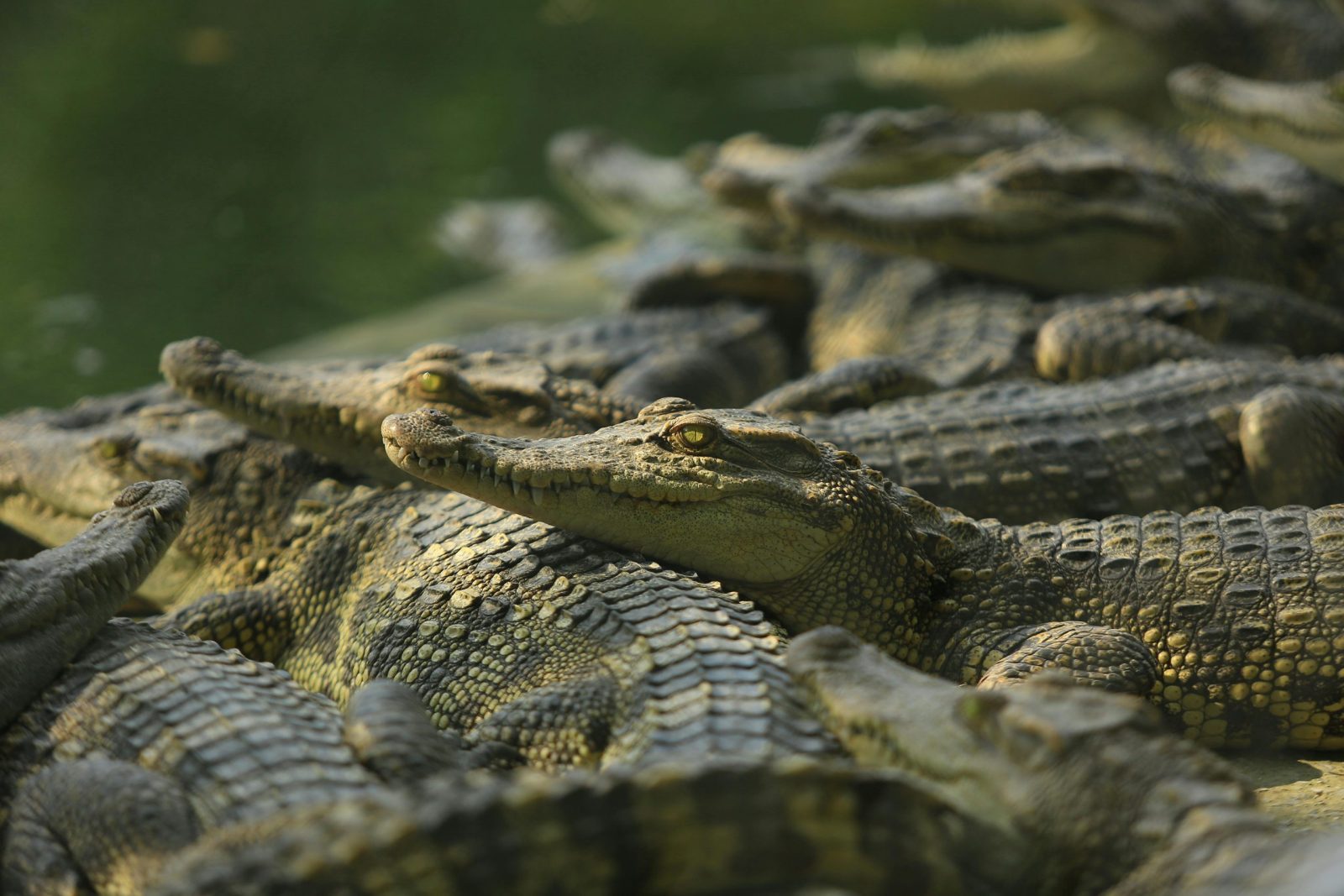
Discovering the ten largest Nile crocodiles ever recorded offers an incredible glimpse into the fascinating world of apex predators. These magnificent aquatic reptiles completely dominate vast African river systems and enormous freshwater lakes. Wildlife biologists constantly study their massive physical dimensions to better understand natural ecosystems and ancient evolutionary biology. While most individuals reach modest lengths, a few spectacular giants have shattered historical growth records entirely. Exploring these specific legendary creatures reveals their astonishing hunting capabilities and undeniable physical power. Enthusiasts completely marvel at the sheer scale of these remarkable animals surviving beautifully across varied natural and captive environments.
The Legendary Gustave Of Burundi
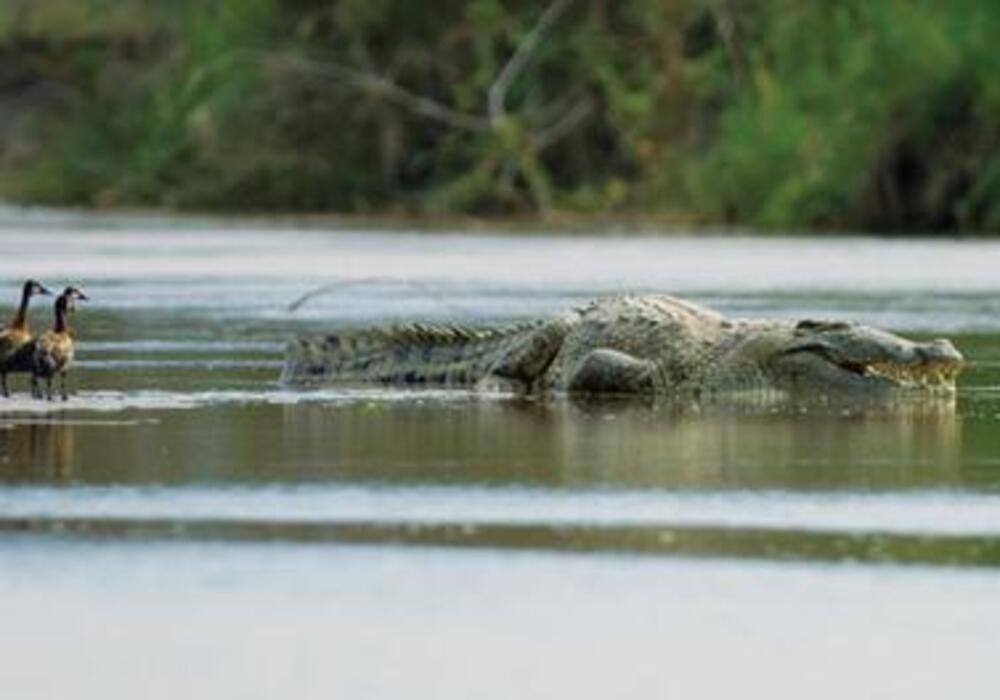
The infamous Gustave reigns supreme as the most frightening giant ever documented roaming the African continent. This terrifying male inhabits the muddy banks of the Ruzizi River and Lake Tanganyika in Burundi. Experts estimate his total length easily exceeds twenty feet, while his tremendous weight surpasses two thousand pounds. Local folklore suggests this highly intelligent predator possesses an uncanny ability to evade modern capture attempts perfectly. His scarred armor clearly tells a violent story of countless battles survived over several decades. Wildlife conservationists respect this majestic giant immensely while constantly maintaining an extremely cautious distance from his dangerous territory.
The Massive Mwanza Male
Scientists officially recognize the massive Mwanza male as the largest accurately measured specimen in recorded history. Hunters encountered this absolute behemoth near Mwanza in Tanzania during the mid-twentieth century. Official records indicate the animal measured a staggering twenty-one feet and two inches from snout to tail. The sheer volume of this creature completely astonished the experienced wildlife professionals observing the harvest. Weighing roughly twenty four hundred pounds, this exceptional animal demonstrated the true biological potential of the species. Its preserved skeleton continues providing invaluable scientific data regarding extreme reptilian growth rates and ancient dietary habits today.
The Duke Of Mecklenburg Specimen
Another extraordinary record emerged when the Duke of Mecklenburg reported a truly massive catch in nineteen hundred and five. Exploring the vast Tanzanian wilderness yielded an absolutely enormous specimen measuring twenty-one feet and two inches. While modern scientific standards question the precise historical measuring techniques utilized during that era, the reported dimensions remain deeply fascinating. The prestigious hunting expedition documented the massive animal extensively through written journals and period photography. This legendary historical capture continues sparking intense debates among modern herpetologists regarding the absolute maximum size these resilient aquatic reptiles might achieve under perfect environmental conditions.
The Giant Of Lake Chamo
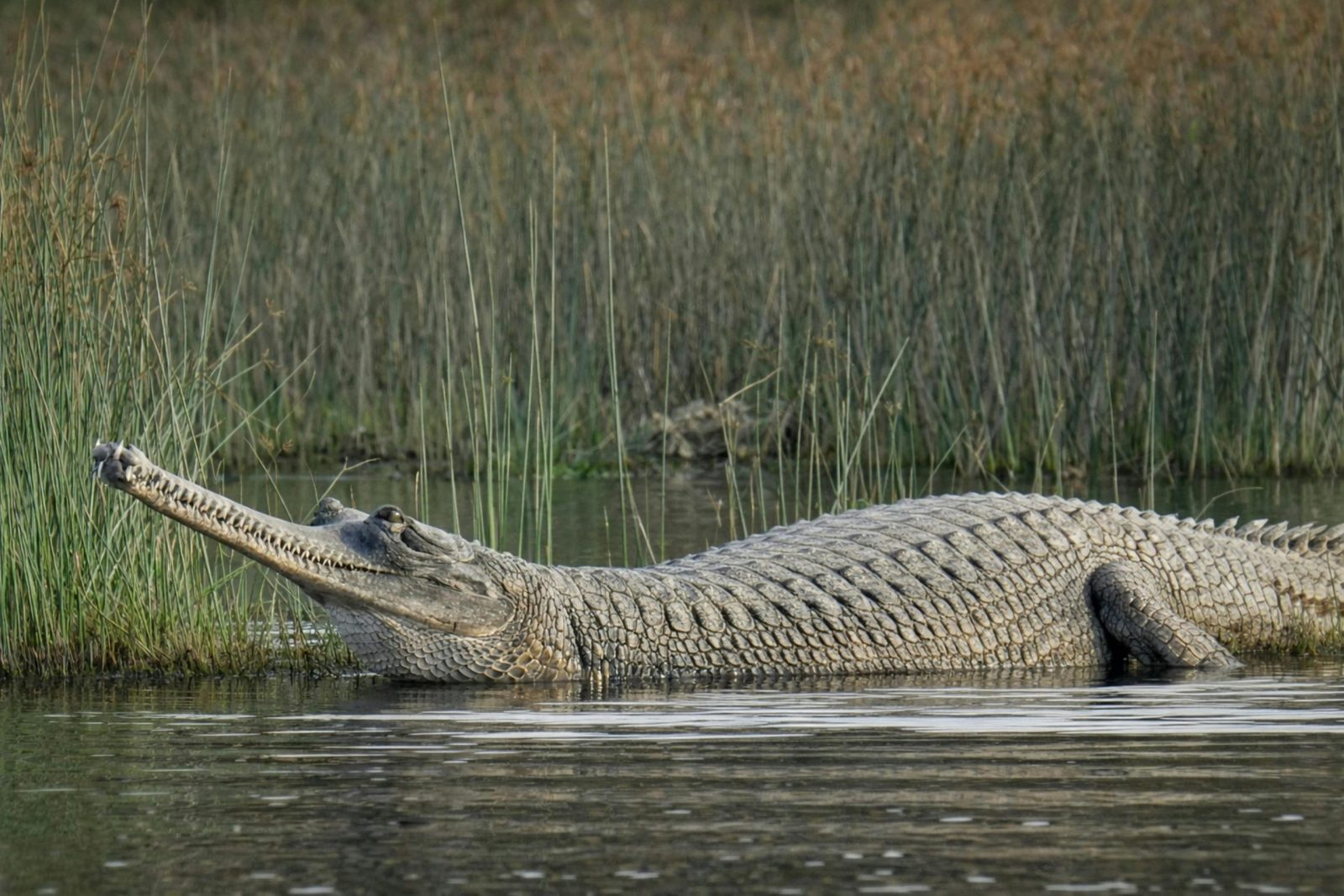
Southern Ethiopia holds incredible secrets within the shimmering waters of Lake Chamo, where massive reptiles gather daily. Wildlife researchers frequently spot exceptionally large individuals basking lazily along the muddy northern shores. Some spectacular males documented here approach nearly twenty feet in total length. The abundant local fish populations provide a virtually unlimited food source that supports absolutely tremendous physical growth. These magnificent beasts peacefully share the isolated lake with massive pods of aggressive hippopotamuses. Tourists visiting the surrounding national park consistently report seeing prehistoric creatures resting quietly beneath the intense afternoon sun without showing any fear whatsoever.
Henry The Centenarian Crocodile
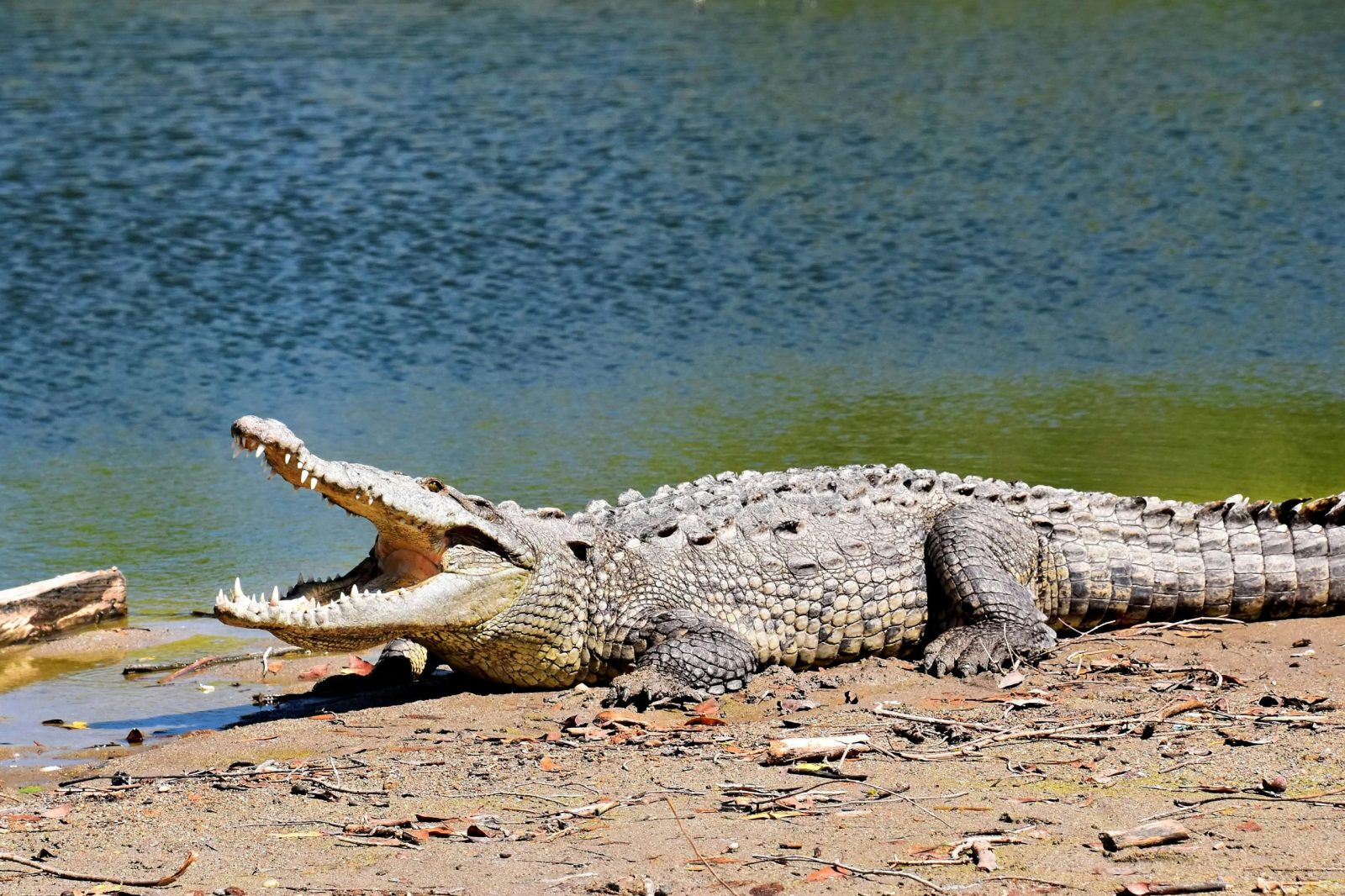
A phenomenal specimen named Henry currently holds the prestigious title of the oldest known crocodile living in captivity today. Residing happily at the Crocworld Conservation Centre in South Africa, this massive elder measures sixteen feet long. Born around nineteen hundred, Henry survived over a century of incredible global changes while growing steadily into an absolute giant. The colossal animal possesses remarkably healthy teeth and displays surprising agility despite its very advanced age. Thousands of amazed visitors travel specifically to witness this living dinosaur devouring enormous meals during highly educational weekend feeding sessions hosted by dedicated sanctuary staff.
Colgate From Crocworld Conservation Centre
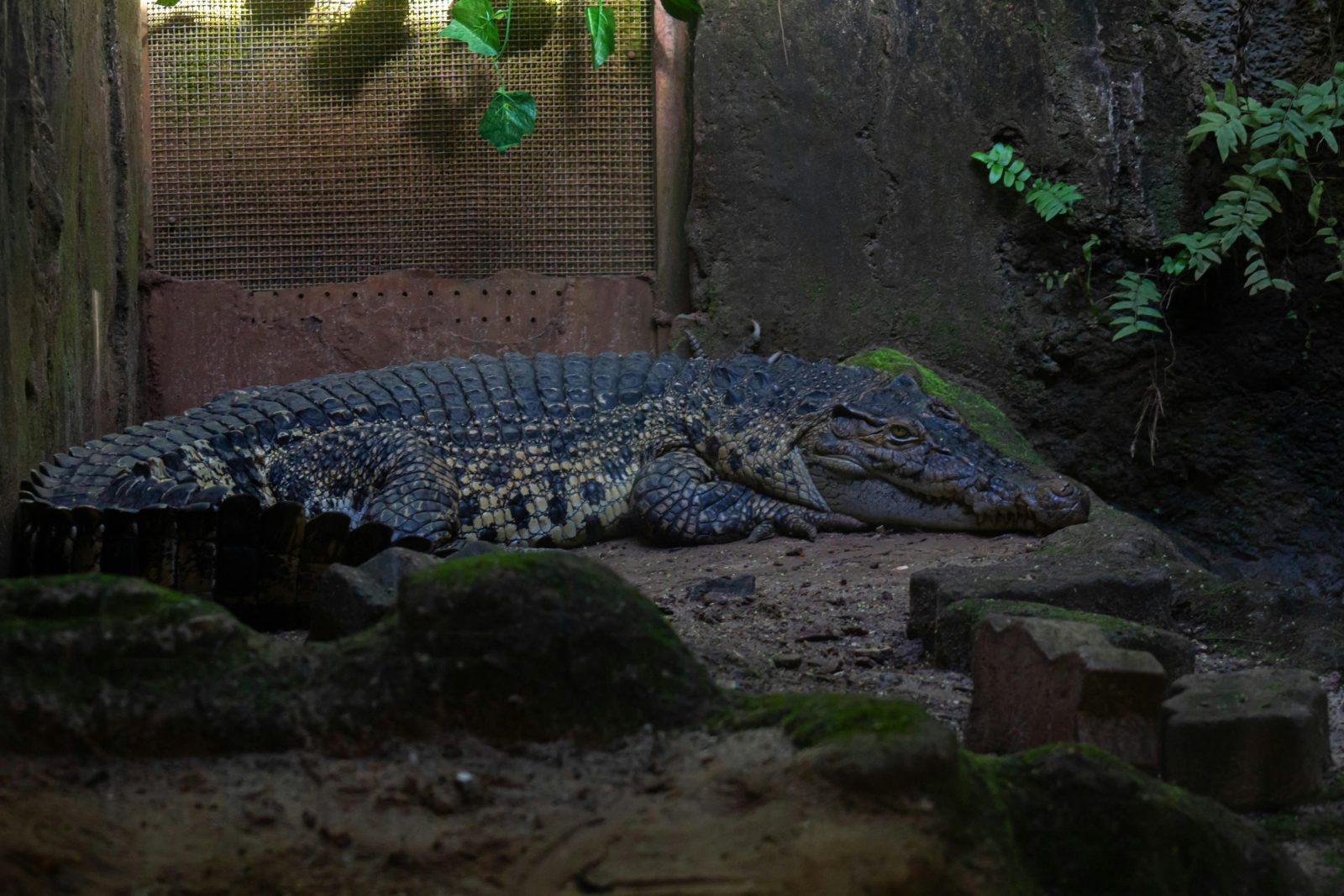
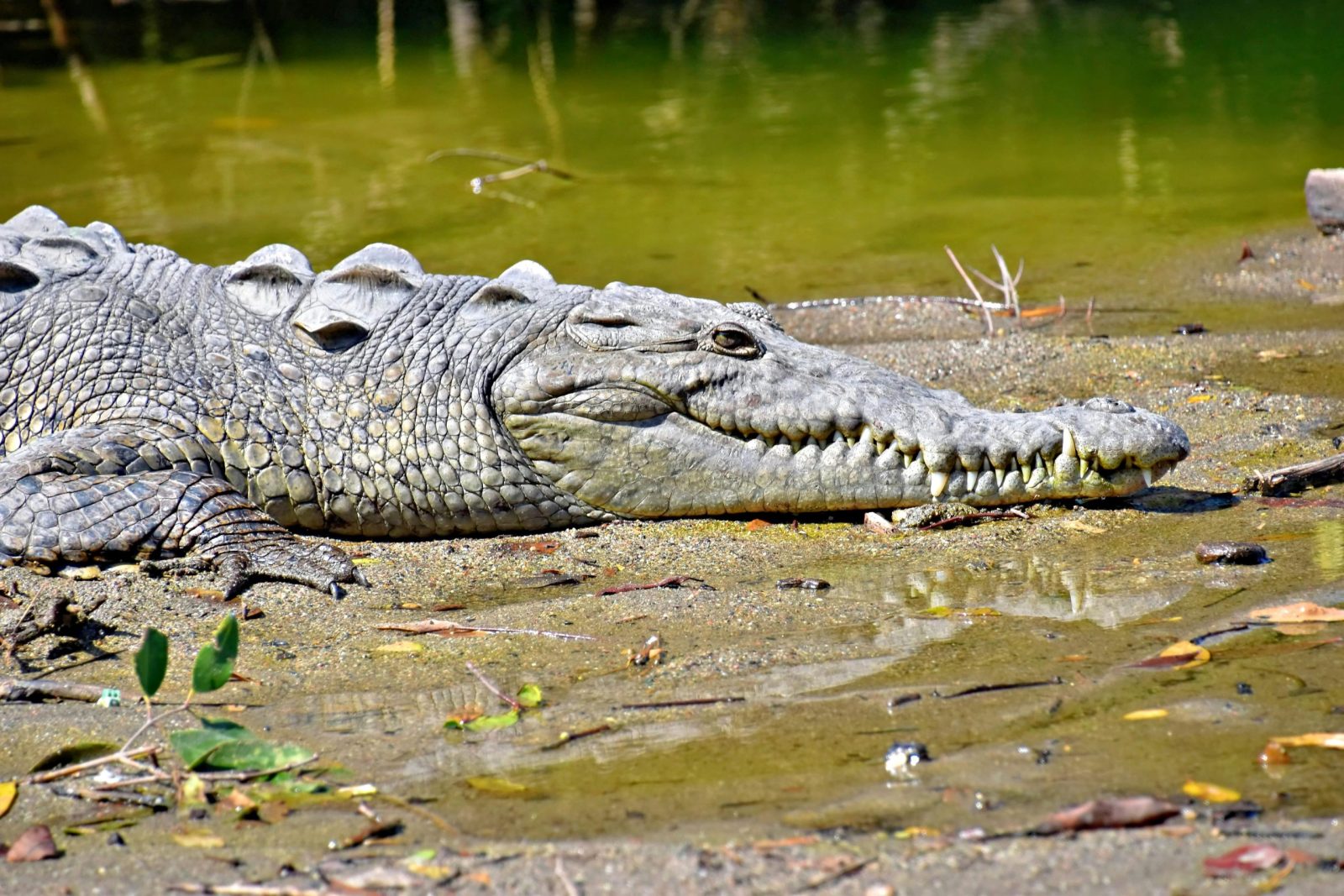
Sharing the same remarkable facility with Henry is another massive resident affectionately known as Colgate. This gorgeous animal arrived from the lush Okavango Delta back in nineteen eighty-five. Weighing approximately fourteen hundred pounds and measuring nearly sixteen feet, Colgate ranks among the most impressive captive specimens globally. Caretakers named him after his incredibly prominent white teeth that contrast beautifully against his unusually dark scaly armor. He expertly rules his spacious enclosure alongside numerous females while displaying absolute dominance during feeding times. His striking appearance constantly awes wildlife photographers trying to capture the perfect wide-open jaw shot.
Big Daddy At Mamba Village
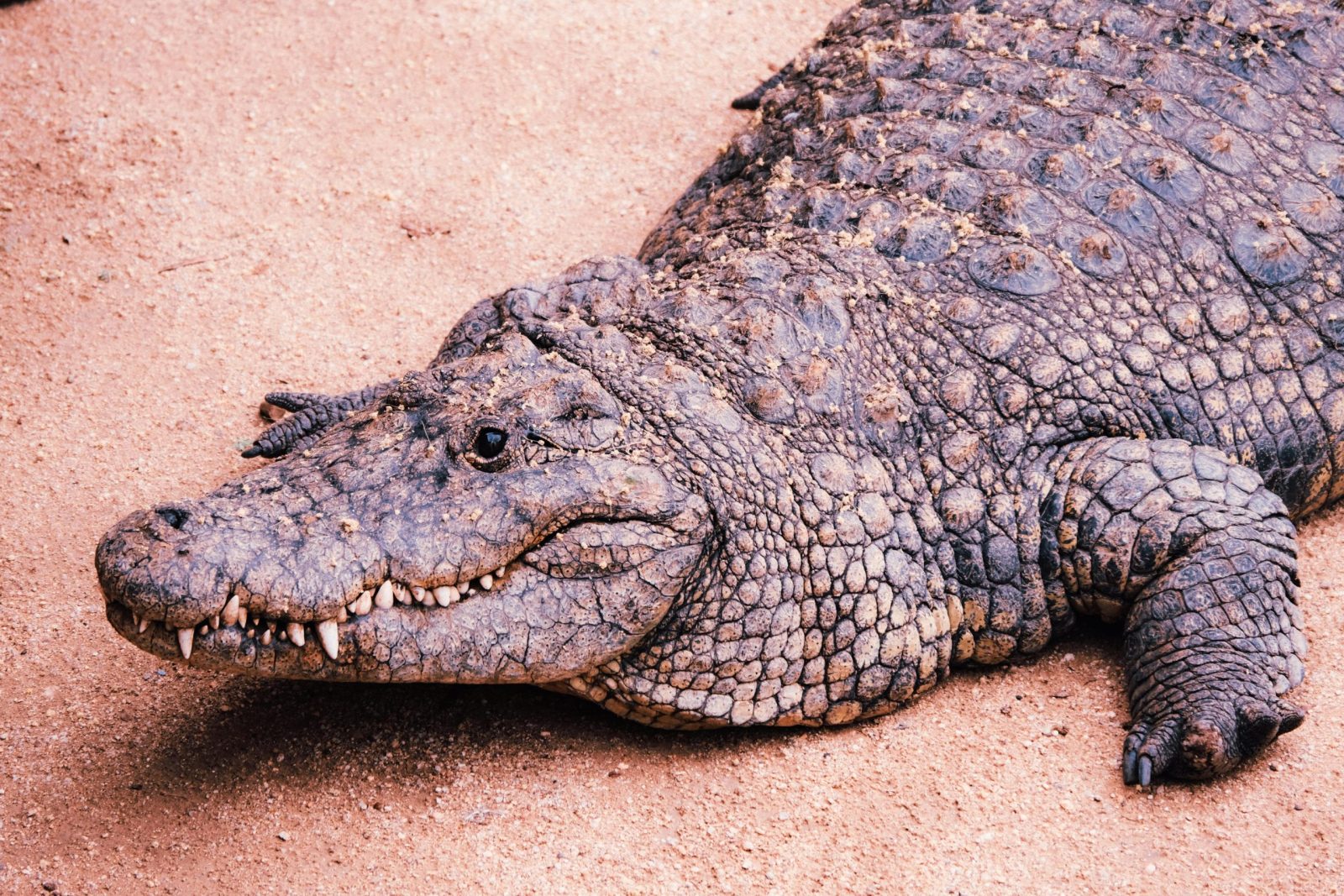
Visitors exploring the Kenyan coastline eventually discover Big Daddy resting lazily inside the famous Mamba Village Centre. This incredibly aggressive male measures exactly fifteen feet and weighs over two thousand pounds. Before his secure captivity, this notorious predator terrorized several local villages along the Tana River basin for many years. Relocating him to a protected sanctuary saved his life while simultaneously protecting vulnerable rural communities. Today, he serves as an invaluable educational ambassador for his incredibly misunderstood species. Watching him launch his massive body entirely out of the water for fresh meat leaves audiences completely speechless.
The Dubai Crocodile Park Titan
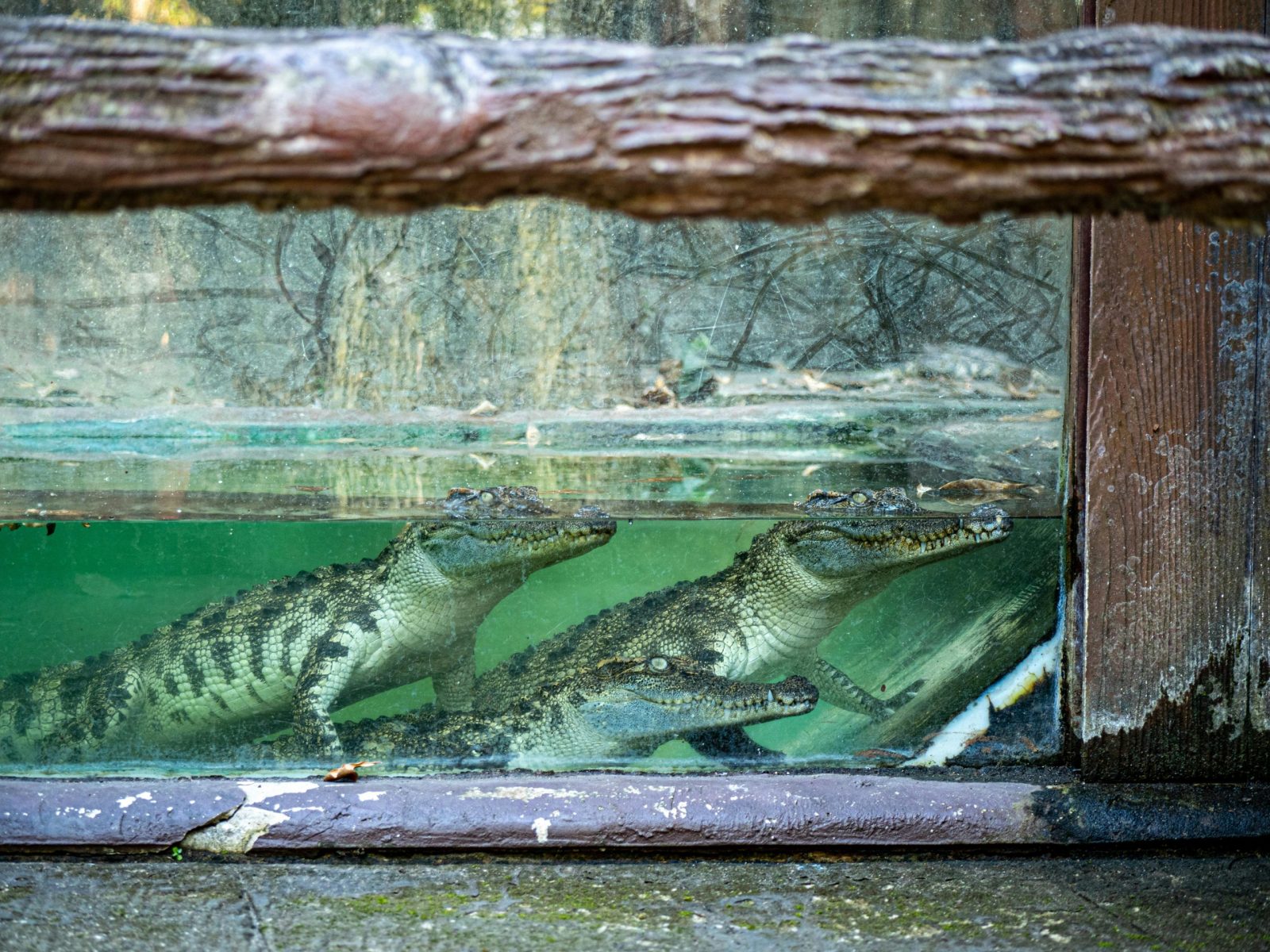
A spectacular new facility in the Middle East showcases another breathtaking aquatic behemoth weighing over fifteen hundred pounds. The magnificent Dubai Crocodile Park provides an incredibly luxurious habitat for a male measuring nearly sixteen feet long. Transporting this enormous reptile required specialized heavy machinery and extreme logistical coordination across multiple international borders. He now enjoys a perfectly temperature-controlled environment that closely mimics his native African wetlands. The transparent underwater viewing galleries allow awestruck guests to appreciate his massive, muscular girth up close and safely. Seeing this heavily armored titan gliding gracefully through clear water feels entirely surreal.
Killer From Reptile Gardens
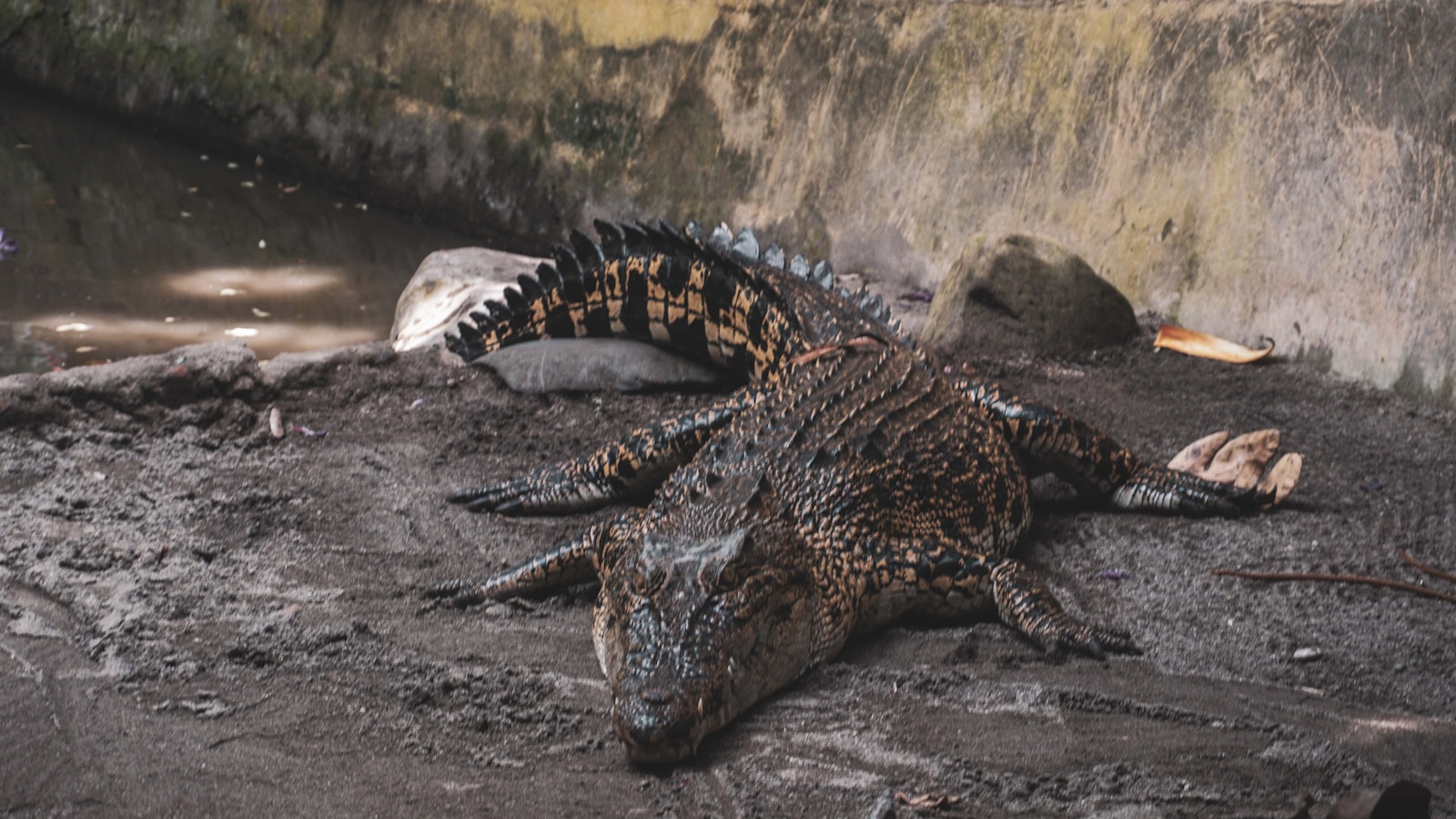
During the mid twentieth century, an iconic exhibit named Killer absolutely dominated the famous Reptile Gardens in South Dakota. Captured safely during a specialized African expedition in nineteen fifty-six, this incredible animal became a beloved regional legend instantly. He lived an exceptionally comfortable life, teaching countless generations about proper wildlife conservation and the desperate need to protect apex predators globally. Before modern supergiants like Cassius and Lolong captured widespread media attention, Killer represented the ultimate standard for massive captive crocodilians. His lasting legacy continues inspiring young herpetologists to study these magnificent creatures with deep, profound respect.
The Cott Specimen Of 1961
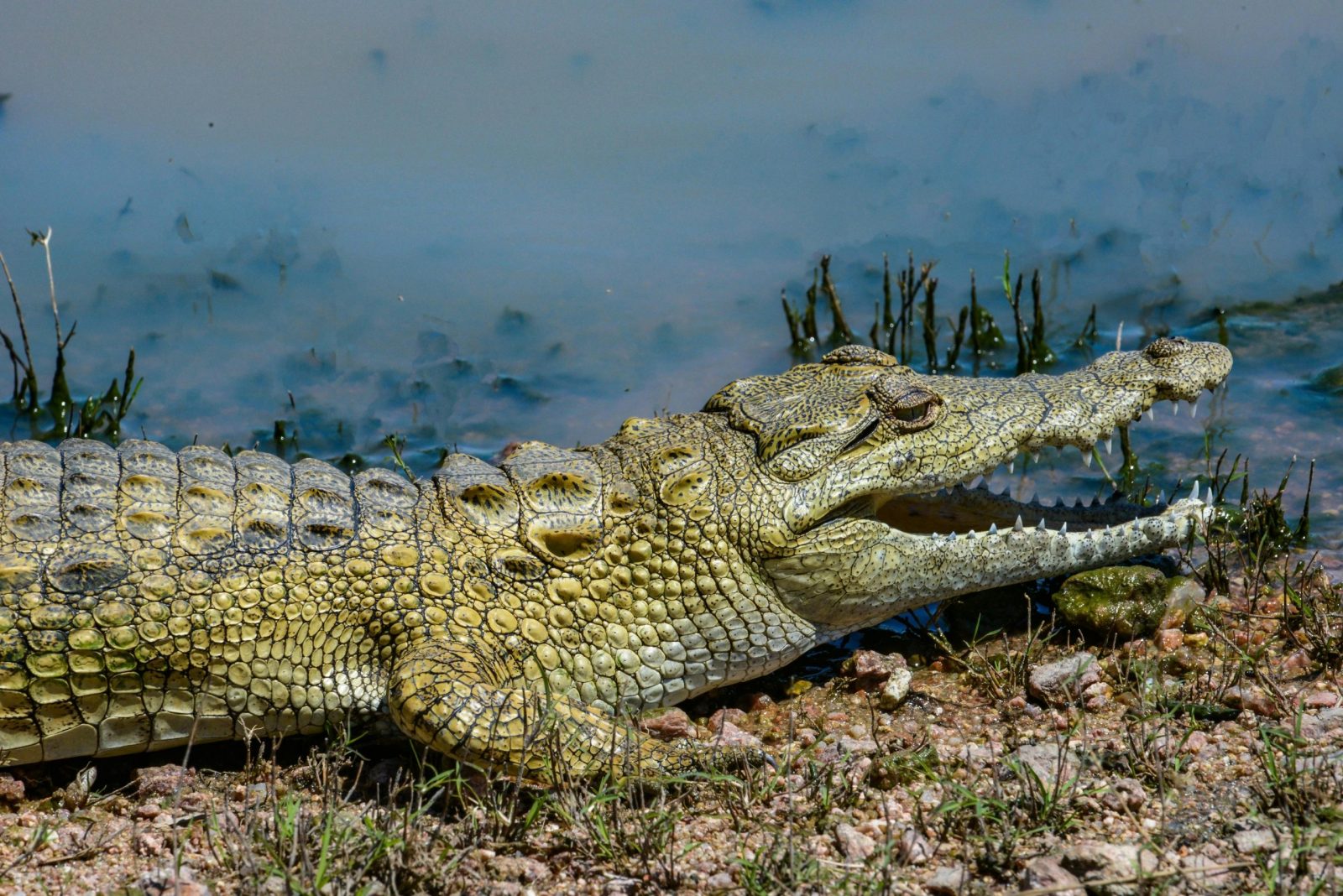
Respected zoologist Hugh Cott recorded an exceptionally massive specimen during extensive scientific field studies conducted in nineteen sixty-one. This highly documented male stretched an impressive nineteen feet long, firmly cementing its place within official biological history books forever. Cott thoroughly examined the remarkable giant to understand how these apex predators adapt structurally as they reach maximum physical maturity. The careful measurements collected during this important encounter established a crucial baseline for evaluating modern giant crocodilian sightings accurately. His rigorous scientific methodology perfectly validated the terrifying stories native fishermen had shared regarding enormous beasts haunting dark African rivers.