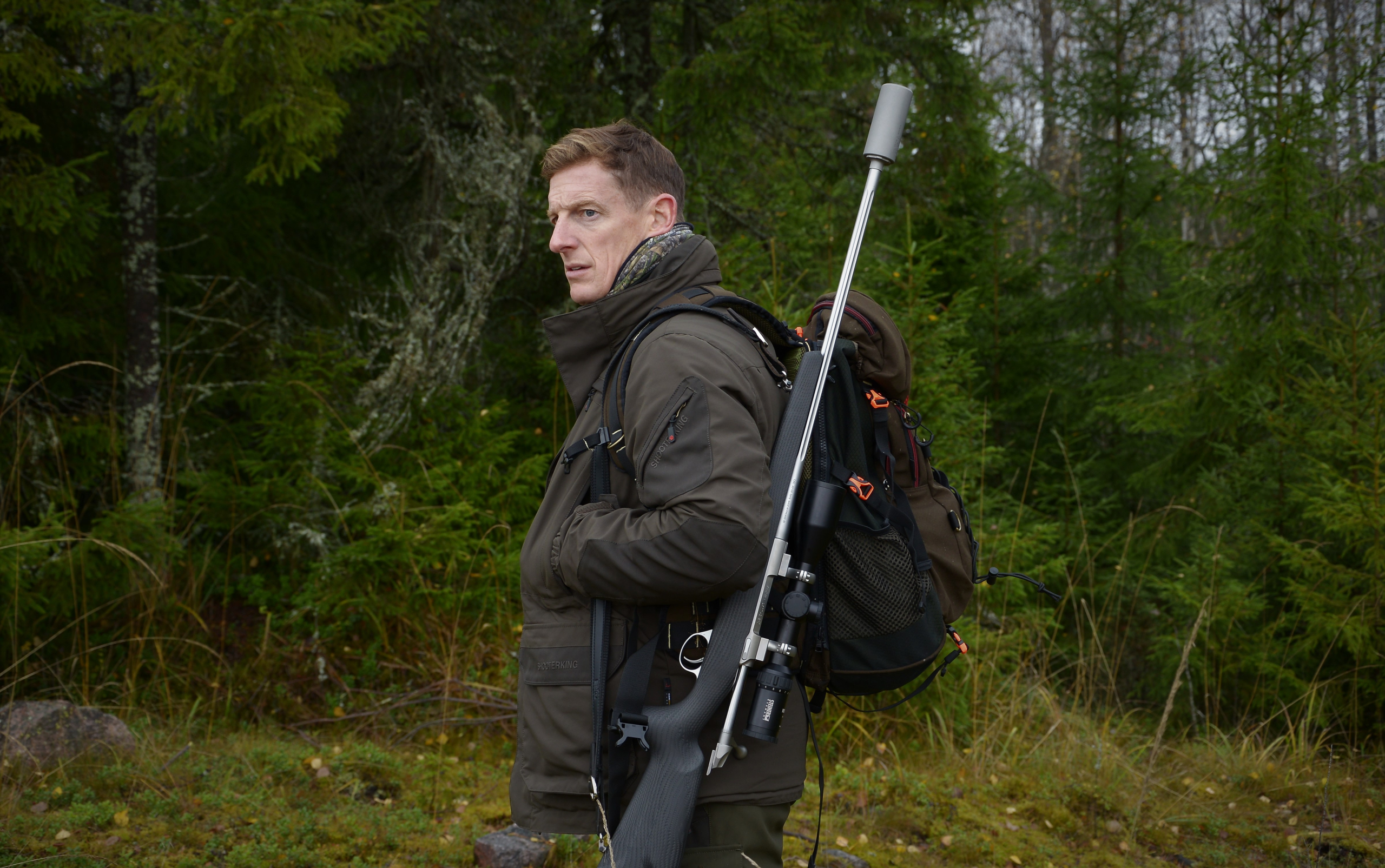
Survival planning often focuses on carrying the right gear, yet overreliance on any single item creates risk. Equipment fails, environments change, and human error remains unavoidable. Many tools perform well only under specific conditions, making redundancy and adaptability essential. Popular survival items sometimes inspire false confidence, especially when portrayed as all purpose solutions. Real preparedness balances tools, skills, and situational awareness. Understanding limitations matters as much as knowing capabilities. The following items frequently disappoint when used alone. Each example highlights why depending on one tool can create dangerous gaps during emergencies in wilderness, disaster, or remote travel situations.
Smartphone
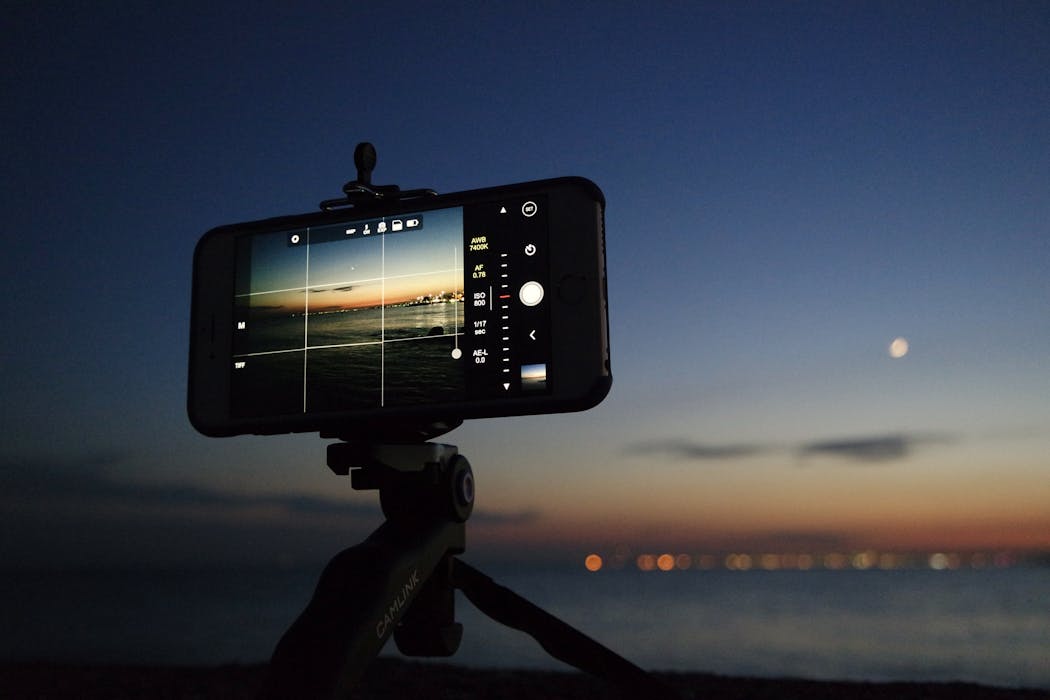
Smartphones feel indispensable but fail as sole survival tools. Batteries drain quickly. Cold reduces performance dramatically. Signal disappears in remote areas. Screens break easily. Water exposure causes shutdowns. Navigation apps stop functioning offline. Emergency calls fail without service. Overreliance replaces traditional skills. Maps and compasses remain necessary. Phones distract from situational awareness. Updates and settings complicate use. As survival tools, smartphones offer convenience but lack durability and independence. Without backups, they become liabilities rather than assets during emergencies where power, connectivity, and environmental protection determine whether technology helps or hinders critical decision making and response.
Multi Tool
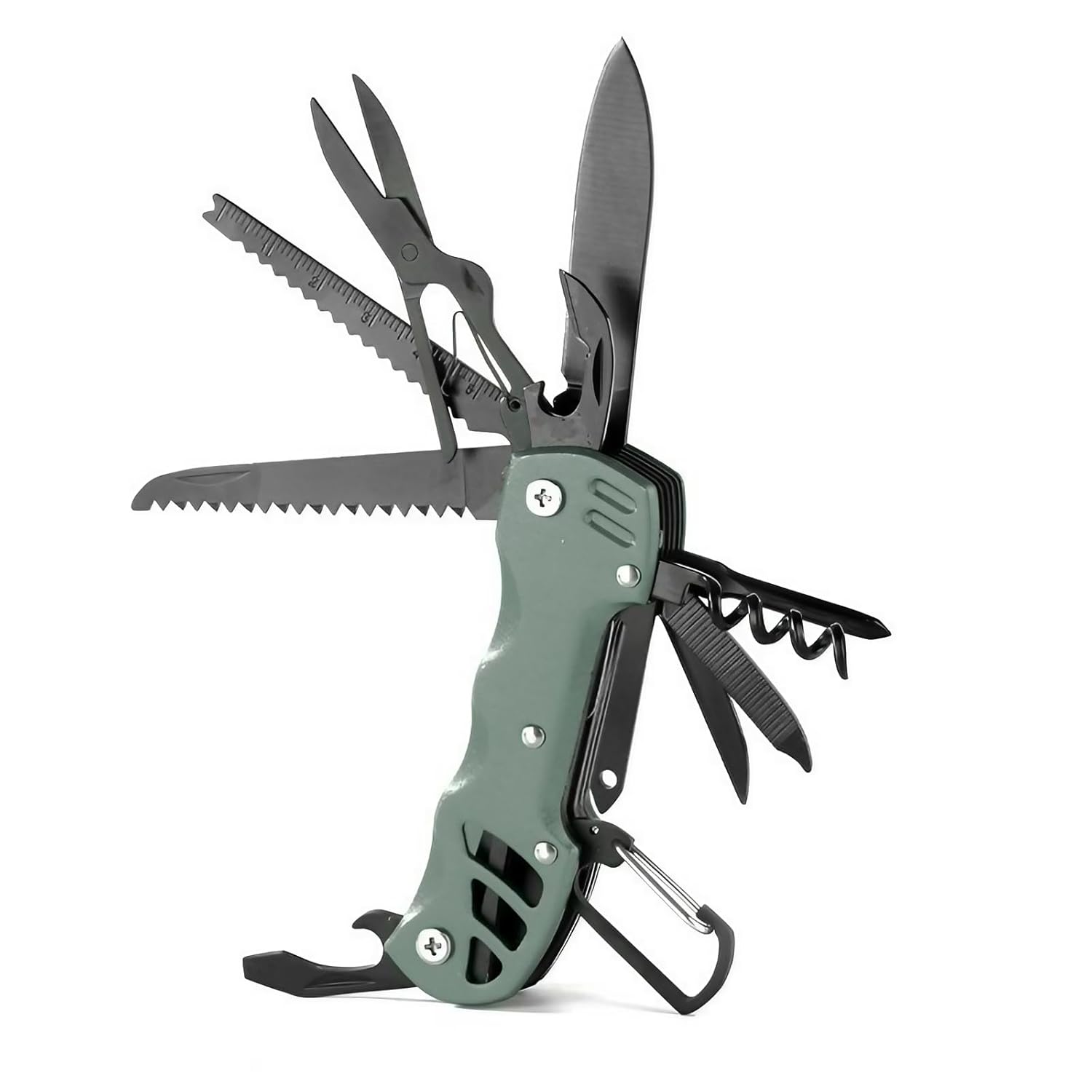
Multi tools promise versatility but fall short alone. Small blades limit heavy cutting. Weak leverage reduces effectiveness. Components wear quickly. Repairs become difficult. Specialized tools outperform individual functions. Multi tools lack reach and strength. Using them improperly causes injury. Overconfidence leads to misuse. They struggle with shelter building. Fire preparation proves inefficient. While useful supplements, multi tools cannot replace dedicated knives, saws, or tools. Relying solely on one restricts capability during prolonged survival scenarios where durability, power, and efficiency matter more than compact convenience offered by combined designs.
Fire Starter
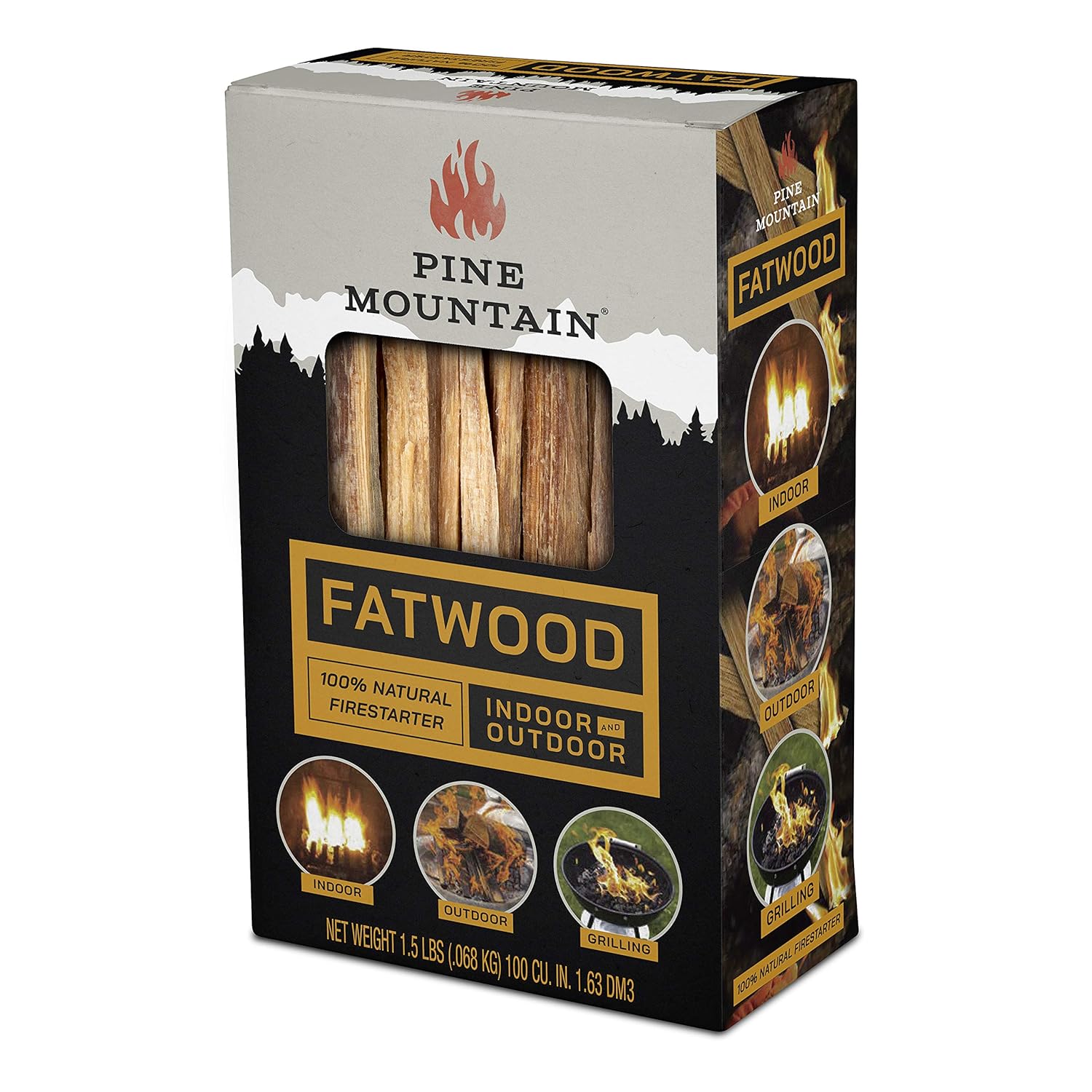
Fire starters seem essential but fail alone. Wet conditions prevent ignition. Fuel availability matters more than sparks. Wind disrupts flame development. Cold reduces effectiveness. Tinder preparation requires skill. Fire starters cannot create shelter or food. Overreliance ignores redundancy. Matches run out. Ferro rods demand technique. Without firewood, fire means nothing. Fire supports survival but does not guarantee it. Depending only on ignition tools overlooks water, shelter, navigation, and signaling needs critical for extended survival beyond warmth or cooking during emergencies in remote or hostile environments.
Knife
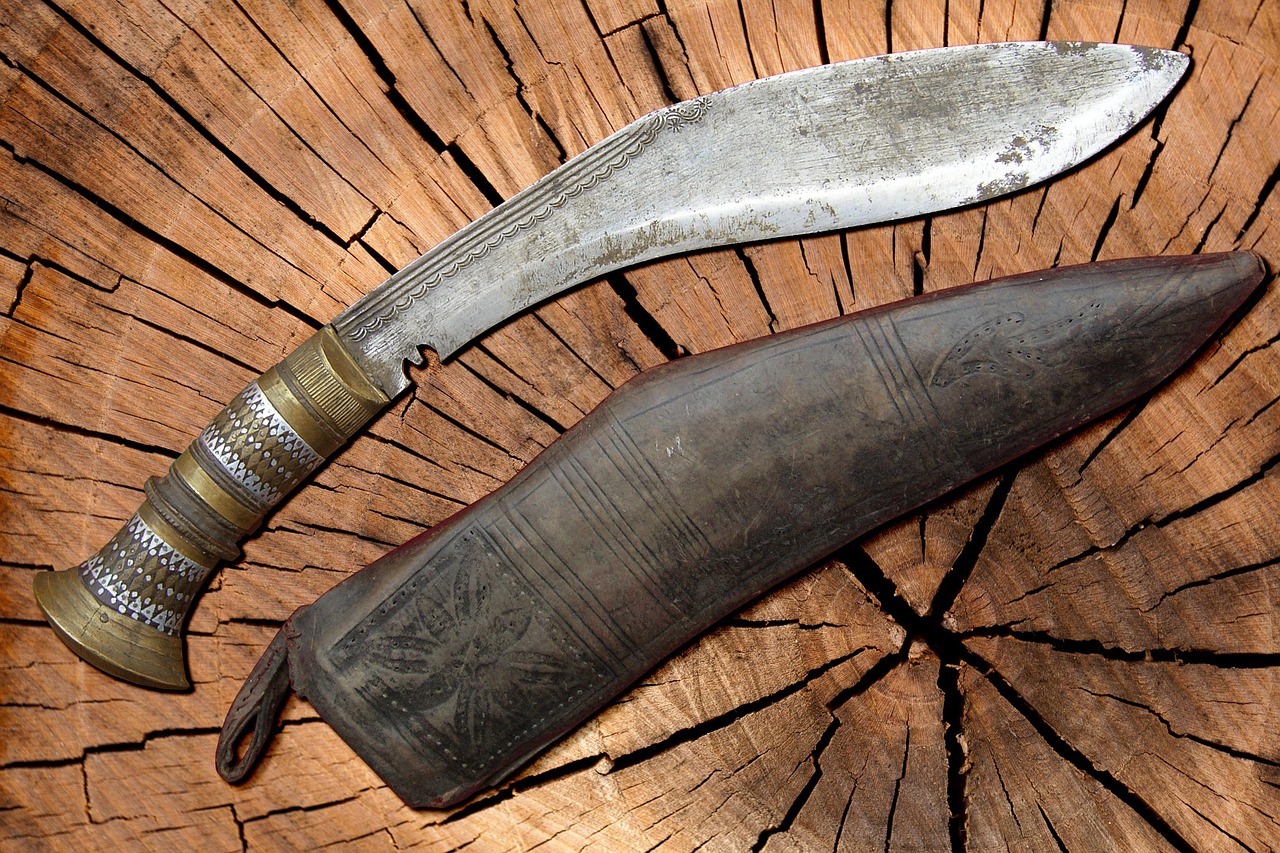
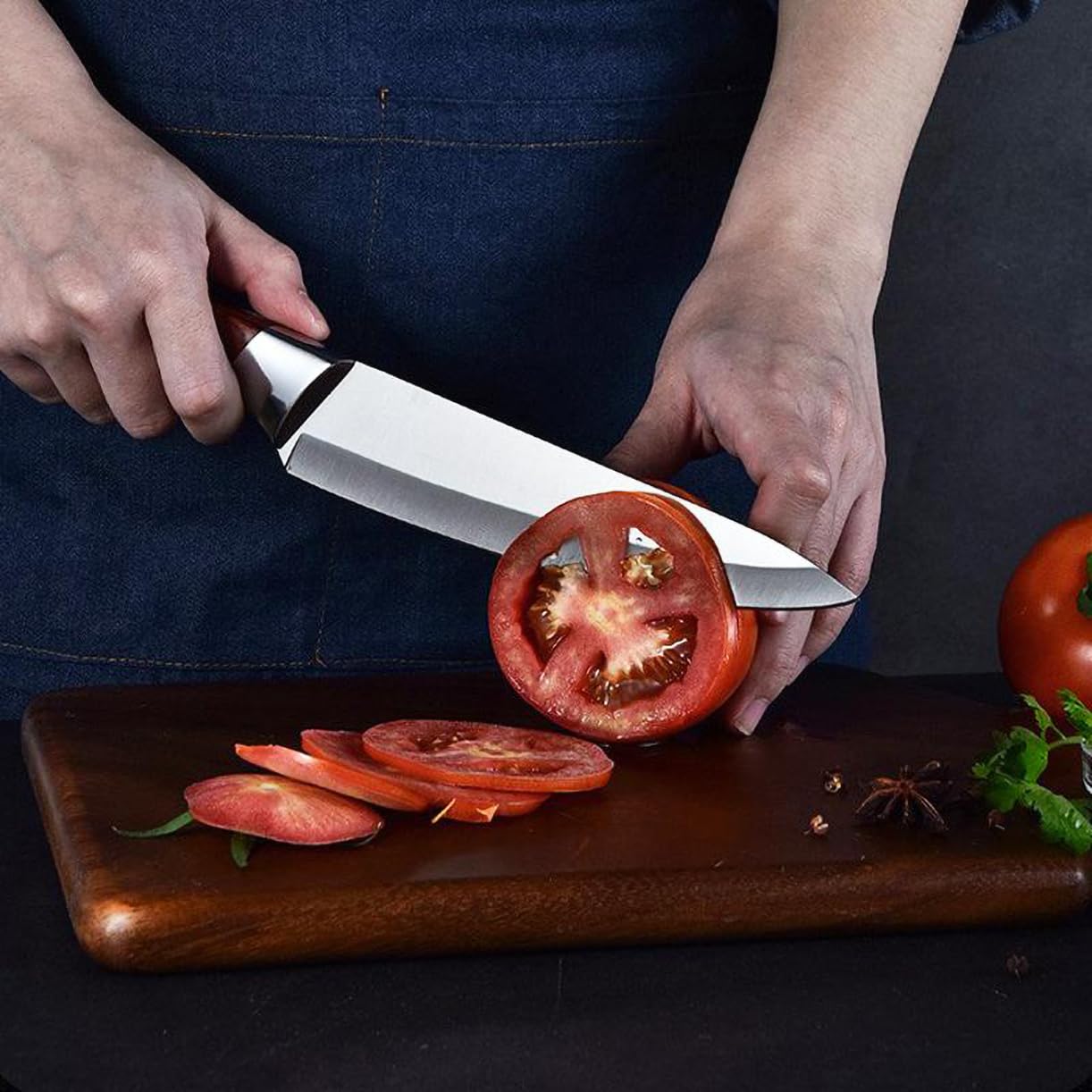
Knives hold iconic survival status yet remain limited. A blade cannot provide water. Shelter construction needs additional tools. Knives require maintenance. Dull edges reduce effectiveness. Injury risk increases with fatigue. Fire building demands more than cutting. Navigation remains impossible. Knives cannot signal rescue effectively. Overreliance creates unrealistic expectations. While vital tools, knives function best within systems. Alone, they cannot meet survival demands. Balanced preparation recognizes knives as components, not solutions, within broader strategies addressing environment, resources, and human endurance during emergencies lasting multiple days or weeks.
Flashlight
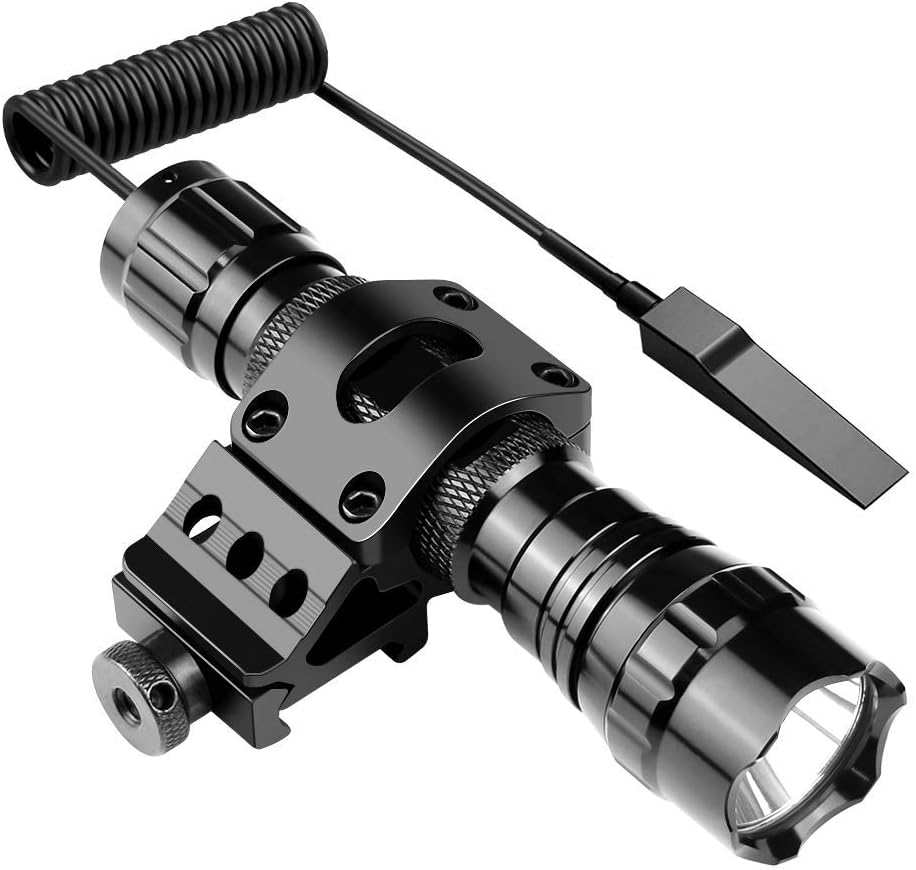
Flashlights provide visibility but fail as sole tools. Batteries drain unpredictably. Cold shortens runtime. Moisture damages circuits. Light attracts attention but offers no protection. Navigation still requires landmarks. Shelter remains unaddressed. Fire cannot be made. Food and water remain inaccessible. Without light, darkness returns suddenly. Flashlights assist movement but solve little alone. Survival demands multifunctional capability. Depending only on illumination creates vulnerability once power fades, leaving individuals unprepared for extended challenges requiring more than temporary visibility in unfamiliar or dangerous surroundings.
Rope
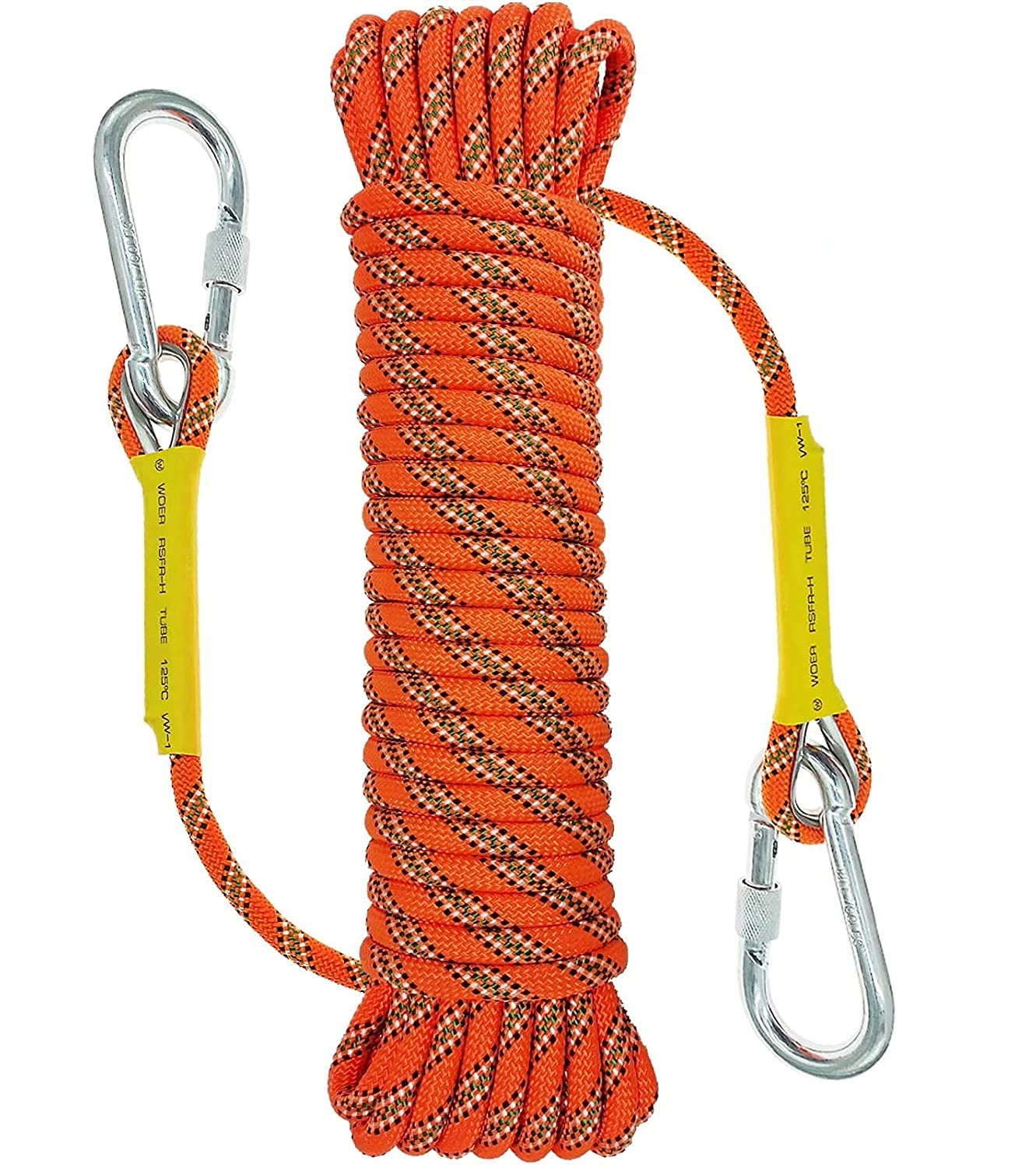
Rope appears versatile but lacks independence. Without anchors, rope fails. Knots require skill. Rope cannot create food. Fire building remains separate. Shelter needs additional materials. Rope degrades when wet. Weight limits use. Improper use causes injury. Signaling remains ineffective. Navigation unchanged. Rope supports tasks but does not initiate them. Alone, rope offers potential without fulfillment. Survival requires complementary tools and knowledge. Depending solely on rope overlooks essential needs beyond securing, climbing, or binding tasks during emergencies in rugged or unpredictable terrain.
Tent
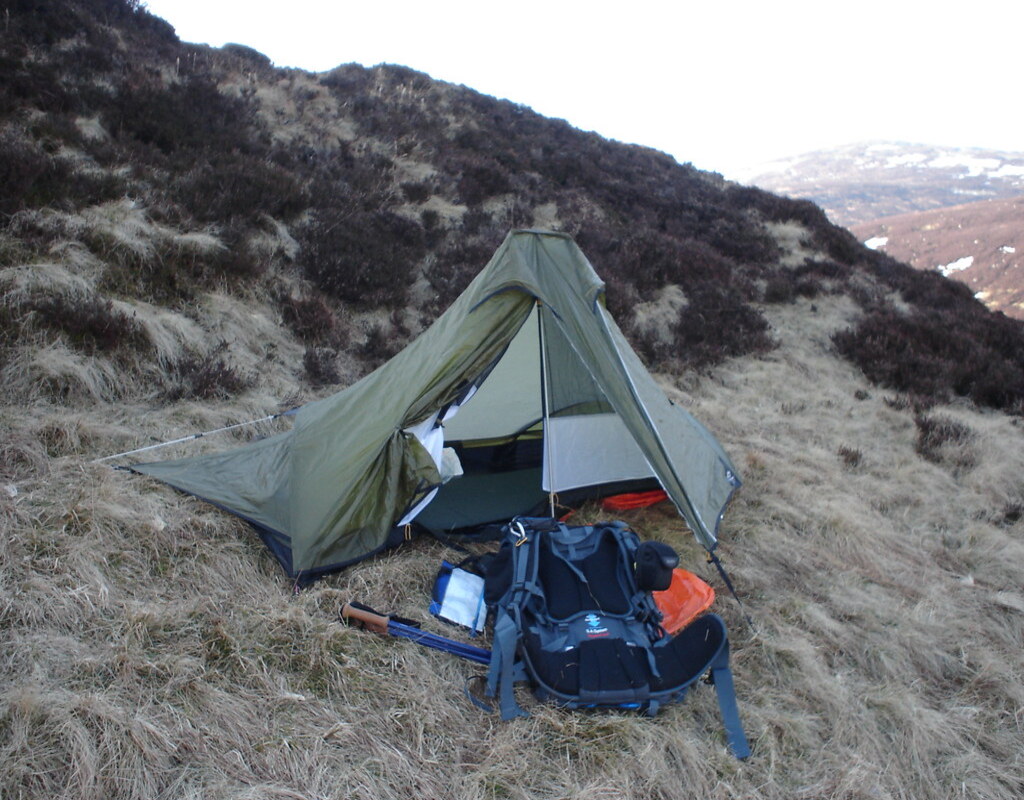
Tents offer shelter but fail alone. Weather extremes overwhelm materials. Ground selection matters. Fire remains separate. Water collection unavailable. Navigation unaffected. Repairs prove difficult. Wind damages structure. Wildlife access increases risk. Tents do not signal rescue. Dependence on tents ignores mobility needs. Shelter supports survival but does not sustain it. Alone, tents cannot address hydration, food, or escape. Balanced preparation treats tents as protective layers rather than complete solutions during prolonged or unpredictable survival situations far from assistance.
First Aid Kit
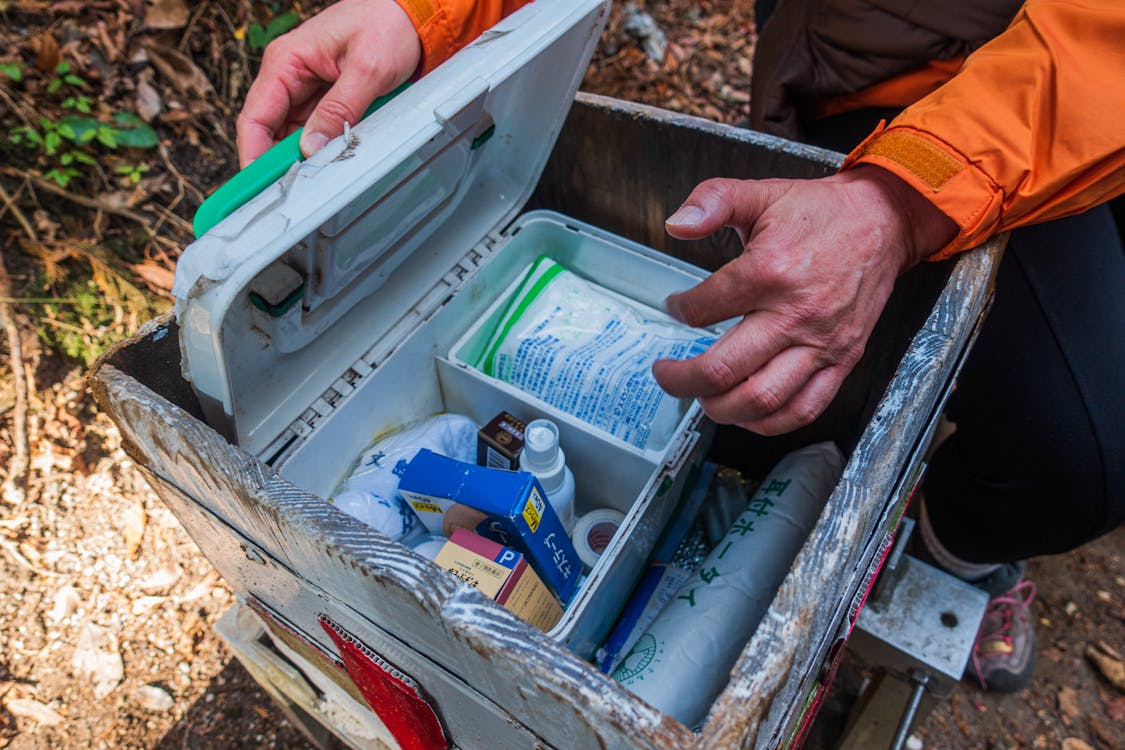
First aid kits address injury but not survival alone. Supplies run out. Treatment requires training. Kits cannot prevent exposure. Water remains unavailable. Shelter unaddressed. Fire building impossible. Navigation unaffected. Serious injuries exceed capability. Infection risk persists. Kits support response but not sustenance. Overreliance creates false security. Survival depends on avoiding injury as much as treating it. First aid functions best alongside preparation addressing environment, resources, and evacuation rather than serving as sole survival reliance in remote or disaster scenarios.
Map
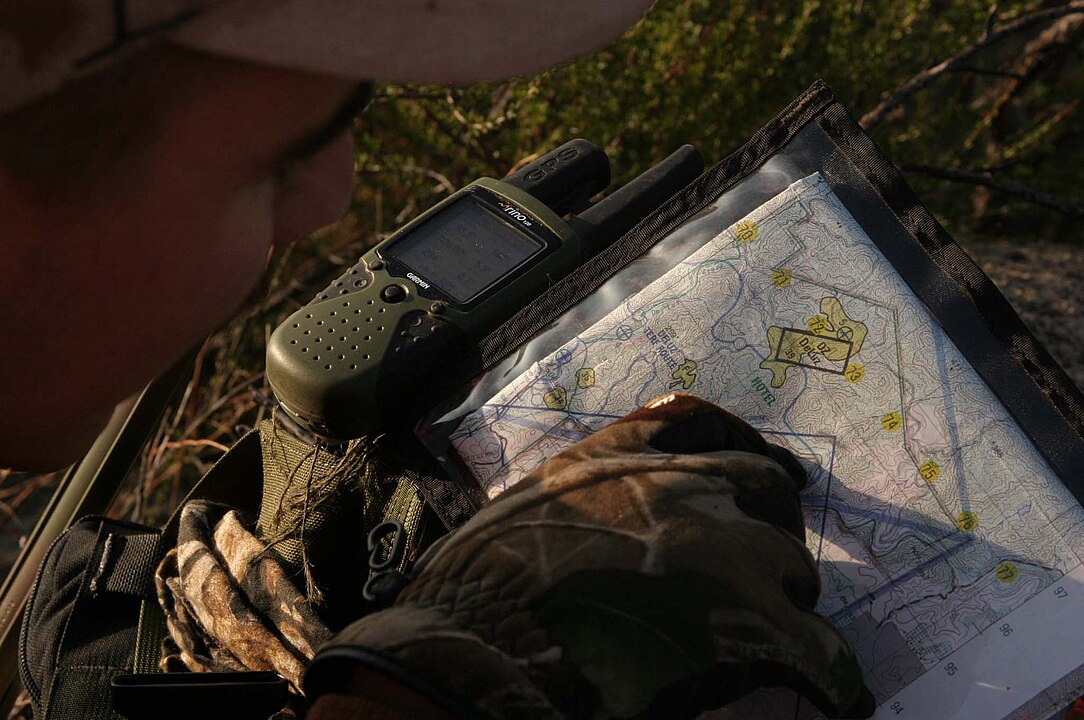
Maps guide movement but fail alone. Terrain changes. Weather obscures landmarks. Maps do not provide shelter. Fire remains unaddressed. Water sources may dry. Injury cannot be treated. Darkness limits use. Navigation requires interpretation skill. Maps cannot signal rescue. Paper degrades easily. Maps support planning but do not sustain life. Relying solely on navigation overlooks immediate survival needs. Maps work within systems combining tools, skills, and situational awareness during emergencies where conditions shift rapidly and unpredictably.
Weapon
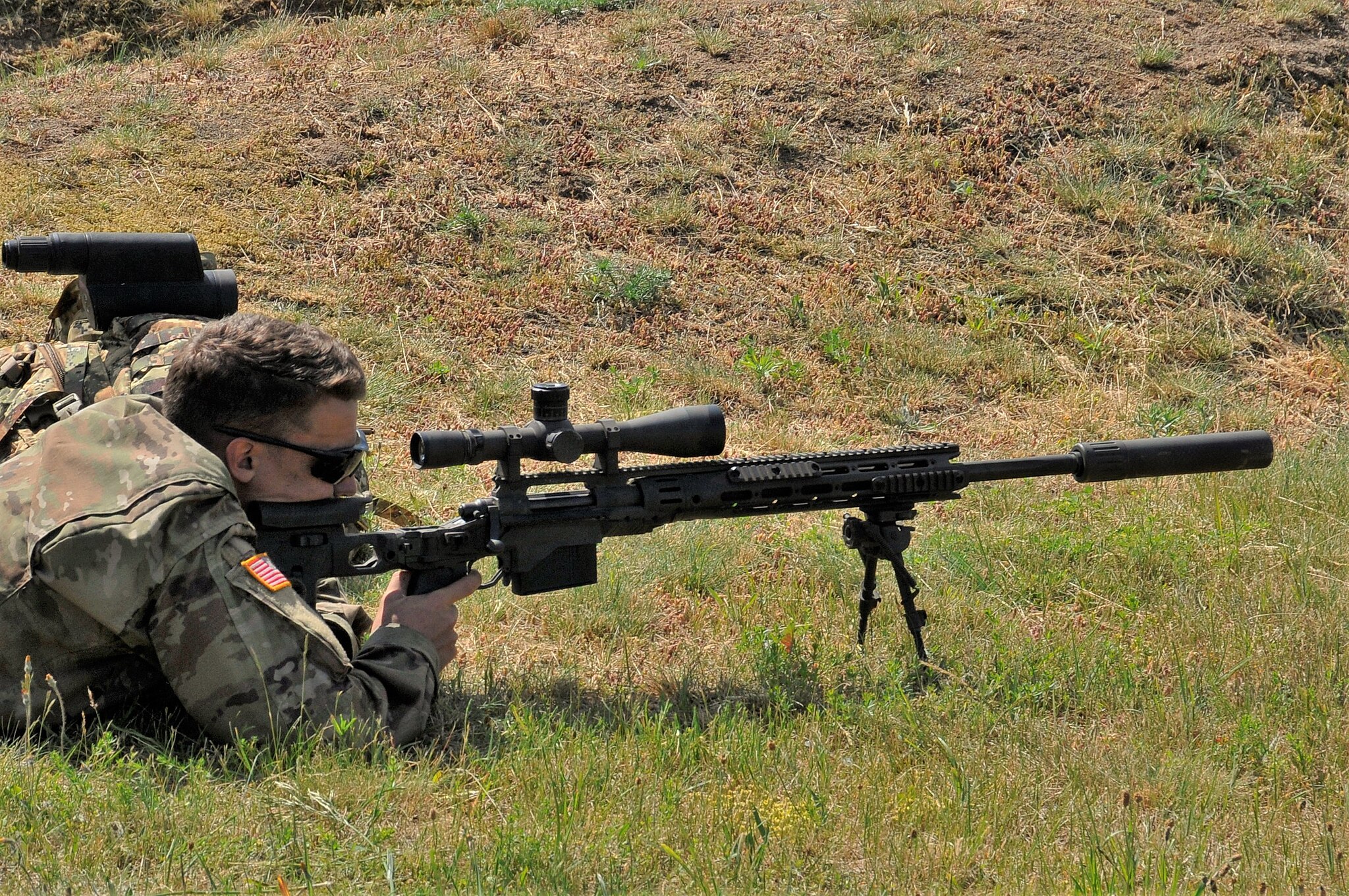
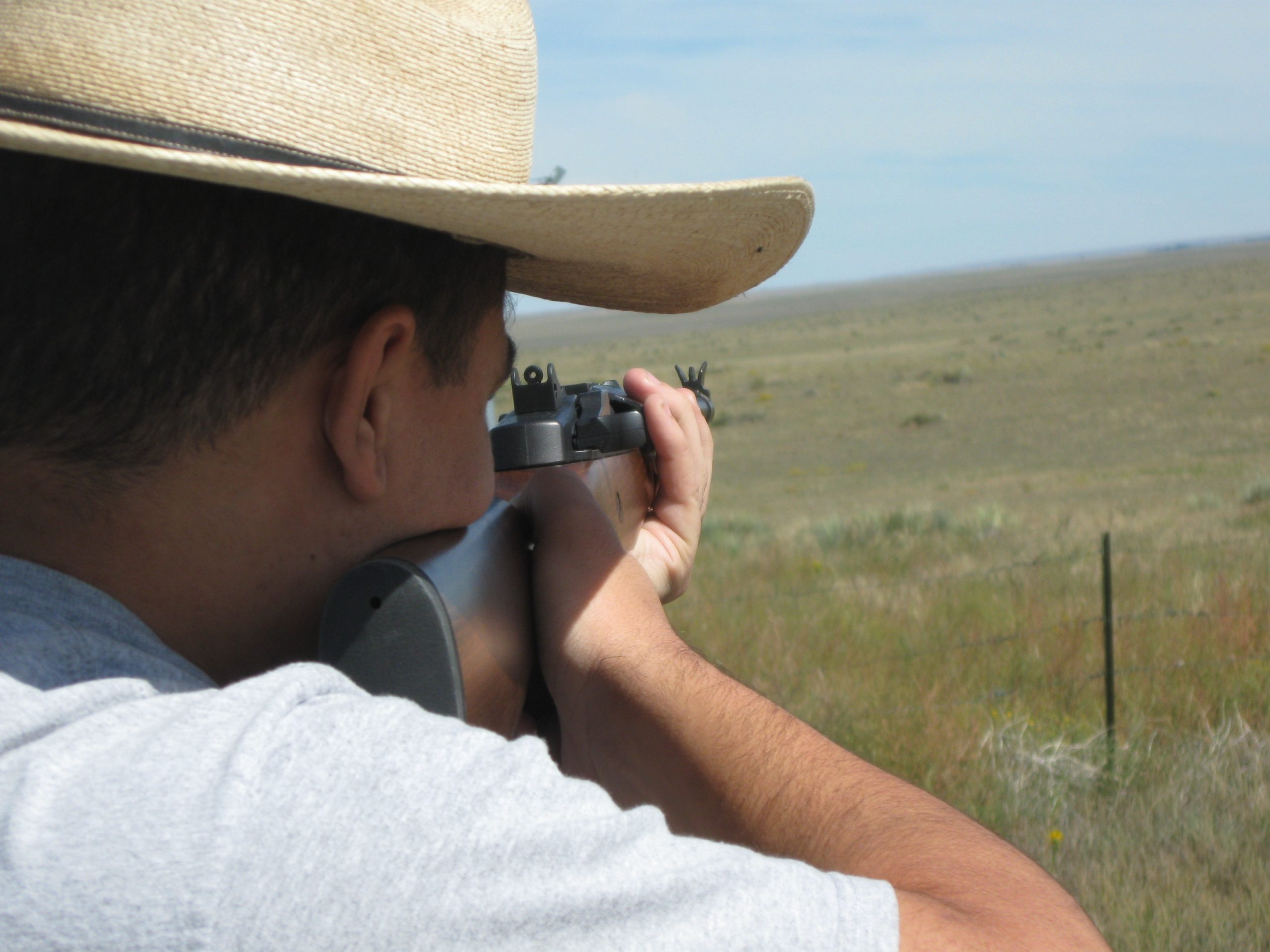
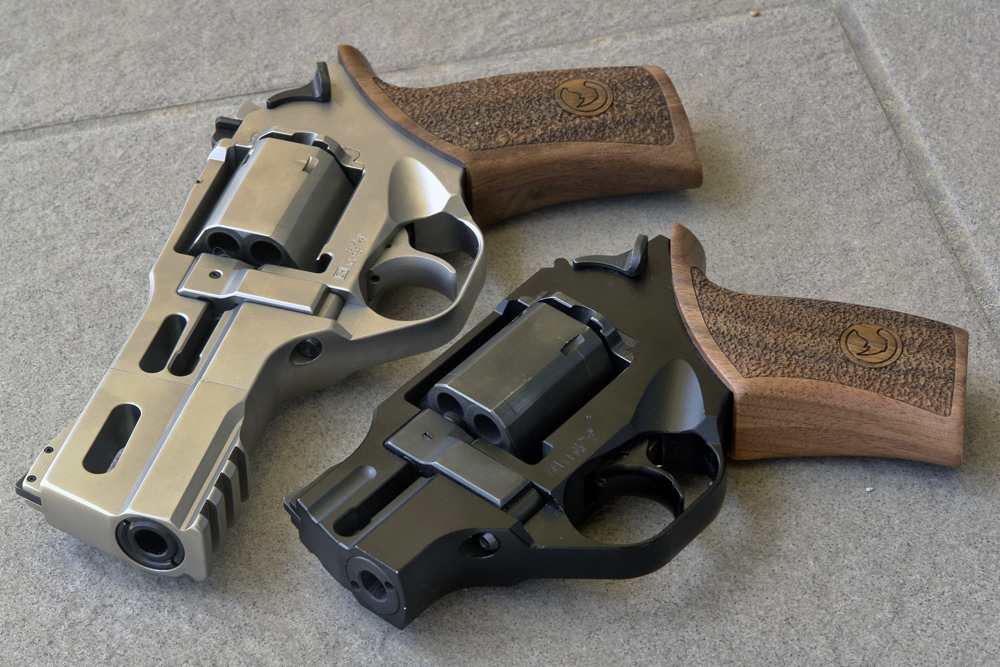
Weapons inspire confidence but fail as sole survival tools. Ammunition depletes. Maintenance matters. Weapons do not provide water. Shelter construction remains unmet. Fire building separate. Navigation unaffected. Injury risk increases. Hunting success varies. Signaling rescue remains limited. Legal restrictions apply. Weapons serve specific purposes. Survival requires adaptability beyond defense or hunting. Depending only on weapons ignores fundamental needs like hydration, warmth, and communication necessary for sustained survival in diverse emergency scenarios where avoidance and endurance matter more than force.