Firearms have shaped history, culture, and innovation in ways most people rarely notice. Even those who are familiar with outdoor traditions or sporting communities are often surprised at how much engineering, law, and cultural influence sit behind everyday discussions about guns. These ten points explore lesser-known background facts that highlight how firearms evolved over time, how they influenced society, and how they continue to be interpreted in modern life.
1. Early Firearms Were Mostly Unreliable Tools
Many people imagine early firearms as powerful battlefield weapons, but most early designs were slow, smoky, and unpredictable. Matchlock and wheellock guns required tricky ignition systems that often failed in rain or wind, meaning soldiers still relied heavily on blades or pikes. These primitive firearms were valued more for their psychological impact than their mechanical performance. Their evolution marked a long journey toward becoming dependable tools rather than chaotic novelties.
2. The First Mass-Produced Guns Changed Global Trade
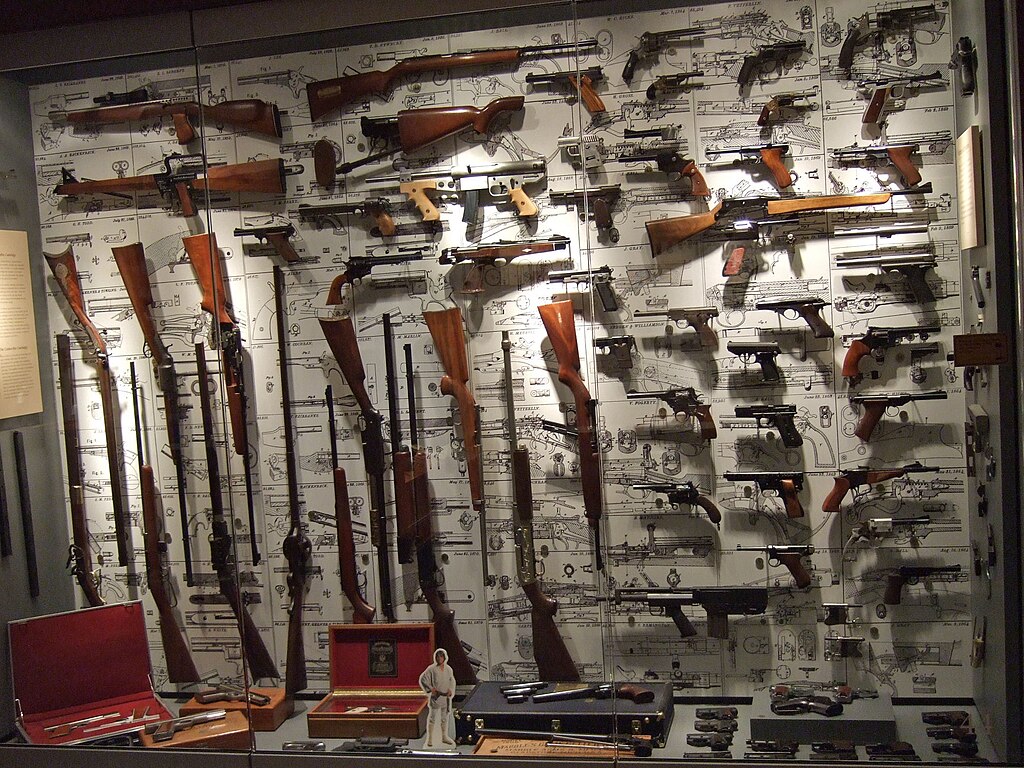
When firearms began to be mass-produced in the 1800s, they transformed global trade networks in unexpected ways. Factories that could produce barrels and lock components in large quantities helped establish early industrial supply chains. These networks connected ports, rail hubs, and shipping routes in ways that accelerated broader economic development. While the industry carried serious consequences, it also played a major role in shaping modern manufacturing systems around the world.
3. Some Vintage Firearms Are Considered Cultural Artifacts
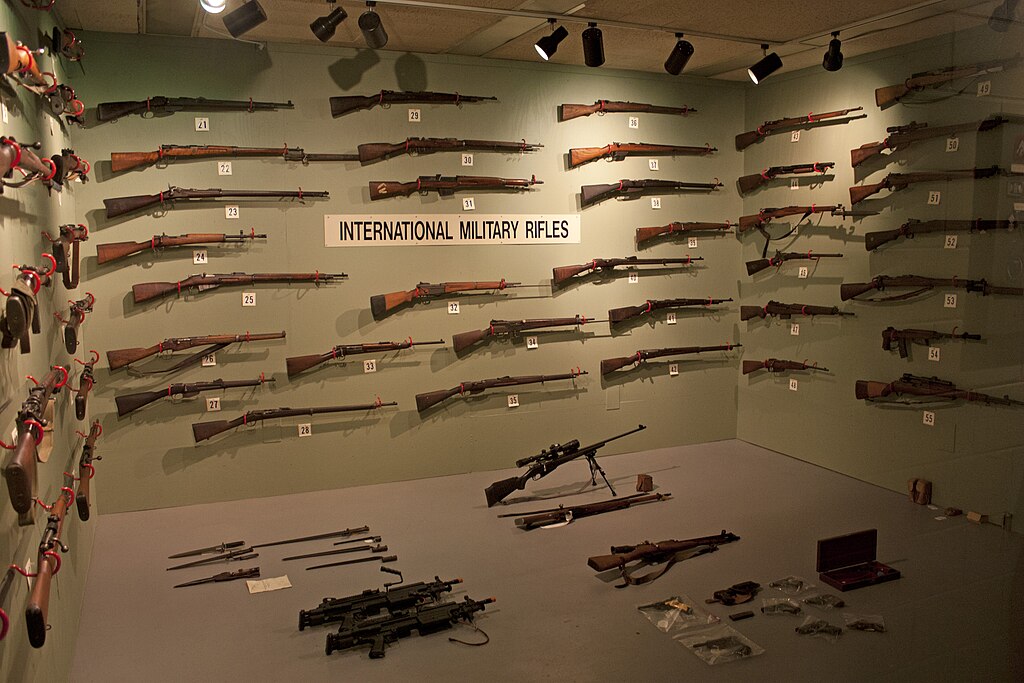
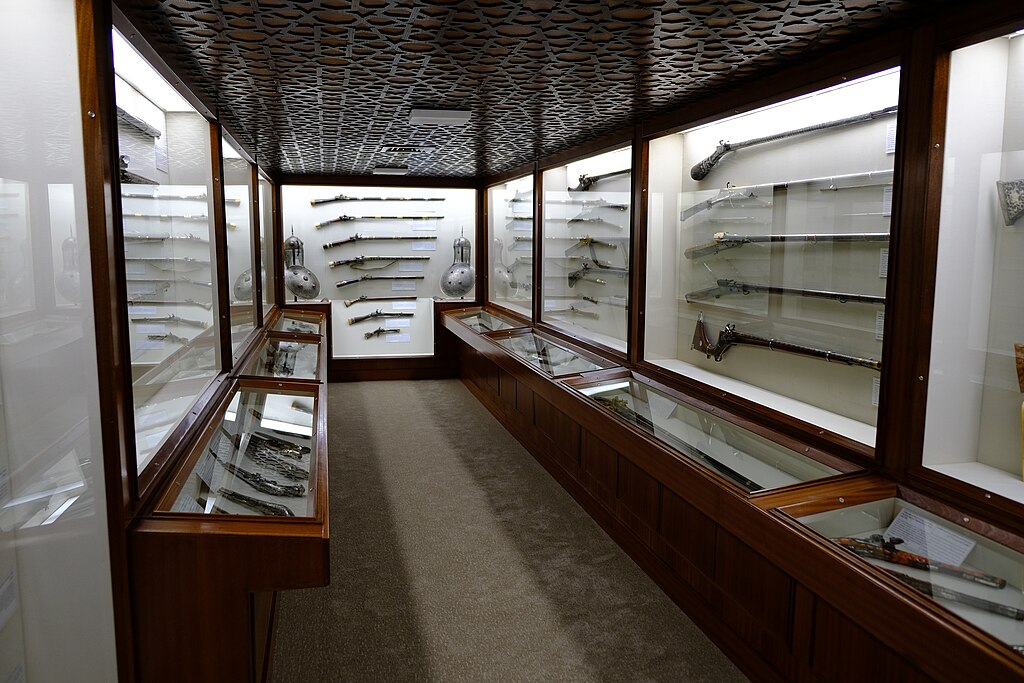
Not all guns are seen purely as tools; many older models are classified today as cultural or historical artifacts. Museums often display intricately engraved pieces that reflect craftsmanship rather than functional performance. These items can reveal details about artistic trends, trade exchanges, and regional identities of the time. Their delicate materials and ornate patterns show how firearms once served as symbols of heritage or ceremony, not just utilitarian objects for daily use.
4. Competitive Shooting Helped Drive Modern Engineering Breakthroughs
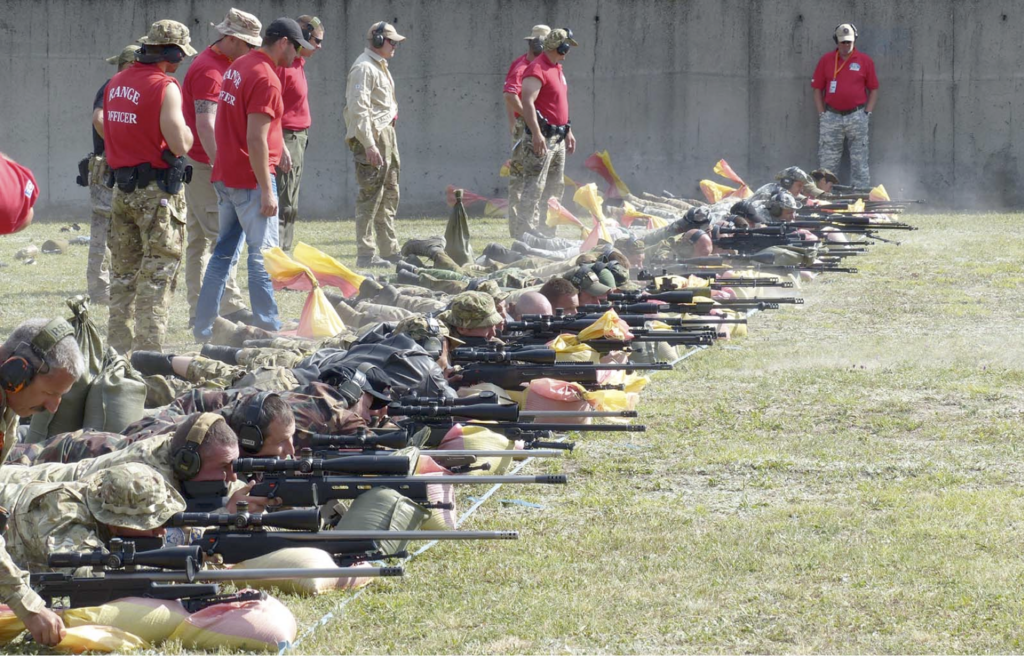
Organized marksmanship competitions in the 19th and early 20th centuries pushed engineers to develop new ideas in precision machining. As athletes demanded repeatable accuracy, manufacturers experimented with barrels, triggers, and metallurgy that later influenced tools used in aviation, surveying, and scientific equipment. These innovations show that shooting sports contributed indirectly to broader technical progress. Even today, many precision-based industries trace early breakthroughs back to these competitive events.
5. Firearms Safety Standards Influenced Consumer Regulation
Long before modern product safety laws existed, firearm designers were discussing standardized testing and safe handling rules. The need for consistent quality forced early manufacturers to test materials, design warning systems, and adopt inspection routines. These practices helped inspire later consumer protection policies used far outside the firearm world. Understanding this history shows how safety discussions developed over centuries, shaping approaches used today in toys, tools, appliances, and sporting gear.
6. Some Historic Guns Used Surprisingly Unusual Materials
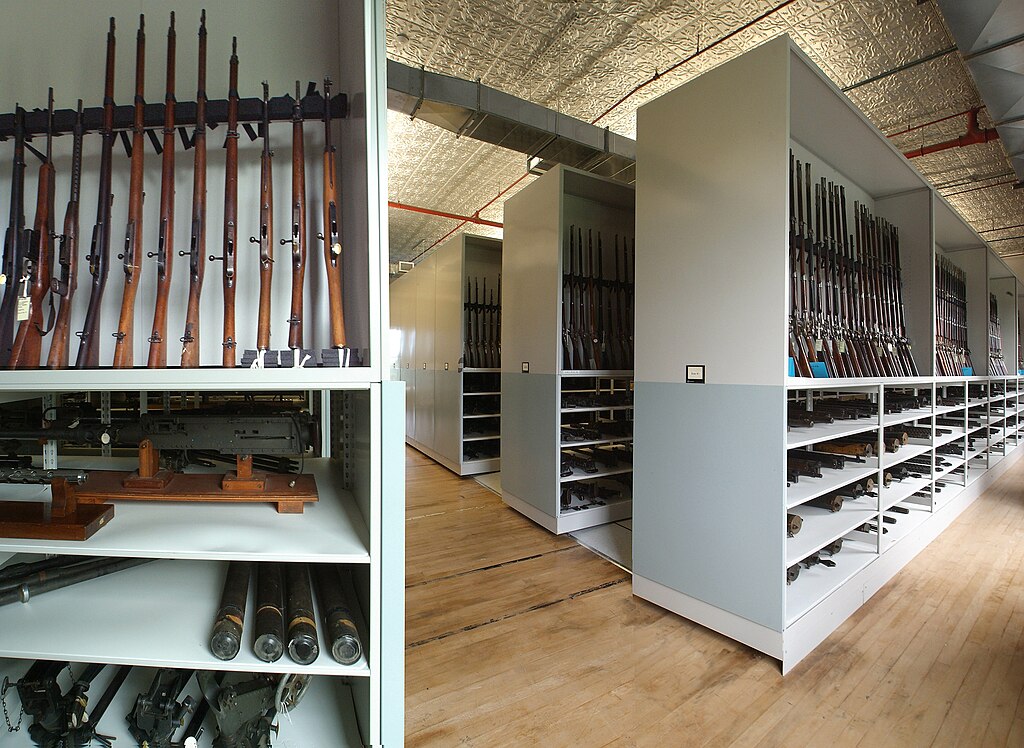
Early gunmakers experimented with wood types, brass alloys, horn inlays, and even animal-based glues when shaping stocks and frames. These creative materials weren’t always chosen for durability; many reflected regional availability or artistic expression. Some designs incorporated decorative carvings or imported pieces from faraway trade partners. These details reveal how early craftsmen blended engineering needs with cultural influence, resulting in firearms that today are valued as examples of traditional artistry.
7. Many Historical Guns Were Built for Signals, Not Combat
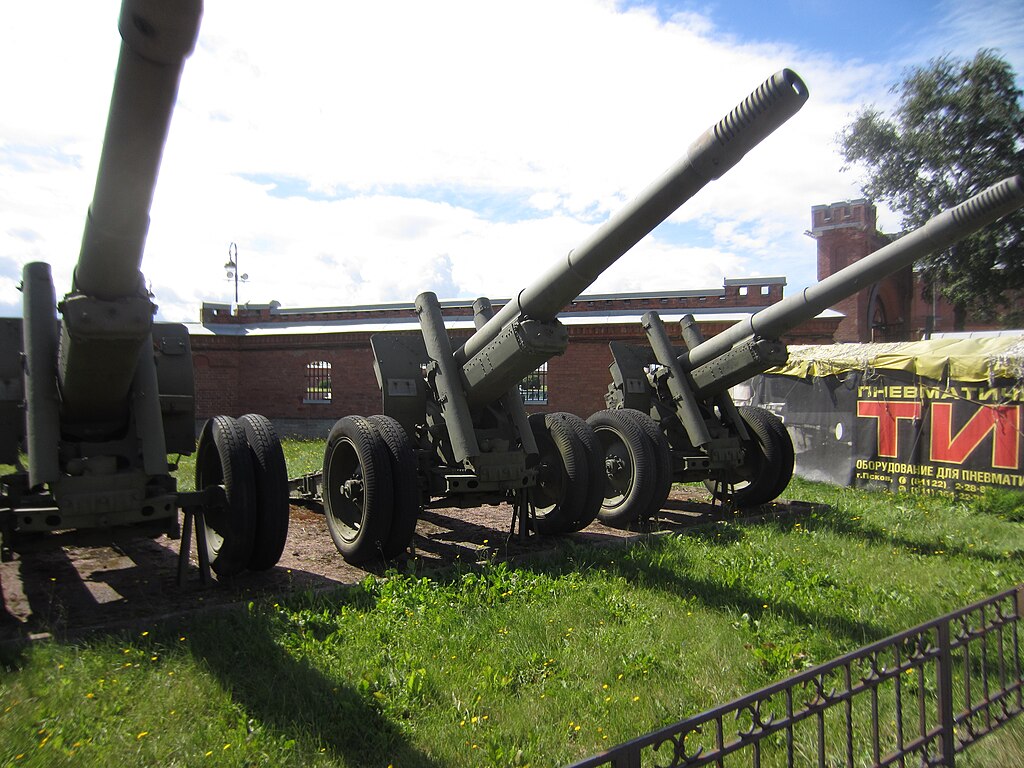
People often assume all older firearms were intended for hunting or warfare, but many were created for signaling purposes. Expedition teams, maritime crews, and frontier travelers used loud shots to communicate distress, location, or celebratory events. These signal guns had limited range and accuracy but produced attention-grabbing noise. Their use highlights how firearms once served communication needs in remote environments long before radios and emergency beacons became widely available.
8. Ammunition Once Varied Wildly in Size and Shape
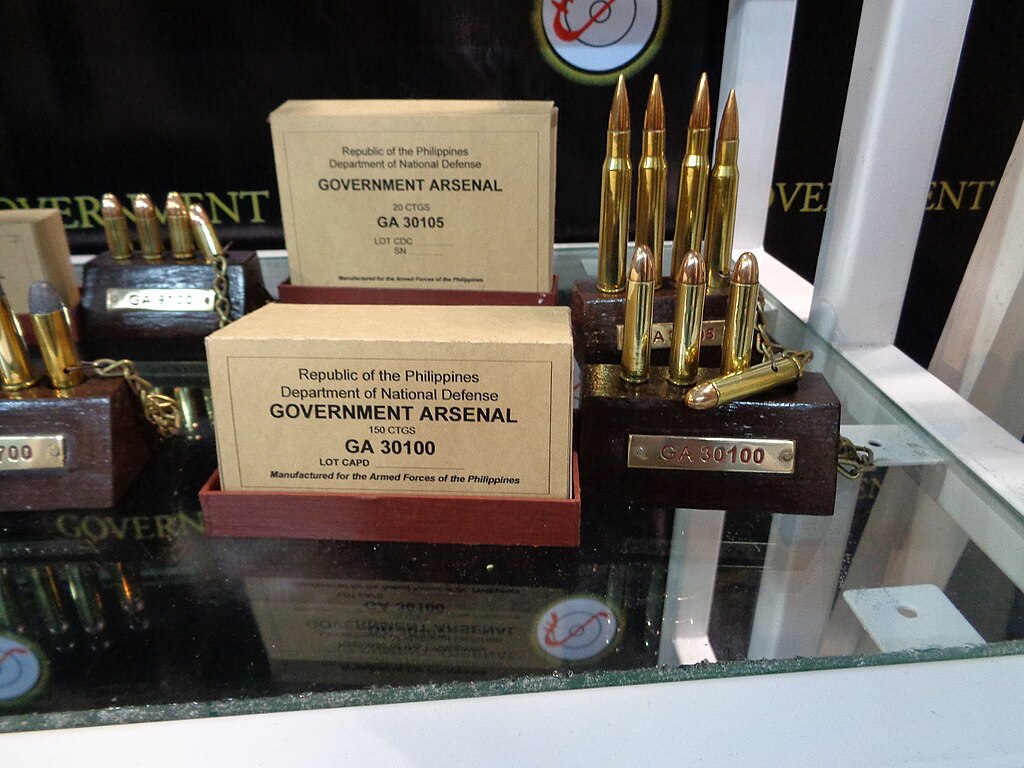
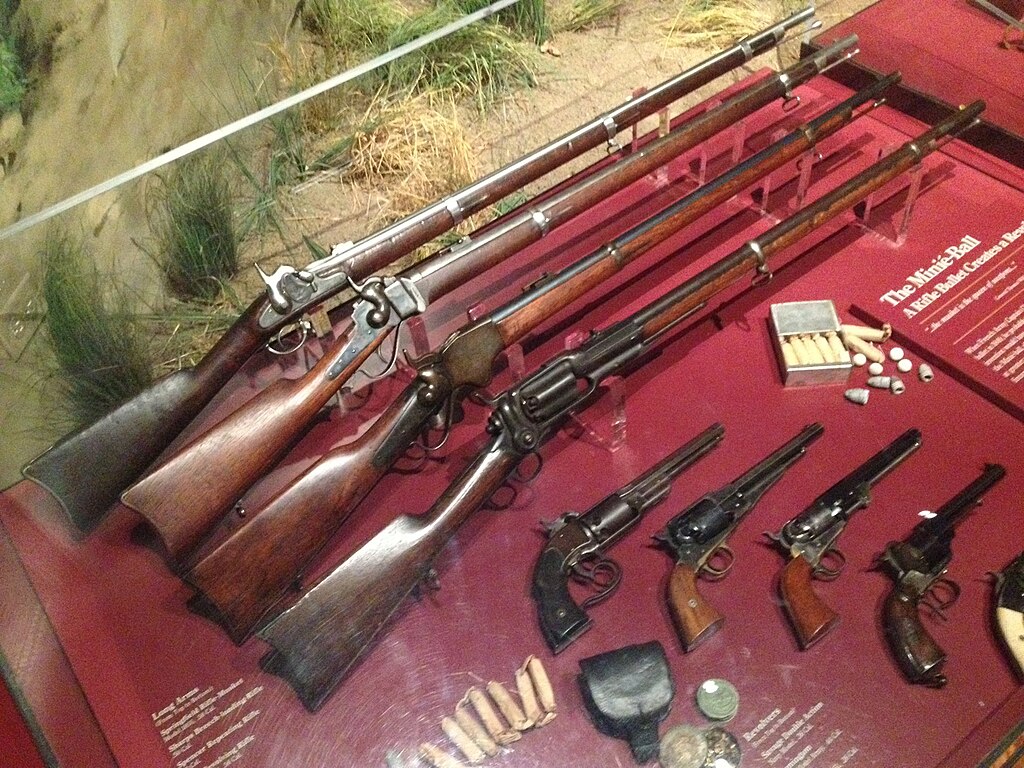
Before modern standardization, ammunition came in an enormous variety of shapes, materials, and measurements. Local blacksmiths often created projectiles by hand, meaning a round from one town might not fit a gun from another. This inconsistency made travel difficult for those relying on firearms because they needed to carry specialized supplies. The push for interchangeable parts in the industrial era eventually simplified this, helping create predictable, uniform components used in many tools today.
9. Hollywood Popularized Myths That Still Influence Perception
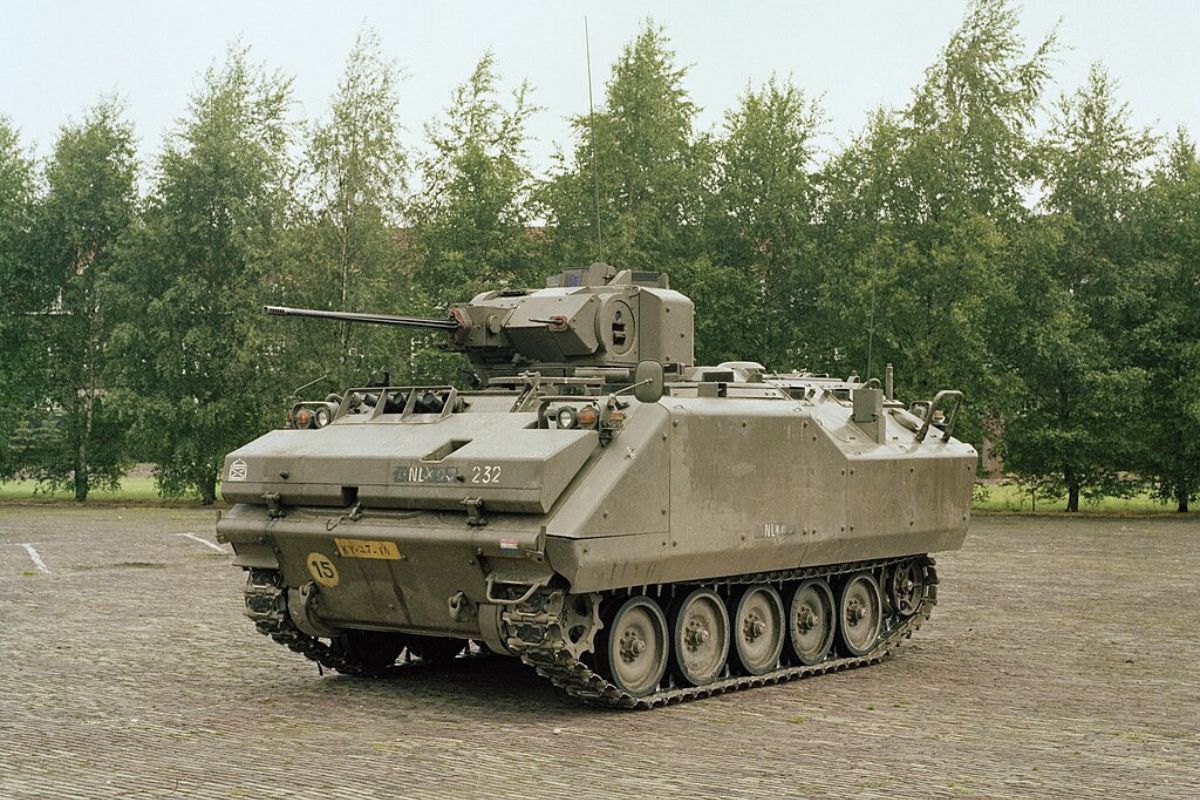
Movies and television have shaped public understanding of firearms for decades, often exaggerating sound, accuracy, or dramatic effects. These portrayals helped build iconic imagery that doesn’t reflect reality but became part of pop culture anyway. Many recognizable “gun moments” in film were created to increase tension or visual impact rather than technical accuracy. This blend of fiction and spectacle played a major role in how modern audiences imagine firearms and their capabilities.
10. Firearms Have Driven Major Museum Preservation Efforts
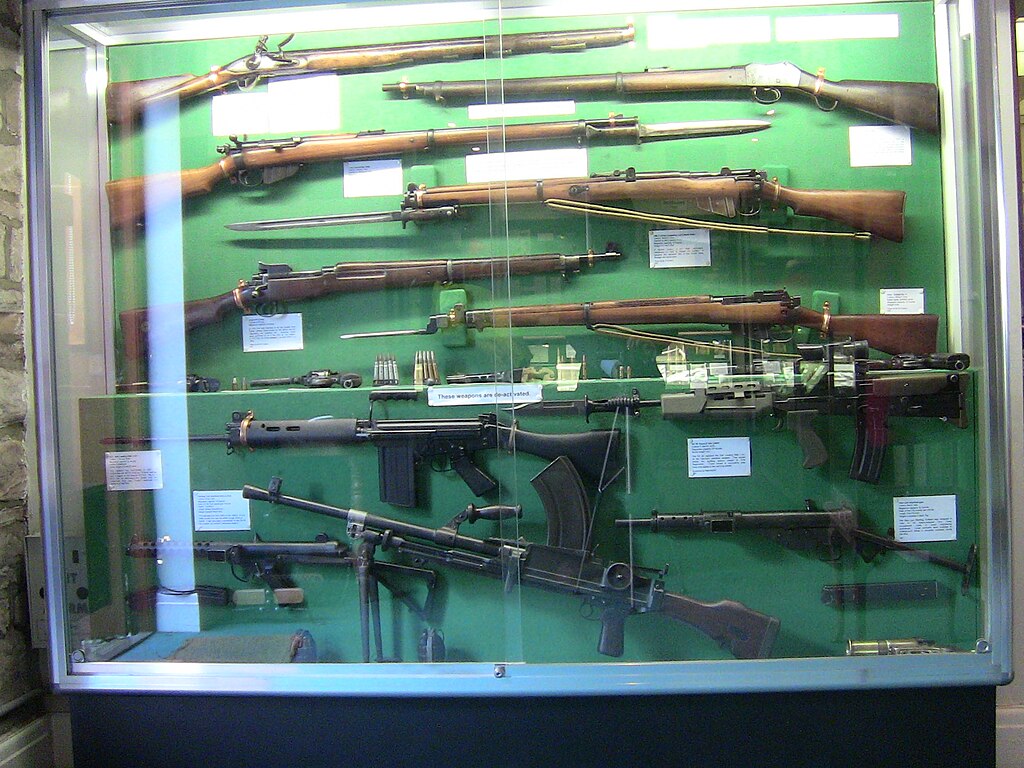
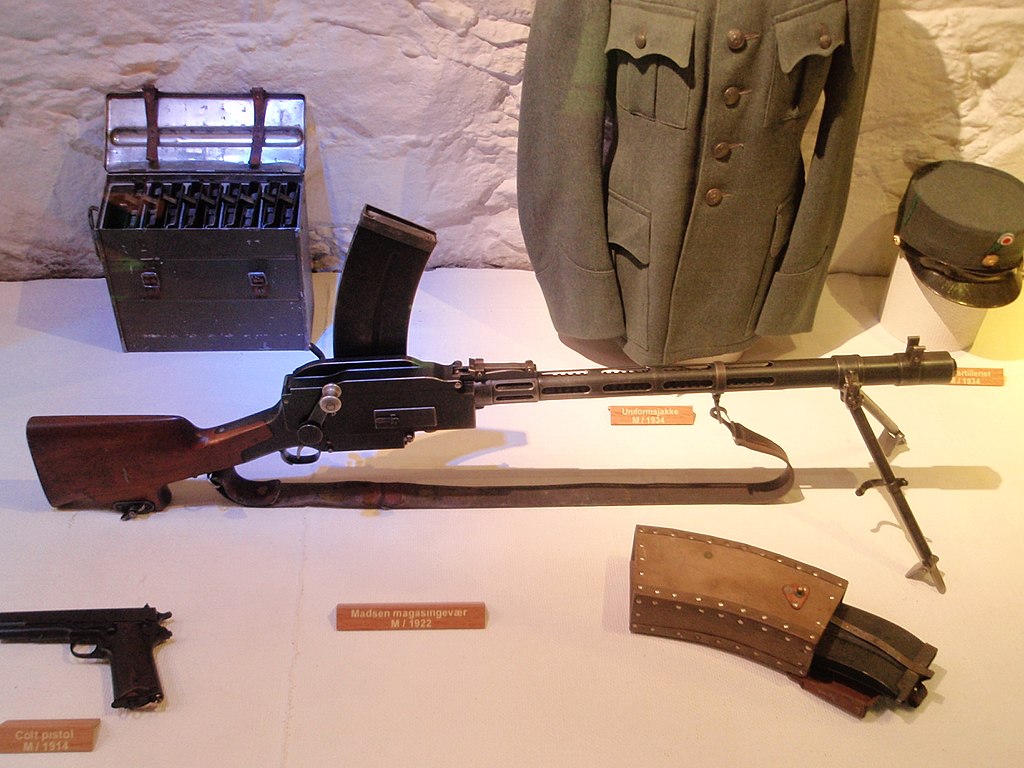
Museums that preserve antique firearms also preserve broader historical contexts such as uniforms, documents, and trade tools. Curators carefully stabilize metals, protect wood fibers, and track provenance to maintain complete stories around each piece. These preservation efforts require advanced conservation skills used in many other fields, including art restoration and archaeology. By treating firearms as cultural objects, institutions help researchers understand craftsmanship, economics, and social history connected to different eras.