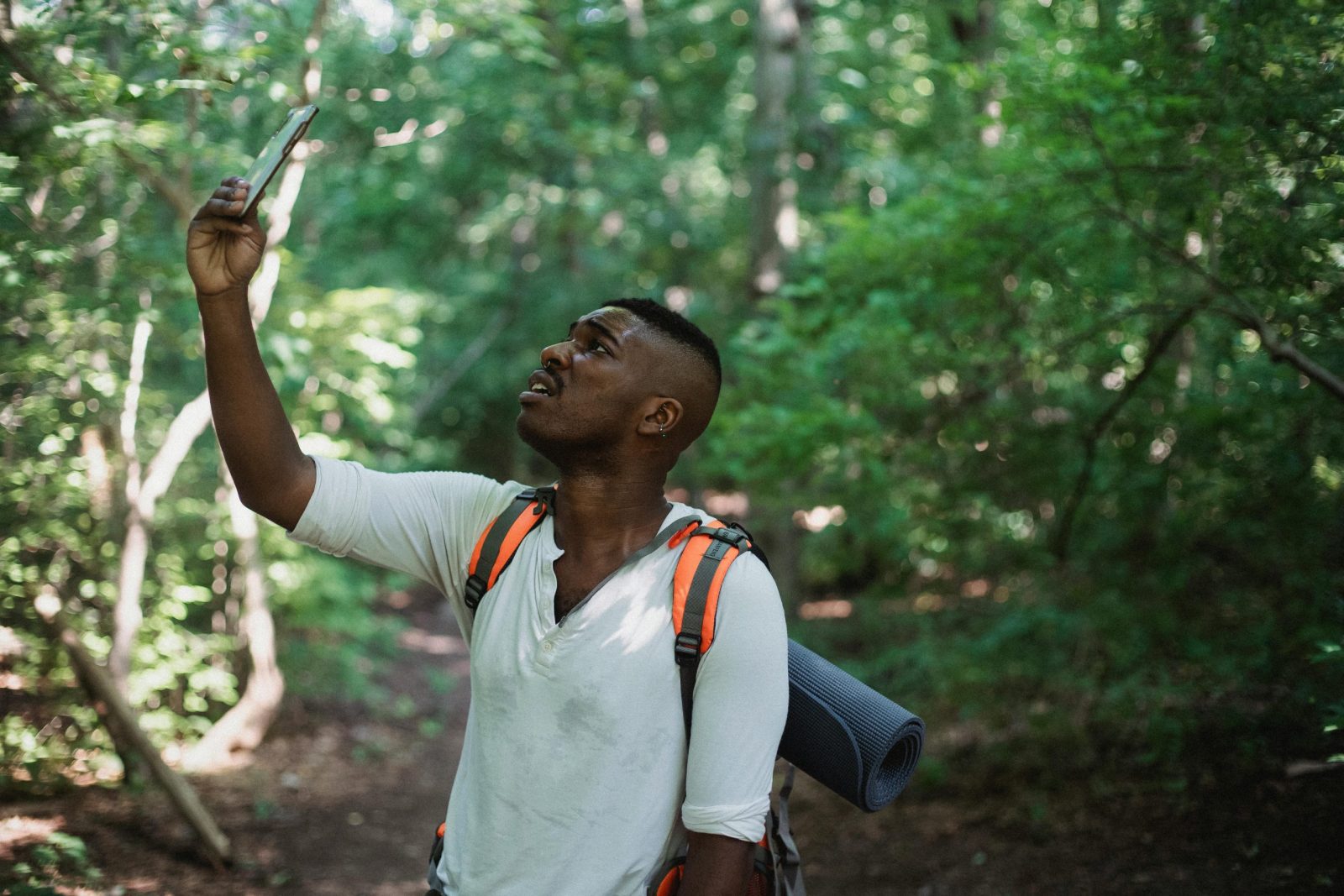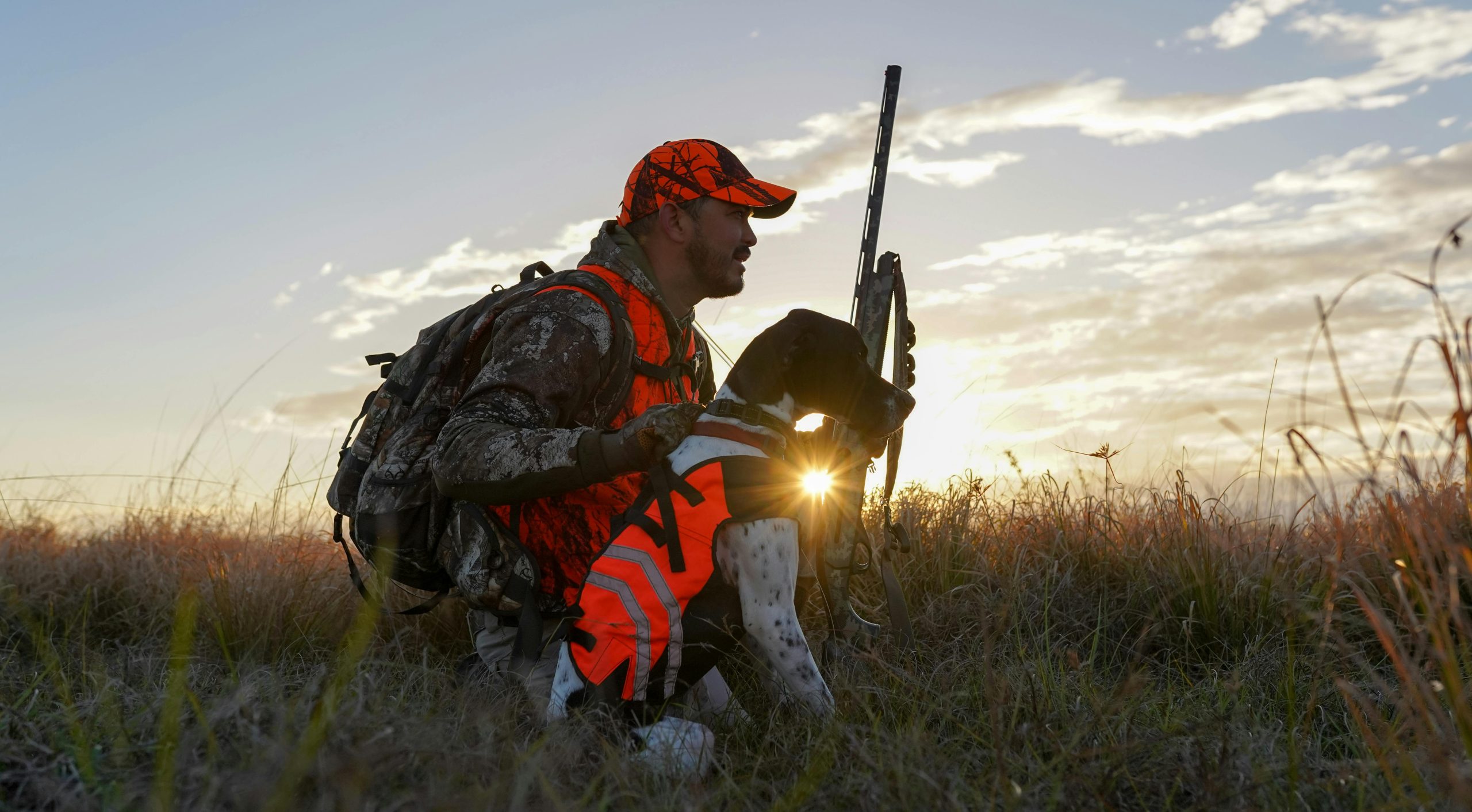
Hunting myths have been passed down for generations, often shared around campfires or learned through secondhand stories. While some sound harmless, others can be genuinely dangerous when followed without question. The wild does not reward assumptions, shortcuts, or outdated beliefs. Real survival depends on accurate knowledge, preparation, and respect for nature’s unpredictability. These hunting myths persist because they sometimes appear to work until conditions change suddenly. Weather shifts, animal behavior, and human error combine quickly in remote areas. Understanding why these myths are wrong can prevent serious injuries, exposure, or fatal mistakes. Each myth below explains the risk, the reality behind it, and what experienced hunters actually do to stay alive.
1. You Can Always Find Water If You Need It
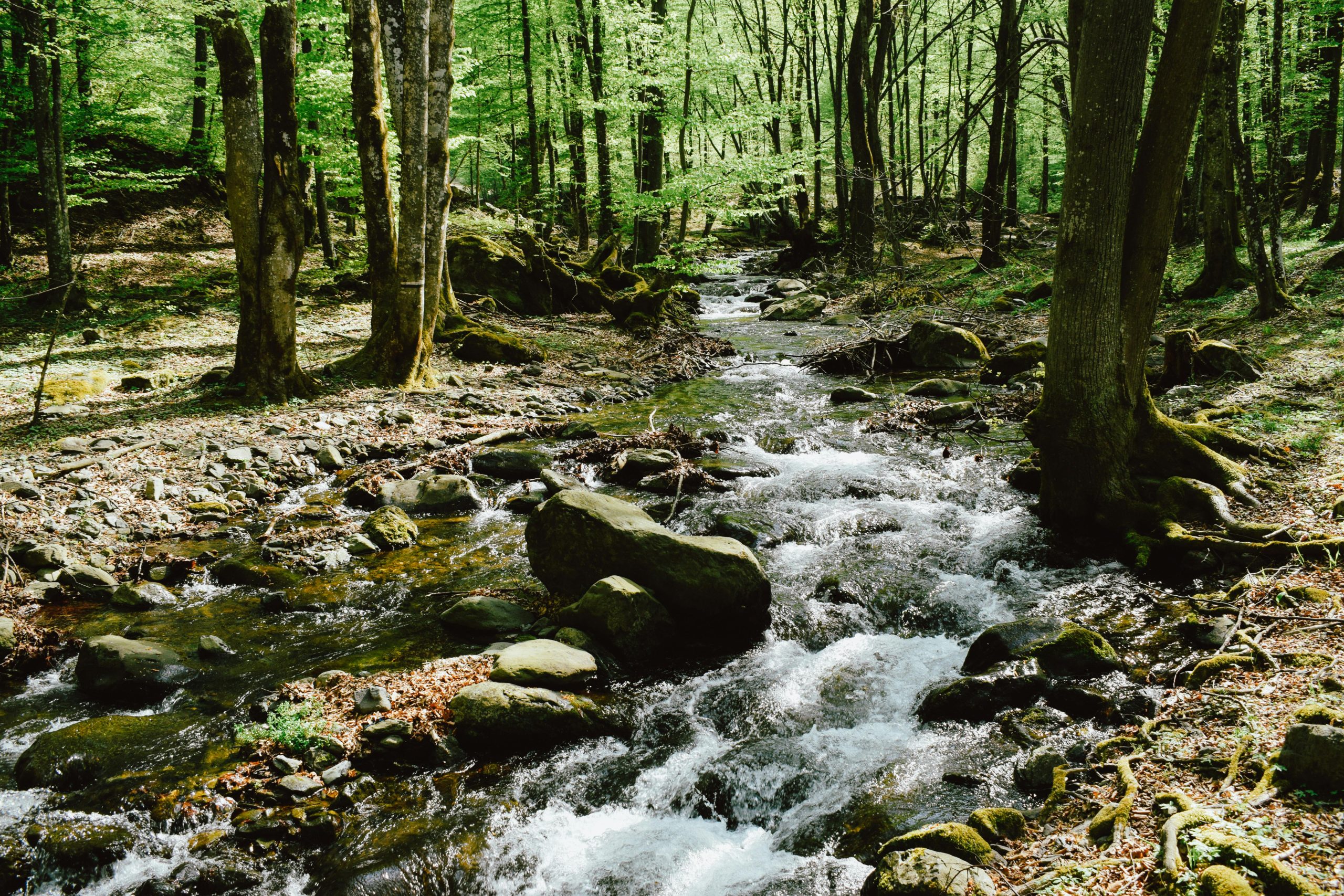
Many hunters believe that water will naturally appear when thirst becomes serious. This myth has caused countless emergencies. In dry regions or colder climates, water sources can be seasonal, frozen, or completely absent. Dehydration reduces judgment, strength, and coordination long before thirst feels severe. Hunters often push farther, thinking a stream is just ahead, only to collapse from exhaustion. Experienced hunters plan water before movement, mark sources on maps, and carry backup purification methods. Waiting until you are thirsty is already too late. Reliable hydration planning is a survival requirement, not a convenience.
2. Animals Will Always Avoid Humans

Many believe wild animals instinctively flee from people. This assumption can be deadly. Injured animals, mothers with young, or animals accustomed to human presence may act aggressively. Bears, wild boar, moose, and even deer can charge without warning. Predators may investigate quietly instead of retreating. Hunters relying on noise or presence alone often get too close. Experienced hunters read tracks, wind direction, and habitat signs constantly. Respecting animal space and carrying proper deterrents reduces risk. Assuming animals will run away removes critical caution from every encounter.
3. A Good Shot Solves Every Problem
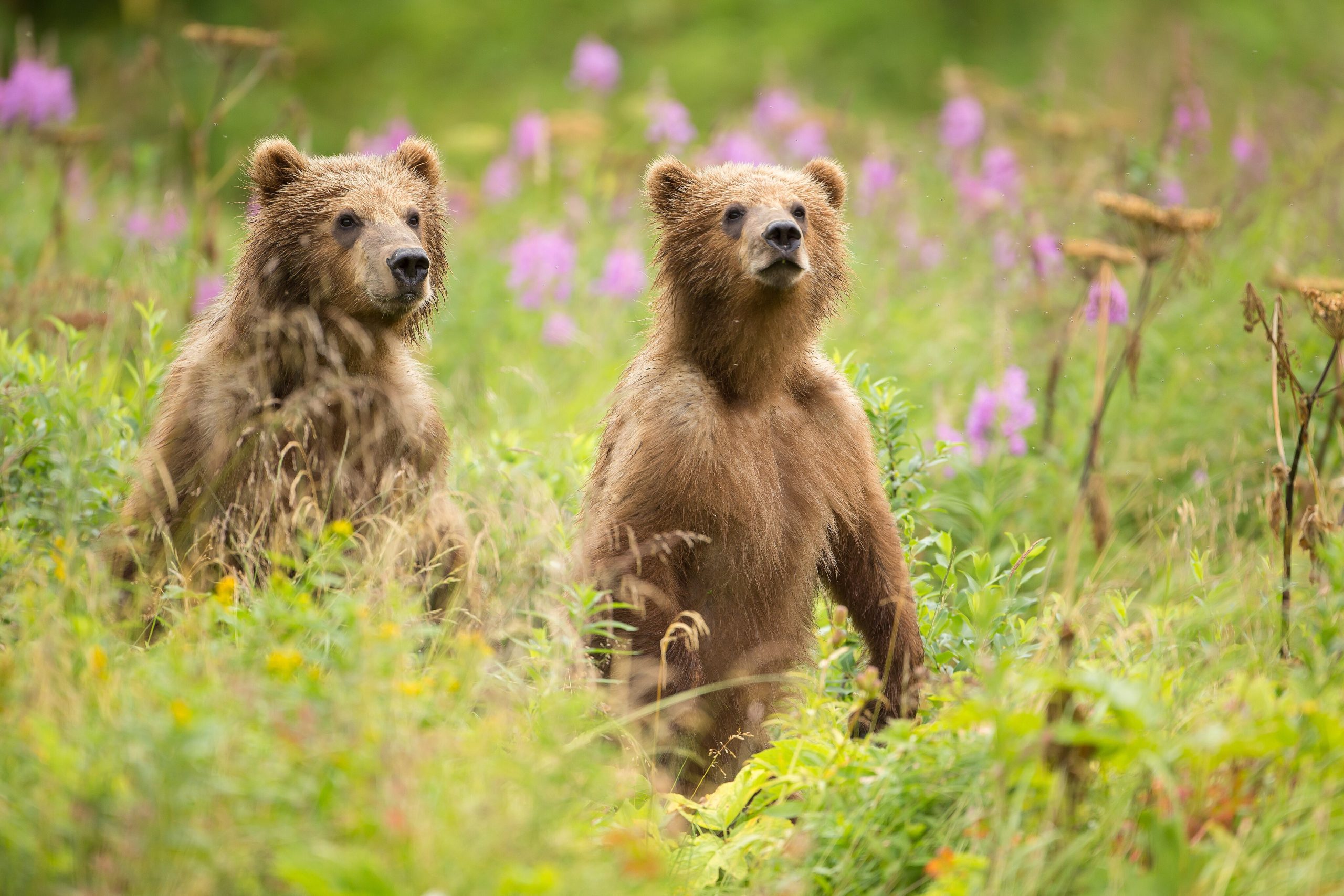
The belief that accurate shooting eliminates danger ignores reality. Missed shots, wounded animals, or equipment failure create immediate threats. A wounded animal can charge with extreme aggression. Poor visibility, brush deflection, or stress reduces accuracy even for skilled shooters. Experienced hunters prioritize shot placement, distance limits, and clear backstops. They also prepare for tracking and finishing safely. Overconfidence in marksmanship often leads hunters into close-range confrontations they never planned for. Shooting skill matters, but decision-making matters more.
4. Weather Forecasts Are Always Reliable
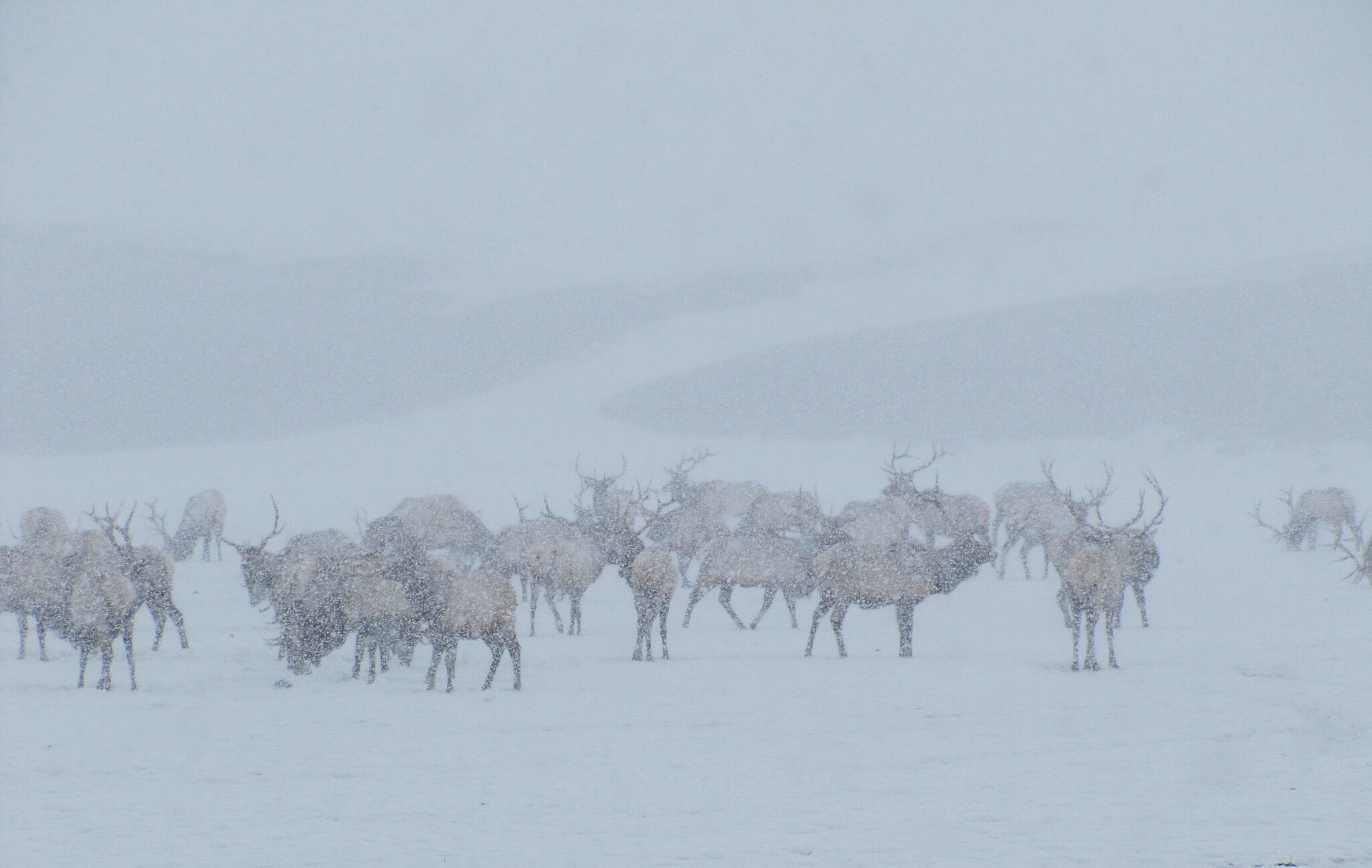
Many hunters trust phone forecasts completely, believing conditions will remain stable. In remote areas, the weather can change rapidly and violently. Sudden temperature drops, snow squalls, or high winds turn routine outings into survival situations. Cell service often disappears when it matters most. Experienced hunters read cloud movement, wind shifts, and humidity changes directly. They pack layers, shelters, and exit plans regardless of predictions. Trusting forecasts alone leads to exposure injuries and disorientation. Nature does not follow app updates.
5. You Can Follow Animal Trails Safely
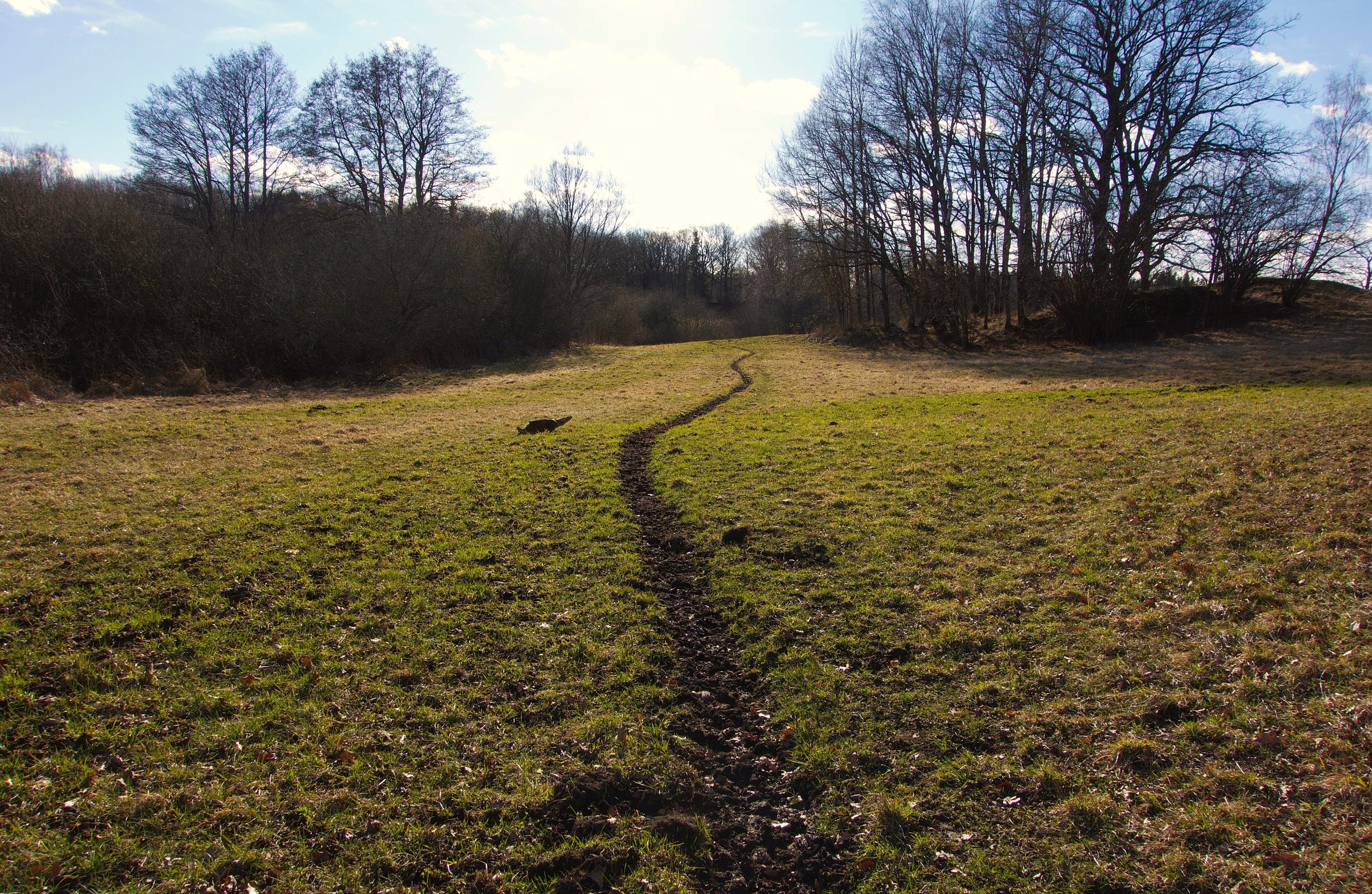
Animal trails look convenient and well-worn, which tricks hunters into trusting them. These paths often lead through dense cover, steep drops, or predator territory. Predators use the same trails for travel and hunting. Following them quietly can result in surprise encounters at close range. Experienced hunters cross trails cautiously and avoid blindly following them. They choose paths based on terrain safety, visibility, and escape options. Animal trails serve animals, not people, and ignoring that difference invites danger.
6. Cold Is Less Dangerous Than Heat
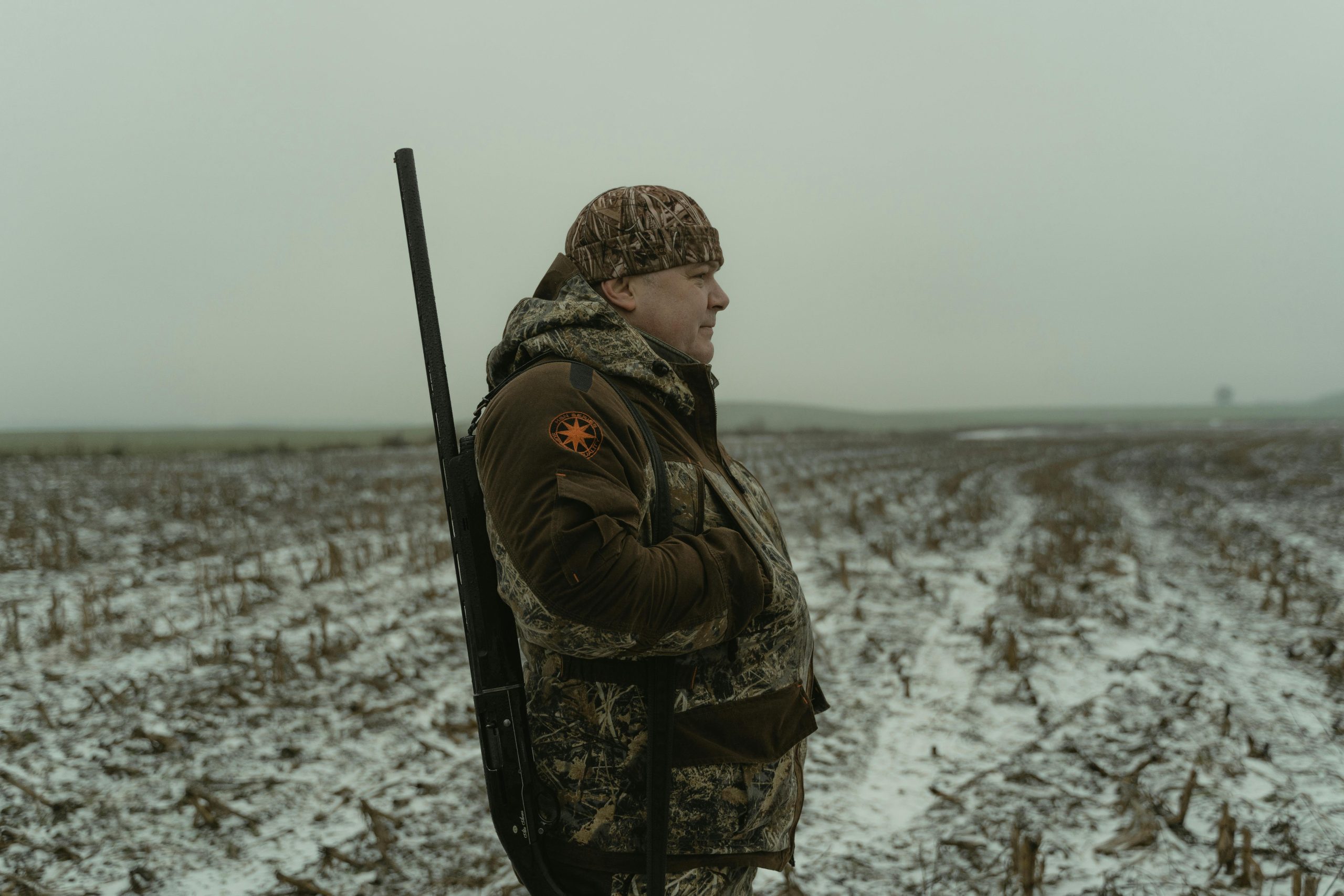
Some hunters underestimate cold exposure, believing it is easier to manage than heat. Cold quietly drains energy and impairs thinking. Hypothermia can begin even above freezing, especially when wet or windy. Hunters pushing through cold often ignore early symptoms until coordination fails. Experienced hunters treat cold management as critical. Dry layers, wind protection, and calorie intake are prioritized constantly. Cold does not announce itself loudly, but it kills faster than many expect.
7. You Can Eat Anything Animals Eat
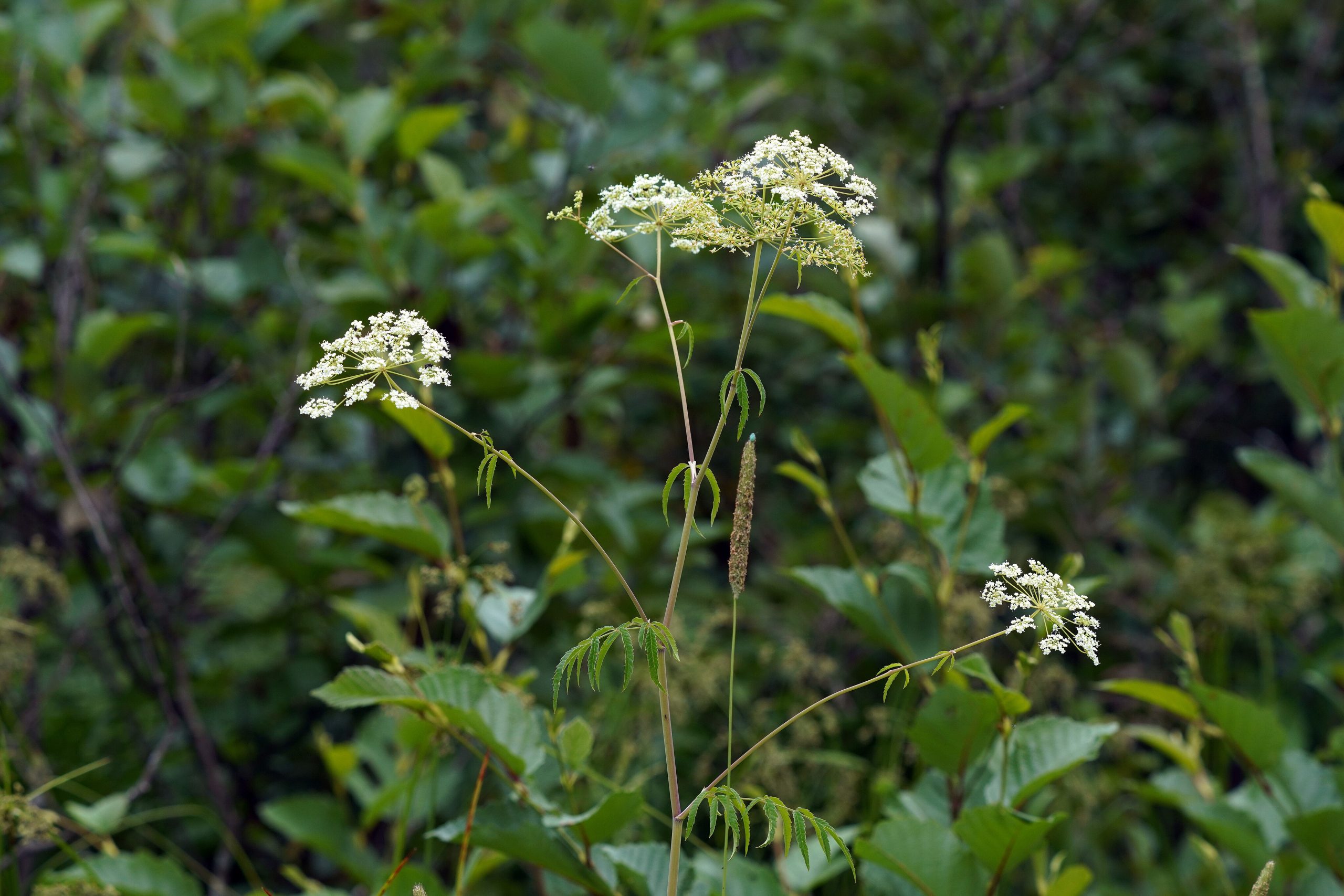
This myth has poisoned many hunters. Animals digest foods humans cannot, including toxic plants and spoiled matter. Eating unknown berries, roots, or fungi can cause severe illness far from help. Starvation myths convince people to experiment under stress. Experienced hunters never consume wild foods without absolute identification and preparation knowledge. Carrying sufficient calories prevents desperate decisions. Nature offers food, but guessing incorrectly can be fatal.
8. Getting Lost Is Unlikely for Experienced Hunters
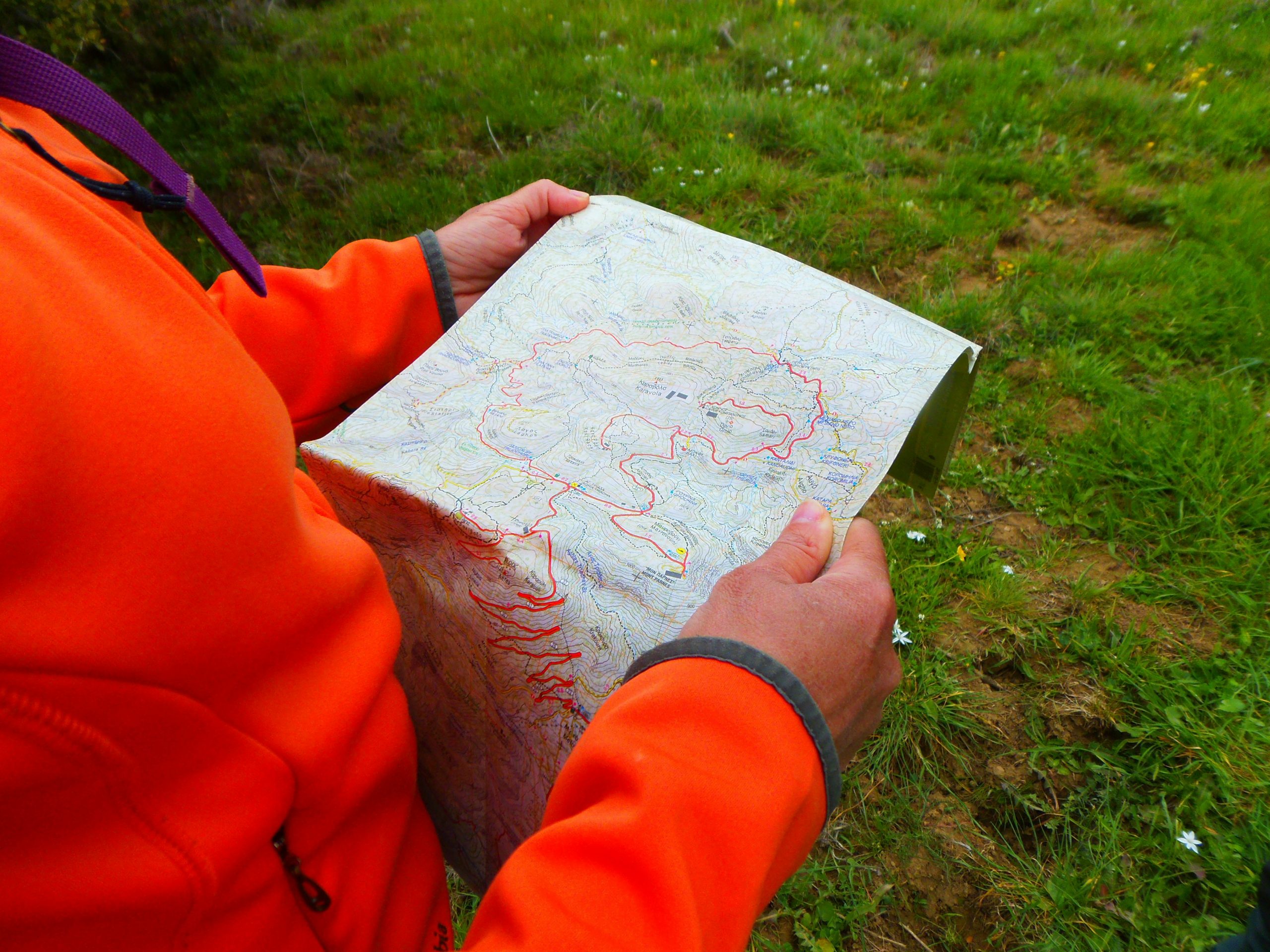
Confidence breeds complacency. Even seasoned hunters become lost due to weather, fatigue, or poor visibility. Familiar terrain looks different in fog, snow, or darkness. GPS devices fail, batteries die, and landmarks disappear. Experienced hunters navigate with maps, compasses, and constant position awareness. They mark entry points and travel limits. Believing experience alone prevents getting lost removes essential safety habits.
9. Pain Means You Should Push Through
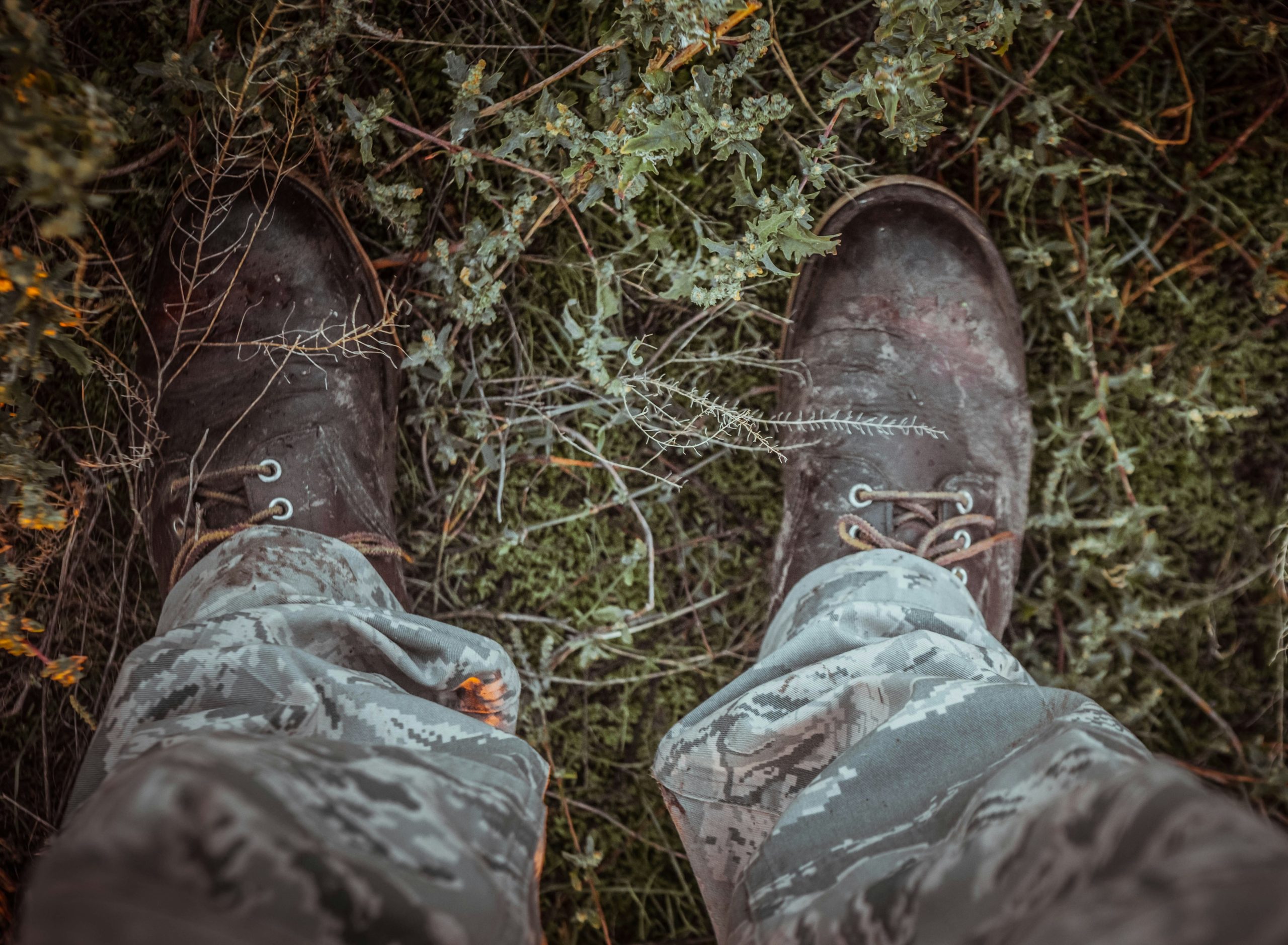
Many hunters believe pain is part of the process and should be ignored. This myth leads to serious injuries becoming life-threatening. Sprains, cuts, and fractures worsen rapidly under movement. Blood loss and swelling reduce mobility and judgment. Experienced hunters assess injuries immediately and adjust plans. Turning back early often prevents rescue situations. Pain is information, not weakness.
10. Survival Gear Is Only for Emergencies
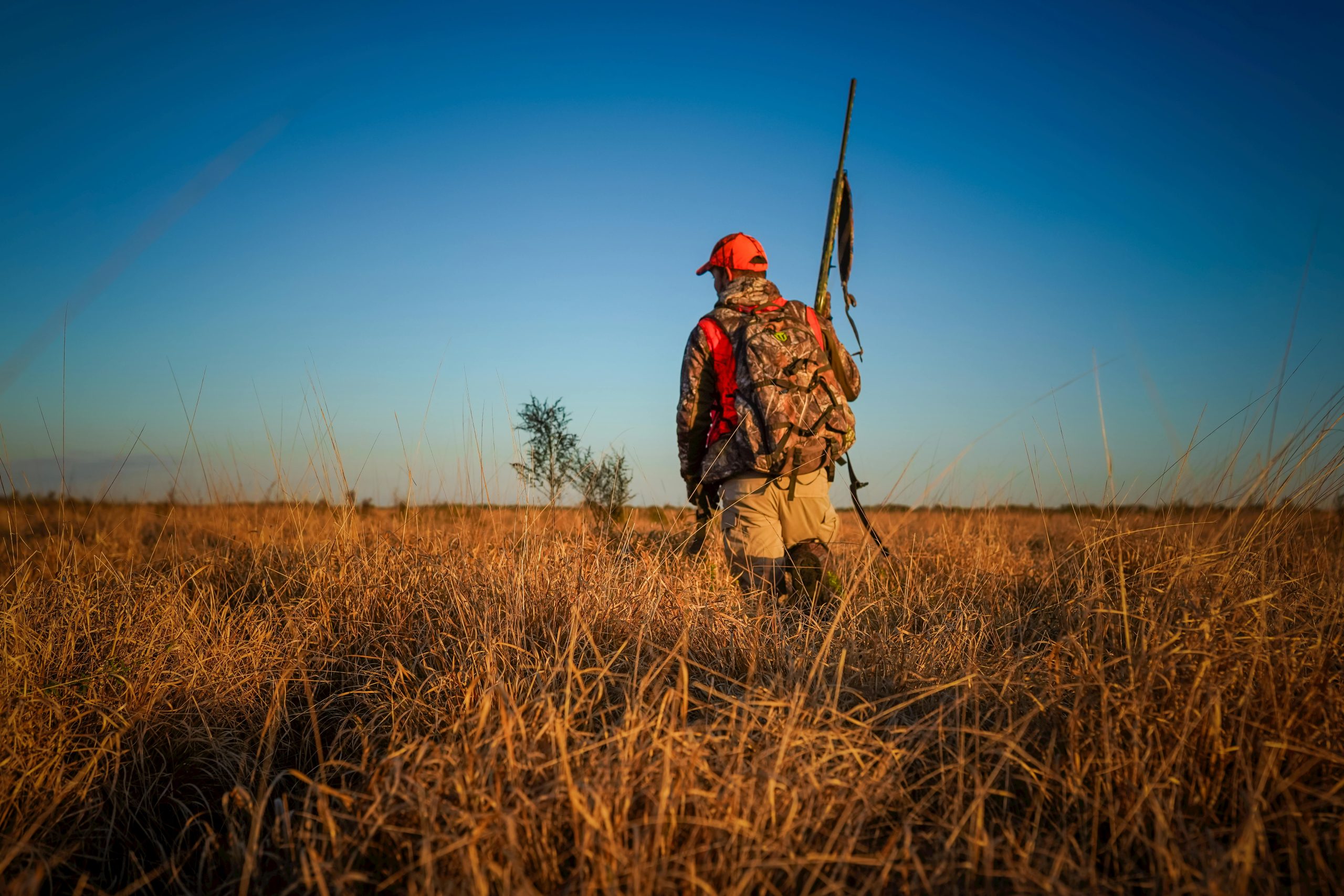
Some hunters carry survival gear but assume it will never be needed. Emergencies happen suddenly and without warning. Falls, weather changes, and equipment failures create immediate survival scenarios. Gear buried deep in packs or left behind becomes useless. Experienced hunters keep essentials accessible at all times. Fire, shelter, signaling, and navigation tools are treated as active equipment. Preparation only works when it is ready instantly.