The 9mm pistol did not become dominant by accident. Over decades, a handful of designs reshaped expectations for reliability, ergonomics, capacity, and ease of use. These pistols influenced how manufacturers think about balance, safety systems, and shooter comfort. Some were revolutionary at launch, while others refined existing ideas so effectively that they became industry standards. Together, they defined what a modern handgun should feel like in the hand and how it should perform across roles. Understanding these iconic pistols means understanding why today’s handguns look, function, and handle the way they do across civilian, law enforcement, and military markets.
1. Browning Hi-Power
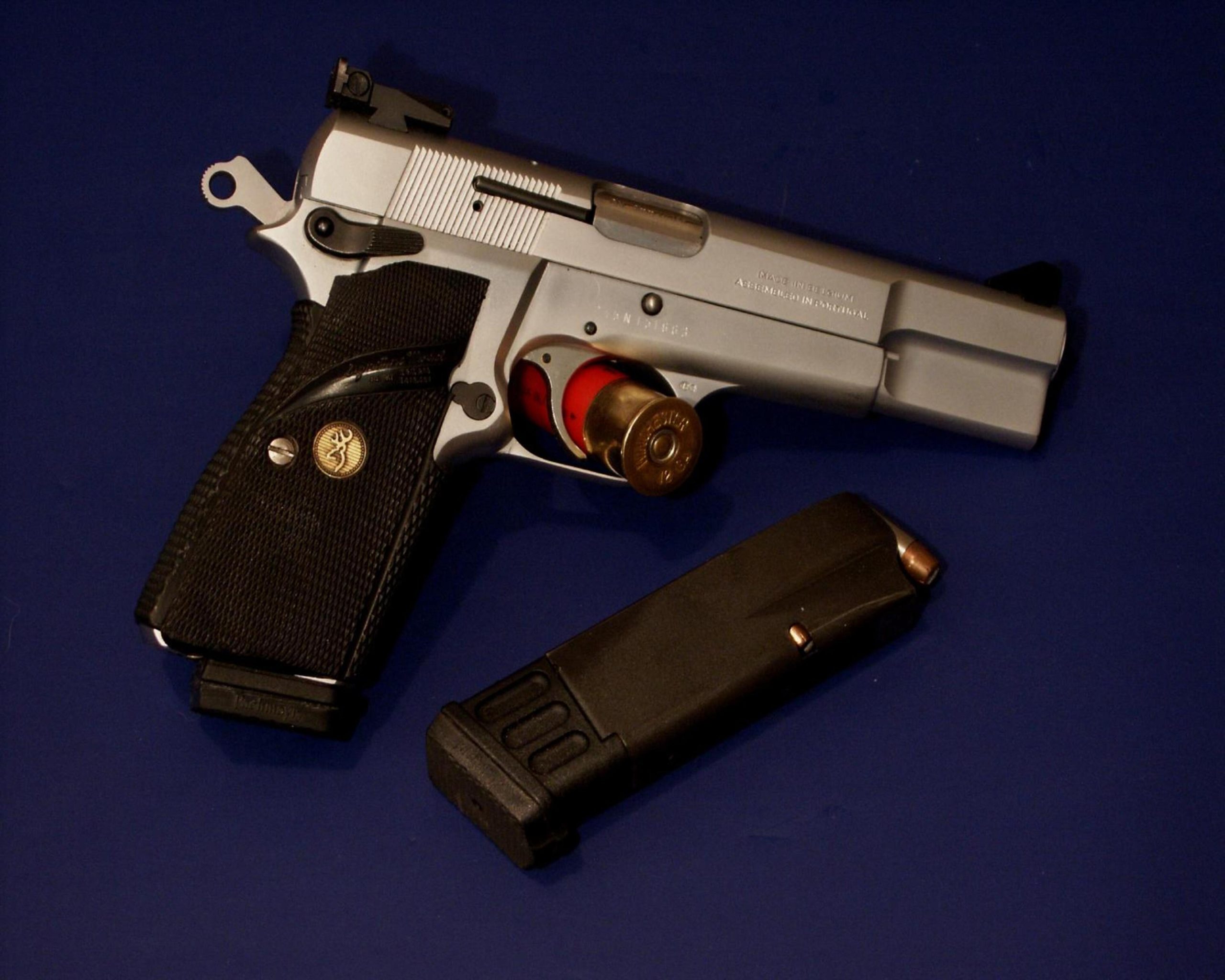
The Browning Hi-Power changed handgun history by proving that high capacity and ergonomics could coexist. Its double-stack magazine design was revolutionary for its time, setting expectations that still influence pistols today. The grip shape felt natural to a wide range of shooters, helping define ergonomic standards. Its single-action trigger contributed to consistent accuracy. Adopted worldwide, the Hi-Power demonstrated that a service pistol could be both powerful and refined. Many modern designs trace their magazine geometry and grip philosophy directly to this pistol, making it one of the most influential 9mm handguns ever produced.
2. Glock 17
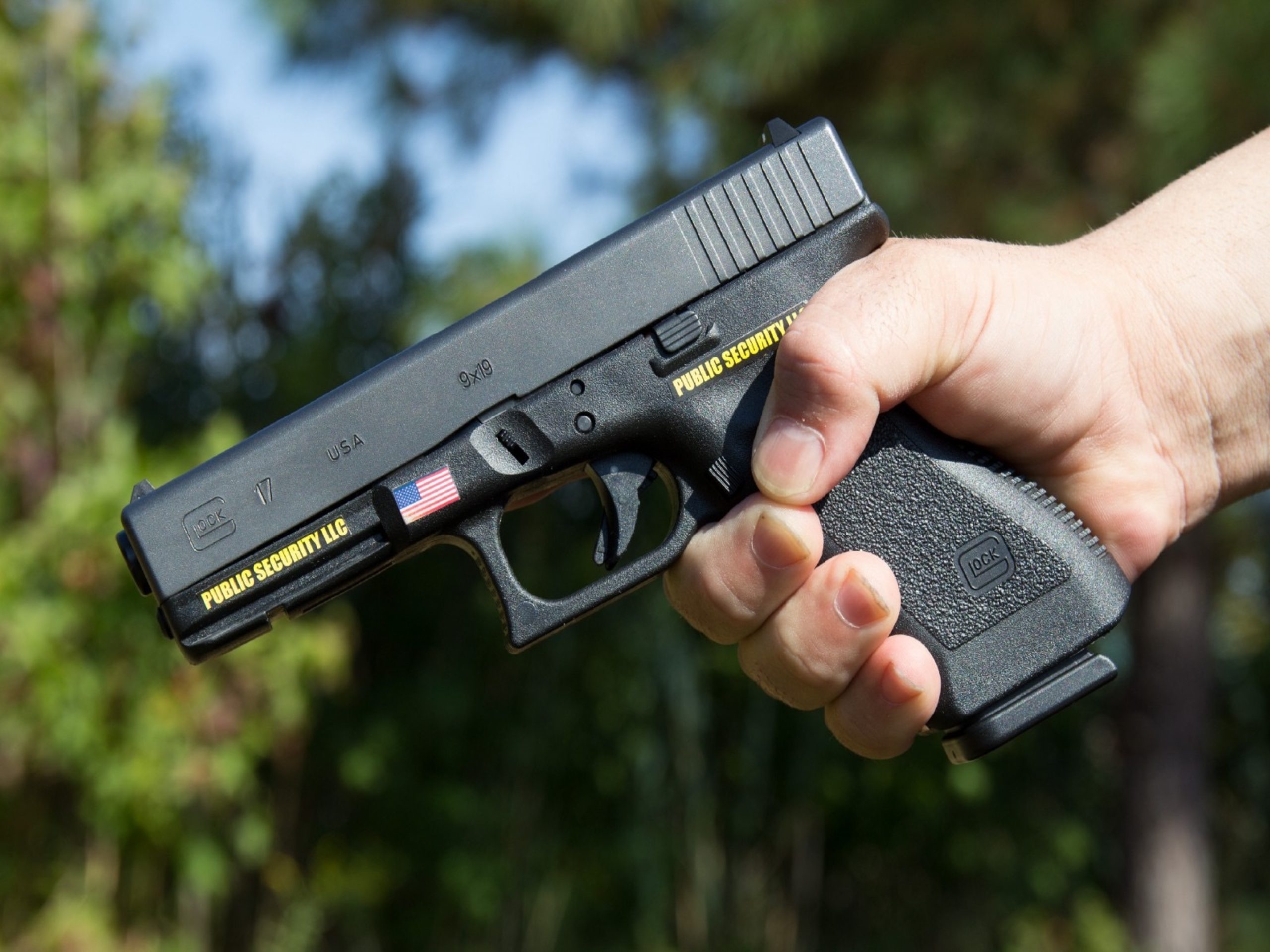
The Glock 17 rewrote handgun rules by prioritizing simplicity and reliability over tradition. Its polymer frame challenged assumptions about durability and weight. The striker-fired system reduced complexity while maintaining consistent trigger operation. Law enforcement adoption accelerated the adoption of the standard, transforming industry standards. Glock’s emphasis on minimal controls reshaped expectations for defensive pistols. Today’s market reflects its influence in countless designs that mirror its balance of capacity, reliability, and ease of maintenance. The Glock 17 did not just succeed commercially; it permanently altered how handguns are designed and evaluated worldwide.
3. Beretta 92FS
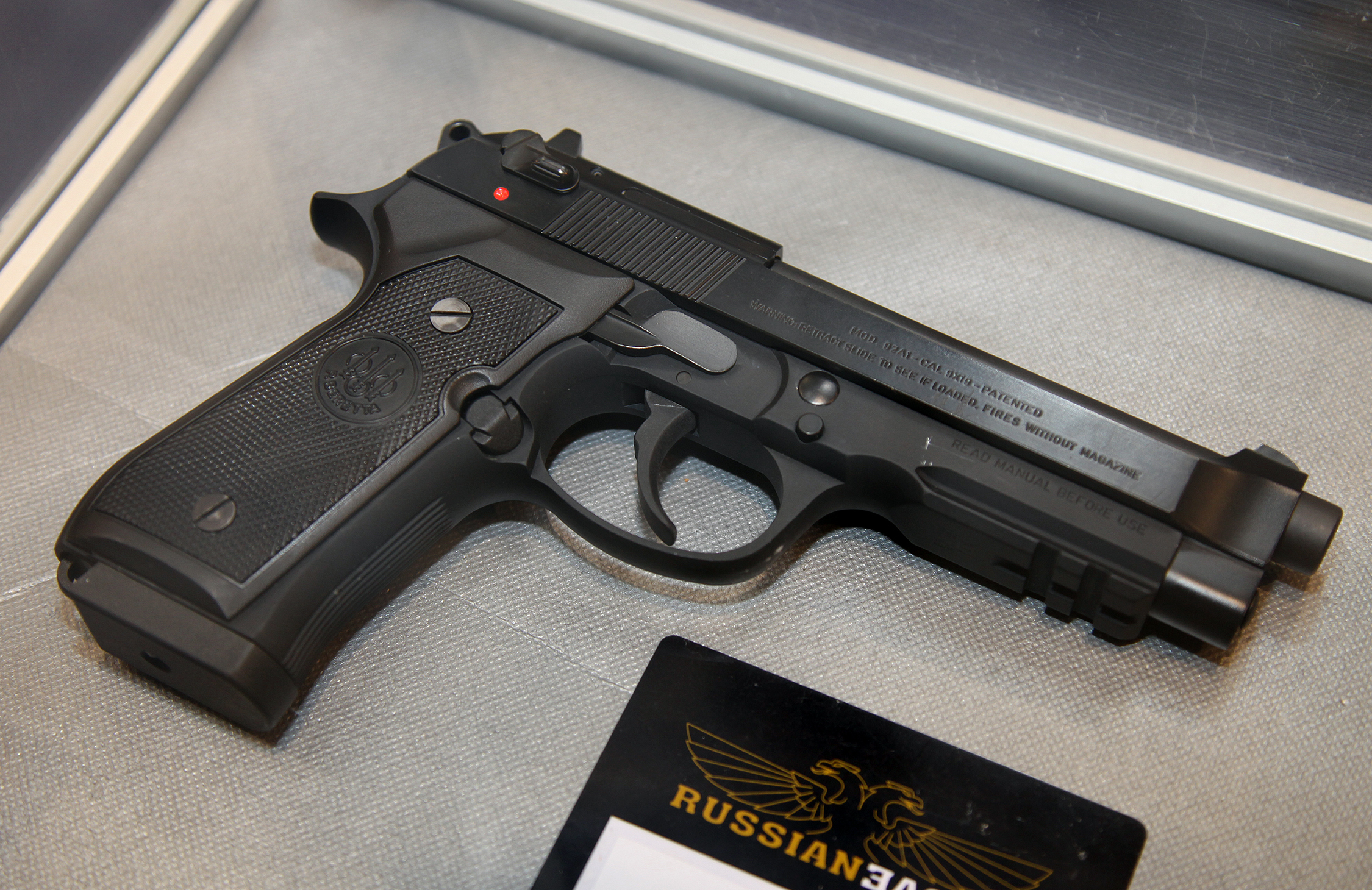
The Beretta 92FS became iconic through its combination of accuracy, smooth operation, and distinctive open-slide design. Its long sight radius and manageable recoil helped define service pistol performance standards. The pistol emphasized durability and reliability under demanding conditions. Its widespread military use solidified its reputation and visibility. The 92FS demonstrated that full-size pistols could balance precision with comfort. Its design influenced later double-action pistols and reinforced expectations for long-term service reliability. Even today, its silhouette remains instantly recognizable among 9mm handguns.
4. SIG Sauer P226
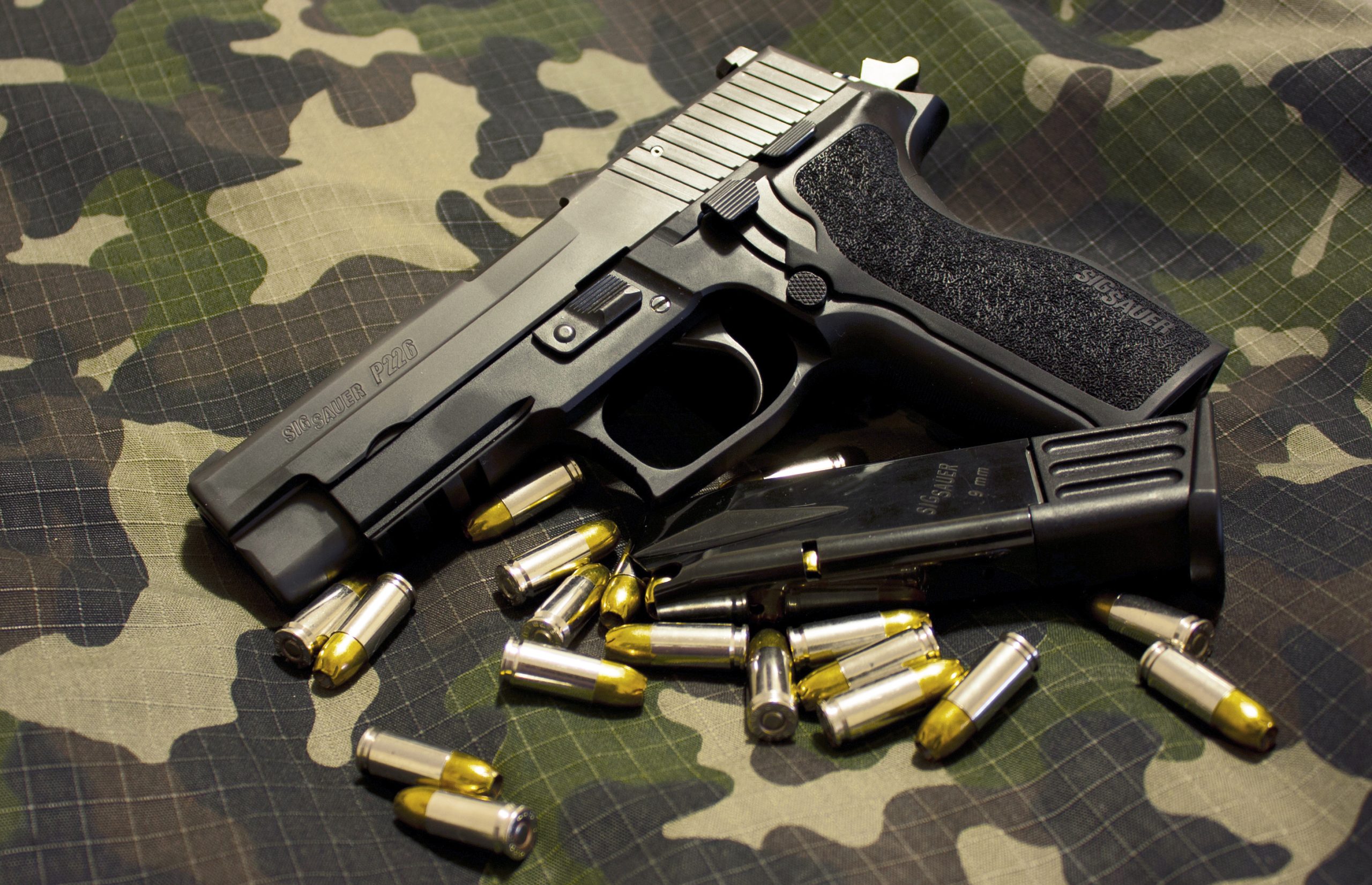
The SIG Sauer P226 earned its status through precision engineering and consistent performance. Its smooth trigger pull and solid construction set benchmarks for duty pistols. The P226 emphasized accuracy without sacrificing durability, helping redefine professional handgun standards. Its balance and recoil management influenced later designs seeking refined handling. Widely respected among military and law enforcement users, it demonstrated that reliability and shootability could coexist without compromise. The P226’s influence is evident in modern metal-framed pistols that value control and consistency above flashy innovation.
5. CZ 75
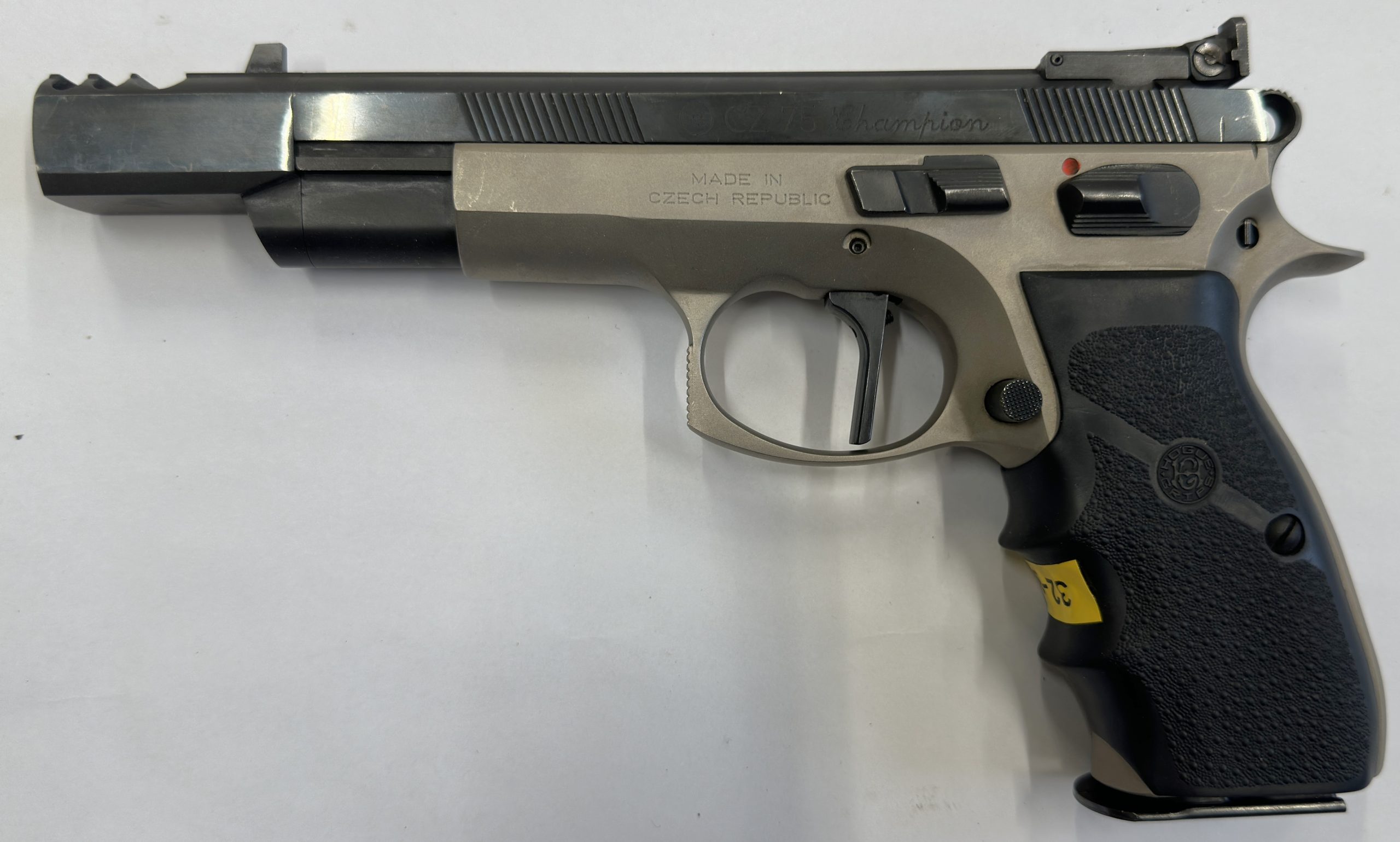
The CZ 75 stood out by blending ergonomics with innovative internal slide rails. This design lowered the bore axis, improving recoil control and accuracy. The grip shape felt natural and secure, influencing later ergonomic priorities. Its all-steel construction emphasized stability and longevity. The CZ 75 proved that a thoughtful mechanical layout could enhance the shooting experience without complexity. Many modern pistols borrow from their internal geometry and grip philosophy. Its quiet influence continues across competition and service handgun designs worldwide.
6. Smith & Wesson Model 59
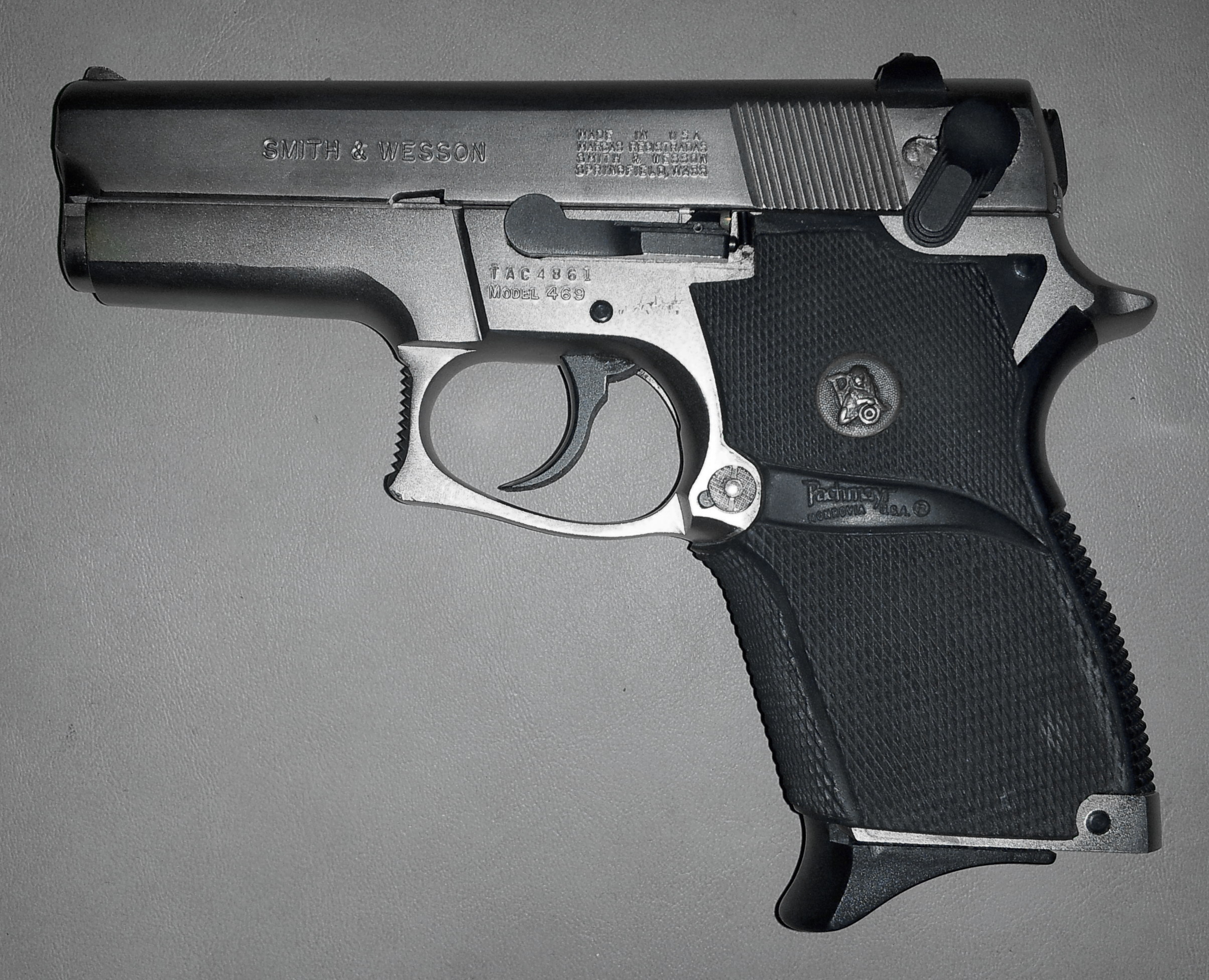
The Smith & Wesson Model 59 introduced American shooters to the concept of a high-capacity 9mm service pistol. It helped bridge European design ideas with domestic manufacturing. Its double-stack magazine expanded expectations for capacity in defensive pistols. The Model 59 paved the way for later generations of duty handguns. Though later refined, its influence remains significant. It marked a turning point where capacity and practicality became central design priorities in American handgun development.
7. Heckler & Koch USP
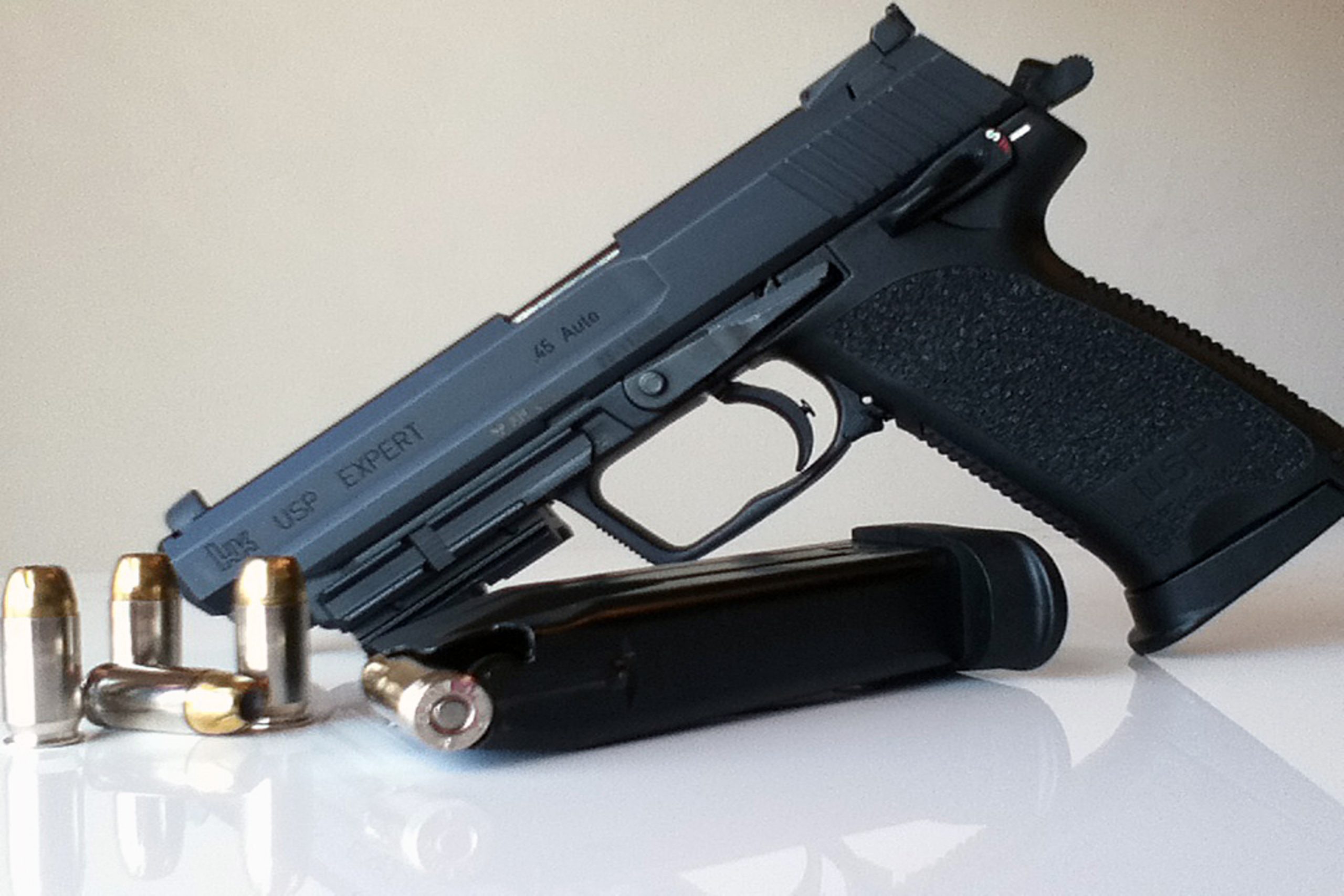
The HK USP emphasized durability and modular safety configurations. Its robust construction set new expectations for longevity under stress. The pistol’s recoil management system improved shooting comfort while maintaining reliability. HK’s approach to overengineering influenced perceptions of quality and endurance. The USP demonstrated that a handgun could be adaptable to different roles without sacrificing consistency. Its design philosophy continues to shape pistols intended for demanding professional environments.
8. Walther P99
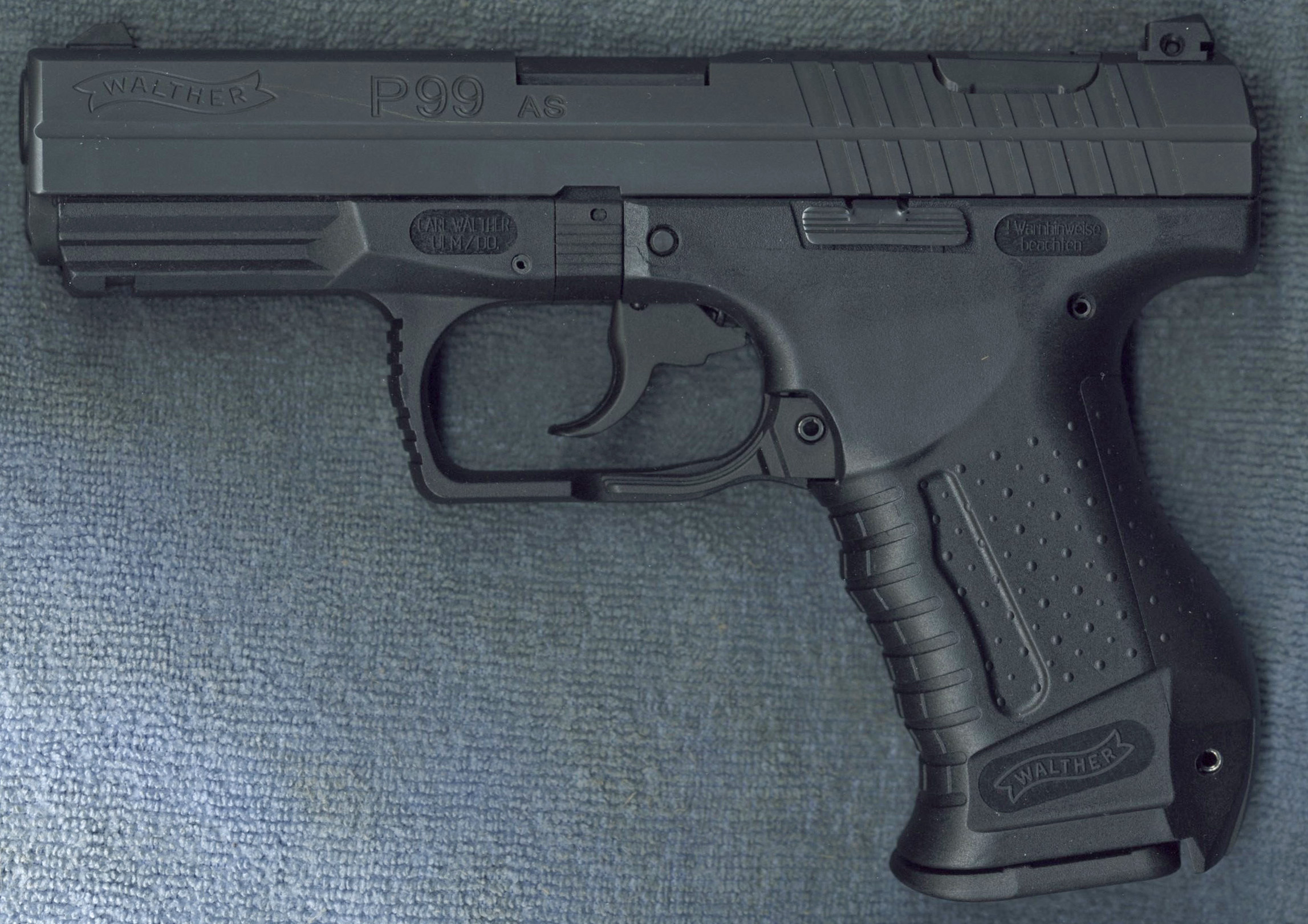
The Walther P99 introduced modern ergonomics and striker-fired innovation before such features became mainstream. Interchangeable backstraps highlighted user adaptability. Its trigger system offered versatility while maintaining safety. The P99 influenced later designs focused on customization and comfort. It proved that ergonomics could be adjusted rather than fixed. Many contemporary pistols reflect their emphasis on fit and shooter interface.
9. Ruger P89
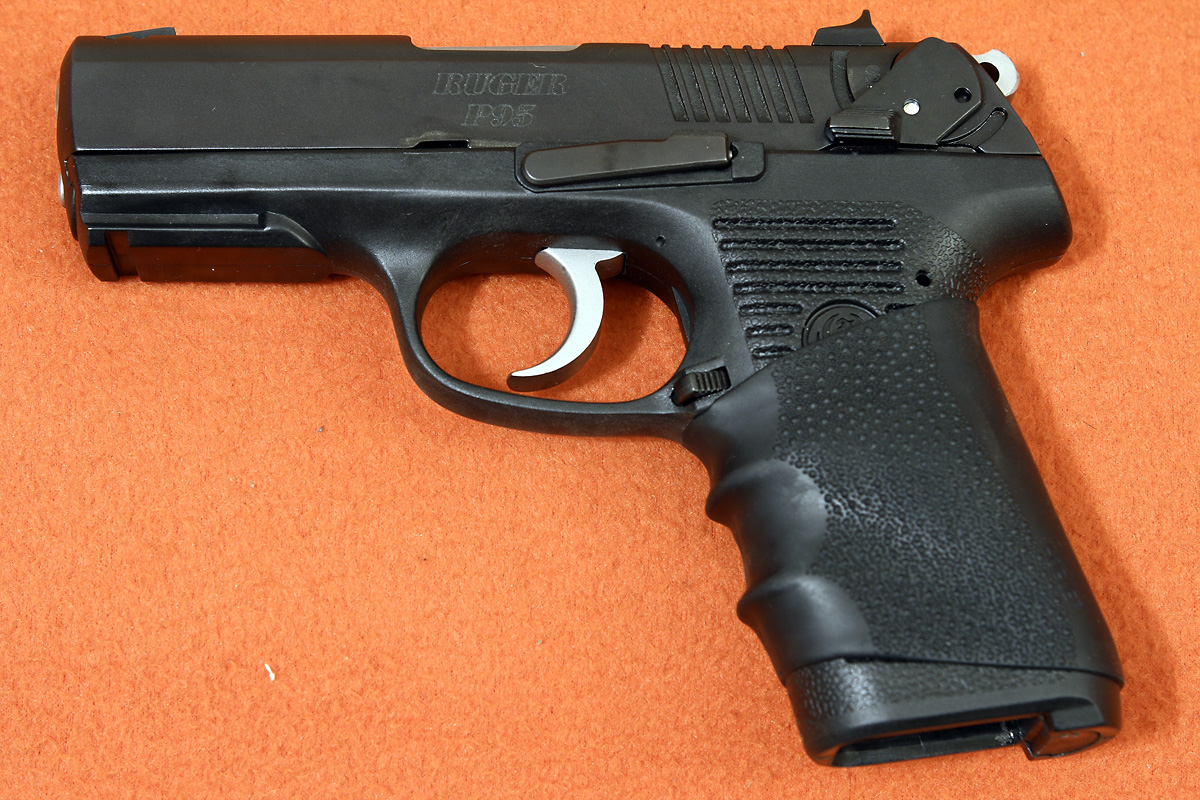
The Ruger P89 earned respect through rugged reliability and affordability. Its solid construction prioritized function over refinement. The P89 showed that dependable service pistols could be accessible. Its reputation reinforced expectations for durability in mass-market firearms. While not elegant, its reliability influenced consumer trust. Ruger’s approach demonstrated that consistency mattered as much as innovation.
10. Springfield XD
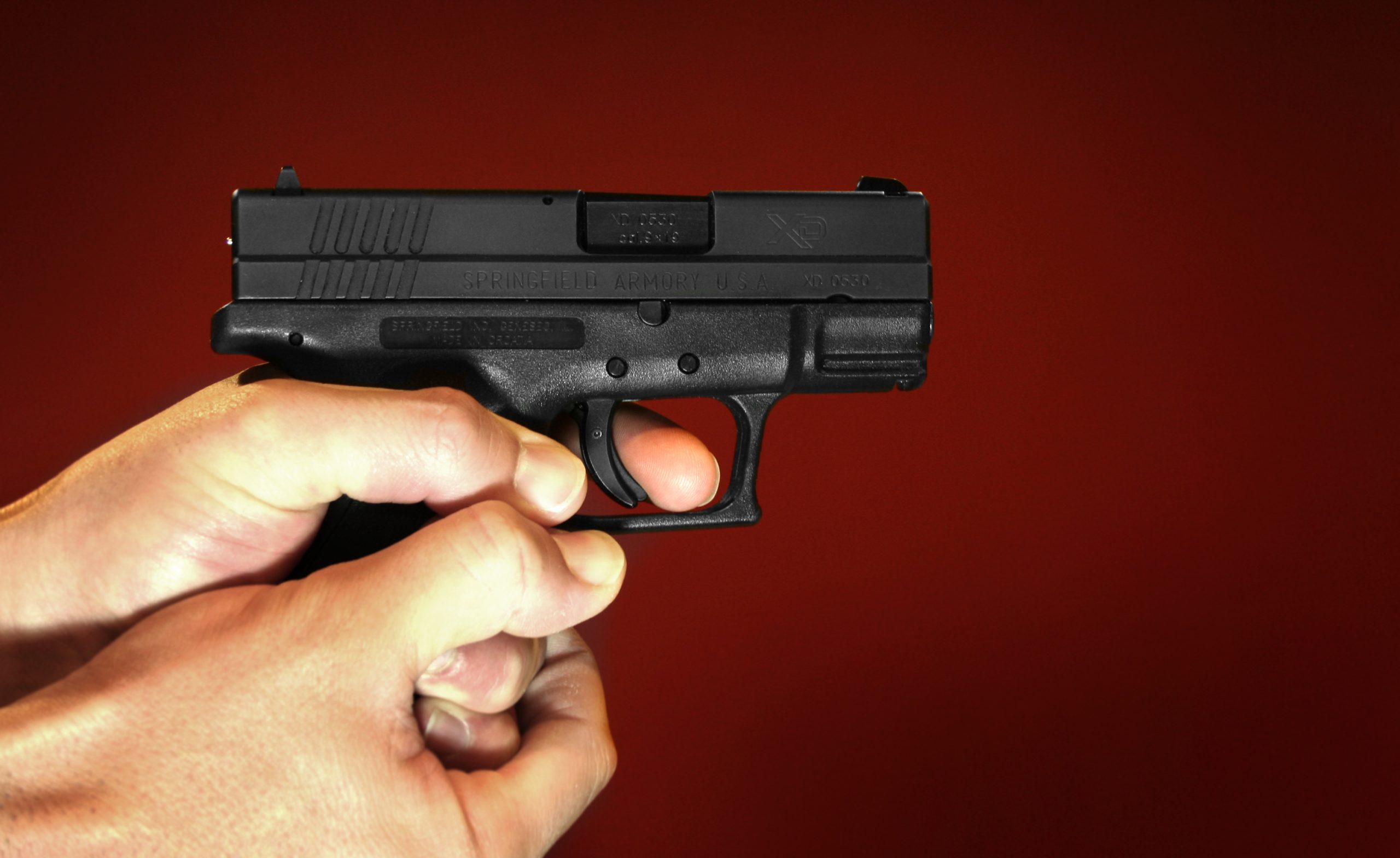
The Springfield XD helped normalize striker-fired pistols beyond Glock dominance. Its grip safety and ergonomic contours appealed to a wide audience. The XD emphasized comfort, capacity, and reliability in equal measure. It reinforced market demand for alternative striker designs. The pistol influenced competitive diversity and consumer choice. Its success helped cement striker-fired handguns as the modern standard.