
Movies have always maintained a complicated relationship with firearm reality. Screenwriters bend the rules of physics, mechanics, and human biology to build tension, extend runtime, and keep audiences locked to their seats. Over decades of cinema, these liberties have collectively built a fictional gun mythology that feels deeply familiar but holds up to almost zero real-world scrutiny. The average moviegoer has absorbed a version of firearms behavior that would get them laughed off any proper shooting range, or worse, genuinely hurt. From infinite ammunition to perfectly orchestrated silences, the myths run surprisingly deep. Here are ten of the most enduring, most entertainingly wrong gun myths that Hollywood has spent decades convincing audiences are true.
1. Suppressors Turn Guns Into Silent Weapons
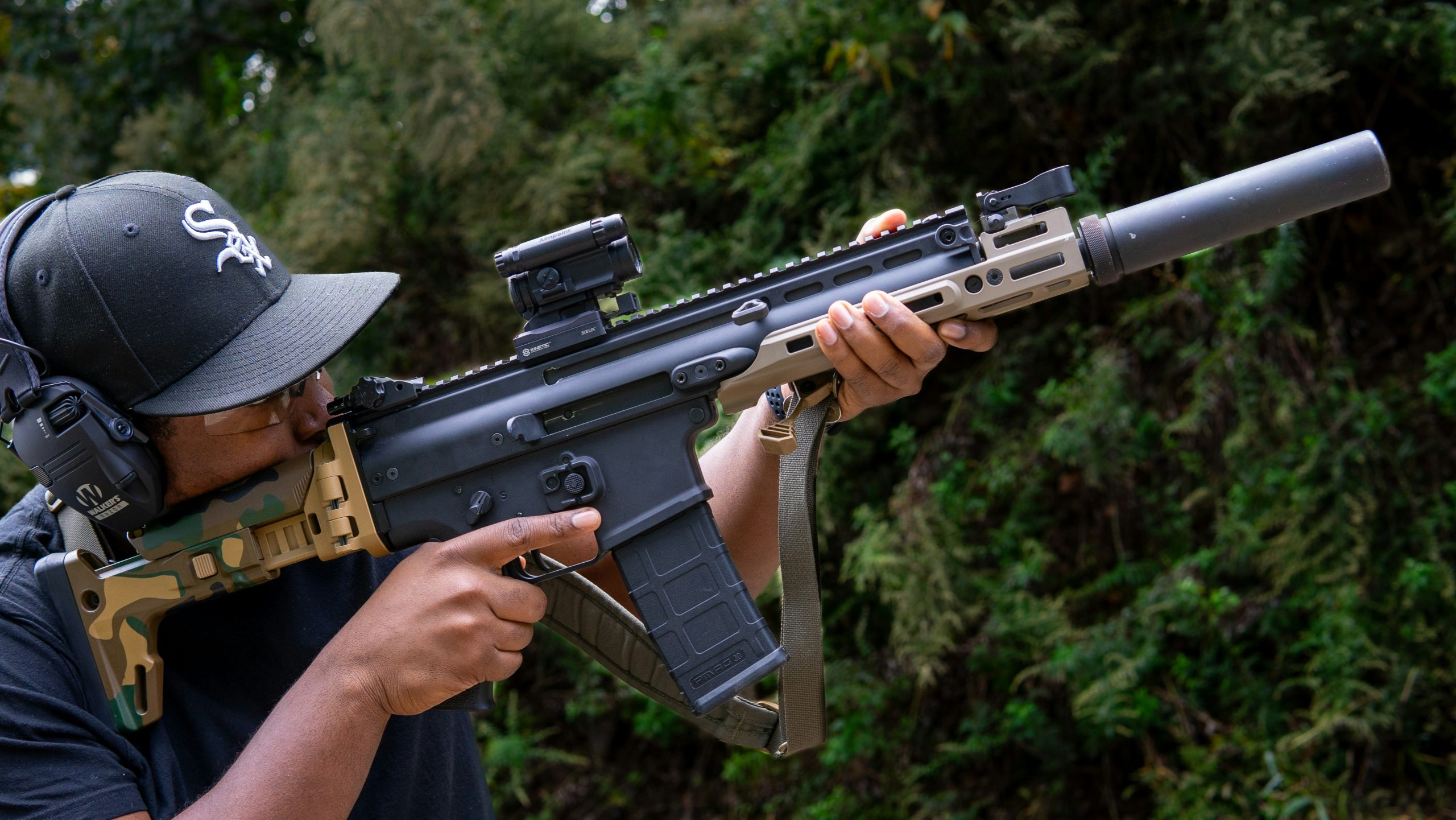
Hollywood’s silencer obsession is wildly misleading. A suppressor only trims gunshot volume by around 20 to 35 decibels; it doesn’t erase sound. A standard unsuppressed 9mm pistol fires at approximately 160 decibels. Even with a top-grade suppressor attached, that same weapon still registers around 125 to 130 decibels, comparable to a jackhammer running at full speed. Someone standing within 100 feet would hear it clearly without question. That hushed cinematic “pfft” whisper is creative fiction, not acoustics. Real suppressors also extend barrel length by 6 to 9 inches, making concealment genuinely awkward. The silent Hollywood assassin holds absolutely no grounding in real ballistics.
2. Action Heroes Never Have to Reload
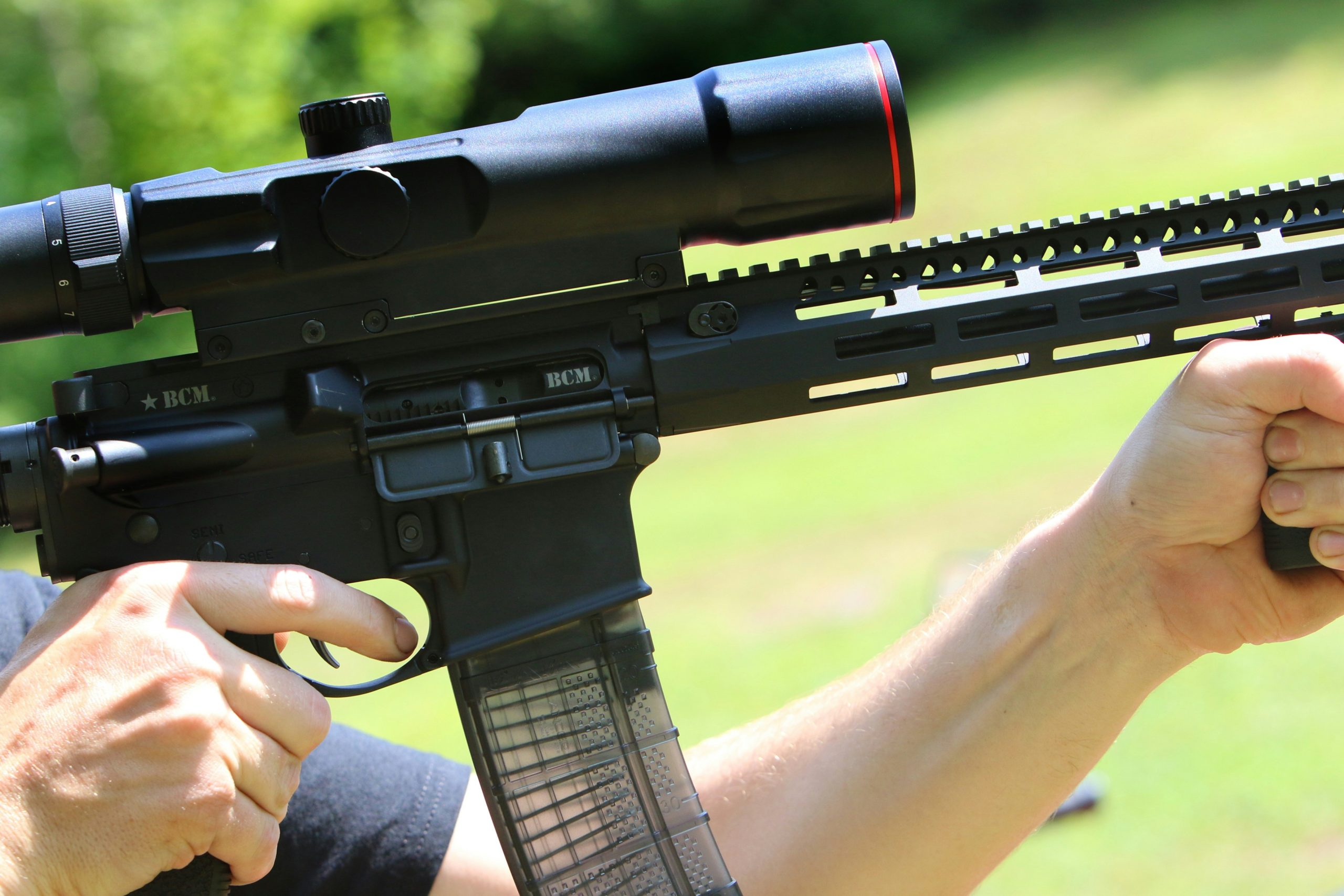
Action heroes fire dozens of rounds without pause, and apparently, no one on set bats an eye. Standard pistol magazines hold between 7 and 17 rounds, depending on caliber and model. A classic revolver offers just 5 to 6 rounds before it’s completely dry. Even extended tactical rifle magazines cap out at around 30 rounds in most standard configurations. With proper training, reloading takes only 2 to 4 seconds, and that’s considered impressively fast. Untrained shooters take considerably longer. Running dry mid-fight is one of the most statistically common and dangerous firearm situations in real combat. Hollywood simply gifts its heroes with bottomless magazines that defy all mechanical reality.
3. Getting Shot Always Sends People Flying
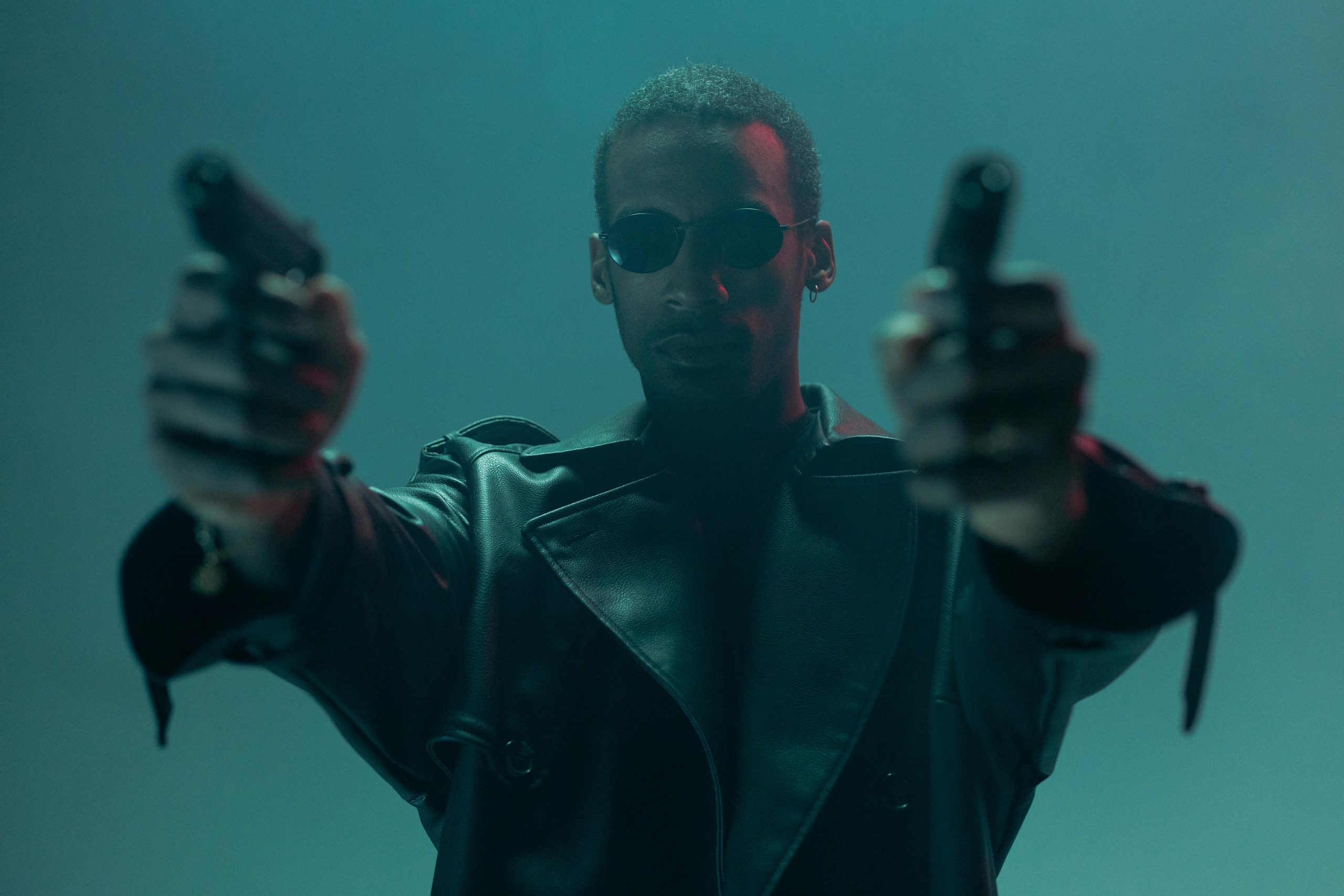
Practically every action film shows victims flying dramatically backward after being shot, crashing through walls or windows. This defies basic physics. Newton’s third law states that if a bullet could hurl someone backward, the shooter would feel an equal and opposite force, which simply doesn’t occur. A standard 9mm bullet weighs just 7 to 8 grams and travels at roughly 370 meters per second. That generates around 500 joules of energy, but nowhere near enough to send a human airborne. Actual gunshot victims typically collapse forward or sideways from muscle failure, not rearward theatrical propulsion. Hollywood invented the flying-backward effect purely for visual drama.
4. Shooting a Padlock Makes It Fall Open
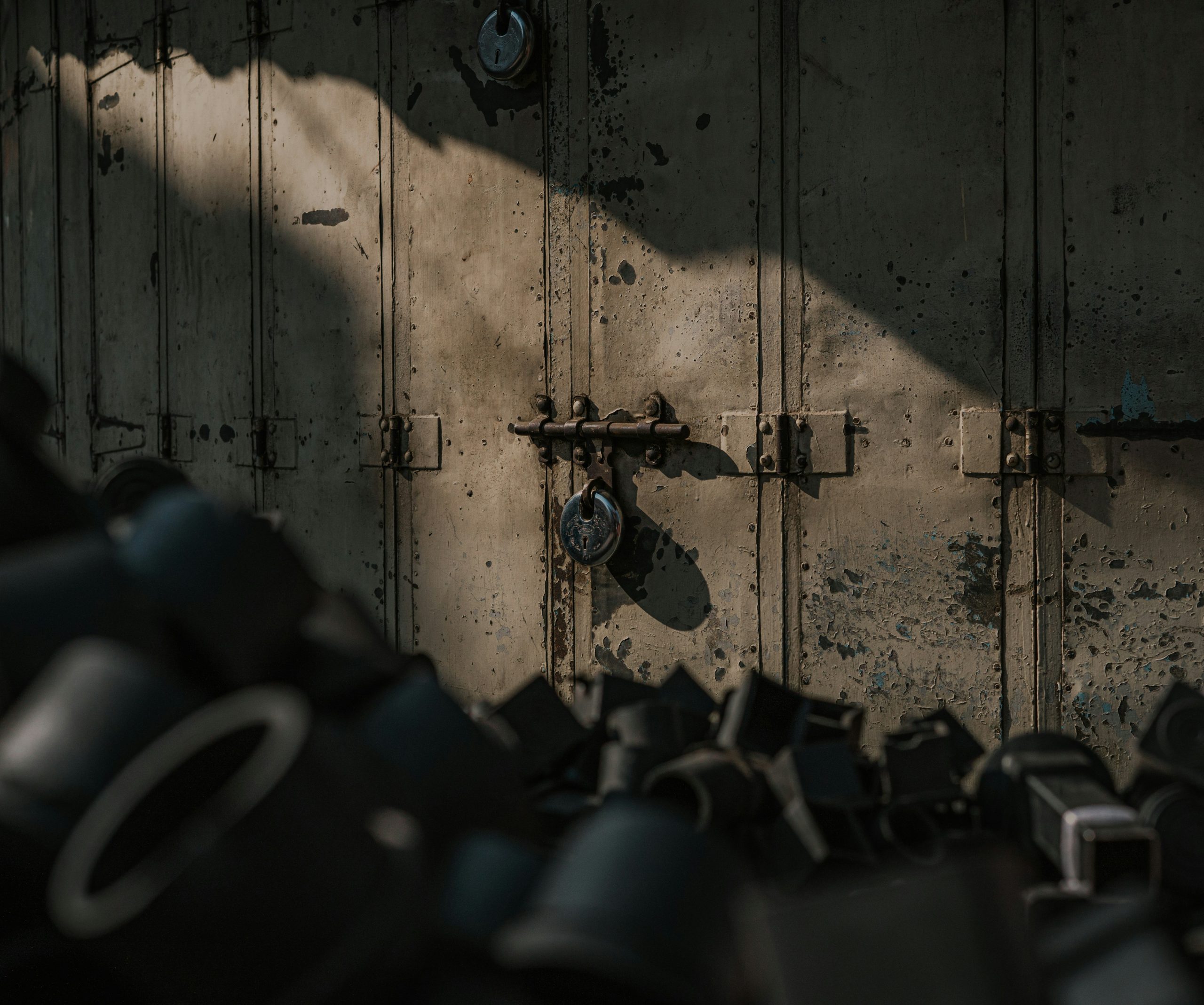
Heroes routinely fire once at a padlock, and it conveniently pops open, saving precious screenplay time. Real padlocks, especially hardened steel models, are specifically engineered to resist exactly this type of attack. The shackle is typically the toughest component, built from boron or hardened steel alloys. Testing shows budget padlocks might fail after 3 to 5 shots, but premium hardened locks routinely withstand repeated direct fire. There’s also a real danger that shooting metal at close range generates ricochets, retaining roughly 40 to 60 percent of the original bullet’s velocity. That’s enough energy to seriously injure the person pulling the trigger. Hollywood never shows that part.
5. All Gunshots Sound Roughly the Same
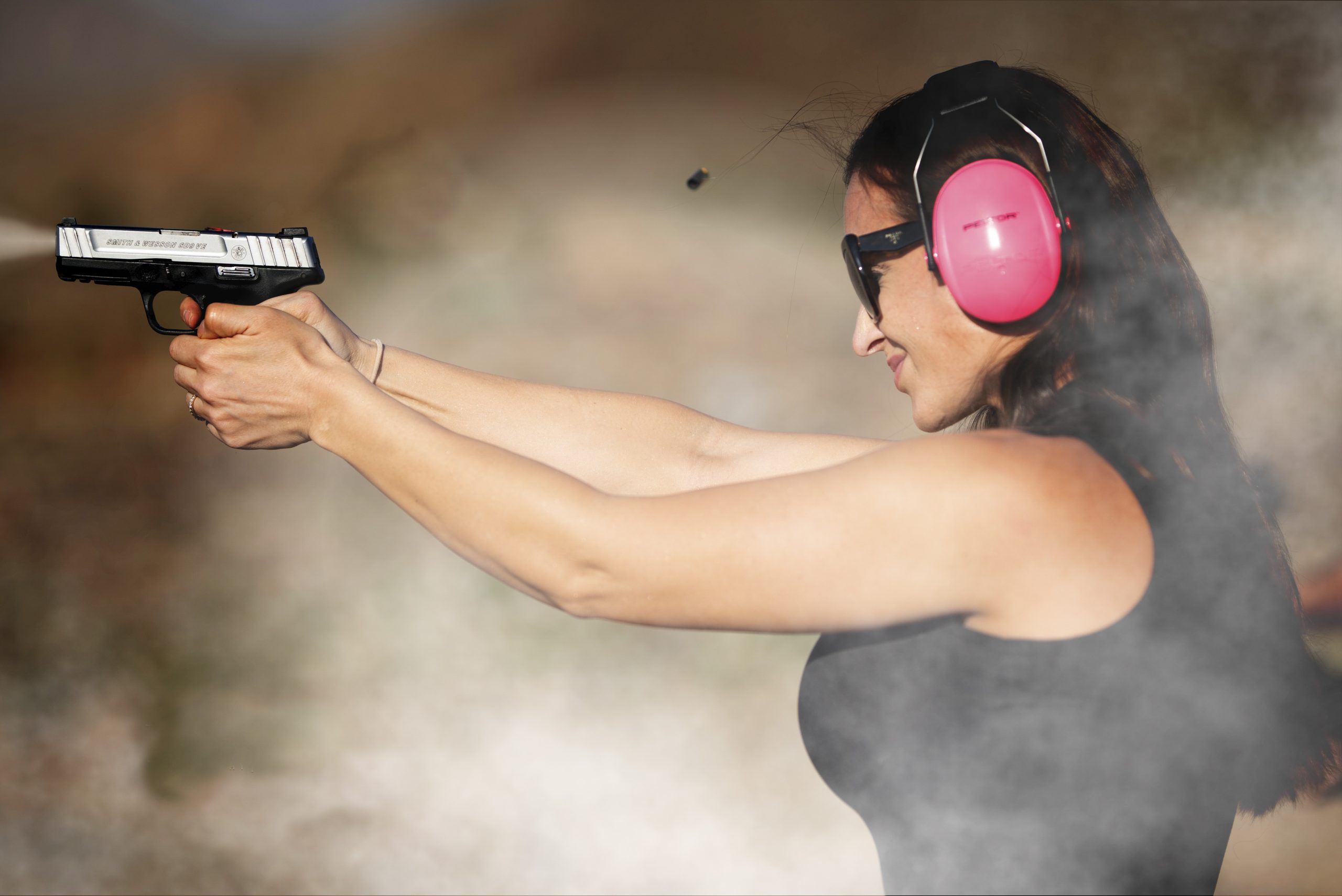
Film sound designers notoriously reuse the same deep, theatrical gunshot effect across wildly different firearms. In real life, a .22 LR rimfire produces around 140 decibels, noticeably sharper and quieter than a .44 Magnum revolver, which can peak at 170 decibels. The crack of a 5.56mm AR-15 sounds completely unlike a 9mm handgun to trained ears. Acoustics also shift dramatically with the environment. Firing indoors creates painful reverb that is physically damaging without hearing protection. Sustained exposure above 85 decibels causes permanent hearing loss, yet film heroes fire entire magazines indoors without ever reaching for earplugs. Real firearms sound nothing like their Hollywood counterparts.
6. Bullets Always Spark Against Metal Surfaces
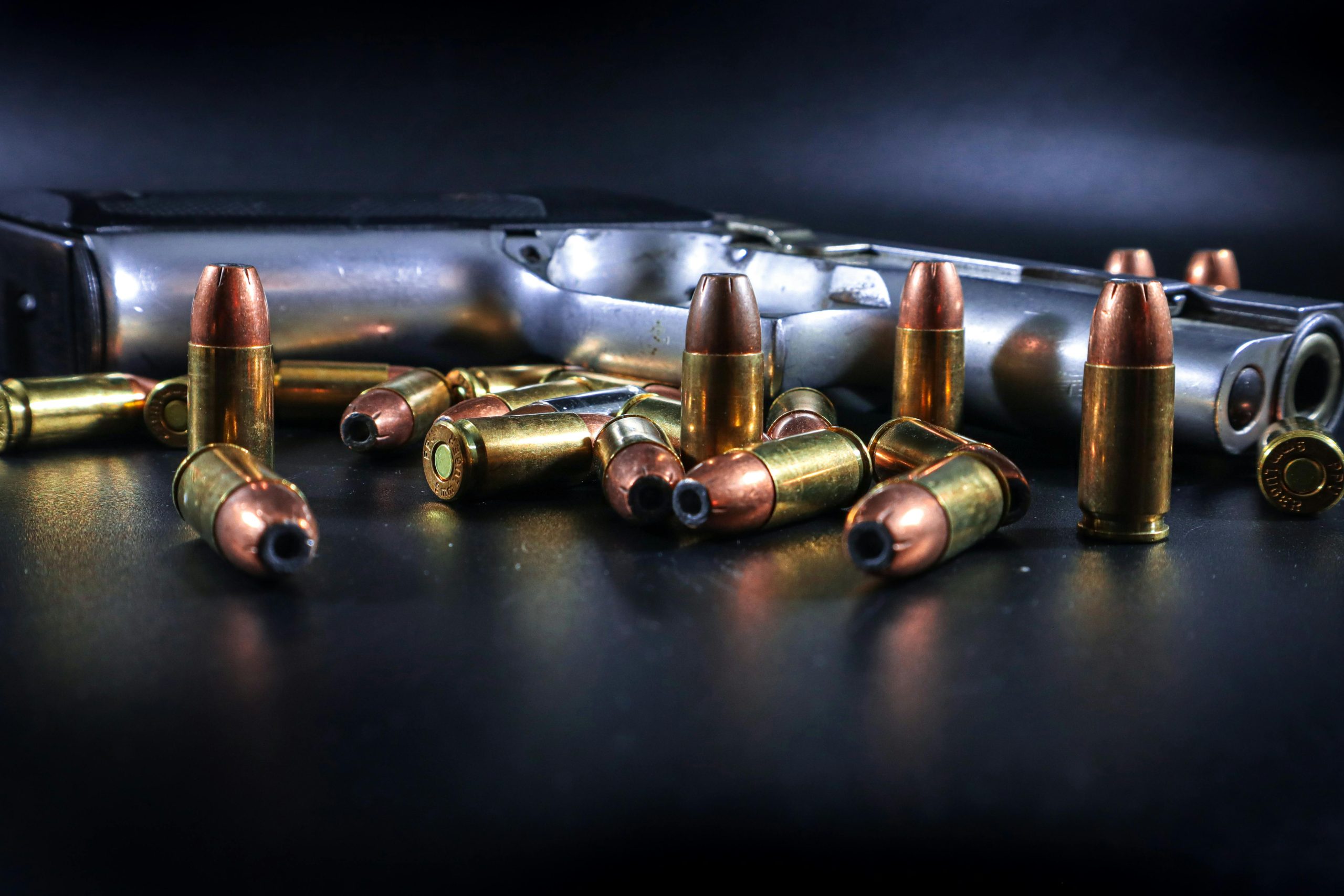
Every action sequence features bullets sparking brilliantly off metal. Standard rounds don’t reliably produce visible sparks on steel impact. Sparking requires precise material and angle combinations that rarely occur. Full metal jacket rounds on common steel mostly produce faint flashes, not dramatic orange cascades. Those cinematic spark storms are almost always created using set pyrotechnics or added in post-production. The genuine danger is that ricochet deflected bullets retain around 50 to 70 percent of their original velocity and travel unpredictably. Hollywood consistently frames ricochet as dramatic visual flair rather than a serious physical threat. That’s a detail filmmakers prefer to skip entirely.
7. One Shot Instantly Drops Anyone
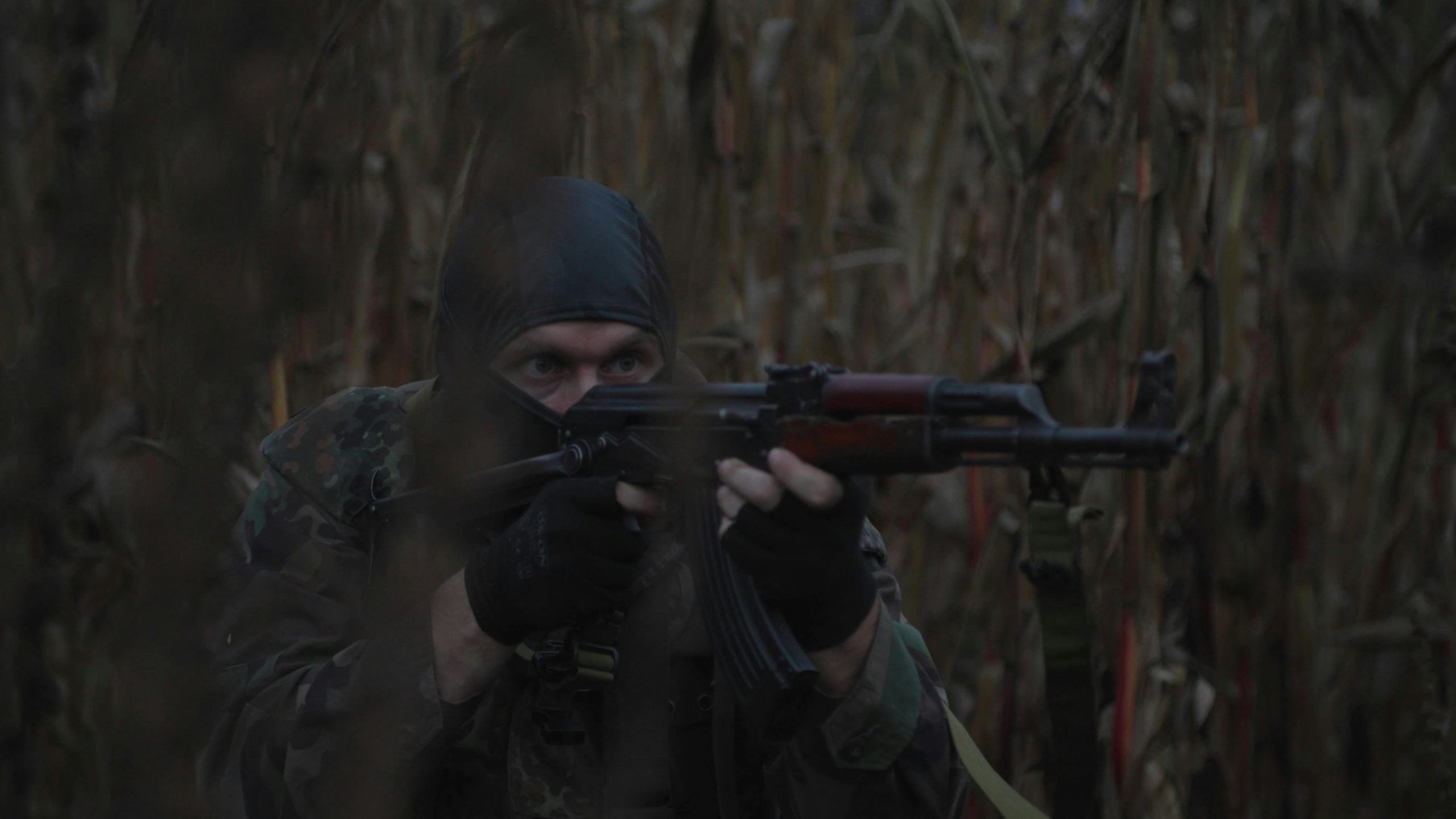
Cinema trains viewers to expect any gunshot to cause immediate collapse. In reality, this rarely occurs. Instant incapacitation requires a bullet to directly disrupt the central nervous system, the brainstem, or the upper spinal cord specifically. Otherwise, a person can stay conscious for 30 seconds to several minutes after receiving even a fatal wound. Combat trauma records indicate roughly 70 percent of gunshot victims survive with prompt medical care. Documented accounts show fighters continuing despite multiple hits. Real stopping power varies enormously by caliber and placement factors. Hollywood simplifies them into one implausible, immediate, picture-perfect cinematic collapse.
8. The Sideways Gun Grip Actually Works
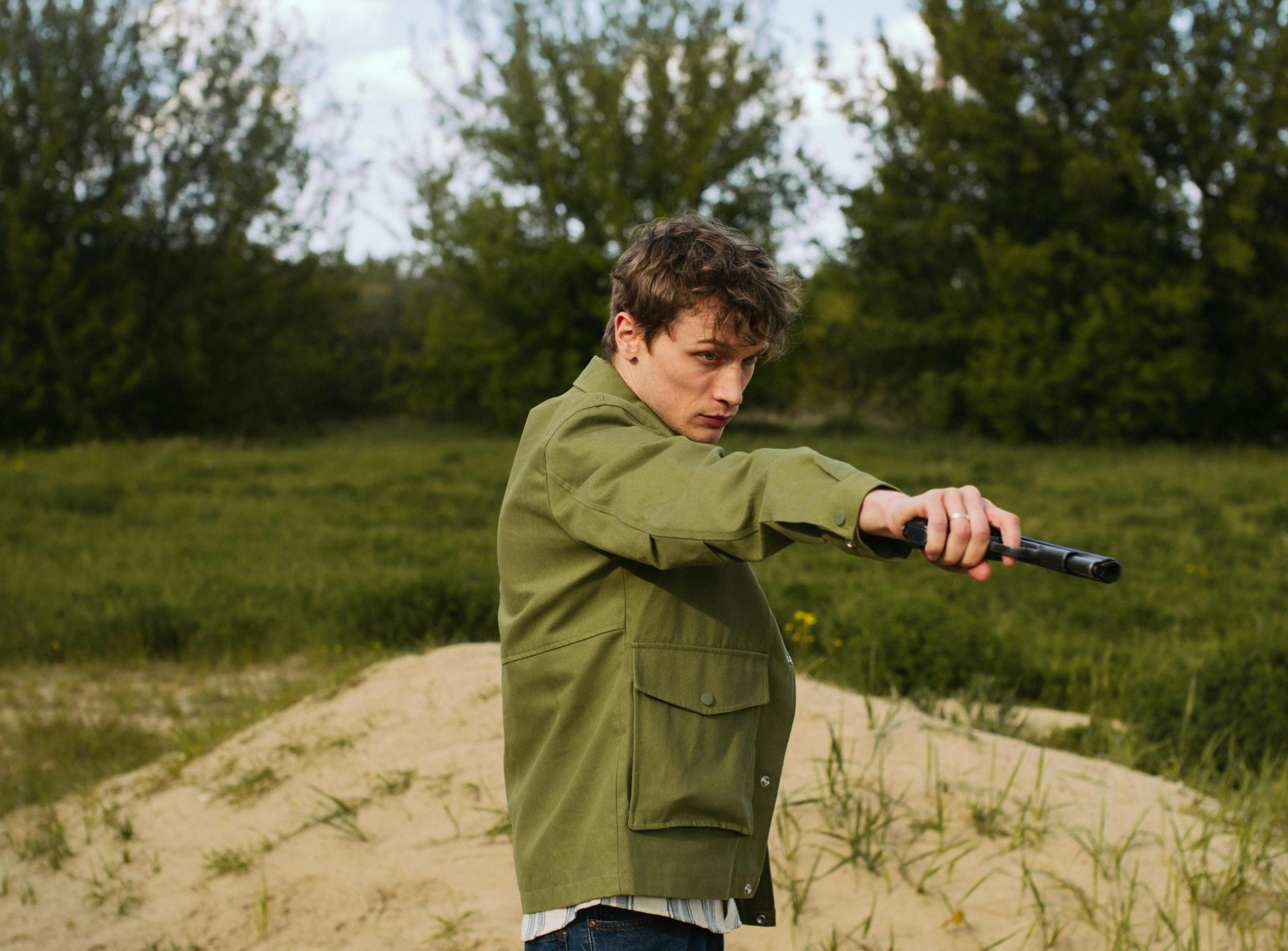
The sideways “gangster grip” became a pop culture icon through 1990s cinema and music videos. In practice, tilting a pistol 90 degrees sideways causes real issues. Standard semi-automatic ejection ports expel casings upward and rightward, rotating sideways, and send hot brass directly toward your face. The sighting system also becomes misaligned, destroying accuracy across most ranges. Studies show sideways shooting increases average miss distance by roughly 40 to 60 percent at ranges beyond 10 feet. It looks visually impressive on screen, but creates genuine mechanical and safety problems in any real-world application. In real tactical training, this grip is explicitly taught as something to avoid entirely.
9. Shooting Gas Tanks Causes Massive Explosions
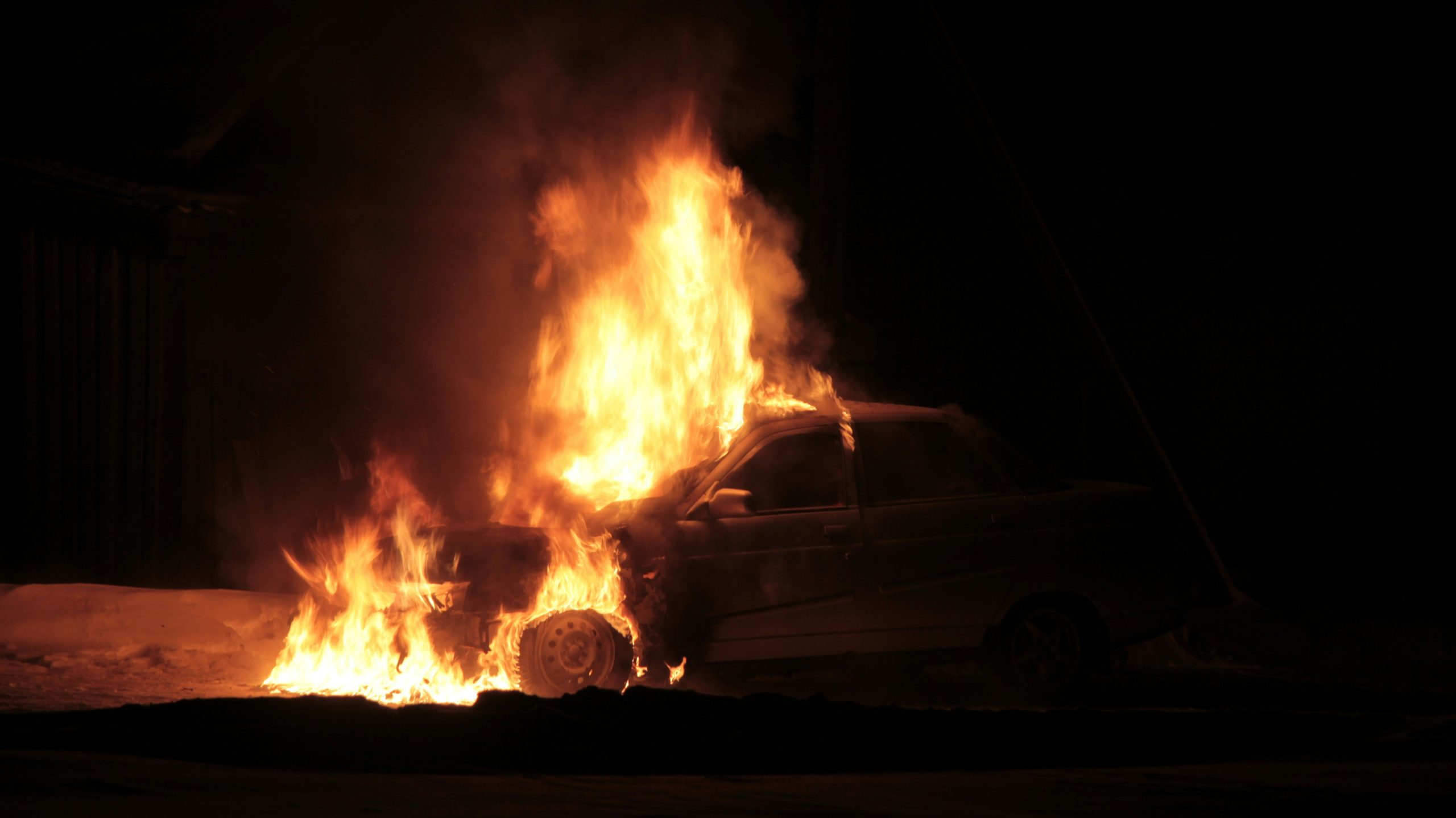
Movies love showing cars erupting into fireballs after a single bullet strikes the fuel tank. In reality, conventional rounds rarely cause fire when hitting a standard gas tank and almost never cause an explosion. Gasoline requires both concentrated vapor and sufficient ignition energy, which regular bullets typically cannot provide. Underwater firearms are equally misrepresented. At just 3 to 4 feet of depth, water pressure builds inside the barrel rapidly, creating forces capable of splitting it apart entirely. Bullets lose nearly all effective velocity within just 3 feet of water. Hollywood transforms both situations into spectacular moments that real physics firmly refuses to honor.
10. Re-Cocking an Already-Loaded Gun Adds Readiness
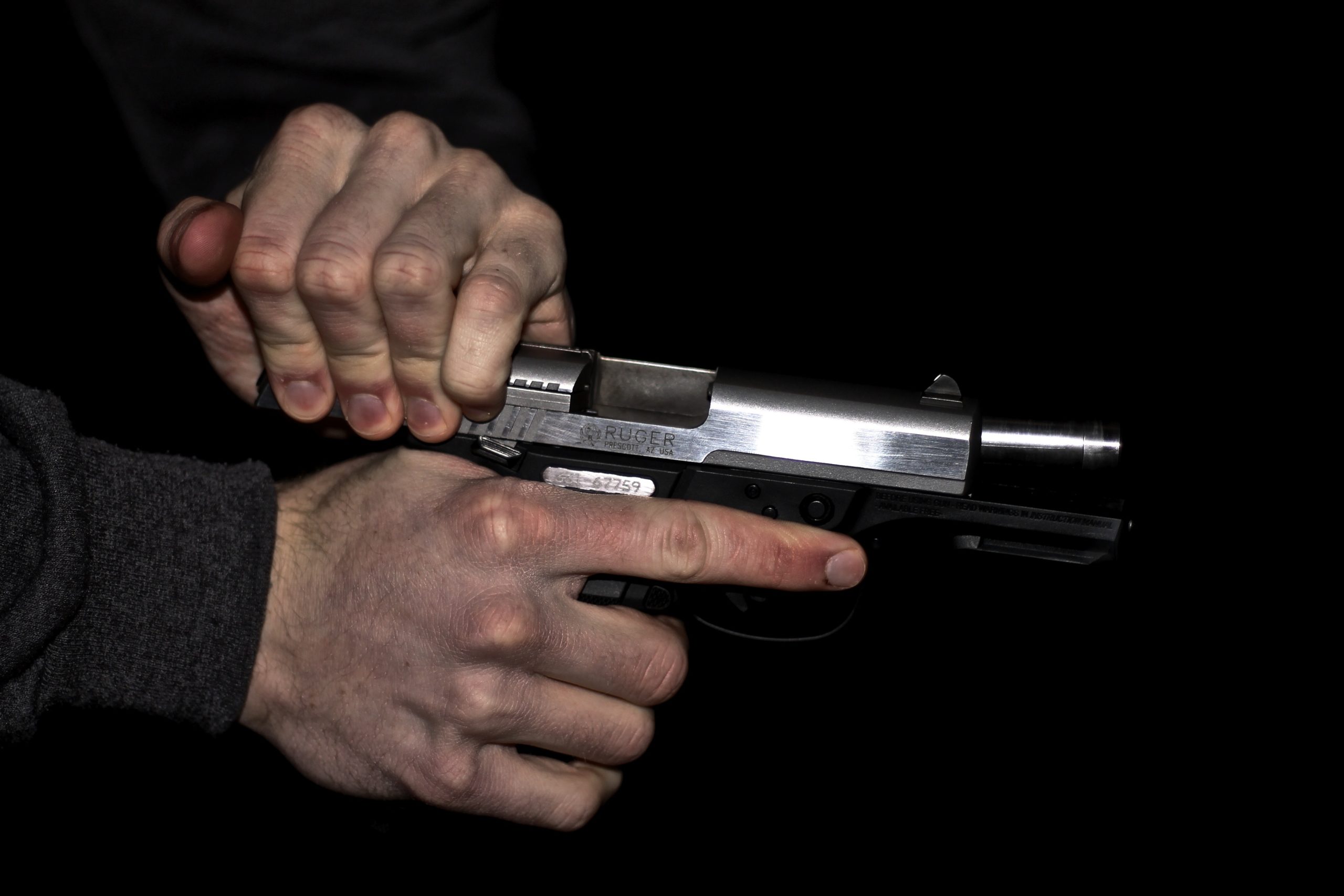
Nearly every Hollywood hero dramatically re-cocks their gun just before the tense standoff, purely for theatrical effect. Modern semi-automatic pistols chamber a round automatically when the slide is racked during loading; they’re already completely ready to fire. Unnecessarily working the action mid-scene risks interfering with the firing mechanism or triggering an unintended discharge. Revolvers do legitimately benefit from manual cocking, reducing trigger pull weight from roughly 10 to 12 pounds down to just 3 to 5 pounds. But re-cocking an already-chambered semi-automatic is mechanically meaningless, performed entirely for that iconic metallic click and absolutely nothing else.