Hiking is one of the most popular outdoor activities in the United States, and millions of people head to trails every year expecting fresh air, beautiful views, and a peaceful experience. Most trips end safely, but every year, there are accidents that turn a simple hike into a life-threatening situation. Many of these injuries happen because people underestimate nature, ignore basic safety rules, or believe that short hikes cannot be dangerous. In reality, even well-marked trails can become risky when the weather changes, footing slips, or the body becomes tired. Rescue teams often report that the same types of injuries happen again and again, especially among hikers who are not fully prepared. Understanding the most common causes of deadly hiking accidents can help you avoid making the same mistakes. The following injuries happen every year on trails across the country, but with the right habits and awareness, most of them can be prevented before they turn serious.
1. Slipping on Wet Rocks and Steep Trails
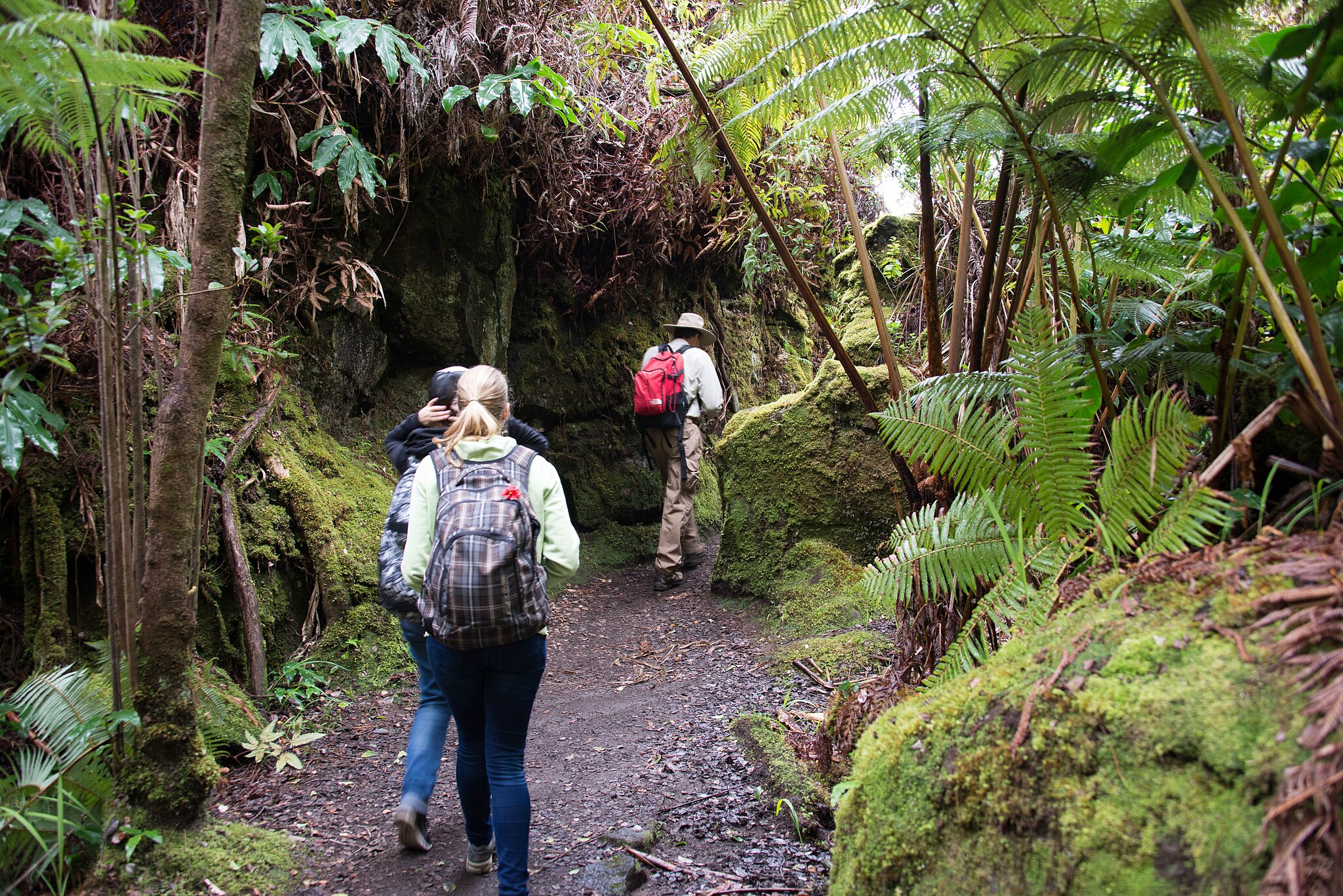
One of the most common causes of serious hiking injuries is slipping on wet rocks, loose gravel, or steep ground. Trails near waterfalls, rivers, and mountain slopes often become slippery without warning, especially after rain. Many hikers lose balance because they walk too fast or wear shoes without a good grip. A fall on hard ground can lead to broken bones, head injuries, or falling down a slope where rescue becomes difficult. Even experienced hikers can slip if they stop paying attention to where they step. The safest habit is to move slowly in risky areas and test your footing before putting full weight down. Good hiking shoes with strong traction can make a big difference on rough trails. Using trekking poles also helps with balance on uneven ground. Most falls happen when people rush or try to take shortcuts, so staying careful on steep or wet surfaces is one of the best ways to avoid serious injury.
2. Heat Exhaustion and Heat Stroke
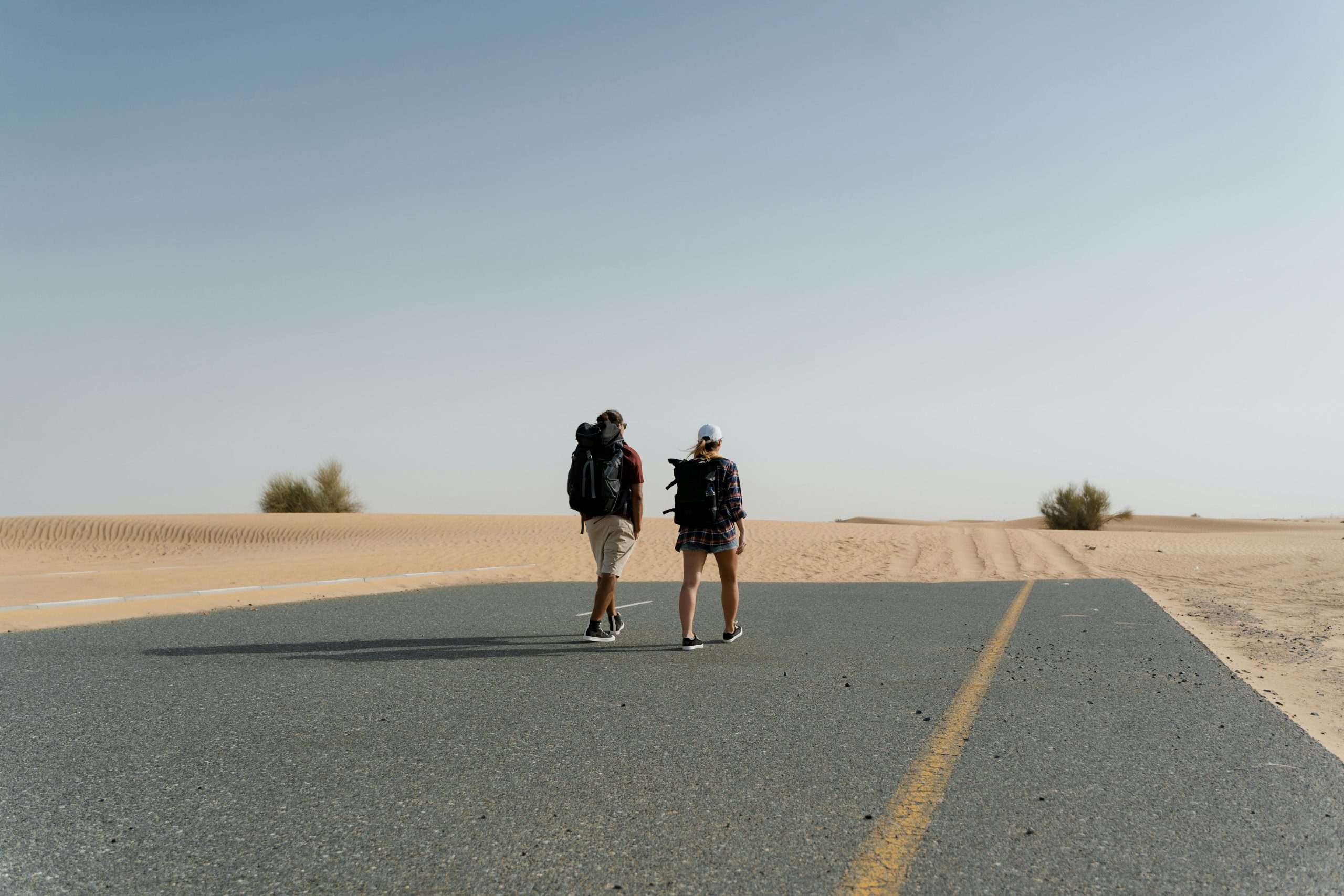
Hot weather can turn a normal hike into a dangerous situation faster than many people expect. Heat exhaustion happens when the body loses too much water and salt through sweat, while heat stroke is a more serious condition where the body cannot cool itself. Symptoms include dizziness, weakness, confusion, and heavy sweating, and if ignored, the condition can become life-threatening. Many hikers carry too little water or start hiking during the hottest part of the day. Wearing heavy clothes or dark colors can also make overheating worse. The safest approach is to drink water regularly, even before feeling thirsty, and take breaks in the shade when possible. Starting early in the morning helps avoid extreme heat on long trails. Paying attention to your body is important because heat-related illness often builds slowly. Preventing overheating is much easier than trying to recover from it, far from help.
3. Getting Lost and Running Out of Energy
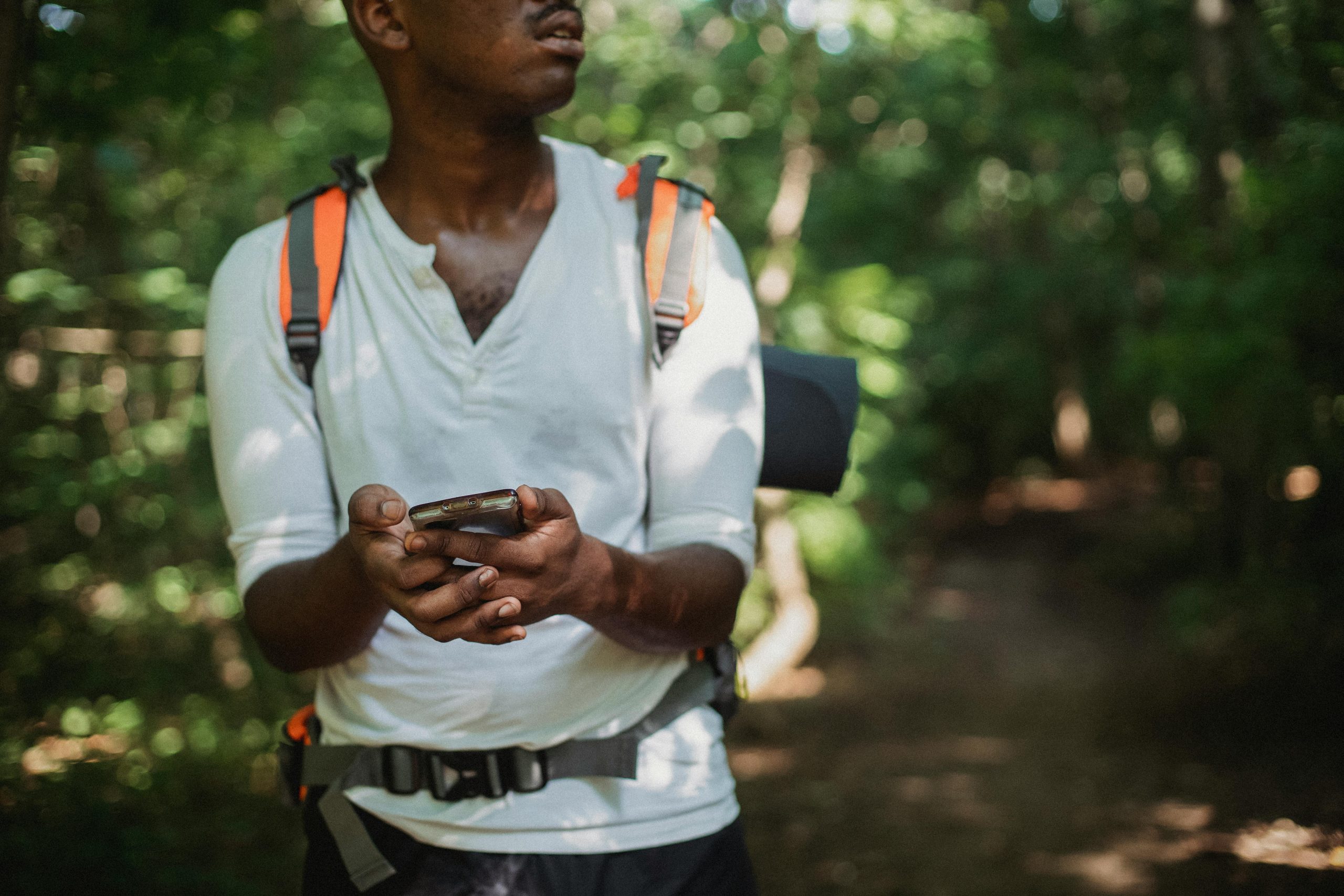
Getting lost may not sound like an injury, but it often leads to dangerous situations that can become fatal. When hikers leave marked trails or rely only on a phone for navigation, they may end up far from the correct path. Once lost, people often panic and keep walking, which uses energy quickly and makes the problem worse. Running out of strength, water, or daylight can lead to exposure, dehydration, or falls. Many rescue cases begin with someone who thought the trail was easy and did not carry basic gear. A map, compass, and extra food and water are simple items that can make a big difference. Staying on marked trails and turning back when unsure of the route is safer than trying to guess the way. Most survival experts say that staying calm and staying put is often the best choice if you realize you are lost.
4. Falling From Cliffs or High Viewpoints
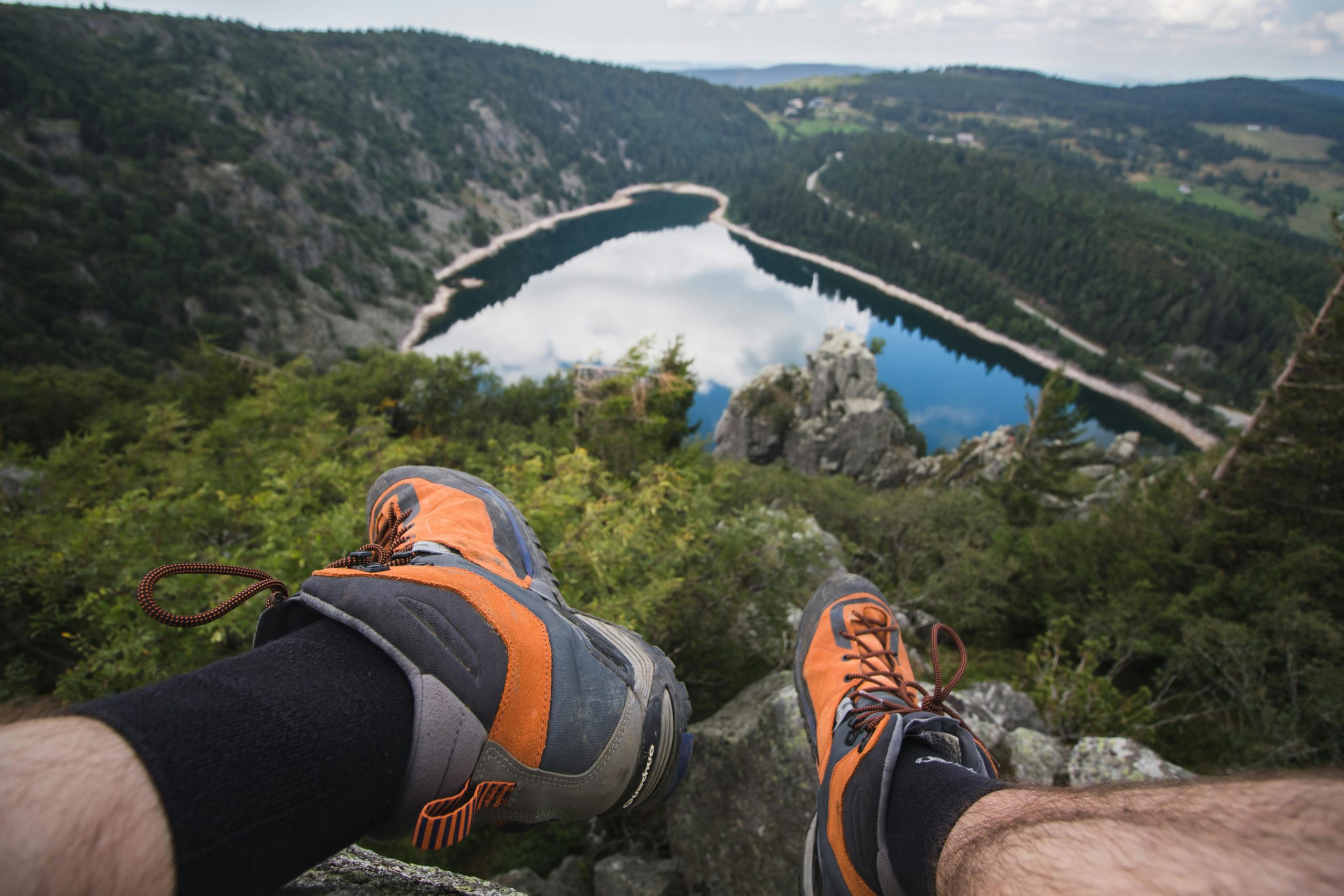
Beautiful views often come with dangerous edges, and falls from cliffs are one of the most deadly hiking accidents every year. Many people get too close to the edge while taking photos or trying to see a better view. Loose rocks, strong wind, or a simple slip can cause a fall that cannot be survived. Some trails have warning signs and barriers, but not all dangerous areas are marked clearly. It is important to keep a safe distance from steep drop-offs, even if the ground looks solid. Shoes with a good grip help, but careful movement is even more important. Wet ground and loose dirt make edges more dangerous than they appear. The safest habit is to enjoy the view without standing right at the edge. Most fatal falls happen because people forget how quickly balance can be lost in high places.
5. Dehydration on Long Trails
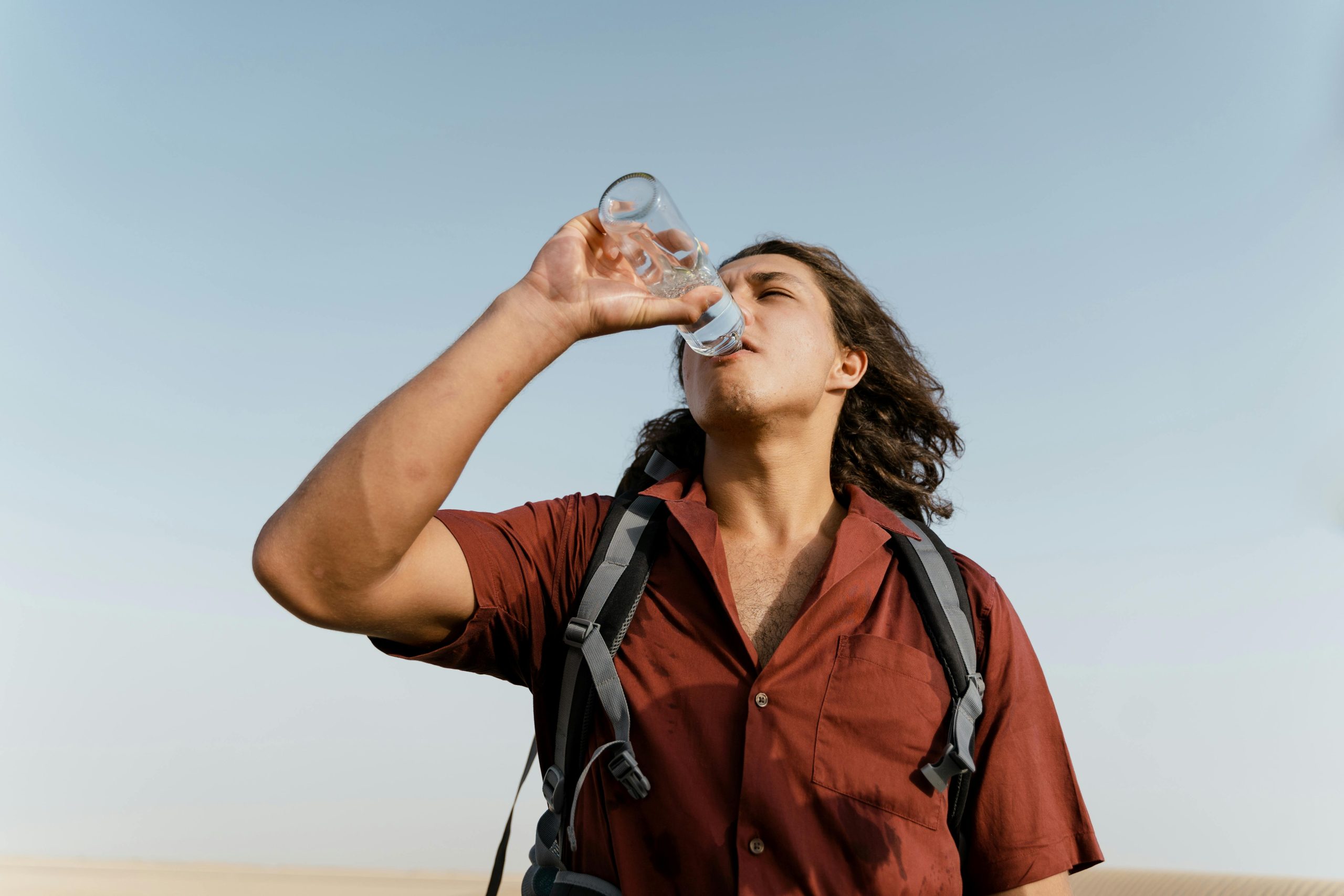
Dehydration happens when the body loses more water than it takes in, and it can become serious during long hikes, especially in warm weather. Many people bring less water than they need because they expect the hike to be short. When the trail takes longer than planned, the body becomes weak, tired, and less able to think clearly. Dehydration can lead to cramps, dizziness, and fainting, which makes walking safely much harder. Drinking small amounts of water often is better than waiting until you feel very thirsty. Carrying extra water is always safer than carrying too little. Some hikers also use water filters so they can refill safely from natural sources. The body needs more water than most people expect when walking uphill or carrying weight. Staying hydrated is one of the simplest ways to keep a hike from turning into an emergency.
6. Hypothermia in Cold or Wet Weather
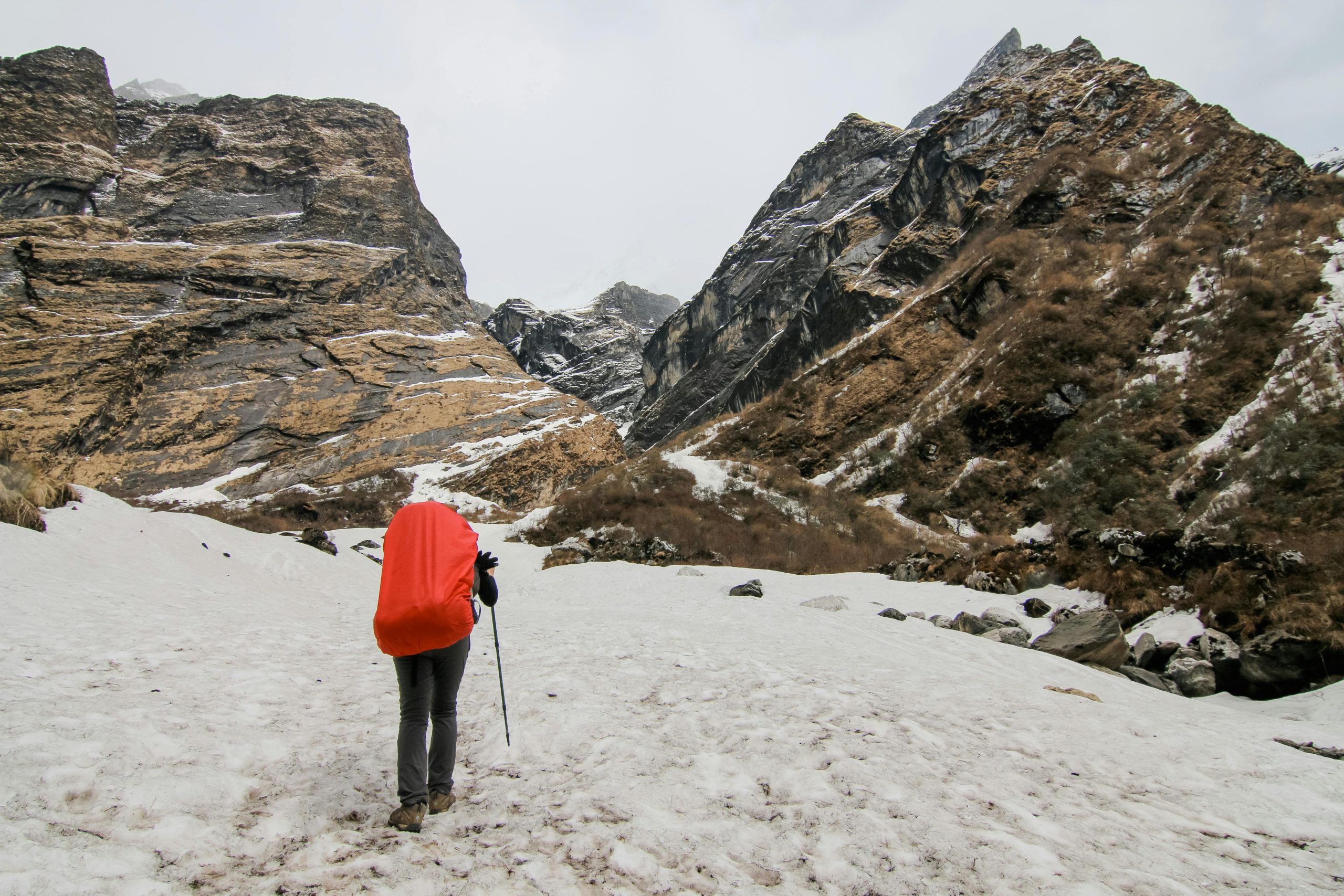
Cold-weather injuries do not only happen in winter. Hypothermia can occur any time the body loses heat faster than it can produce it, especially in rain, wind, or high mountains. When clothing becomes wet from sweat or weather, body temperature can drop quickly. Early signs include shivering, confusion, and slow movement, and without warmth, the condition can become deadly. Many hikers do not expect cold conditions and bring clothing that is too light. Even in summer, mountain weather can change suddenly. Wearing layers that can be added or removed helps keep body temperature stable. Staying dry is just as important as staying warm, so waterproof jackets are useful on many trails. Taking breaks in sheltered areas instead of windy spots also helps. Hypothermia often happens because people underestimate the weather, not because the temperature looks extreme at the start.
7. Animal Attacks on Remote Trails
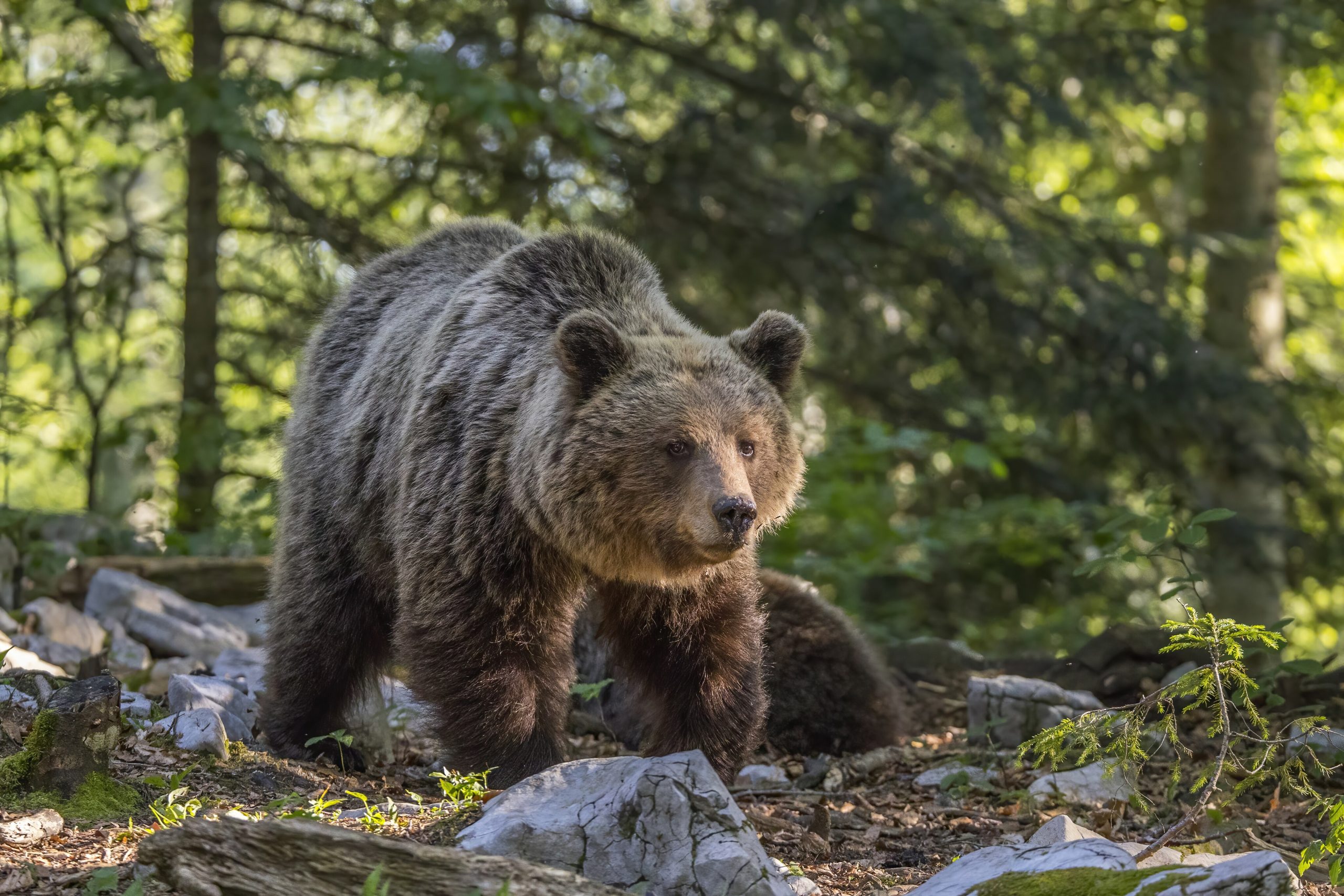
Animal attacks are rare, but they do happen every year, especially in areas where wildlife lives close to hiking trails. Bears, snakes, and even aggressive deer can become dangerous if they feel surprised or threatened. Many problems happen when hikers get too close to animals for photos or leave food where wildlife can smell it. Snakes may hide in rocks or grass, and stepping without looking can lead to bites. The safest habit is to make noise while walking so animals know you are coming. Keeping distance from wildlife and never feeding animals reduces risk. Food should be stored securely so it does not attract attention. Most animals try to avoid people, but sudden encounters can cause defensive attacks. Staying alert and respecting the natural environment makes serious incidents much less likely.
8. Injuries From Carrying Too Much Weight
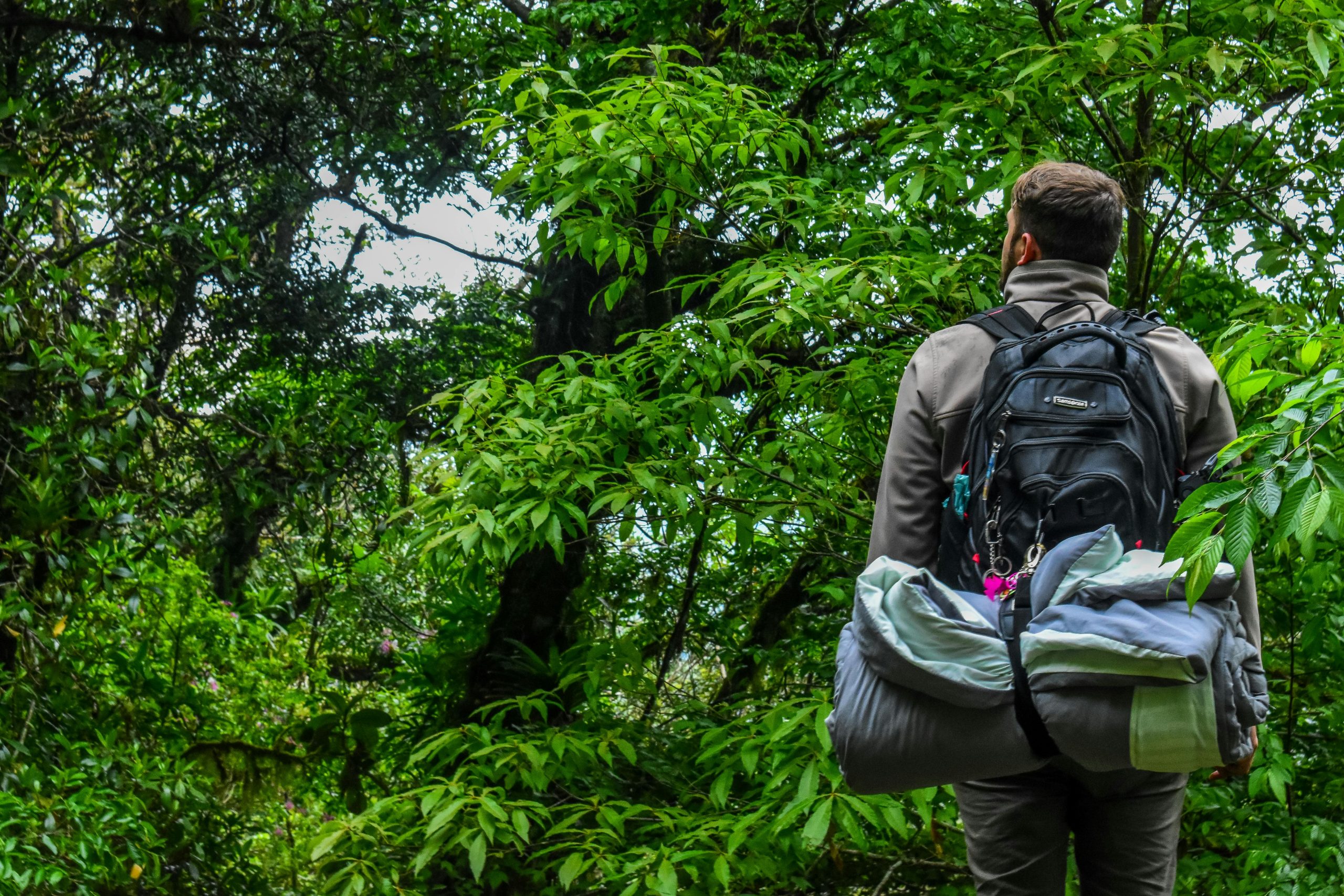
Backpacks that are too heavy can cause more problems than many hikers realize. Carrying extra weight puts stress on knees, ankles, and the lower back, especially on long or steep trails. Tired muscles make it easier to lose balance, which increases the chance of falling. Some hikers bring too much gear because they want to be prepared for everything, but the extra load can slow movement and use more energy. A well-packed bag should include only what is necessary, with weight balanced properly. Adjusting the straps so the pack fits correctly helps reduce strain on the body. Taking short breaks during long hikes also prevents overuse injuries. Many accidents happen near the end of a hike when the body is tired. Managing weight carefully helps keep strength and balance until the trip is finished.
9. Walking in Bad Weather Conditions
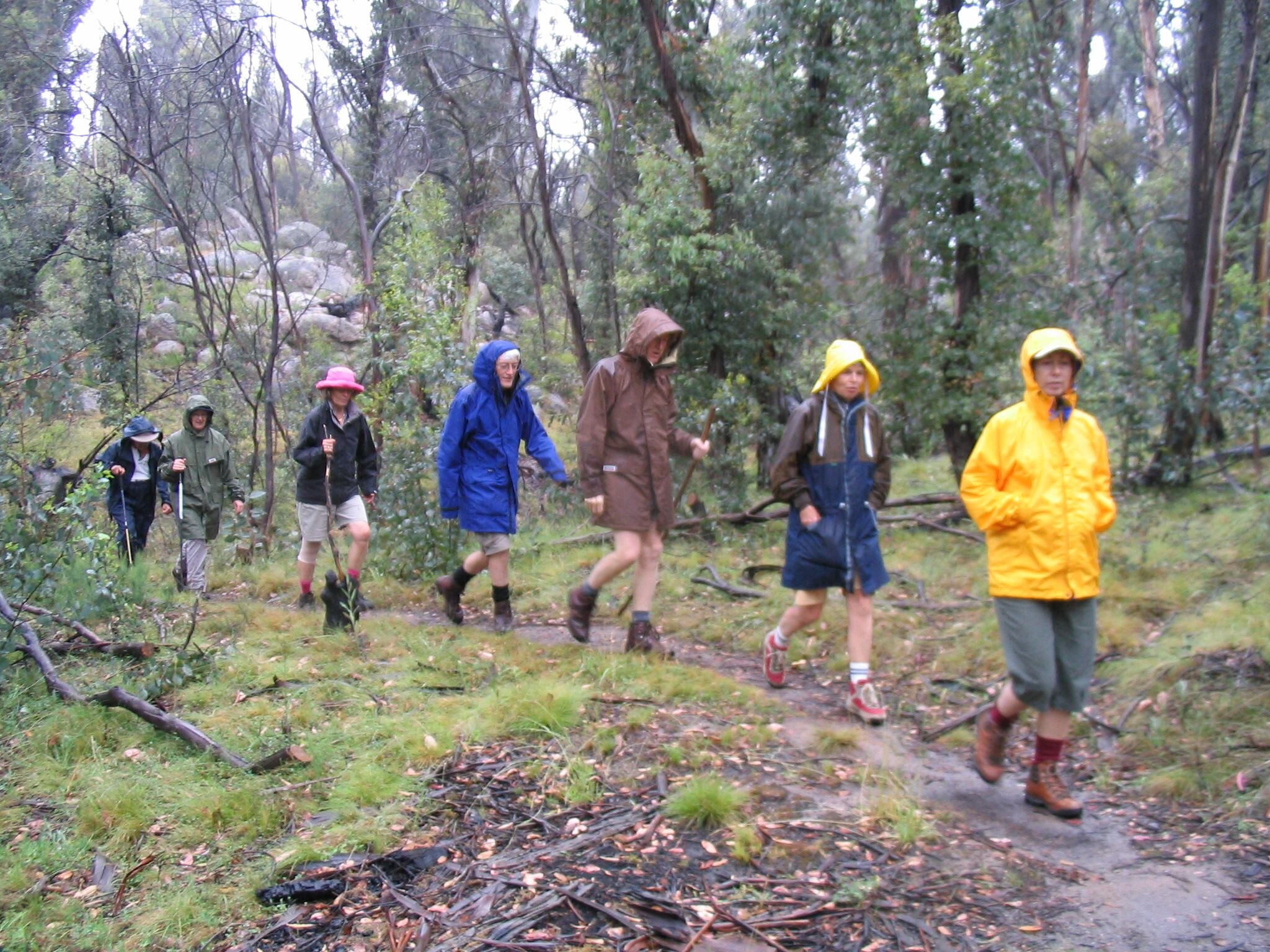
Bad weather can make even easy trails dangerous. Rain turns dirt into mud, wind affects balance, and fog can make it hard to see the path. Some hikers continue walking even when conditions become unsafe because they do not want to turn back. Lightning, strong winds, and heavy rain increase the chance of falling or getting lost. Checking the weather before starting a hike is one of the best safety habits. If the forecast looks risky, choosing a shorter trail or another day is often the smarter decision. Carrying rain gear and warm clothing helps whenthe weather changes unexpectedly. Nature can change quickly, especially in mountains, so being ready for different conditions is important. Many accidents happen because people keep going when they should stop.
10. Ignoring Pain and Pushing Too Far
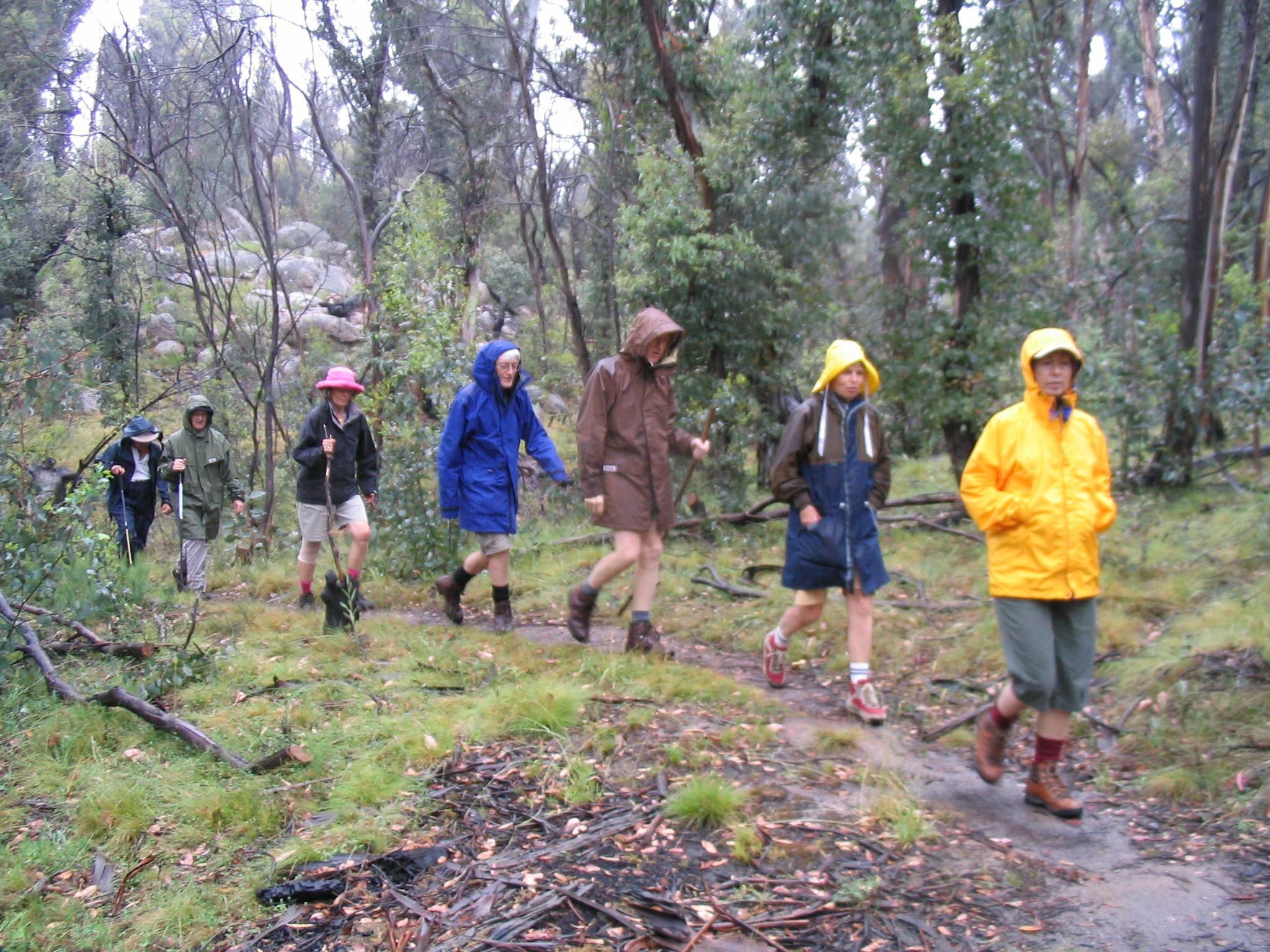
One of the most common mistakes hikers make is ignoring pain and continuing even when the body is tired or injured. Small problems like blisters, sore knees, or muscle cramps can become serious if they are not treated early. When the body becomes too tired, balance and focus become weaker, which increases the chance of falling. Some people feel pressure to finish the hike even when they know they should rest or turn back. Taking breaks, stretching, and stopping when pain becomes strong can prevent a minor issue from turning into an emergency. Hiking should be planned based on fitness level, not just distance on the map. Experienced hikers know that reaching the end safely is more important than reaching it quickly. Listening to your body is one of the most important safety rules on any trail.