Many hikes unravel when boots get treated like casual shoes, because fit, traction, and moisture control decide comfort on real terrain. Some shoppers trust a quick store lap, then learn on the trail that toes slam forward on descents or heels lift and rub. Small irritations can develop into blisters that alter posture and strain joints over long distances. Poor tread can slip on wet rock, while soggy liners soften skin and invite friction. Better results come from recognizing common hiking boot mistakes early and building habits that protect feet, stability, and pace.
Buying The Wrong Size Or Foot Shape.
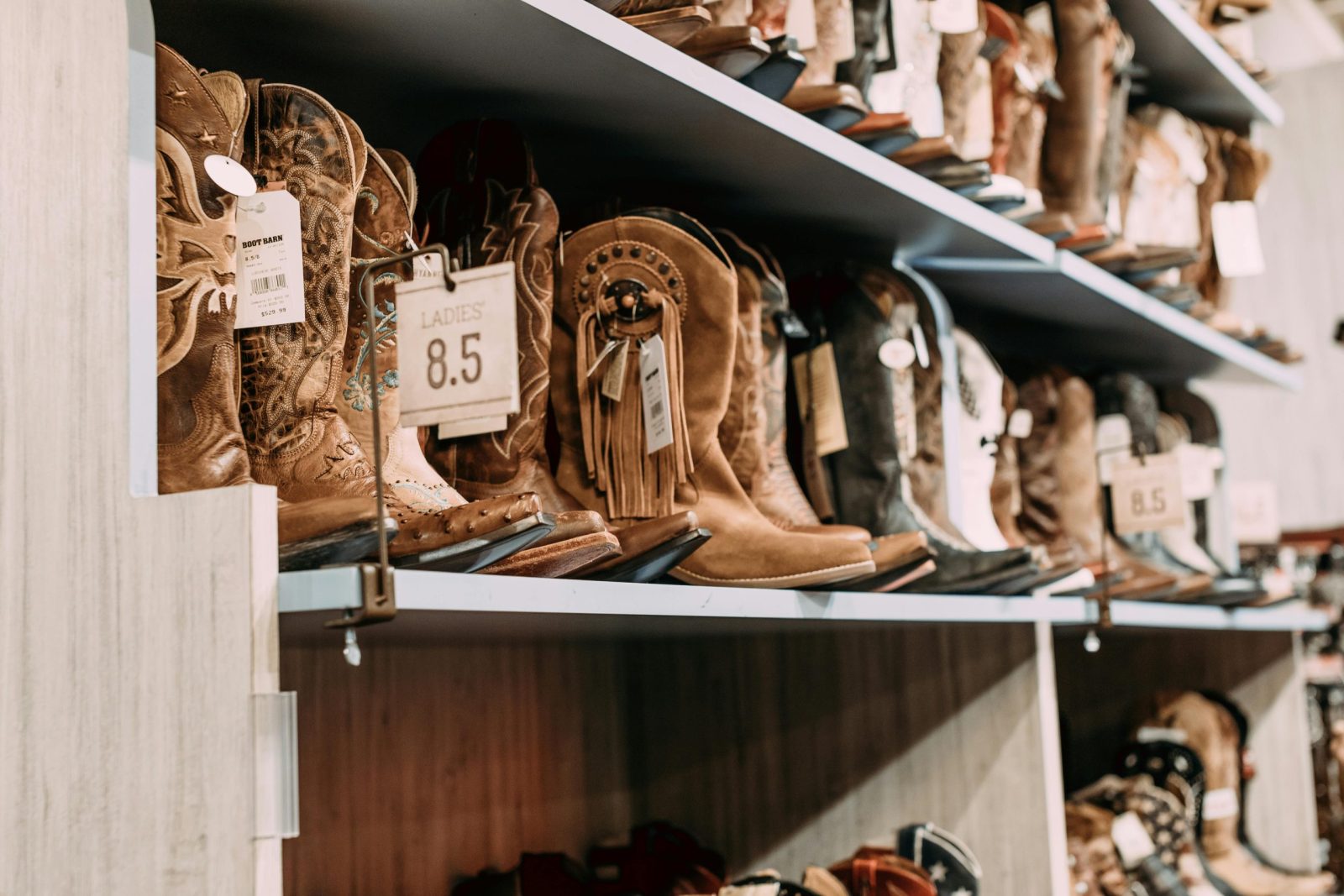
Boot sizing involves length, width, volume, and toe box shape, so the printed number rarely tells the whole story. Many hikers buy tight footwear that feels secure at first, then crushes toes during downhill sections. Others choose extra space and end up with a heel lift that creates rubbing and hot spots. Fit testing works best with the same hiking socks intended for the trail, since sock thickness changes volume immediately. Time later in the day can help, because feet often swell. A simple ramp test confirms toe clearance, while a snug heel pocket reduces sliding.
Skipping A Proper Break In Period
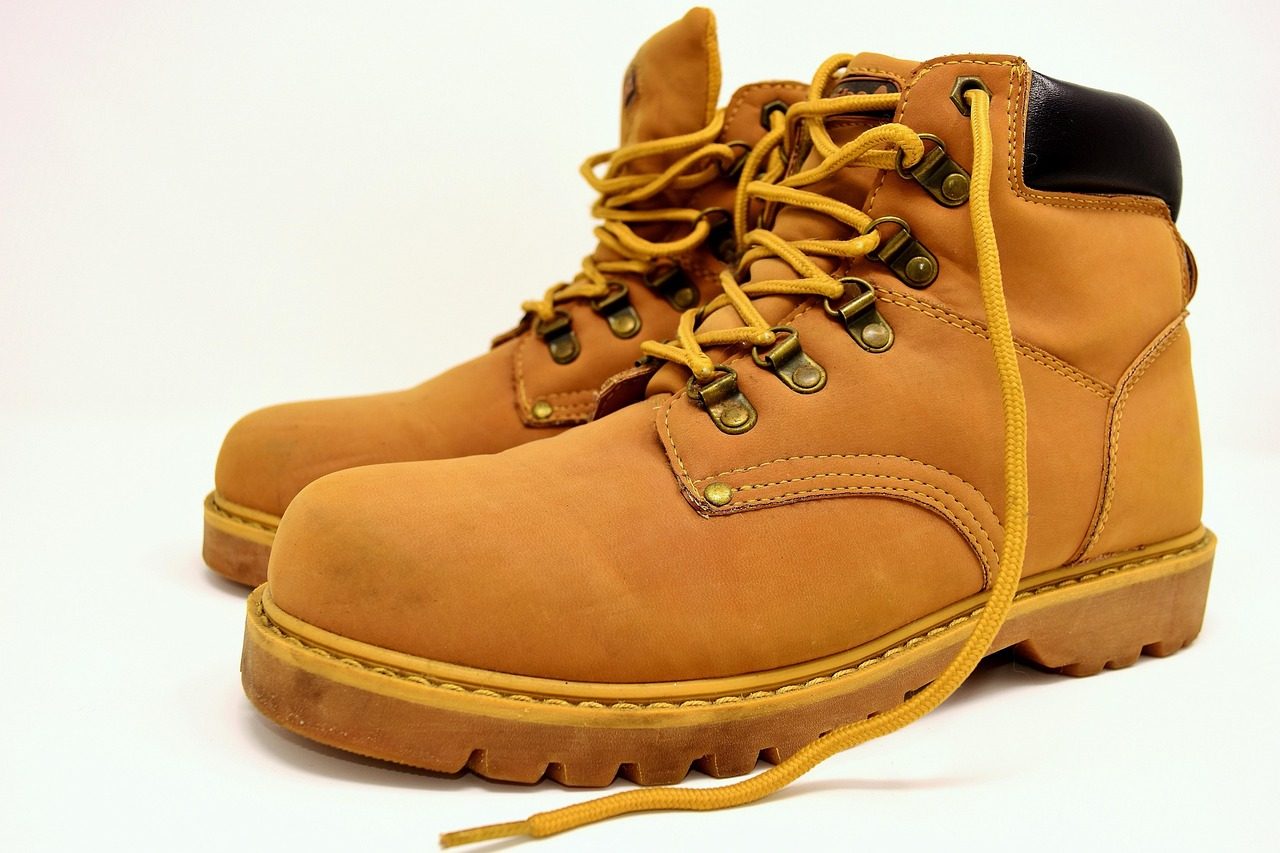
New boots often feel stiff because uppers and midsoles have not flexed with real movement yet. Jumping straight into a long hike can trigger pressure points, sore arches, and early blisters once heat and mileage build. Short walks around the neighborhood help materials soften in predictable ways. Longer practice outings reveal lace bite, heel lift, or a pinching toe box before a big day, making the problem unavoidable. Gradual use also helps identify the best sock pairing and lacing tension. Break in time protects comfort, improves control, and reduces the chance of a miserable first experience.
Wearing Socks That Trap Sweat
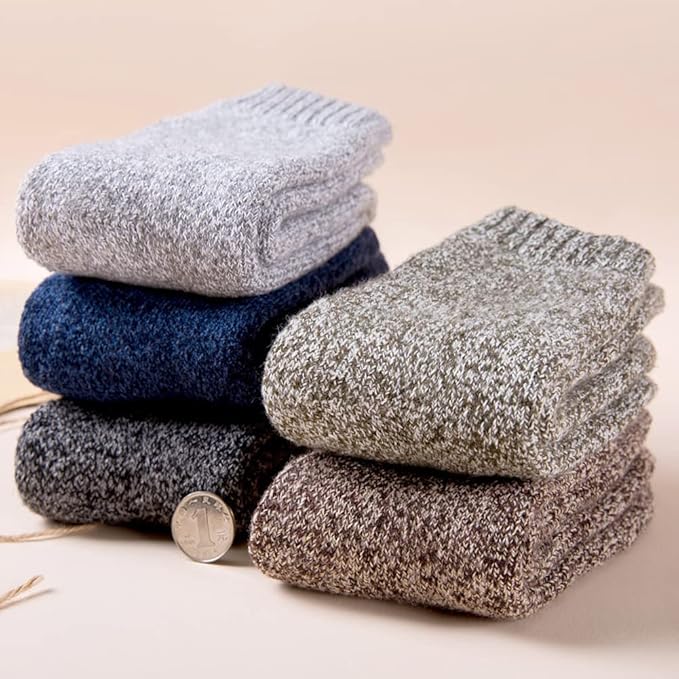
Sock choice affects friction as much as boot fit, so the wrong fabric can ruin an otherwise solid setup. Cotton tends to hold moisture, which increases rubbing and can make skin more vulnerable to blisters. Thin socks may allow extra movement inside roomy boots, while overly thick socks can squeeze toes and change the support feel. Hiking socks made for moisture management and strategic cushioning handle sweat better on warm climbs. Seasonal choices matter too, since cold conditions can require warmth without bulk that crushes fit. Carrying a dry backup pair can restore comfort after rain or heavy perspiration.
Ignoring Hot Spots Until They Become Blisters
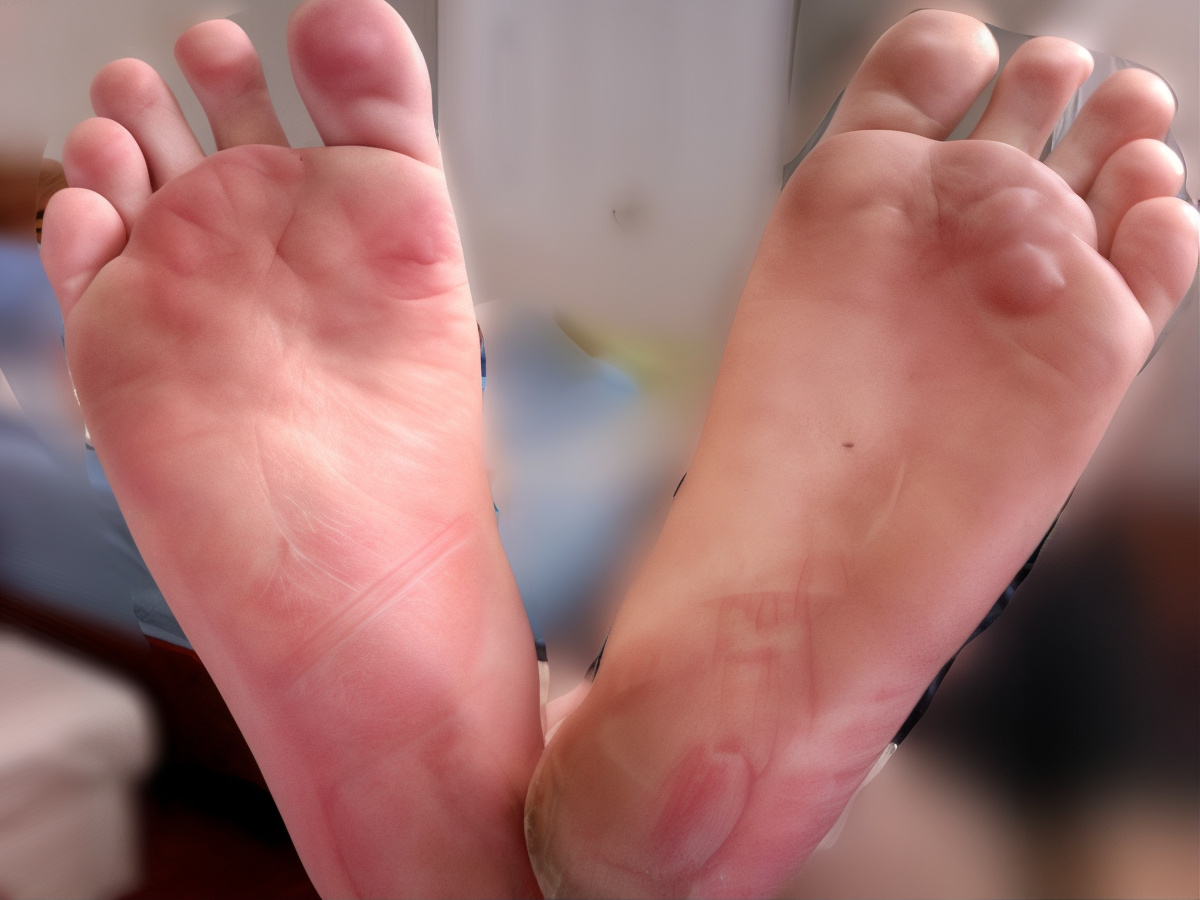
Hot spots usually appear before blisters, so early attention saves skin and keeps a steady stride. Continuing through rubbing can break the surface and create a painful bubble that changes gait. A quick pause can help, especially when laces get adjusted, socks get smoothed, and protective tape goes on the irritated area. Hydrocolloid dressings also work well when applied early and kept clean. Regular checks during breaks catch issues before they escalate. Treating friction immediately protects balance, reduces knee strain from limping, and prevents small discomfort from turning into a hike-ending problem.
Lacing The Same Way For Every Slope
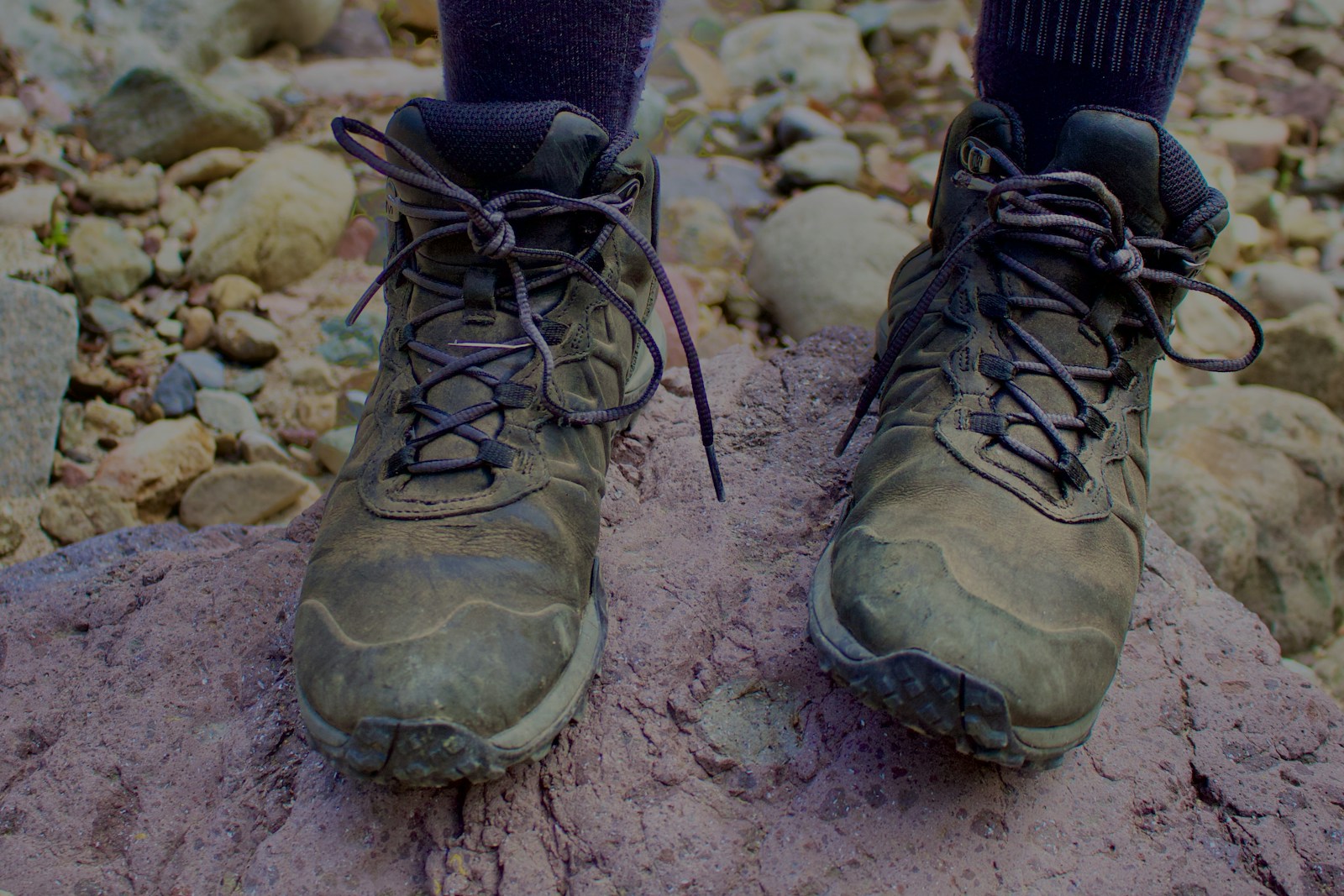
Laces control foot movement, so one tie style rarely works for climbs, descents, and flat stretches. Loose laces can let the foot slide forward, leading to toe bang and bruised nails on steep downhills. Overly tight laces can cause numbness by compressing the top of the foot and restricting circulation. Zone-based lacing improves comfort by locking the heel while easing pressure across the forefoot. Re-tying before major grade changes takes seconds and can prevent miles of irritation. Proper lacing also boosts stability on uneven ground, which supports safer footing and better energy use.
Picking Boots That Do Not Match The Terrain
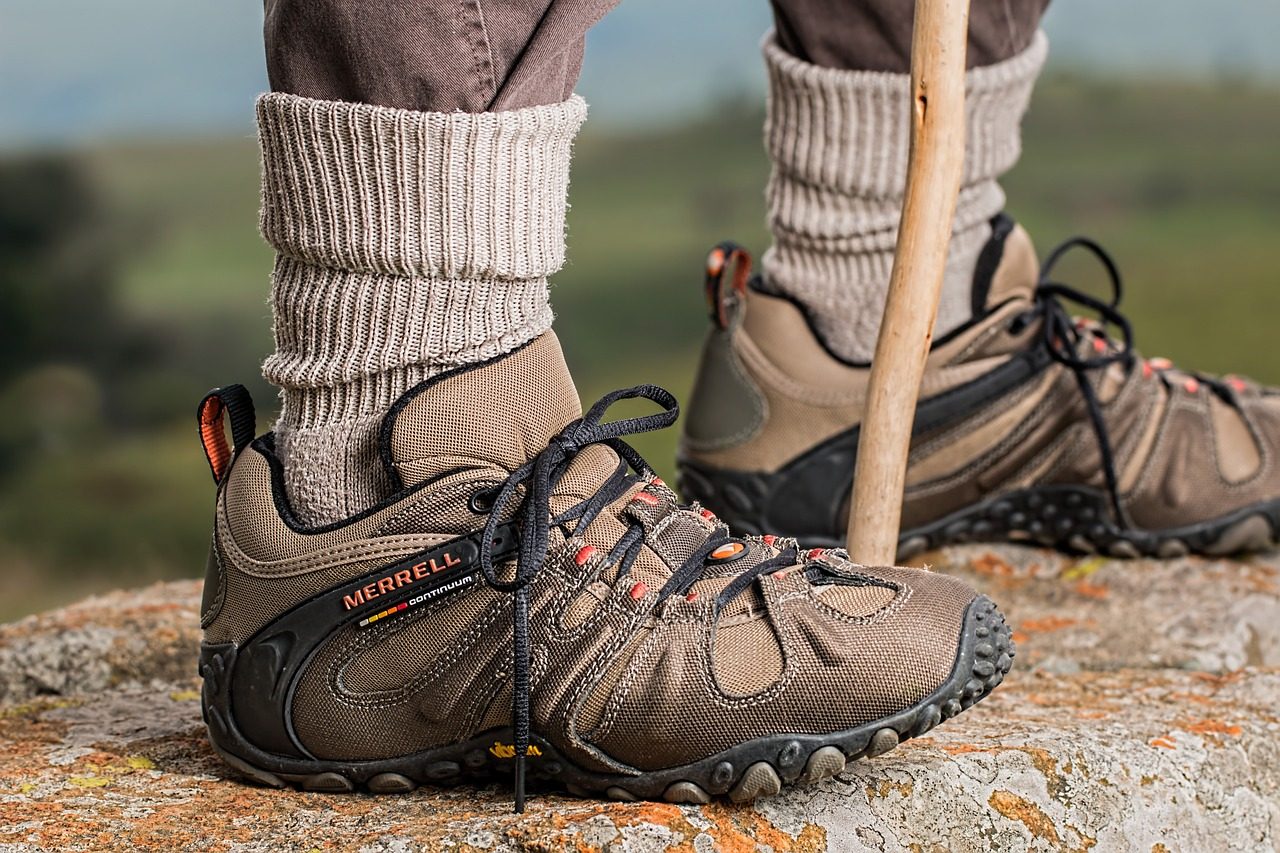
Terrain dictates footwear needs, so mismatched boots can add fatigue and increase slip risk. Lightweight hikers often suit groomed trails, while rough, rocky routes may demand a stiffer platform for edging support. Mud and loose dirt typically benefit from deeper lugs, while rocky surfaces may favor stickier rubber for grip. Pack weight matters as well, since heavier loads can require more structure and underfoot protection. Buying based only on appearance or general ratings can miss these details. Matching boot category, outsole, and support to the route improves traction, reduces foot soreness, and keeps performance consistent over long mileage.
Treating Waterproof Boots Like Zero-Maintenance Gear
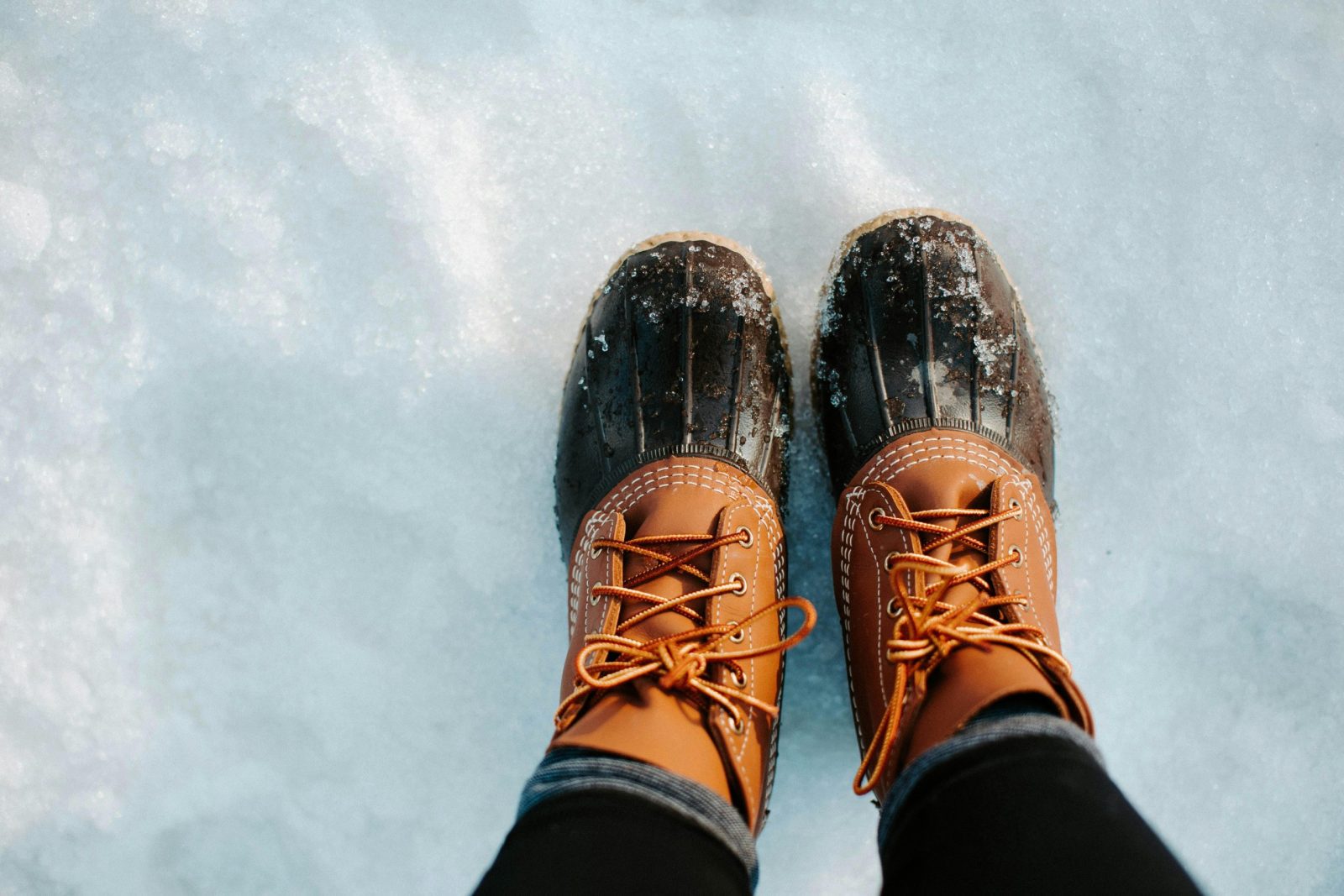
Waterproof membranes help in wet conditions, yet comfort drops fast if water gets inside and stays there. Neglected leather treatment, worn seams, and clogged mud can reduce performance and shorten boot life. Wet interiors soften skin, increase friction, and create the perfect setup for blisters. Proper drying matters, so insoles should come out, laces should loosen, and boots should air dry away from direct high heat that can damage adhesives and leather. Routine cleaning also preserves breathability and prevents grit from grinding materials. Careful maintenance supports waterproofing, reduces odor issues, and keeps boots ready for the next hike.
Trying New Boots With A Heavy Pack Immediately
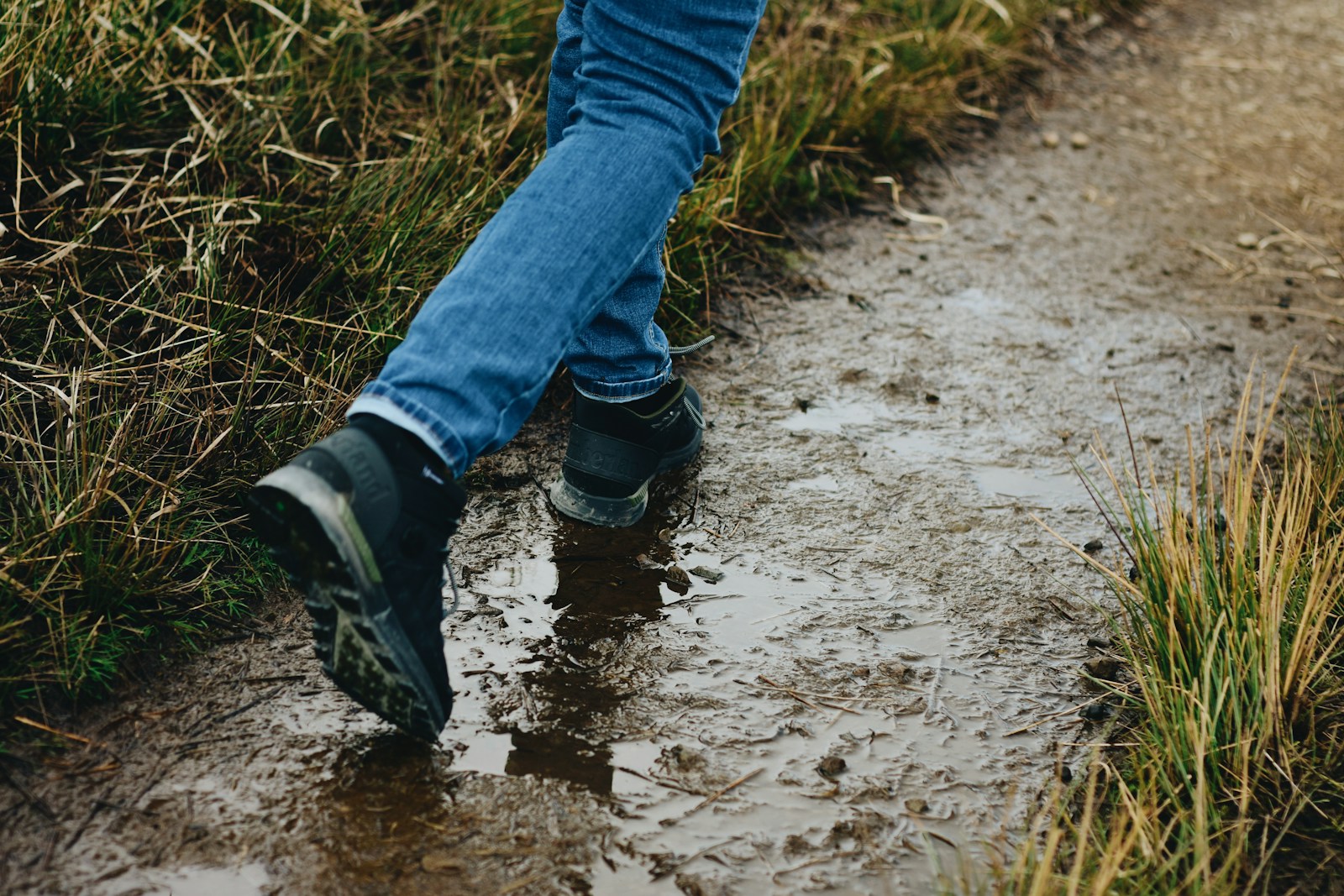
Pack weight changes stride and increases foot swelling, so early testing under a full load can reveal pain fast. Starting heavy can magnify pressure points, especially if the boot has not been broken in or fit remains marginal. Fatigue also rises, which can reduce balance and increase the chance of a misstep. Gradual progression works better, beginning with a light pack and shorter hikes, then adding weight as comfort holds steady. This approach confirms heel lock, arch support, and cushioning under realistic conditions without overloading the body. Smart testing builds confidence and prevents a first outing from turning into a painful lesson.
Forgetting Basic Foot Care
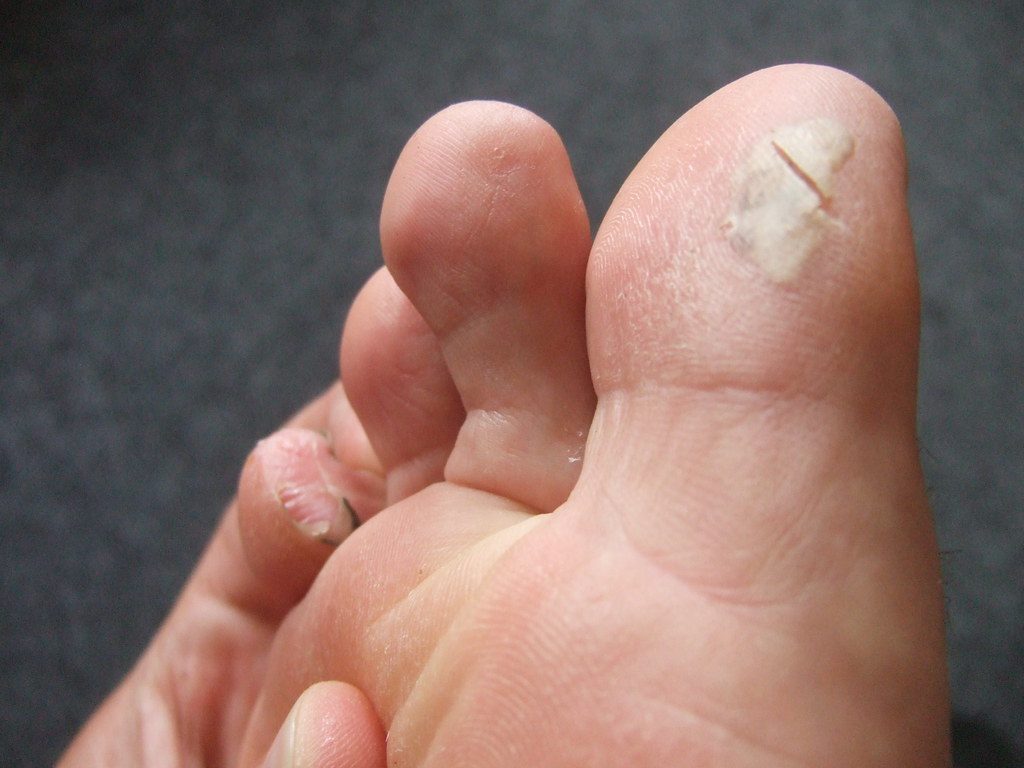
Foot care supports boot comfort, so skipping it can create problems even with perfect gear. Long toenails can hit the front of the boot on descents and cause bruising or painful nail damage. Damp skin and rough calluses can also worsen friction, leading to blisters in predictable spots. Trimming nails straight across, keeping feet clean and dry, and treating known hot spot areas helps prevent avoidable pain. Anti-friction balm can assist when used carefully, but it works best alongside good socks and correct lacing. Consistent prep keeps feet healthier and helps maintain a steady pace across long trails.
Wearing Out Boots Beyond Their Useful Life
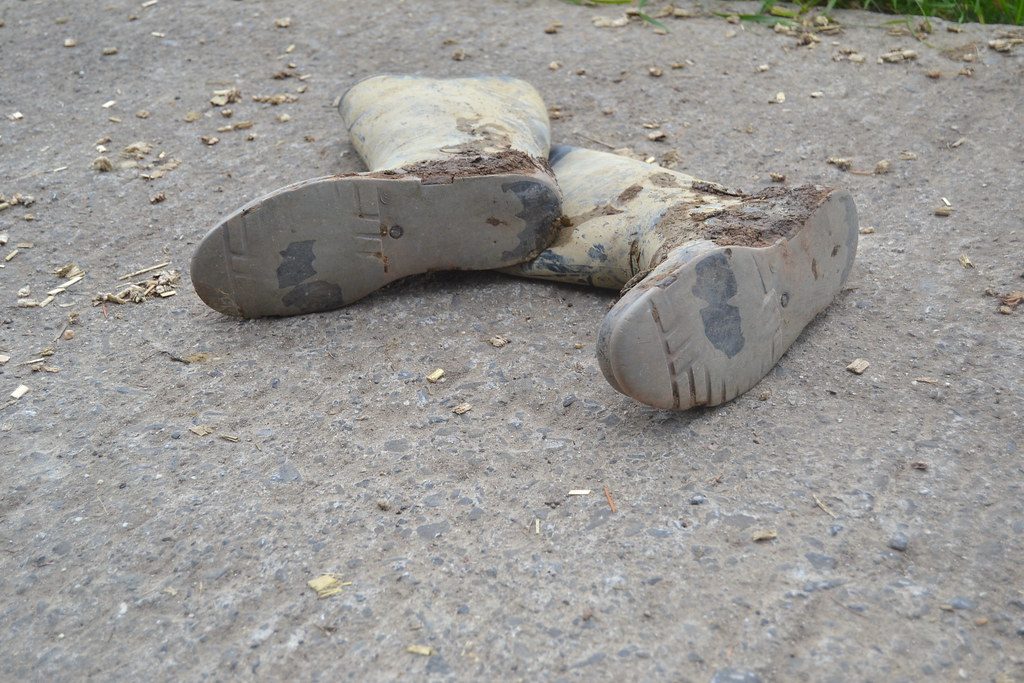
Boots can appear fine while cushioning and traction have already declined due to compression and tread wear. Flattened midsoles reduce shock absorption and can contribute to sore arches, aching knees, and faster fatigue. Worn lugs lose bite in mud, loose dirt, and wet rock, which can compromise stability. Uneven tread often signals foot alignment changes and can create new hot spots. Checking for reduced grip, a collapsed feel underfoot, and visible outsole wear helps determine replacement timing. Refreshing worn boots restores comfort and safety, especially for regular hikers who cover miles often.