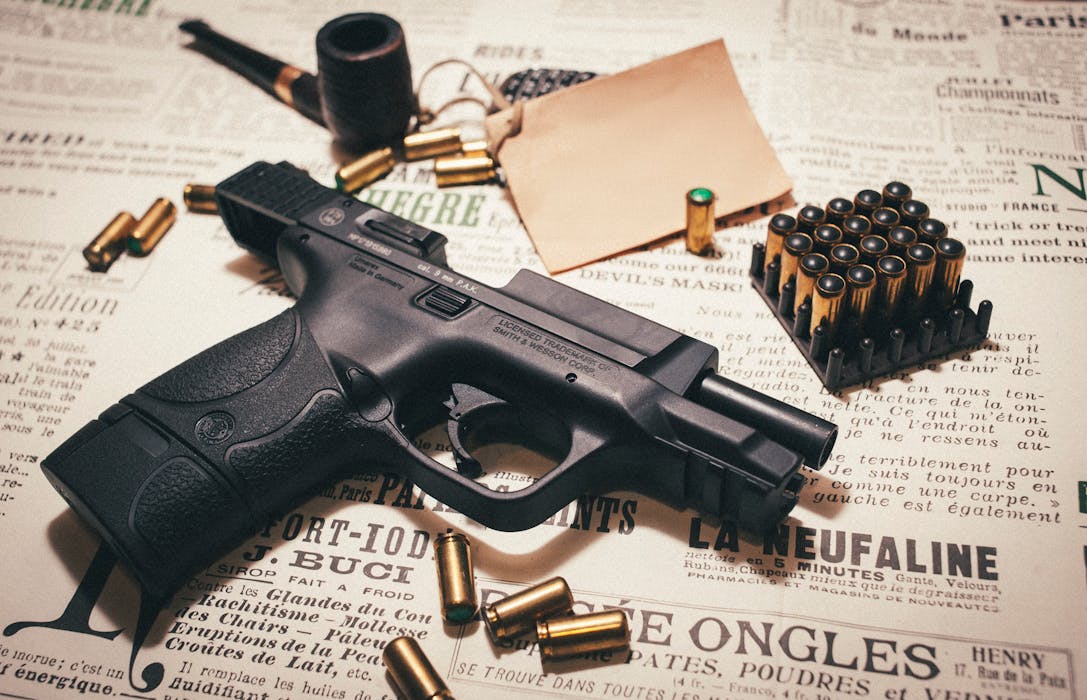
During the 2000s, handgun trends shifted as shooters explored alternatives beyond dominant service pistols. Import availability expanded, competitive shooting influenced preferences, and enthusiast communities shared opinions rapidly online. Many buyers gravitated toward designs offering distinctive ergonomics, metal frames, or unique operating systems. Law enforcement exposure still mattered, yet civilian range culture and home defense discussions increasingly shaped demand. Several handguns became highly sought after without dominating police contracts. These models earned attention through accuracy, durability, or character rather than ubiquity. Together, they reflect a decade when variety flourished and shooters actively compared designs before settling on favorites.
CZ 75B
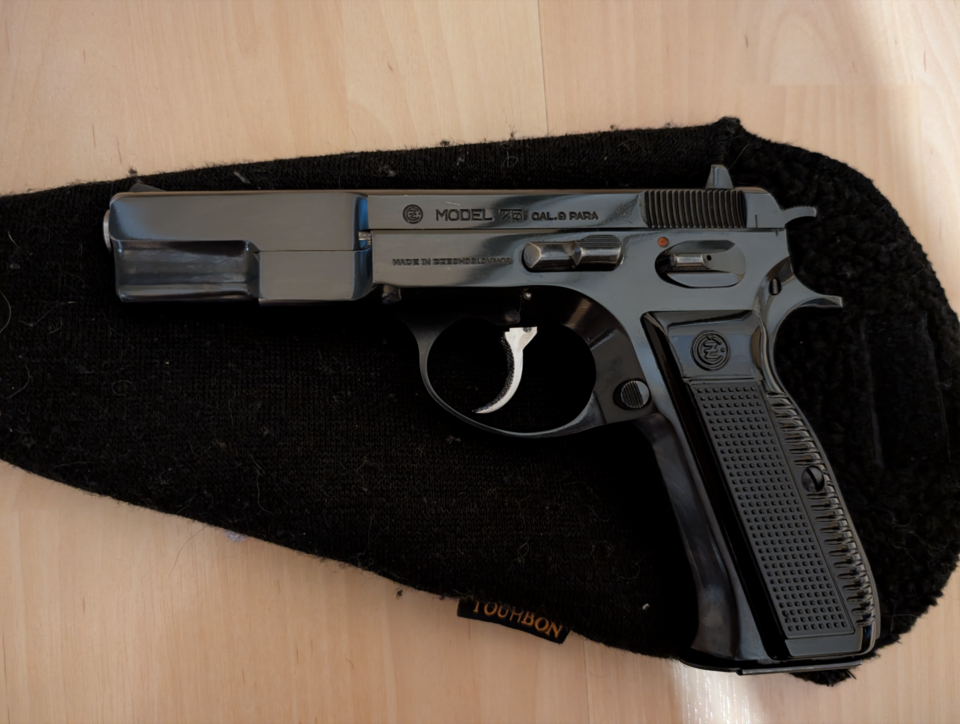
The CZ 75B gained strong popularity during the 2000s among shooters seeking all steel construction and excellent ergonomics. Its low bore axis and contoured grip promoted natural pointability and recoil control. The double action single action system appealed to traditionalists, while accuracy impressed competitive shooters. Import availability improved during the decade, increasing visibility at ranges. Magazine capacity compared favorably with service pistols, and durability earned trust. The CZ 75B developed a devoted following that valued craftsmanship and shootability, making it one of the most desired non mainstream handguns of the era for discerning owners nationwide.
Walther P99
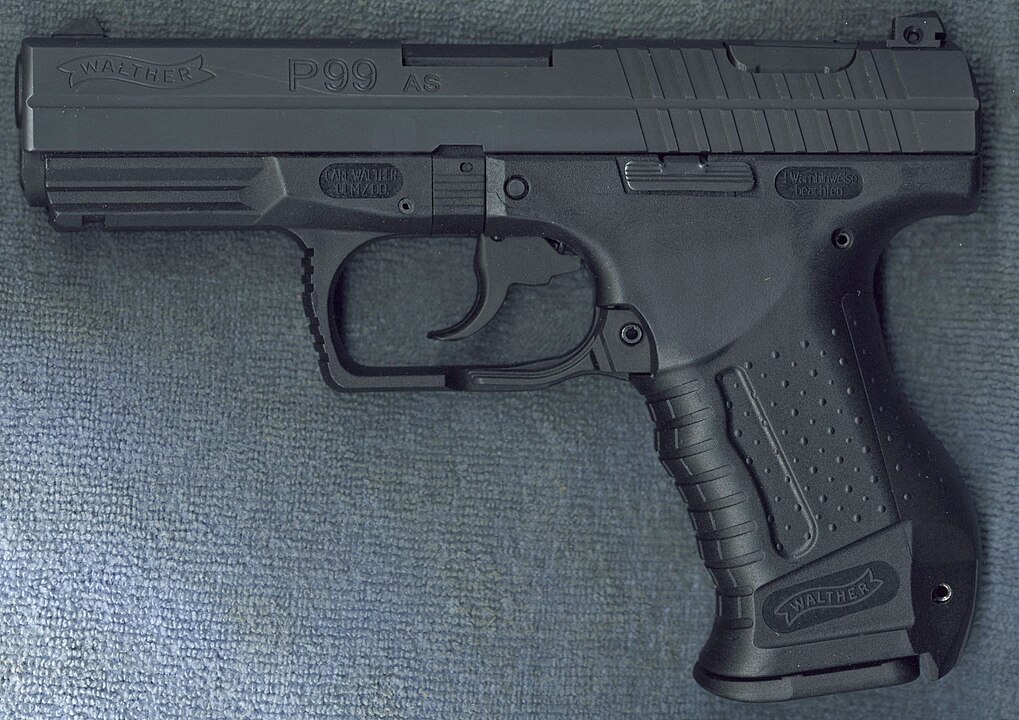
Walther P99 attracted significant attention in the 2000s for its modern ergonomics and innovative trigger system. Designed with input from law enforcement, it featured interchangeable backstraps that improved grip fit long before modularity became common. The striker fired action offered multiple trigger modes, appealing to shooters interested in adaptability. Its polymer frame kept weight manageable while maintaining balance. European styling set it apart visually from competitors. During the decade, the P99 gained popularity among enthusiasts who valued refinement and engineering detail, earning recognition as a forward thinking handgun that influenced later striker fired designs worldwide.
Browning Hi-Power
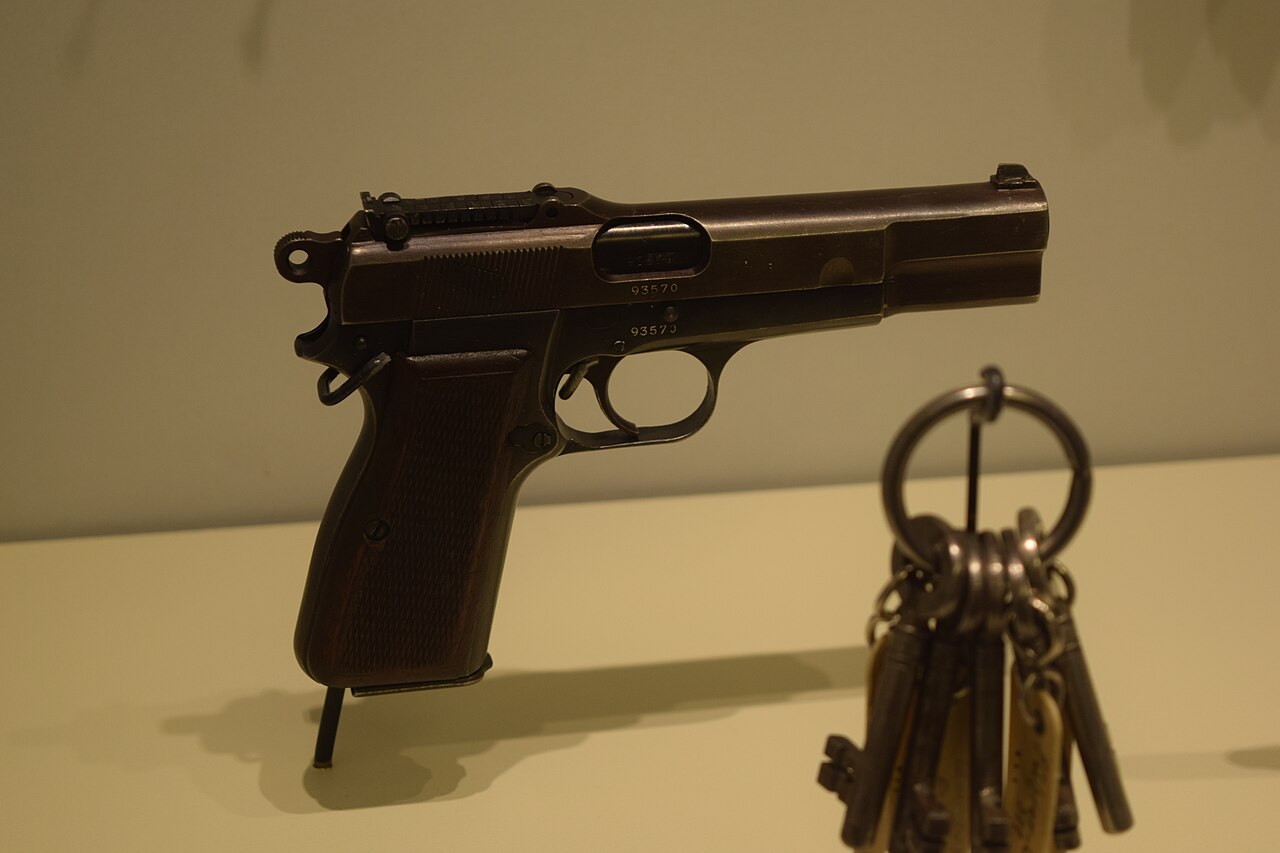
The Browning Hi-Power remained highly sought after in the 2000s as appreciation for classic military handguns endured. Its all steel construction and slim grip profile appealed to shooters preferring traditional craftsmanship. The single action trigger offered consistent shooting characteristics, and its double stack magazine was historically influential. Surplus availability during the decade increased civilian access, renewing interest at ranges and competitions. Shooters valued its balance, accuracy, and historical pedigree. In the 2000s, the Hi-Power symbolized enduring design relevance, proving that earlier twentieth century engineering still held practical and cultural appeal among modern handgun enthusiasts.
FN Five-seveN
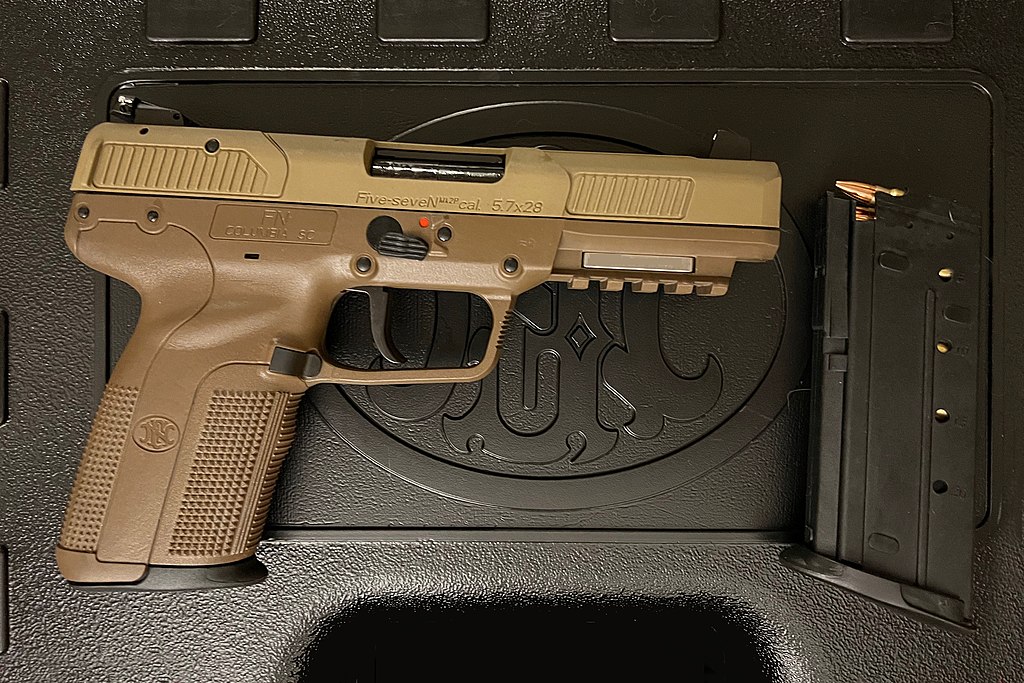
FN Five-seveN became one of the most talked about handguns of the 2000s due to its unconventional design and cartridge. Chambered in 5.7x28mm, it offered low recoil and high magazine capacity. Its lightweight polymer frame and futuristic appearance set it apart immediately. Civilian interest grew through media exposure and range curiosity rather than traditional duty use. Shooters debated its practicality, which only increased fascination. During the decade, the Five-seveN represented experimentation and modernism, appealing to those drawn to innovation and distinctive engineering rather than conventional handgun norms.
Magnum Research Desert Eagle
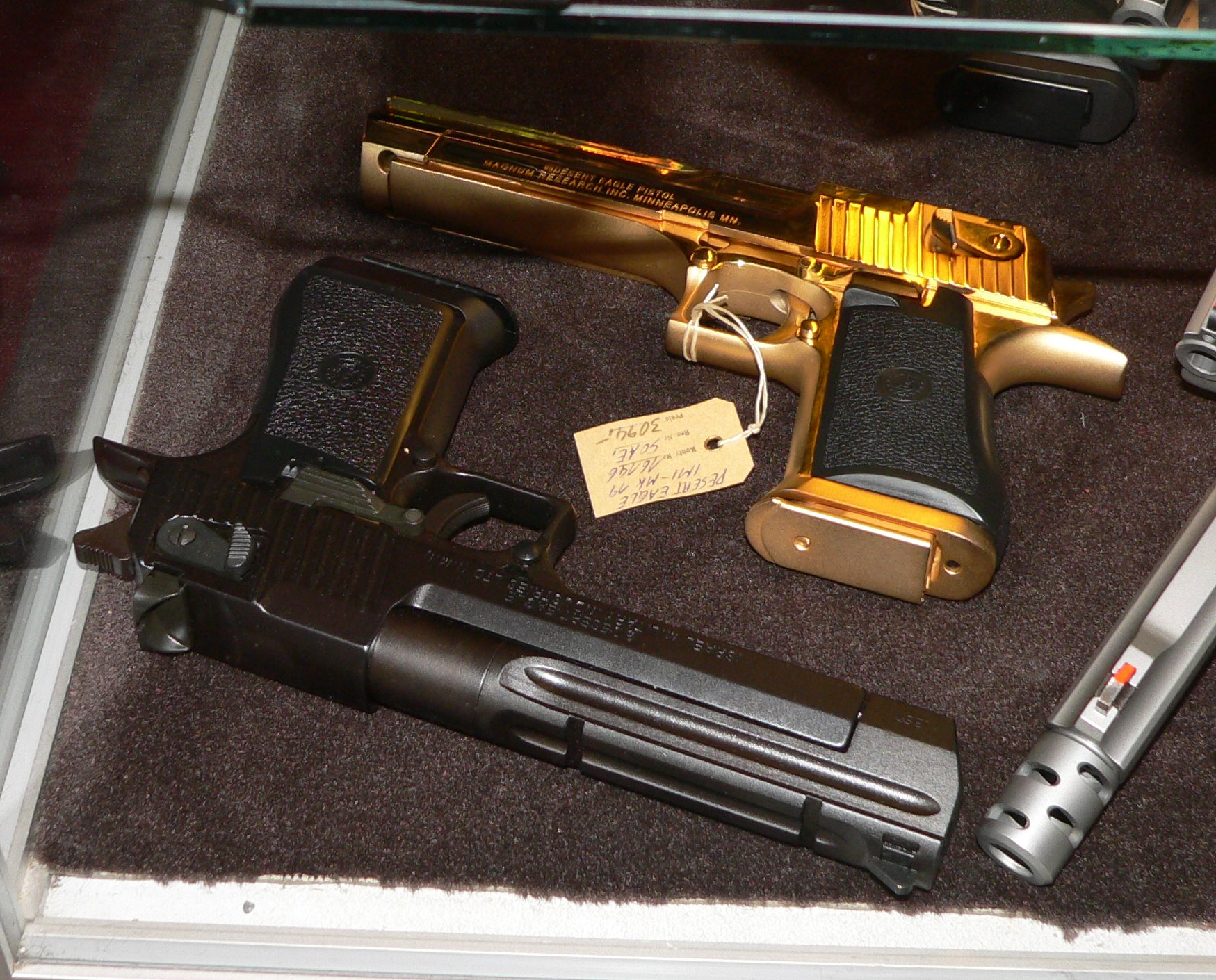
The Magnum Research Desert Eagle achieved iconic popularity in the 2000s through its sheer size and power. Chambered in large caliber cartridges, it stood apart from practical carry pistols. Its gas operated system and all metal construction fascinated shooters. Media exposure in films and video games amplified demand. Ownership symbolized novelty and mechanical spectacle rather than utility. Range shooters valued the experience of firing such a powerful handgun. During the decade, the Desert Eagle became a cultural symbol, representing excess, engineering ambition, and unmistakable presence within the broader handgun landscape of the era.
Kahr PM9
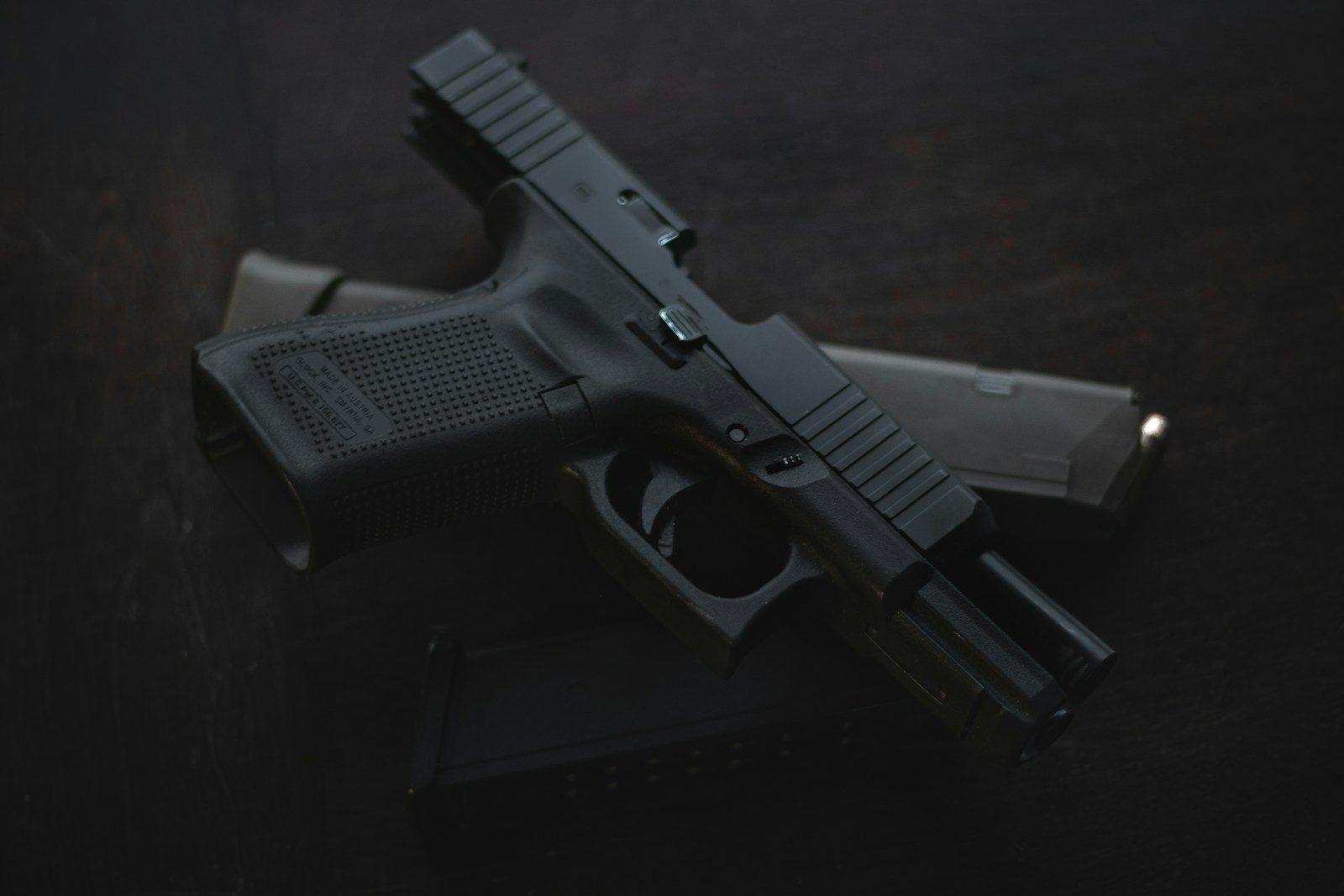
Kahr PM9 gained popularity in the 2000s as concealed carry became more common and shooters sought compact, reliable pistols. Its slim profile and lightweight polymer frame made it easy to carry discreetly. The double action only trigger provided a consistent pull designed for safety during concealed use. Despite its small size, accuracy remained respectable for defensive distances. The PM9 appealed to users prioritizing simplicity and portability over capacity. During the decade, Kahr built a reputation for compact defensive handguns, and the PM9 became a preferred option for those wanting a serious carry pistol without unnecessary bulk.
Ruger SR9
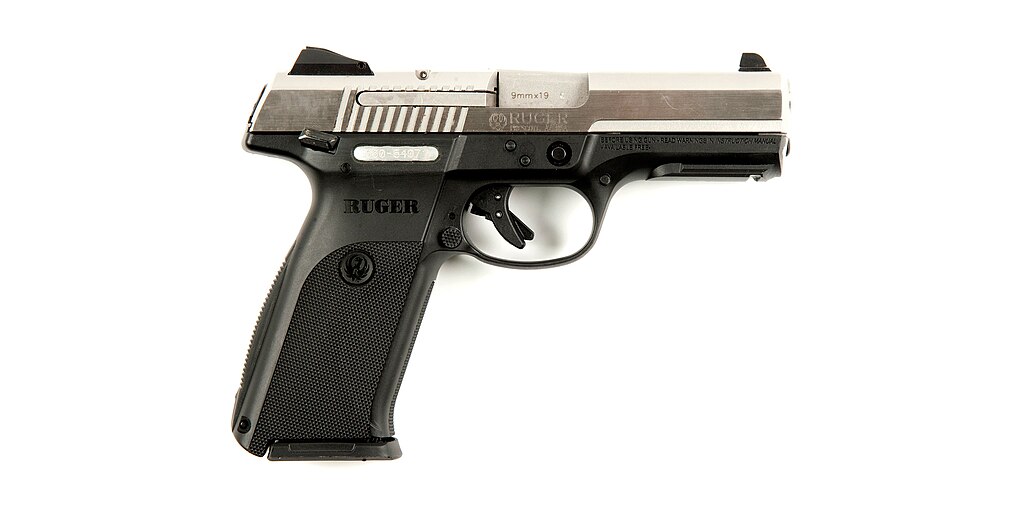
Ruger SR9 entered the market late in the 2000s and quickly gained attention for its modern styling and competitive features. The slim grip and striker fired system appealed to shooters seeking a full size pistol with improved ergonomics. Ruger emphasized safety features, including a trigger safety and manual safety options. Magazine capacity matched contemporary expectations, while reliability reinforced confidence in the platform. The SR9 represented Ruger’s effort to modernize its semi automatic lineup. During the decade’s closing years, it attracted shooters interested in a domestically produced alternative to established polymer service pistols.
Steyr M9
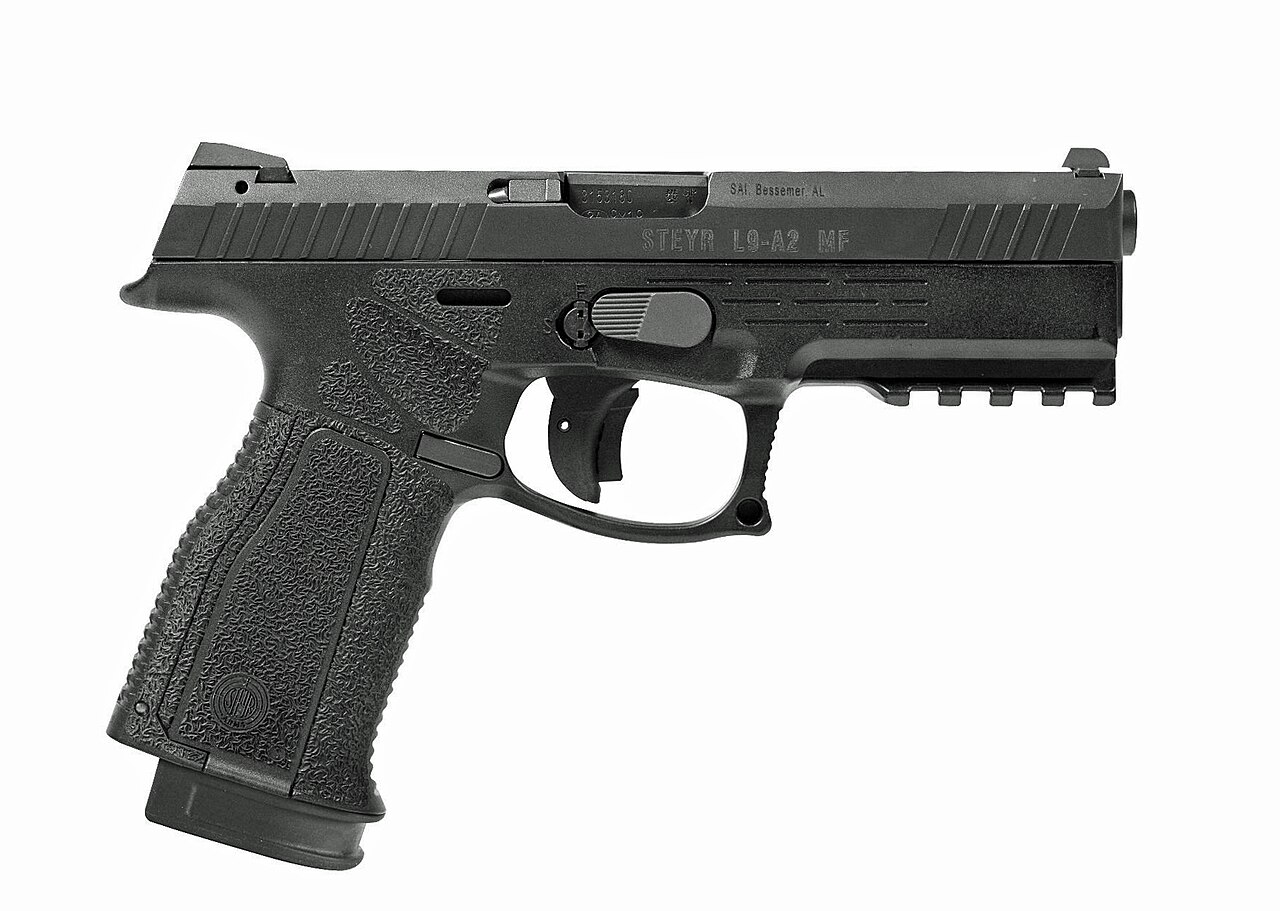
Steyr M9 developed a quiet but loyal following in the 2000s due to its unconventional design. The trapezoidal sights offered a unique sight picture that some shooters found intuitive. Its low bore axis reduced muzzle rise, improving control during rapid fire. The polymer frame and striker fired action aligned with modern trends, yet its ergonomics felt distinct. Imported availability limited widespread adoption, increasing its niche appeal. During the decade, the Steyr M9 attracted enthusiasts seeking something different from mainstream offerings, valuing innovation, accuracy, and design originality over brand familiarity.
IWI Jericho 941
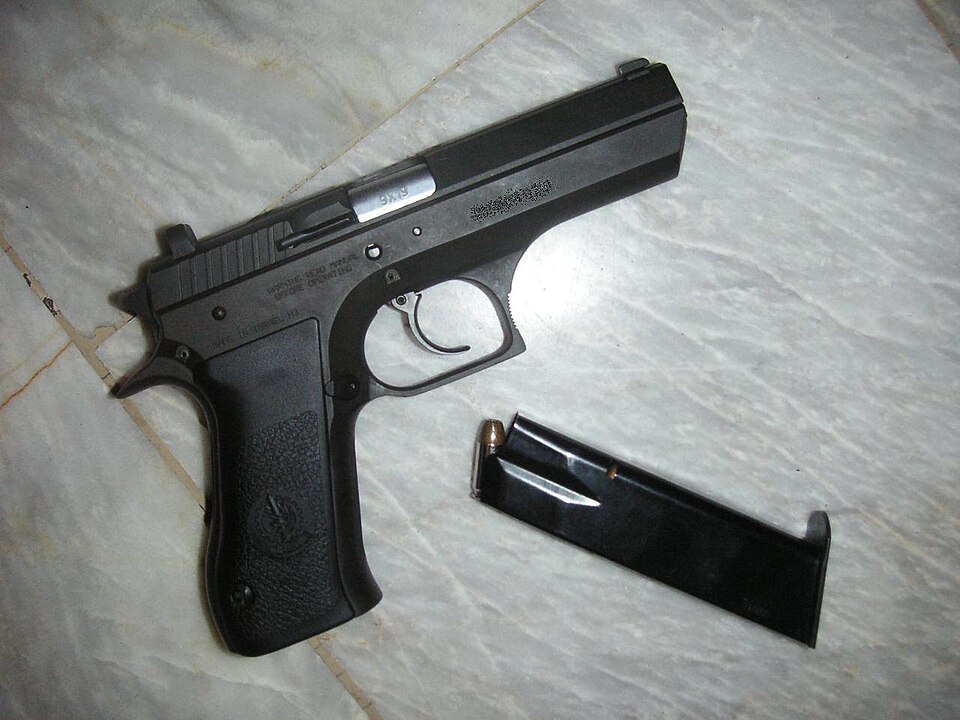
The IWI Jericho 941 gained recognition in the 2000s among shooters drawn to solid construction and proven design. Based on the CZ 75 platform, it featured an all metal frame and comfortable grip geometry. Accuracy and durability earned respect at ranges and competitions. Import availability increased civilian exposure during the decade. Shooters appreciated its balance and recoil management. The Jericho appealed to those wanting a robust handgun without premium pricing. During the 2000s, it built a reputation as a dependable, no nonsense pistol valued for performance, heritage, and practical shooting characteristics.
Beretta PX4 Storm
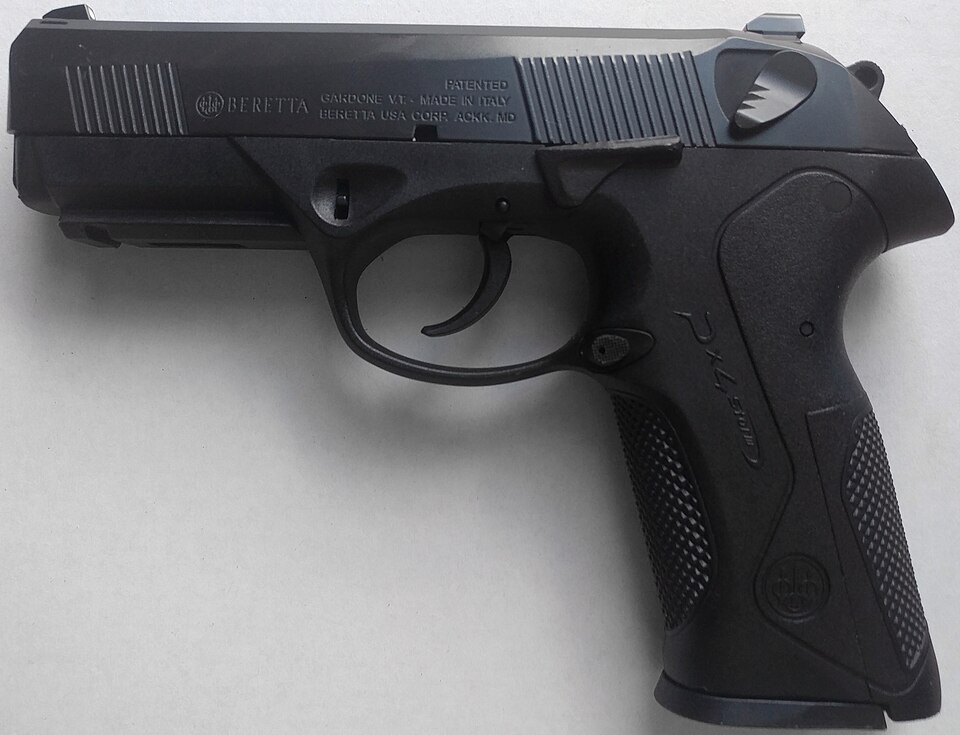
Beretta PX4 Storm gained attention in the 2000s as Beretta introduced a modern polymer alternative to its traditional metal pistols. Released mid decade, it featured a rotating barrel system designed to reduce recoil and improve control. Interchangeable backstraps enhanced ergonomics, appealing to shooters with varied hand sizes. The striker fired trend had not fully displaced hammer fired designs, and the PX4 preserved that familiarity. Law enforcement trials increased visibility. During the decade, the PX4 attracted interest from shooters wanting contemporary materials paired with established Beretta engineering credibility among civilian markets and range enthusiasts nationwide today.