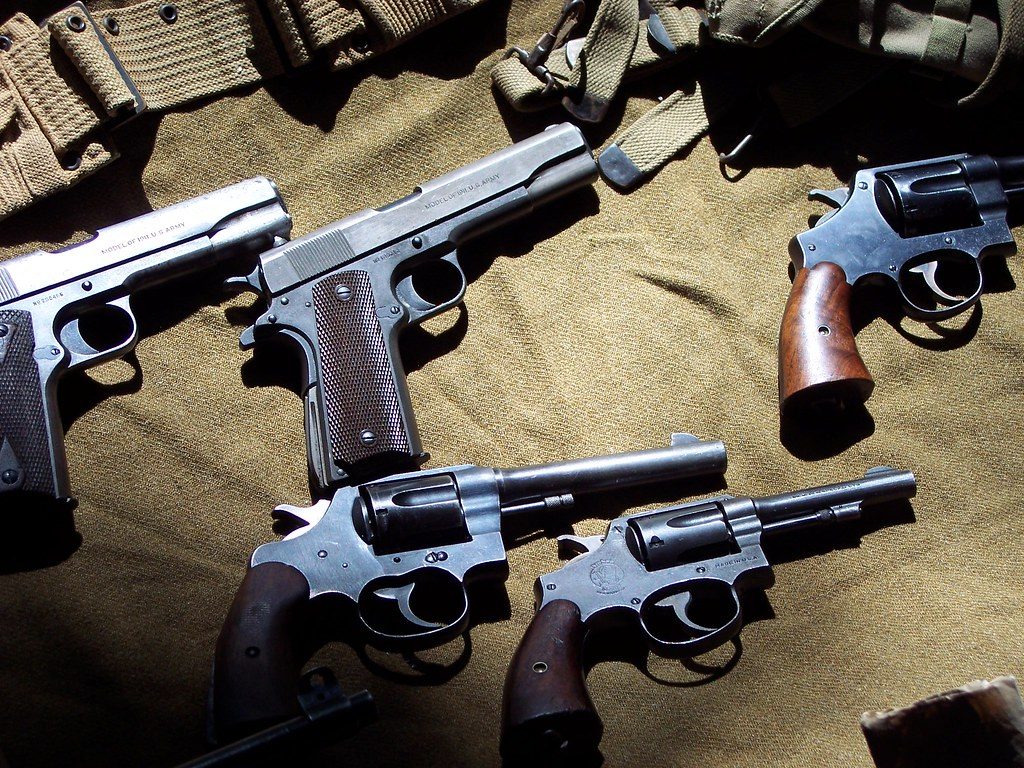
A .40 S and W handgun occupies a unique place in American shooting culture, shaped by the law-enforcement adoption, ammo availability, and the later shift back toward 9mm for many agencies. A practical overview can focus on widely recognized models, how each fits common roles such as duty carry or range practice, and what to consider for safe ownership, such as ergonomics, reliability, reputation, and parts support. Local laws and range rules vary, so responsible research matters before any purchase. The ten models below remain notable .40 S and W options, discussed for history and general characteristics rather than tactical comparison claims.
Glock 22
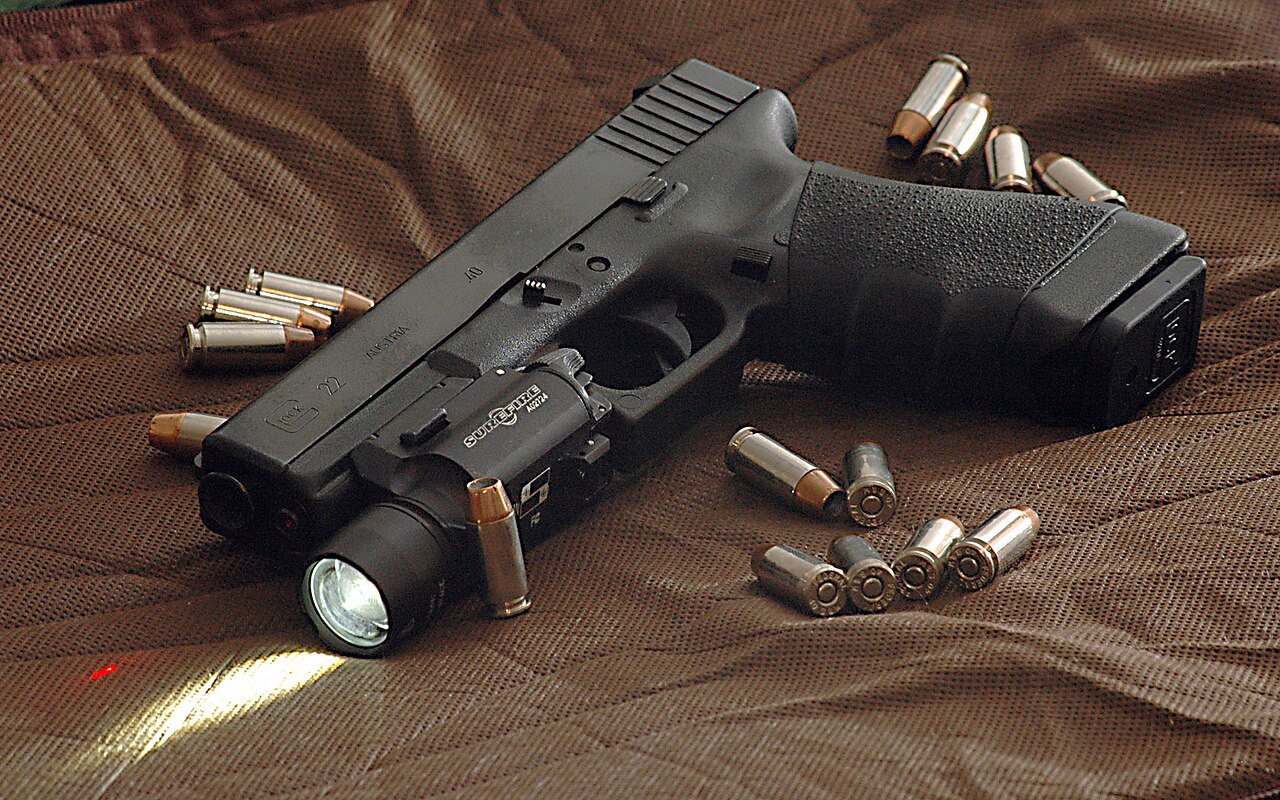
The Glock 22 is a full-size .40 S and W pistol long associated with American law enforcement, known for a simple operating system and broad aftermarket support. This model typically uses a polymer frame, a striker-fired action, and a reputation for straightforward maintenance. Many departments issued it for duty use during the caliber’s peak years, which also influenced holster availability and training curricula. Used examples can be common in secondary markets due to agency transitions, making condition checks and armorer inspection important. Range familiarity often comes quickly because controls are minimal, yet safe handling fundamentals remain essential.
Glock 23

The Glock 23 offers a more compact .40 S and W package that many shooters associate with concealed carry and general-purpose use. A shorter grip and barrel can improve portability, while the platform keeps the same core operating system as larger Glock models. Magazine compatibility across related models has appealed to some owners, though capacity and fit depend on the specific magazine and generation. This pistol’s widespread adoption produced abundant accessories, from sights to holsters, which can simplify setup for lawful carry where permitted. Comfort still depends on hand size and recoil tolerance, so range testing helps inform decisions.
Smith And Wesson M And P40
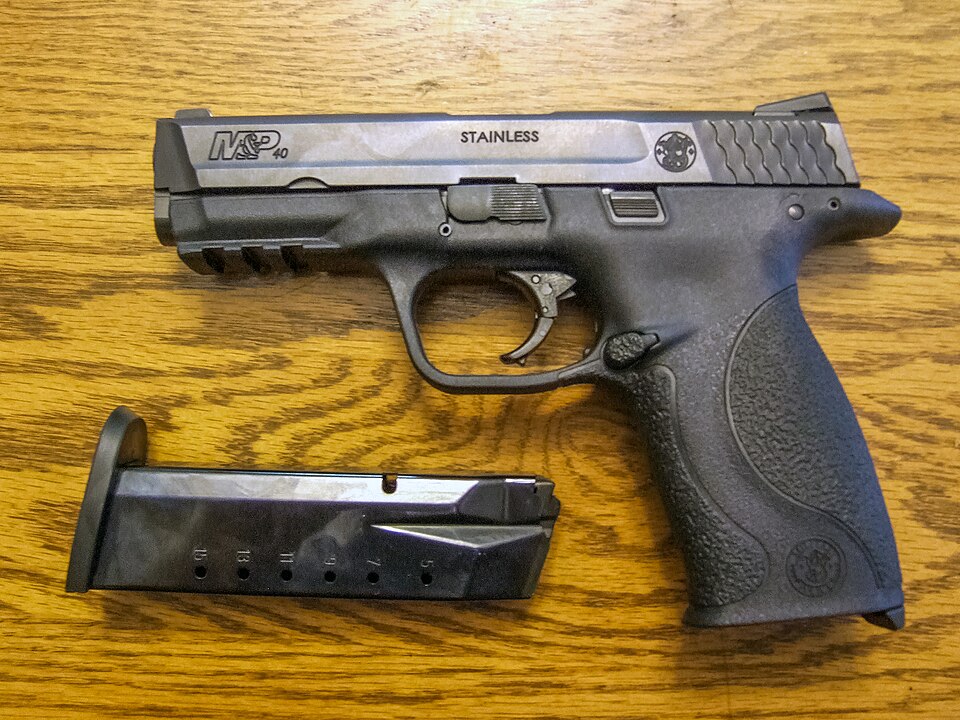
The Smith and Wesson M and P40 series became a major .40 S and W contender in police and civilian markets, emphasizing ergonomics and modular grip inserts. A striker-fired design and a polymer frame keep weight manageable, while the grip geometry often earns praise for control during longer range sessions. Many variants exist, including full-size, compact, and performance-oriented trims, so model names and features should be verified carefully when shopping. Parts availability remains strong due to the platform’s long production run. Safe storage, proper lubrication, and routine function checks help maintain reliability over time.
Sig Sauer P226 In .40 S And W
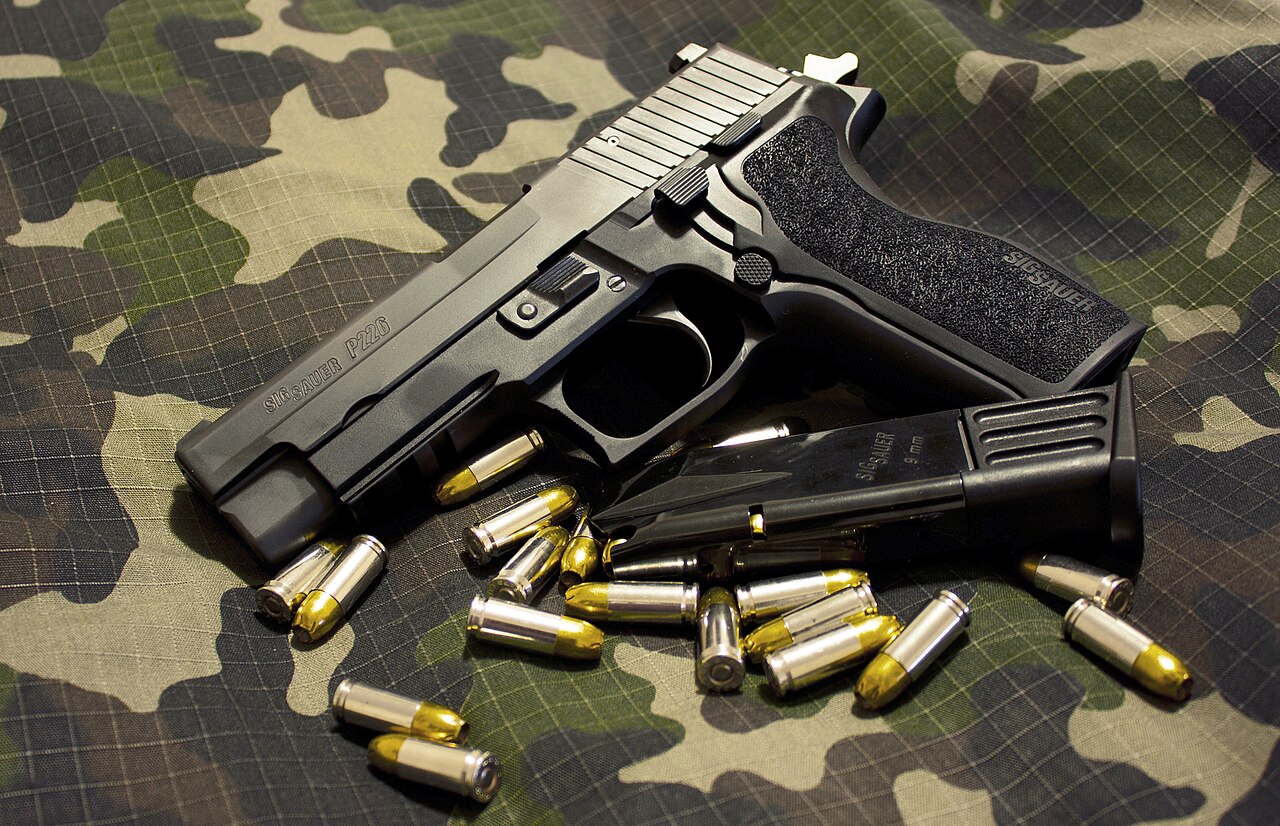
The Sig Sauer P226 in .40 S and W is frequently discussed as a durable metal-framed option with a long service history. Many versions use a traditional double-action and single-action system, though specific configurations vary by production era and package. The model gained a reputation for robust construction and a smooth trigger in single-action mode, which some shooters prefer for range work. Weight can feel reassuring, but it also affects all-day carry comfort. Buyers often look for clear markings, matching serial numbers where applicable, and original magazines, since small differences can matter for fit and function.
Beretta 96
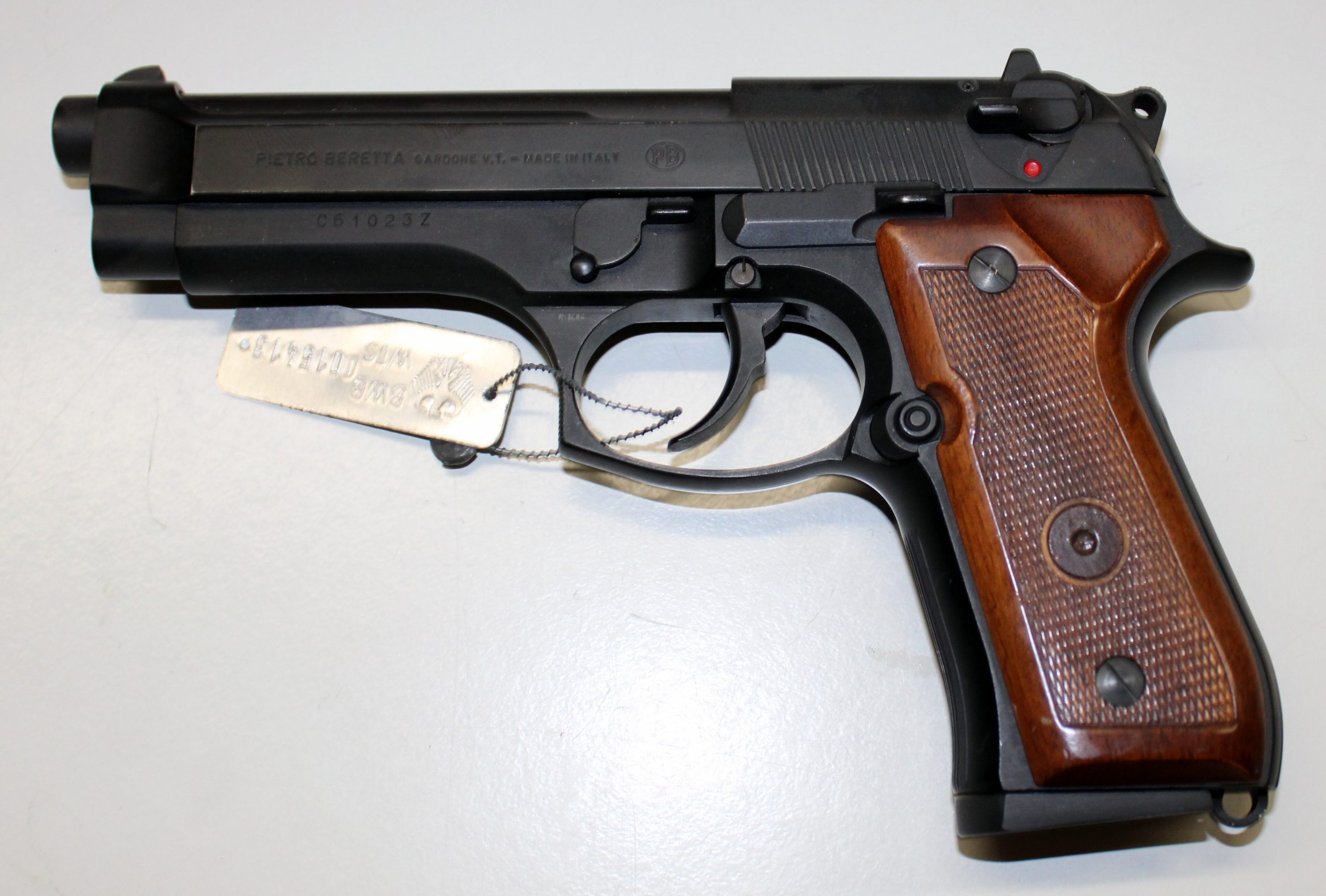
The Beretta 96 adapts the classic Beretta 92 series format to .40 S and W, retaining the open-slide profile and a familiar control layout for fans of the platform. Many examples use a double-action and single-action system with a slide-mounted safety and decocker, depending on the variant. The full-size frame tends to offer a stable feel in the hands, while the longer sight radius can support careful target work. Variants and production years differ, so checking exact model designations helps avoid confusion. Proper recoil spring maintenance is especially important in .40-caliber versions to support consistent cycling.
Heckler And Koch USP40
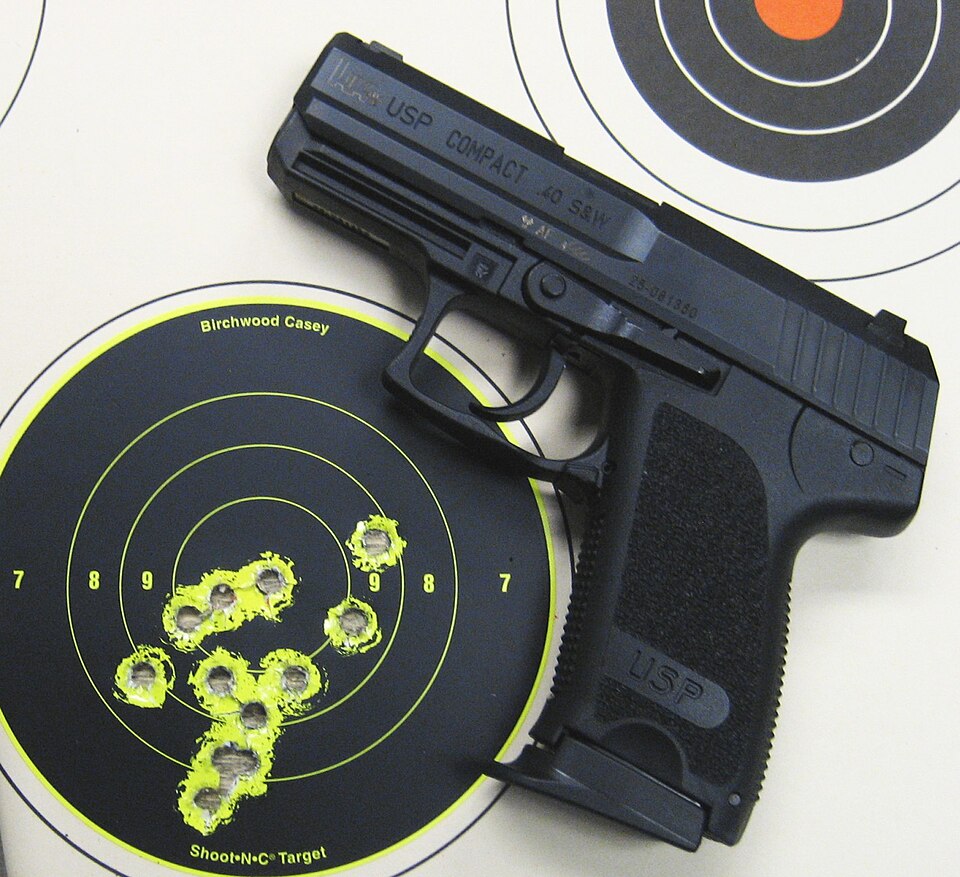
The Heckler and Koch USP40 is often associated with rugged engineering and flexible control configurations, including variants that allow different safety and decocker setups. A polymer frame and a reputation for durability helped it gain popularity among enthusiasts who value a solid, duty-style build. The pistol’s ergonomics feel distinct, with a blockier profile than some competitors, so grip comfort is worth evaluating in person. Many owners highlight the platform’s longevity when maintained correctly, including timely spring replacement. As with any firearm, safe handling practices and secure storage should remain central, especially when transporting to and from a range.
Ruger SR40
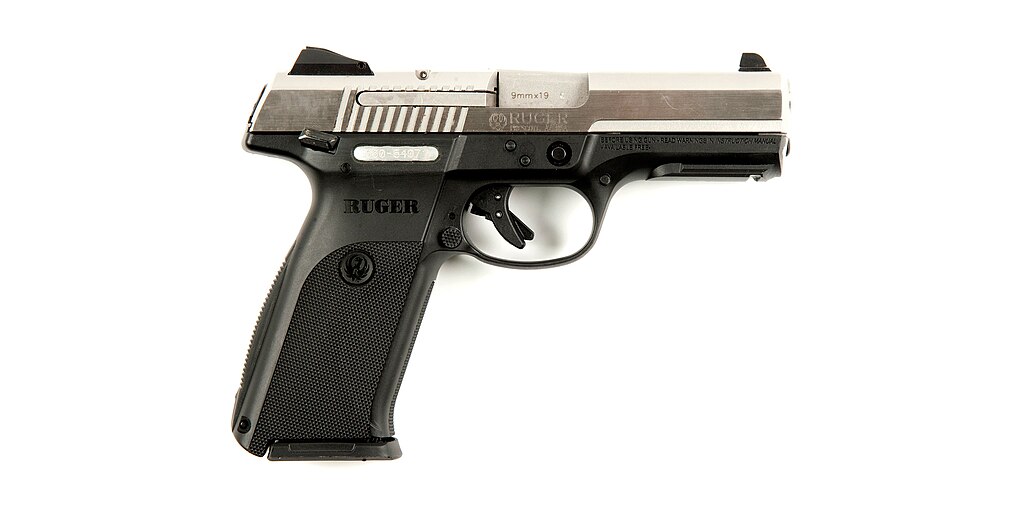
The Ruger SR40 presents a slimmer, striker-fired .40 S and W option that has appealed to owners seeking a straightforward range and carry pistol. A relatively thin profile can help with grip reach, while controls remain simple and familiar to many modern handgun users. Production changes over time mean features may differ by run, so checking the exact variant matters for buyers comparing sights, safeties, or magazine details. Ruger’s broad U.S. presence supports parts and service for many models, though availability can vary. A careful break-in period and routine cleaning help ensure consistent function with different ammunition types.
Springfield Armory XD40
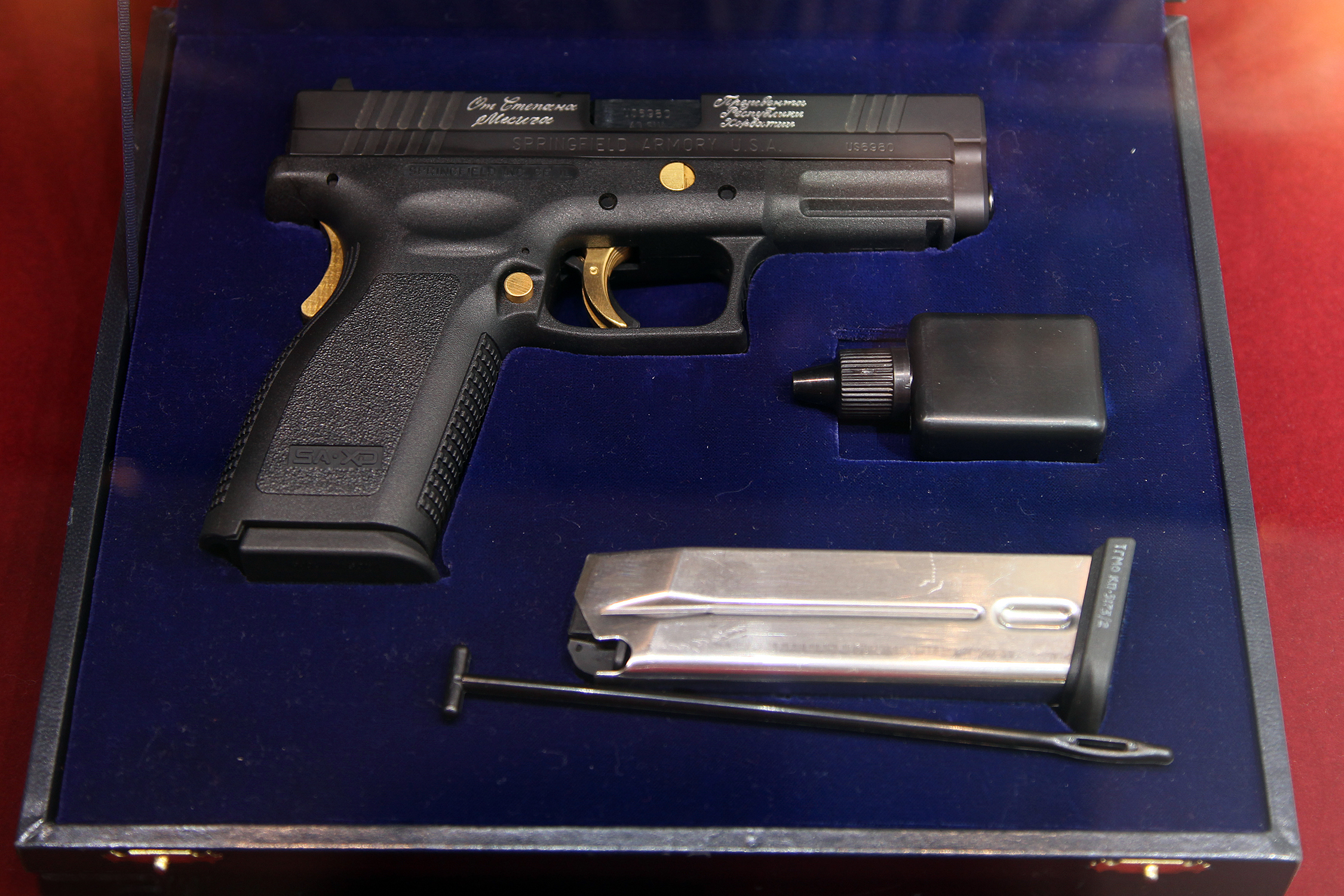
The Springfield Armory XD40 line became widely known for offering a polymer, striker-fired design with a grip safety, a feature some owners appreciate for handling reassurance. Multiple sizes exist, from full-size to subcompact, which affects concealability, magazine capacity, and sight radius. Ergonomics and bore axis feel different from other polymer pistols, so comfort testing at a range can clarify preferences. The platform has been popular enough to support a strong accessory ecosystem, including holsters and replacement sights. As always, safe loading and unloading procedures matter, and training should emphasize trigger discipline and clear chamber checks before storage.
CZ 75B In .40 S And W
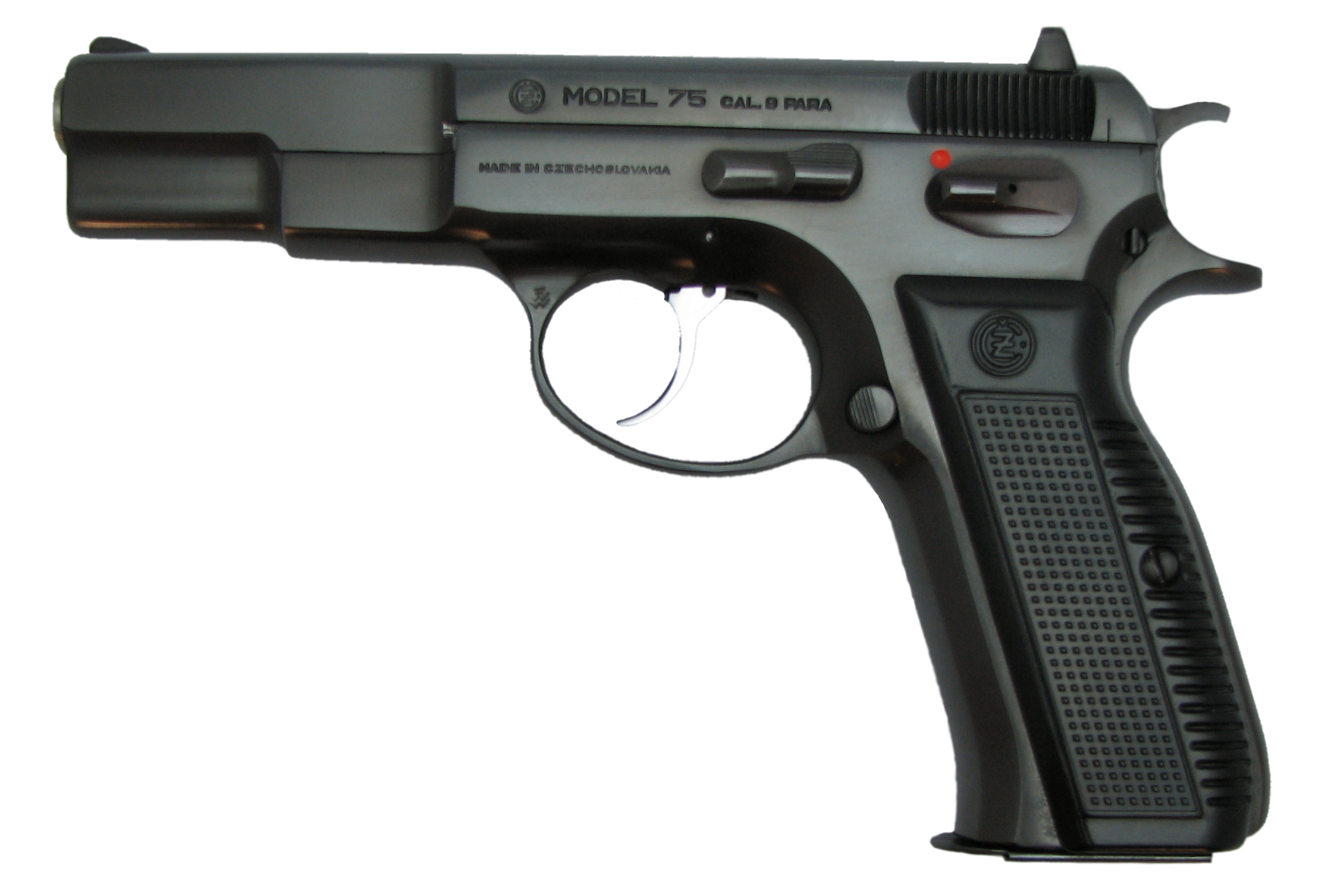
The CZ 75B in .40 S and W brings the classic CZ steel-frame feel to a higher-pressure chambering, often paired with a double-action and single-action trigger system. Many shooters like the platform’s natural pointability and the way a heavier frame can steady the pistol during slow-fire accuracy drills. Variants and import markings differ across years, so confirming the exact model helps avoid mix-ups with 9mm versions. Magazine compatibility can vary, and factory magazines may be easier to verify for a reliable fit. Regular maintenance, including spring checks, supports consistent cycling and helps manage wear over long-range use.
Walther P99 In .40 S And W
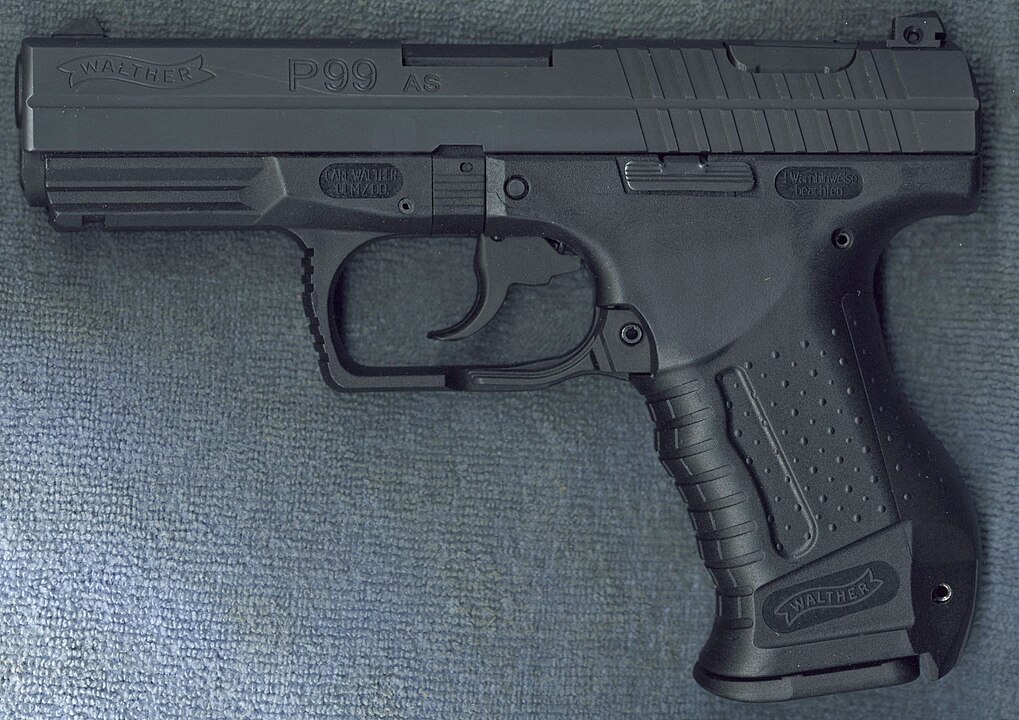
The Walther P99 in .40 S and W is known for its distinctive ergonomics and an innovative trigger system that varies by specific model type. Interchangeable backstraps help tailor grip fit, which can improve comfort for different hand sizes. The pistol saw use in several markets and developed a following among owners who value its balance and control layout. Availability can be more limited than some mainstream duty pistols, so magazine sourcing and parts support deserve attention when considering long-term ownership. Confirming the exact trigger variant is important, since handling characteristics differ, and safe familiarization at a range supports responsible use.