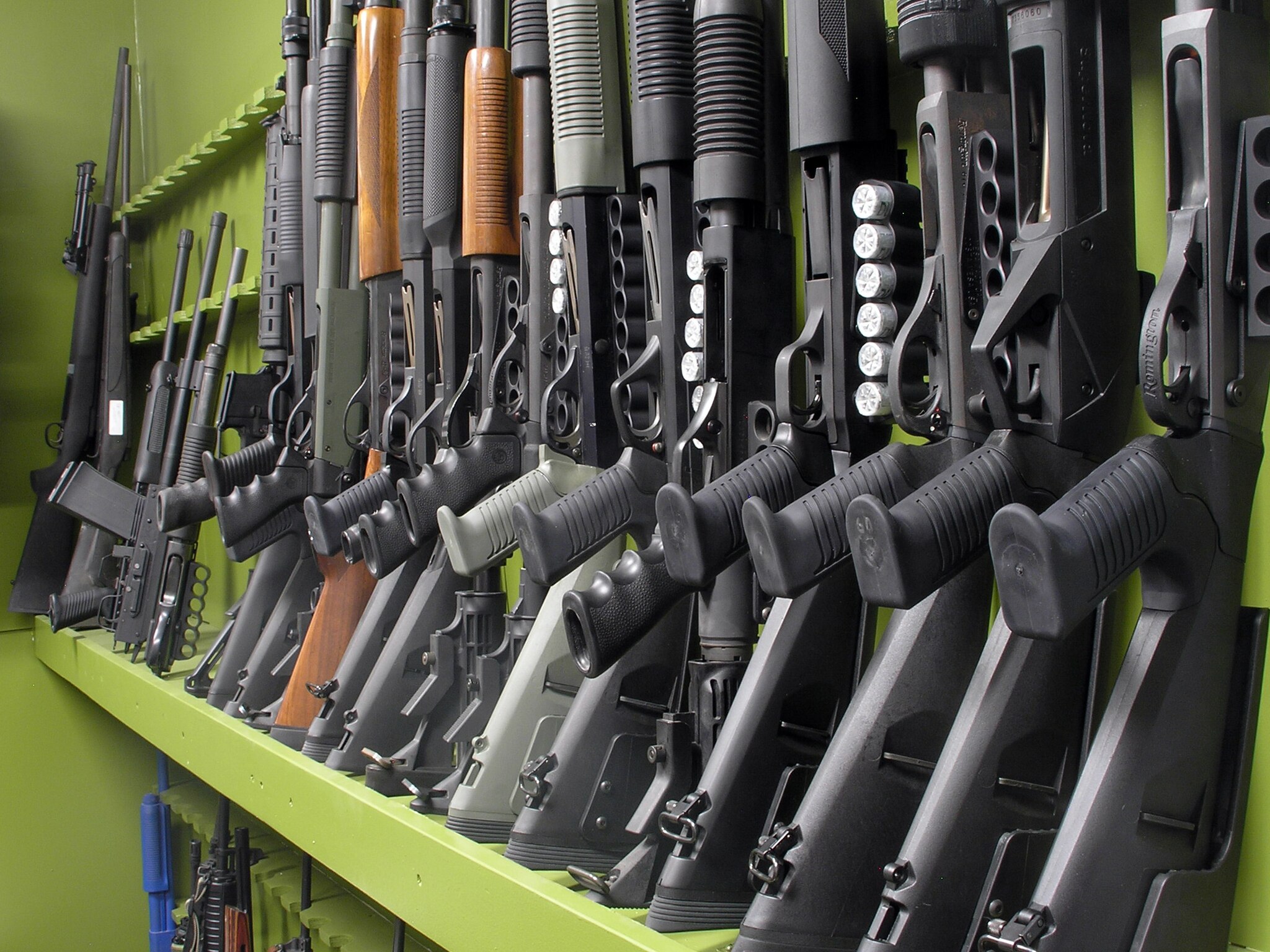
Professional hunting and range guides have seen every kind of firearm carried into the field, from carefully chosen workhorses to flashy conversation pieces. Over time, patterns emerge. Some guns consistently cause delays, safety talks, accuracy issues, or unnecessary maintenance stops. It is not always about price or brand loyalty. Instead, it comes down to practicality, reliability, and suitability for real conditions. The firearms listed below are not inherently “bad,” but they often end up in the wrong hands, for the wrong job, with unrealistic expectations. That mismatch is what makes experienced guides quietly sigh before getting to work.
1. Ultra-Lightweight Magnum Rifles
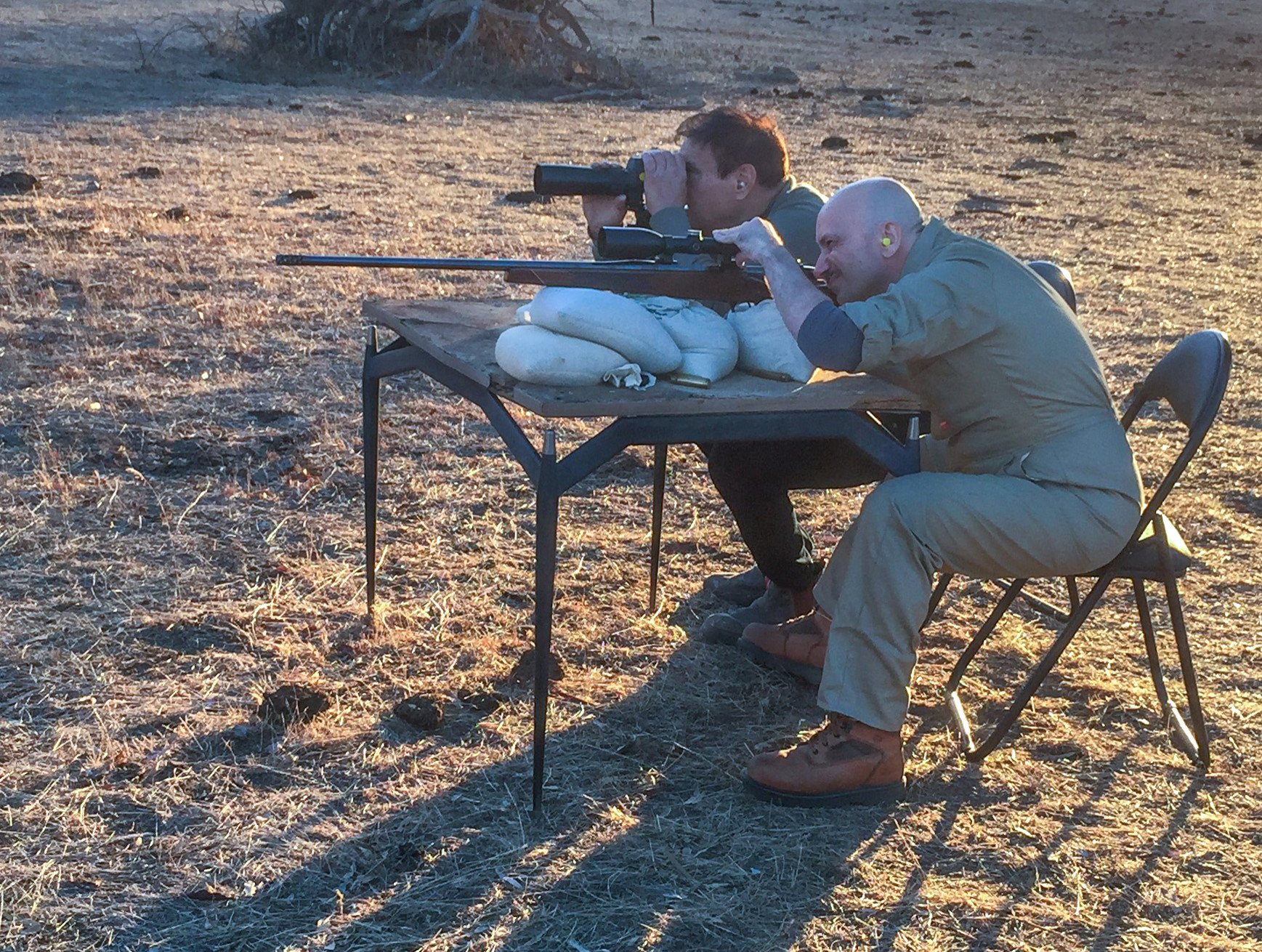
Ultra-light magnum rifles promise easy carry and massive power, but guides know the downside immediately. Reduced weight increases felt recoil dramatically, leading to flinching, poor shot placement, and missed opportunities. Many shooters underestimate how hard these rifles kick when chambered in large calibers. Follow-up shots become slower, and zero often shifts after repeated firing. In rough terrain, lightweight stocks also transmit vibration poorly, reducing consistency. Guides prefer seeing hunters with controllable rifles that they shoot well, rather than powerful tools they fear. Accuracy and confidence matter far more than raw ballistic numbers in real field conditions.
2. Over-Customized Tactical AR Builds
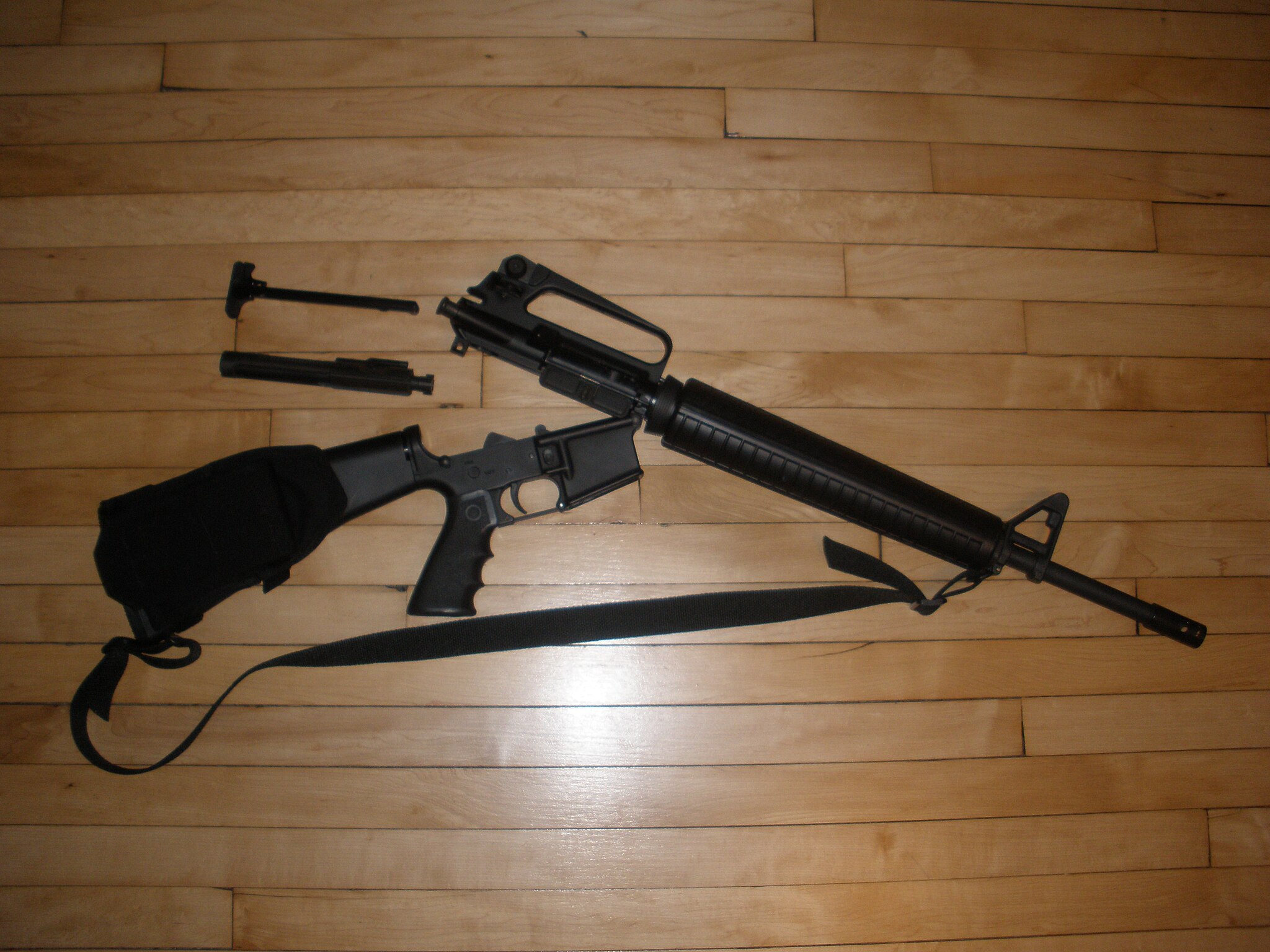
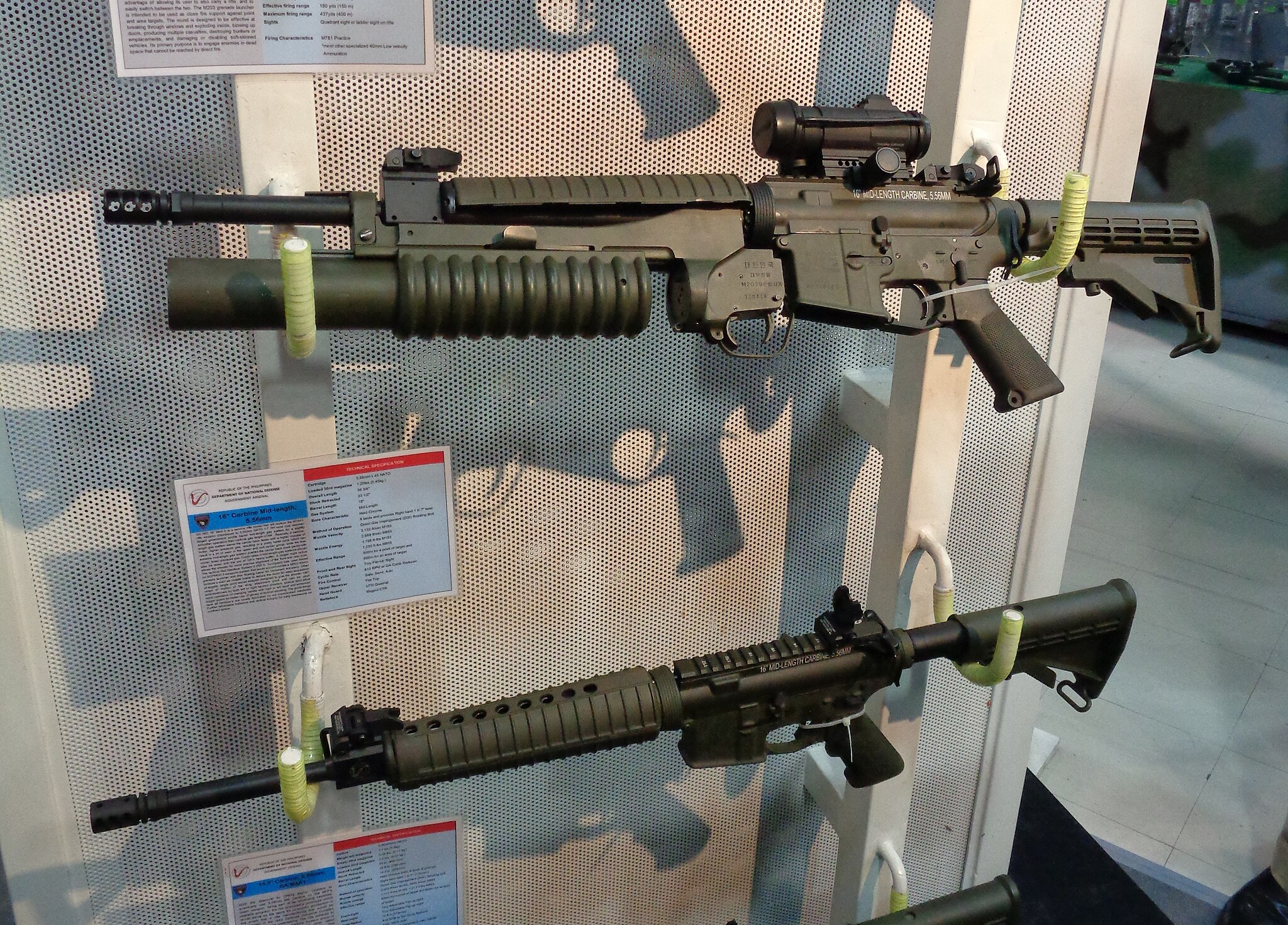
Highly customized AR-style rifles often arrive loaded with accessories that look impressive but add complexity. Multiple optics, oversized muzzle devices, and budget aftermarket parts frequently introduce reliability problems. Guides see loose mounts, dead batteries, and cycling issues that could have been avoided with simpler setups. Many owners spend more time adjusting gear than focusing on fundamentals. While AR platforms can be excellent tools, excessive modifications often reduce dependability. Guides appreciate rifles that function predictably without constant troubleshooting, especially when time, weather, and safety are critical factors in the field.
3. Short-Barreled Hunting Rifles
Short-barreled rifles are popular for their compact feel, but guides recognize their limitations quickly. Reduced barrel length often results in significant velocity loss, louder muzzle blast, and harsher recoil. These factors negatively affect accuracy and shooter comfort, particularly for less experienced hunters. In open terrain, the benefits of compactness disappear while the drawbacks remain. Guides frequently see shooters struggle with shot consistency due to increased noise and concussion. A moderate barrel length usually offers better balance, performance, and confidence without sacrificing maneuverability.
4. Budget Scopes on Expensive Rifles
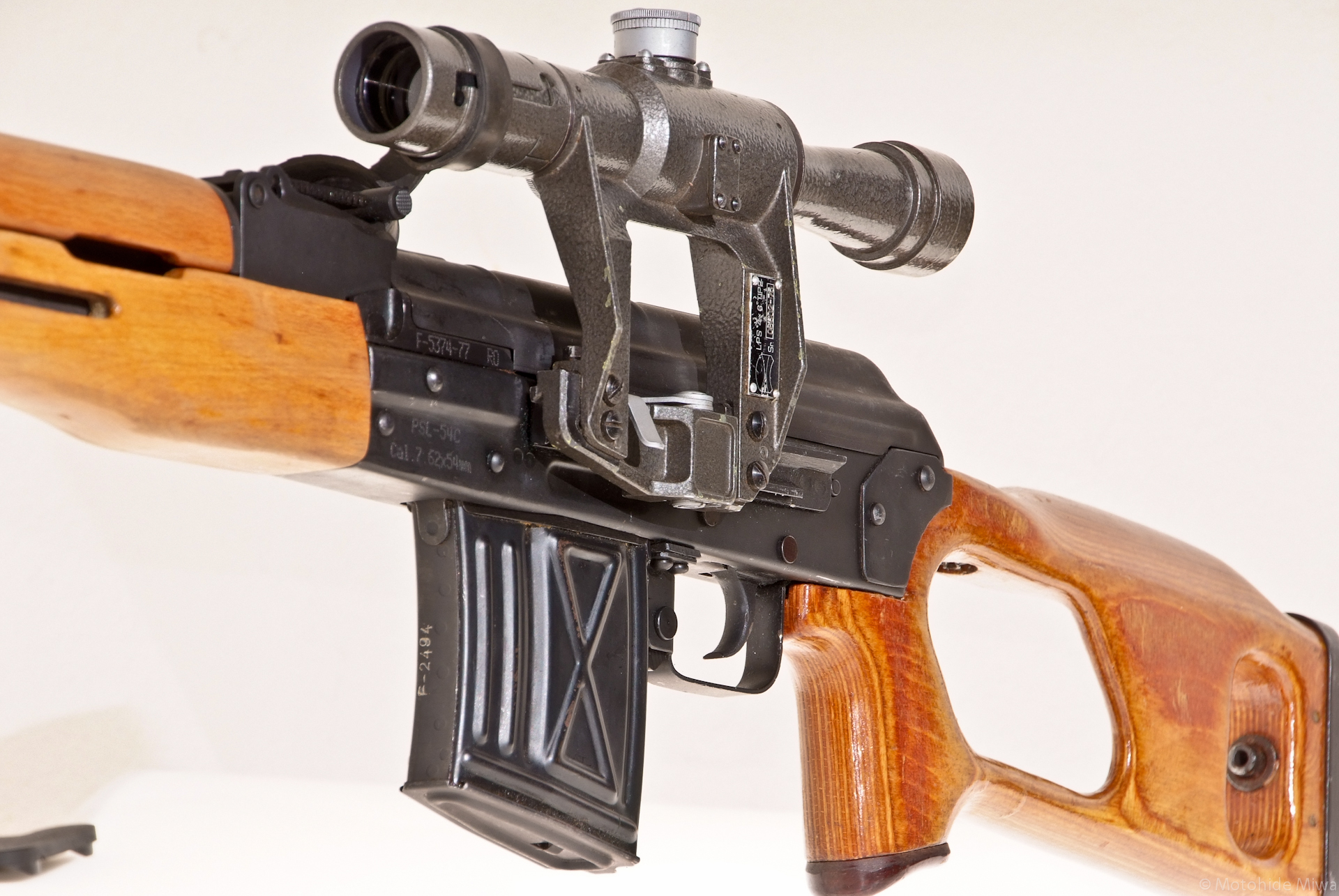
Nothing frustrates guides faster than seeing a high-quality rifle topped with a low-end scope. Inconsistent tracking, poor glass clarity, and fragile internals lead to missed shots and constant re-zeroing. Many hunters underestimate how much optics matter compared to the rifle itself. Guides know that reliable scopes maintain zero through recoil, temperature changes, and rough handling. A bad scope can ruin an otherwise perfect setup. They would rather see a modest rifle with dependable optics than an expensive firearm handicapped by unreliable glass.
5. Large-Frame Revolvers for Practical Use
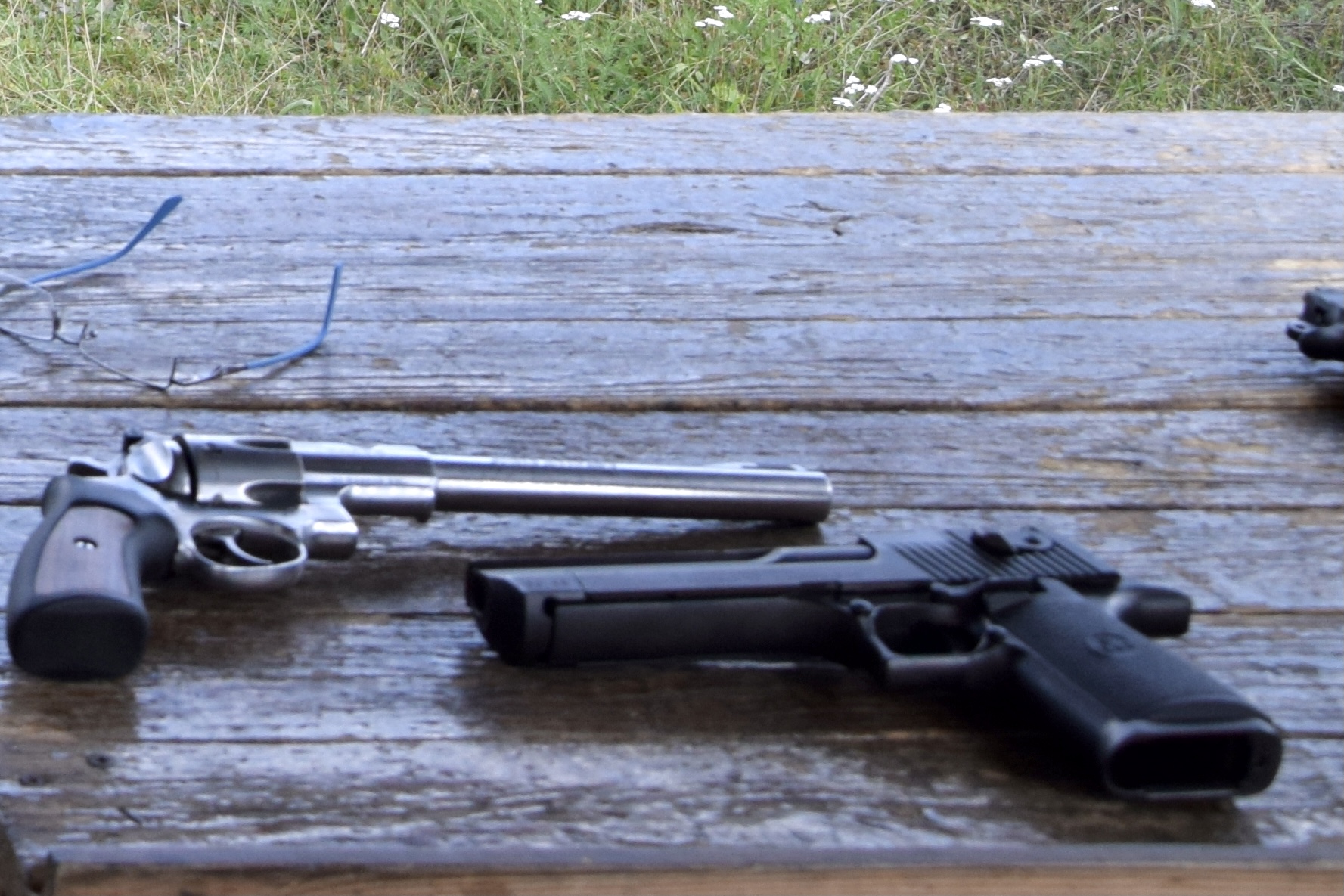
Oversized revolvers chambered in extreme calibers often look impressive, but guides question their practicality. Heavy recoil slows follow-up shots, and long reload times reduce usefulness in real situations. Many shooters struggle with accuracy due to blast and grip size. While these revolvers have niche applications, they are frequently chosen for novelty rather than realistic need. Guides prefer sidearms that balance power, controllability, and ease of use. Comfort and consistency usually outperform raw power in field scenarios.
6. Cheap Semi-Auto Shotguns
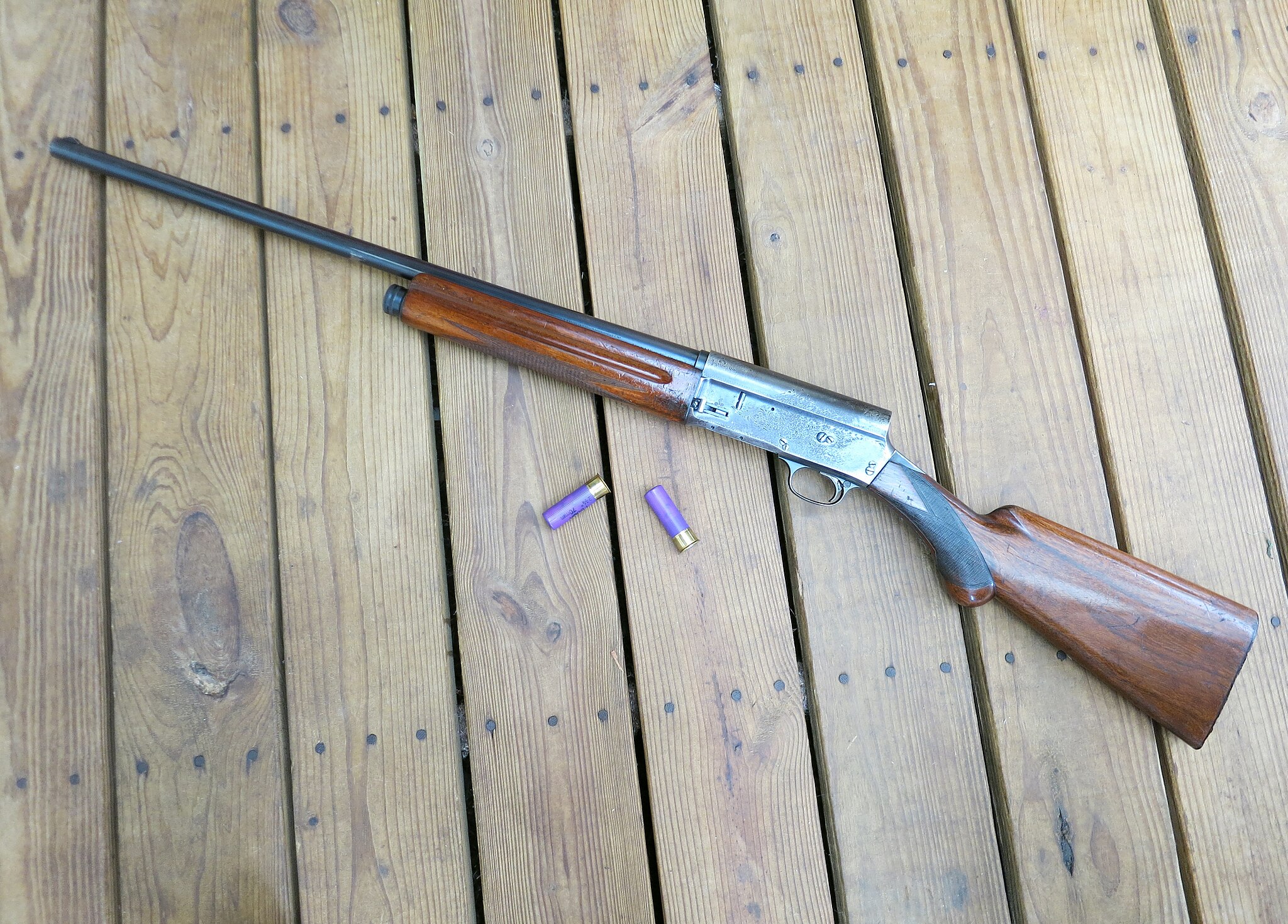
Low-cost semi-automatic shotguns commonly create problems during guided hunts. Inconsistent cycling, sensitivity to ammunition, and poor build quality lead to frequent malfunctions. Guides often end up clearing jams or loaning backup firearms to keep things moving. While pump shotguns rarely fail, budget semi-autos often do when exposed to dirt, cold, or moisture. Reliability is essential when timing matters. Guides value shotguns that function under stress, even if they lack modern styling or high-capacity features.
7. Heavy Benchrest Rifles in the Field
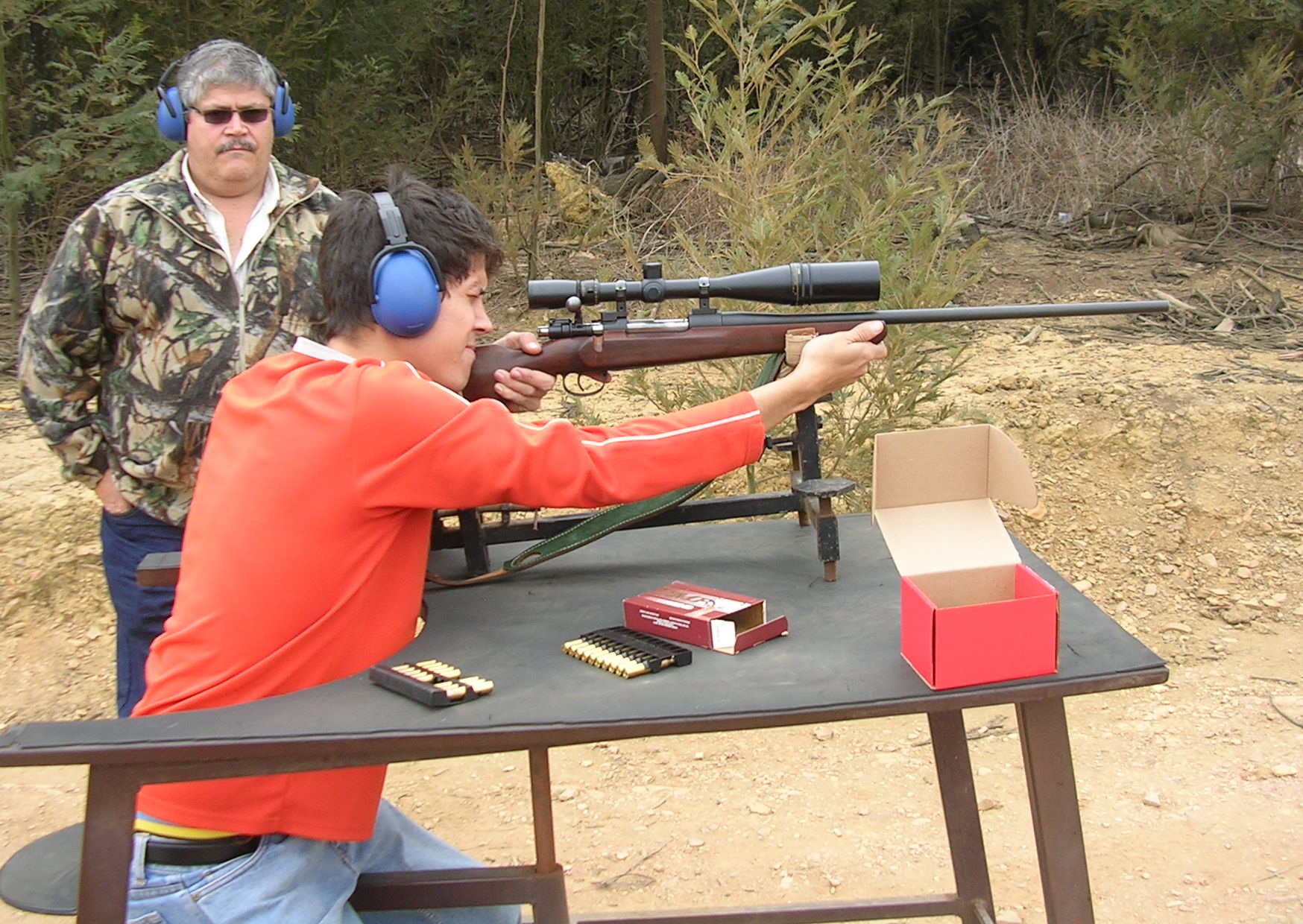
Benchrest-style rifles excel at controlled ranges but frustrate guides when taken into rugged terrain. Excessive weight, long barrels, and delicate stocks make them impractical for long hikes. Shooters tire quickly, affecting stability and judgment. These rifles are designed for precision from rest, not adaptability in unpredictable environments. Guides see hunters struggle to maneuver, set up, and shoot efficiently. Field rifles benefit from balanced weight and durability rather than extreme specialization meant for competition ranges.
8. Exotic or Obscure Calibers
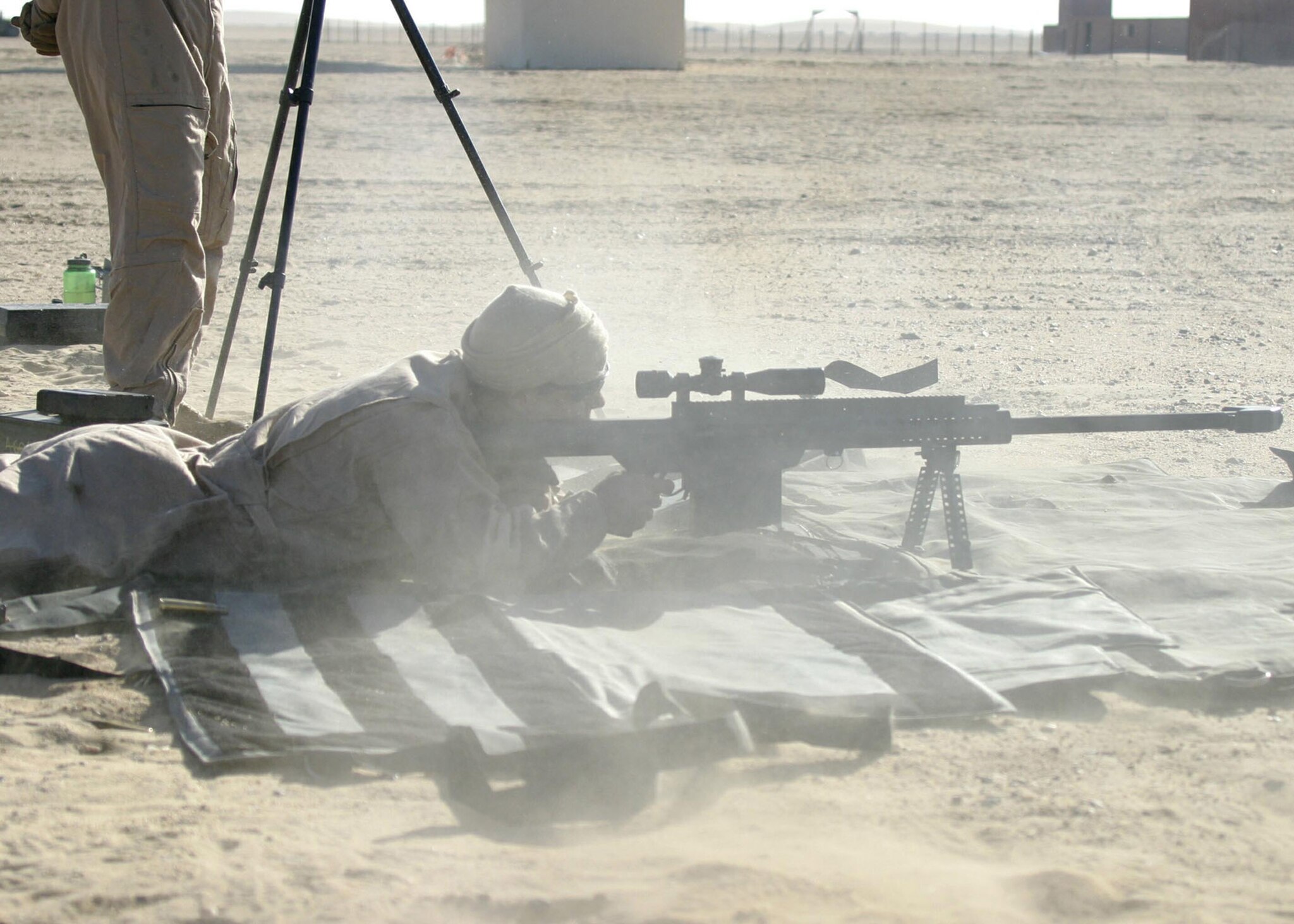
Firearms chambered in rare calibers often cause logistical headaches. Guides worry about ammunition availability, especially in remote areas. If rounds are lost or damaged, replacements may be impossible to find. Ballistic performance may also be poorly understood, leading to unrealistic expectations. Guides prefer common calibers with proven track records, predictable behavior, and easy resupply. Familiarity reduces mistakes and increases confidence. Obscure calibers may be interesting, but reliability and support matter more in practical settings.
9. Pistol-Grip Only Shotguns
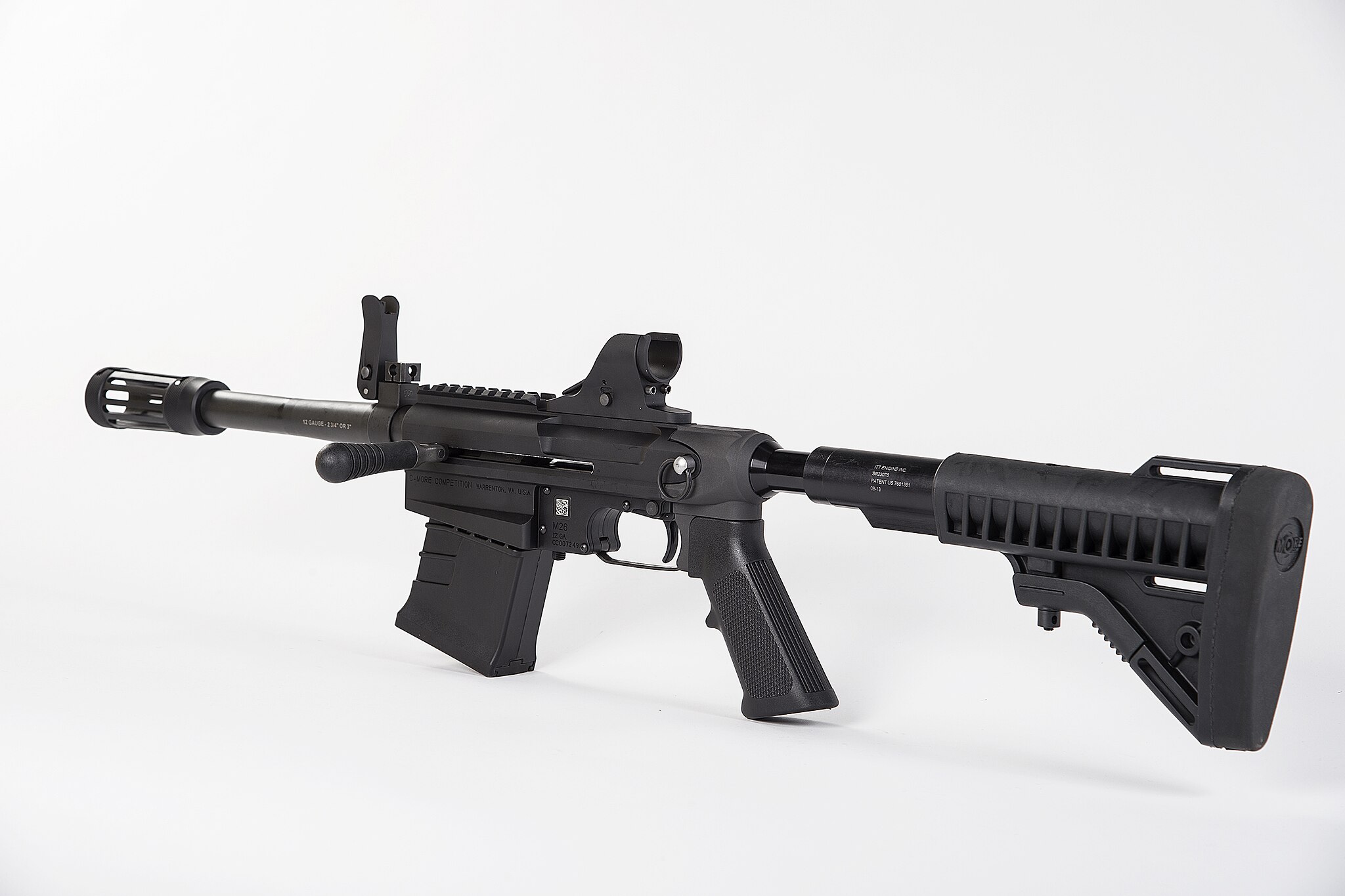
Pistol-grip only shotguns are frequently chosen for their aggressive appearance, yet guides know they are difficult to control. Lack of a shoulder stock reduces stability, increases recoil impact, and limits accuracy. Many users struggle to aim consistently, especially under stress. Guides often have to intervene for safety reasons. A proper stock improves control, comfort, and shot placement dramatically. Appearance never outweighs function when safe handling and effectiveness are the priority.
10. Poorly Maintained Heirloom Firearms
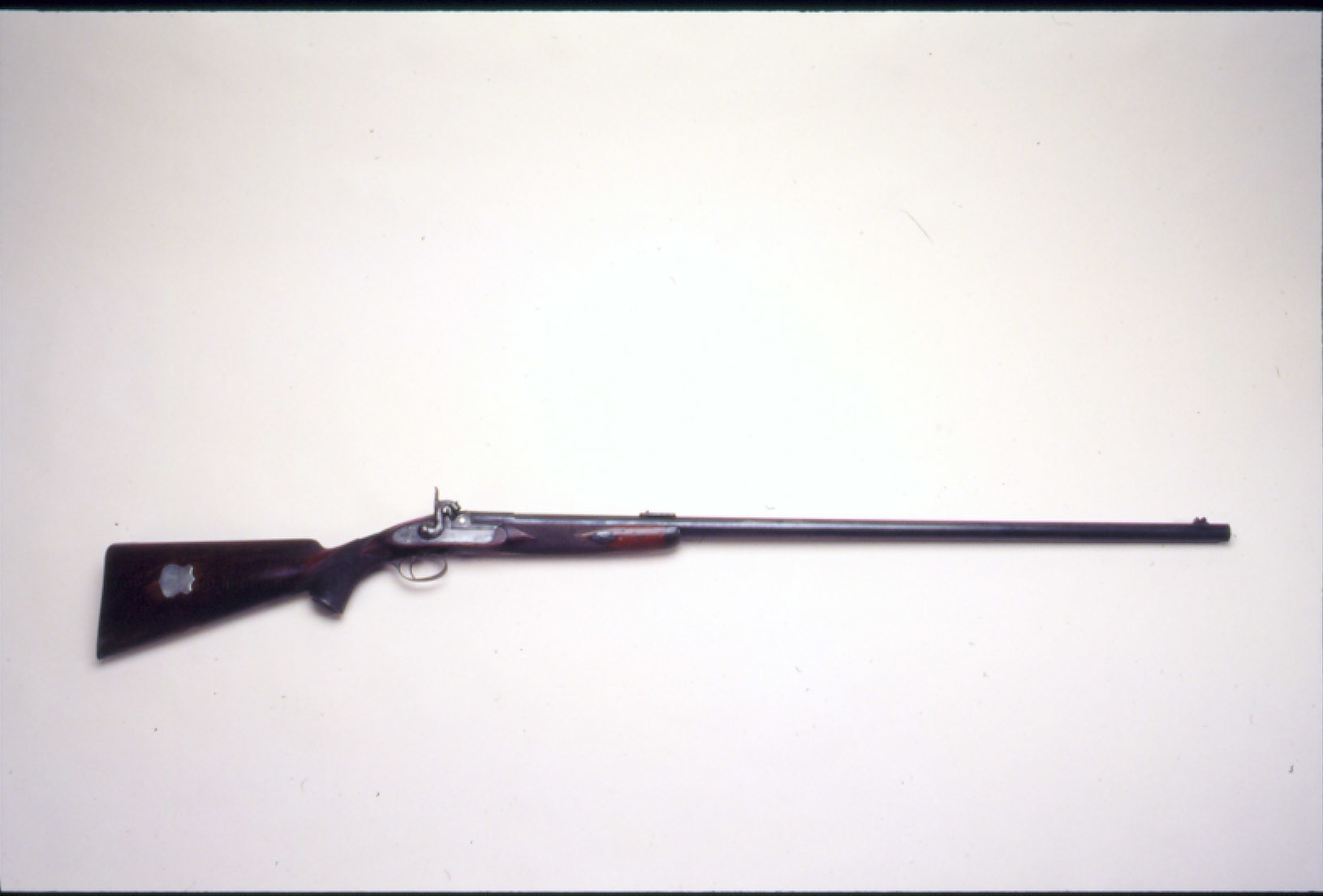
Older family firearms carry emotional value, but guides grow concerned when maintenance is neglected. Worn springs, brittle stocks, and outdated sights can compromise safety and reliability. Owners often overestimate performance based on nostalgia rather than condition. Guides respect tradition but prioritize functionality. Regular inspection and updates are essential if heirloom guns are used actively. A well-maintained classic performs far better than a neglected one, regardless of its history or sentimental importance.