Some firearms are genuinely gorgeous. They photograph beautifully, feel substantial in the hand, and turn heads at every gun counter. But looks and performance are two completely different conversations, and the range has a brutally honest way of exposing the gap between them. Over the years, certain guns have built massive followings purely on appearance, cultural status, or clever marketing, only to leave shooters frustrated once they actually start pulling triggers. Recoil that punishes, triggers that fight back, reliability that crumbles under real use, and accuracy that embarrasses itself at modest distances are all recurring themes here. What follows is an honest look at ten firearms that win on aesthetics and lose on execution, complete with the specific numbers and real-world details that explain exactly why each one earns its place on this list.
1. Desert Eagle .50 AE
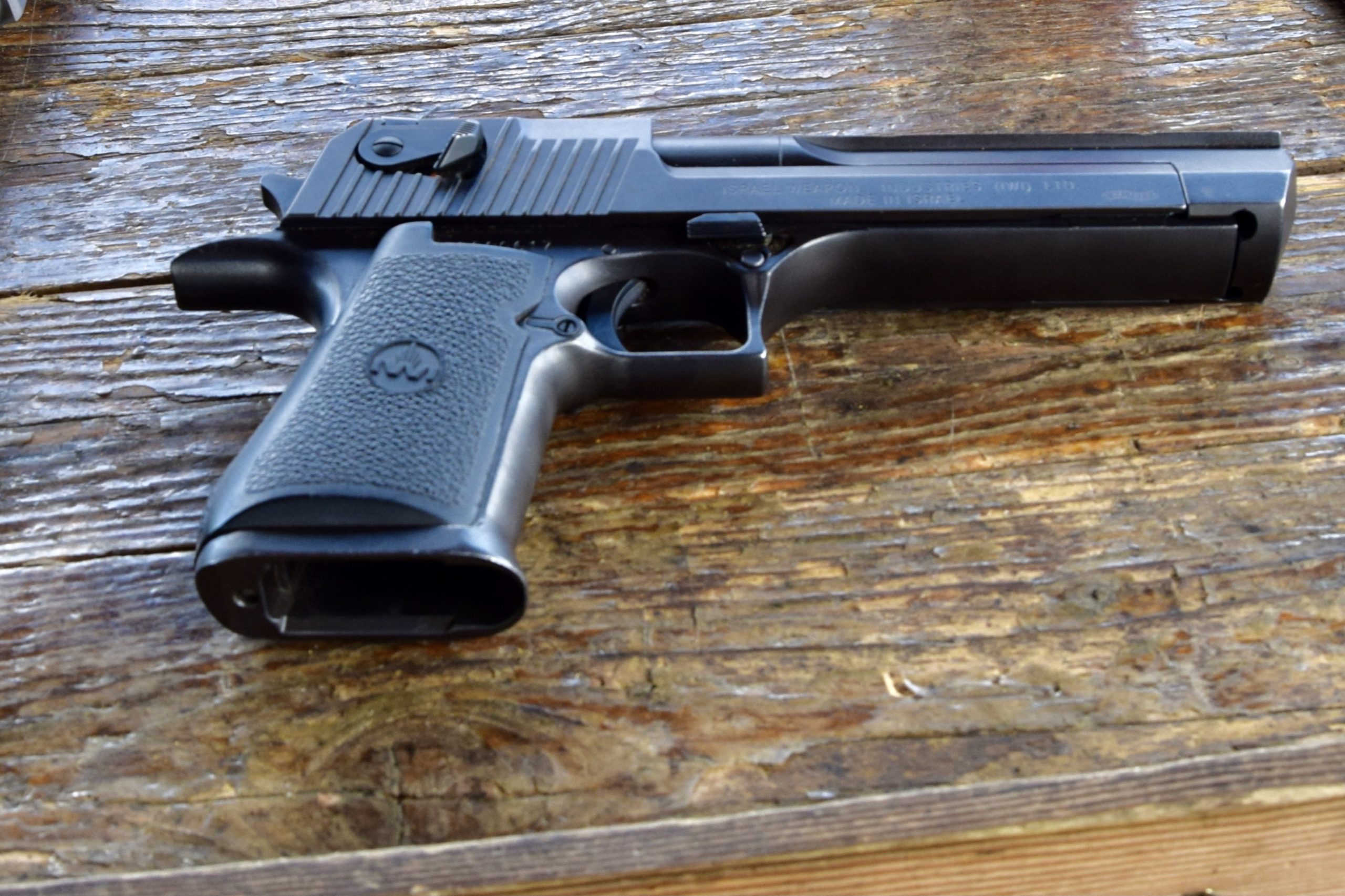
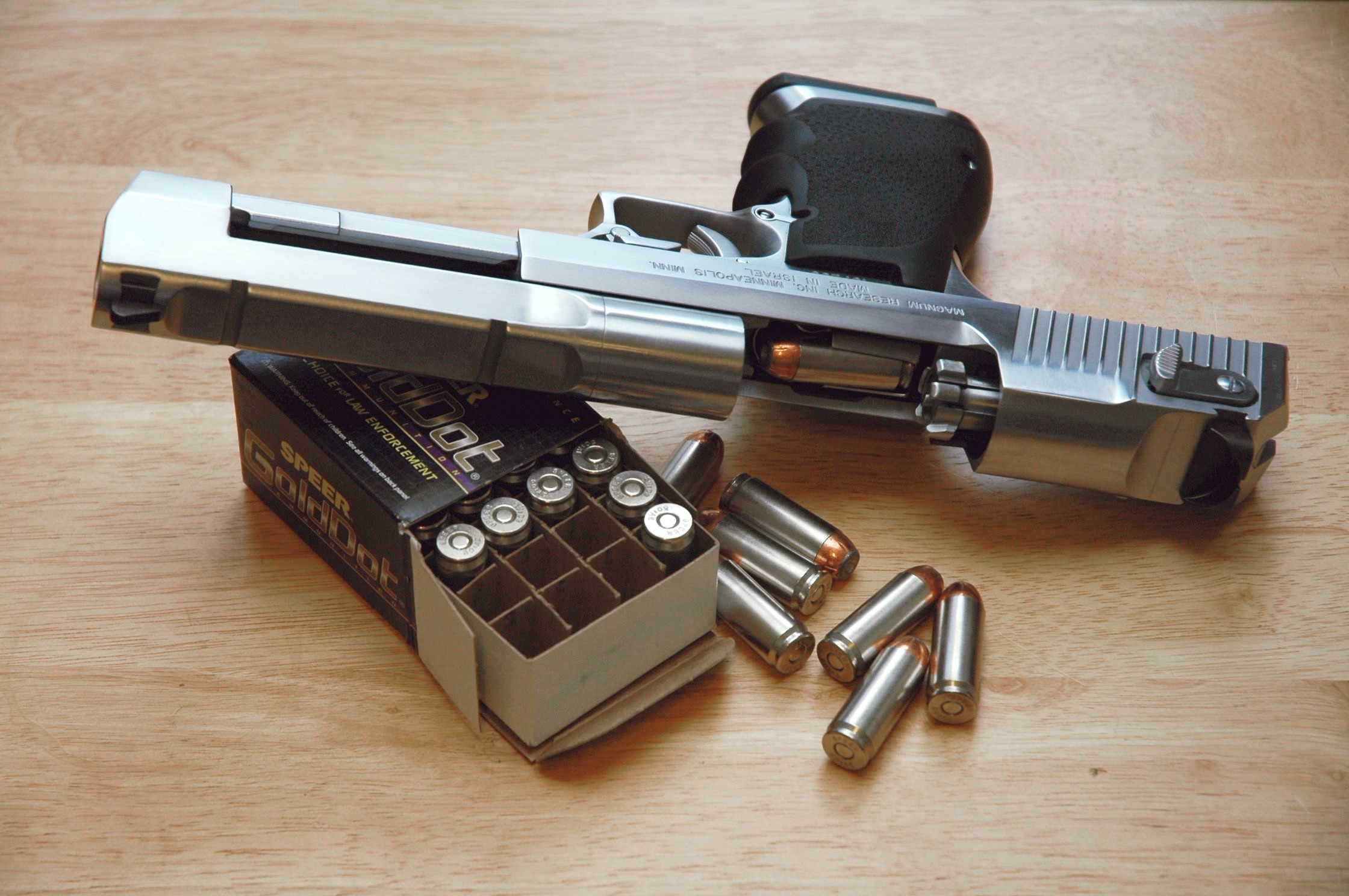
Chambered in .50 AE and generating around 1,449 ft-lbs of energy, the Desert Eagle sounds devastating on paper. Muzzle velocity hits roughly 1,475 fps with 300-grain loads, which is genuinely impressive. The problem is that the gas-operated rotating bolt system demands full-power factory ammunition, or it simply stops working. Failure rates climb to 12 to 18 per 100 rounds with underpowered loads. The grip is enormous, and muzzle flip is severe enough that fast follow-up shots become nearly impossible for most shooters. At over $1,700 retail, consistent jams feel like a personal insult. It has starred in over 600 films, which explains its fame far better than its range performance ever could.
2. Taurus Judge
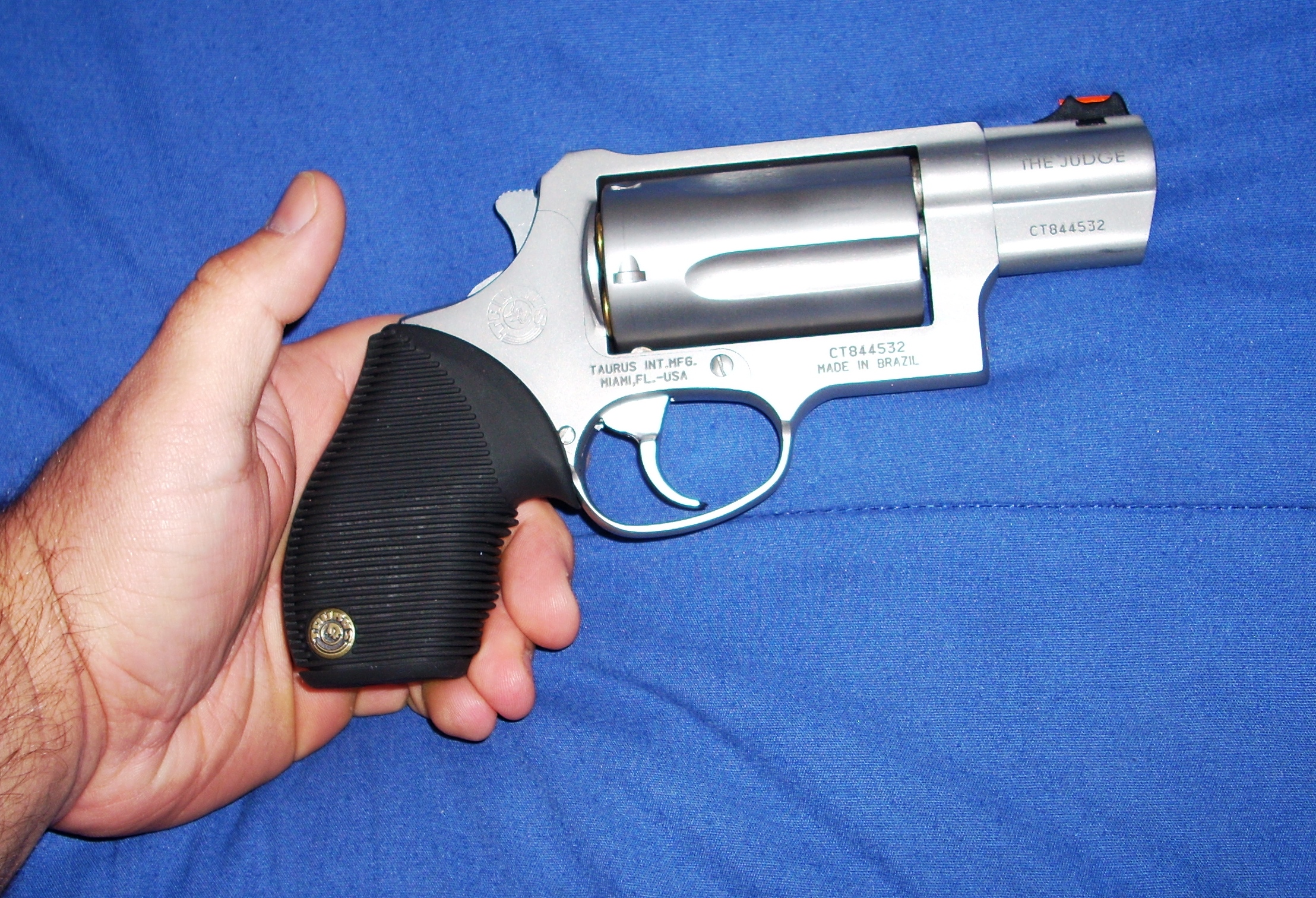
The Judge fires both .410 shells and .45 Colt from one cylinder, which sounds versatile until you test it. Shot patterns from .410 spread inconsistently beyond just 10 feet, regularly falling below the FBI’s 12-inch penetration standard for defensive use. Switching to .45 Colt, the lengthened cylinder gap bleeds velocity by 50 to 75 fps compared to purpose-built revolvers. The double-action trigger pull averages a stiff 14 to 16 pounds, which destroys accuracy under anything but perfect conditions. Weighing nearly 29 ounces empty, it is heavy without being stable. The concept of one gun doing everything sounds appealing right up until the range session proves it does nothing particularly well.
3. Chiappa Rhino 200DS
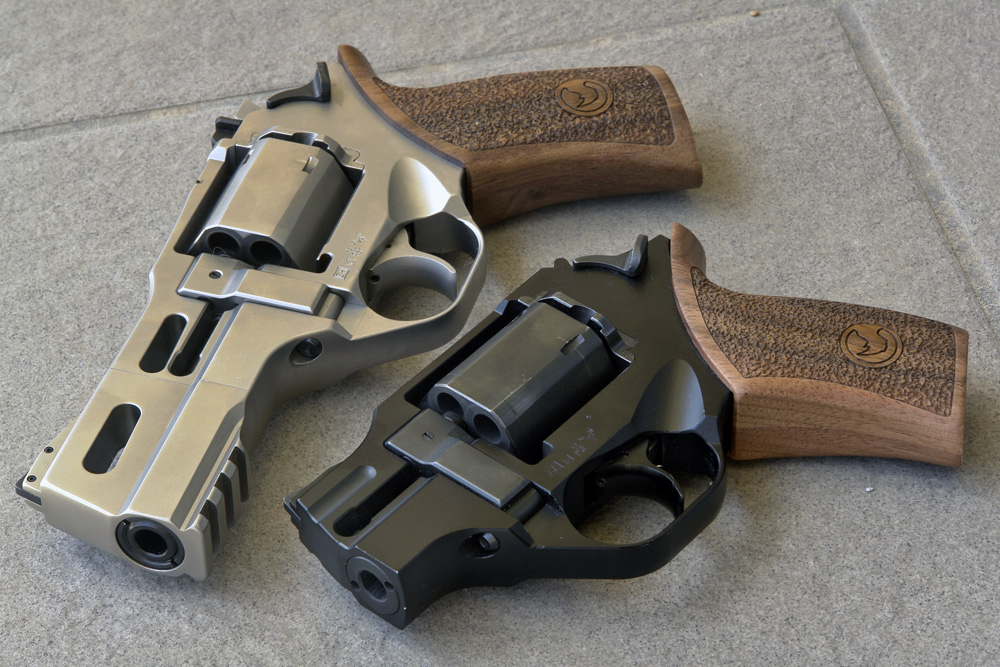
The Rhino fires from the bottom chamber instead of the top, lowering the bore axis and reducing muzzle rise by roughly 15 to 20 percent in testing. That engineering idea is genuinely sound. The execution, however, produces one of the most frustrating triggers in any production revolver. The double-action pull stacks heavily before a break that never feels clean, and the single-action hammer is small and awkward to manipulate under pressure. The cylinder gap is noticeably wider than that of standard revolvers, producing uncomfortable gas discharge near the support hand. Priced between $1,100 and $1,400, it demands serious patience before rewarding the shooter. Most people admire it far longer than they enjoy actually shooting it.
4. Kel-Tec KSG
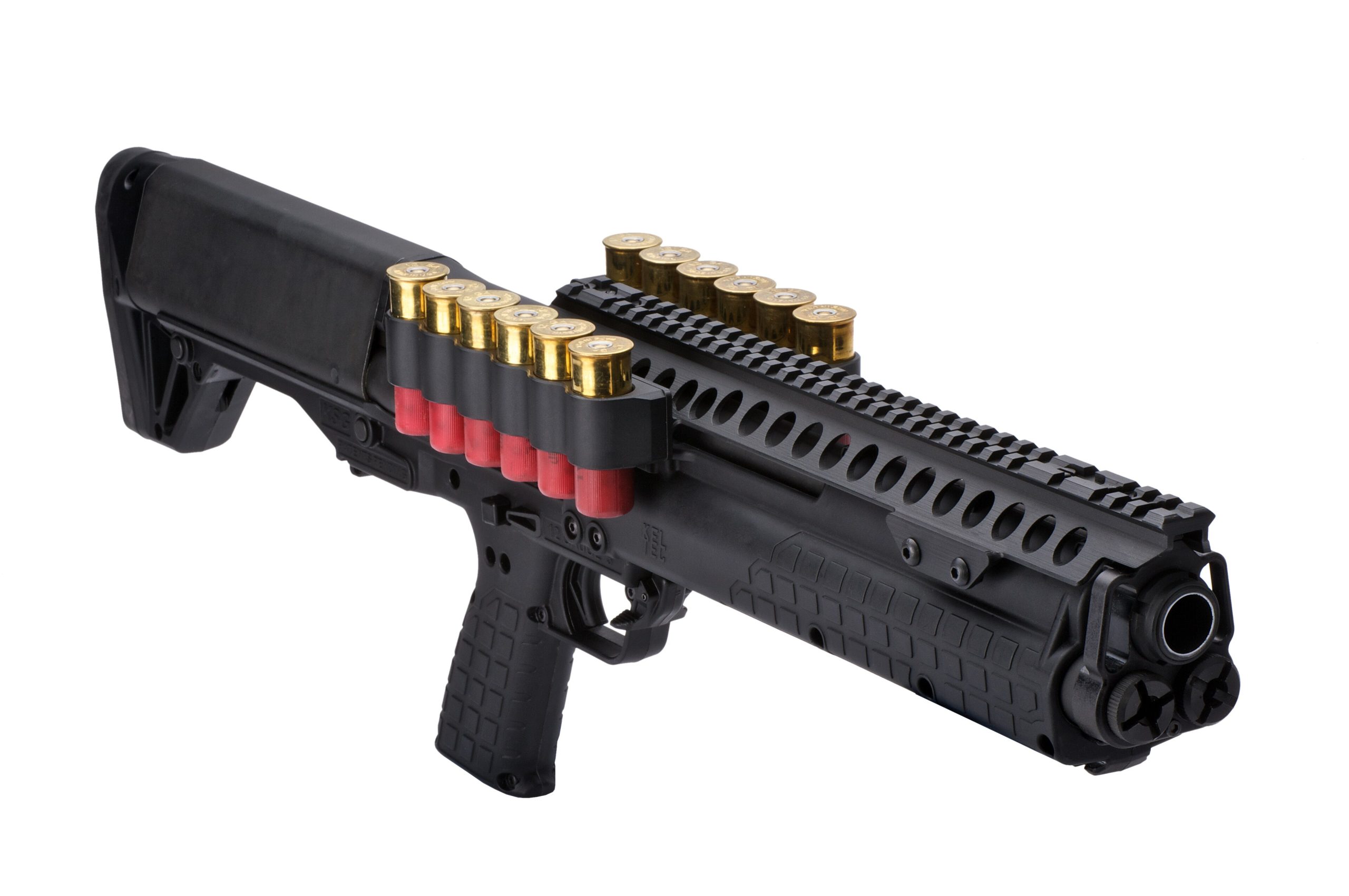
At just 26.1 inches and holding up to 14 shells across two tubes, the KSG looked revolutionary at its 2011 debut. In practice, the dual-tube system requires manually switching a selector between magazines, something easy to forget under pressure, resulting in empty clicks at critical moments. Short-stroking the pump causes failure-to-eject rates as high as 1 malfunction per 8 rounds during break-in. The bottom ejection sends spent hulls in unpredictable directions. The trigger, positioned deep in the bullpup stock, feels heavier than its measured weight suggests. Early production quality control was inconsistent, with many guns needing professional attention before running reliably. Style delivered; reliability did not keep pace.
5. Hi-Point C9
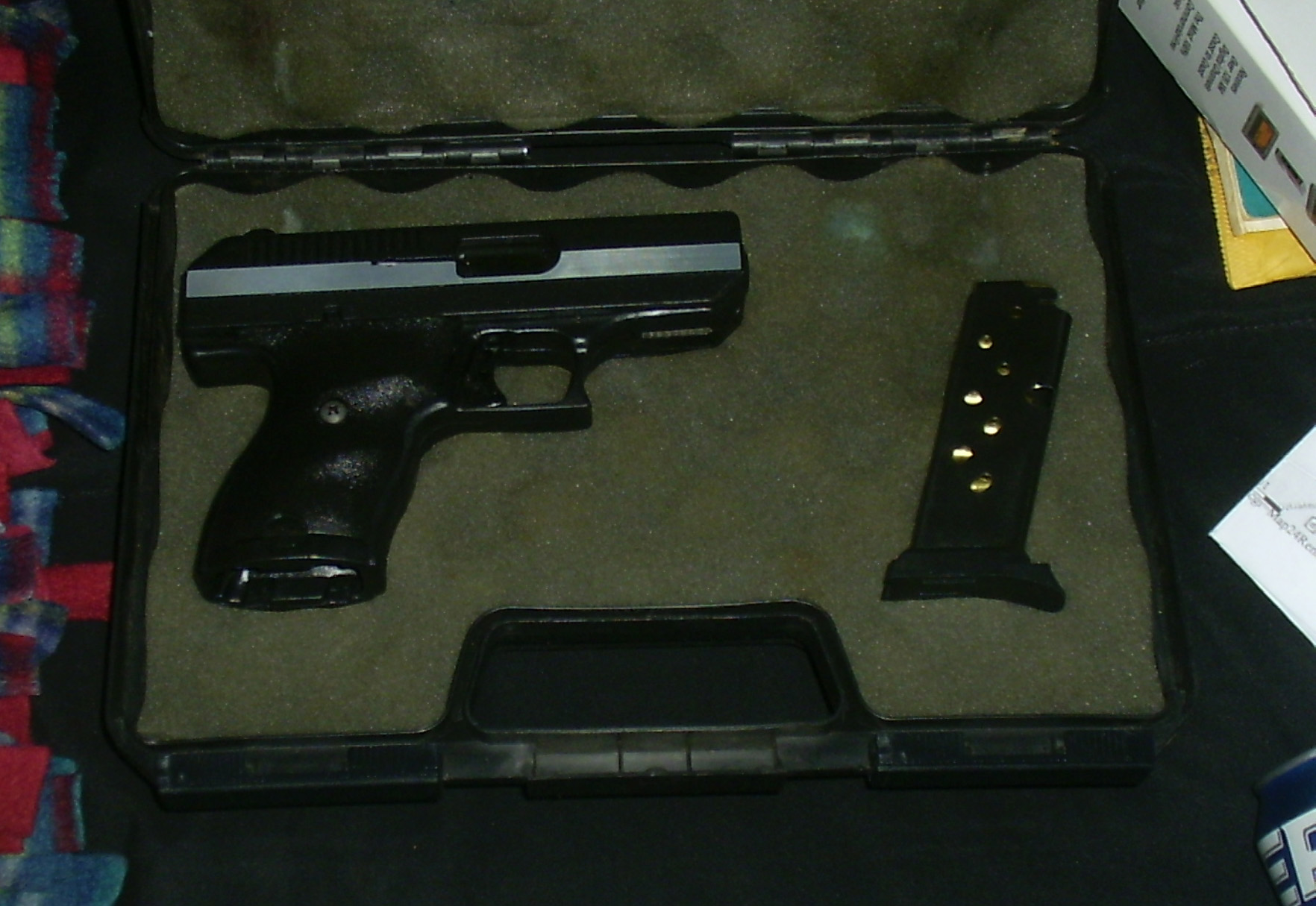
The C9 actually passes basic reliability tests, recording failure rates below 3 per 100 rounds in several independent evaluations. That is genuinely its best quality. Everything else about shooting one is unpleasant. The heavy zinc alloy slide makes one-handed racking nearly impossible. Trigger pull averages 8 to 10 pounds with a gritty, indistinct break that makes precision shooting a frustrating exercise. Groups at 25 yards typically spread 4 to 6 inches. The single-stack magazine holds just 8 rounds, and reloads are painfully slow. At $150 to $175, the budget is its entire argument. It works in a basic mechanical sense, but range sessions with it feel less like training and more like an endurance test nobody signed up for.
6. Remington R51
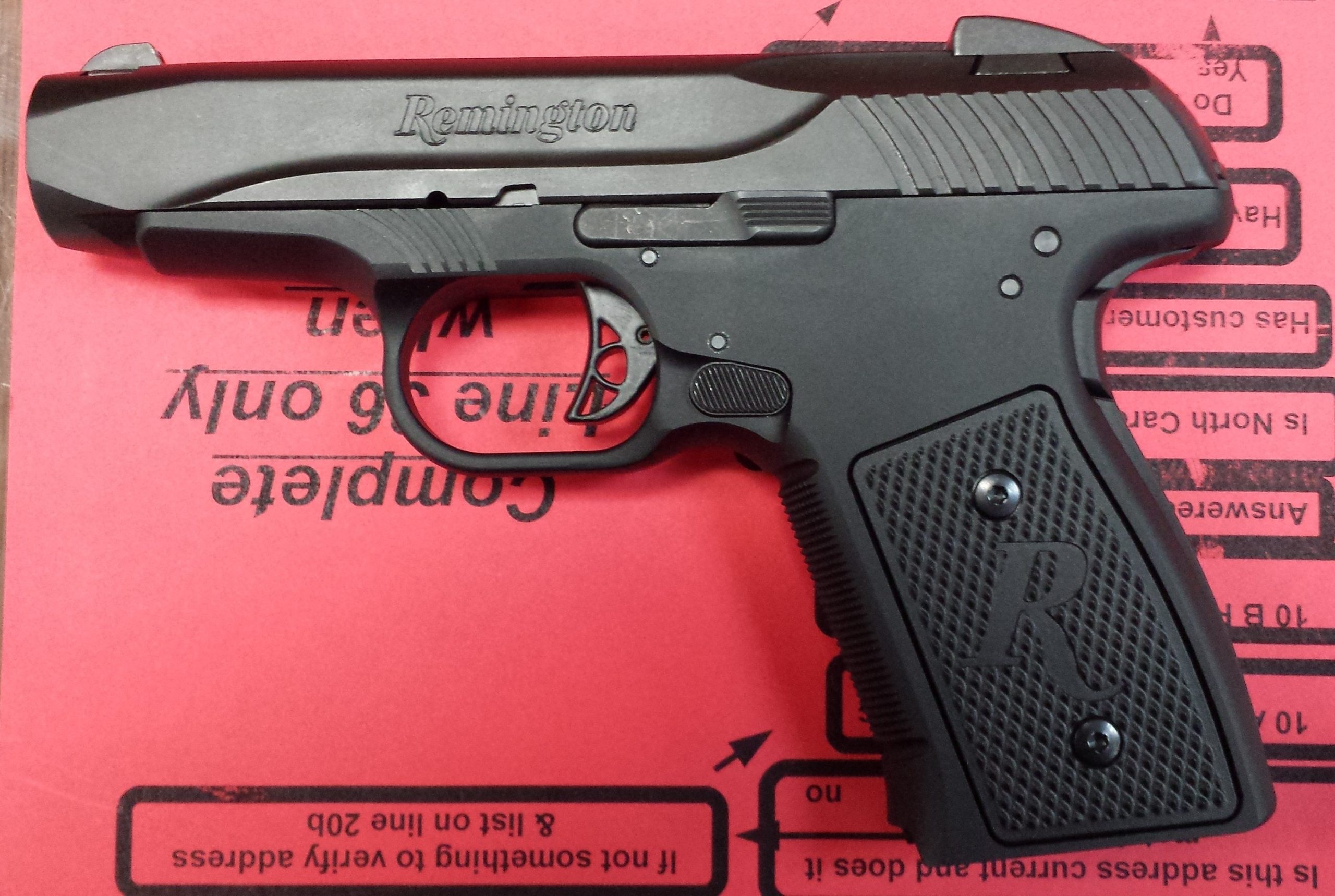
The R51 borrowed its elegant lines from the original 1910s Model 51, and the slim profile with comfortable grip angle made it genuinely attractive at launch. Then the first production run reached customers. Failures to feed, failures to eject, out-of-battery detonations, and groups exceeding 8 inches at 25 yards turned the release into a full recall. Remington retooled and relaunched in 2016 with improved results, but the hesitation-locked Pedersen action still demands precise ammunition tolerances to cycle reliably. Trigger reset travels nearly the full length of the pull stroke. At around $400, the risk still feels unbalanced. It remains one of the most visually appealing compact pistols ever made, which somehow makes the reliability story more disappointing, not less.
7. Taurus PT 24/7 OSS
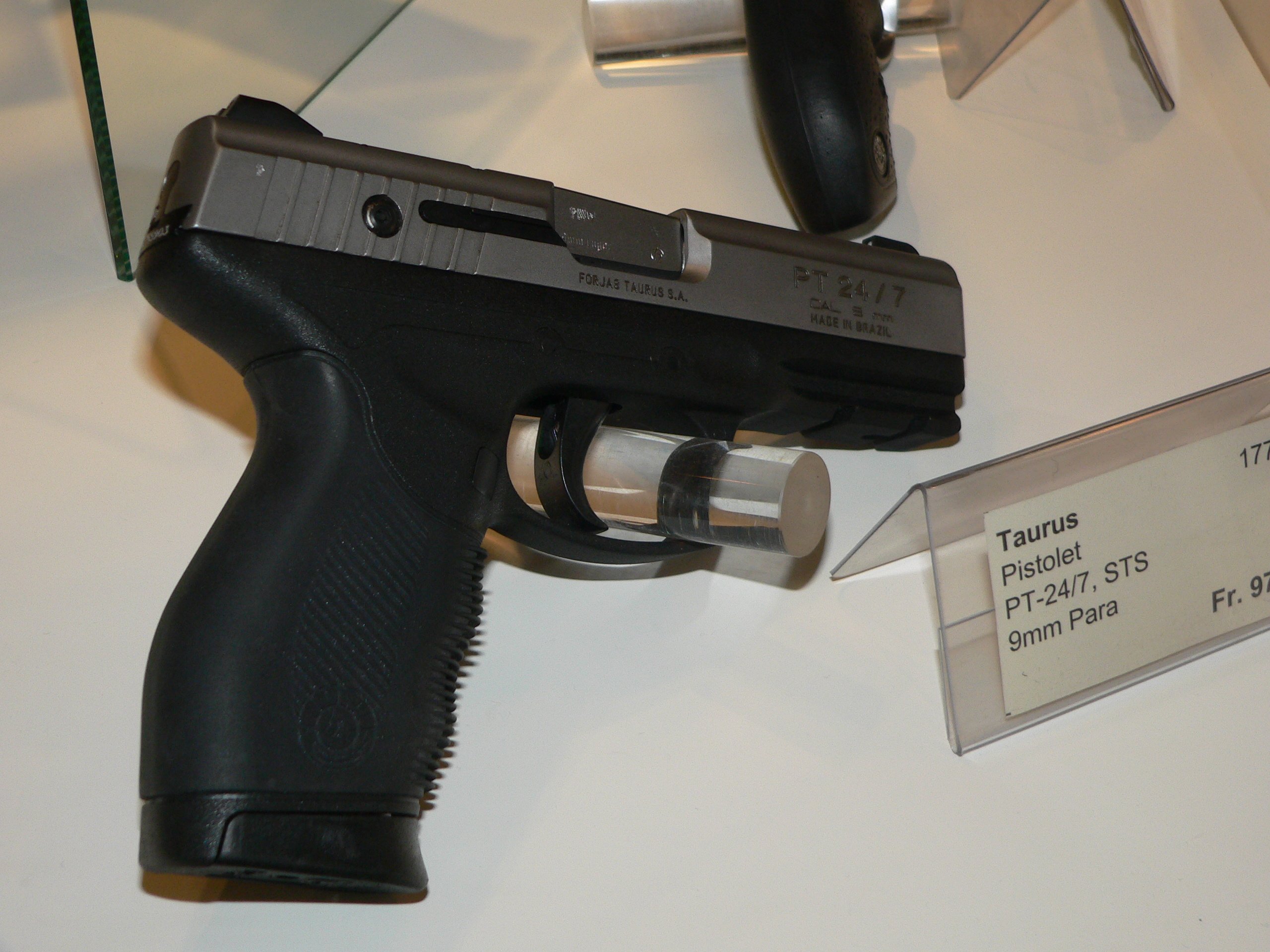
The PT 24/7 OSS was Taurus’s serious bid at the military and tactical market, and visually, it delivered. The aggressive frame texturing, accessory rail, ambidextrous controls, and elongated 5-inch barrel gave it a purposeful, competition-ready appearance that genuinely impressed at first handling. Capacity reached 17 rounds in 9mm, and the manual safety, decocker, and restrike capability seemed to offer everything a tactical shooter could want. Range sessions told a different story. Trigger pull in double-action averaged a heavy 12 to 14 pounds with noticeable side-play in the blade, and single-action broke between 5 and 7 pounds inconsistently across the same gun. Groups at 25 yards averaged 5 to 7 inches, mediocre for a full-size pistol. Reported failure-to-feed rates from owner surveys hovered around 6 to 9 per 100 rounds with standard brass ammunition. At a retail price near $500, shooters expected considerably more mechanical refinement than they consistently received.
8. Beretta CX4 Storm
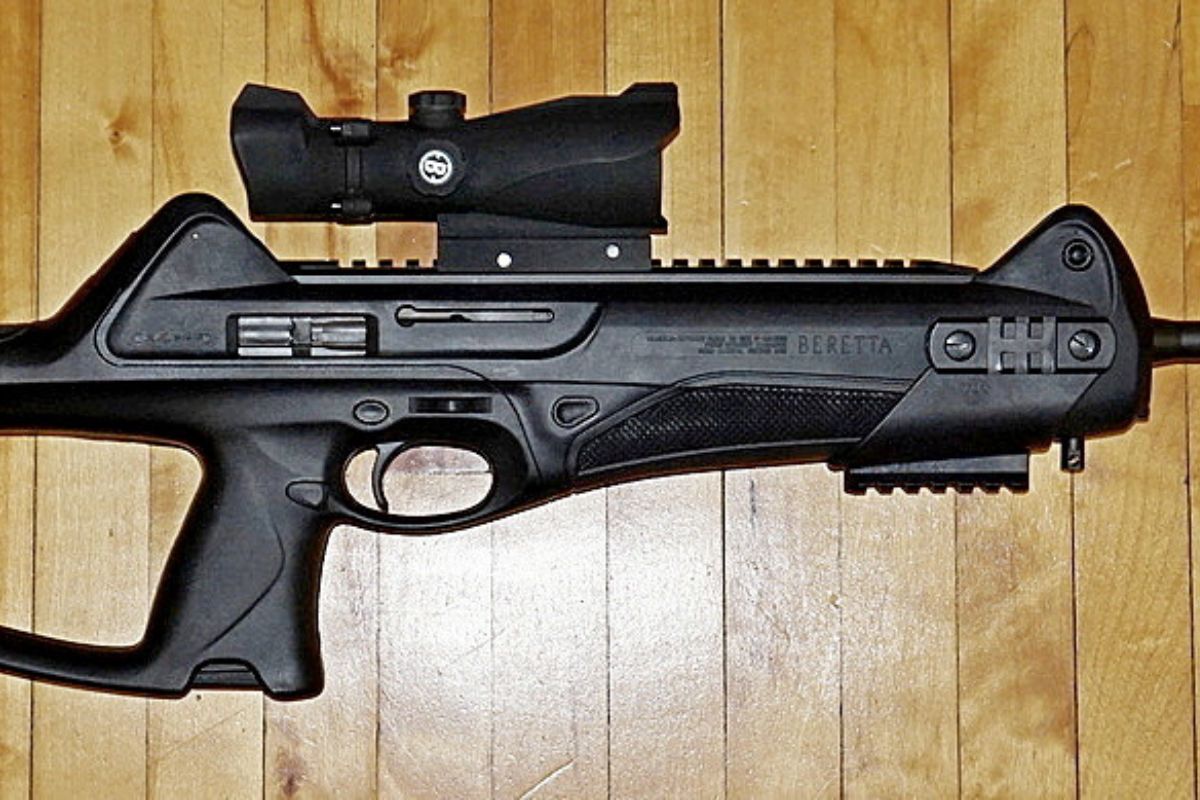
The CX4 Storm is undeniably one of the sleekest carbines ever put into production. Its sculpted polymer body, integrated sight rail, and futuristic silhouette make it look like something designed for a science fiction arsenal. Chambered in 9mm, it accepts Beretta 92 series magazines and pushes standard 124-grain loads to around 1,350 fps from its 16.6-inch barrel, a modest improvement over pistol velocity. The disappointment arrives through the trigger, which is connected to a long internal linkage running through the stock, producing a pull that averages 8 to 10 pounds with noticeable creep and a spongy, ambiguous break. Accuracy at 50 yards produces groups of 3 to 4 inches under ideal conditions, underwhelming for a carbine at that distance. The charging handle is tiny and awkward, and the safety placement frustrates left-handed shooters despite its advertised ambidextrous design. At $700 to $800 retail, competitors offer tighter triggers and better practical accuracy.
9. Bond Arms Derringer
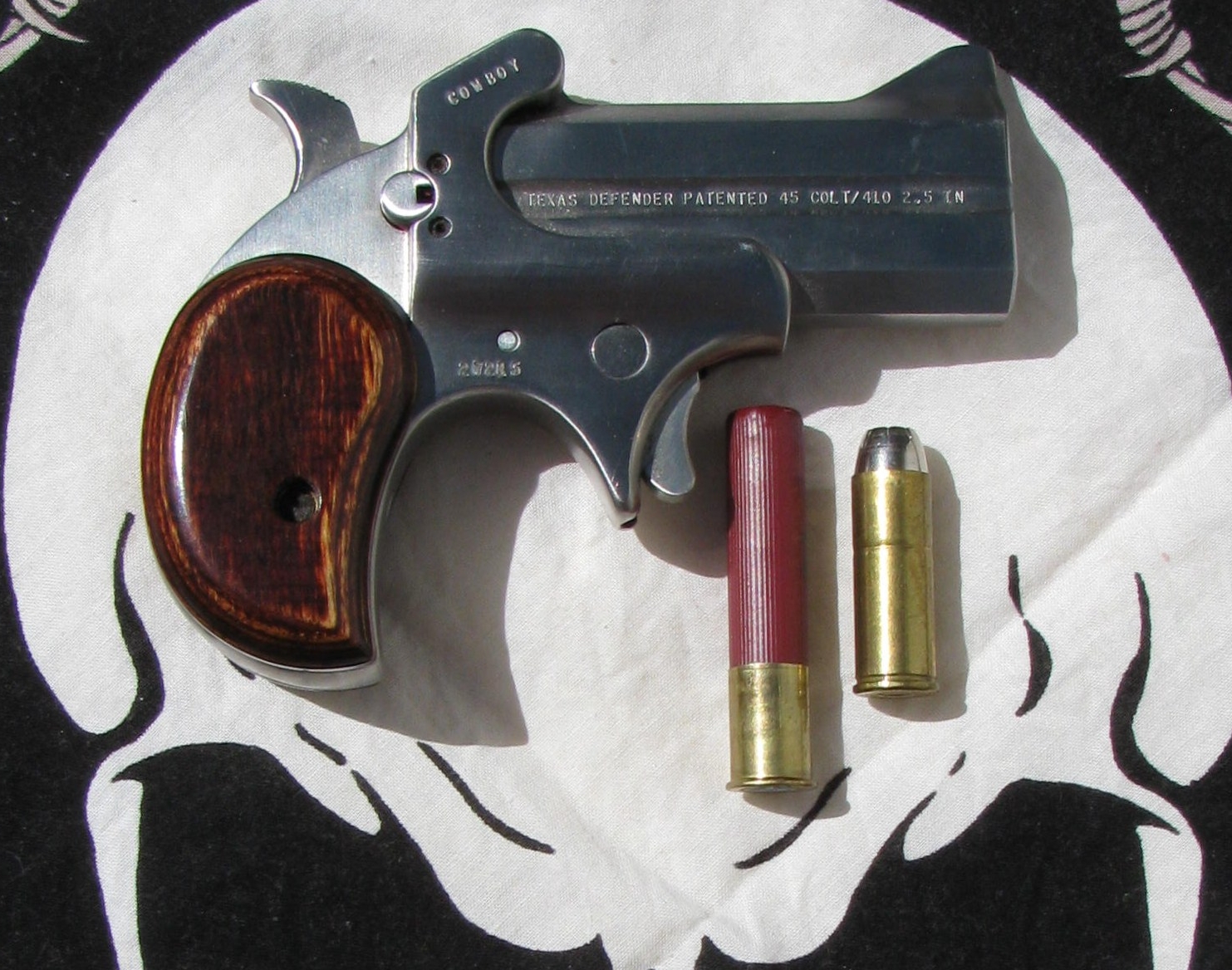
Bond Arms builds some of the most visually stunning handguns in production, with solid stainless steel construction and engraved models that genuinely look like heirlooms. The interchangeable barrel system is clever engineering, accepting calibers from .22 LR to .45-70 Government. Then the shooting begins. Even in .357 Magnum, the tiny grip rotates aggressively into the palm, causing shooter fatigue within 20 to 30 rounds. Larger calibers have caused inexperienced shooters to drop the gun entirely. Trigger pull averages 10 to 12 pounds. Manual extraction and reloading after two shots takes 8 to 12 seconds under optimal conditions. Groups at 15 yards frequently exceed 8 inches. Retail runs from $450 to over $700 for engraved variants. Two shots, significant pain, and a slow reload are a steep ask at any price.
10. SCCY CPX-2
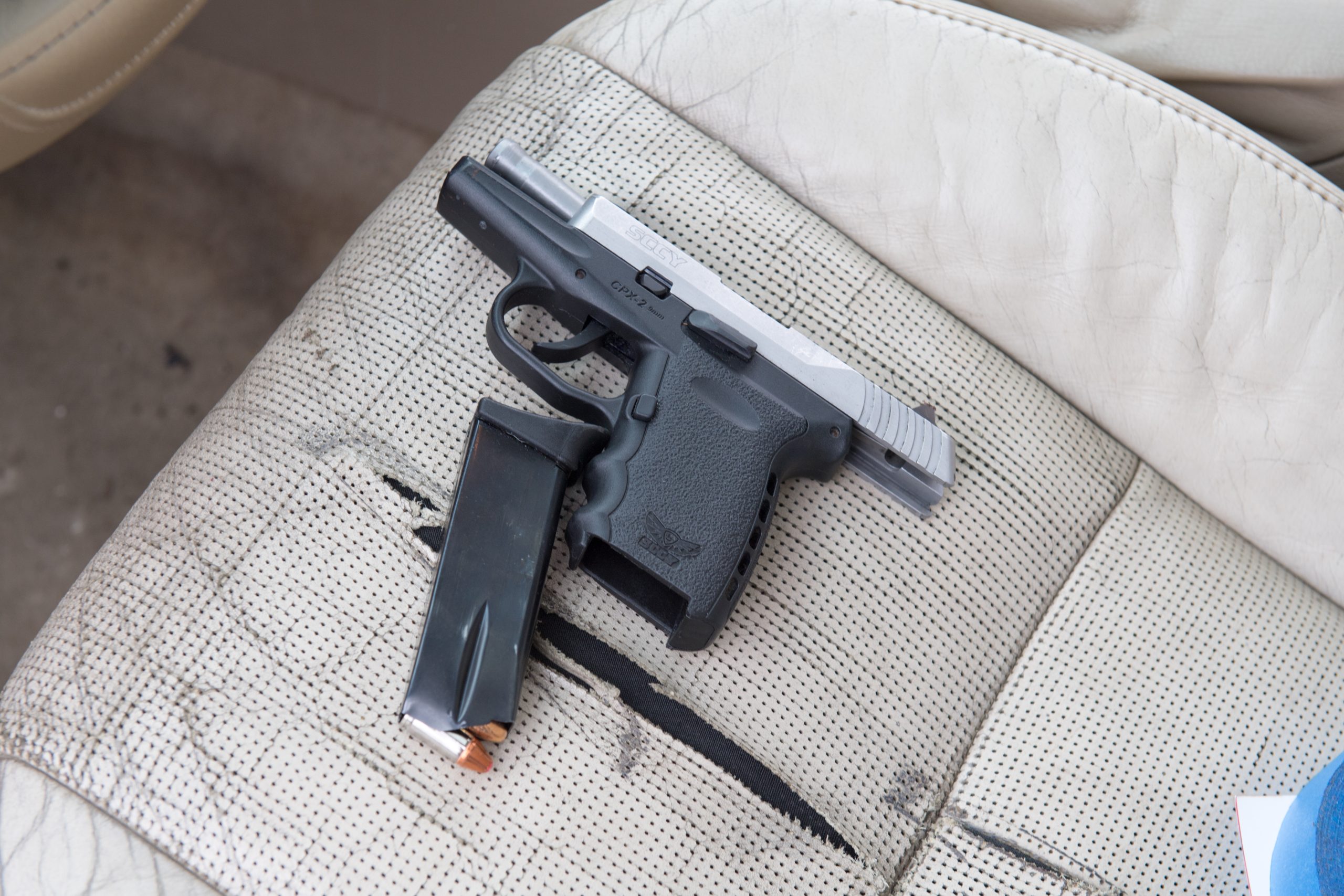
The CPX-2 delivers a 10-round 9mm with solid fit and finish at just $250 to $300, which sounds like an outstanding deal. The two-tone color options look sharp, and the snag-free profile carries comfortably. But the DAO trigger breaks at 9 to 12 pounds with a long, stacking pull that makes accuracy genuinely difficult. Groups at 10 yards average 4 to 6 inches for most shooters, and 25-yard results require serious concentration just to stay on target. The factory-recommended break-in period runs 300 rounds, during which failure rates of 5 to 8 per 100 rounds are considered normal. The stiff recoil spring makes slide manipulation difficult for shooters with reduced grip strength. SCCY’s lifetime warranty and customer service are legitimately praised, but warranties only matter after something has already failed at the worst moment.