Action movies rely on firearms to drive the plot forward and create intense visual spectacles. Directors often prioritize dramatic flair over mechanical realism when filming these high-octane shootout sequences. Hollywood has established a unique set of physics where ammunition is endless, and recoil does not exist. This artistic license creates widespread misconceptions about how real weapons actually function in combat. Enthusiasts frequently point out the glaring errors that appear in even the most popular blockbuster franchises. Separating fact from fiction reveals that the truth is often much louder and far less graceful. The following list exposes the worst offenders in cinema history.
Glock 7
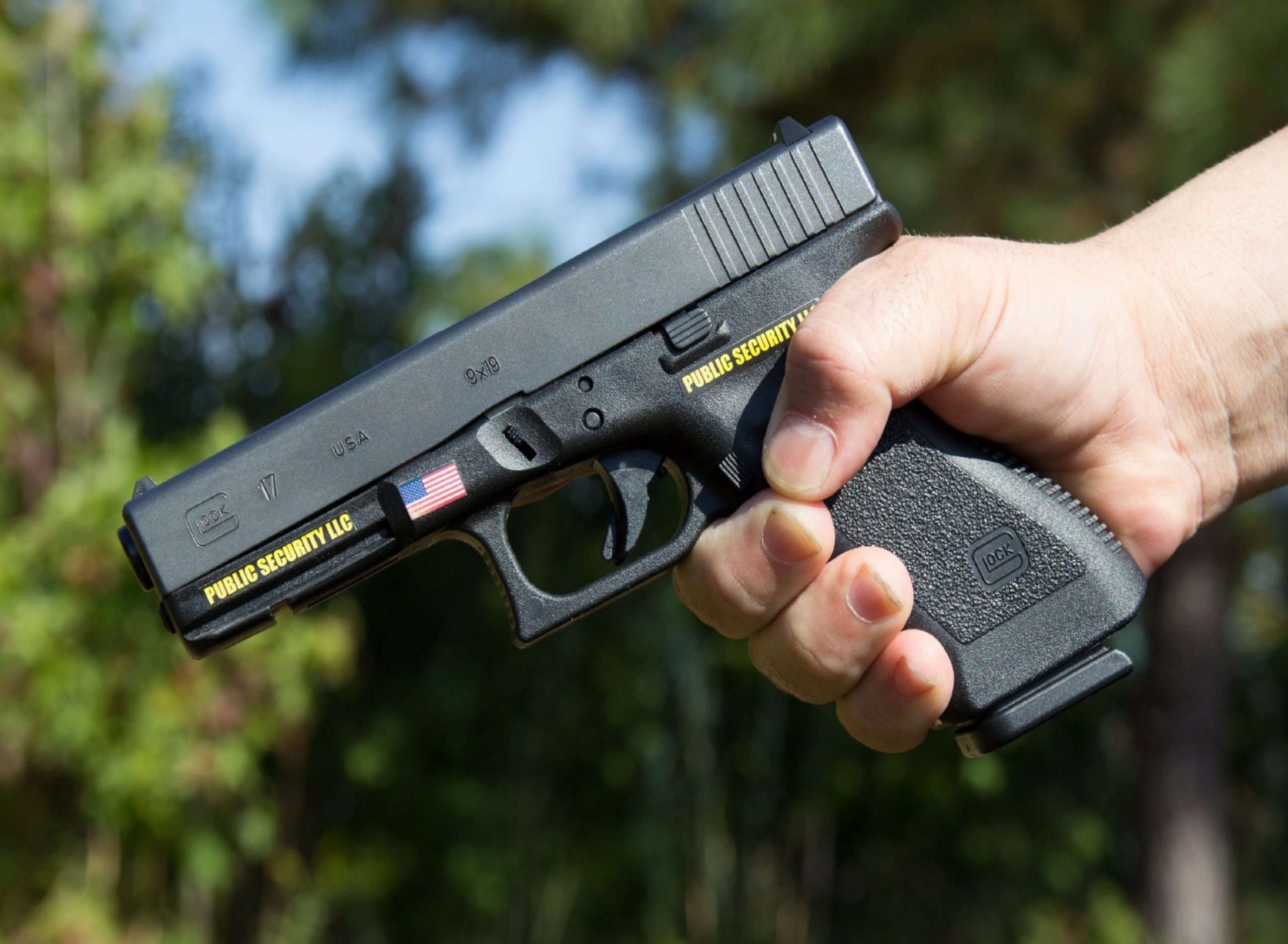
Die Hard 2 introduced the world to the Glock 7 and described it as a porcelain gun. The villain claimed it could pass through airport metal detectors without raising any alarms. This entire premise is completely fictional because no such firearm has ever existed in the real world. Glock pistols feature polymer frames, but they rely on steel slides and barrels to function safely. Ammunition is also made of metal, which would trigger security scanners instantly during a screening. This myth persists despite being debunked repeatedly by experts in the firearms industry. It remains one of the most famous lies.
Desert Eagle .50 AE
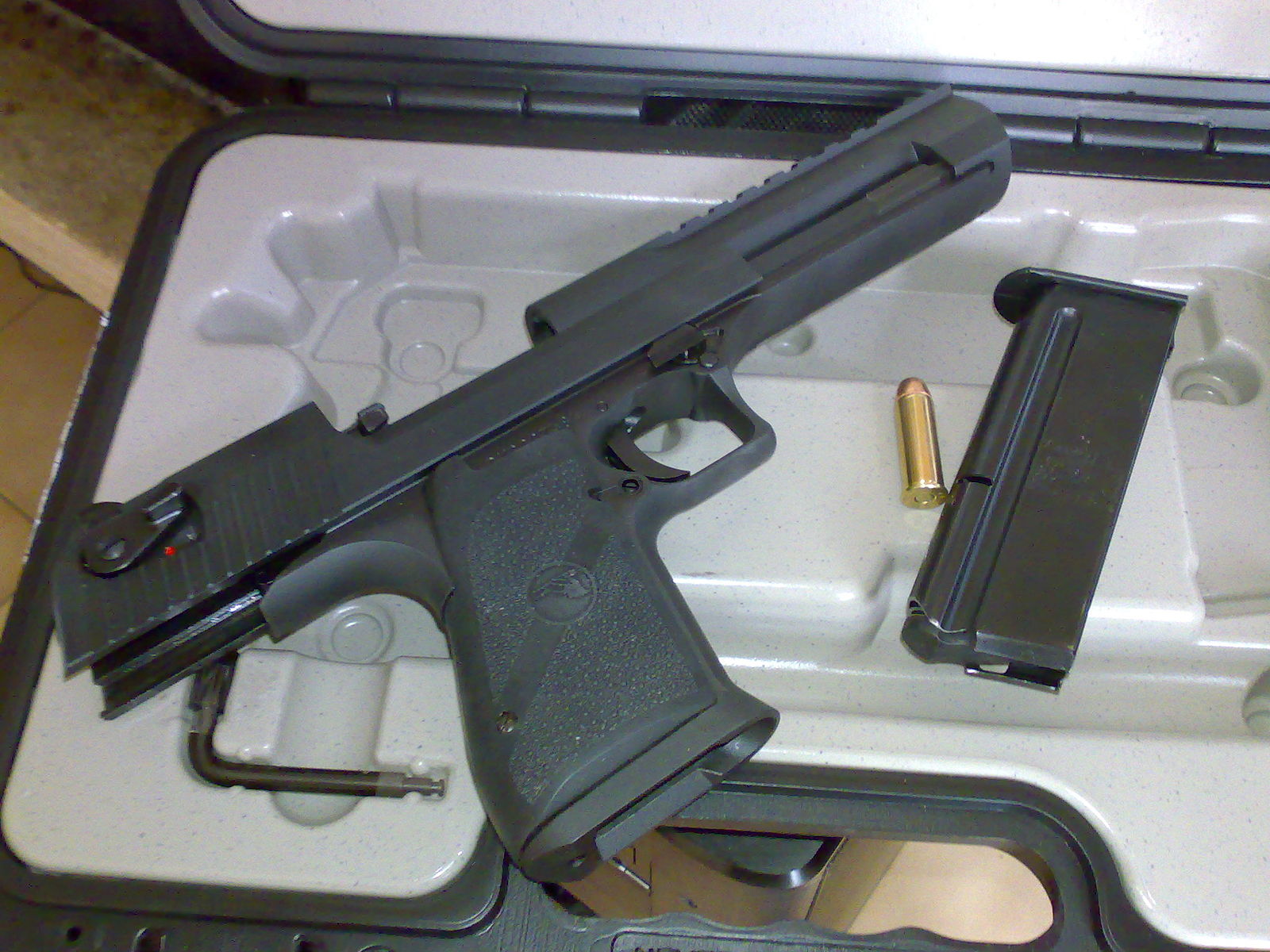
Action heroes frequently wield the massive Desert Eagle as a primary sidearm for daily carry duties. Movies depict it as a reliable combat weapon that can be fired rapidly with one hand. In reality, this hand cannon is extremely heavy and notoriously temperamental when exposed to dirt or grit. The immense recoil makes rapid follow-up shots nearly impossible for even the strongest shooters to achieve. It was designed for silhouette shooting and hunting rather than tactical use in a gunfight. Most professionals consider it a novelty item that is far too impractical for any serious defensive police or military work.
M134 Minigun
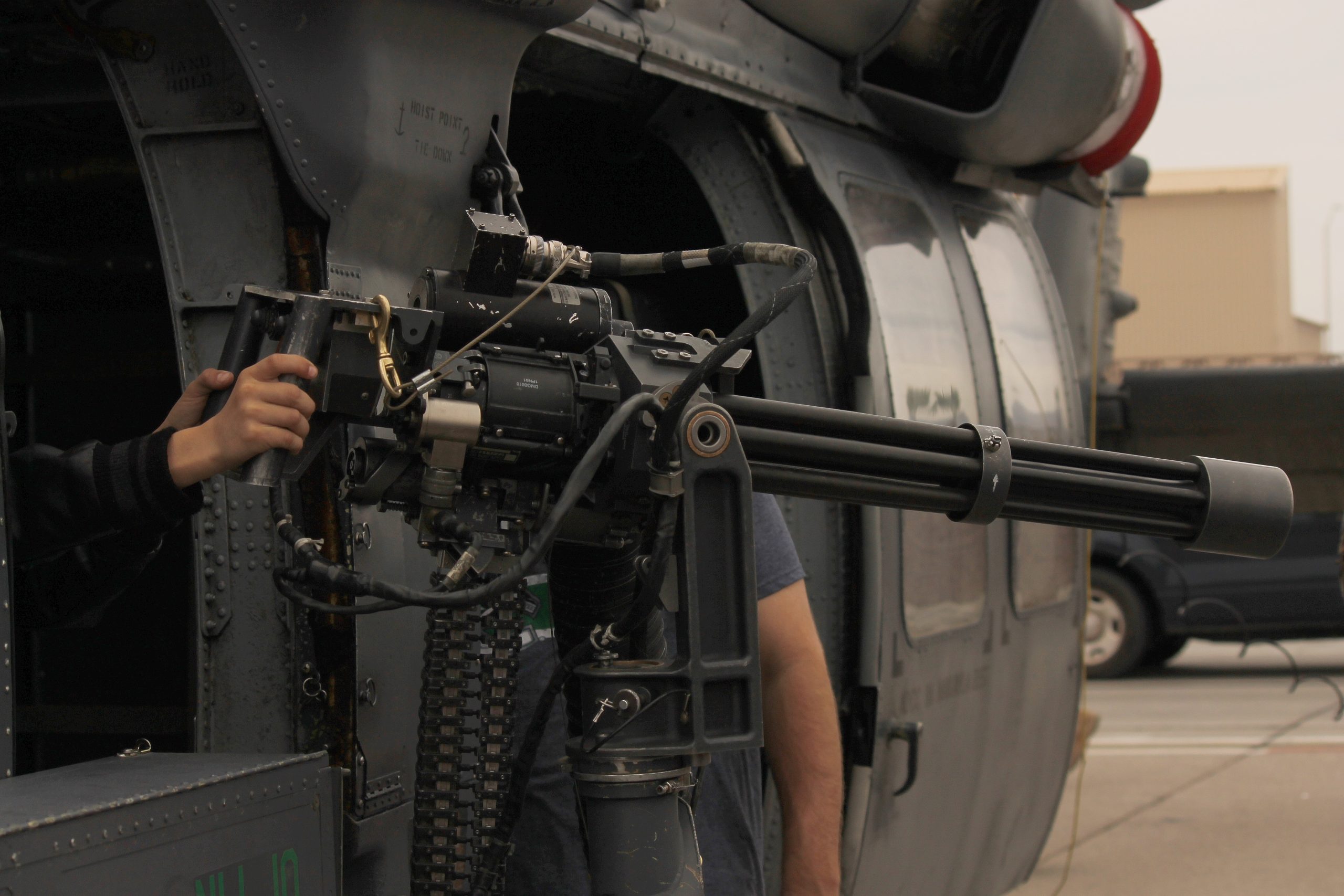
The image of a muscular protagonist mowing down enemies with a handheld minigun is iconic cinema. Films like Predator show characters carrying this electric rotary cannon through the jungle with ease. Real versions of this weapon require a heavy external power source and thousands of rounds of ammunition. The recoil force generated by firing six thousand rounds per minute would knock a human over instantly. Carrying the weapon, the necessary battery, and the ammo supply is physically impossible for one person. It is strictly a vehicle-mounted system designed for helicopters and Humvees. The handheld version is a pure fantasy.
Suppressed Walther PPK
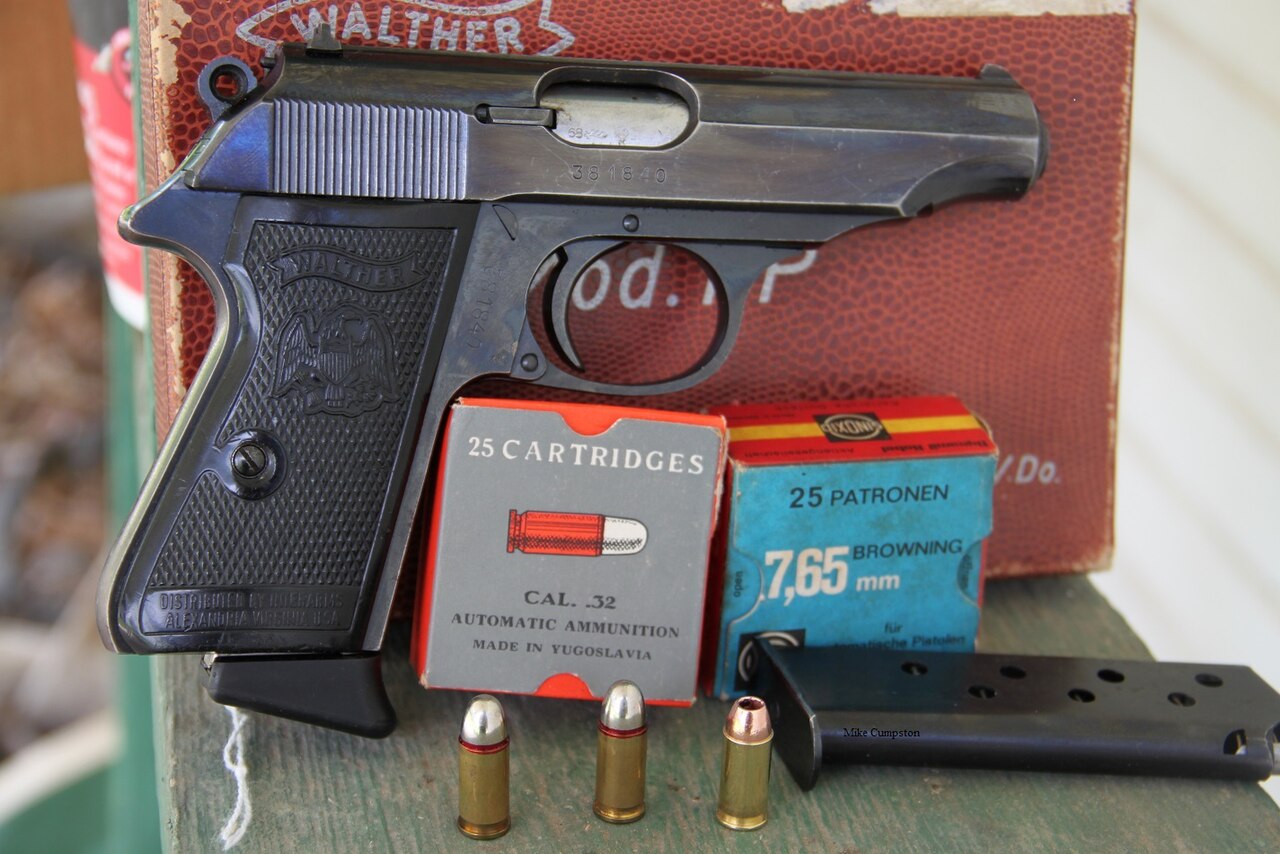
James Bond made the suppressed Walther PPK famous by eliminating guards with a silent whisper. Hollywood sound designers replace the loud report of a gunshot with a soft and electronic chirp. Real suppressors reduce the noise signature, but they do not silence the weapon completely during operation. A suppressed gunshot is still loud enough to require hearing protection and sounds like a car door slamming. The mechanical noise of the slide cycling is also audible to anyone standing nearby in the room. This misrepresentation leads audiences to believe that gunfights can happen secretly in crowded buildings without anyone noticing.
Double-Barreled Shotgun
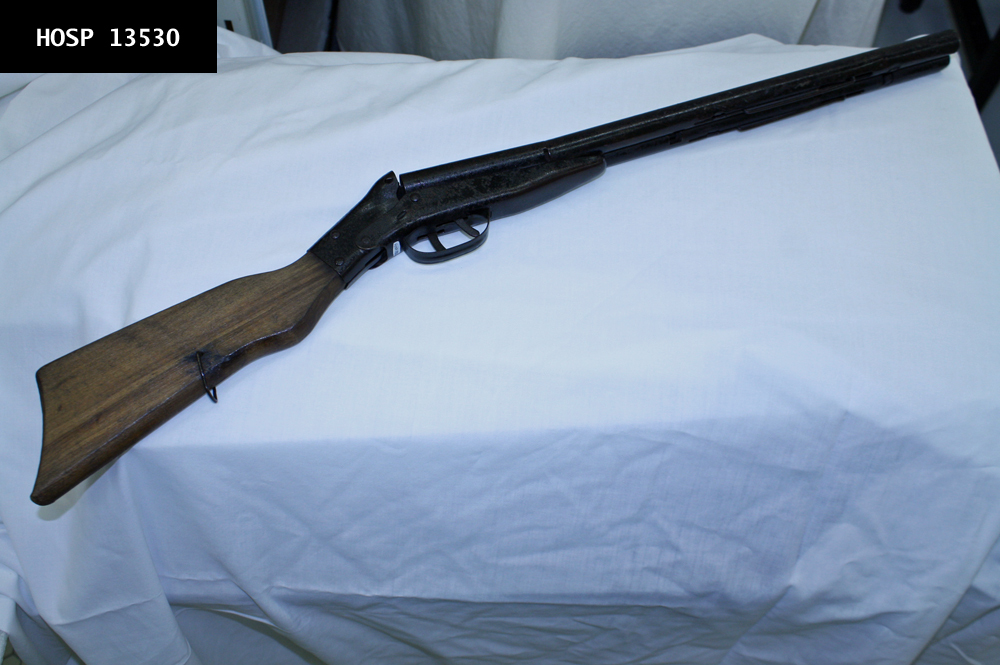
Shotguns in cinema possess enough kinetic energy to lift bad guys off their feet and through windows. Physics dictates that for every action there is an equal and opposite reaction during the firing sequence. If a blast could throw a victim backward, it would also launch the shooter in the opposite direction. The spread of the pellets is also greatly exaggerated to cover an entire hallway instantly. At close range, the shot pattern is actually quite tight and requires precise aiming to hit the target. The dramatic physics seen on screen are achieved with wirework rather than ballistic reality.
RPG-7 Rocket Launcher
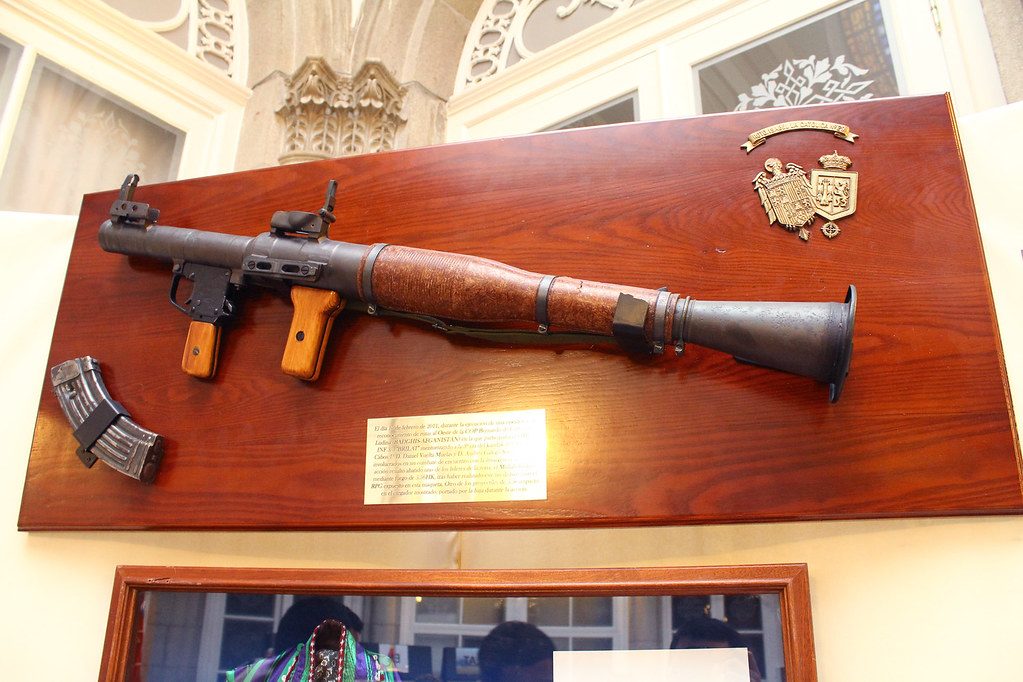
Action stars frequently fire the RPG-7 from inside small rooms or enclosed vehicles to destroy targets. This reckless behavior ignores the deadly backblast that erupts from the rear of the launcher. The expanding gases would severely injure or kill anyone standing behind the weapon or in a confined space. Additionally, the warhead requires a minimum arming distance before it can detonate upon impact safely. Firing it at a target just ten feet away would likely result in a dud impact. Movies treat these complex anti-tank weapons like giant handguns rather than dangerous heavy ordinance. Safety is rarely a priority.
MAC-10 Submachine Gun
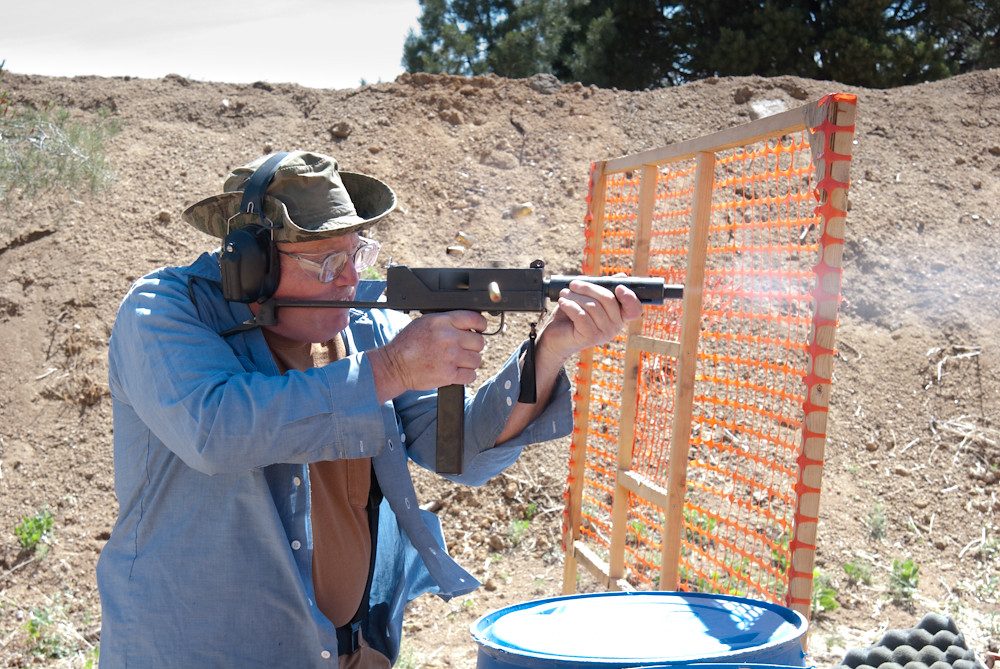
The MAC-10 is often portrayed as a precise tool that bad guys spray from the hip continuously. Films show characters firing single bursts that last for twenty seconds without reloading the magazine. In reality, this machine pistol has an incredibly high rate of fire that empties a magazine instantly. Dumping thirty rounds takes less than two seconds and produces recoil that is difficult to control. Keeping the muzzle on target during full-auto fire is nearly impossible without a stock and training. The movie version creates a false impression of sustained firepower that the real weapon simply cannot deliver effectively.
Barrett M82
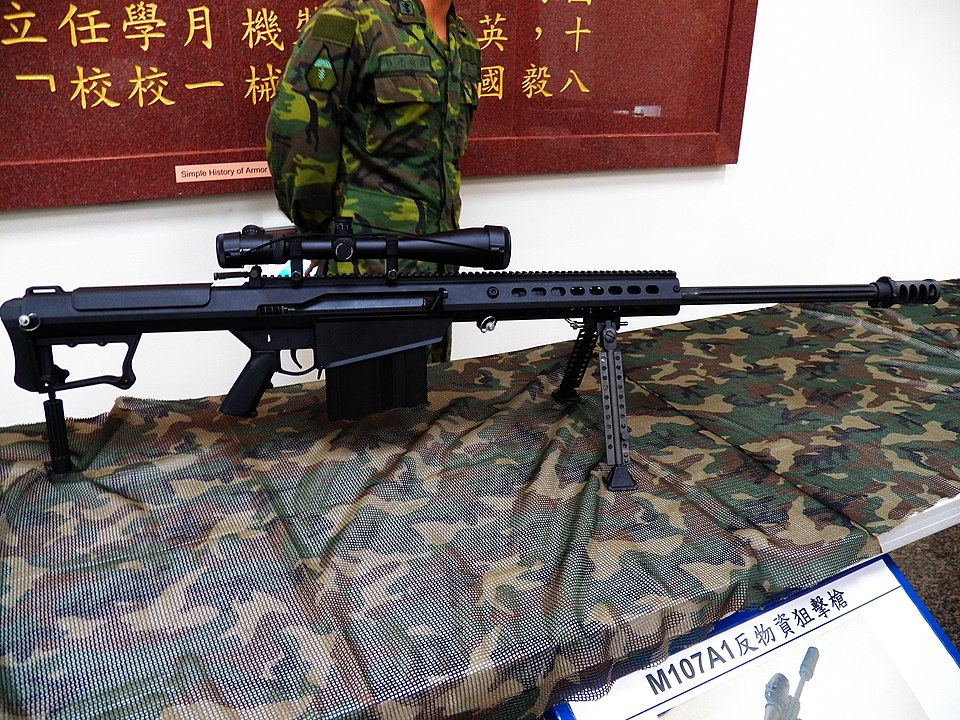
Sniper movies often feature the Barrett M82 being fired from the shoulder while standing or running. This anti-materiel rifle weighs nearly thirty pounds and creates massive recoil energy when the trigger is pulled. Holding it steady without a bipod or a rest is physically exhausting for even a trained soldier. The muzzle blast is powerful enough to kick up dust and debris that reveals the shooter’s position. It is designed to destroy equipment at long ranges rather than for close-quarters combat engagements. Using it like a standard assault rifle is a ridiculous trope that defies the laws of physics.
M1 Garand
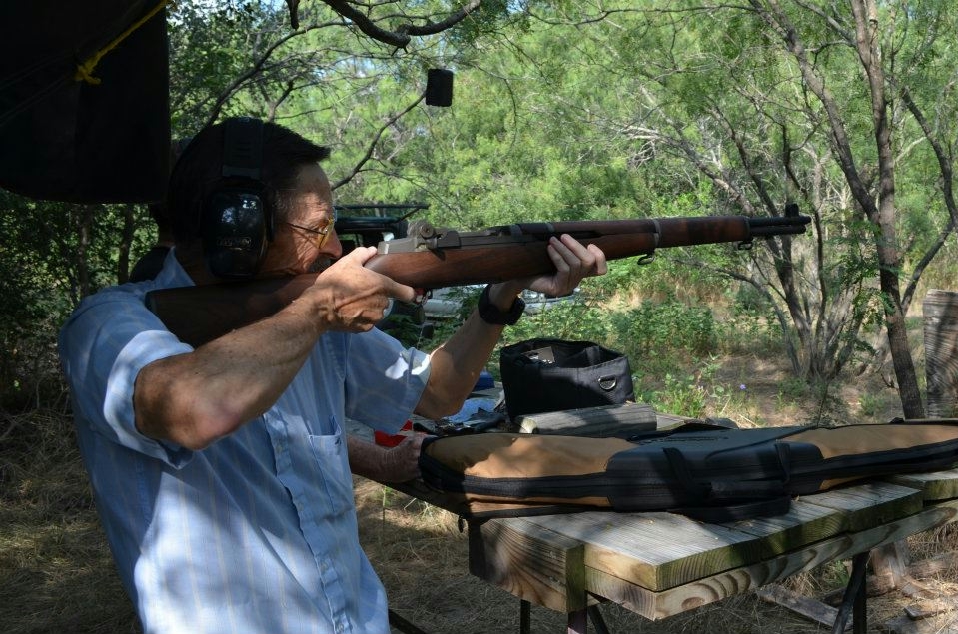
War movies frequently dramatize the distinct ping sound that the M1 Garand makes when it ejects a clip. Soldiers on screen often panic because they believe the enemy can hear that they are out of ammo. Veterans and historians argue that the chaotic noise of a battlefield drowns out such subtle mechanical sounds. Gunfire, explosions, and shouting make it impossible to hear a small piece of metal hitting the ground. Enemy combatants would rarely be close enough or focused enough to react to the sound instantly. The deadly ping is largely a myth created to add tension to scenes.
Colt Single Action Army
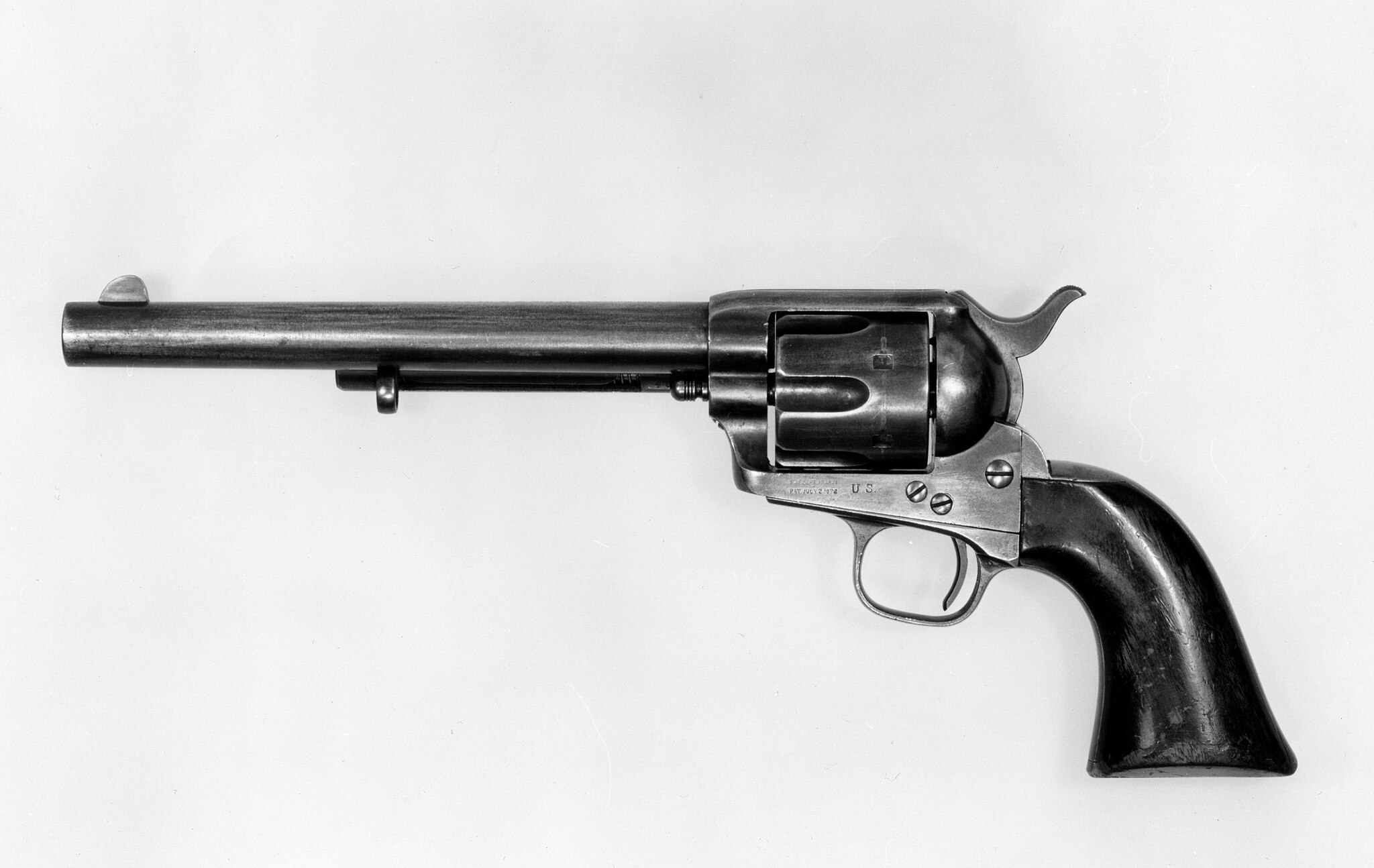
Westerns depict the Colt Single Action Army as a weapon that never needs to be reloaded. Cowboys fan the hammer to fire dozens of rounds from a cylinder that only holds six cartridges. This technique is extremely inaccurate in real life and damages the internal mechanism of the revolver quickly. Hitting a moving target while fanning the hammer is virtually impossible for anyone but a trick shooter. The endless ammunition supply destroys the tension of managing a limited capacity during a gunfight. It remains the most common error found in the classic genre of the American frontier.