
Discovering the guns that cause more camp arguments than camp meat reveals the deep passions and strong opinions that define the modern American hunting community. While these specific firearms often serve as reliable tools in the field, they also act as lightning rods for endless debates during long evenings by the fire. Every hunter seems to have a definitive stance on the ballistics and reliability of the historical legacy of these controversial models throughout the season. Understanding these common points of contention helps a person navigate the complex social landscape of a traditional hunting camp with ease.
The Remington Model 742
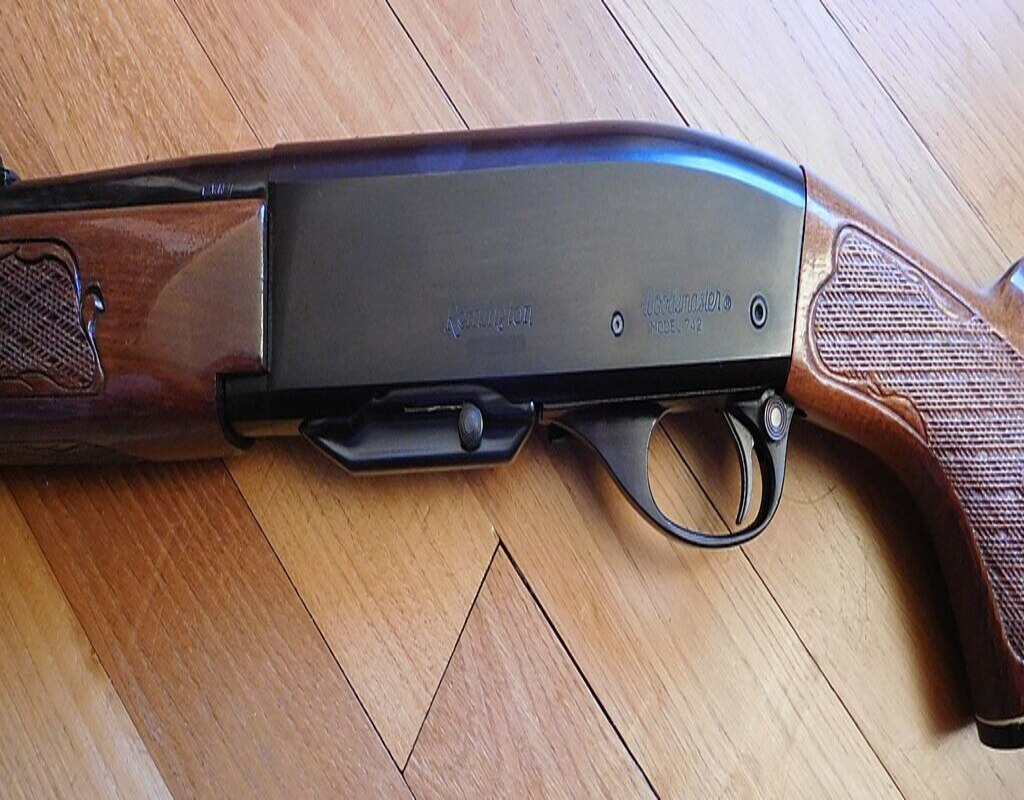
The Remington Model 742 Woodsmaster has earned a very mixed reputation that consistently divides hunters into two distinct and passionate camps. Some owners swear by its fast and smooth semi-automatic action, while others complain about frequent jamming and the difficult cleaning process required for the internal components. These rifles are often called jam masters by critics who believe the design is fundamentally flawed for the rugged conditions of a typical deer woods environment. Despite these loud complaints, many individuals still carry these historic firearms every single year with great success and a high level of personal pride.
The Winchester Model 94
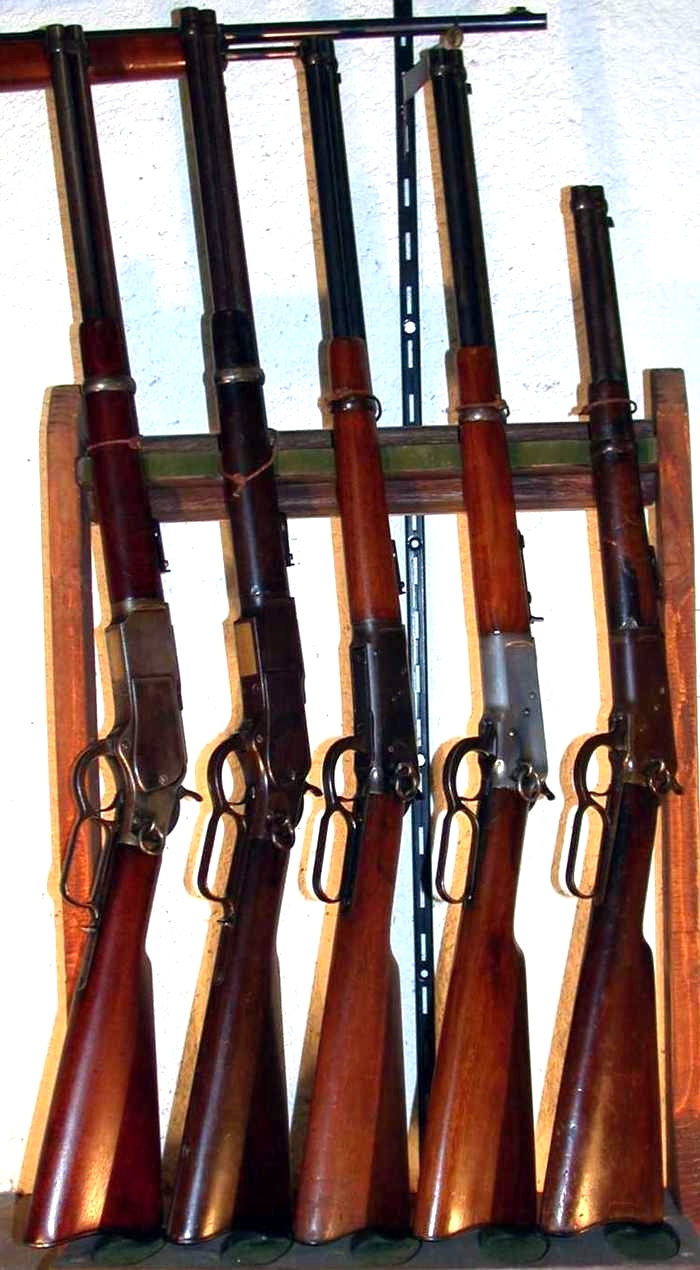
The Winchester Model 94 is a classic lever-action rifle that remains at the center of a long-standing debate regarding its effective range. Traditionalists love the quick handling and the light weight of this iconic carbine for hunting in thick brush and heavy timber during the fall. However, younger hunters often argue that the flat-nosed bullets lack the modern ballistic performance needed for accurate shots beyond a hundred yards today. This disagreement often leads to intense discussions about the necessity of powerful scopes versus the simple and traditional iron sights found on most older models in camp.
The AR 15 Platform
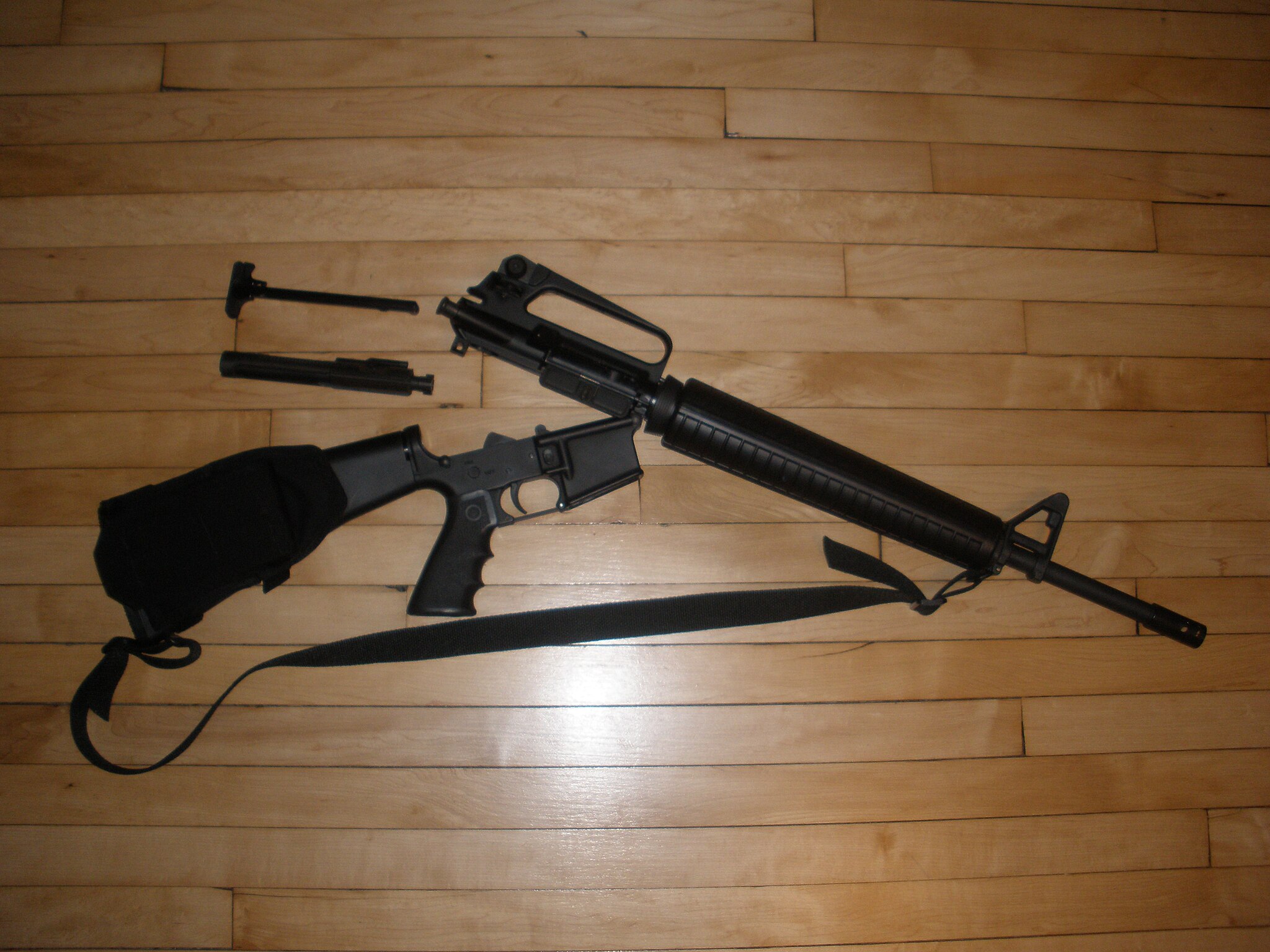
The presence of an AR-15 platform in a traditional hunting camp often sparks a heated discussion about the ethics and the utility of modern sporting rifles. Older generations may view these modular systems as being too tactical or military for the respectful pursuit of large game animals in the forest. Meanwhile, many modern shooters appreciate the adjustable stock and the low recoil that makes these rifles accessible for a wide variety of individuals. This clash of cultures frequently centers on whether the appearance of a firearm matters as much as its functional ability to humanely take down prey.
The Marlin 1895 In 45 70
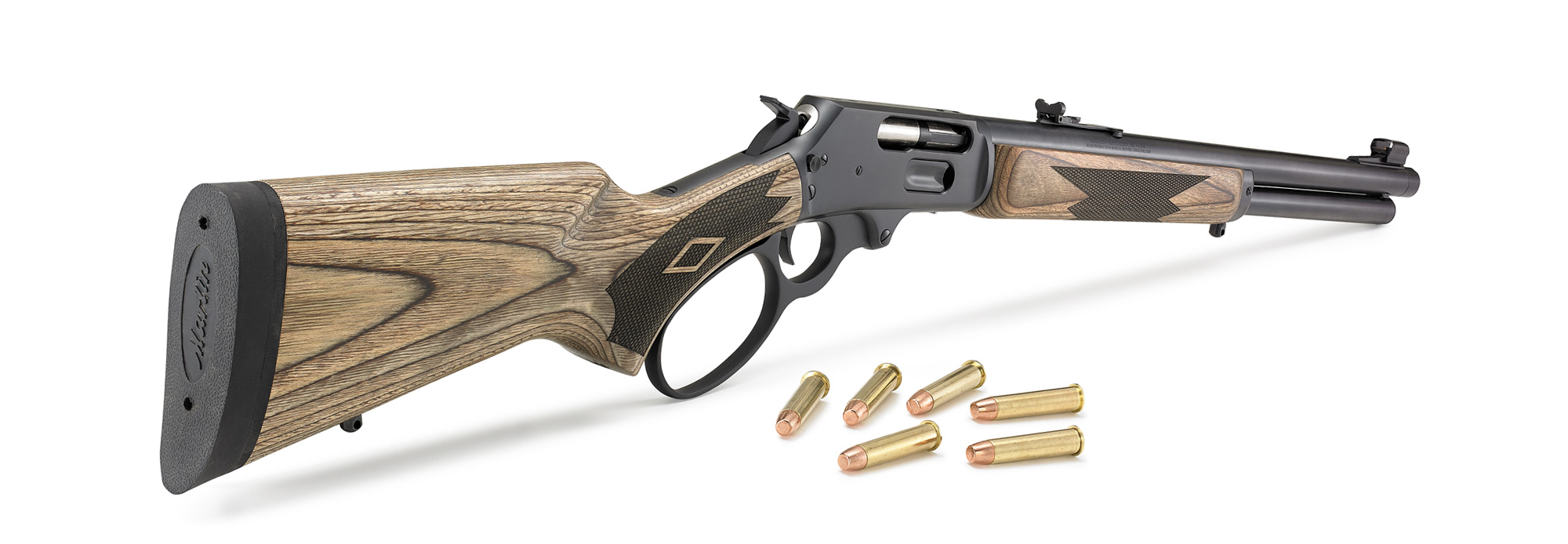
The Marlin 1895 chambered in the powerful forty five seventy Government cartridge creates a loud and repetitive argument about how much power a person actually needs. Fans of this heavy caliber claim it is the ultimate brush gun for stopping any large animal in its tracks with a single shot. Opponents often argue that the intense recoil and the limited range make it an impractical choice for the average hunter in most common scenarios. This debate usually involves comparing modern high-velocity rounds with the massive and slow projectiles that have defined the American hunting experience for many long generations.
The Browning BAR
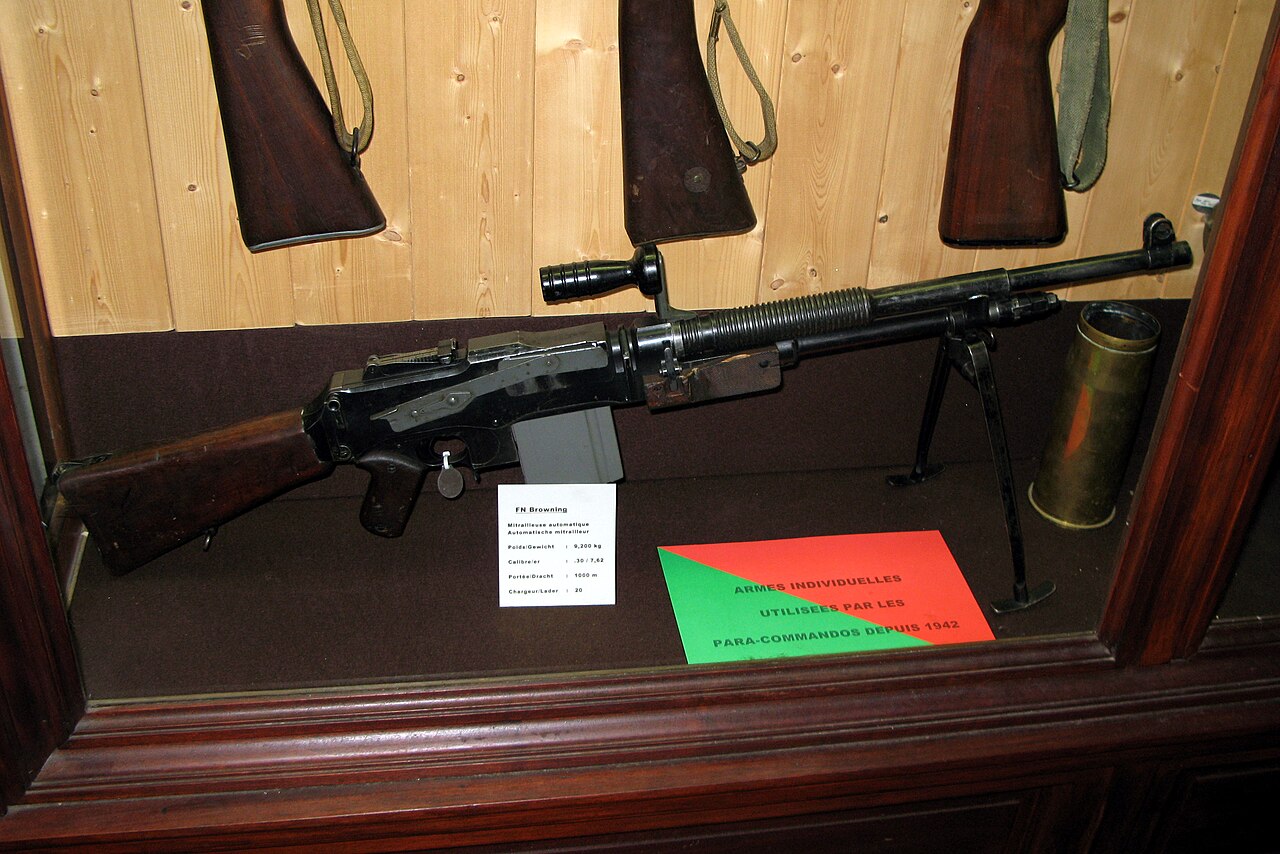
The Browning BAR semi-automatic rifle is a beautiful piece of engineering that some hunters view as being far too heavy and complex for the field. Critics often point to the difficult takedown procedure and the weight of the steel receiver as significant drawbacks for those who spend their days walking through deep snow. Supporters of the design praise the mild recoil and the legendary reliability that allows for very fast and accurate follow-up shots during a hunt. This disagreement highlights the constant struggle between those who prefer simple bolt actions and those who value the modern semi-automatic.
The Glock 20
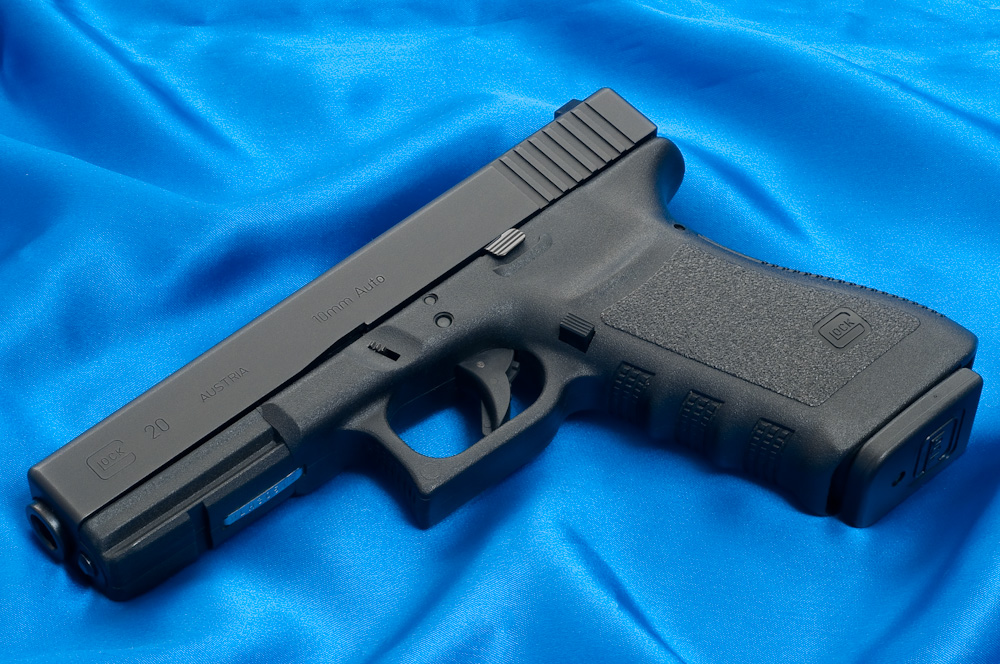
The Glock 20 in ten millimeter is a popular choice for backup protection against bears, but it often starts a debate about the effectiveness of handguns versus rifles. Many outdoor enthusiasts believe that a high-capacity semi-automatic provides the best defense during a surprise encounter with a large and aggressive predator. Skeptics argue that a handgun lacks the raw stopping power of a heavy rifle or a large gauge shotgun in a crisis. This topic usually leads to a wider discussion about magazine capacity and personal shooting skill versus the pure ballistics of a heavy and powerful cartridge today.
The Savage Model 99
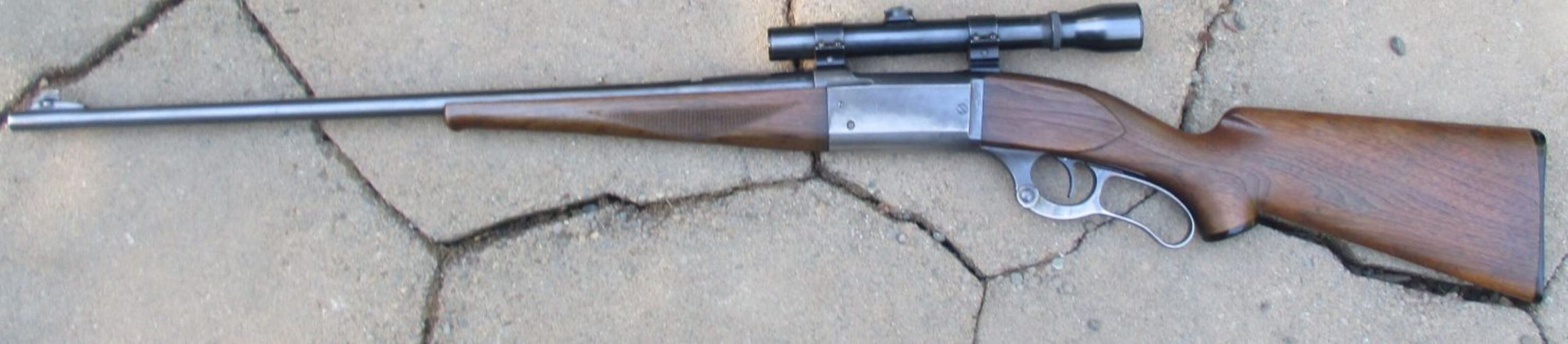
The Savage Model 99 is a unique and historic lever-action rifle that features a distinctive rotary magazine and a streamlined and very modern appearance. Many collectors admire the smooth action and the ability to use aerodynamic pointed bullets that are typically reserved for modern bolt-action rifles. However, some traditionalists feel the design is too unconventional and lacks the classic charm of the more common tubular magazine systems found on other guns. This debate often centers on whether innovation from a hundred years ago still holds up against the traditional aesthetics that many people expect to see in camp.
The Mosin Nagant
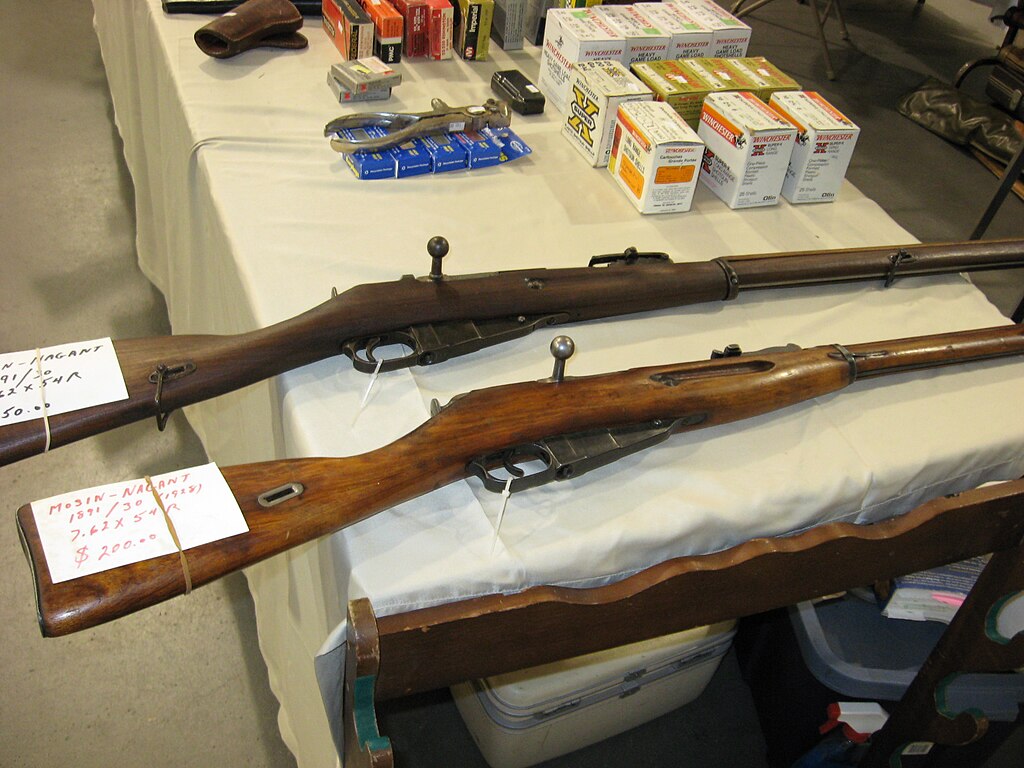
The Mosin Nagant is a rugged and inexpensive military surplus rifle that has found its way into many American hunting camps over the last few decades. Its appearance often triggers an argument about the suitability of military hardware for the sporting pursuit of deer and other large game animals today. Some hunters appreciate the affordability and the sheer durability of the bolt action, while others find the safety and the trigger to be crude and difficult. This discussion frequently involves comparing the precision of modern commercial rifles with the battle-proven reliability of a historic and very simple firearm.
The Remington 700
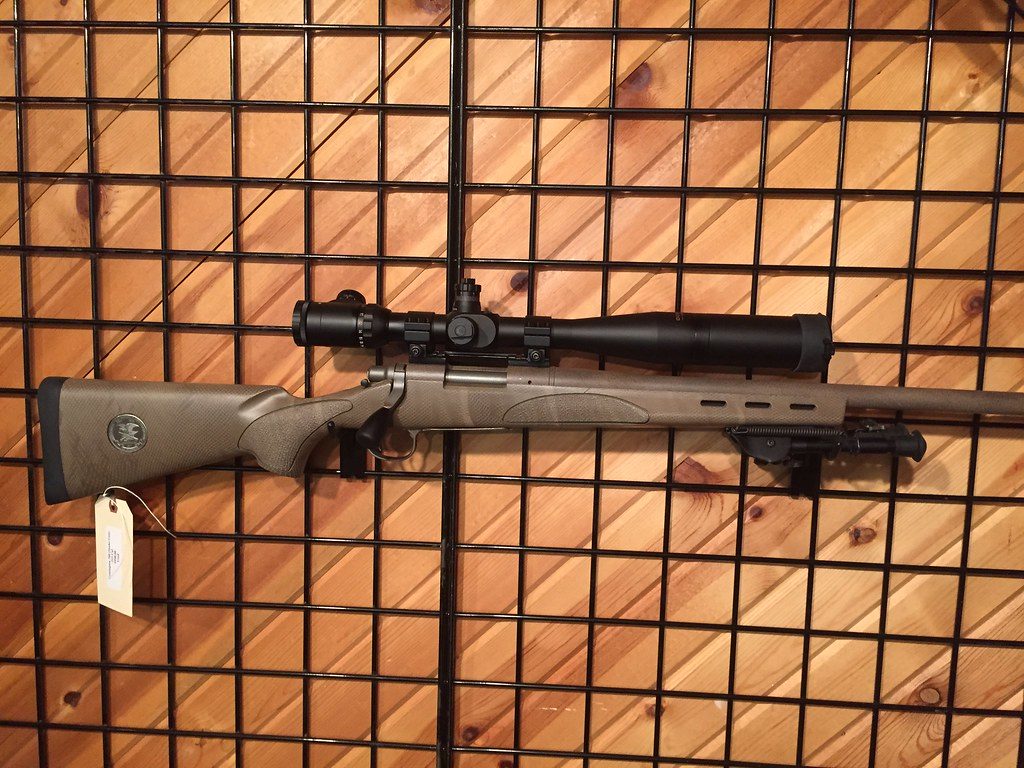
The Remington 700 is one of the most popular bolt-action rifles in history, but it also carries a controversial reputation regarding its trigger safety mechanism. Many hunters grew up with this rifle and swear by its accuracy and the massive aftermarket support that allows for endless and unique customization. Others are quick to bring up past safety recalls and legal issues that have surrounded the company over the last few years during camp talks. This disagreement often turns into a wider conversation about corporate responsibility and the long term reliability of various mass-produced and very popular American firearms.
The Ruger No 1
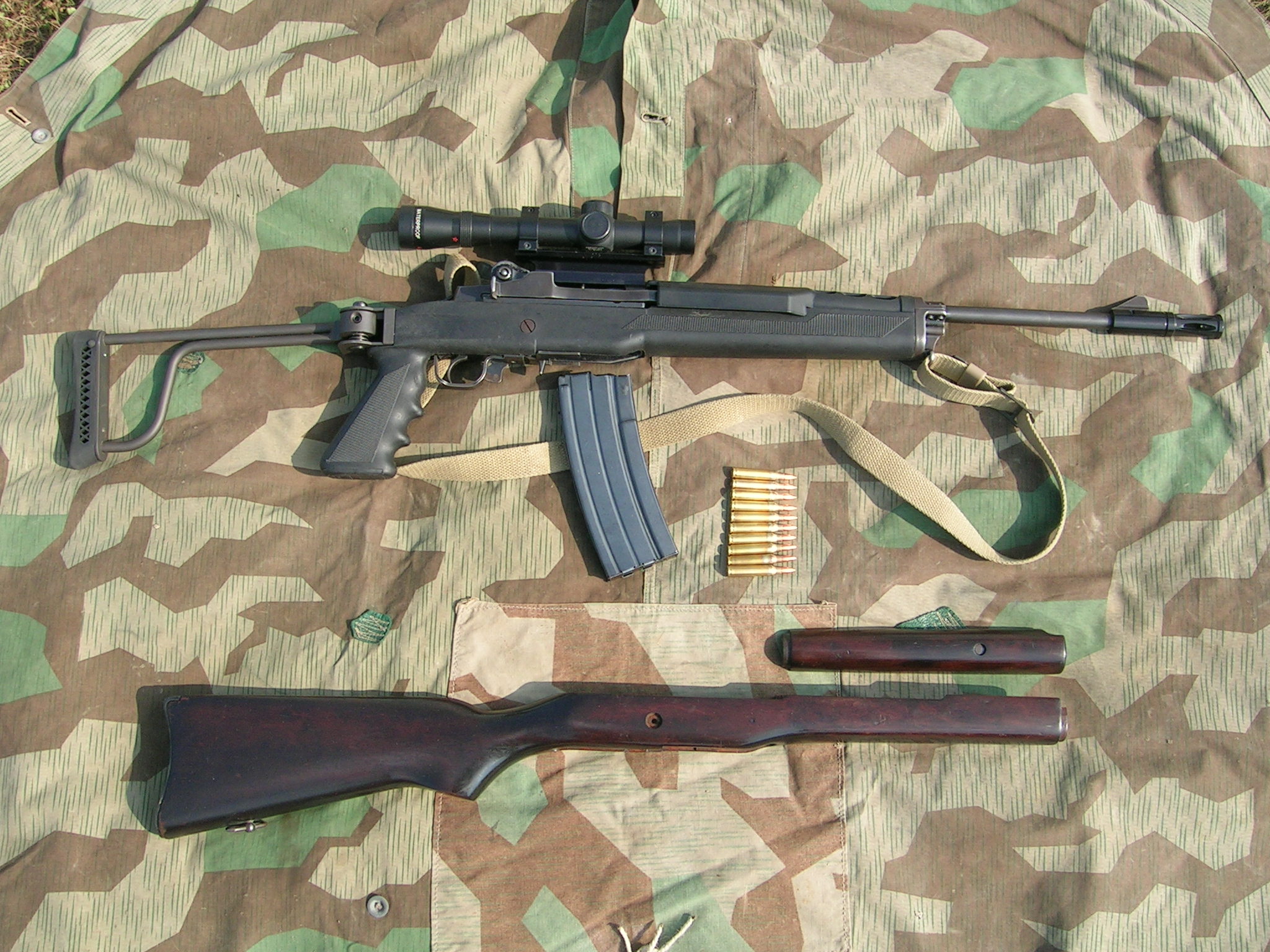
The Ruger No 1 is a single-shot falling block rifle that represents the ultimate challenge for some hunters, while others see it as a handicap. Fans of this elegant firearm believe that the limitation of a single shot encourages better marksmanship and a more ethical approach to hunting animals. Critics argue that the lack of a fast follow-up shot is a dangerous and unnecessary risk that could lead to wounded game. This debate explores the philosophy of the hunt and whether a person should prioritize the tradition over the modern convenience of multiple rounds during the long season.