SHOT Show 2026 delivered its usual spectacle of polished booths, confident marketing language, and enough new product announcements to keep firearms publications busy for months. But experienced buyers have learned to separate genuine innovation from carefully staged excitement, and this year’s show had plenty of both. The global firearms market exceeded $28 billion in 2025, which means manufacturers have enormous financial incentives to generate buzz regardless of whether their products are actually ready for real-world use. Some of the loudest announcements at SHOT Show 2026 raised immediate questions among seasoned industry observers, from overcomplicated operating systems to solutions targeting problems the market never actually identified. This list examines ten guns from SHOT Show 2026 that generated significant floor traffic and headline coverage but carry enough red flags to suggest the hype outpaced the hardware considerably.
1. Glock 47 MOS Long Slide
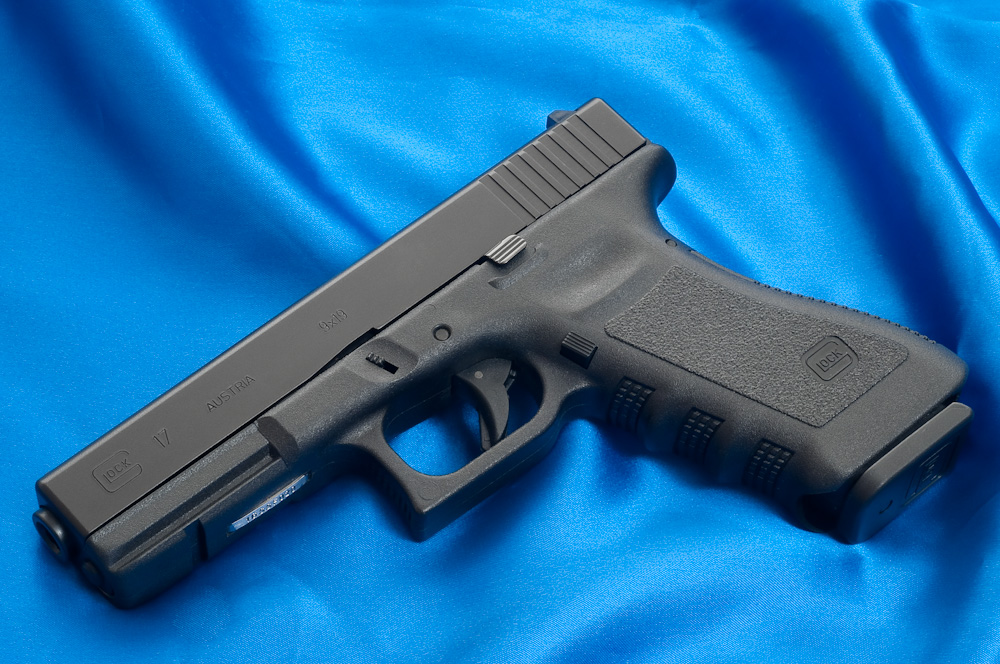
Glock announced the 47 MOS Long Slide variant at SHOT Show 202,6 targeting competitive shooters who want a factory-supported extended sight radius without aftermarket modification. The concept sounds reasonable until the specifications reveal a platform adding 0.8 inches of slide length and 2.1 ounces of weight over the standard G47 without meaningful mechanical changes to justify the premium pricing positioned approximately $80 above the base model. Glock’s marketing emphasized the factory optics cut and extended dustcover rail, features already present on existing MOS variants in the lineup. Independent pre-release handling sessions noted that the longer slide created holster compatibility issues with the majority of existing G47 holster inventory. At a projected retail price of around $680, it asks buyers to solve a problem that aftermarket slide options already address at comparable or lower cost, with significantly more configuration flexibility available immediately.
2. Sig Sauer P365 Titan
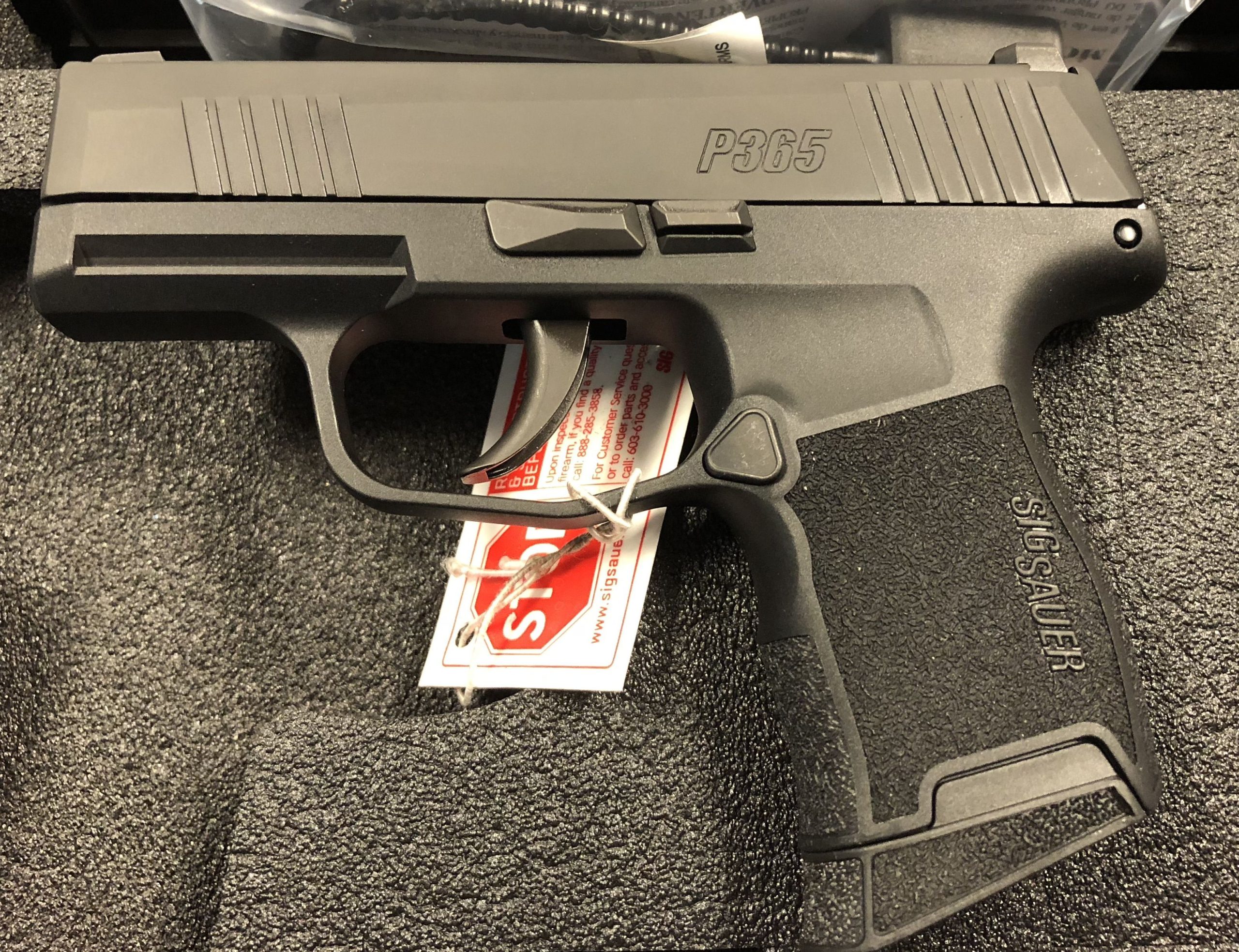
Sig Sauer’s P365 Titan debuted at SHOT Show 2026 as a premium-tier version of the already successful P365 platform, featuring a titanium slide that Sig claims reduces reciprocating mass by 18% compared to the standard steel slide for faster return to battery and reduced felt recoil impulse. Those are measurable claims, but the $400 premium over a standard P365 retailing around $530 positions the Titan at $930 for improvements that competitive shooters at that price point could achieve through established aftermarket options. Pre-production samples shown on the floor weighed 15.9 ounces, a 1.9-ounce reduction over the standard that experienced shooters acknowledge is perceptible but not transformative during defensive use. Titanium’s susceptibility to galling under sustained friction without proper surface treatment raised durability questions from metallurgists present at industry briefings that Sig’s representatives did not address with specific technical detail during the show.
3. Smith and Wesson M&P15 Carbon Series
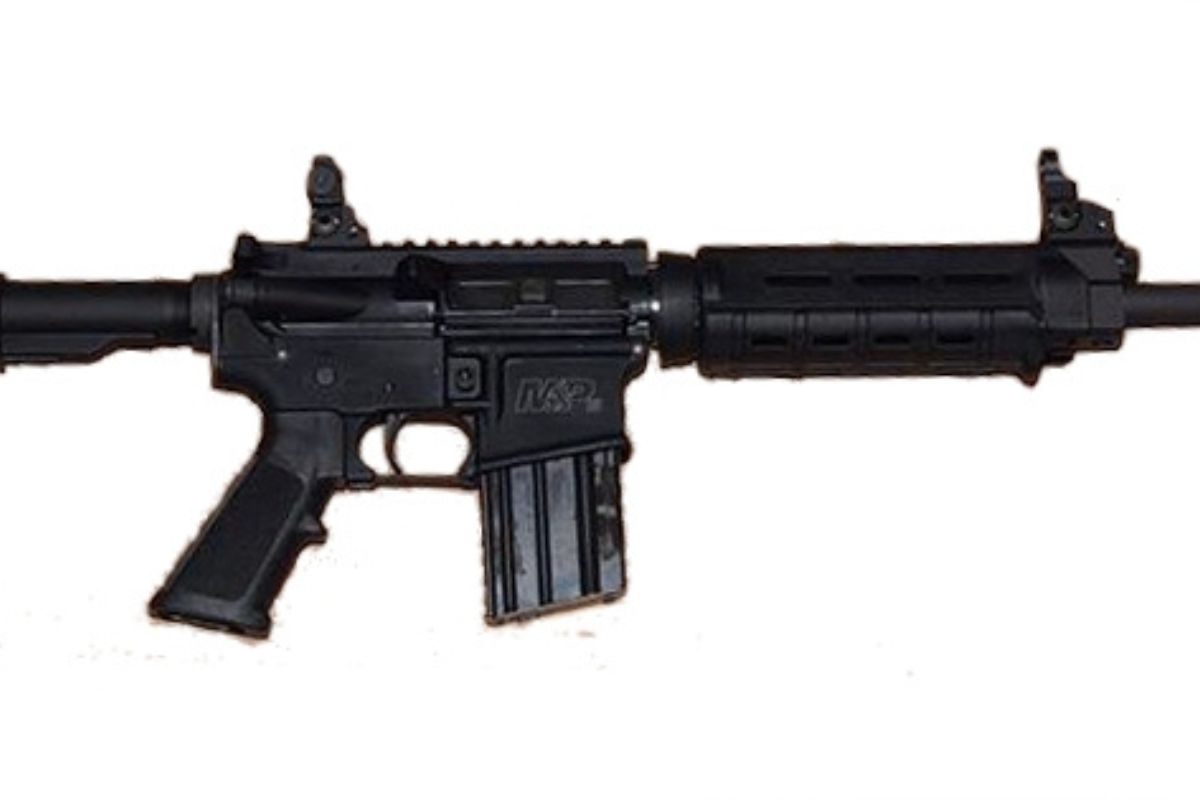
Smith and Wesson presented the M&P15 Carbon Series at SHOT Show 2026 as a weight-optimised AR-15 variant using carbon fibre handguard panels and a skeletonised lower receiver, claimed to reduce overall weight to 5.4 pounds, positioning it against established ultralight AR builders who have delivered similar specifications for years. The $1,450 retail projection places it directly against competitors with longer track records in lightweight AR construction and more developed quality control processes for carbon fibre component integration. Floor samples displayed visible inconsistencies in carbon fibre layering at handguard junction points that drew attention from several industry observers. Smith and Wesson’s AR platform has a competent but unremarkable reputation in the performance rifle category, and entering the premium lightweight segment requires manufacturing precision that the Carbon Series prototype did not visibly demonstrate, with the confidence the price point demands from buyers with established alternatives readily available.
4. Taurus TX22 Competition Pro
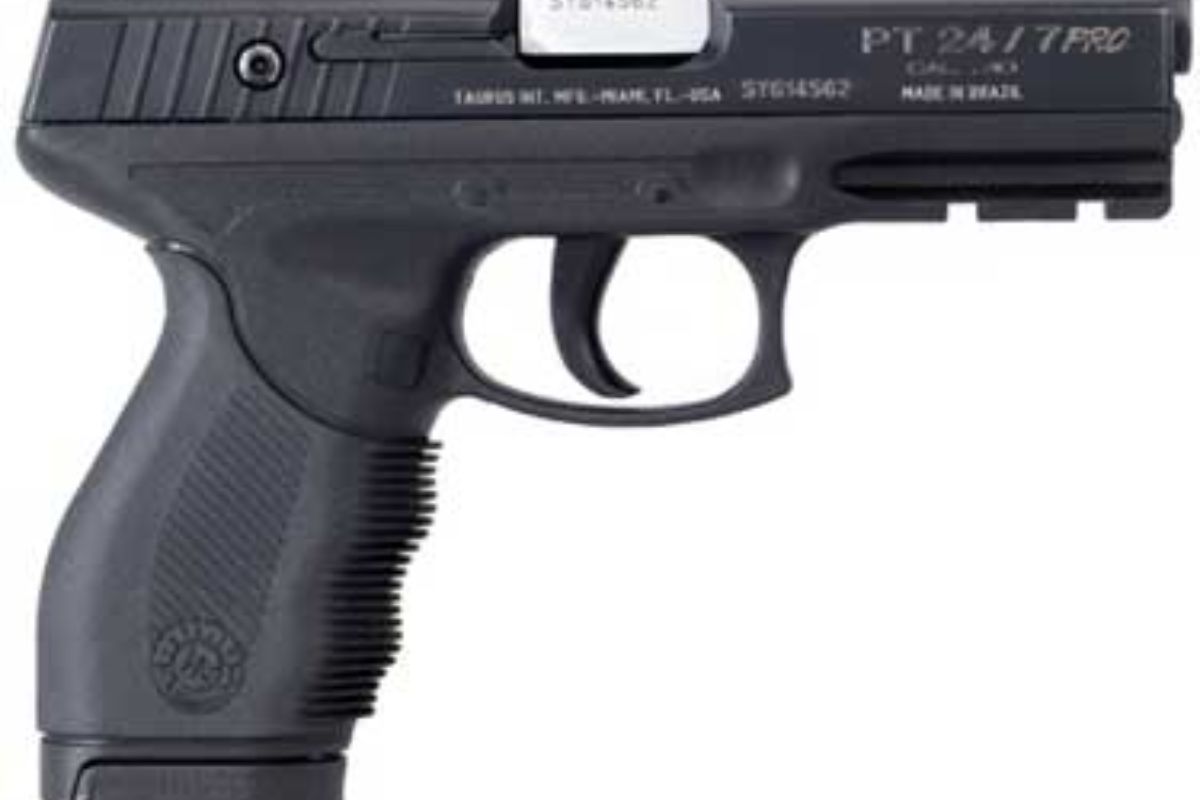
Taurus positioned the TX22 Competition Pro at SHOT Show 2026 as a factory-ready rimfire competition pistol targeting the rapidly growing rimfire challenge shooting market with a threaded barrel, adjustable trigger, and extended magazine capacity reaching 25 rounds in a flush-fitting double-stack configuration. The trigger pull advertised at 3.8 pounds sounds impressive until pre-release testers reported inconsistent reset distances across multiple production samples ranging from 2.1mm to 4.7mm, a variation range that competition shooters who depend on consistent reset timing for accurate rapid fire would find immediately problematic. Rimfire reliability with budget ammunition remained unconfirmed at show time, a significant gap given that competition shooters cycle thousands of rounds monthly through training. At a projected retail price of around $475, it enters a category where the Ruger Mark IV and SW Victory platforms have established reliability baselines that new entrants must demonstrably exceed rather than merely approach.
5. Kahr CT9 Tactical
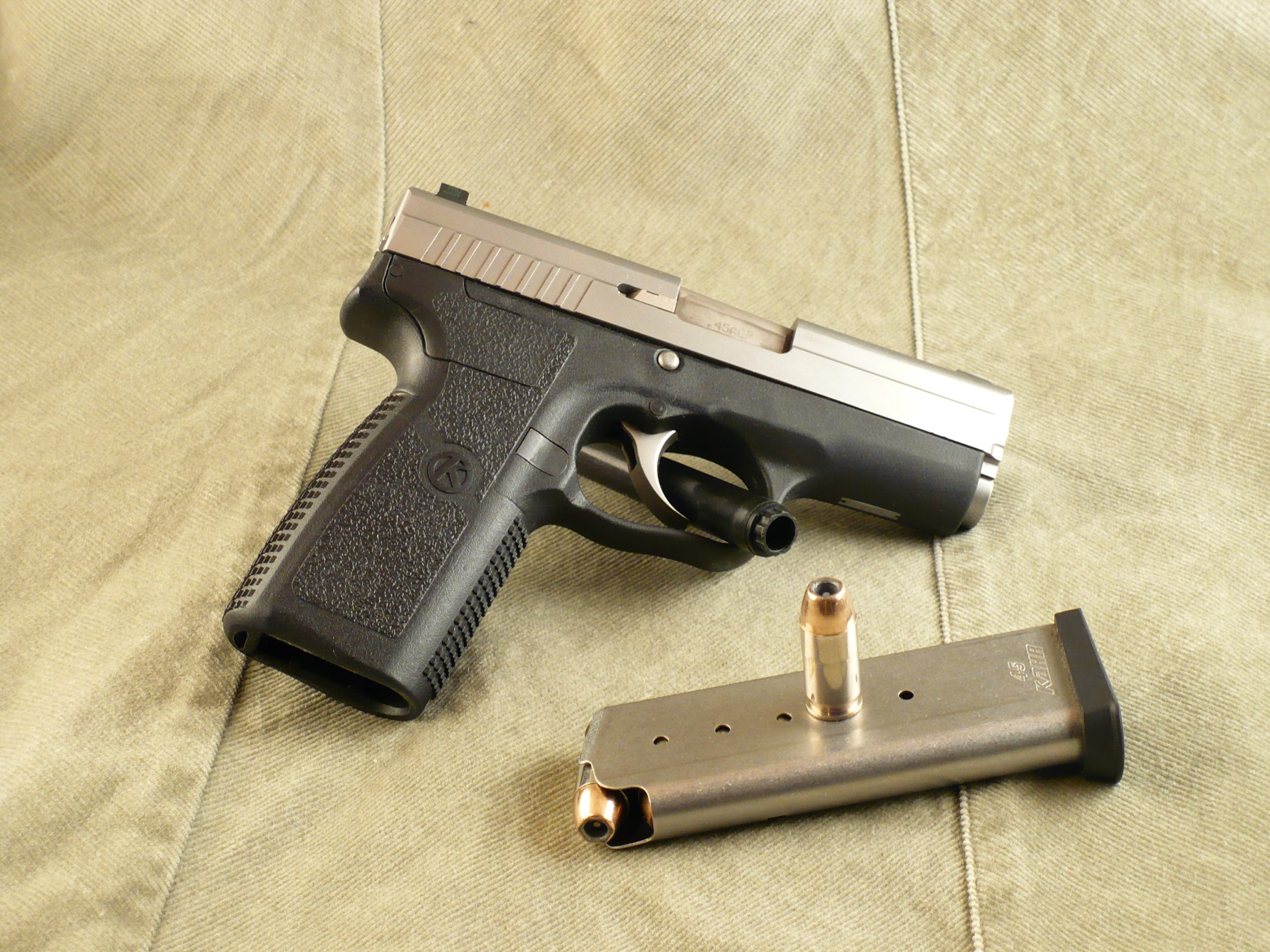
Kahr Arms debuted the CT9 Tactical at SHOT Show 2026 as an updated version of their budget-oriented CT9 platform featuring a factory threaded barrel, an optic-ready slide milled for the Shield RMSc footprint, and an extended 15-round magazine that replaces the standard 7-round flush configuration. The additions sound meaningful until the projected retail price of around $579 positions the CT9 Tactical directly against the Glock 48 MOS and Smith and Wesson M&P9 Shield Plus Optic Ready platforms, delivering superior trigger quality, broader holster availability, and extensively documented reliability at comparable or lower pricing. Kahr’s DAO trigger system, measuring approximately 6.5 to 7 pounds with its characteristic long smooth pull, suits certain carry philosophies but creates an immediate competitive disadvantage in an optic-ready market where buyers expect striker-fired trigger performance closer to 5 pounds. The CT9 Tactical’s extended magazine also increases grip length enough to compromise the concealability that the CT9 platform originally prioritised, removing the primary advantage Kahr’s compact engineering traditionally offered without delivering the performance metrics that justify the resulting price increase over the established base model buyers already recognise.
6. Ruger LC Carbine 10mm
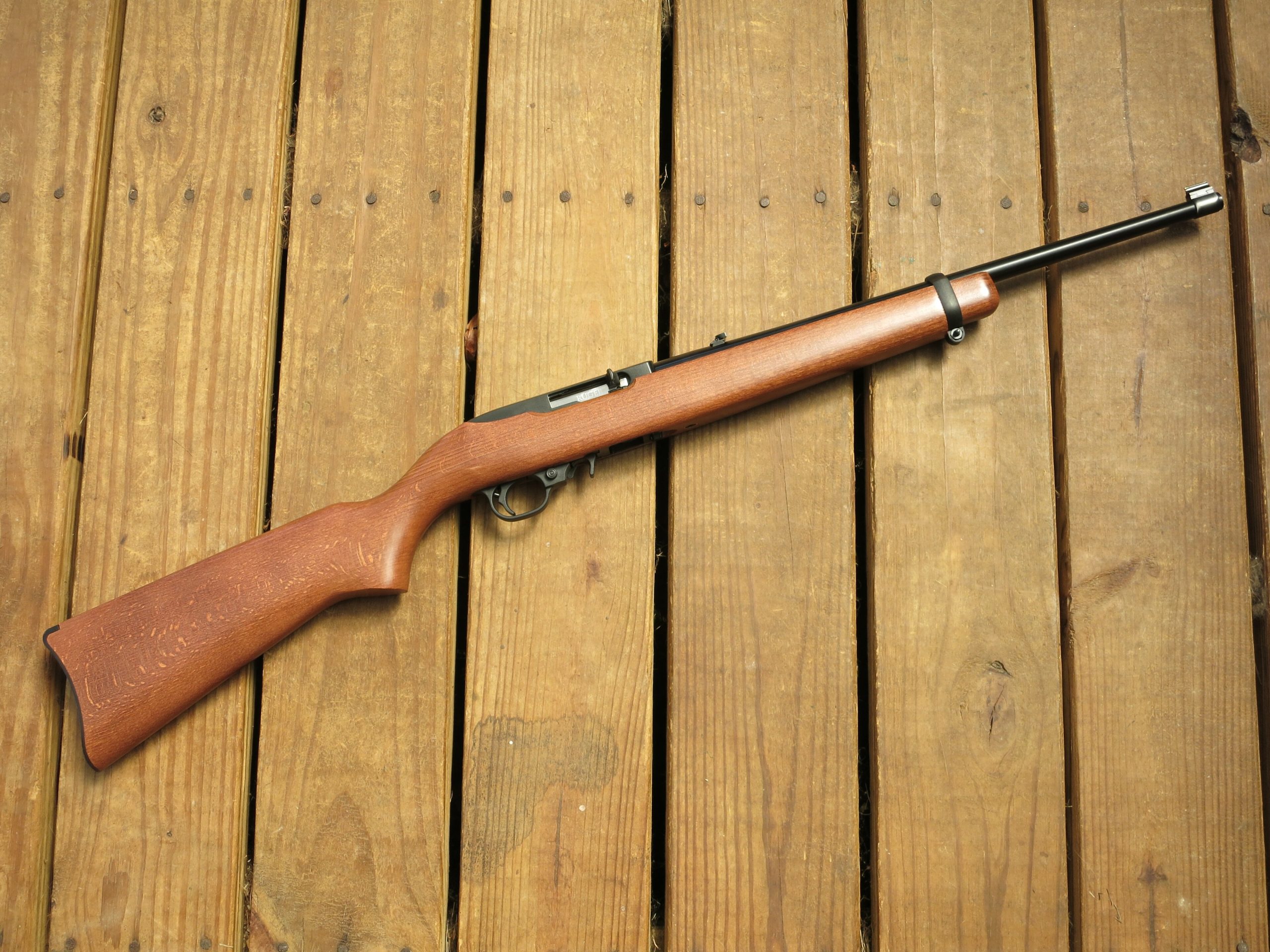
Ruger extended the LC Carbine platform to 10mm Auto at SHOT Show 2026, chambering a cartridge that generates substantially higher chamber pressure than the 9mm the platform was originally engineered around. The 10mm Auto operates at a maximum average pressure of 37,500 PSI compared to the 9mm’s 35,000 PSI, a difference that requires careful attention to bolt and barrel engineering in a blowback-operated carbine where pressure management directly affects reliability and longevity. Ruger’s presentation confirmed the LC Carbine 10mm uses a heavier recoil spring rated for the increased pressure cycle, but did not provide independent pressure testing data or documented round count endurance figures that would confirm long-term durability with full-power 10mm loads. At a projected retail price of around $699 and with Glock 10mm magazine compatibility as the primary marketing hook, it targets a niche that deserves more transparent engineering validation than show-floor confidence alone provides buyers willing to trust a higher-pressure cartridge in a platform designed around a different operating envelope.
7. Mossberg MC3 Optic Ready
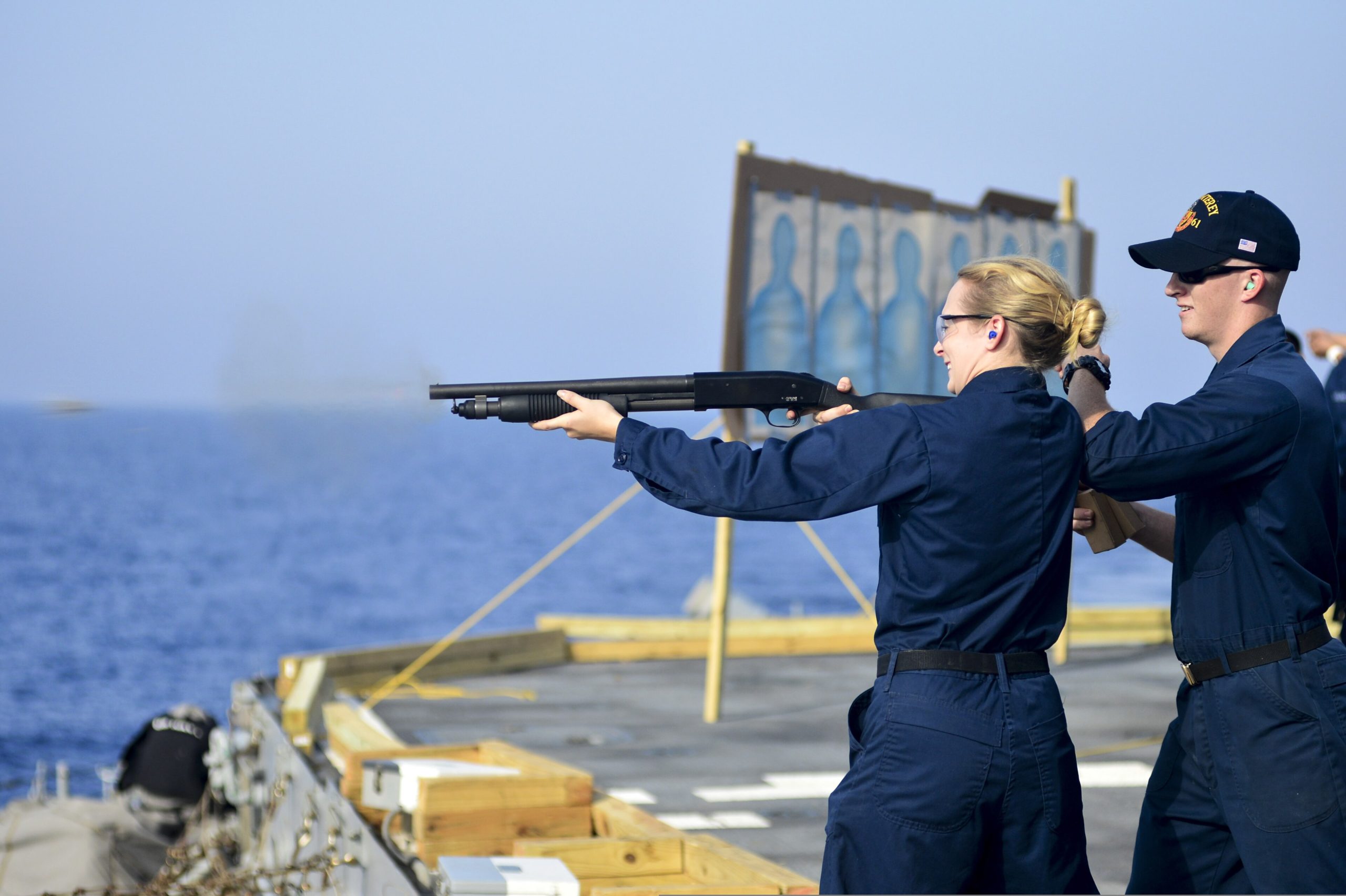
Mossberg debuted the MC3 at SHOT Show 2026 as a full-size 9mm striker-fired pistol with a factory-milled optic cut, 17-round capacity, and a flat-faced trigger Mossberg claims breaks consistently at 5.2 pounds across production samples. The MC3 enters a full-size optic-ready market already occupied by the Glock 17 MOS, Sig P320 XFull, and Walther PDP platforms, with established reliability documentation numbering in the hundreds of thousands of rounds across independent testing. Mossberg’s MC2c built a reasonable reputation in the compact category, but scaling to a full-size duty-oriented platform introduces manufacturing tolerance demands that the company has not yet demonstrated at the volume and consistency the duty pistol market requires. At a projected retail price of around $549, the MC3 needs to demonstrate documented reliability that earns placement alongside established competitors rather than relying on specification parity alone to justify purchase decisions from buyers who have proven alternatives immediately available.
8. Savage Arms Impulse Elite Precision
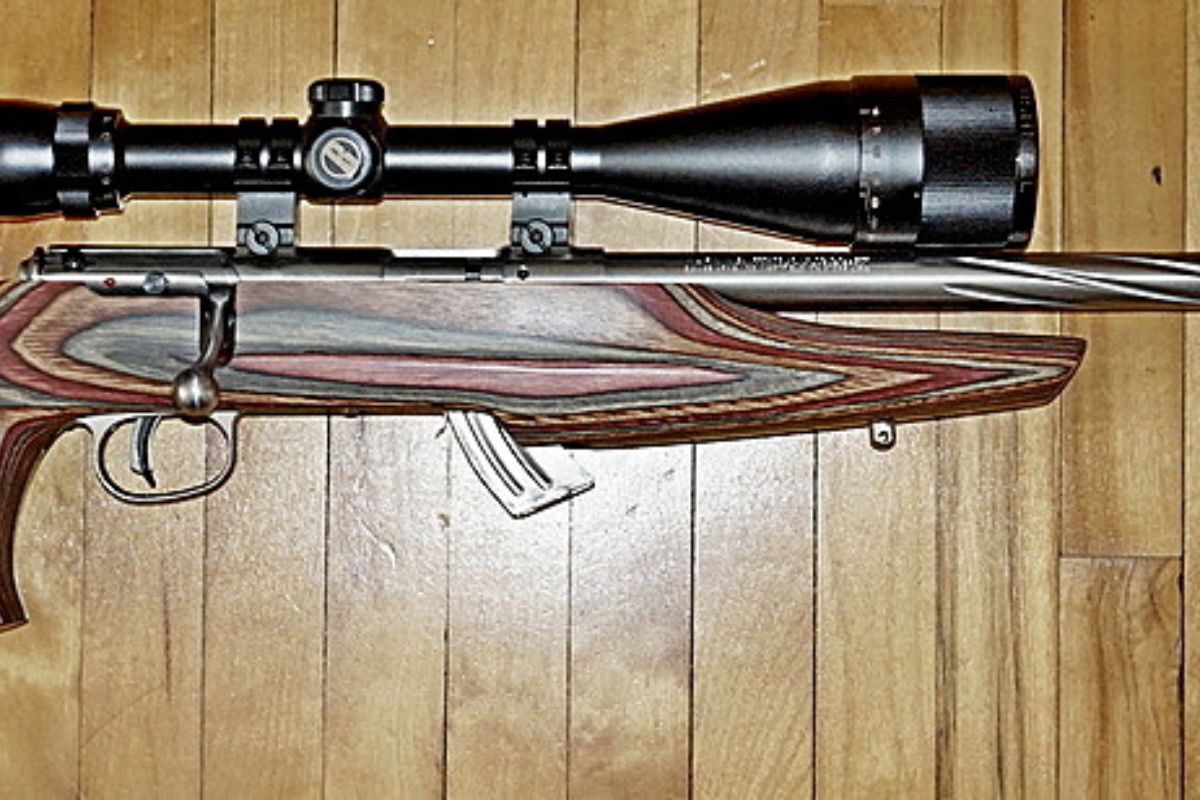
Savage presented the Impulse Elite Precision at SHOT Show 2026 as a straight-pull bolt-action rifle in 6.5 Creedmoor and 308 Winchester, targeting the precision rifle segment with a claimed sub-half-MOA accuracy guarantee from a 24-inch carbon-wrapped barrel and an AICS-pattern magazine system holding 10 rounds. Straight-pull bolt actions occupy a niche that European hunting tradition supports more strongly than American precision rifle competition, where the operational speed advantage over conventional bolt cycling matters less than the mechanical simplicity and parts availability that rotating bolt designs provide. At a projected retail price of around $2,100, the Impulse Elite Precision competes against Tikka T3x Tac A1 and Bergara BMP platforms with longer documented accuracy records in competition environments. Savage’s straight-pull mechanism adds complexity without delivering advantages that the target buyer genuinely prioritises, suggesting the platform serves Savage’s product line diversification more than it addresses a real gap in what precision rifle buyers actually need.
9. CMMG Dissent MK4 PDW 300 Blackout
CMMG expanded the Dissent PDW platform to 300 Blackout at SHOT Show 2026, combining the company’s Radial Delayed Blowback operating system with a 6.5-inch barrel and folding brace in a package weighing 5.8 pounds that targets the personal defence weapon market seeking supersonic and subsonic ammunition flexibility. The 300 Blackout cartridge genuinely suits short-barrel applications, but the Dissent’s radial delayed blowback system introduces timing sensitivity with subsonic loads that CMMG’s own documentation acknowledges requires careful ammunition selection. Subsonic 300 Blackout generates insufficient gas pressure to reliably cycle radial delayed systems without specific tuning, a limitation that undermines the primary appeal of the cartridge in a suppressed PDW role. At a projected retail price of around $1,499, competing against direct impingement 300 Blackout pistols from established builders delivering proven subsonic reliability at $800 to $1,000, the mechanical complication the Dissent introduces demands justification that show-floor demonstrations with pre-selected ammunition cannot honestly provide.
10. Beretta APX A2 Carry Compact
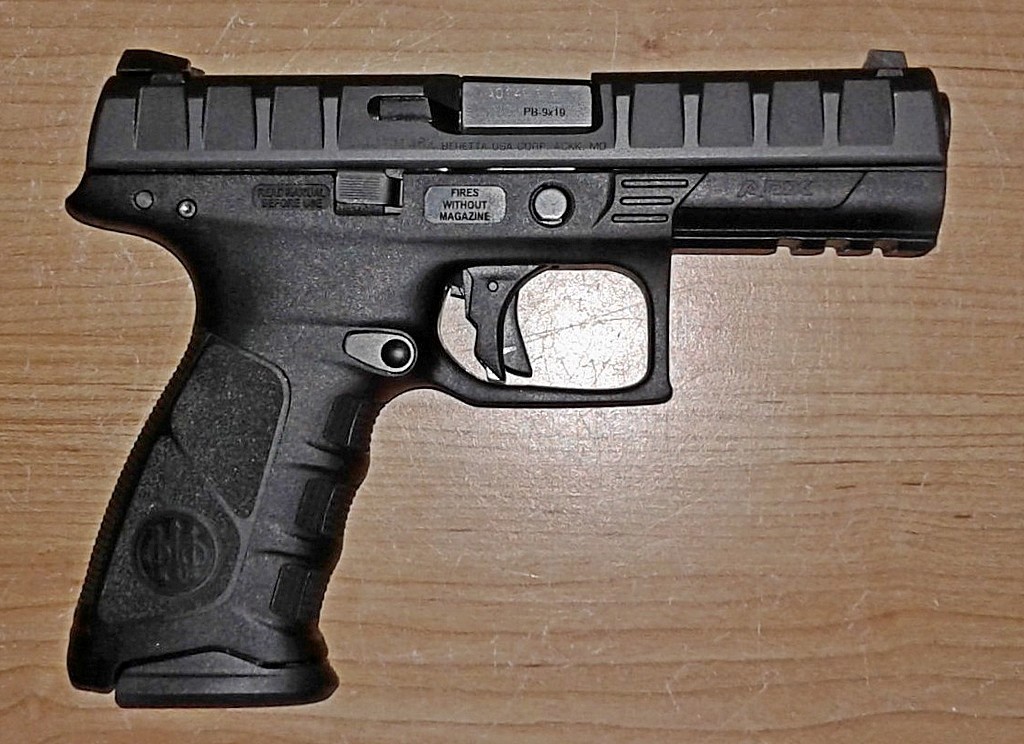
Beretta debuted the APX A2 Carry Compact at SHOT Show 2026 as an evolution of the APX A1 platform with a slightly extended grip accommodating 13 rounds flush, a factory optic cut accepting the Shield RMSc footprint, and a revised trigger Beretta claims reduces pull weight to 5.8 pounds from the A1’s 6.1-pound average. The incremental improvements are real but modest, raising an immediate question about whether owners of the APX A1 Carry have any meaningful reason to upgrade and whether new buyers gain sufficient advantage over the A1 to justify the projected $50 price premium, landing around $449. Beretta’s APX platform has never achieved the market traction its specifications suggest it deserves, and an incremental revision without addressing the grip texture criticism and trigger reset distance complaints that A1 owners consistently document across ownership forums suggests Beretta is refining at the margins rather than solving the adoption barriers that have limited the platform’s competitive positioning since its original introduction several years prior.