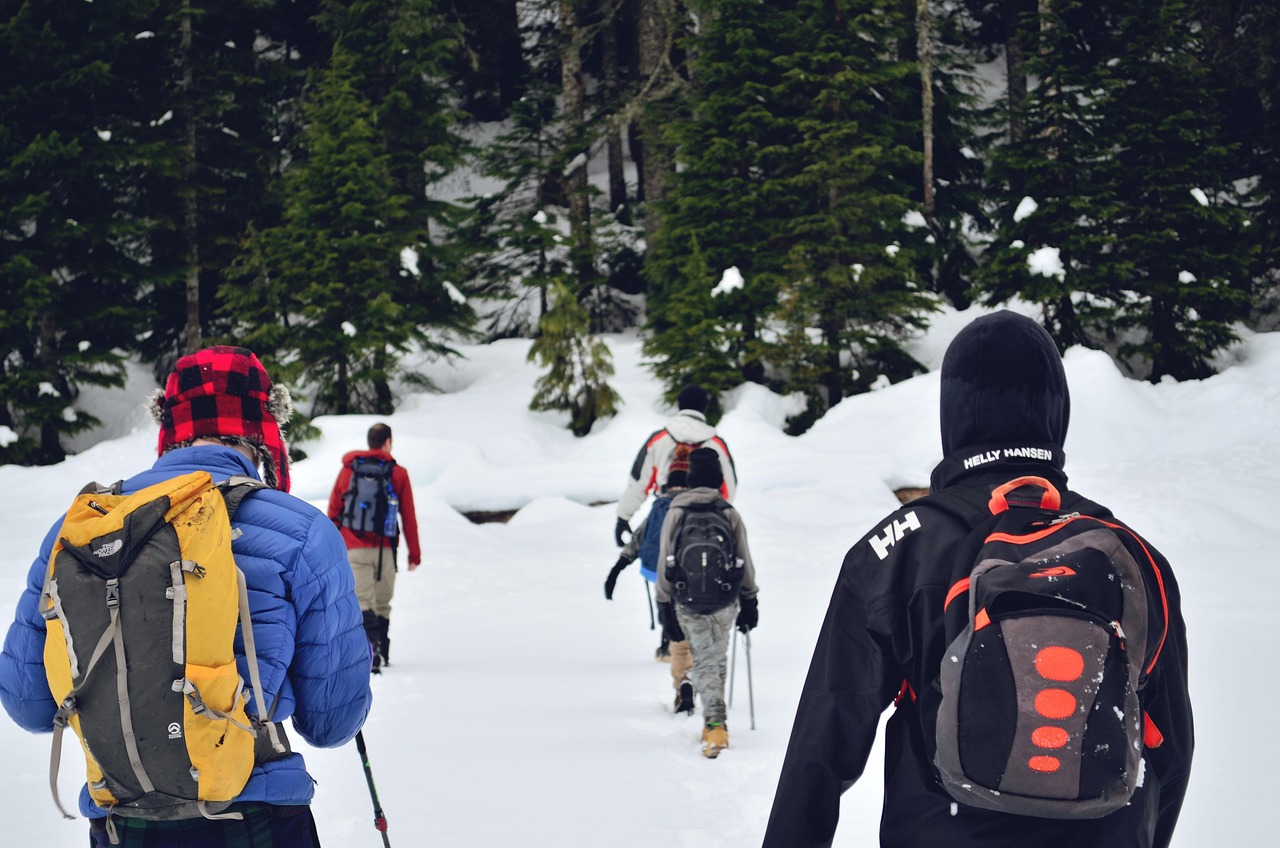
Outdoor gear preferences often vary across generations as each group adapts to different technologies, materials, and outdoor traditions. Older adventurers tend to favor sturdy equipment designed for durability, while younger enthusiasts often choose lightweight gear optimized for convenience and efficiency. These preferences reflect how outdoor culture evolves as new innovations replace long-standing methods. Examining these differences reveals how each generation approaches comfort, reliability, and preparedness in changing wilderness environments.
Backpack Styles
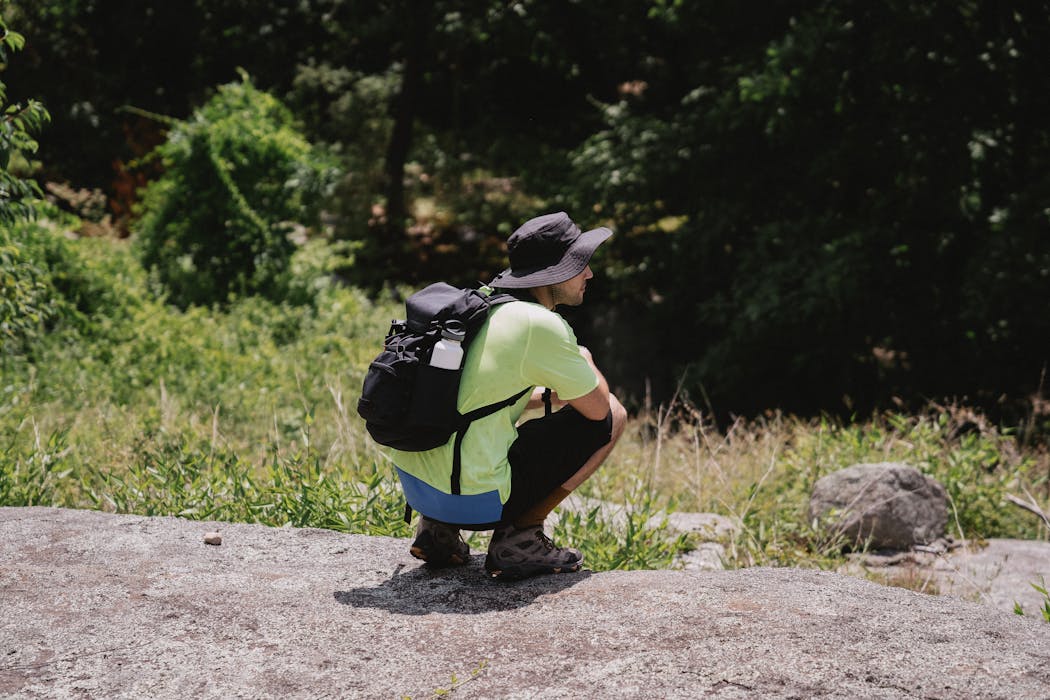
Older hikers often rely on traditional external-frame backpacks built for stability, ventilation, and heavy loads. These packs distribute weight effectively and support long trips across rugged terrain. Younger backpackers frequently prefer internal-frame or ultralight designs made with advanced fabrics that provide flexibility and compact storage. Modern packs emphasize mobility and minimalism while reducing strain during steep climbs. Generational differences illustrate how evolving priorities shape choices between durability, comfort, and streamlined travel strategies.
Footwear Choices
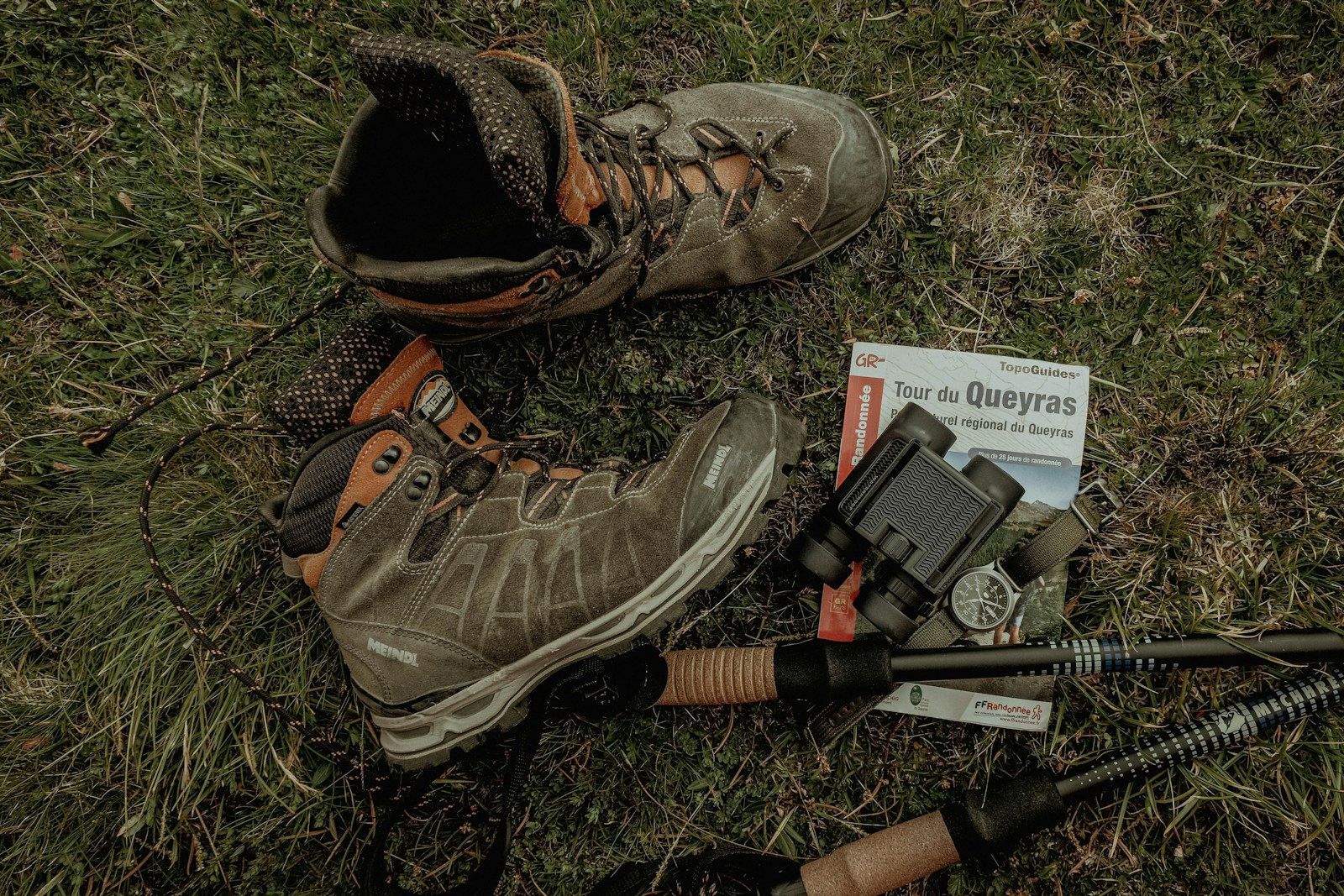
Footwear preferences reveal major shifts in material technology. Older adventurers commonly trust heavy leather boots valued for strength, protection, and long service life. These boots perform well in harsh conditions but require extended break-in periods. Younger hikers often choose trail runners or light synthetic boots that provide cushioning, breathability, and faster adaptation to varied terrain. Advances in midsoles and tread patterns contribute to improved comfort over long distances. Preferences highlight contrasting expectations surrounding durability, flexibility, and overall hiking efficiency.
Navigation Methods
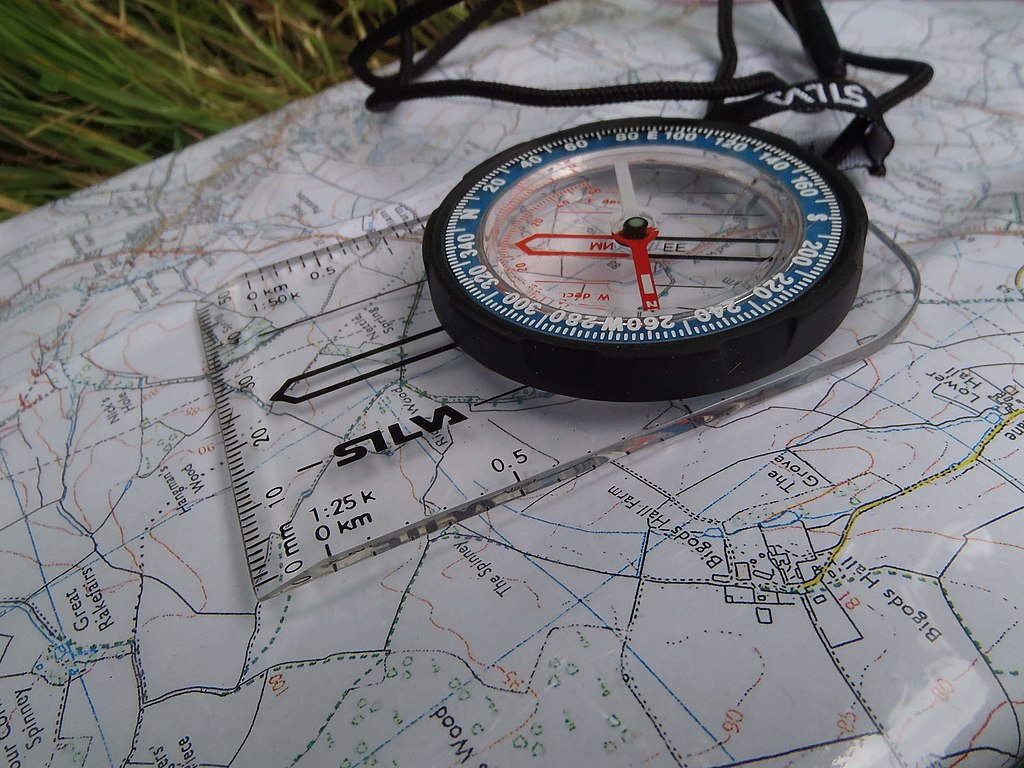
Navigation shows a clear generational contrast. Older outdoor travelers long relied on paper maps and magnetic compasses that remain dependable without batteries or signal access. These tools require practiced interpretation but offer consistent accuracy in remote settings. Younger groups often turn to smartphones and GPS devices that provide real-time tracking, route planning, and detailed satellite imagery. Digital navigation increases convenience yet depends on power and software stability. Preferences emphasize differing comfort levels related to manual skills versus modern technology.
Clothing Materials
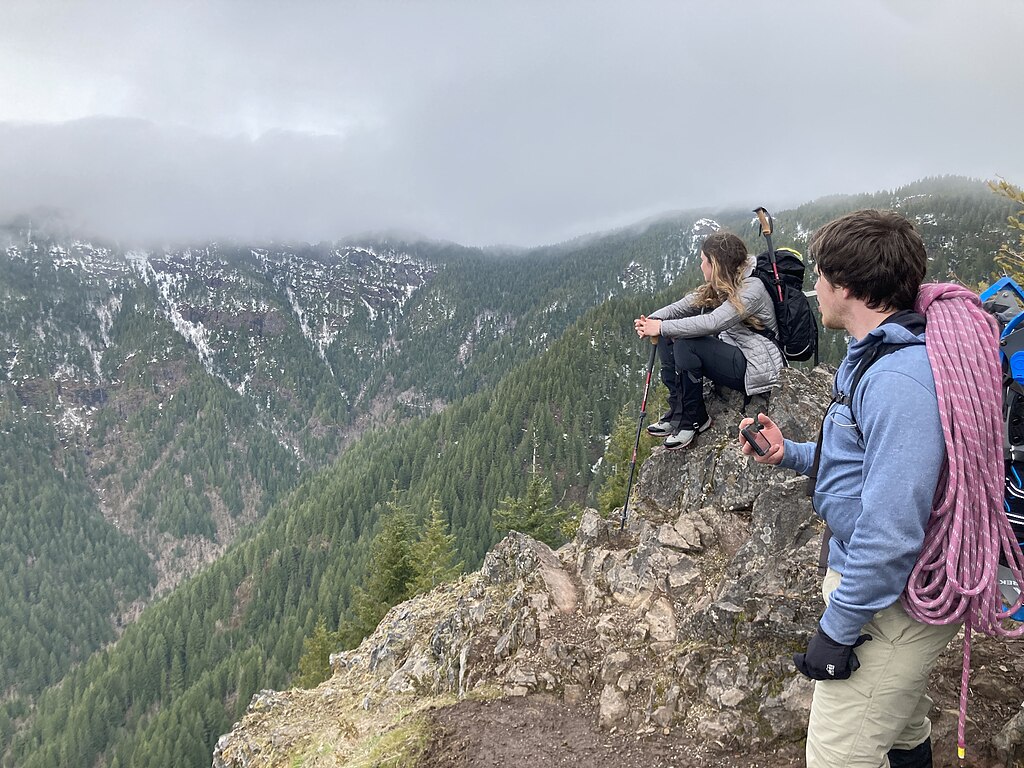
Clothing materials continue to evolve with new performance fabrics replacing older, heavier textiles. Prior generations frequently used wool, canvas, and cotton garments that delivered warmth and abrasion resistance but absorbed moisture easily. Younger adventurers often select synthetic fibers engineered for water resistance, quick drying, and temperature control. Modern fabrics reduce weight and improve mobility while offering reliable protection in shifting weather. Differences in clothing reflect broader changes in outdoor design and expectations for comfort and technical performance.
Shelter Designs
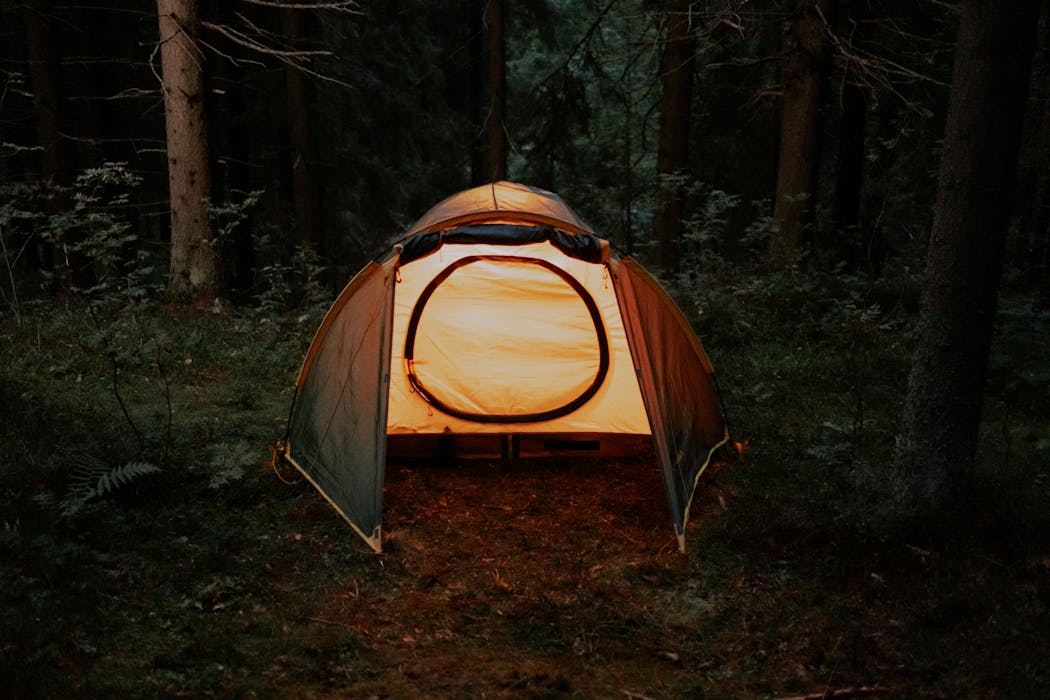
Shelter preferences highlight how camping traditions have transformed. Older campers sometimes favor canvas tents known for longevity and strong wind resistance, though they require considerable effort to transport and assemble. Modern generations typically choose lightweight nylon shelters with aluminum or composite poles designed for rapid setup and easy packing. Improved coatings and ventilation help these tents withstand diverse climates. These contrasting preferences reflect shifting priorities surrounding convenience, weight reduction, and suitability for longer or more frequent trips.
Cooking Equipment
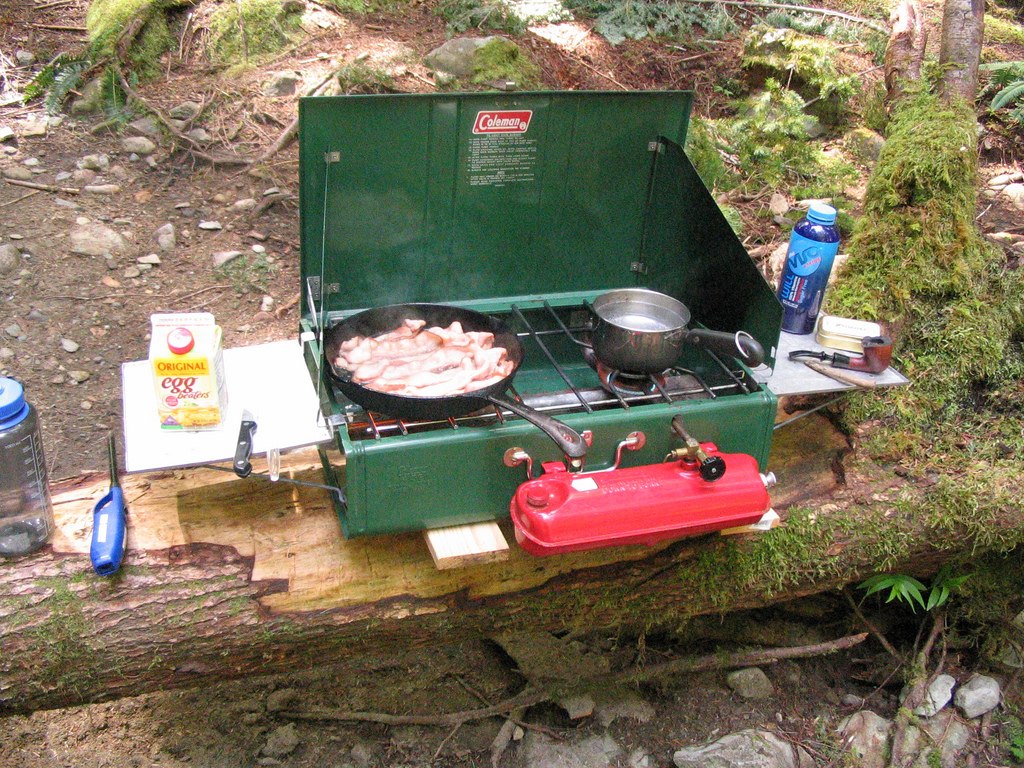
Cooking equipment reveals different attitudes toward fuel types and reliability. Older outdoor enthusiasts often rely on liquid-fuel stoves that function effectively in cold temperatures and high elevations. These stoves require maintenance but remain robust in demanding conditions. Younger campers frequently choose canister stoves prized for simplicity, compactness, and rapid boiling times. Fuel availability, performance, and climate all influence preference. The evolution of cooking gear underscores generational differences in expectations surrounding efficiency, versatility, and operational ease.
Sleeping Systems
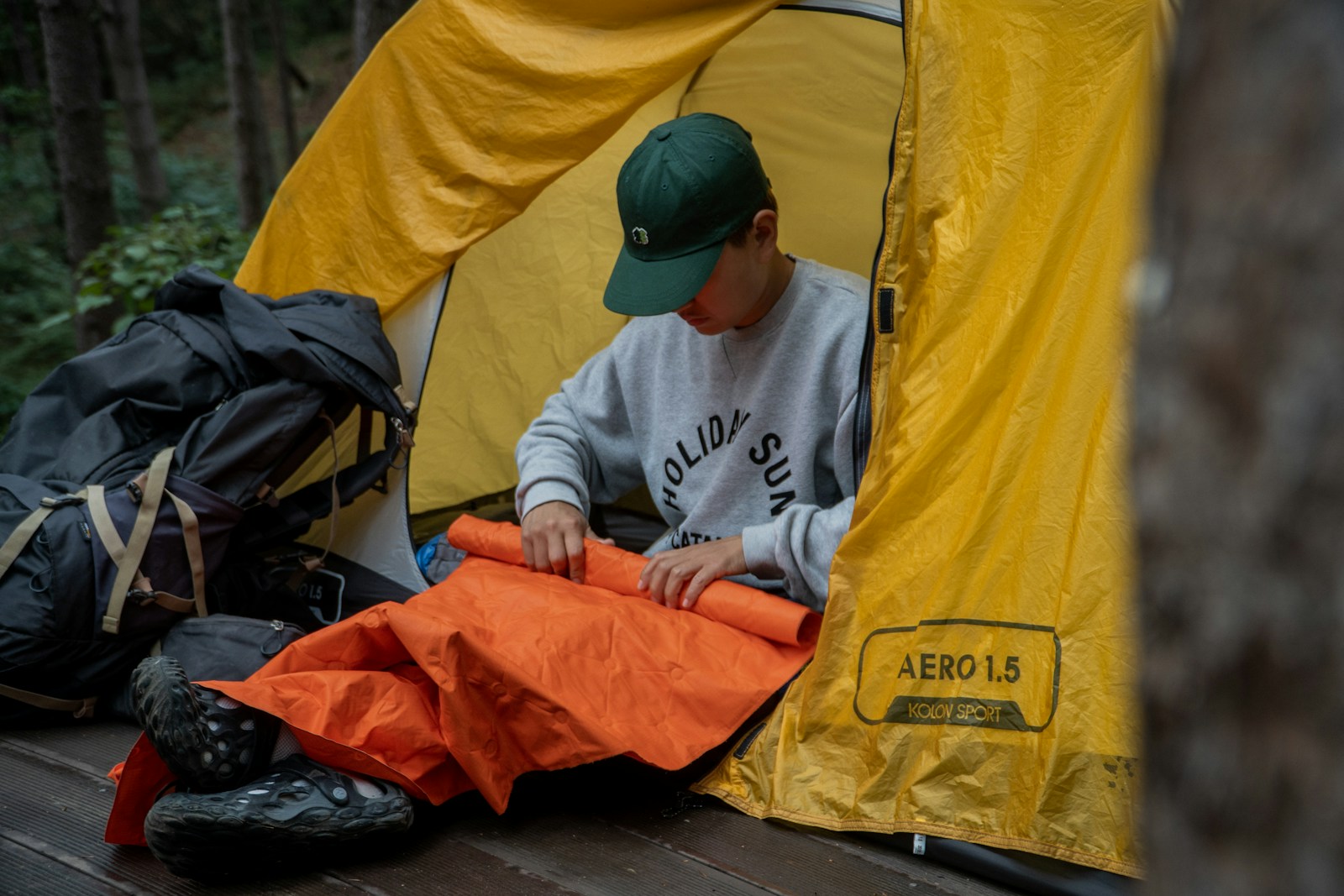
Sleeping systems show distinct generational divides. Older hikers commonly trust thick foam pads and heavy sleeping bags built for insulation and long-term durability. These systems withstand rough ground but occupy considerable pack space. Younger adventurers often opt for inflatable pads and lightweight down or synthetic bags that compress tightly while maintaining warmth ratings. Advances in shell fabrics improve moisture control and comfort. Choices reflect differing priorities concerning weight, packability, and the balance between warmth and mobility.
Fishing Gear

Fishing gear preferences demonstrate how materials and engineering have changed. Older anglers often favor fiberglass rods or early composites that provide strength and predictable flex. Younger anglers frequently select carbon-fiber rods valued for sensitivity, lightness, and modern casting performance. Reel innovations such as smoother drag systems and corrosion-resistant components appeal across age groups. Generational differences arise in maintenance habits, action preferences, and willingness to adopt new materials that enhance responsiveness and technique.
Survival Tools
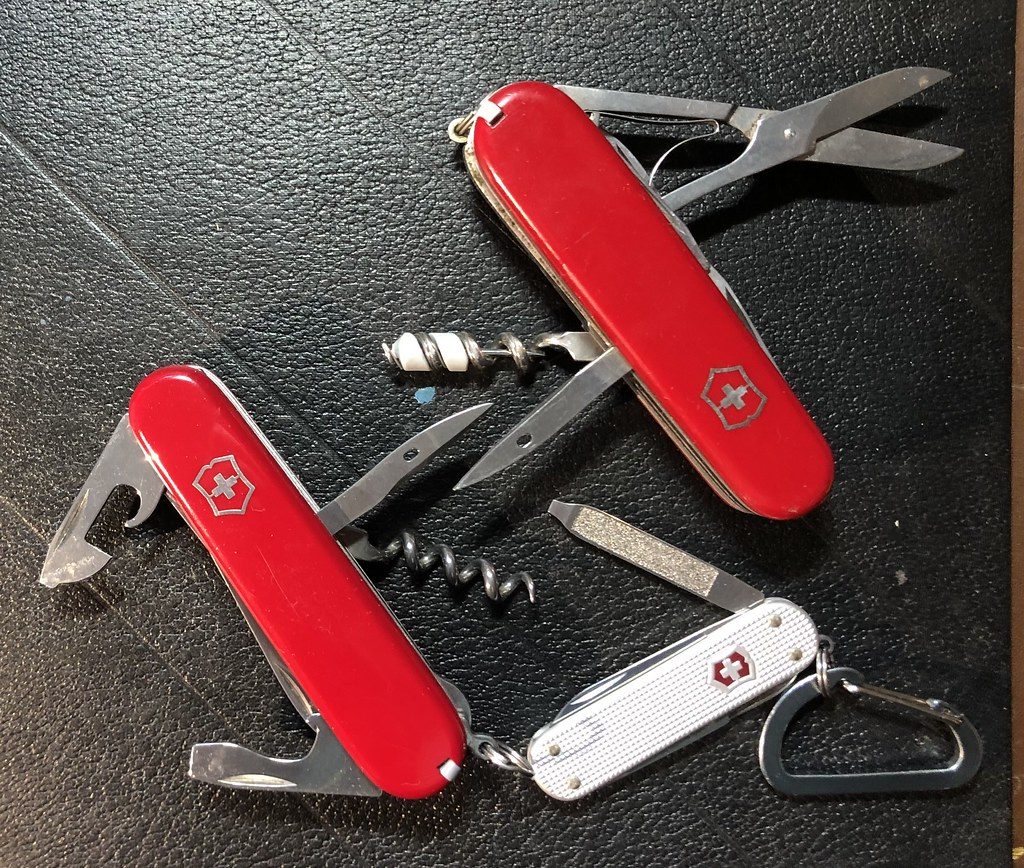
Survival tools reveal contrasting approaches to preparedness. Older wilderness travelers typically carry fixed-blade knives, metal match cases, and sturdy multitools built for longevity. These items prioritize reliability in unpredictable conditions. Younger outdoor enthusiasts often assemble compact survival kits that integrate fire starters, cordage, filtration, and signaling devices into lightweight configurations. Advances in miniaturization support wider functionality in smaller packages. The divergence highlights differing views on essential gear, durability, and adaptability in remote environments.
Pack Accessories
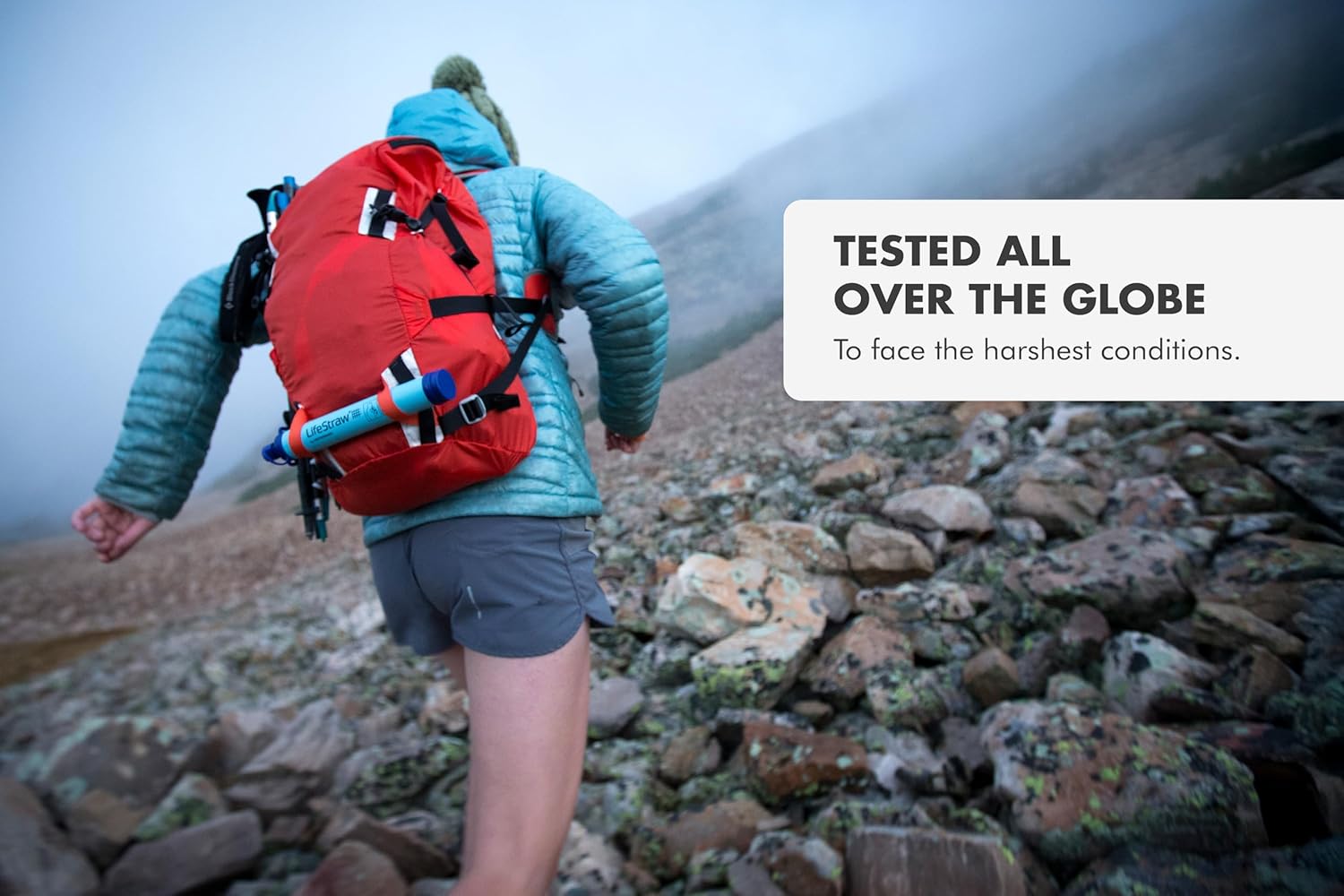
Pack accessories reflect changing organizational preferences. Older hikers commonly use canteens, compass pockets, and external lash points for securing tools and supplies during extended travel. Younger adventurers often choose hydration reservoirs, modular pouches, and minimalist bottle holders designed for quick access. Modern accessory systems integrate seamlessly with streamlined backpacks to improve weight distribution and mobility. These differences showcase evolving priorities surrounding convenience, hydration efficiency, and adaptation to fast-paced hiking styles across generations.