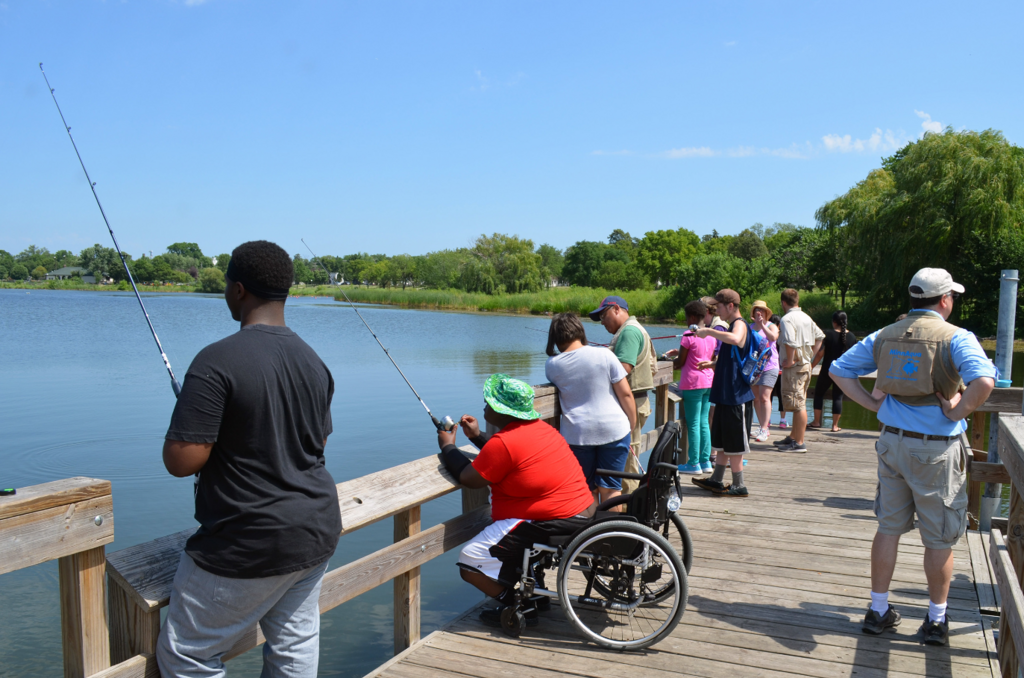
Fishing during the 1970s reflected a slower, more patient approach shaped by simpler gear and an emphasis on technique over technology. Many anglers relied on methods that required careful observation, steady hands, and a willingness to work with the natural behavior of fish. As equipment evolved, several of these once common techniques gradually disappeared from everyday use. Revisiting them offers insight into how fishing has changed and highlights the skills that defined a different era on American waters.
Hand-Trolling With Weighted Line
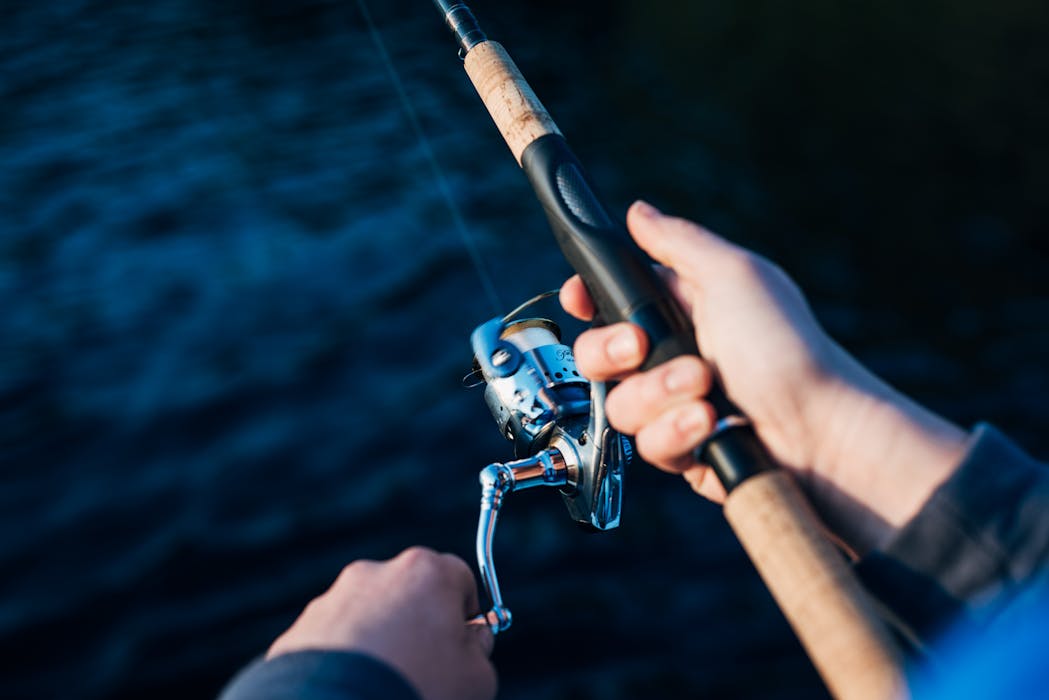
Hand-trolling with a weighted line involved guiding a lure behind a small boat while maintaining direct contact with the line rather than using a rod. Anglers felt each vibration through their fingers and adjusted speed based on subtle tension changes. The practice demanded steady focus during long stretches on the water. Modern downriggers, rod holders, and specialized trolling rods have largely replaced this method, making it far less common outside traditional fishing circles.
Fiberglass Rod Still-Fishing
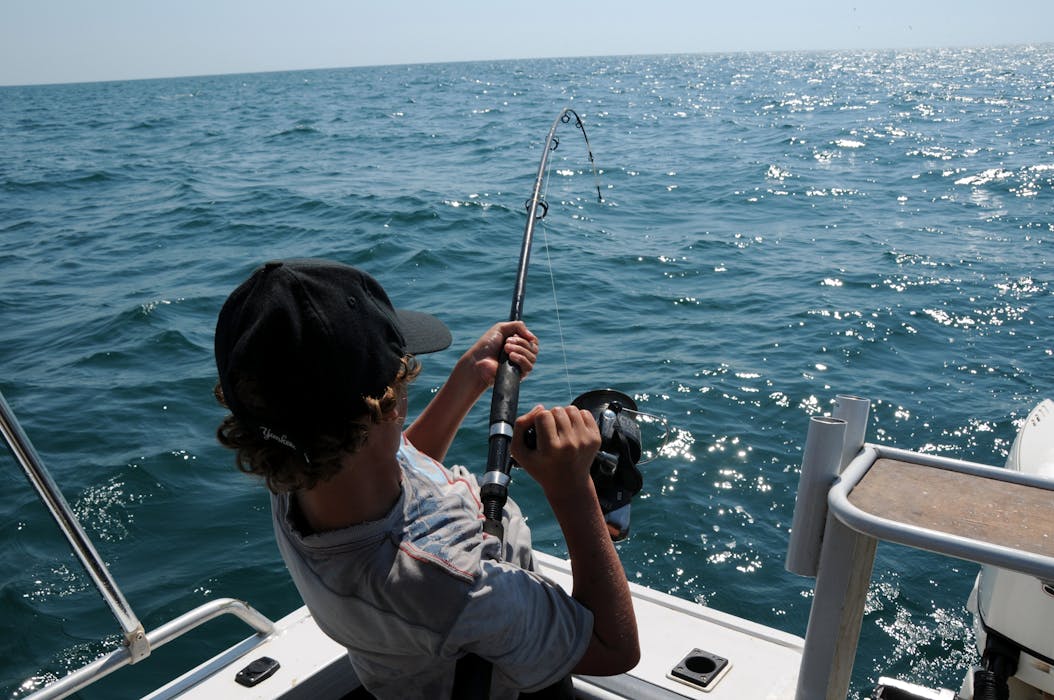
Still-fishing with early fiberglass rods relied on placing bait in quiet coves or near submerged structure and waiting patiently for gentle line movement. Fiberglass rods offered limited sensitivity, so anglers often focused intently on even the slightest twitch. Long periods of stillness defined the experience, making success dependent on patience rather than constant casting. Modern graphite rods now provide better responsiveness, reducing the need for such slow paced fishing.
Steel-Line Deep Jigging
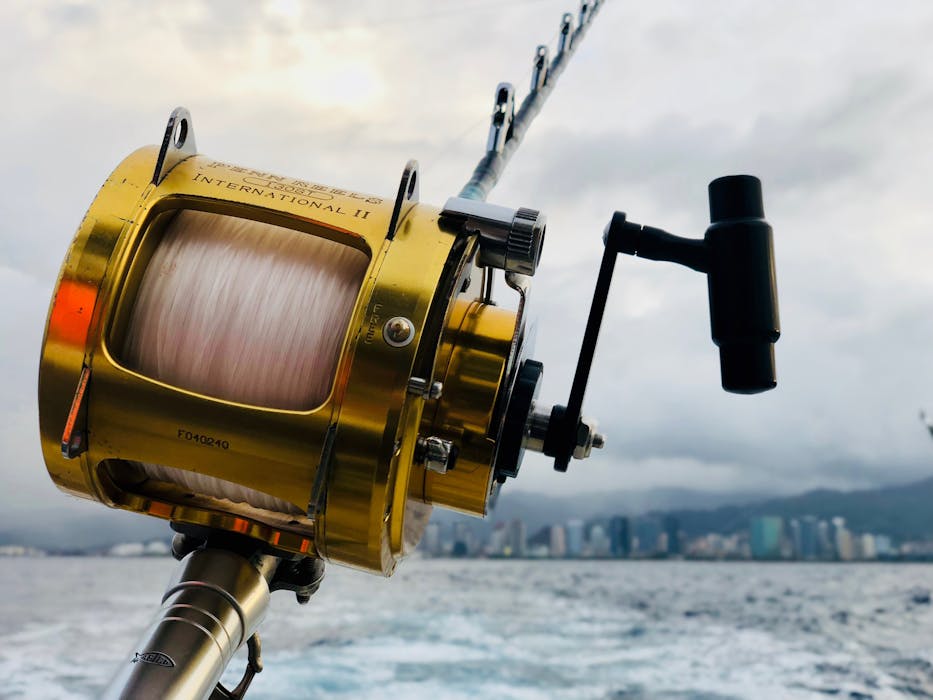
Steel-line deep jigging was used to reach colder water where fish preferred to stay during certain seasons. The heavy, stiff line sank quickly but transmitted little feedback, forcing anglers to work harder to detect strikes. Managing the line without tangling demanded practice, especially in rough conditions. Advances in braided line and deep water reels now provide greater sensitivity and smoother handling, causing the steel-line method to fade from regular use.
Drift-Fishing With Pencil Weights
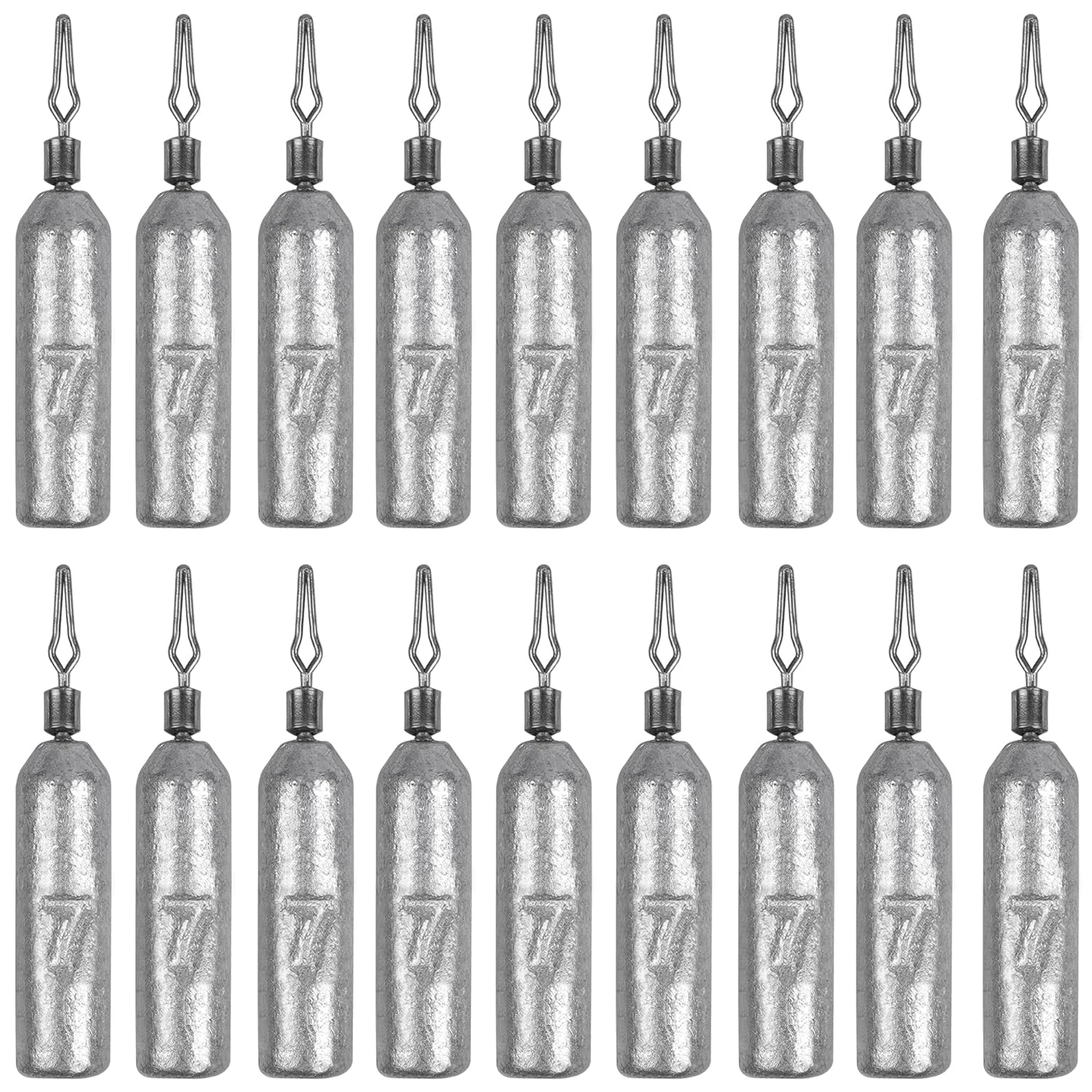
Drift-fishing with pencil weights helped anglers keep bait near the bottom of moving water by using long, narrow sinkers that slipped through rocks with minimal snagging. Maintaining the correct depth required constant adjustment as the riverbed changed. Strong currents often made the technique physically demanding. Contemporary weight systems and improved line materials simplify drift presentations, reducing reliance on the older pencil-weight approach.
Free-Lining Live Bait
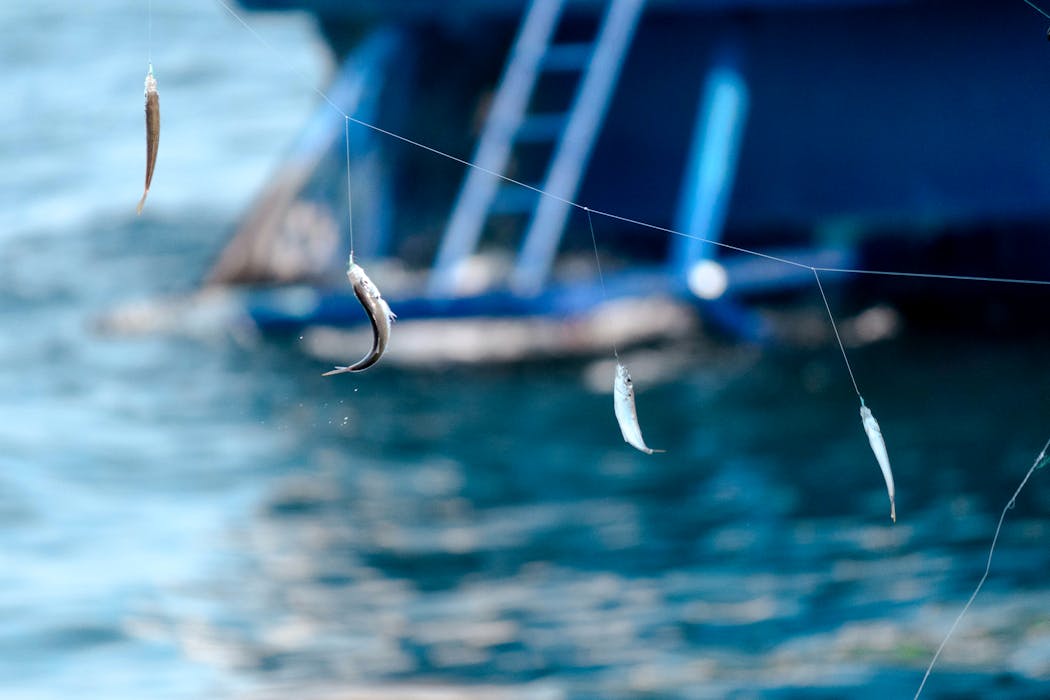
Free-lining live bait is placed into open water without added weight, allowing natural movement to attract strikes. Anglers monitored the line carefully to avoid slack that hid subtle bites. Wind, current, and depth variations added challenges that required strong situational awareness. Modern rigs often incorporate small weights or floats to stabilize presentations, making traditional free-lining less common among everyday anglers.
Spoon-Trolling On Monofilament

Spoon-trolling on early monofilament required slow boat speeds and constant monitoring of rod tip movement to ensure proper lure action. Thicker monofilament stretched easily, making strike detection inconsistent. Anglers often relied on experience rather than precise depth information. Modern sonar, low-stretch lines, and specialized trolling gear offer more accuracy and efficiency, causing the original method to decline significantly.
Cork-Float Creek Fishing
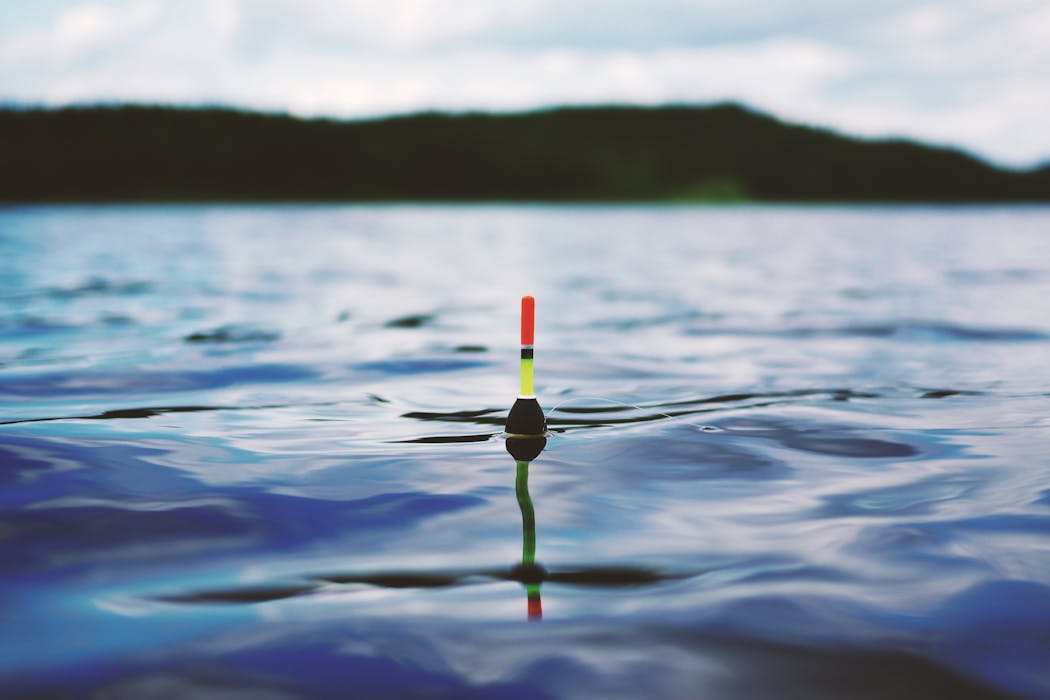
Cork-float creek fishing used carved cork floats to suspend bait above rocks or submerged vegetation in narrow streams. Adjusting depth meant sliding knots or repositioning clips along the line. Frequent repositioning was required as fish moved through different parts of the creek. Lightweight plastic floats and more precise slip designs have replaced bulky cork setups, making the original approach far less common today.
Fly-Rod Bass Popping
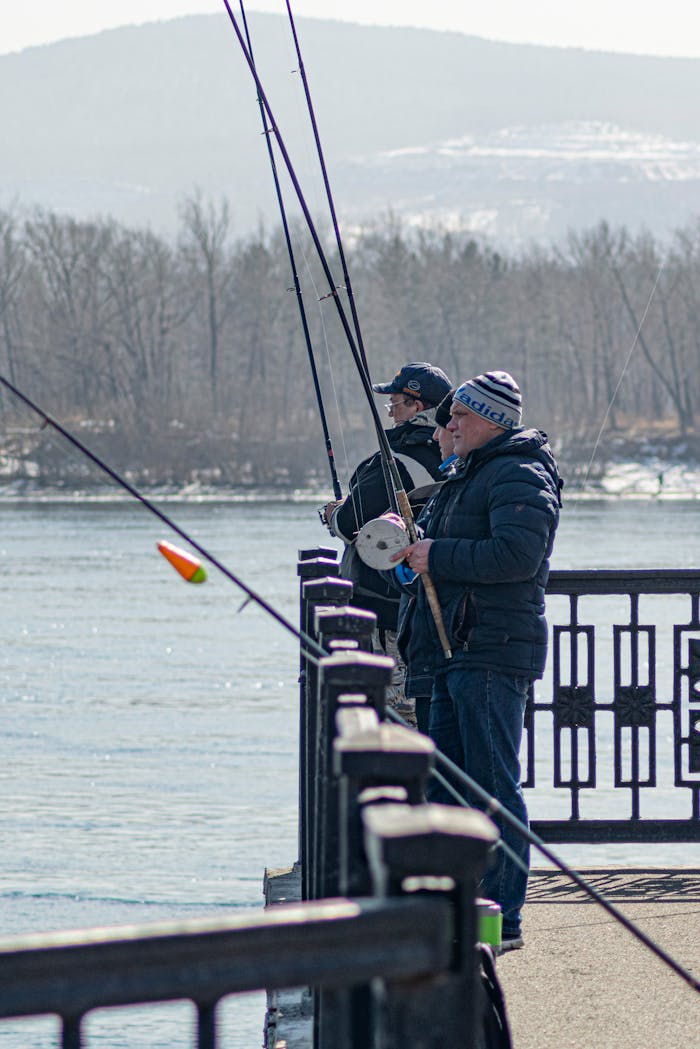
Fly-rod bass popping featured large cork or foam poppers cast with heavy fly line to imitate distressed prey at the surface. Anglers created a splash and sound by rhythmically stripping line across calm water. The technique demanded accurate casting and strong wrist control. While still practiced in niche circles, most modern bass anglers now prefer spinning or casting gear for topwater fishing, reducing the popularity of this classic method.
Lead-Core Slow Trolling
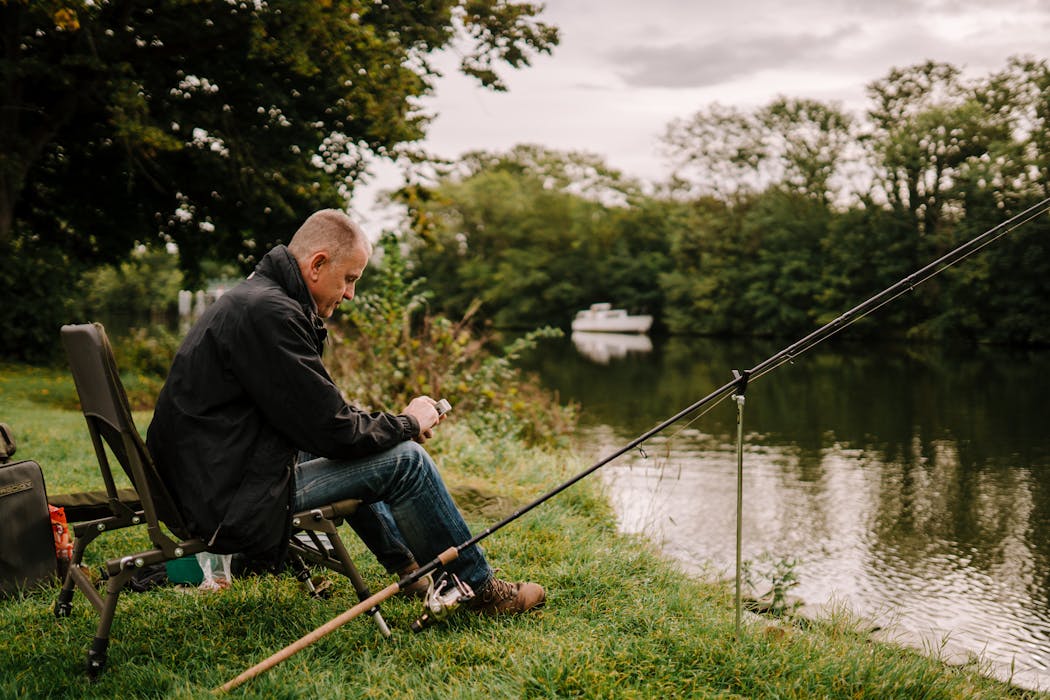
Lead-core slow trolling used a color-coded sinking line to estimate depth without electronic depth tools. Anglers counted color sections to track how far the line descended. Currents, lure weight, and boat speed affected accuracy, making the technique somewhat imprecise. Downriggers, precise sonar, and advanced lines now provide more reliable depth control, causing lead-core trolling to become more specialized than mainstream.
Line-Slack Bottom Bouncing

Line-slack bottom bouncing involved intentionally creating slack so sinkers and baits could roll gently across the riverbed. Anglers lifted and dropped the rod to encourage natural movement while avoiding snags. Success depended on the ability to sense bottom texture through intermittent tension. Modern bottom rigs with sensitive rods and streamlined weights offer more predictable performance, making the older slack-controlled method far less common.