Camping brings something special: fresh air, crackling campfires, and the freedom to slow down and reconnect with nature. But even the most scenic wilderness can come with surprises, and when help isn’t immediately nearby, knowing basic first aid becomes more than useful; it becomes essential. Before heading into the woods, brush up on these practical first aid skills to stay safe, calm, and prepared if things go sideways.
1. Handling Cuts and Scrapes
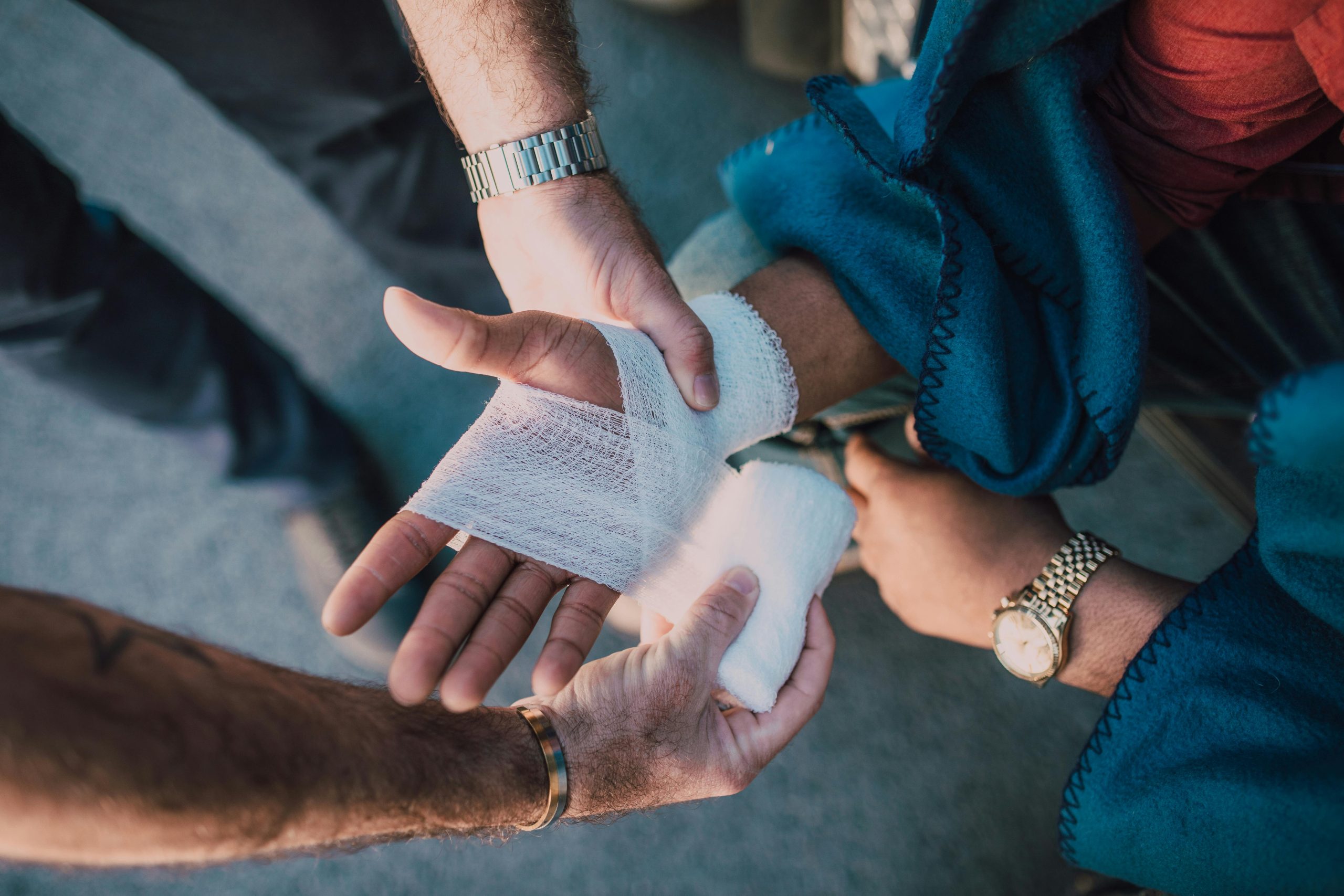
Outdoor adventures often come with small injuries from gear, branches, or camp chores. Knowing how to properly clean and dress a wound prevents infection and keeps your trip from being cut short. Rinse with clean water, apply an antiseptic, and cover with a sterile bandage. Check it daily, change dressings when needed, and avoid touching the wound with dirty hands. Even minor cuts deserve quick attention in the wilderness.
2. Treating Burns Safely
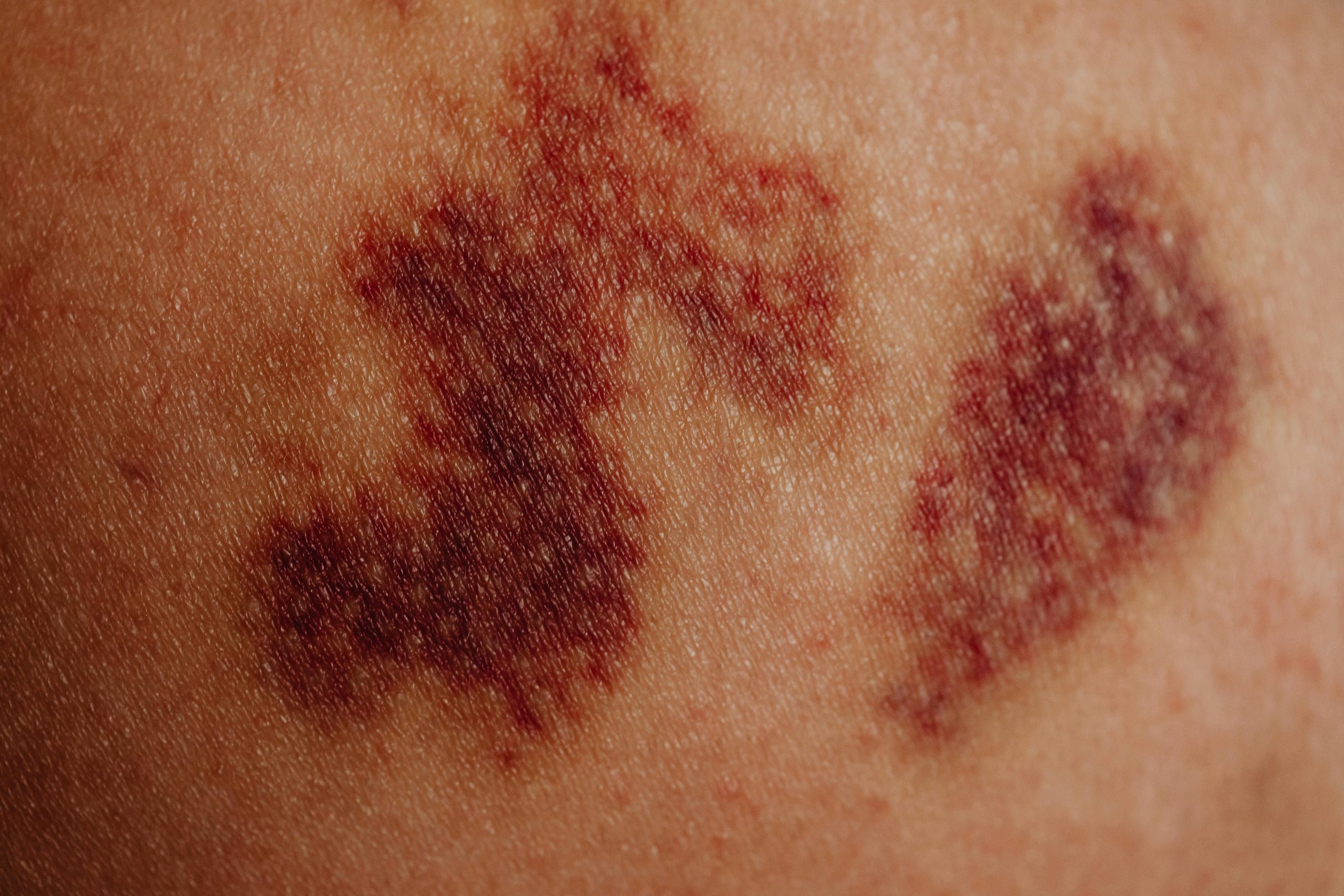
Campfires, cookstoves, and hot pans mean burns happen more often than you’d expect. For a minor burn, cool the area under clean, running water for at least ten minutes, then cover it with a sterile, non-stick bandage. Never apply butter, toothpaste, or grease to those traps heat and increase the risk of infection. Serious burns, blistering, or burns covering a large area should be treated as emergencies and evaluated immediately by a professional.
3. Managing Sprains and Strains
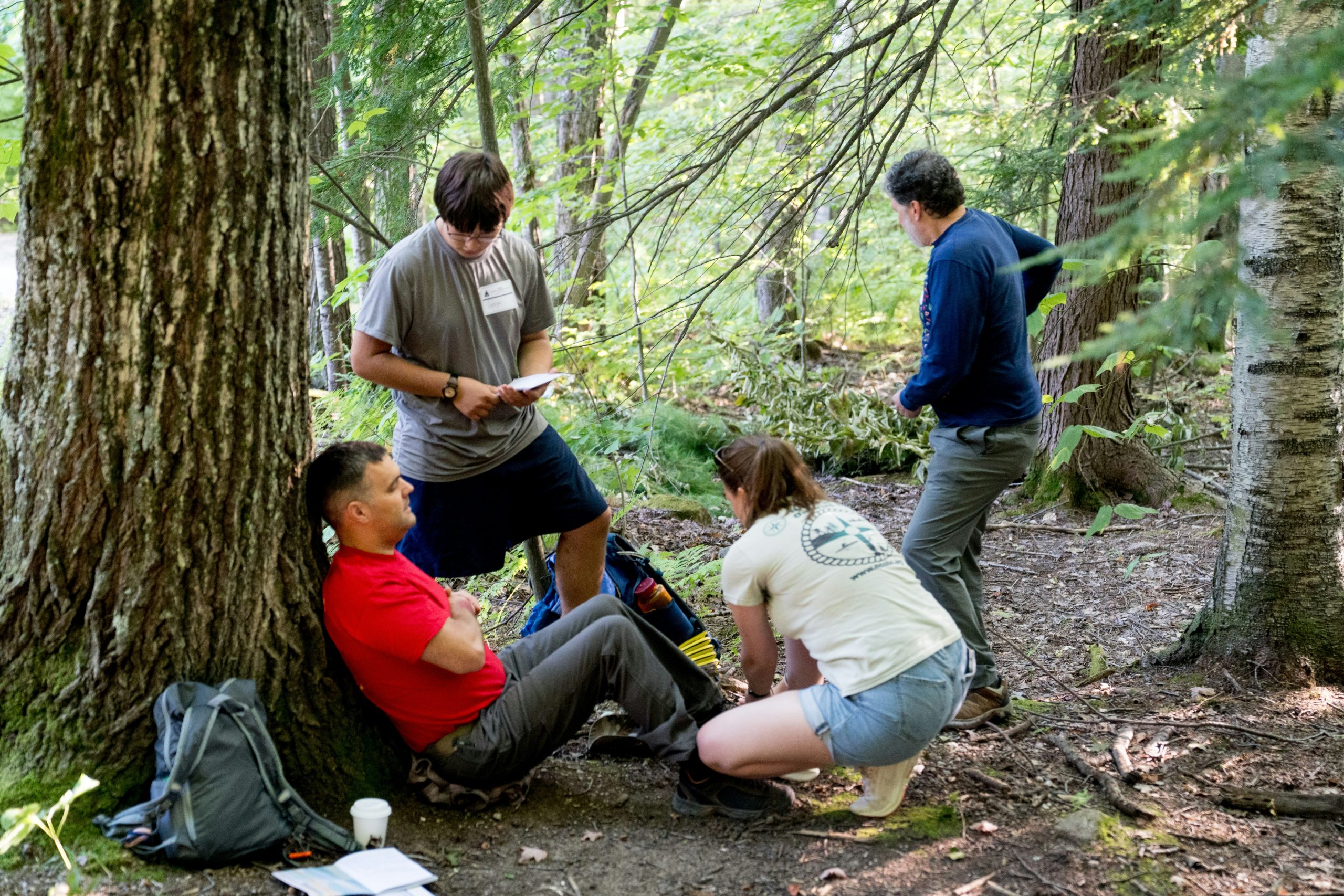
Uneven terrain, slippery rocks, or a misstep while carrying gear can lead to twisted ankles or sore joints. Knowing the R.I.C.E. method, rest, ice, compression, and elevation, helps reduce swelling and pain. Wrap the joint snugly but not too tightly, and keep weight off it as much as possible. A sturdy brace or trekking pole can help you move safely if the campsite is far from the trailhead. Always monitor for increasing swelling or numbness.
4. Controlling Bleeding
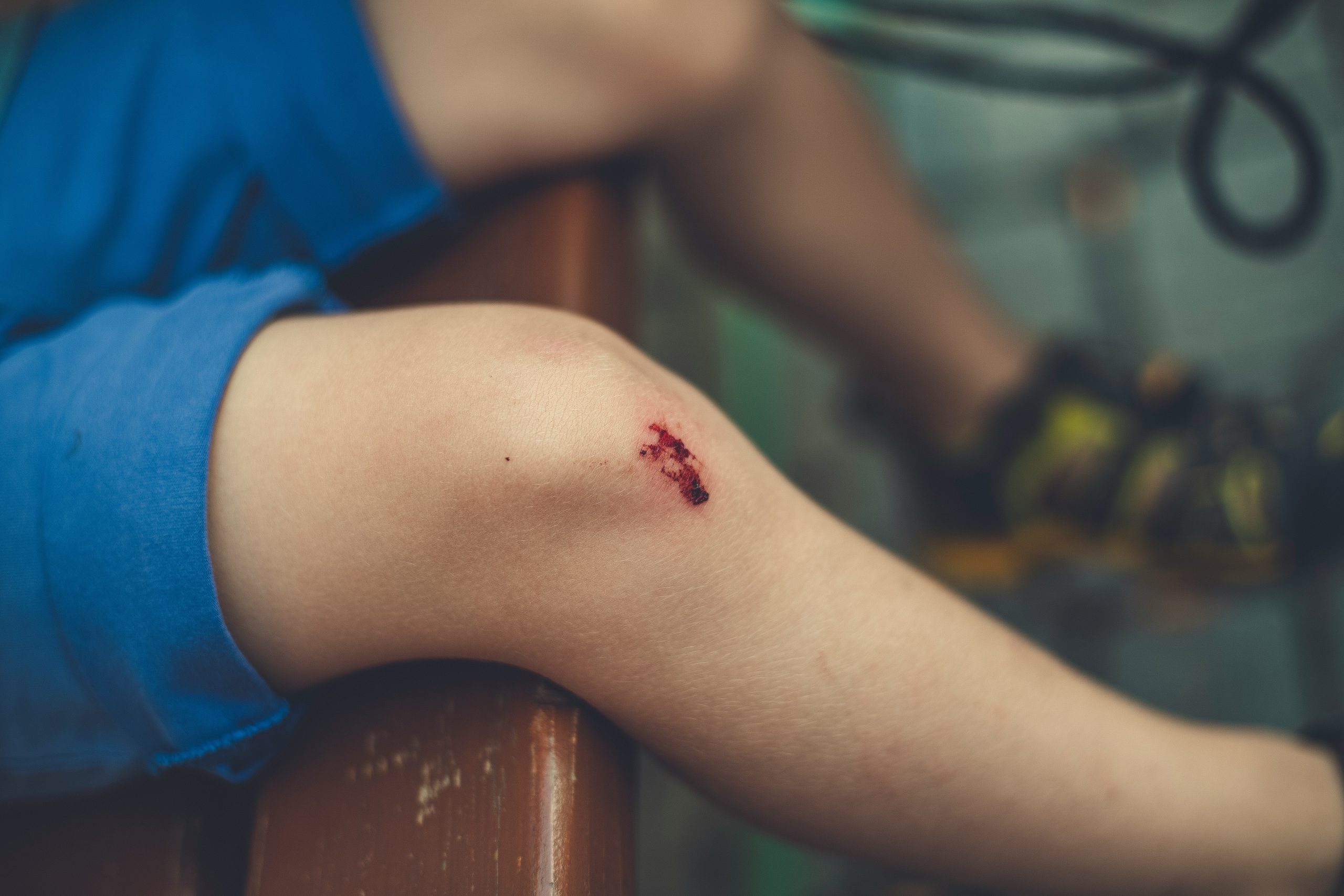
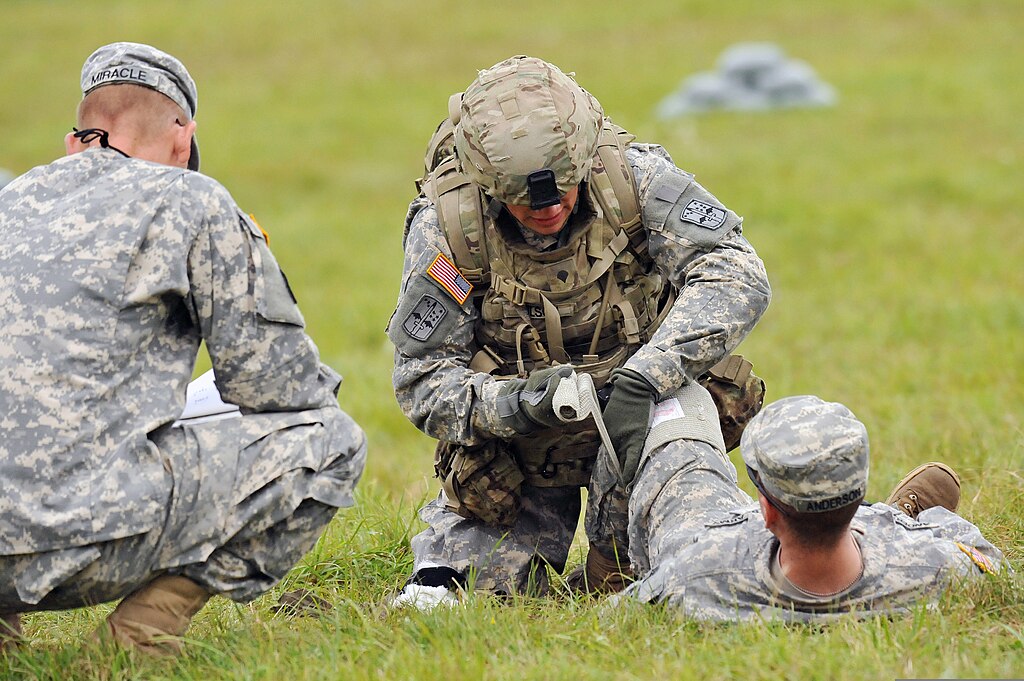
Accidents involving knives, axes, or sharp rocks can result in bleeding that looks worse than it is. Stay calm, apply firm pressure with clean gauze or cloth, and keep the injured area elevated. Most bleeding stops within a few minutes if pressure is steady. If blood soaks through, add more layers instead of removing existing ones. For deep cuts, spurting blood, or bleeding that won’t stop, seek emergency help and prepare to bandage tightly.
5. Recognizing and Treating Shock
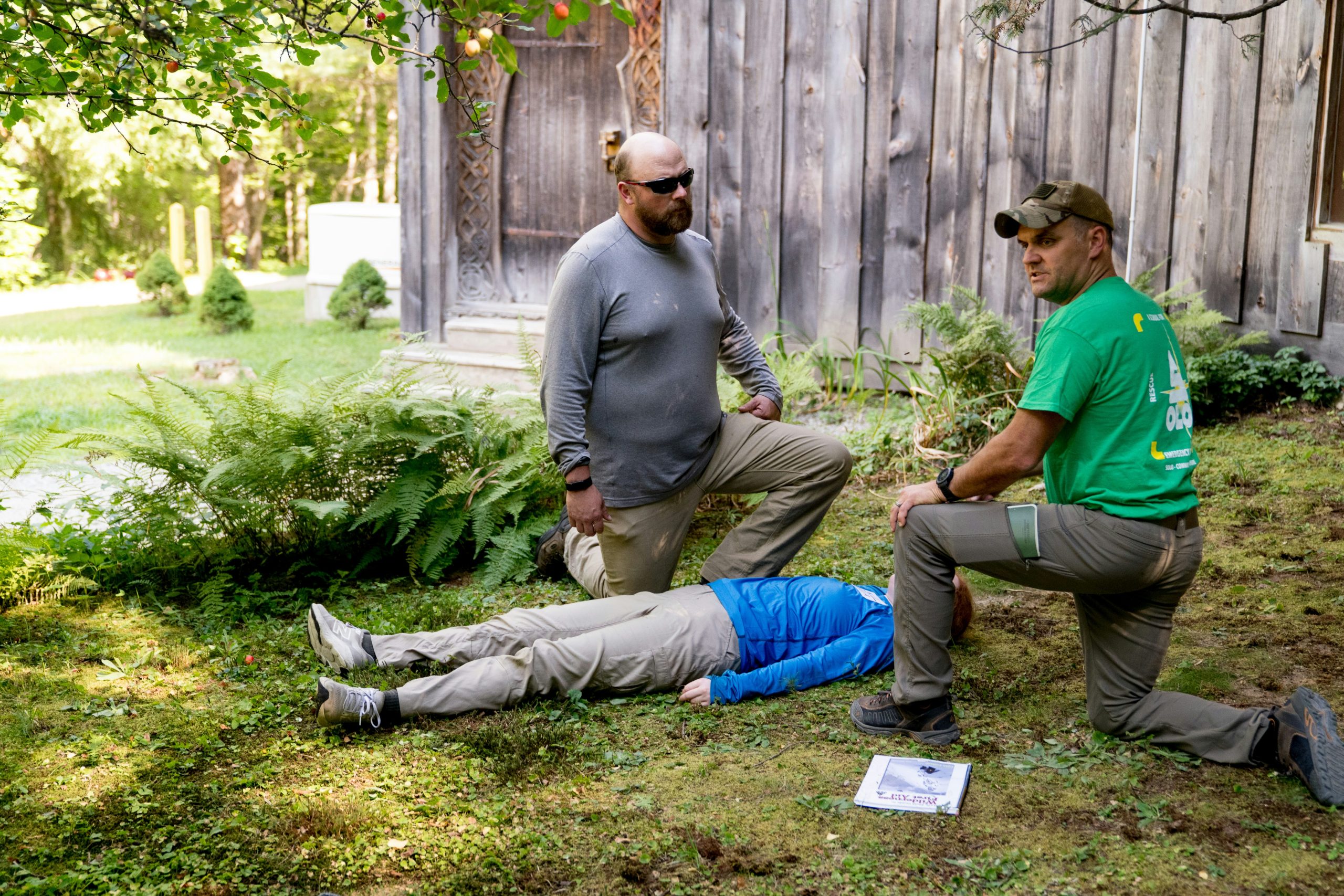
Shock isn’t just emotional; it’s a medical emergency that can follow trauma, heavy blood loss, or severe allergic reactions. Symptoms include pale skin, rapid breathing, dizziness, and confusion. Lay the person down, elevate their legs if possible, and keep them warm with a blanket or jacket. Avoid giving food or drink. Stay reassuring, speak calmly, and get medical help as soon as you can. Acting quickly can prevent the situation from escalating.
6. Caring for Heat Exhaustion and Dehydration
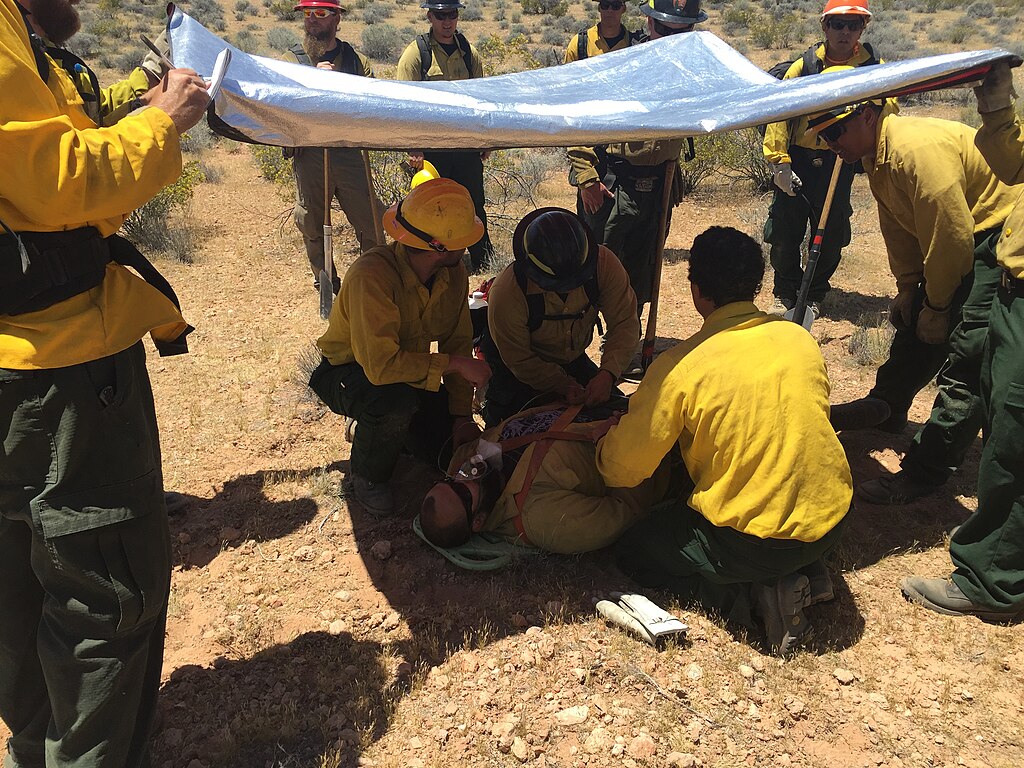
Hot days and strenuous hikes can quickly lead to dehydration and heat-related illness. Early signs include headache, dizziness, weakness, and nausea. Move the person to shade, loosen clothing, and provide cool water in small sips. Wetting a bandana or using a portable fan helps lower body temperature. Electrolyte packets are excellent for outdoor kits. If symptoms worsen or progress to confusion, seek emergency help. Heatstroke is life-threatening.
7. Handling Hypothermia and Cold Exposure
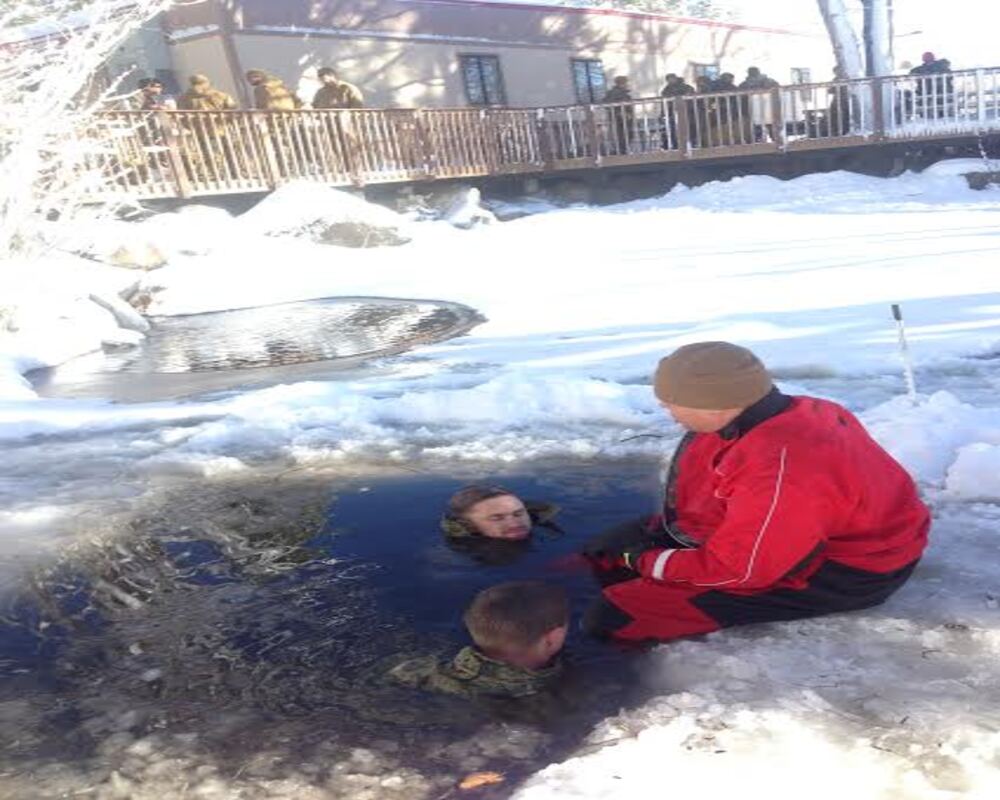
Cold temperatures, wet clothes, and wind can drop body temperature faster than expected. Early symptoms include shivering, slurred speech, and clumsiness. Replace wet clothing with dry layers, wrap the person in a sleeping bag, and offer warm drinks, not alcohol. Body-heat sharing or emergency blankets help retain warmth. Never rub extremities vigorously, as it can worsen tissue damage. Severe cases require immediate evacuation and professional care.
8. Treating Insect Stings and Allergic Reactions
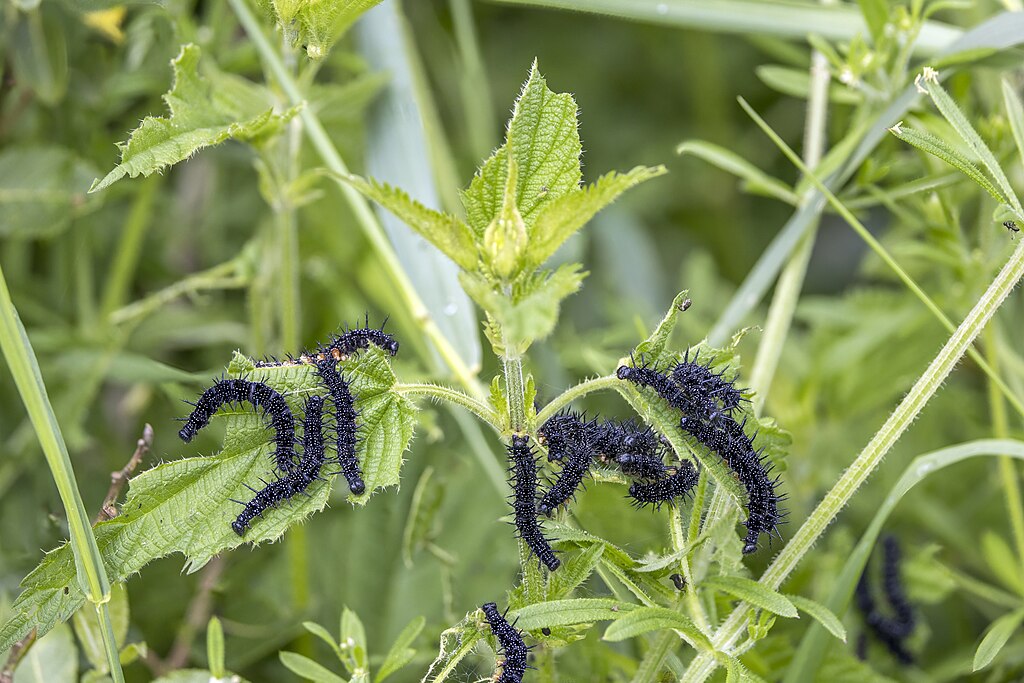
Bug bites are annoying, but stings can cause swelling, itching, or serious allergic reactions. Remove stingers by scraping, not pinching, then apply ice and an antihistamine cream. If someone has trouble breathing, swelling of the face or throat, or dizziness, use an epinephrine auto-injector if available and call for emergency help immediately. Knowing the symptoms of anaphylaxis and reacting fast can truly save a life outdoors.
9. Handling Fractures and Immobilization
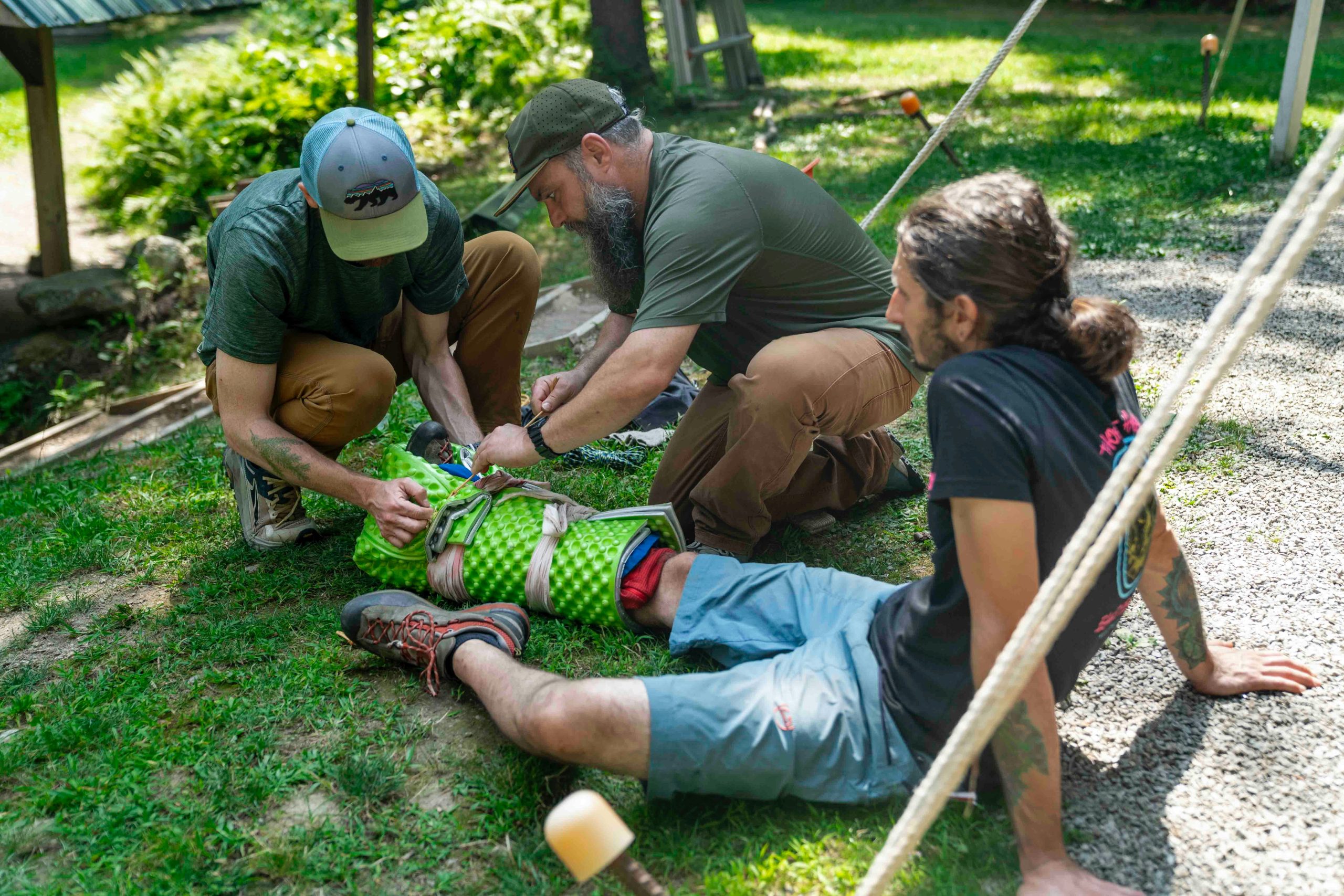
Falls from rocks, trees, or uneven trails can lead to fractures. If you suspect a broken bone, do not move the limb unnecessarily. Immobilize it using a splint made from sticks, trekking poles, or rolled clothing tied securely. Keep the person still and calm, and avoid giving food if evacuation may require surgery later. Swelling, deformity, or intense pain means medical help is urgent. Move slowly and avoid worsening the injury.
10. Treating Poison Ivy, Rashes, and Skin Irritation
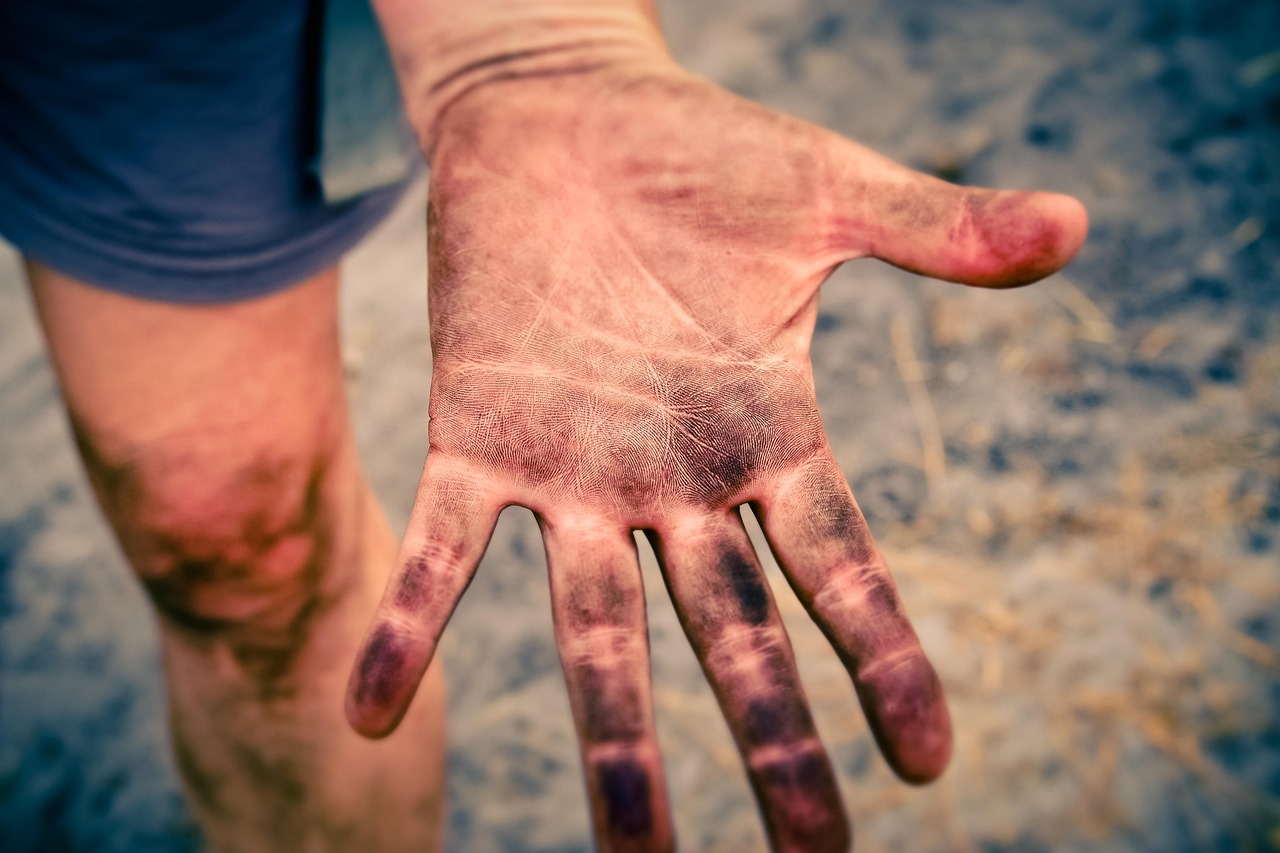
Brush past the wrong plant and you may end up with an itchy, blistering rash. Learn how to identify poison ivy, oak, and sumac before your trip. If contact happens, wash with soap and cool water as soon as possible. Apply calamine lotion or hydrocortisone cream to reduce itching, and avoid scratching to prevent infection. If a rash spreads quickly, involves the face, or affects breathing, seek medical care promptly.