Cold weather changes how firearms, gear, and people behave. Metal contracts, lubricants thicken, and fingers lose dexterity faster than expected. Many shooters carry over warm-weather habits without realizing winter conditions demand different handling techniques. Mistakes made in cold environments often happen quietly and only reveal themselves when reliability drops or safety is compromised. Snow, gloves, bulky clothing, and low temperatures all add layers of complexity. Understanding these common cold-weather firearm handling mistakes helps shooters stay safe, protect their equipment, and maintain consistent performance when temperatures fall.
1. Using the Same Lubrication as Warm Weather
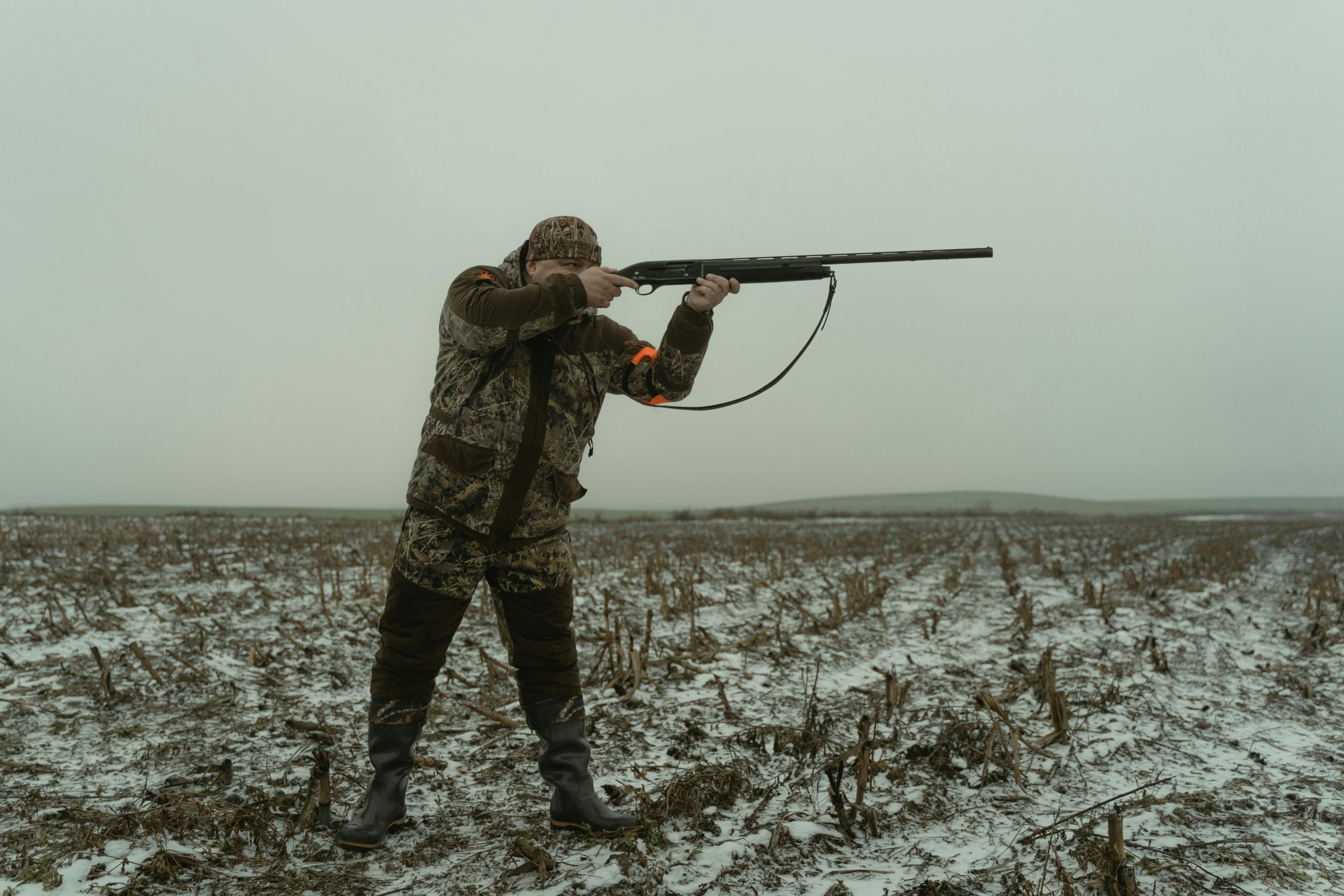
Cold temperatures thicken many standard gun oils, slowing moving parts and increasing the chance of malfunctions. Shooters who rely on heavy lubrication often notice sluggish actions, light strikes, or failures to cycle. The problem worsens as temperatures drop below freezing. Excess oil can also attract moisture, which may freeze inside critical components. Many people assume more lubrication equals better protection, but cold weather demands lighter, temperature-stable products. Adjusting lubrication practices helps maintain reliability. Firearms run cleaner and smoother when oils suited for cold conditions are applied sparingly and intentionally rather than following warm-season habits.
2. Wearing Gloves That Reduce Trigger Control
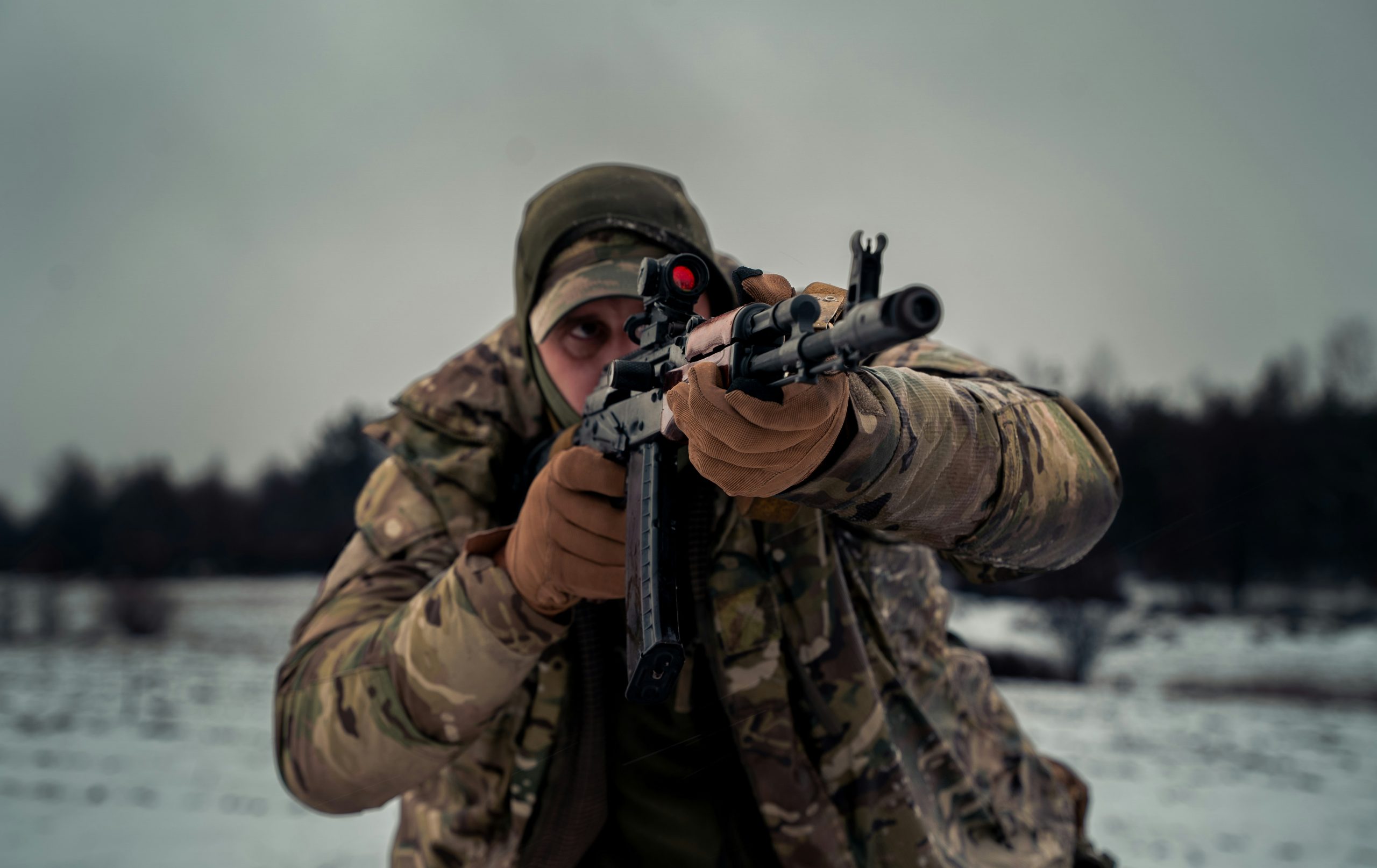
Gloves are essential in cold weather, but thick or poorly fitted gloves interfere with safe trigger control. Reduced finger sensitivity makes it harder to feel the trigger take up and reset. Some gloves bunch up inside the trigger guard, increasing the risk of unintended contact. Shooters often rush shots because they cannot feel the trigger properly. This leads to inconsistent accuracy and safety concerns. Choosing gloves designed for shooting preserves dexterity while keeping hands warm. Practicing with winter gloves before heading into the field reduces surprises and helps maintain confident, controlled handling in cold conditions.
3. Ignoring Cold-Induced Ammunition Performance Changes
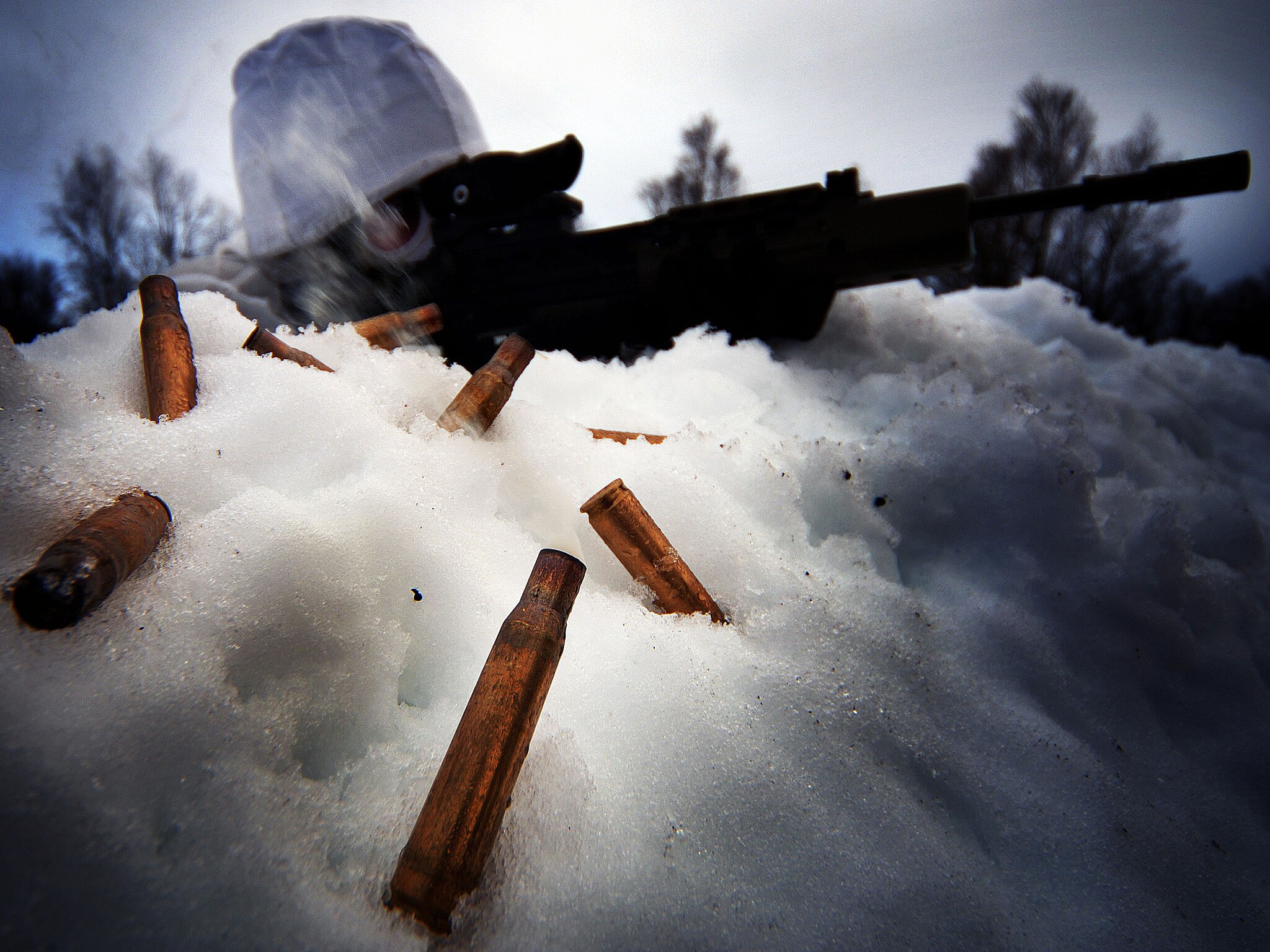
Cold temperatures affect ammunition performance more than many expect. Powder burns slower, reducing muzzle velocity and altering the point of impact. Shooters who zeroed rifles in warm weather may miss targets when shooting in winter. Some ammunition becomes less reliable, especially older or improperly stored rounds. Cold can also stiffen primers, increasing the chance of light strikes. Ignoring these factors leads to confusion and misplaced blame on optics or firearm function. Understanding how temperature influences ammunition helps shooters adjust expectations, confirm zero, and maintain confidence when shooting in cold environments.
4. Failing to Account for Bulky Clothing
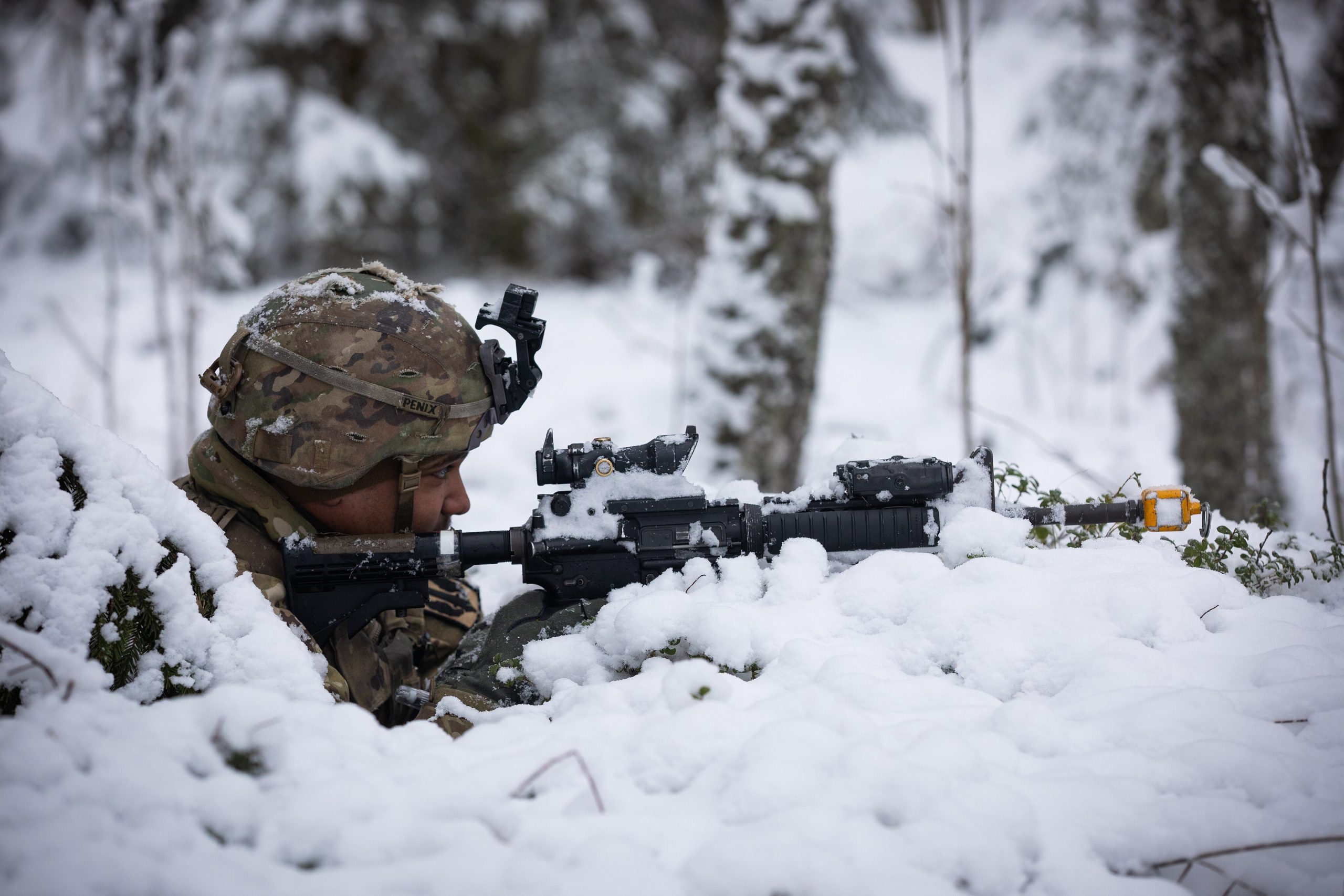
Heavy jackets and layered clothing change how firearms fit the body. Length of pull feels shorter, cheek weld shifts, and shoulder placement becomes inconsistent. Shooters often struggle to mount the firearm smoothly without realizing that clothing is interfering. Slings can snag, stocks may slide on slick fabric, and recoil feels different through padded layers. These changes affect accuracy and follow-through. Practicing with full winter clothing allows shooters to adjust their stance and setup. Ignoring clothing effects often leads to rushed shots and awkward handling that disappear once warmer conditions return.
5. Bringing Cold Metal Directly Into Warm Spaces
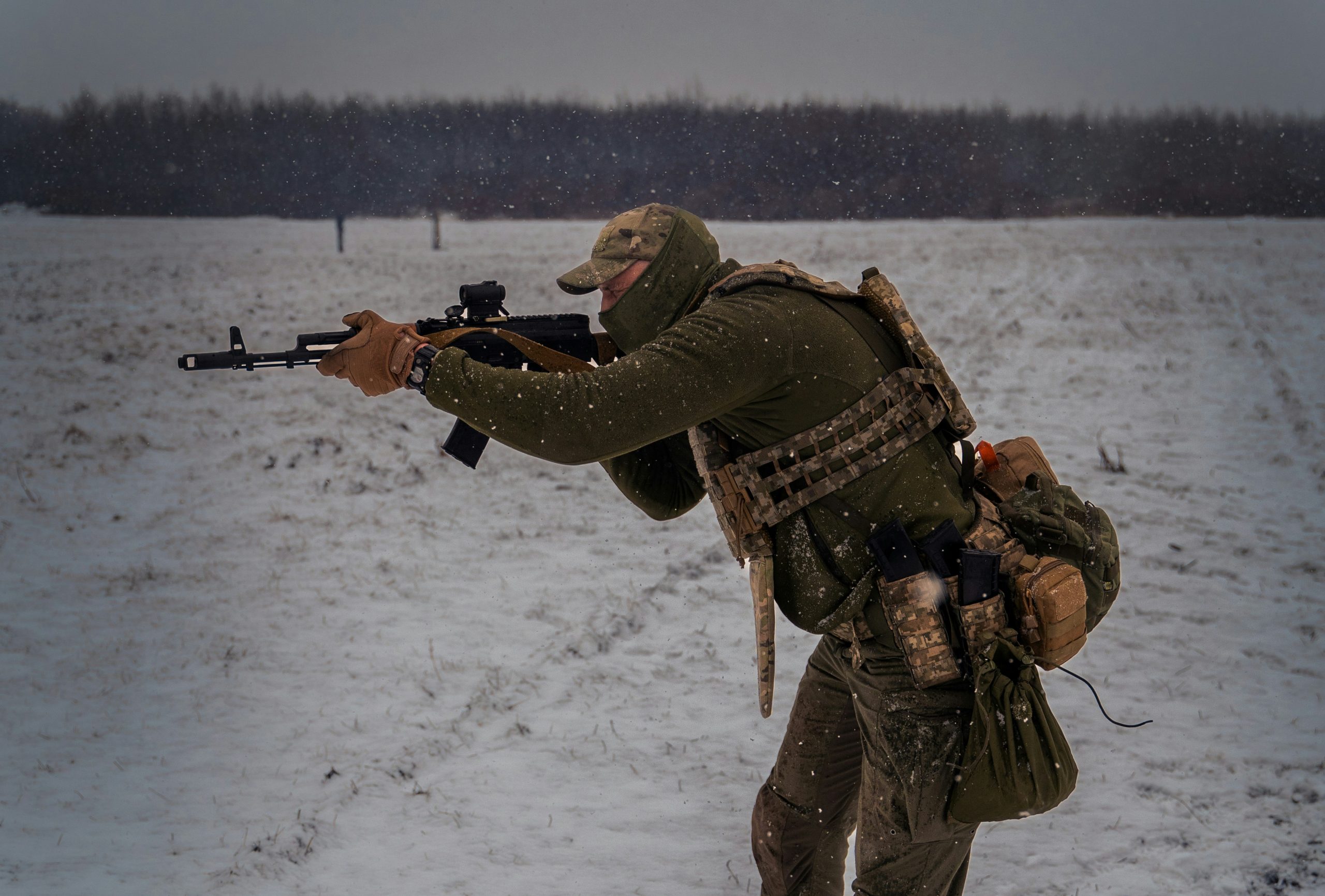
Moving a cold firearm into a warm environment causes condensation to form quickly on metal surfaces. Moisture collects inside actions, barrels, and optics. If not addressed, this moisture leads to rust and corrosion. Many shooters store firearms immediately after coming indoors, trapping moisture where it can do damage overnight. Allowing the firearm to warm slowly in a controlled environment reduces condensation. Wiping down metal surfaces and inspecting critical areas prevents long-term issues. This mistake does not show immediate consequences, but quietly shortens equipment lifespan.
6. Rushing Manipulations Due to Cold Discomfort
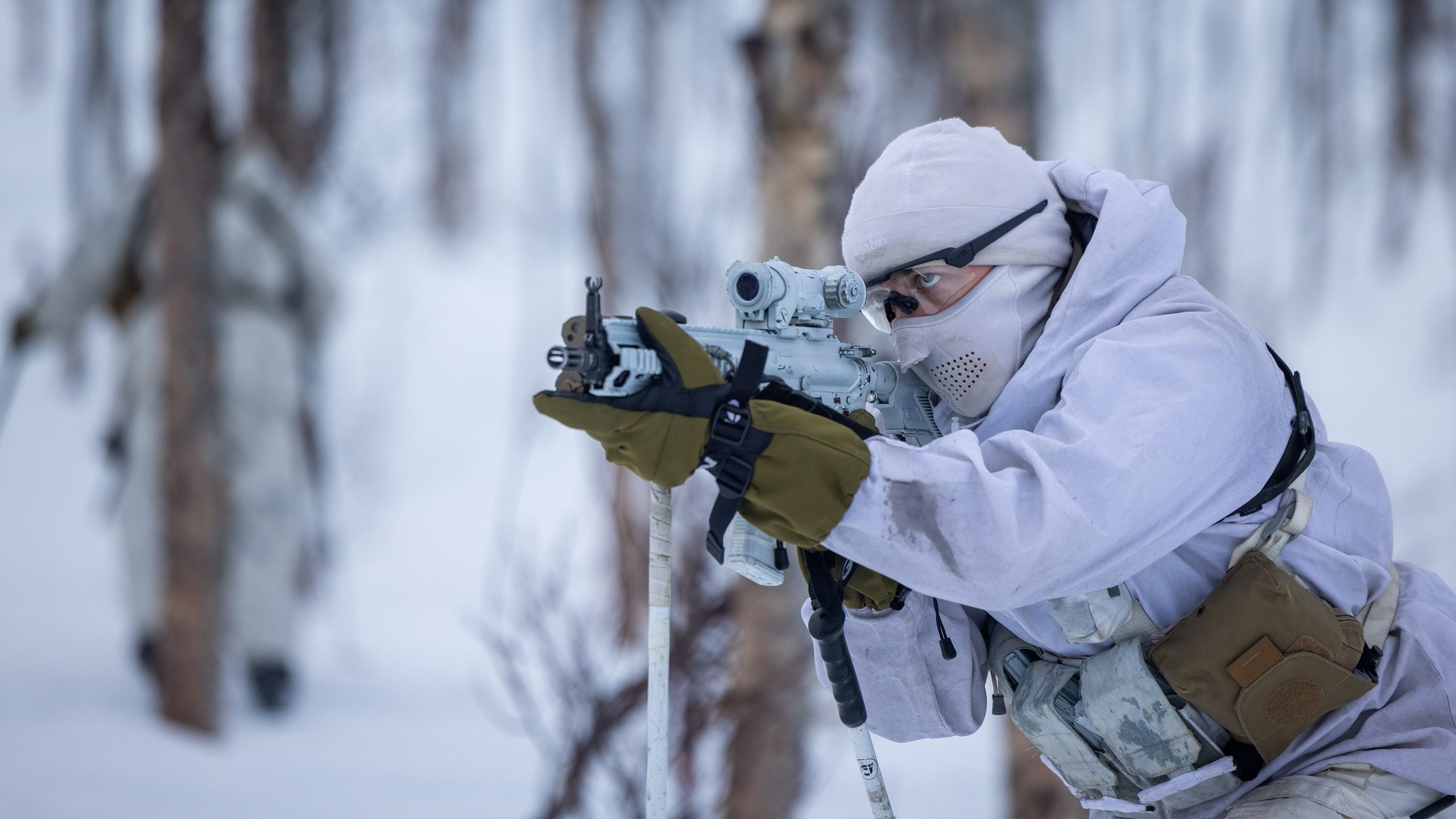
Cold makes people rush. Stiff fingers and numb hands encourage hurried reloads, unsafe muzzle movements, and sloppy handling. Shooters may skip proper safety checks or rush clearing procedures to minimize exposure to the cold. These shortcuts increase the risk of accidents. Cold weather requires slower, more deliberate actions to compensate for reduced dexterity. Training to handle firearms calmly in cold conditions builds muscle memory that resists rushing. Taking extra time keeps safety consistent, even when discomfort pressures shooters to move faster than they should.
7. Neglecting Magazine Function in Cold Conditions
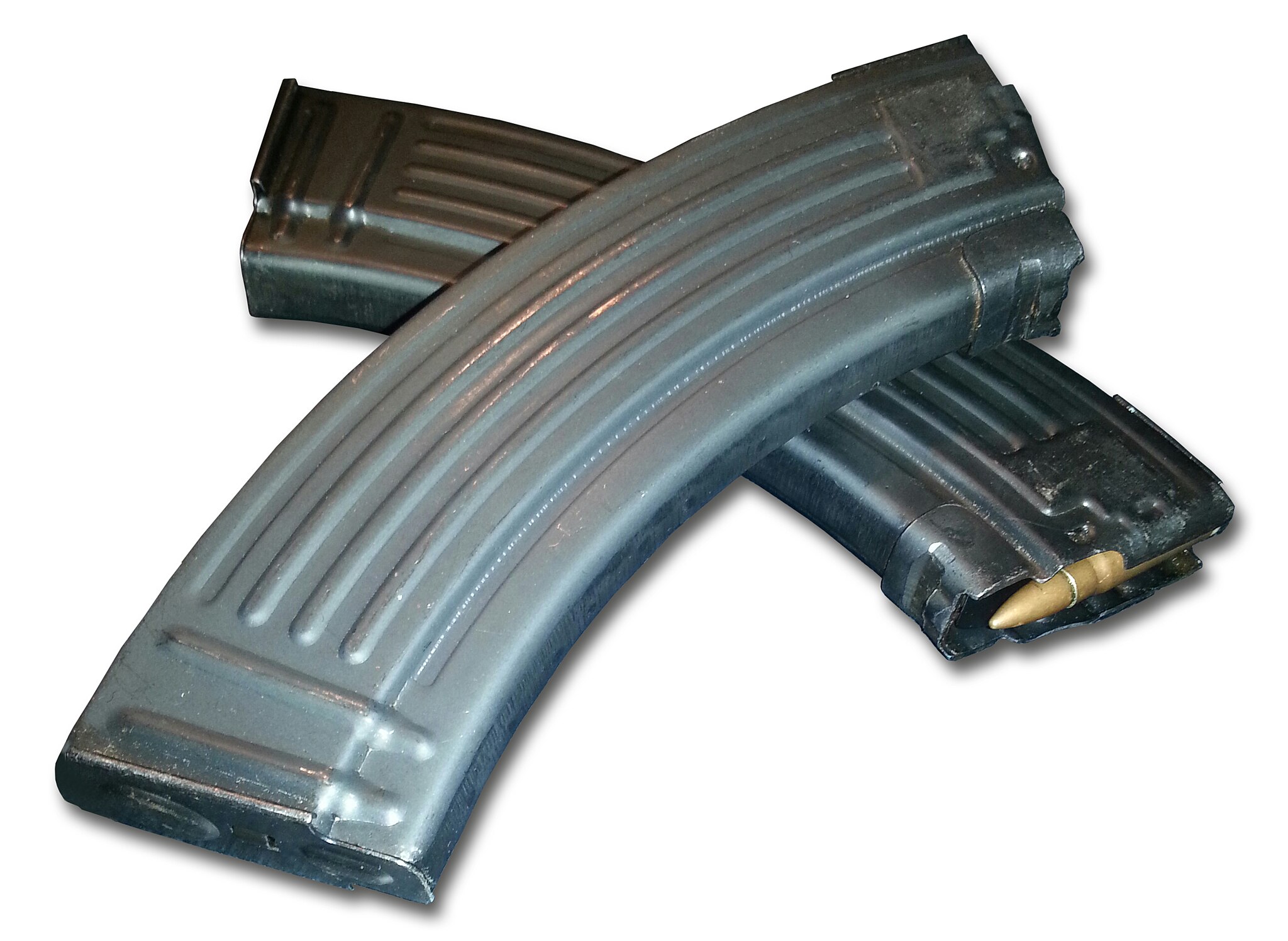
Magazines are often overlooked in winter shooting. Cold temperatures stiffen springs and make followers move less freely. Dirt, snow, and moisture entering magazines can freeze, preventing proper feeding. Shooters may blame the firearm when the real issue lies in compromised magazines. Dropping magazines into snow or icy ground worsens the problem. Keeping magazines clean, dry, and protected helps maintain reliability. Cold weather exposes weak springs and poor maintenance quickly, making magazine inspection more important than during warmer seasons.
8. Failing to Test Gear in Actual Cold Weather
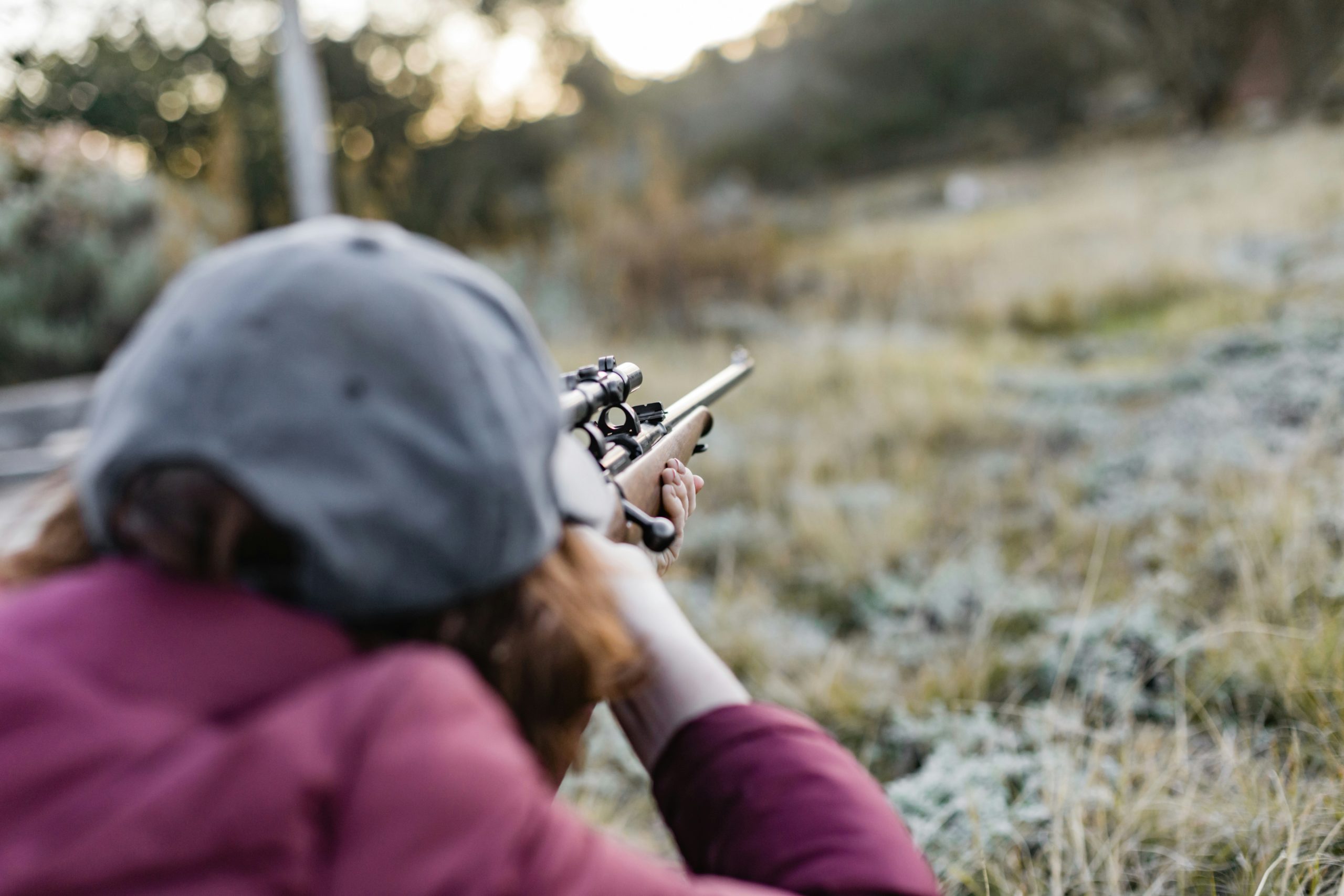
Many shooters prepare equipment indoors and assume it will perform the same outside. Cold reveals weaknesses in optics,s batteries, lubricants, and mechanical tolerances. Red dot sights may dim or fail. Adjustable components may seize. Without testing gear in true cold conditions, shooters face surprises at critical moments. Range sessions in winter conditions reveal issues early. Confirming function outdoors builds confidence. Assuming preparation indoors is enough to prevent problems once temperatures drop and conditions become unforgiving.
9. Allowing Snow and Ice Into Actions
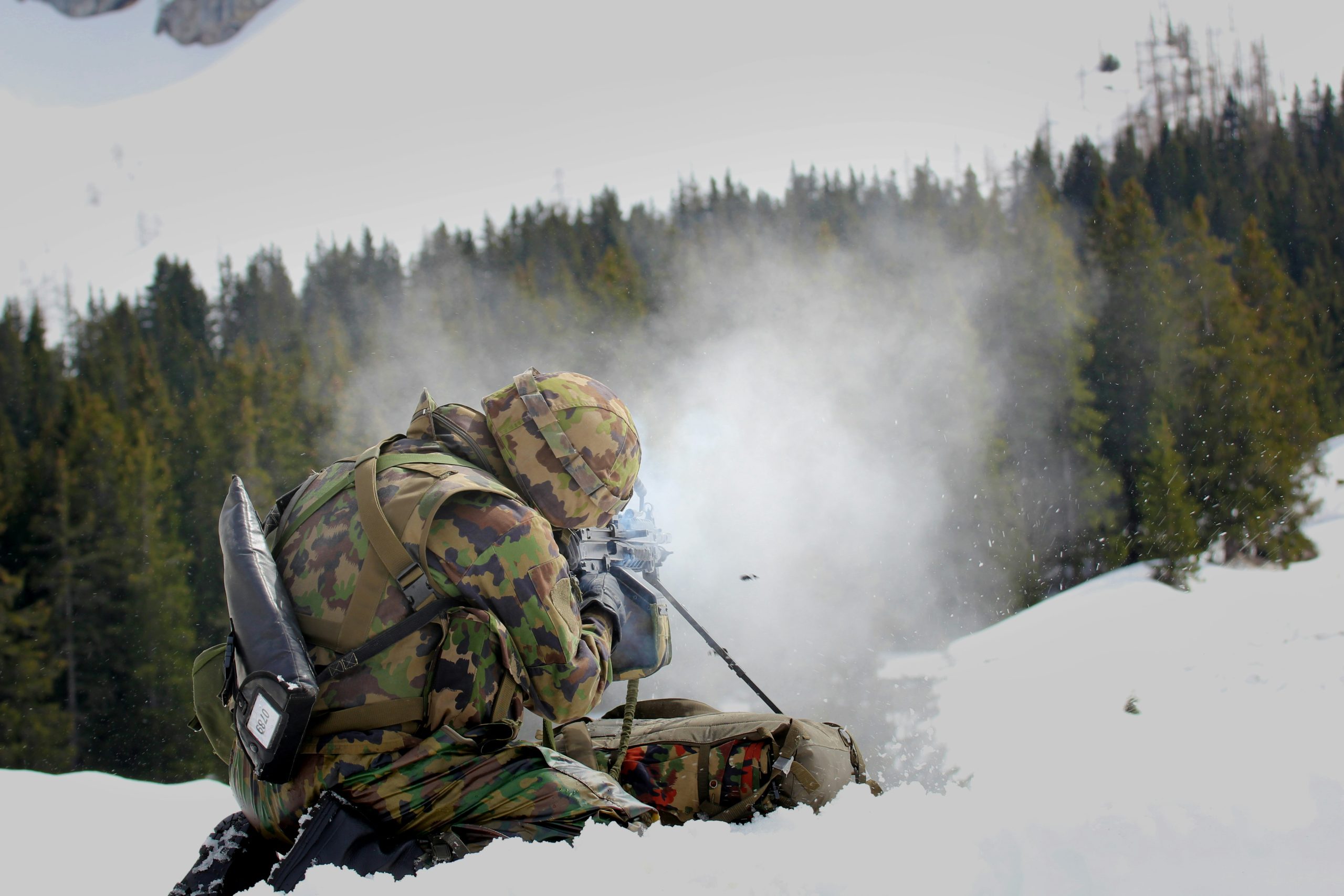
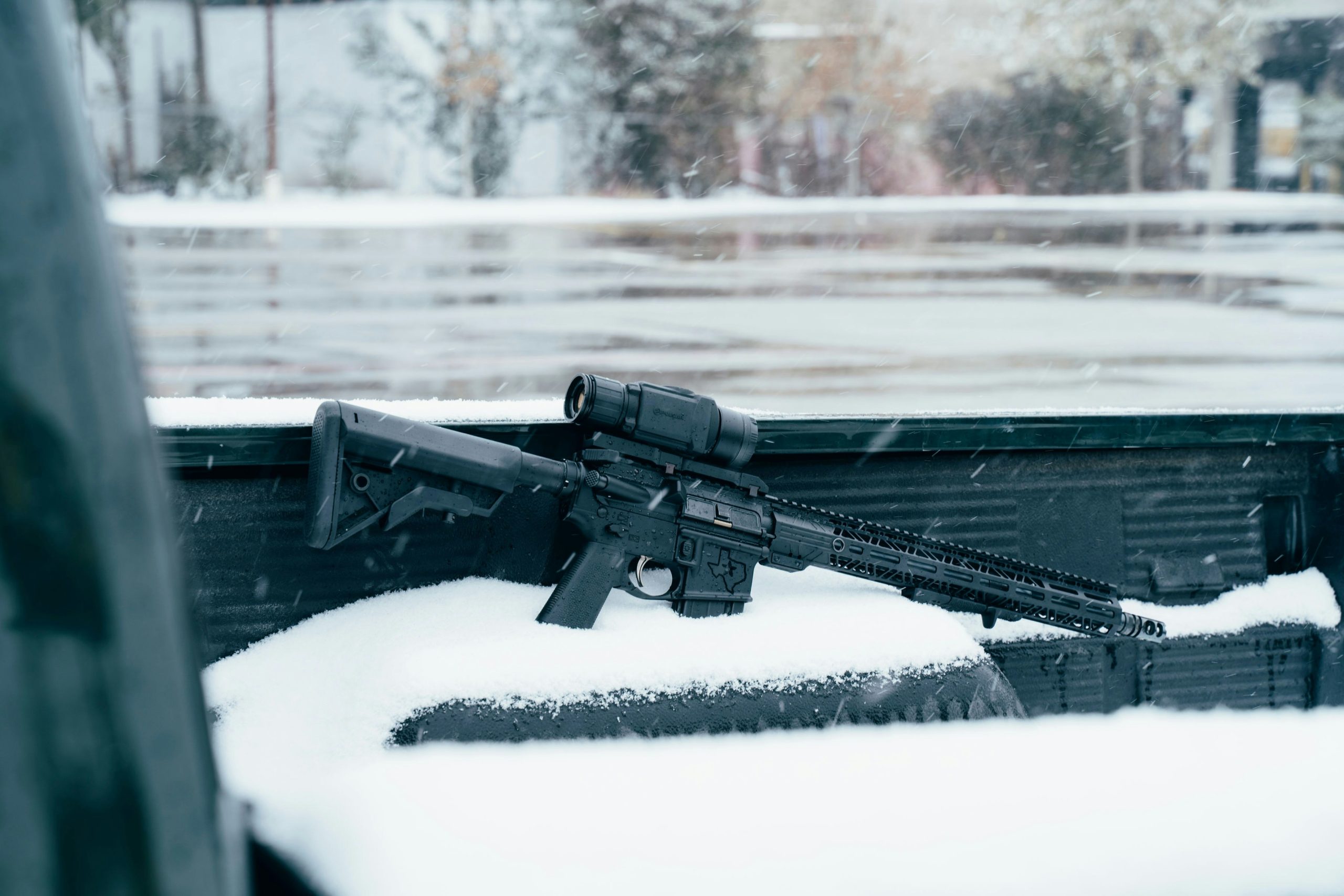
Snow seems harmless until it melts or refreezes inside a firearm. Ice buildup can block firing pins, safeties, or bolt movement. Shooters often brush off visible snow but ignore what enters through openings. As the firearm warms, melted snow becomes water, then freezes again outside. Protecting the action and keeping snow out prevents internal freezing. Regular inspections during cold weather use help catch buildup early. Ignoring snow intrusion creates reliability issues that appear suddenly and without warning.
10. Underestimating Physical Fatigue in Cold Weather
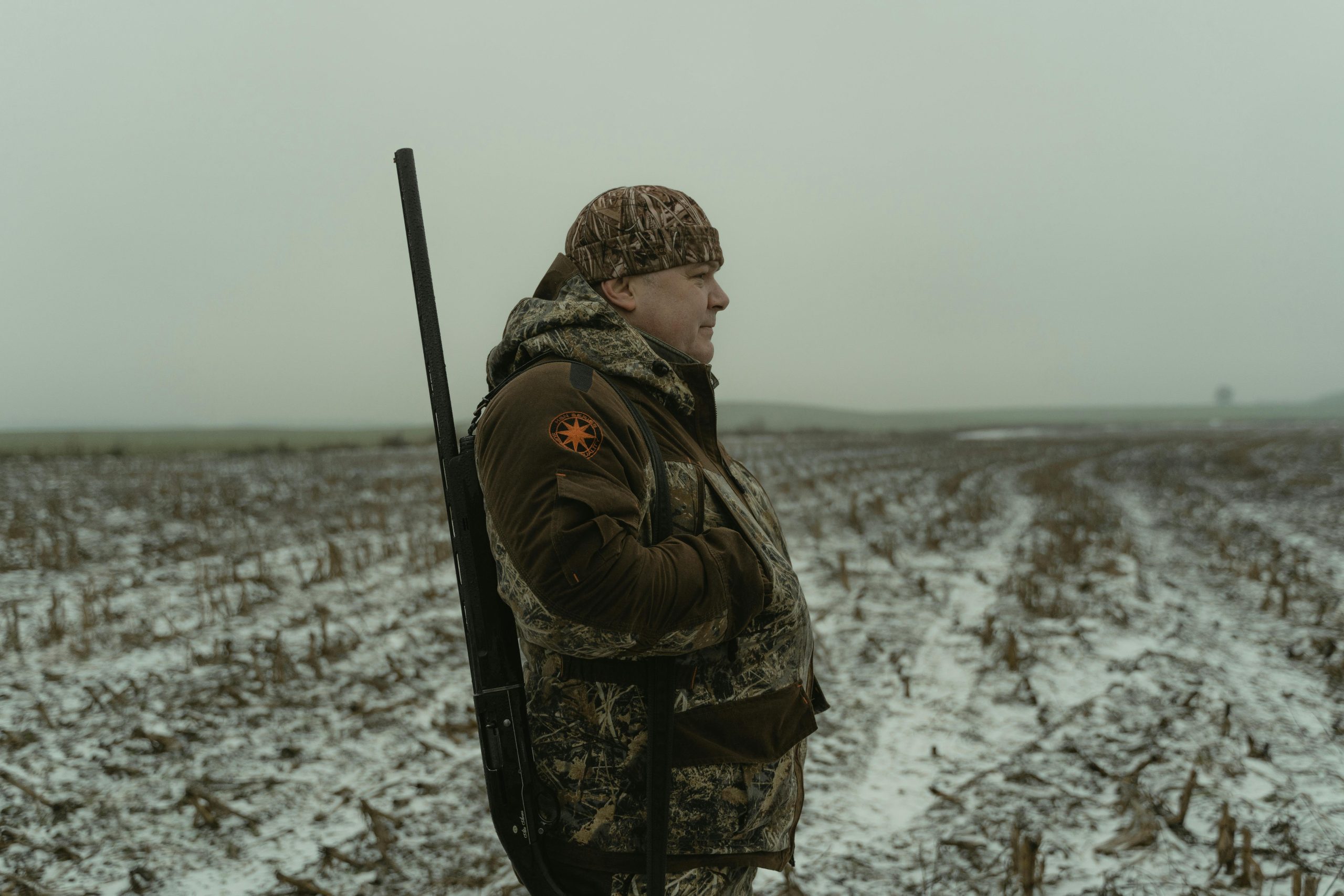
Cold drains energy faster than expected. Muscles stiffen, reaction time slows, and concentration drops. Shooters may not recognize fatigue until mistakes appear. Grip strength weakens, breathing control suffers, and safe handling becomes harder to maintain. Cold weather demands more frequent breaks and hydration. Recognizing physical limits helps prevent sloppy handling and poor decisions. Managing fatigue keeps firearm control consistent. Treating cold exposure as a serious factor improves both safety and performance during extended winter shooting sessions.