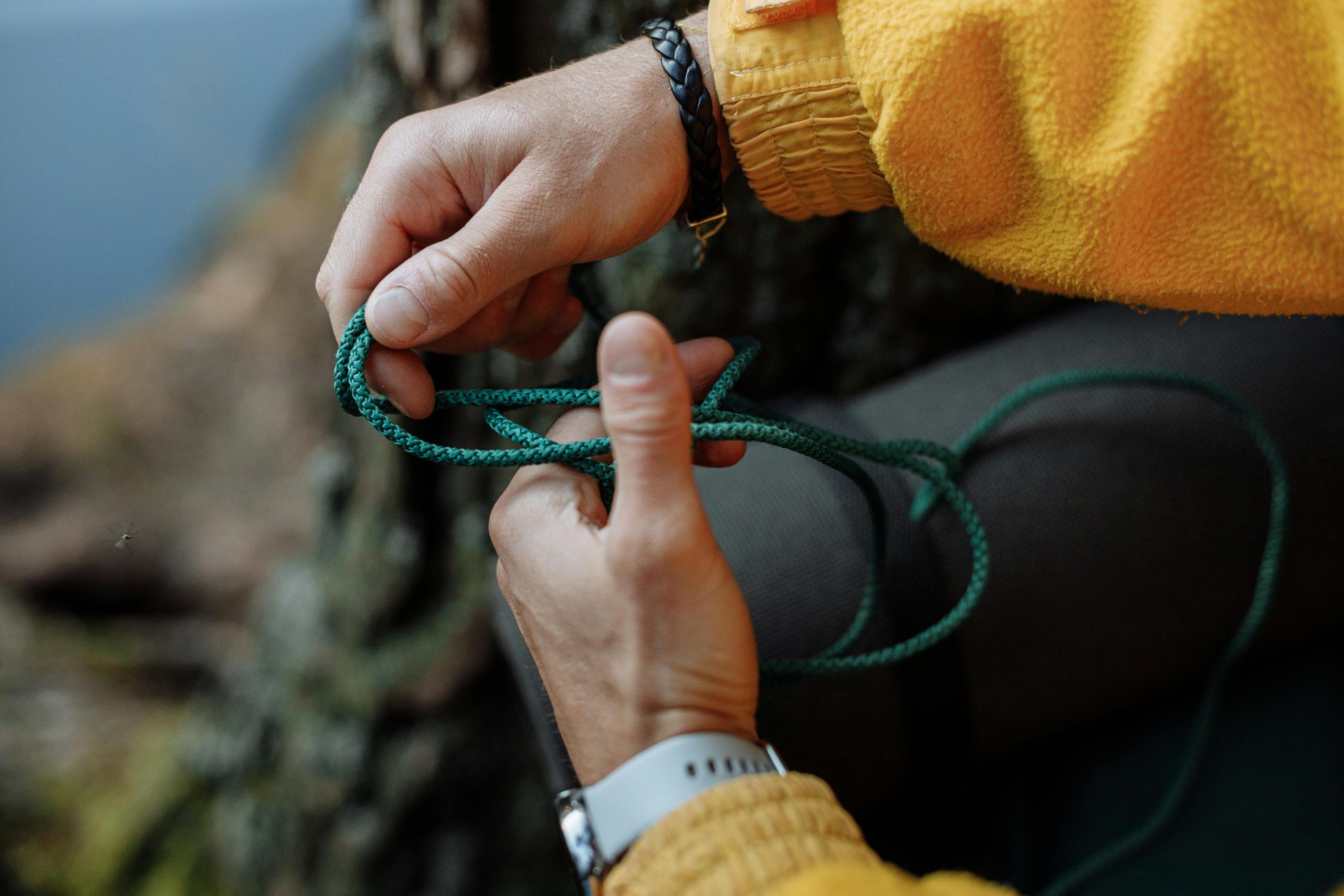
Knowing how to tie the right knot can be the difference between comfort and chaos outdoors. Whether you are camping, hiking, fishing, or setting up a survival shelter, knots quietly support nearly every task. A good knot saves time, prevents accidents, and protects valuable gear when conditions turn rough. Many beginners rely on improvised or weak knots that slip under pressure, while experienced outdoorsmen trust a small set of proven techniques. The knots below are not decorative or complicated. Each one serves a clear purpose and works reliably in real outdoor situations. Mastering these essentials builds confidence and reduces frustration when weather, terrain, or limited daylight adds pressure. Once learned, these knots become muscle memory and remain useful for life, no matter where your adventures take you.
1. Square Knot
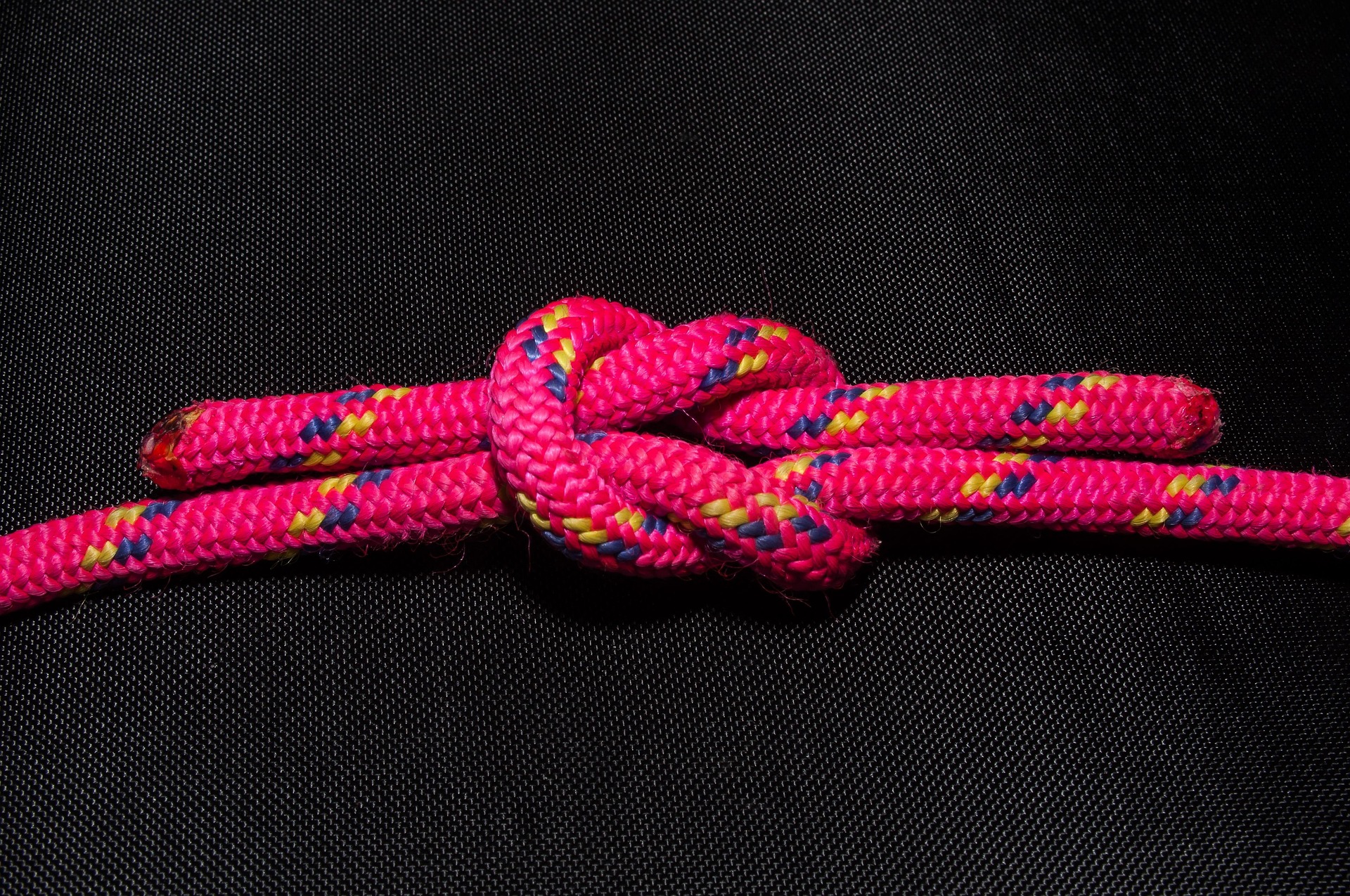
The square knot is one of the simplest and most useful knots for joining two ropes of equal thickness. Outdoors, it is commonly used to tie bandages, bundle firewood, or secure rolled sleeping pads. Its strength comes from even tension on both ends, making it easy to untie after use. The knot lies flat, which helps prevent pressure points when securing soft items. While it should never be trusted for heavy loads or climbing, it performs extremely well for light-duty camp tasks. Learning the correct over-under sequence is critical because a poorly tied square knot can turn into a slipping granny knot. When used correctly, it stays neat, balanced, and dependable in everyday outdoor situations.
2. Bowline Knot
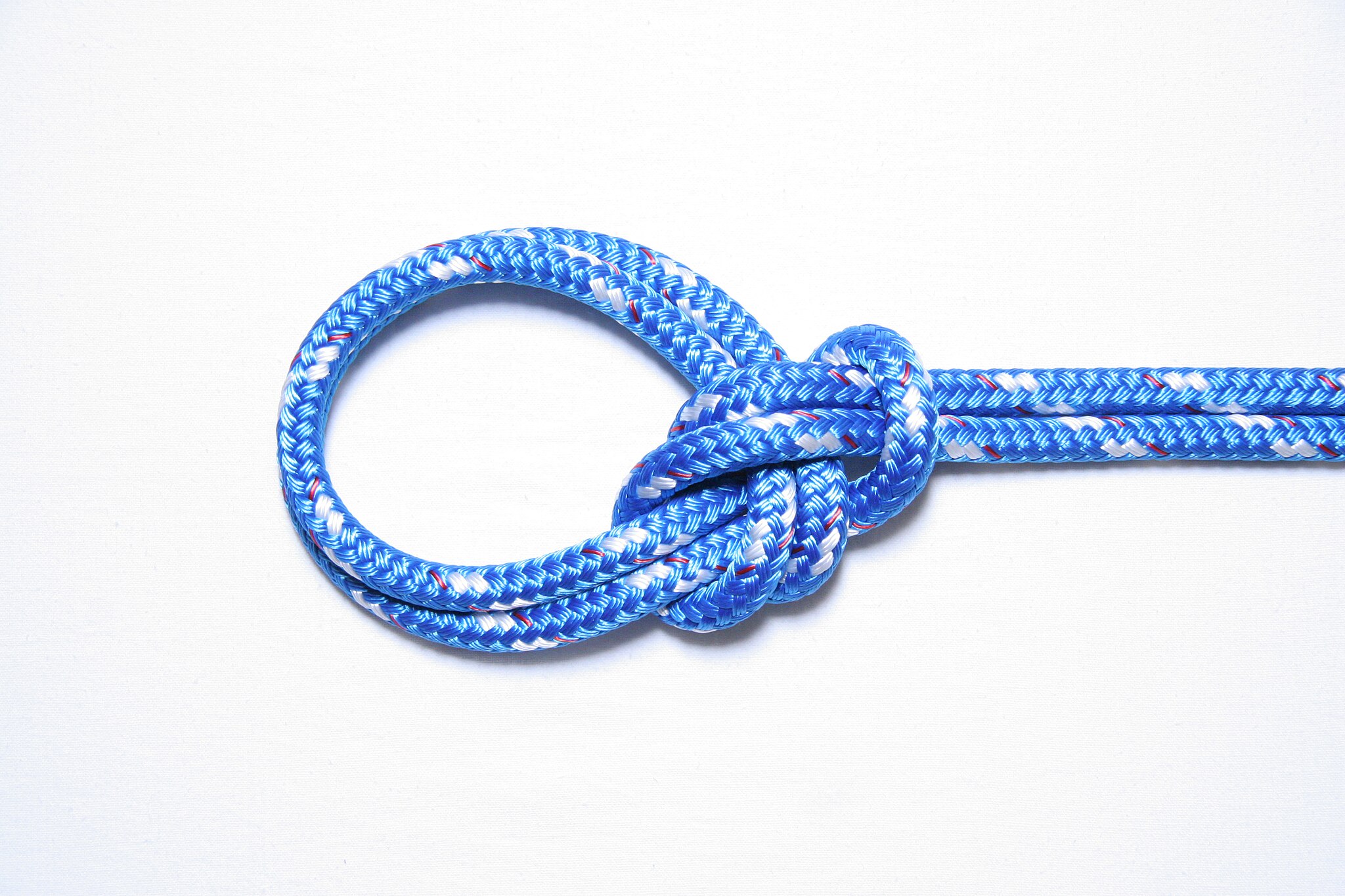
The bowline knot creates a fixed loop that will not tighten under load, making it invaluable for outdoor safety tasks. Campers often use it to secure tarps, hang food away from animals, or tie a rope around a tree without damaging the bark. Its biggest advantage is reliability, even after bearing weight or exposure to rain. Unlike sliding loops, the bowline maintains its shape, which makes it ideal for rescue scenarios or anchoring gear. The knot is easy to inspect visually, so you can confirm it is tied correctly at a glance. Once learned, the bowline becomes a trusted knot for countless outdoor setups.
3. Clove Hitch
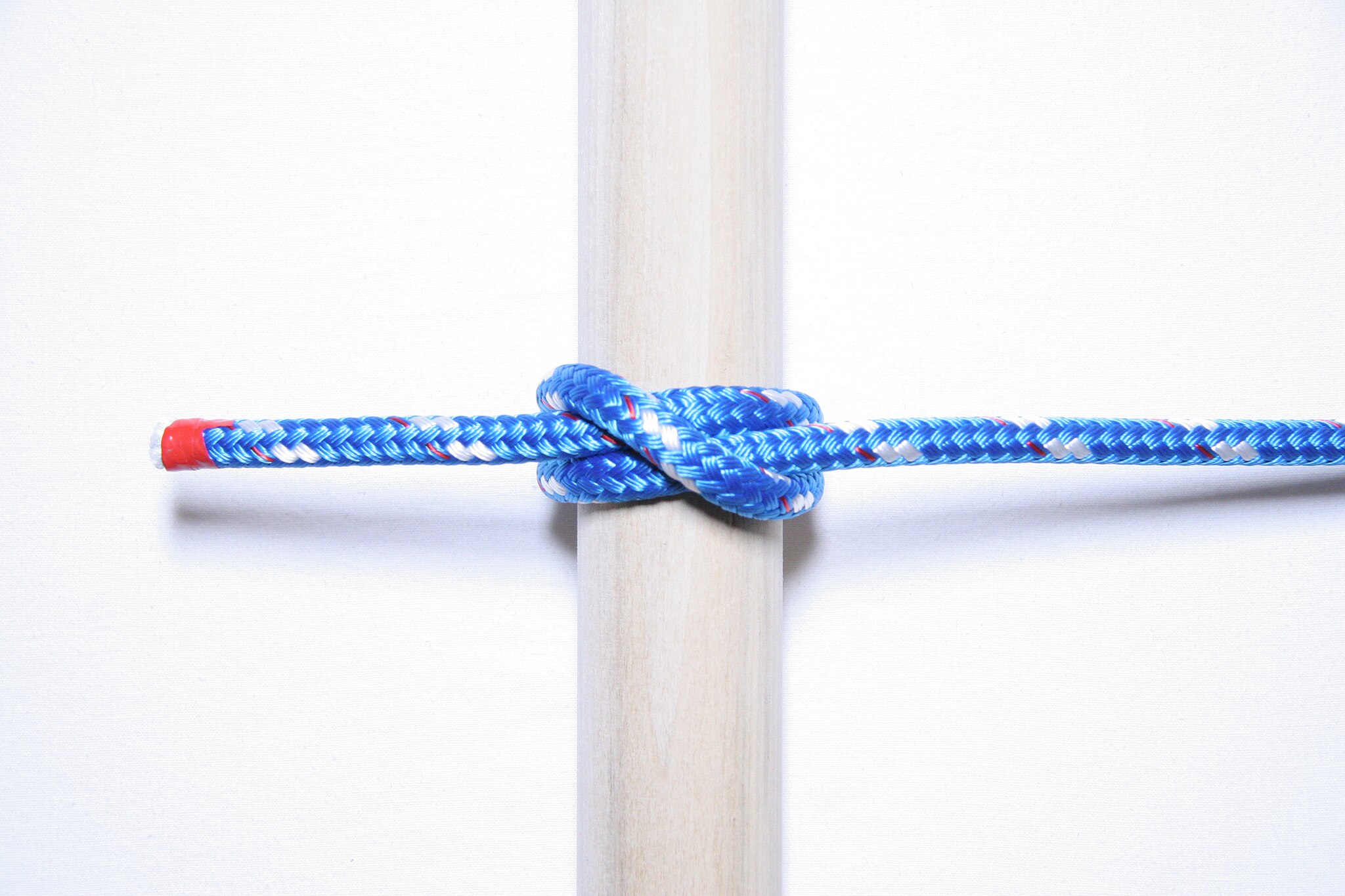
The clove hitch is a fast, adjustable knot perfect for temporarily securing a rope to a post, branch, or pole. It is commonly used when pitching tents, setting up clotheslines, or positioning gear while building shelters. This knot excels when speed matters, since it can be tied and untied quickly. Its adjustability allows fine-tuning rope tension without fully retying. However, it is not designed for heavy loads or constant movement, as it can loosen over time. When paired with a backup knot, the clove hitch becomes more secure. Outdoor enthusiasts value it as a flexible, quick-fix solution for changing camp conditions.
4. Taut-Line Hitch
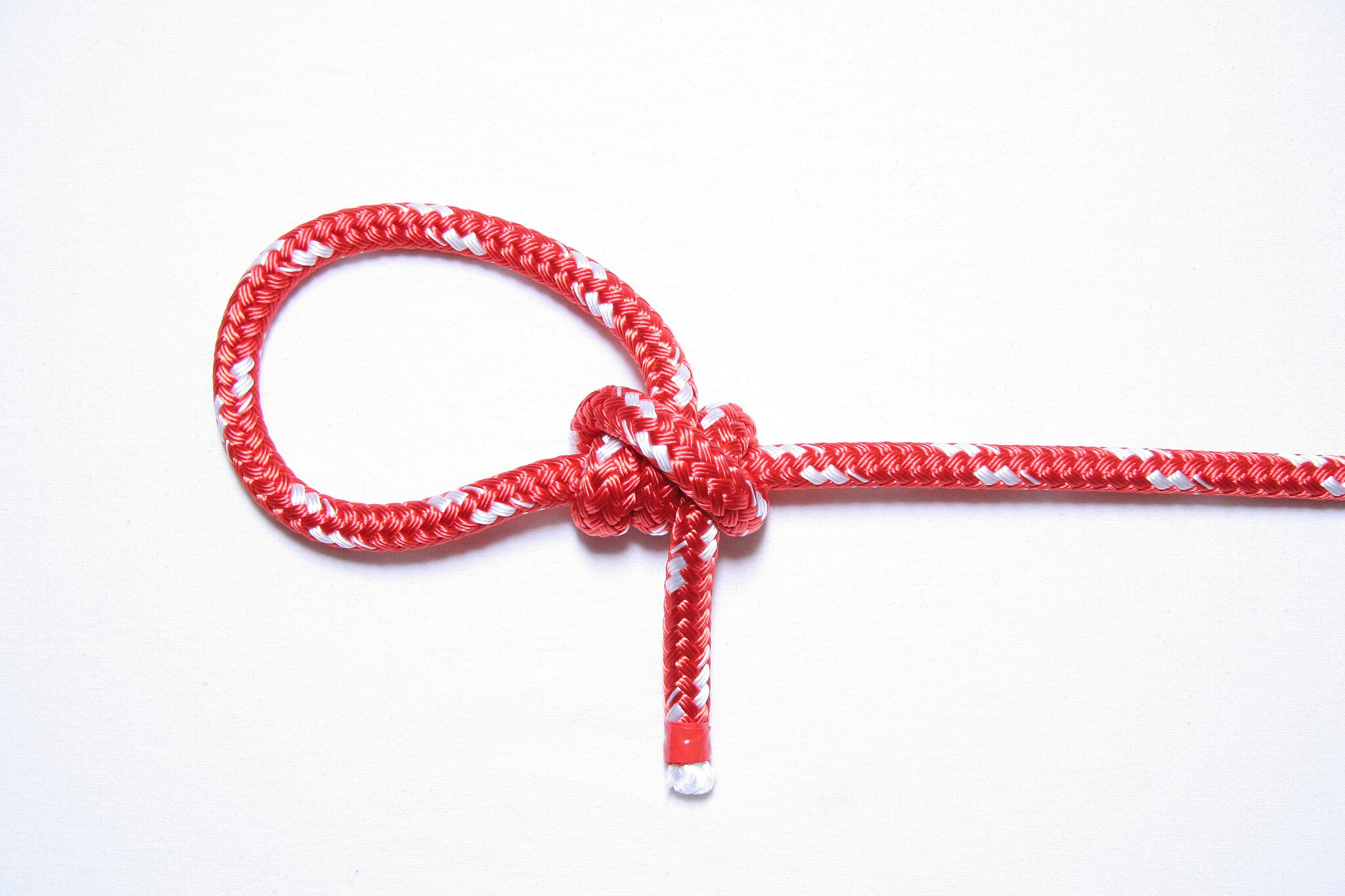
The taut-line hitch is a favorite among campers because it allows tension adjustment without untying the knot. This makes it ideal for tent guylines, tarps, and rain flies that need frequent tightening as weather changes. The knot slides smoothly when pushed by hand, but grips firmly under tension. This balance provides excellent control over shelter stability during wind or rain. It works best with rope that has some texture, as a very slick cord can reduce grip. Once mastered, the taut-line hitch saves time and keeps shelters secure overnight. It remains one of the most practical knots for modern camping setups.
5. Sheet Bend
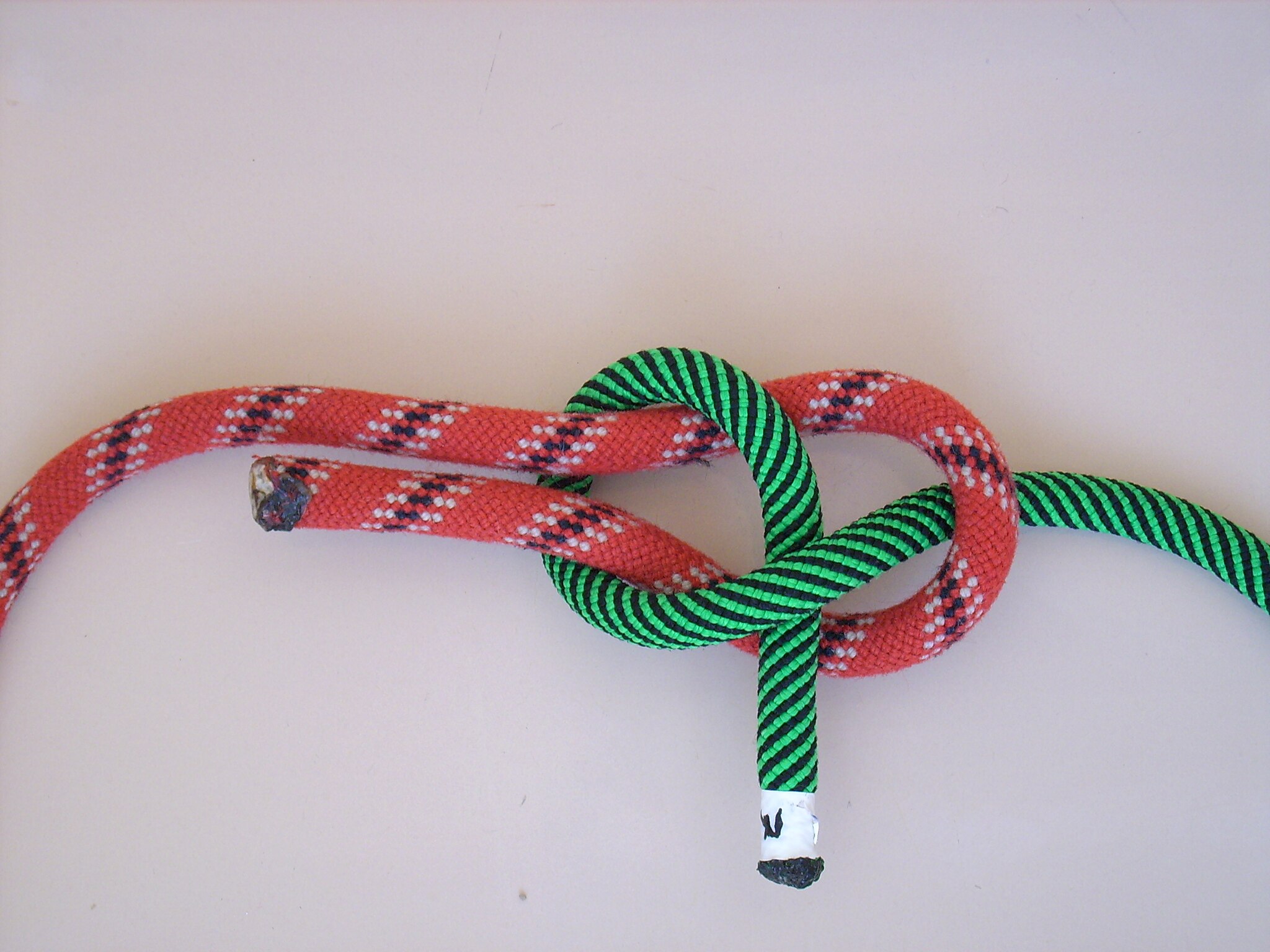
The sheet bend is designed specifically for joining two ropes of different thicknesses or materials. Outdoors, this is useful when extending lines using mismatched cords found in packs or emergency kits. The knot holds well under steady tension and resists slipping better than simpler joining knots. It is commonly used in fishing, tarp extensions, and makeshift repairs. While it is slightly bulkier than other knots, its reliability makes up for it. Adding a second wrap creates a double sheet bend for added security. This knot proves especially valuable when improvisation is required in unpredictable outdoor situations.
6. Figure-Eight Knot
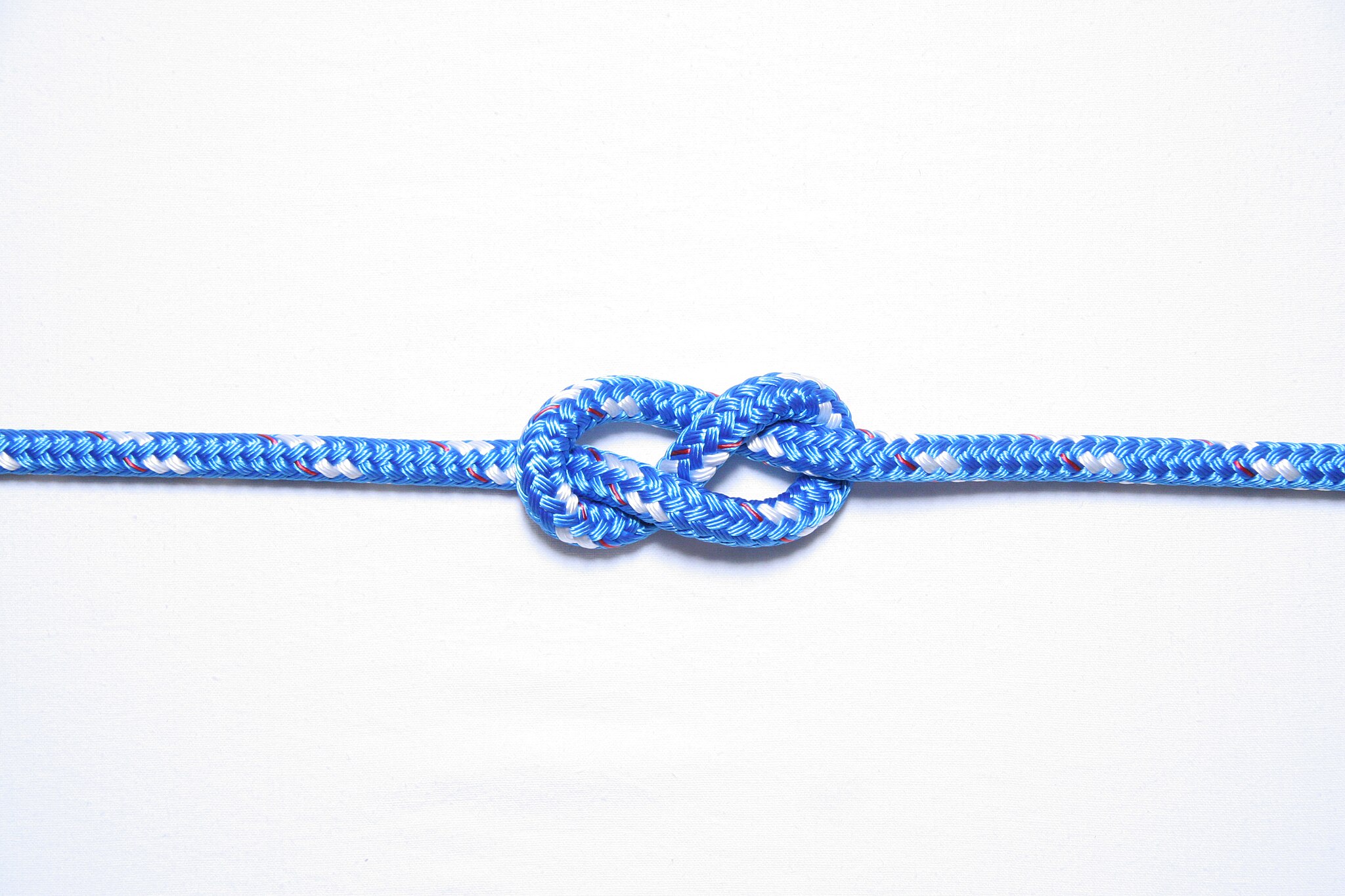
The figure-eight knot is widely respected for its strength and clarity. It forms a solid stopper knot that prevents rope ends from slipping through hardware or loops. Outdoor climbers, rescue workers, and sailors rely on it for dependable load handling. The knot is easy to inspect because its shape is distinct and symmetrical. It maintains much of the rope’s original strength, reducing stress damage. Even when tightened under pressure, it remains easier to untie than many other strong knots. For outdoor enthusiasts, the figure-eight provides confidence when securing critical gear or creating fixed loops.
7. Trucker’s Hitch
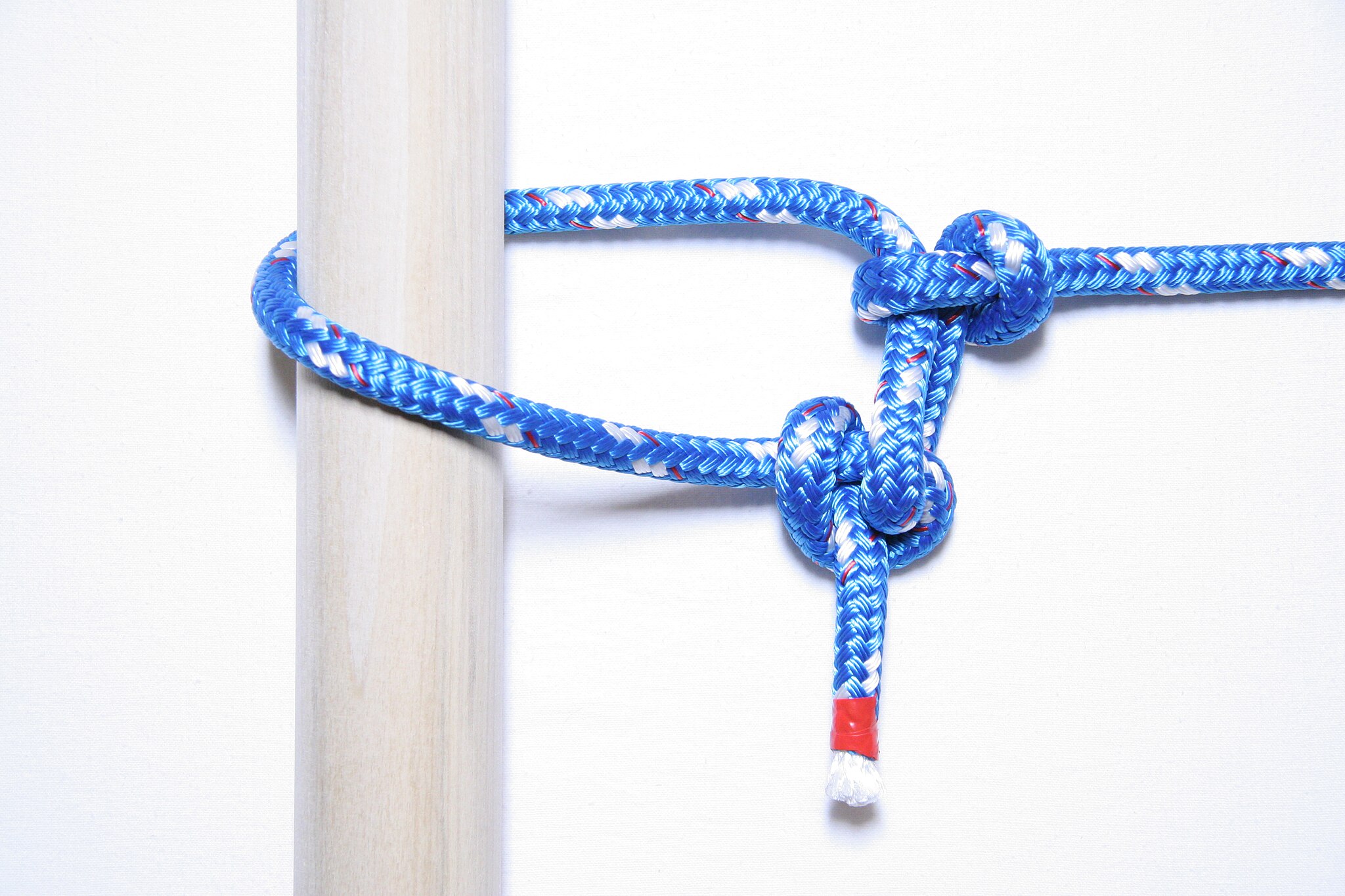
The trucker’s hitch is a powerful knot system used to create high tension when securing loads. Campers often use it to tighten tarps, secure canoes, or stabilize bulky gear. Creating a pulley-like effect, it allows significantly more tension than simple knots. This makes shelters more wind-resistant and loads less likely to shift. While it uses multiple steps, the technique becomes quick with practice. Care must be taken when releasing tension, as stored force can snap back. When mastered, the trucker’s hitch becomes one of the most effective outdoor knots available.
8. Fisherman’s Knot
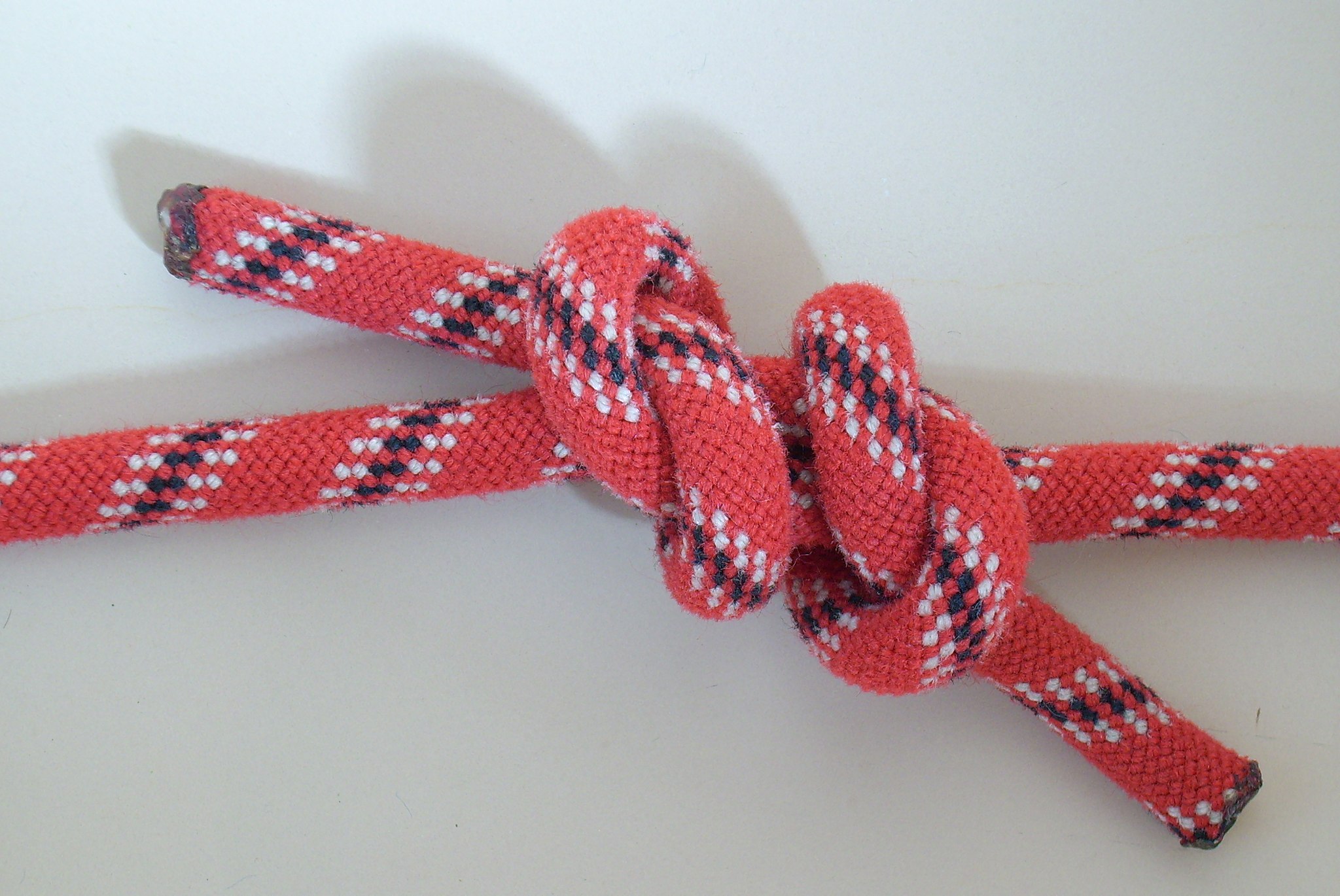
The fisherman’s knot excels at joining thin lines, especially fishing line or paracord. It is compact, strong, and resistant to slipping when properly tightened. Outdoors, it is often used for fishing rigs, repairing broken cordage, or creating continuous loops. The knot performs best when ends are trimmed close after tightening. Its low profile helps prevent snagging on rocks or gear. While it can be difficult to untie after heavy loading, its reliability makes it worthwhile. For anyone carrying light cordage, the fisherman’s knot is a must-know technique.
9. Timber Hitch
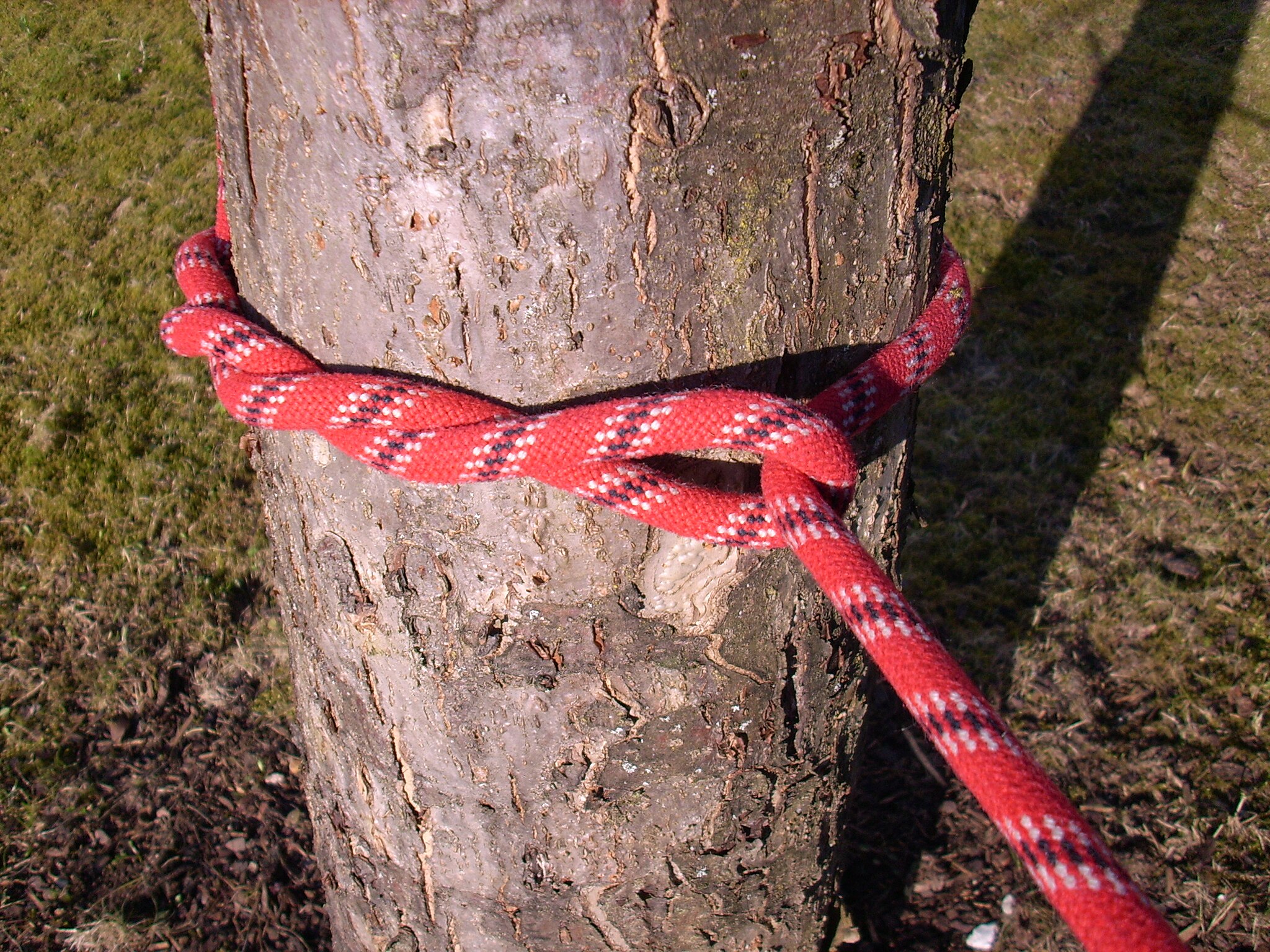
The timber hitch is ideal for securing a rope to a log or pole when dragging or lifting heavy objects. It tightens under tension and loosens easily once the load is released. This makes it perfect for firewood hauling, shelter construction, or trail clearing. The knot works best when paired with a half hitch further down the rope for stability. Its simplicity allows quick tying even with gloves on. Despite its basic structure, it holds remarkably well under straight-line pull. Outdoorsmen value the timber hitch for its efficiency and ease of use.
10. Prusik Knot
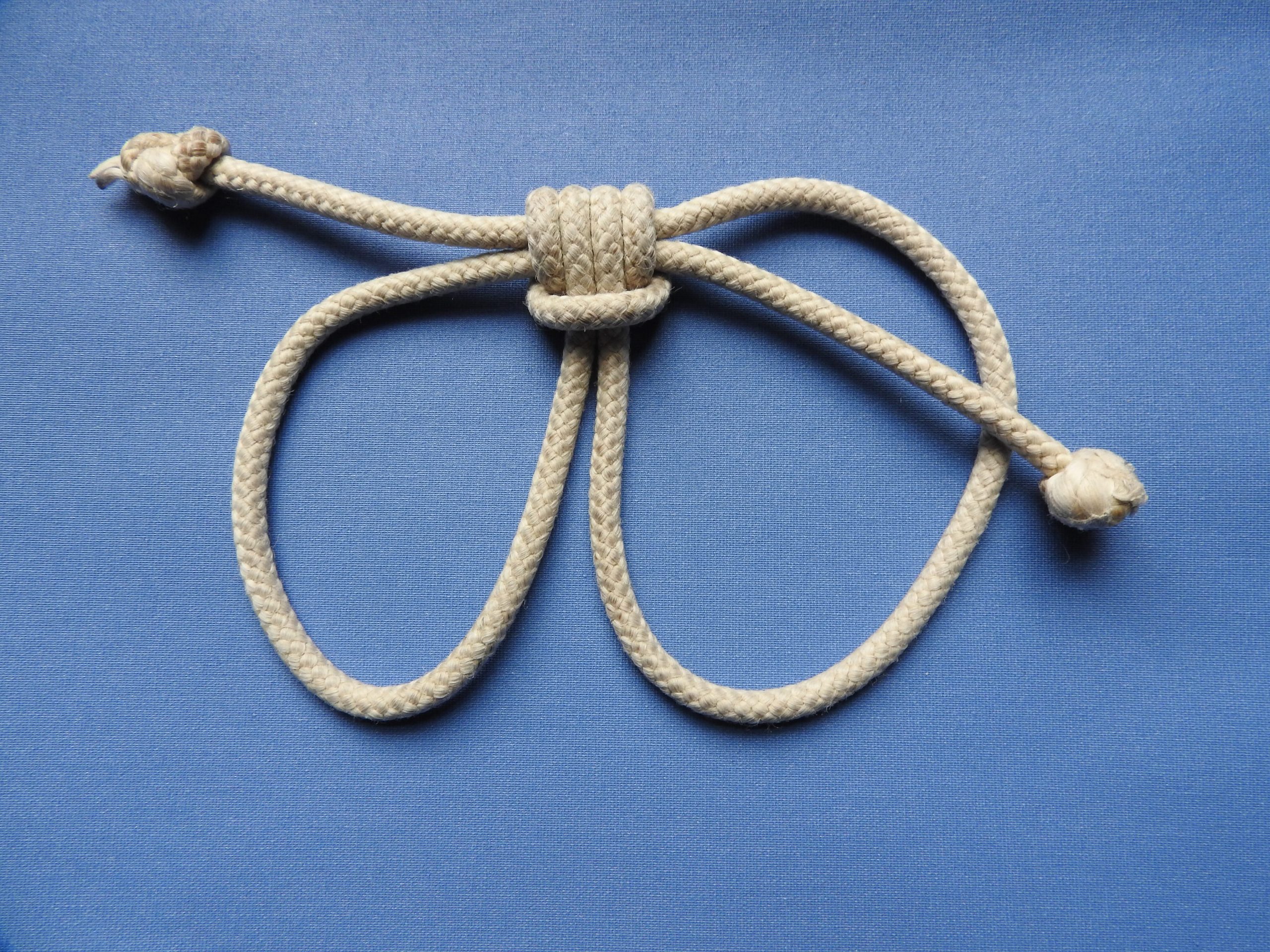
The prusik knot is a friction hitch that grips when weighted and slides when released. It is commonly used for climbing, self-rescue, and securing adjustable loops. Outdoor enthusiasts rely on it for emergency ascents, gear organization, and tensioning systems. The knot requires a smaller loop of cord wrapped around a larger rope. Its effectiveness depends on the correct cord size and wrapping technique. When weighted, it locks firmly in place. When unweighted, it moves freely. The prusik knot adds a valuable safety and adjustment option to any outdoor knotting skill set.