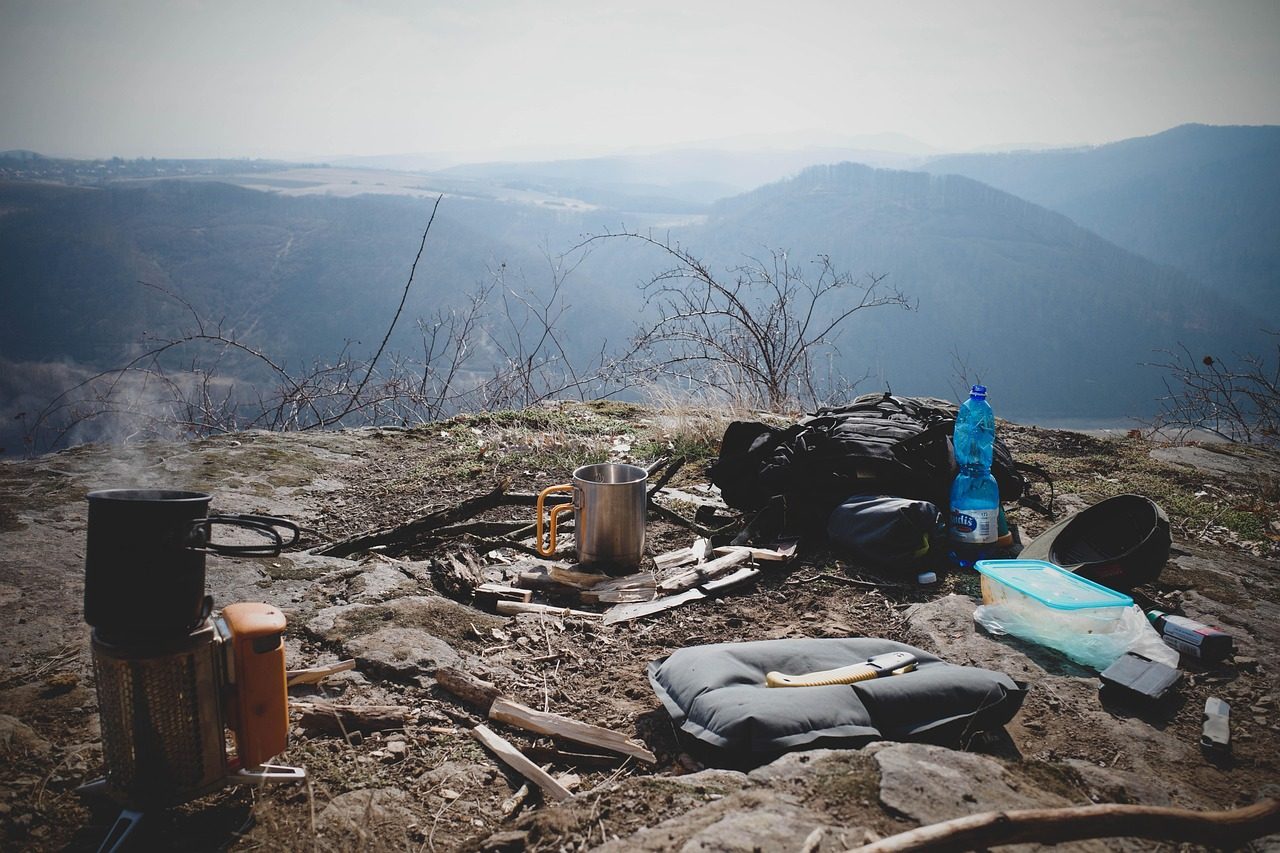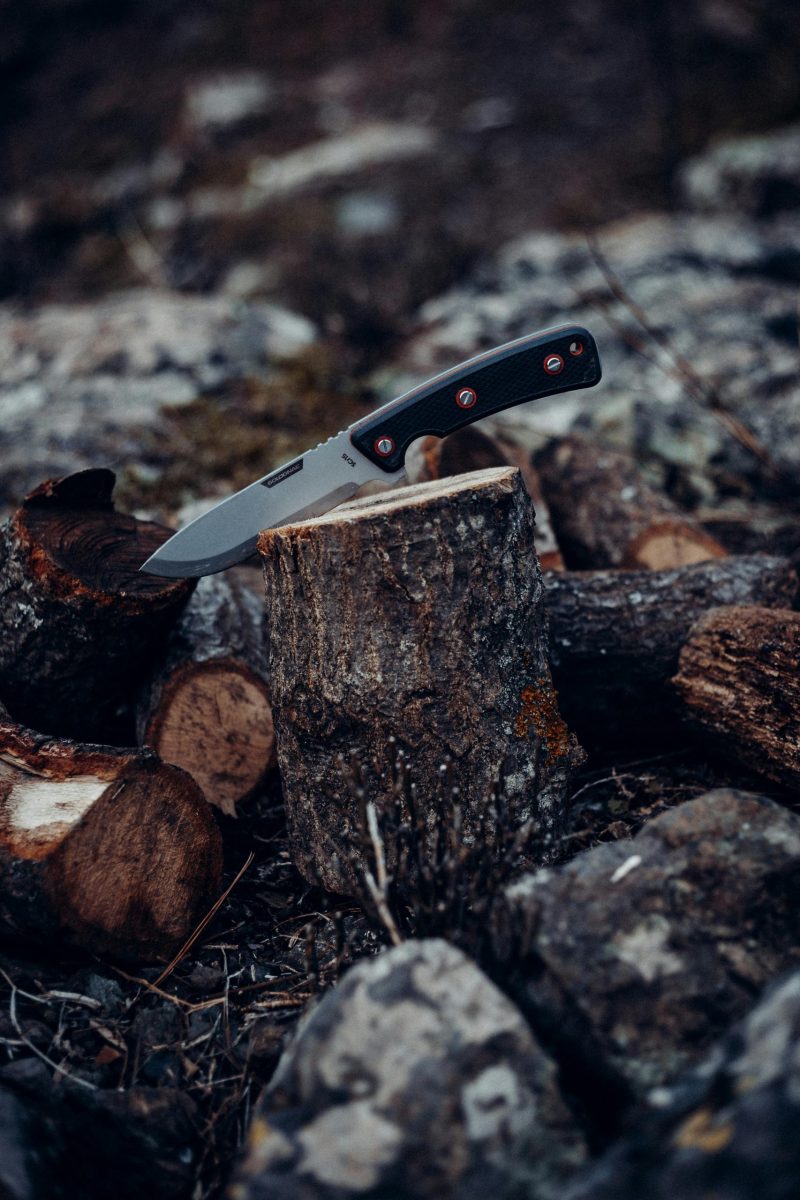
Spending time outdoors after dark is an experience that sits somewhere between the deeply peaceful and the genuinely unpredictable. Whether you are camping in a national forest, hiking a trail that runs longer than expected, or navigating a backcountry route under a full moon, the night introduces variables that daylight simply does not. The trouble is that most people head into these situations carrying a backpack full of myth and beliefs that feel like common sense but are actually built on fear, folklore, and misremembered advice. Some of these myths are merely unhelpful. Others are quietly dangerous. Understanding which beliefs hold up under scrutiny and which ones quietly put you at risk is one of the most practical things any outdoor enthusiast can do. This article breaks down ten of the most persistent myths about night safety so you can replace shaky assumptions with solid, reliable knowledge.
Myth 1: Animals Are Always More Dangerous After Dark
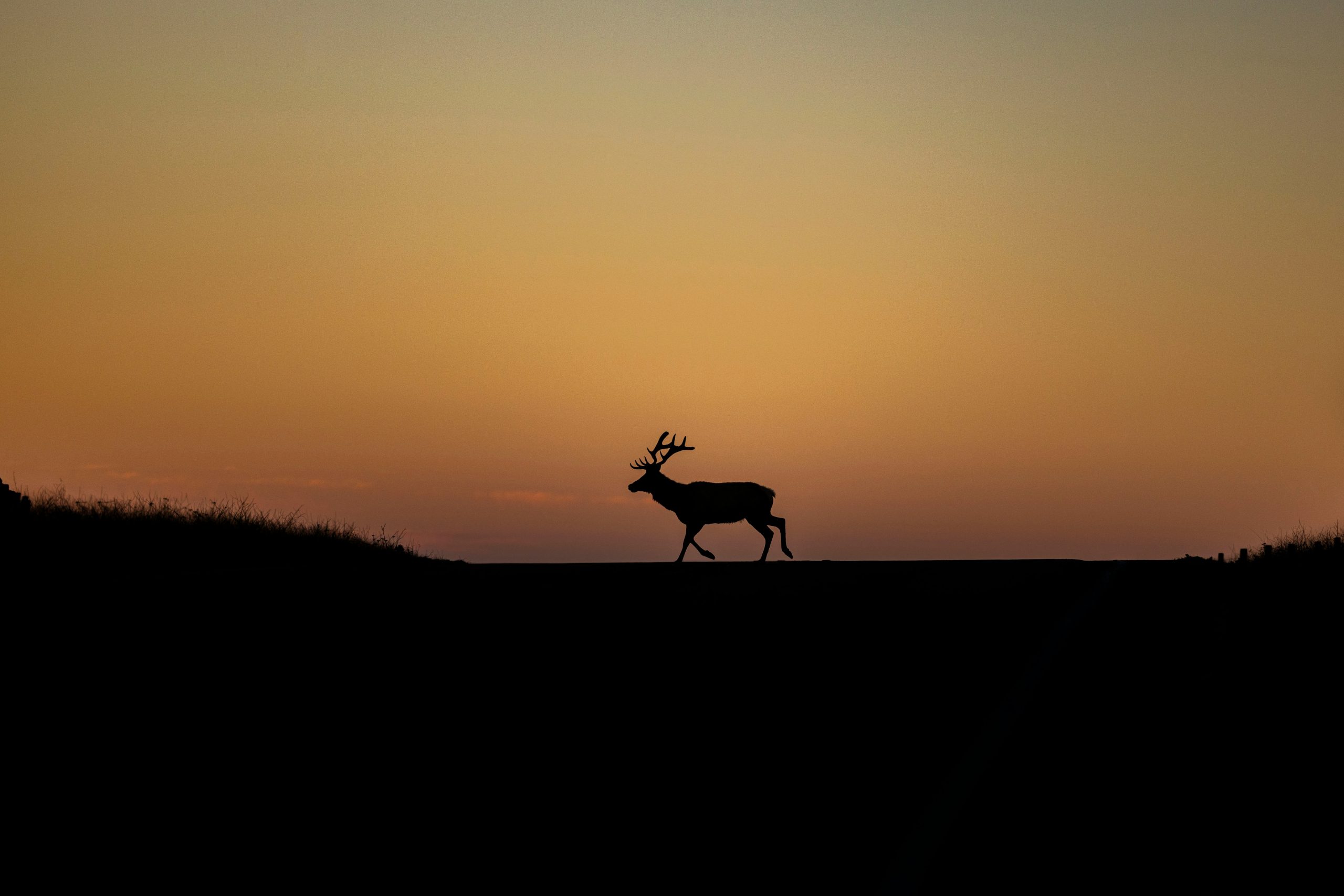
Many campers assume nightfall flips a switch, turning every nearby creature into an active threat. This belief leads to unnecessary panic and poor decisions in the field. In reality, fewer than 0.003% of outdoor-related injuries each year involve wildlife attacks, and most recorded incidents occur during daylight when human activity peaks. Nocturnal animals like raccoons, foxes, and owls prioritize avoidance over confrontation. Even large predators such as mountain lions rarely approach humans unprovoked. Making noise while moving, storing food in sealed containers, and carrying a reliable flashlight dramatically reduce real risk. Fear of darkness should never be confused with actual, factual danger from the animals sharing that space.
Myth 2: A Flashlight Alone Keeps You Fully Safe
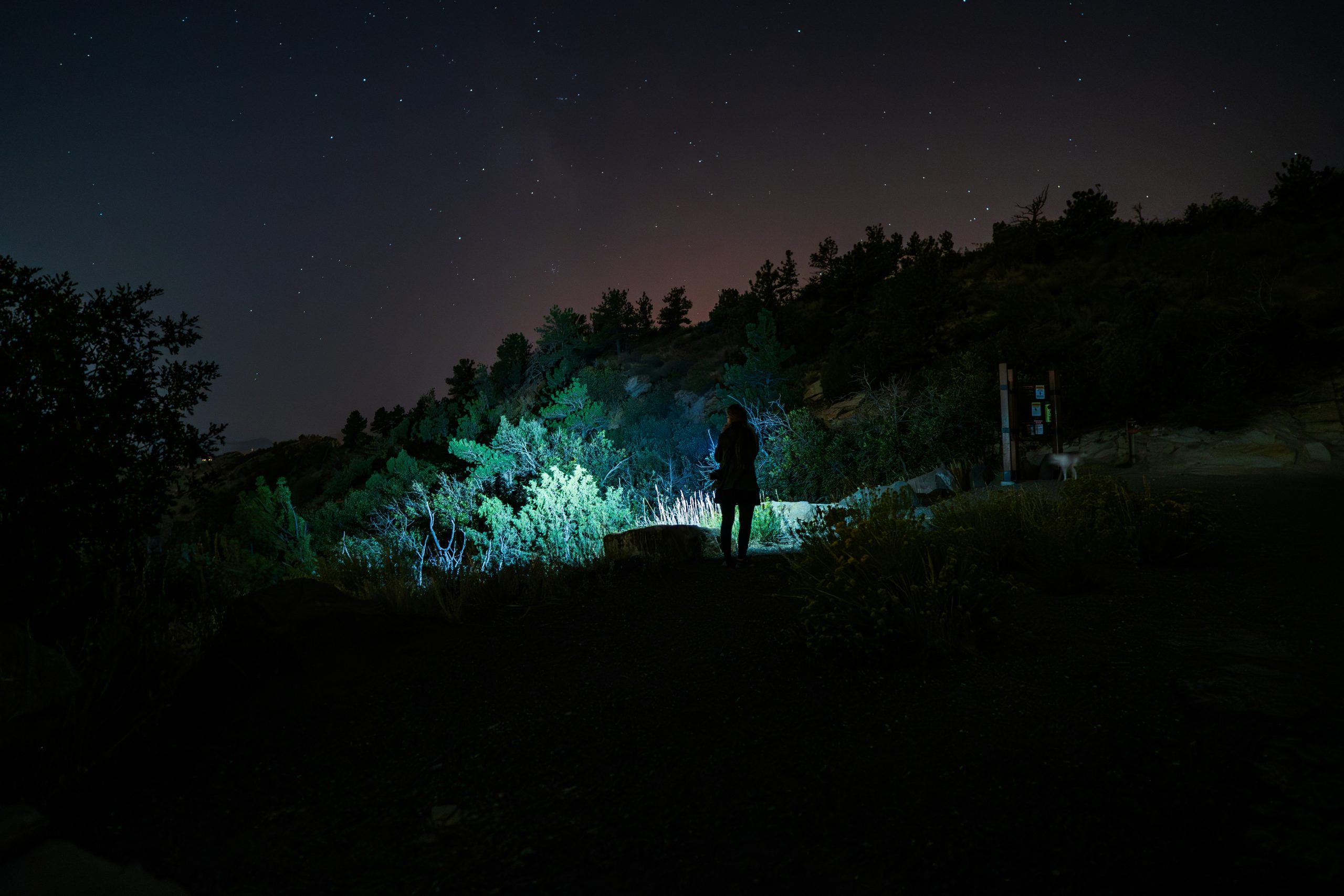
Carrying a flashlight is genuinely useful, but believing it eliminates all nighttime risk is one of the most common outdoor mistakes people make. A standard handheld torch illuminates only about 15 to 30 feet ahead, leaving peripheral terrain completely dark. Research from the Outdoor Foundation suggests nearly 62% of night hiking injuries happen on uneven ground directly beside the lit path. Batteries drain unexpectedly, bulbs fail, and narrow beams miss hazards at ankle level entirely. A headlamp with a wide flood setting, combined with a backup light source, offers far better coverage. Your flashlight is a useful tool, but it is absolutely not a guarantee of complete safety at night.
Myth 3: You Will Always Hear Danger Before It Reaches You
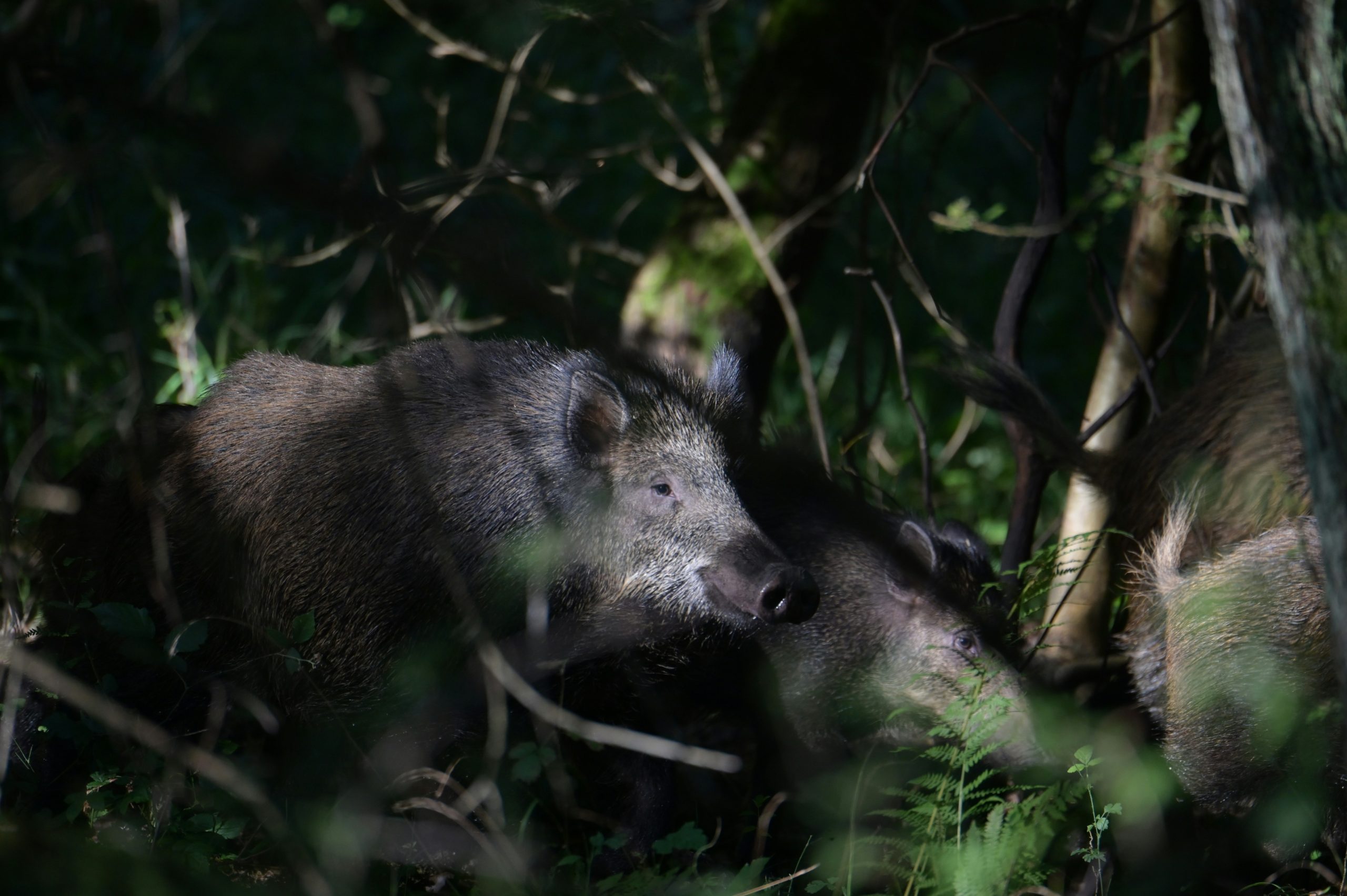
People frequently believe their hearing sharpens into something superhuman once vision is limited by darkness. While the brain does shift sensory priority toward sound at night, danger rarely announces itself conveniently. Flash floods can develop within minutes, covering ground silently before water levels rise to a critical point. Rockfalls often give no audible warning whatsoever. According to National Weather Service data, flash flooding claims an average of 88 lives annually in the U.S., many in outdoor settings where victims received zero prior audio warning. Reading terrain, monitoring weather patterns, and studying cloud behavior before setting out are far more dependable than trusting your ears alone.
Myth 4: Cold Temperatures Are Only a Winter Concern
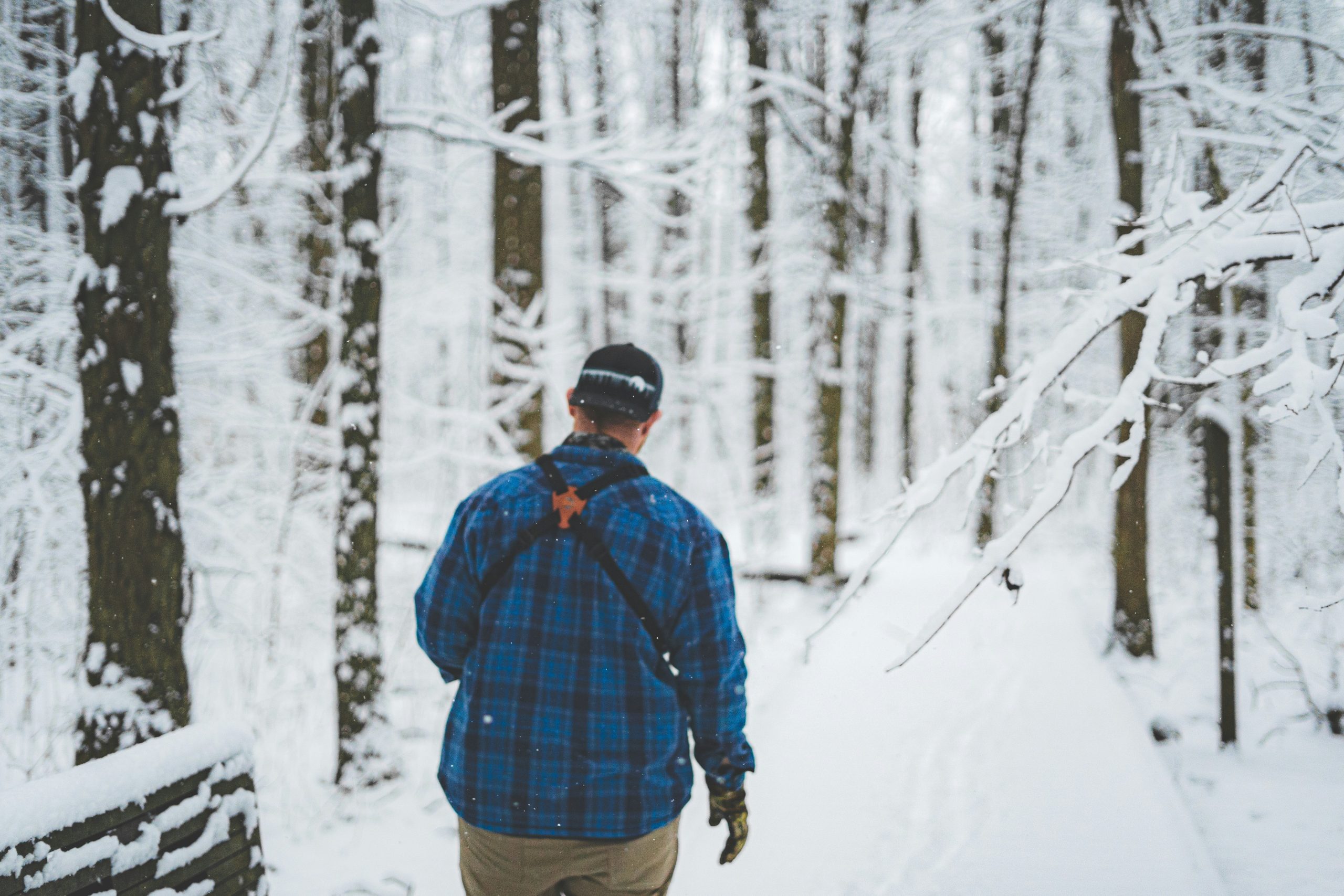
Most people associate cold-weather danger strictly with winter camping, but hypothermia can set in at temperatures as mild as 50°F when conditions turn wet and windy. Night temperatures in desert environments regularly drop 30 to 40°F from afternoon highs, catching unprepared hikers completely off guard. The Centers for Disease Control reports that hypothermia accounts for roughly 1,300 deaths in the U.S. each year, and a significant portion occur during spring and autumn trips. Wearing moisture-wicking base layers, carrying an emergency thermal blanket, and checking overnight forecasts before any outdoor trip are essential habits regardless of season. Warmth management genuinely matters every single month of the calendar year.
Myth 5: Getting Lost at Night Means Immediate Disaster
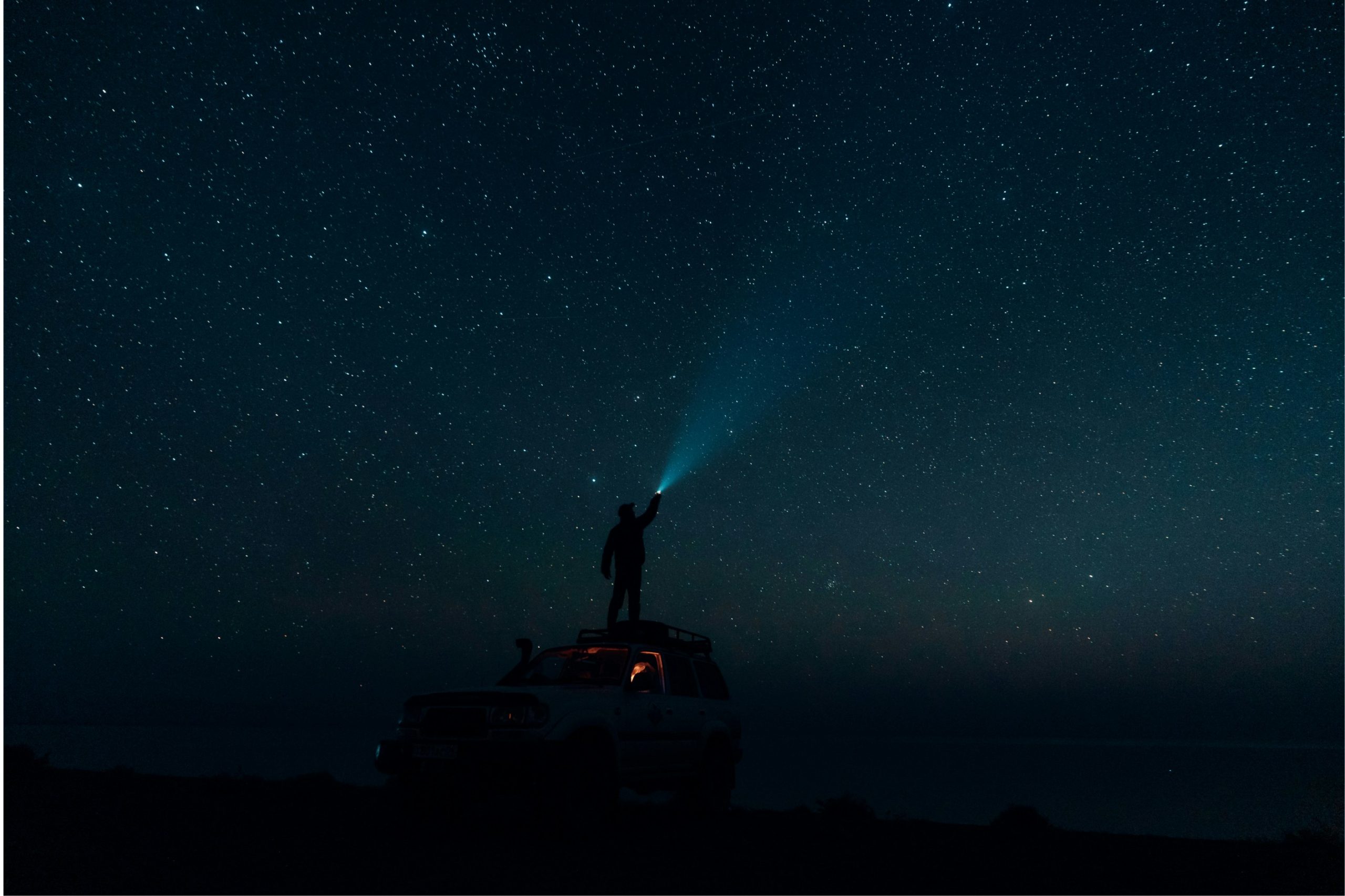
The idea that getting lost after dark automatically signals catastrophe causes people to make frantic, energy-burning decisions that actively worsen their situation. Statistics from the National Park Service show that over 70% of people who get lost and stay calm are found within 24 hours. Panic-driven movement in darkness often results in twisted ankles, falls, or deeper disorientation in unfamiliar terrain. If you realize you are lost, stopping immediately, signaling with a whistle or light, and conserving body heat dramatically improve your odds of a fast rescue. Modern search and rescue teams use GPS and infrared gear capable of locating individuals in low-visibility conditions with remarkable, reassuring speed.
Myth 6: A Campfire Will Keep All Predators Away
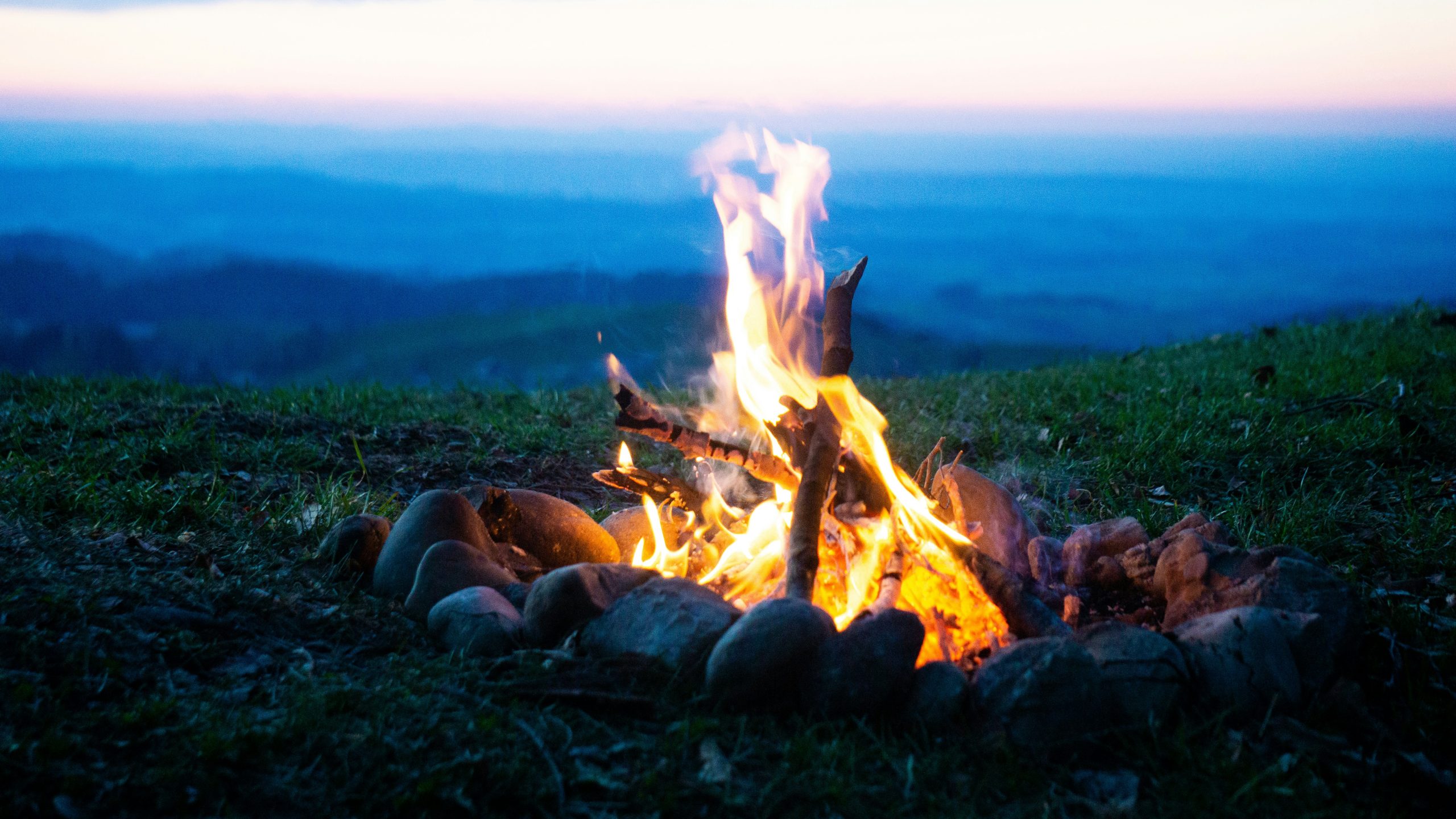
Building a campfire is one of the oldest survival instincts humans carry, and the belief that flames act as a reliable wildlife barrier has been passed down across generations. The reality is considerably more nuanced. While fire deters some animals, studies show it has little consistent effect on predators that have grown accustomed to human presence in national parks and campgrounds. The USDA Forest Service reports that over 87,000 wildfires occur in the U.S. annually, with a notable portion linked to improperly managed fires. Relying on fire as your primary security measure while neglecting food storage, campsite selection, and bear canisters is a genuinely dangerous and avoidable oversight.
Myth 7: Night Hiking Is Only Safe for Experts
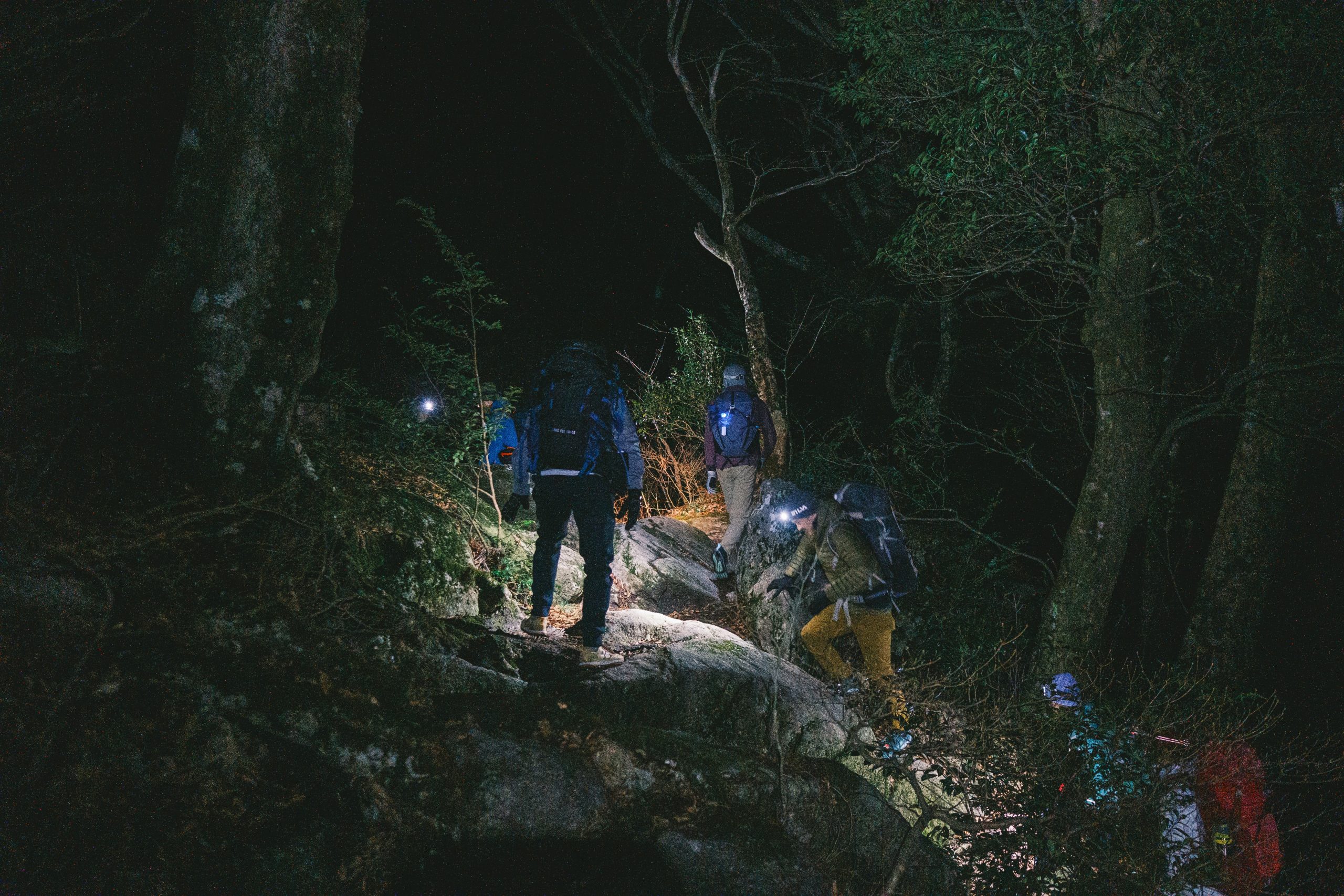
Night hiking carries an unfair reputation as an activity reserved exclusively for seasoned trail veterans. This assumption actively discourages preparation among beginners who might end up in the dark accidentally. Sunset arrives earlier than expected, and many well-meaning day hikers find themselves on trails after dark without planning for it. According to the American Hiking Society, roughly 34% of search and rescue operations involve hikers caught on trails after sunset. With a quality headlamp, a downloaded offline map, and basic trail knowledge, even moderately experienced hikers can navigate safely at night. Dismissing the possibility as something that only happens to beginners creates real and quietly dangerous overconfidence.
Myth 8: Your Smartphone Replaces All Navigation Tools
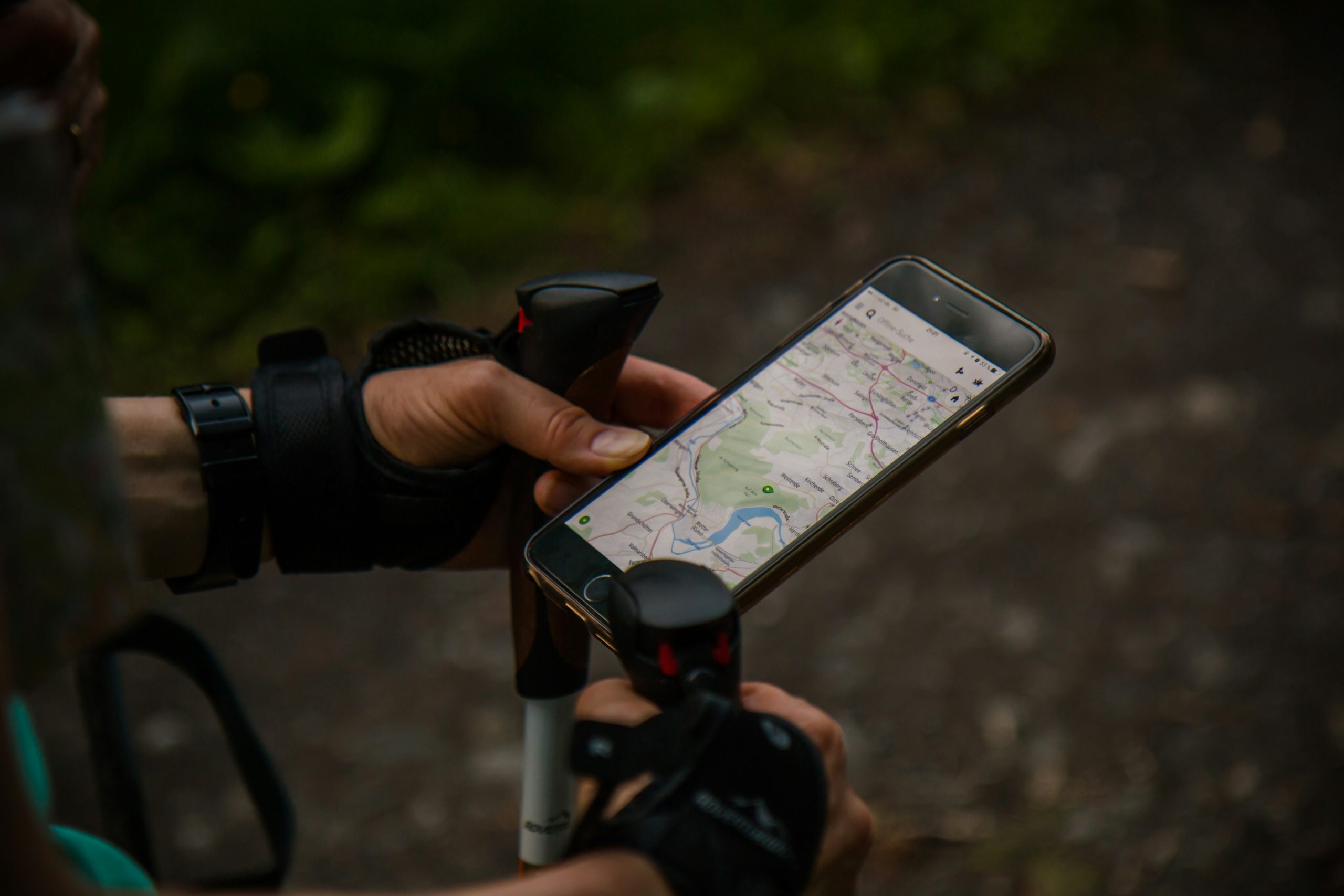
Smartphones have become so capable that many outdoor enthusiasts genuinely believe their devices replace every traditional navigation tool. In truth, phones depend on battery life, signal availability, and app reliability, all of which degrade fast in rugged outdoor environments. A study by the Mountain Rescue Association found that GPS failure or dead batteries contributed to over 40% of incidents where technology-dependent hikers required outside assistance. Cold temperatures alone can drain a lithium-ion battery by up to 20% per hour. A physical compass and a topographic map need no charging, lose no signal, and never crash. Carrying both alongside your phone takes minutes to prepare and could genuinely save your life.
Myth 9: You Do Not Need to Hydrate as Much at Night
Cooler nighttime temperatures create a widespread misconception that your body loses water at a slower rate than during a sunny afternoon hike. Respiration alone causes the body to lose roughly 0.5 to 1 liter of fluid per hour during moderate activity, regardless of ambient heat. The American College of Sports Medicine notes that mild dehydration, fluid loss of just 2% of body weight, surely impairs decision-making, coordination, and temperature regulation. These impairments are especially risky in dark terrain. Night hikers frequently return from trips noticeably dehydrated simply because they stopped monitoring intake. Hydration habits should remain entirely consistent whether the sun is shining or not.
Myth 10: Staying Put Is Always the Right Move When Lost
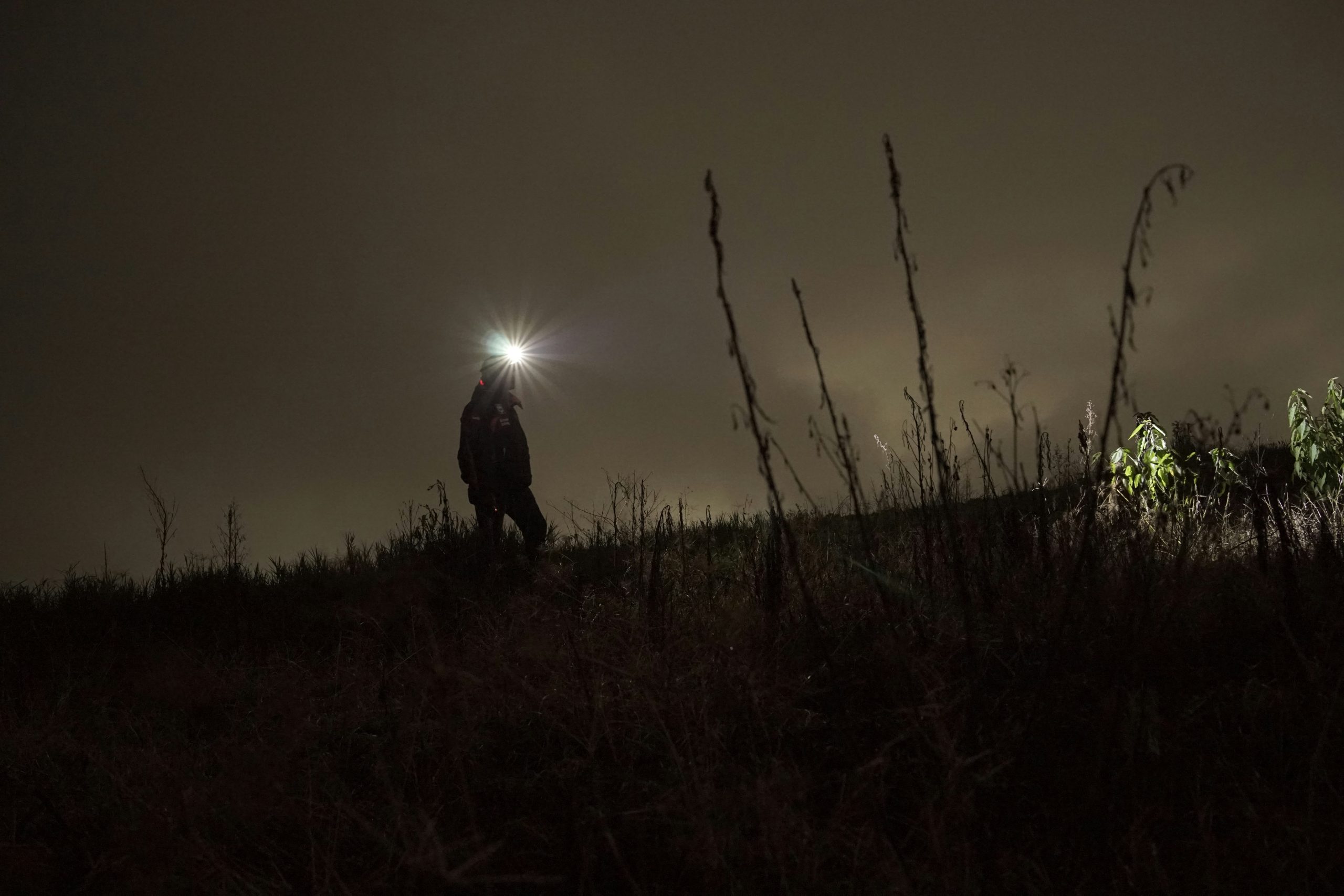
Survival guides consistently advise staying put when lost, and while that is sound in many scenarios, following it rigidly at night can sometimes be the wrong decision. If rising water, rapidly dropping temperatures, or a deteriorating weather front poses an immediate threat, remaining stationary becomes the greater risk. The U.S. Search and Rescue Task Force reports that adaptive decision-making, knowing when to move versus when to shelter in place, is a factor in approximately 58% of successful self-rescues in wilderness settings. Learning to assess your immediate environment, signal your location clearly, and make calculated moves toward shelter or open ground is a far more effective survival approach than any fixed, inflexible rule.