Outdoor adventures require careful preparation and accurate knowledge. Many dangerous food myths about surviving in the wild still circulate among novice hikers and seasoned explorers alike. Believing these widespread misconceptions creates serious risks during unexpected emergencies. People often rely on outdated advice from television shows instead of scientific facts. True wilderness survival demands a deep understanding of natural resources and a reliable set of survival tools. Finding safe sustenance in remote areas involves much more than simply picking wild berries or hunting small game. Recognizing fact from fiction ultimately saves lives when isolation prevents immediate rescue operations.
Animals Eat It, So It Is Safe
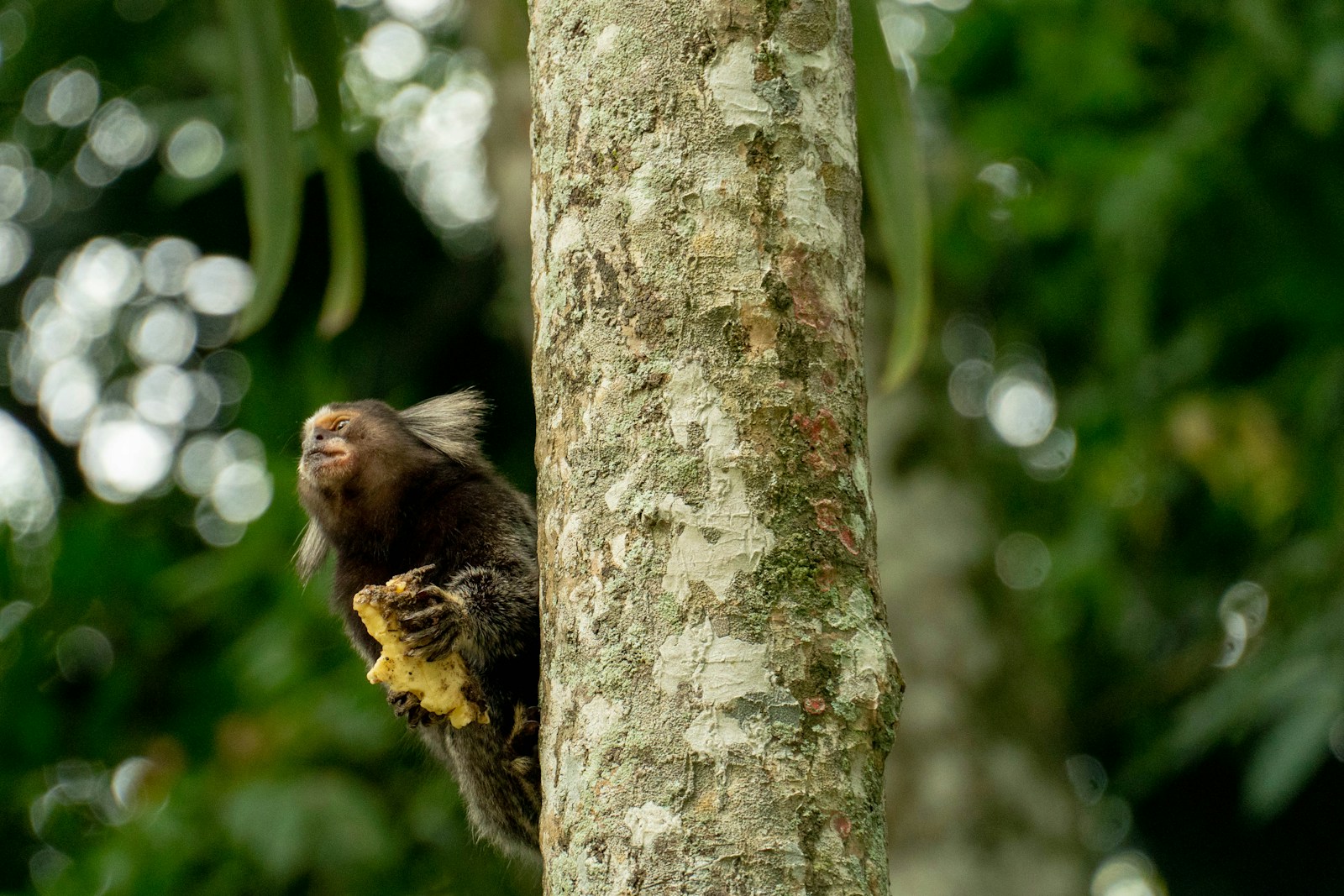
A very popular survival myth suggests that humans can safely eat whatever wild animals consume. This dangerous assumption leads many lost travelers to ingest highly toxic plants and berries. Birds and mammals possess entirely different digestive systems from humans. Squirrels regularly eat mushrooms that would cause severe illness or death in a person. Deer happily chew on poisonous foliage without experiencing any negative side effects. Relying on animal behavior as a safety guide guarantees a medical emergency in a remote setting. Hikers must learn to identify edible vegetation properly rather than mimicking the dietary habits of local wildlife.
Boiling Water Removes All Toxins
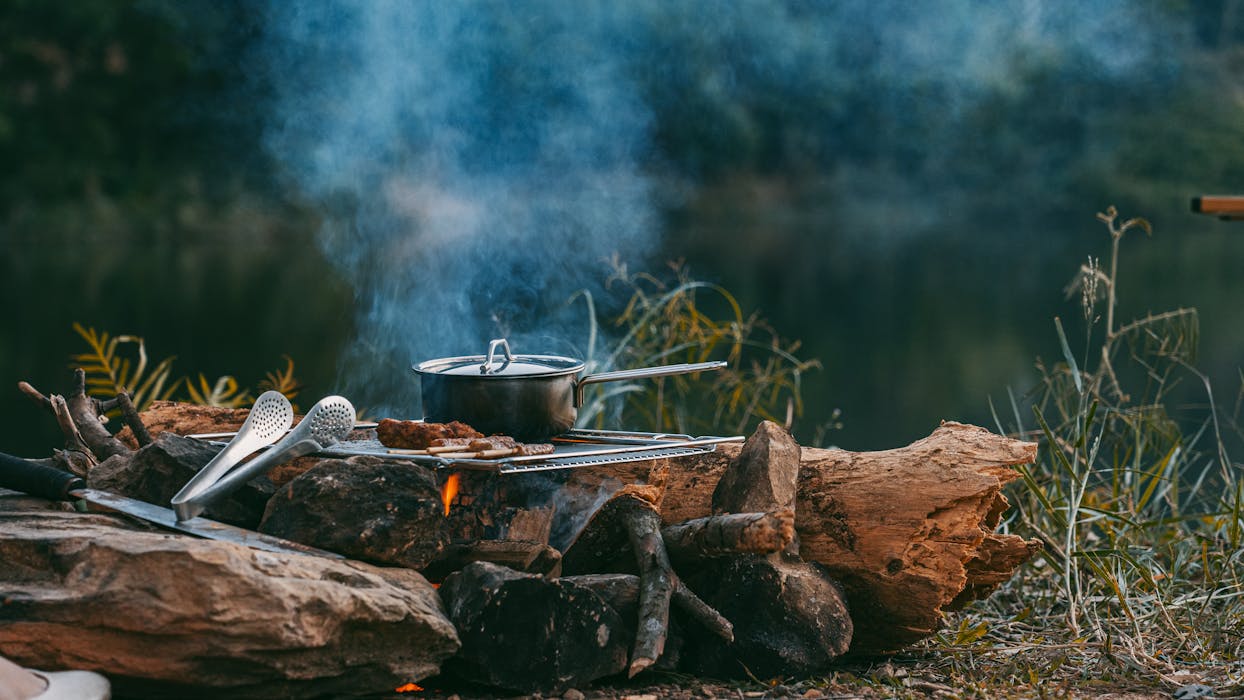
Bringing gathered water to a rolling boil effectively kills harmful bacteria and deadly parasites. Many outdoor enthusiasts mistakenly believe this heating process also removes dangerous chemical pollutants. Boiling does absolutely nothing to eliminate heavy metals or agricultural runoff from a contaminated stream. Evaporating water actually concentrates the remaining chemical toxins and makes the liquid more hazardous to drink. A comprehensive survival plan requires carrying a high-quality mechanical water filter alongside basic boiling tools. Finding the safest possible water source remains a top priority before applying any purification methods during a challenging wilderness survival situation.
Eating Snow Provides Easy Hydration

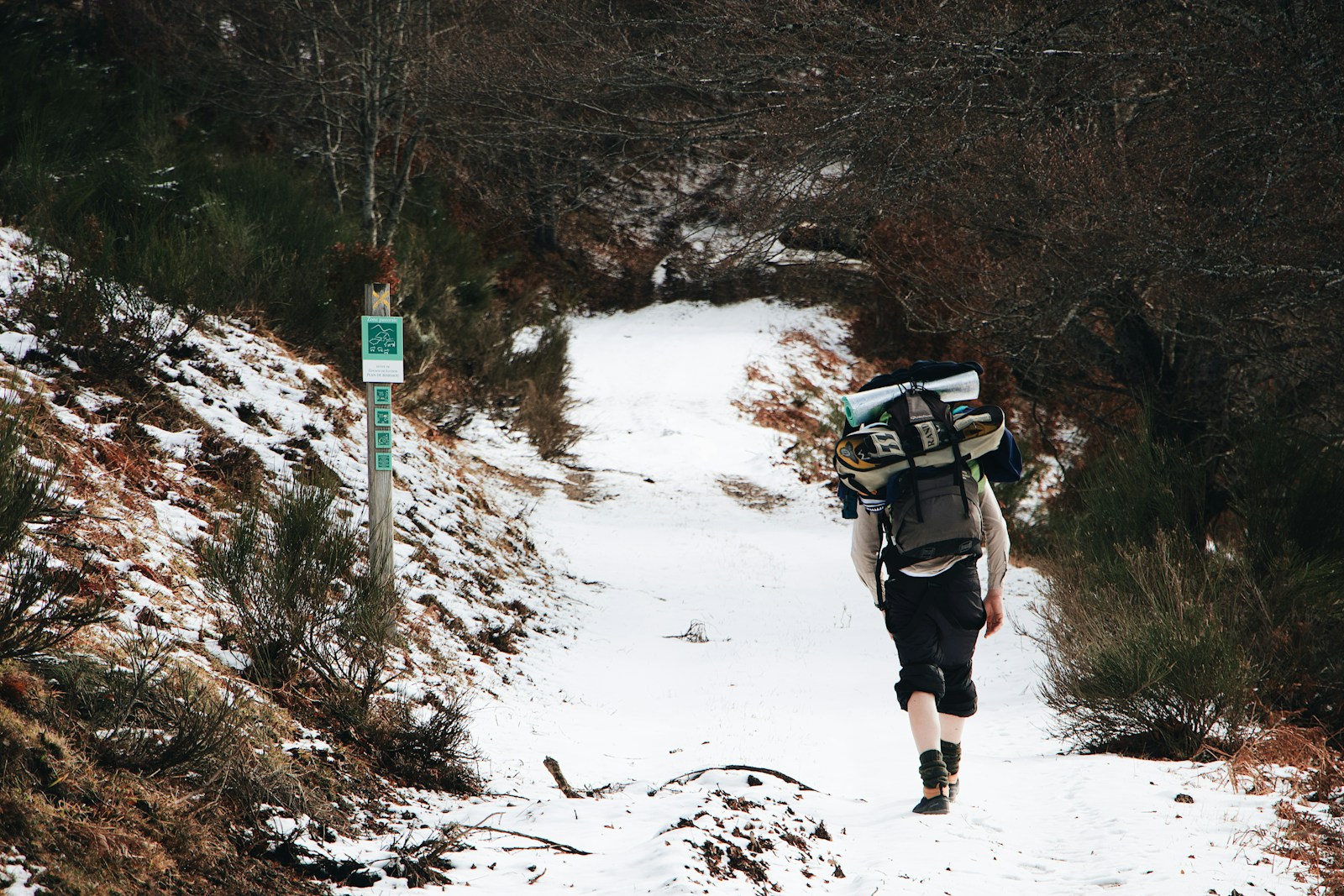
Consuming handfuls of raw snow seems like a logical solution for a thirsty hiker facing freezing temperatures. Eating frozen precipitation forces the human body to expend massive amounts of precious energy to melt the ice internally. This rapid internal cooling process drastically lowers core body temperature and accelerates the onset of hypothermia. Dehydration actually worsens when a freezing survivor wastes essential calories just to absorb minor amounts of liquid. Melting snow over a fire is the only safe way to consume winter precipitation. Maintaining a warm core temperature outranks immediate hydration during extremely cold weather scenarios.
Raw Meat Is Better Than Starving
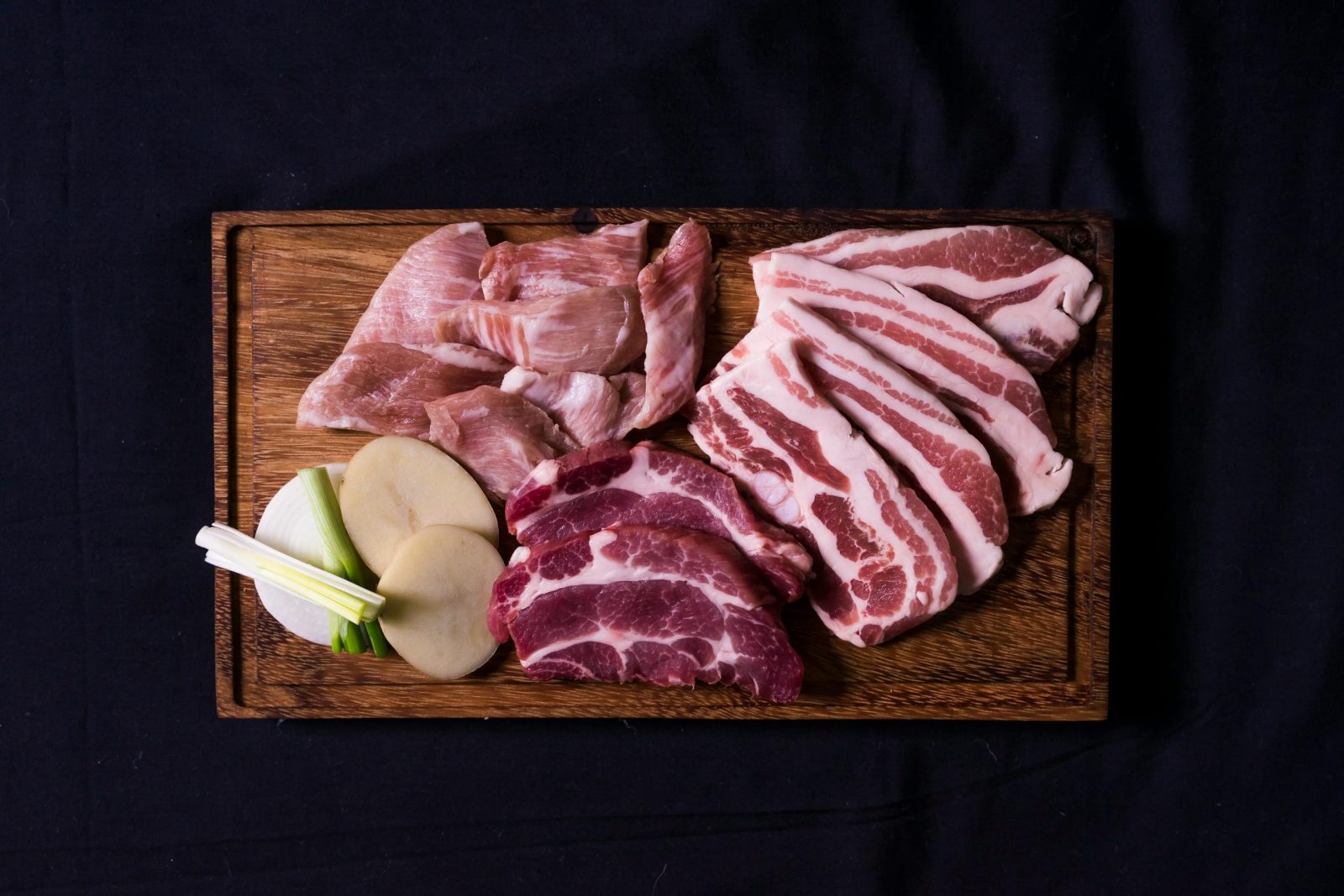
Desperation pushes starving people toward terrible decisions when their food supplies completely run out. Eating uncooked meat from a freshly killed animal introduces life-threatening bacteria and dangerous parasites into the human body. A severe intestinal infection will rapidly deplete whatever minor energy the raw flesh initially provided. Violent vomiting and heavy diarrhea cause lethal dehydration much faster than simple starvation ever could. Surviving for several weeks without food remains entirely possible if a person stays hydrated. Risking a catastrophic illness by consuming unsterilized game meat dramatically reduces overall survival odds in a remote wilderness setting.
All Bird Eggs Are Safe To Eat

Finding a bird nest filled with fresh eggs feels like hitting a massive jackpot during a starvation scenario. Popular survival lore claims that every bird egg on the planet offers safe and nutritious calories. This sweeping generalization ignores the terrifying reality of widespread bacterial contamination in wild nests. Many eggs harbor salmonella and other dangerous pathogens on their porous outer shells. Consuming these raw discoveries inevitably leads to severe gastrointestinal distress and rapid fluid loss. Thoroughly cooking the eggs over a hot campfire eliminates these microscopic threats and provides a genuinely safe source of wild protein.
Drinking Blood Prevents Fatal Dehydration

A desperate thirst often drives stranded individuals to consider drinking the warm blood of successfully hunted animals. Hollywood survival movies frequently depict rugged explorers thriving on this gruesome liquid when fresh water disappears entirely. Animal blood actually contains massive amounts of concentrated protein and heavy sodium. Digesting these dense nutrients forces the human kidneys to utilize vital bodily fluids for internal processing. Drinking blood actively accelerates the dangerous dehydration cycle while introducing potential bloodborne diseases into a weakened immune system. Focusing precious energy on locating a natural freshwater spring yields much better long-term results overall.
Boiling Any Plant Makes It Edible
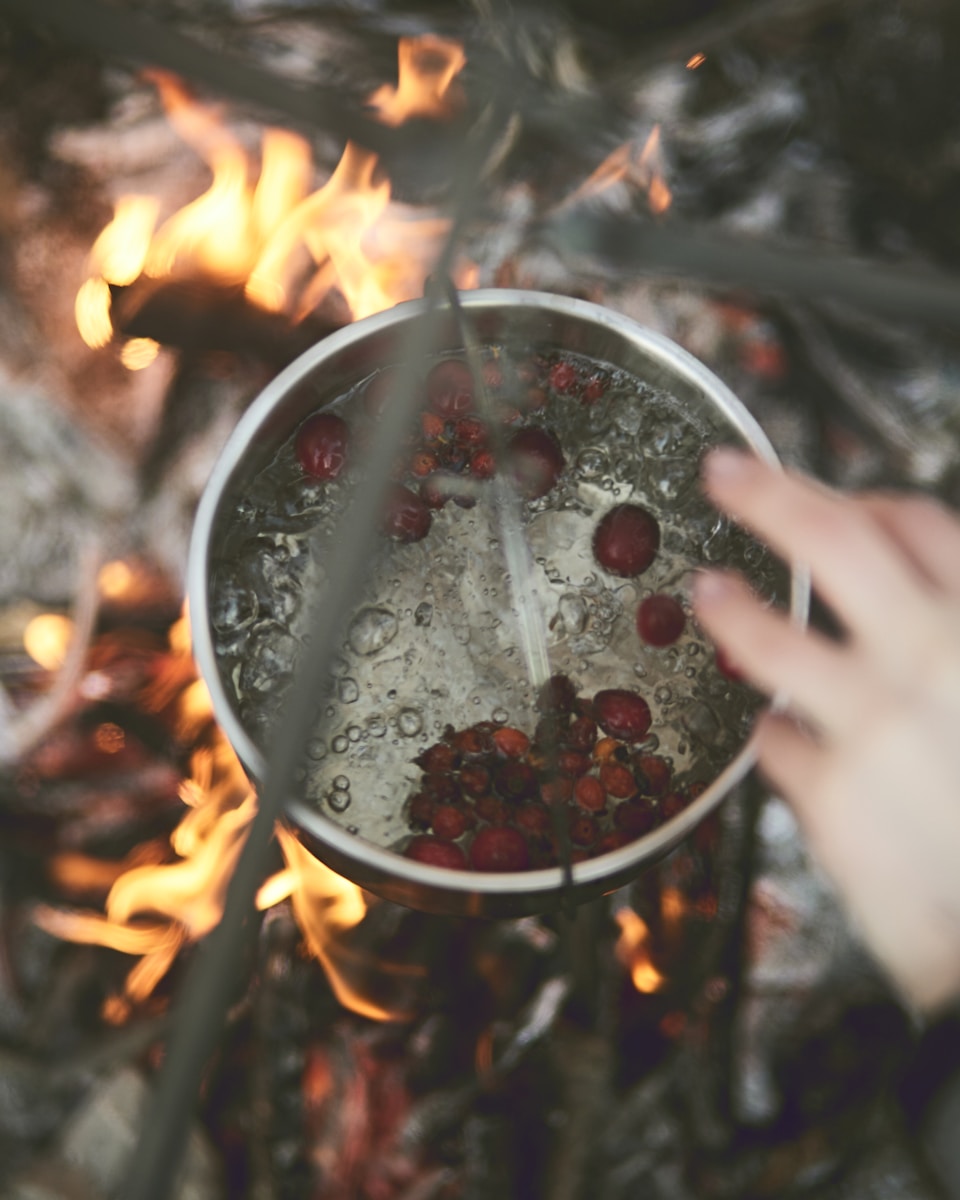
A dangerous piece of campfire wisdom claims that boiling any toxic leaf repeatedly will neutralize its poison. Some toxins break down under intense heat, but many deadly chemical compounds remain completely stable regardless of cooking time. Water hemlock maintains its lethal properties even after hours of vigorous boiling in a stew pot. Consuming the leftover broth basically means drinking a highly concentrated liquid poison. Foraging requires absolute certainty before placing any wild foliage into a cooking vessel. Guessing whether a plant needs boiling to become safe invites a tragic medical disaster miles away from professional help.
Eating Insects Is Always Harmless
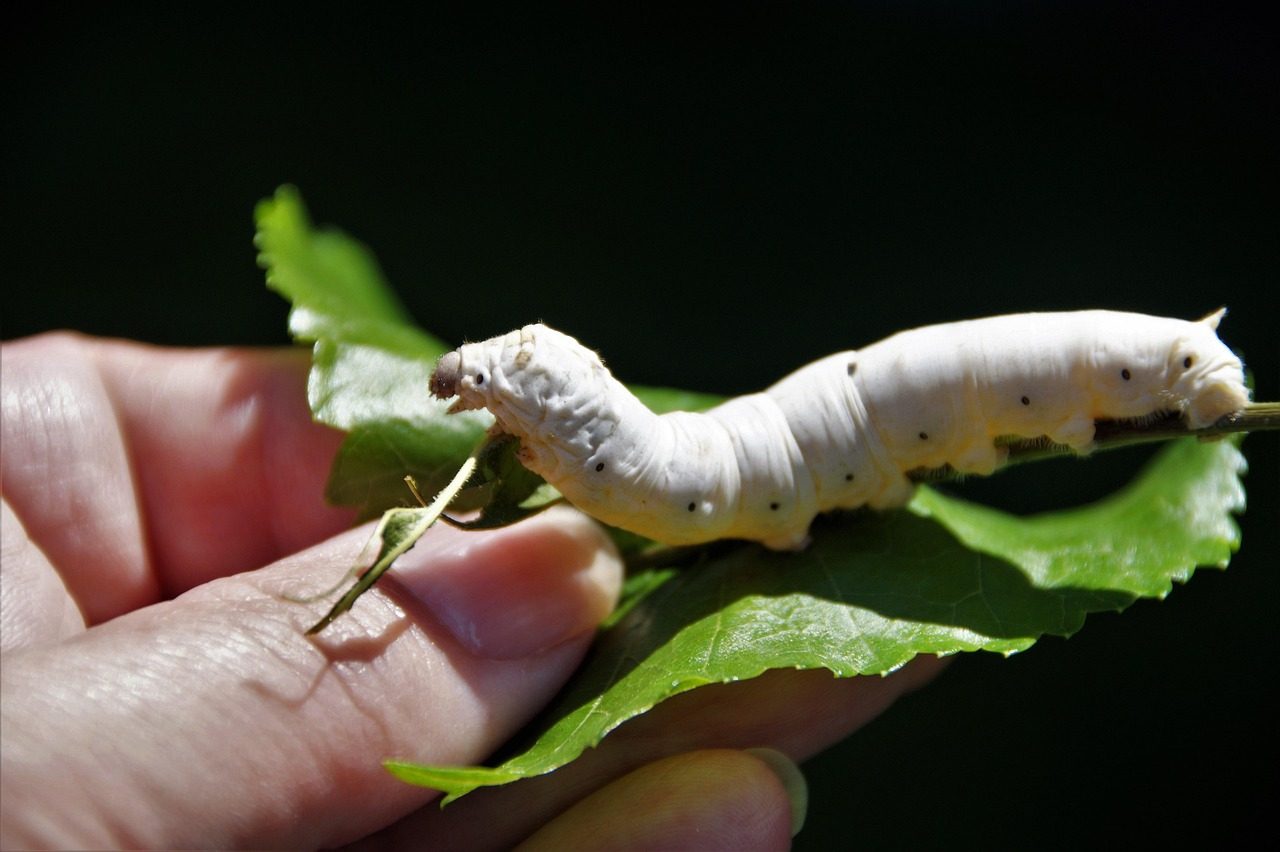
Bugs offer excellent protein during an emergency when large game animals remain elusive. However, surviving by eating random insects carries significant hidden dangers that most people completely ignore. Brightly colored beetles and caterpillars often carry powerful natural toxins to deter eager predators. Consuming these venomous bugs raw causes severe vomiting and painful stomach cramps. Spiders and centipedes deliver painful bites or stings if swallowed alive. Cooking all captured insects thoroughly destroys parasites and neutralizes many surface irritants. Sticking to simple brown crickets and ordinary grasshoppers offers the safest path for obtaining vital calories from the creepy-crawling kingdom.
Sucking On Stones Stops Thirst
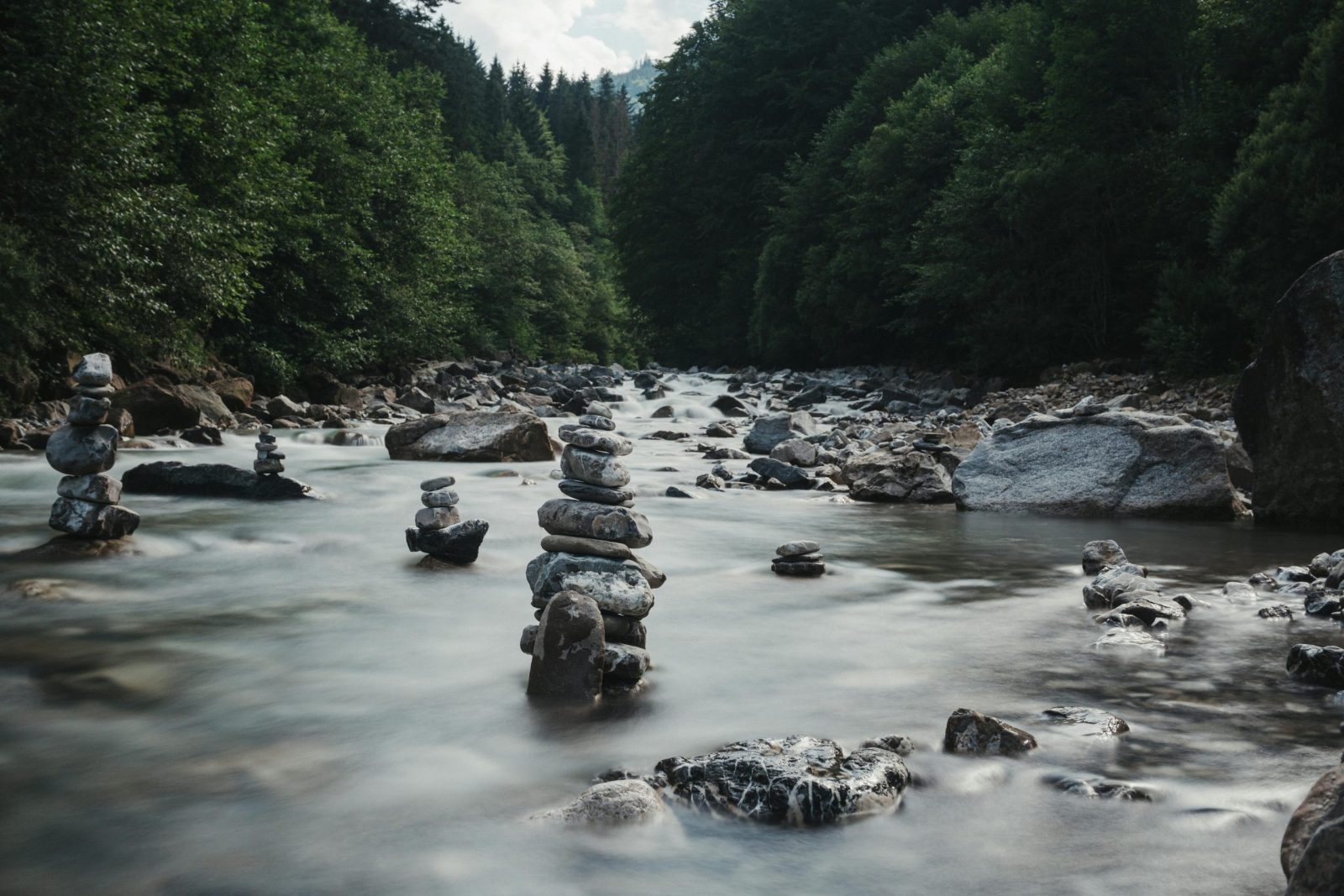
Placing a smooth pebble inside the mouth reportedly helps lonely travelers combat terrible thirst in dry environments. This ancient myth claims that sucking on river rocks stimulates saliva production and miraculously hydrates the body. Generating extra spit actually draws precious moisture from deep internal reserves rather than creating new hydration. Breathing through an open mouth around a stone also evaporates remaining saliva very quickly. Accidentally swallowing the rock creates a horrific choking hazard when a person panics. Keeping the mouth firmly closed and breathing slowly through the nose preserves existing moisture much better than allowing oral debris to remain.
All Clear Water Is Drinkable
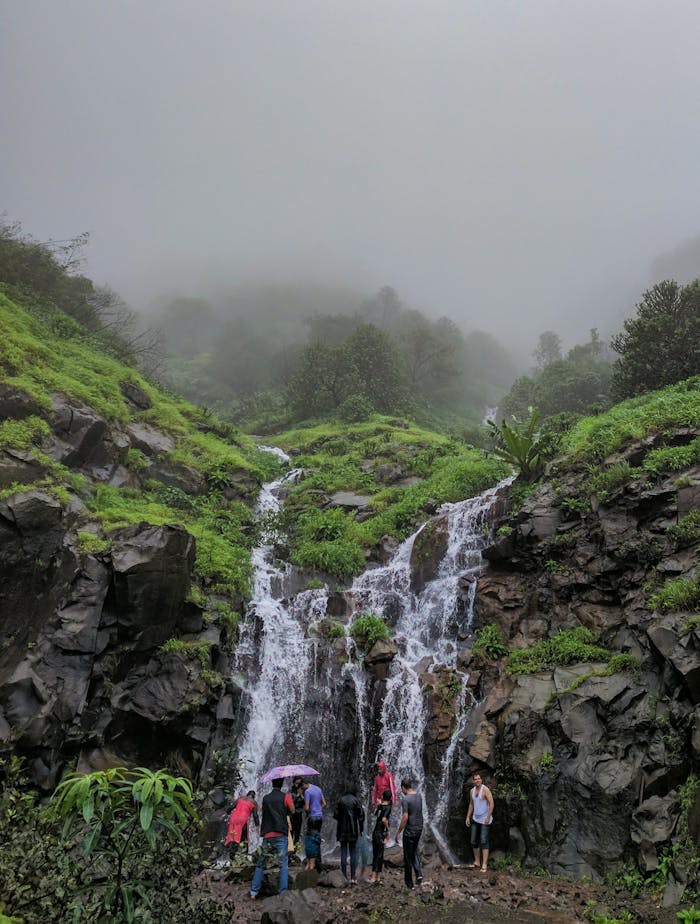
Spotting a crystal clear mountain stream feels like a massive victory when water supplies vanish completely. People assume that transparent water tumbling over smooth rocks guarantees absolute purity and safety. Invisible microscopic organisms thrive within the coldest and clearest alpine rivers imaginable. Giardia and cryptosporidium lurk happily within pristine waterways, waiting to infect an unsuspecting host. Animal feces upstream effortlessly contaminate miles of seemingly perfect drinking water without altering its visual clarity. Treating every single natural water source with chemical drops or modern filtration tools guarantees a safe drinking experience and prevents debilitating stomach illness during travel.