
Proper firearm maintenance is essential, but many shooters unknowingly shorten barrel life through well-intentioned cleaning mistakes. Modern barrels are precision components, and aggressive or careless habits can wear rifling, damage crowns, and degrade accuracy faster than round count ever could. From overusing solvents to scrubbing with the wrong tools, these common practices slowly erode performance while giving the illusion of responsible care. Understanding how barrels actually wear, and how cleaning interacts with heat, fouling, and steel hardness, allows shooters to maintain accuracy without accelerating damage. The goal is not spotless steel, but consistent performance over time. Below are ten widespread cleaning habits that quietly ruin barrels long before they should ever need replacing.
1. Cleaning the Barrel After Every Short-Range Session

Many shooters believe frequent cleaning automatically protects a barrel, but excessive cleaning can be just as harmful as neglect. Each pass of a rod or brush creates friction against the rifling, especially near the throat and crown, where damage matters most. When only a few rounds are fired, fouling often stabilises accuracy rather than harming it. Constantly stripping light copper and carbon prevents this equilibrium and accelerates mechanical wear. Precision barrels often shoot best slightly fouled, and obsessive cleaning removes protective layers that reduce steel erosion. Cleaning should be based on round count, accuracy decline, or environmental exposure rather than habit alone.
2. Using Steel or Low-Quality Cleaning Rods
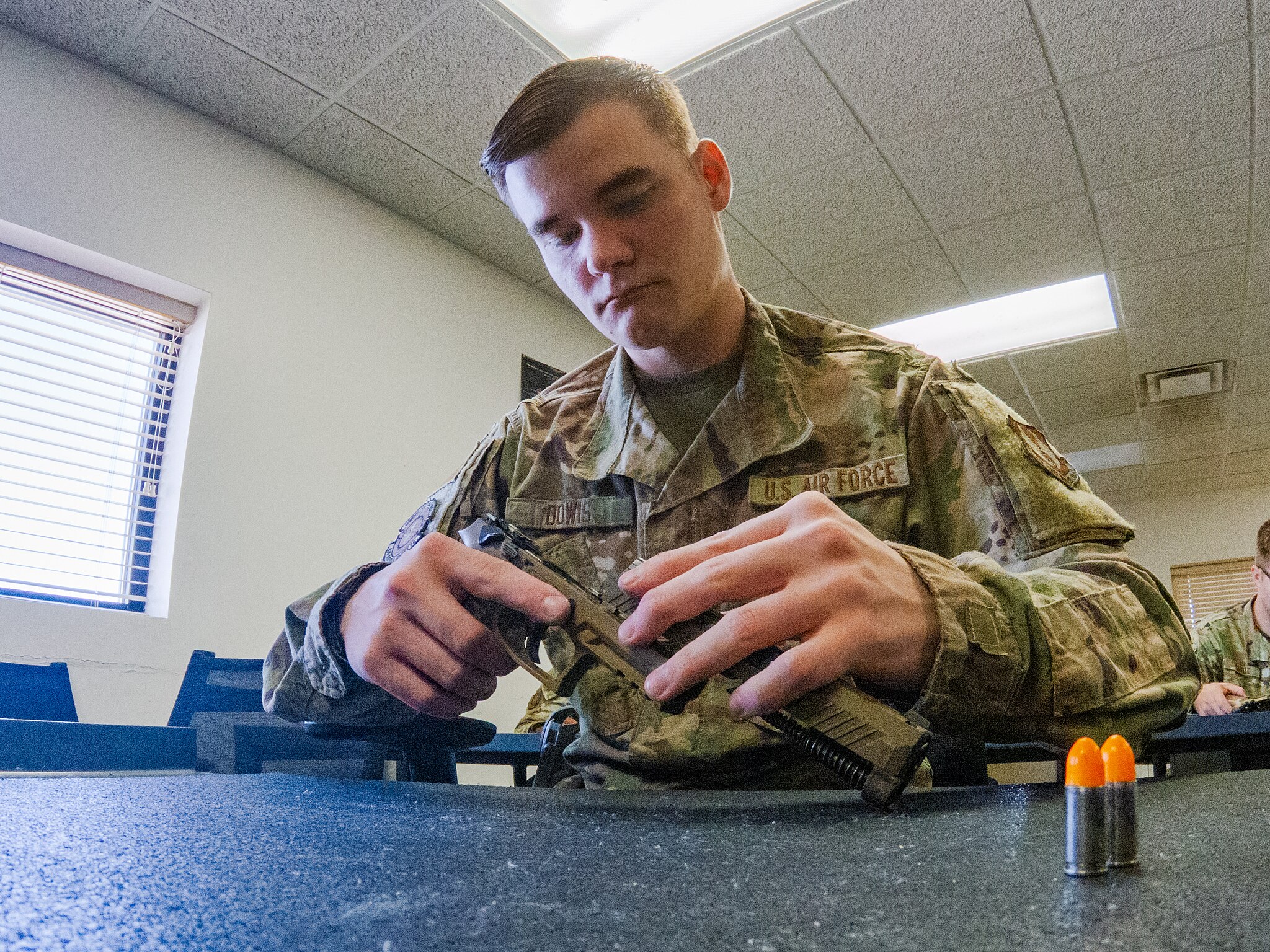
Inferior cleaning rods are one of the fastest ways to damage a barrel internally. Steel rods or poorly coated rods can flex, scrape, and grind against rifling lands during use. Even a single careless pass can leave microscopic scratches that accumulate over time. Multi-piece rods worsen the problem by creating uneven pressure points where sections join. High-quality one-piece coated rods reduce friction and maintain alignment. Without proper stiffness and smooth surfaces, rods become cutting tools instead of maintenance tools, especially when pushed through tight bores repeatedly.
3. Skipping a Bore Guide During Cleaning
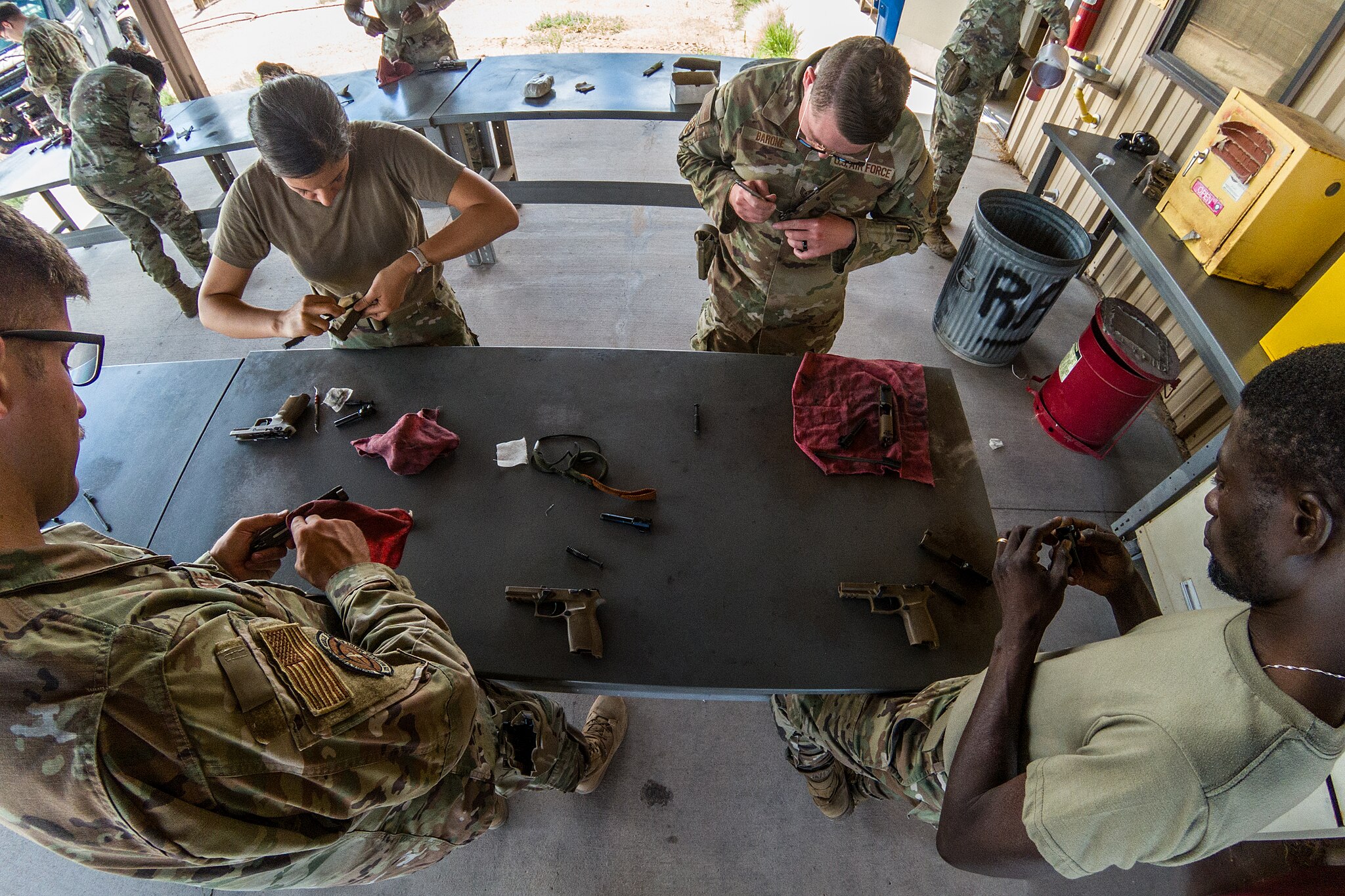
A bore guide is not an optional accessory, yet many shooters ignore it. Without one, cleaning rods enter the chamber at slight angles, rubbing against the throat and crown. This area is extremely sensitive, and repeated contact slowly deforms the rifling where accuracy begins. Solvents can also leak into the action, weakening finishes and attracting debris. A bore guide keeps rods centred, prevents solvent spillover, and protects the most critical portion of the barrel. Skipping this step introduces unnecessary wear that compounds with every cleaning session.
4. Overusing Aggressive Copper Solvents
Copper solvents are effective, but overuse is destructive. Leaving strong chemical cleaners in the bore longer than recommended can attack barrel steel itself, especially in older or thinner barrels. Repeated chemical stripping also removes beneficial fouling layers that reduce friction during firing. Many shooters chase perfectly white patches, believing zero residue equals optimal performance. In reality, mild copper fouling rarely harms accuracy. Aggressive solvents should be used sparingly and only when accuracy clearly degrades, not as part of routine cleaning after every outing.
5. Scrubbing Excessively With Bronze Brushes
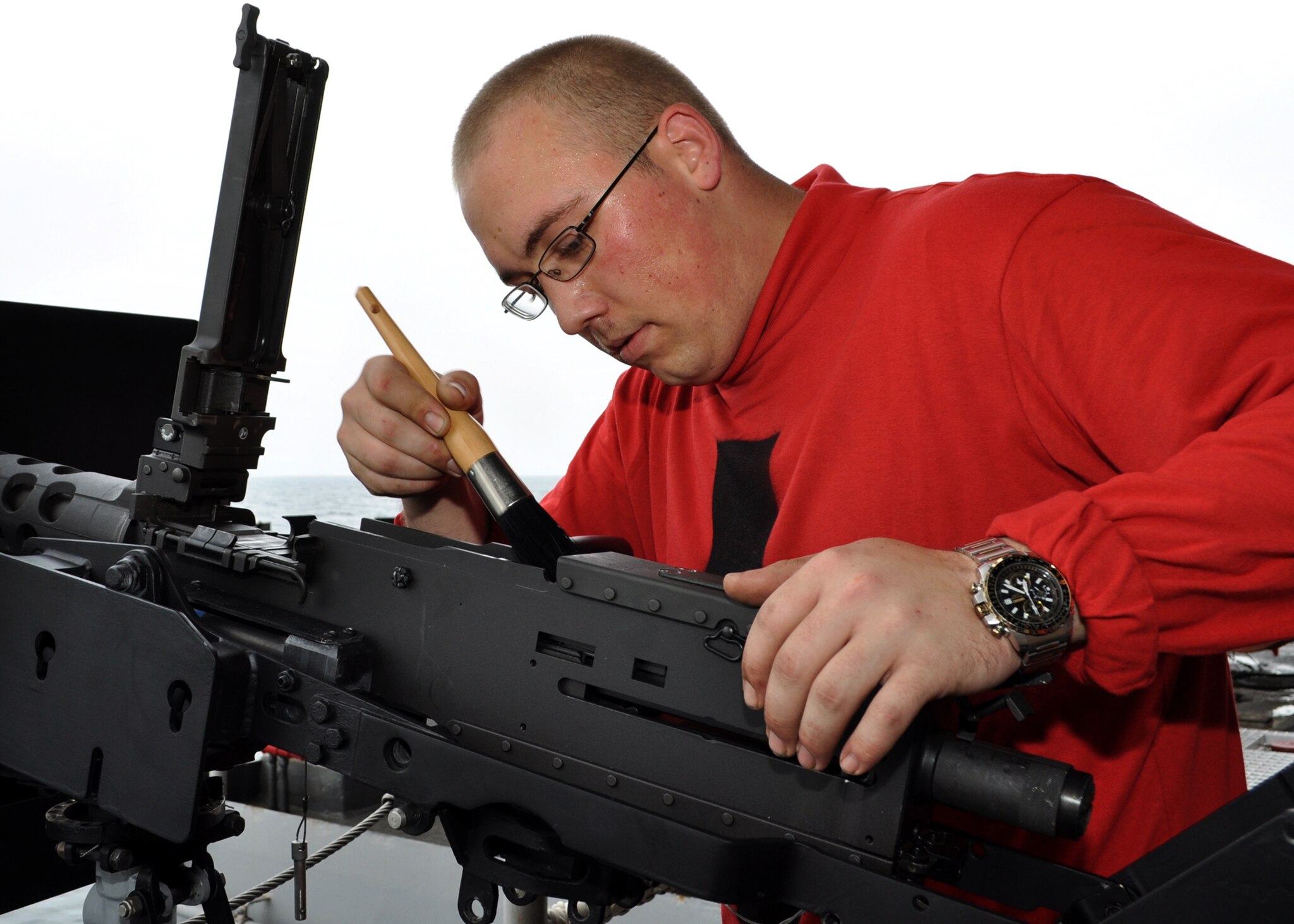
Bronze brushes are designed to loosen fouling, not polish steel. Aggressive back-and-forth scrubbing grinds fouling particles into the rifling, acting like sandpaper. This is especially damaging near the throat, where heat already softens steel. Excessive brush use also wears brush material into the bore, creating false copper readings that prompt even more unnecessary cleaning. A few controlled passes are usually enough. Let solvents do the work instead of relying on brute force that shortens barrel life.
6. Cleaning From the Muzzle End
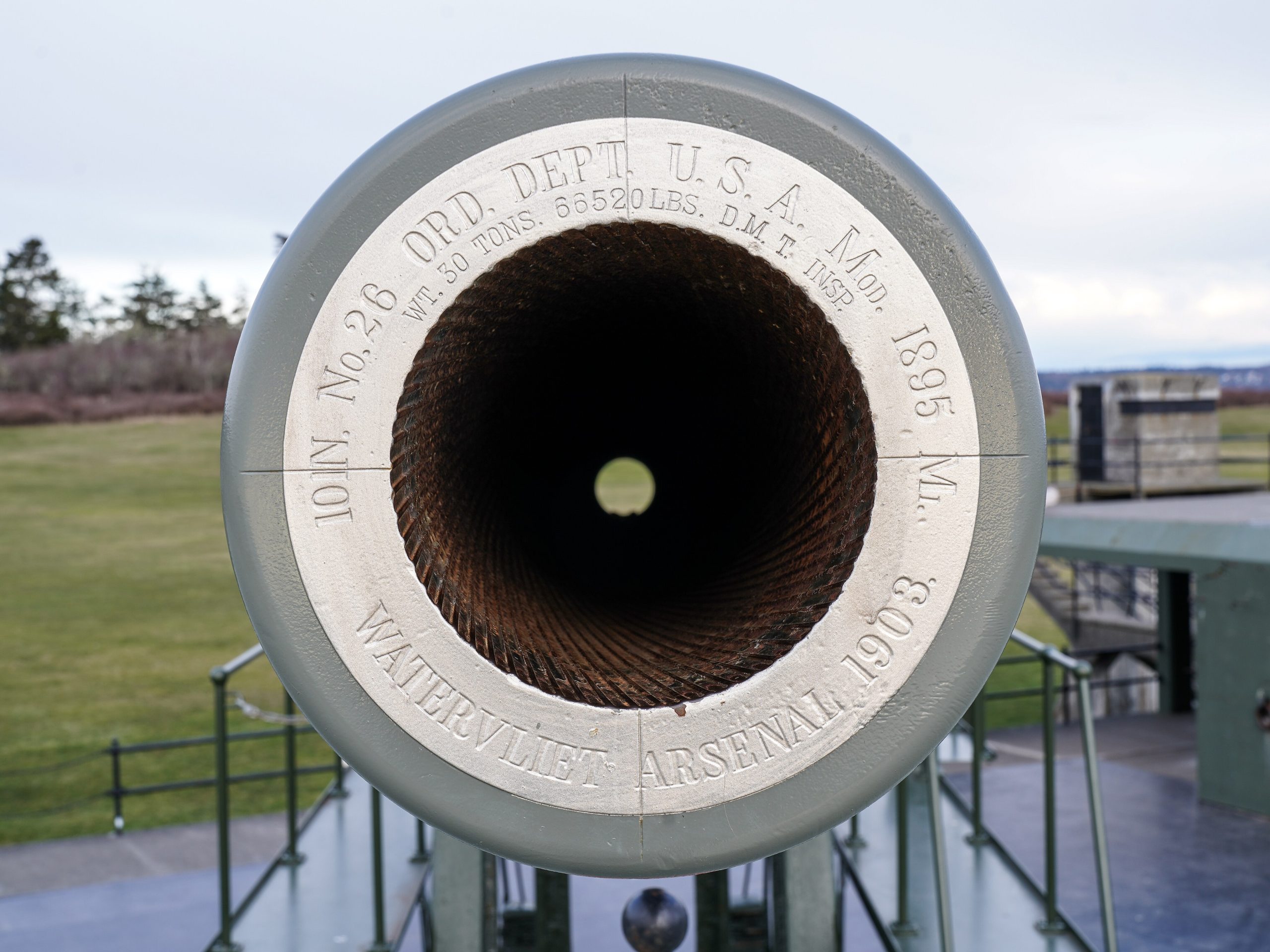
Cleaning from the muzzle risks damaging the crown, which is essential for consistent bullet exit. Even minor crown imperfections can destabilise projectiles and destroy accuracy. Rods inserted from the muzzle are harder to align and more likely to scrape rifling edges. Over time, repeated contact rounds off sharp lands at the muzzle, permanently altering bullet release. Whenever possible, barrels should be cleaned from the chamber end using proper guides. If muzzle cleaning is unavoidable, extreme care and protective tools are essential.
7. Using Dirty Patches and Contaminated Tools

Reusing dirty patches or failing to clean tools introduces abrasive debris into the bore. Carbon particles, grit, and metal fragments embed in patches and brushes, turning routine cleaning into uncontrolled abrasion. Even high-quality rods become harmful when paired with contaminated accessories. Each pass compounds damage, especially during frequent cleaning cycles. Clean tools, fresh patches, and proper storage matter just as much as technique. Neglecting cleanliness during cleaning defeats the entire purpose of barrel maintenance.
8. Chasing a Perfectly Clean Bore

A mirror-bright bore is not always a healthy bore. Many shooters continue cleaning long after fouling has been reduced to harmless levels. This pursuit removes protective layers, increasing steel’s exposure to friction and heat during firing. Match shooters often avoid deep cleaning until accuracy drops because consistent fouling stabilises performance. Over-cleaning in pursuit of perfection accelerates throat erosion and shortens barrel lifespan without improving results.
9. Ignoring Solvent Neutralisation and Drying
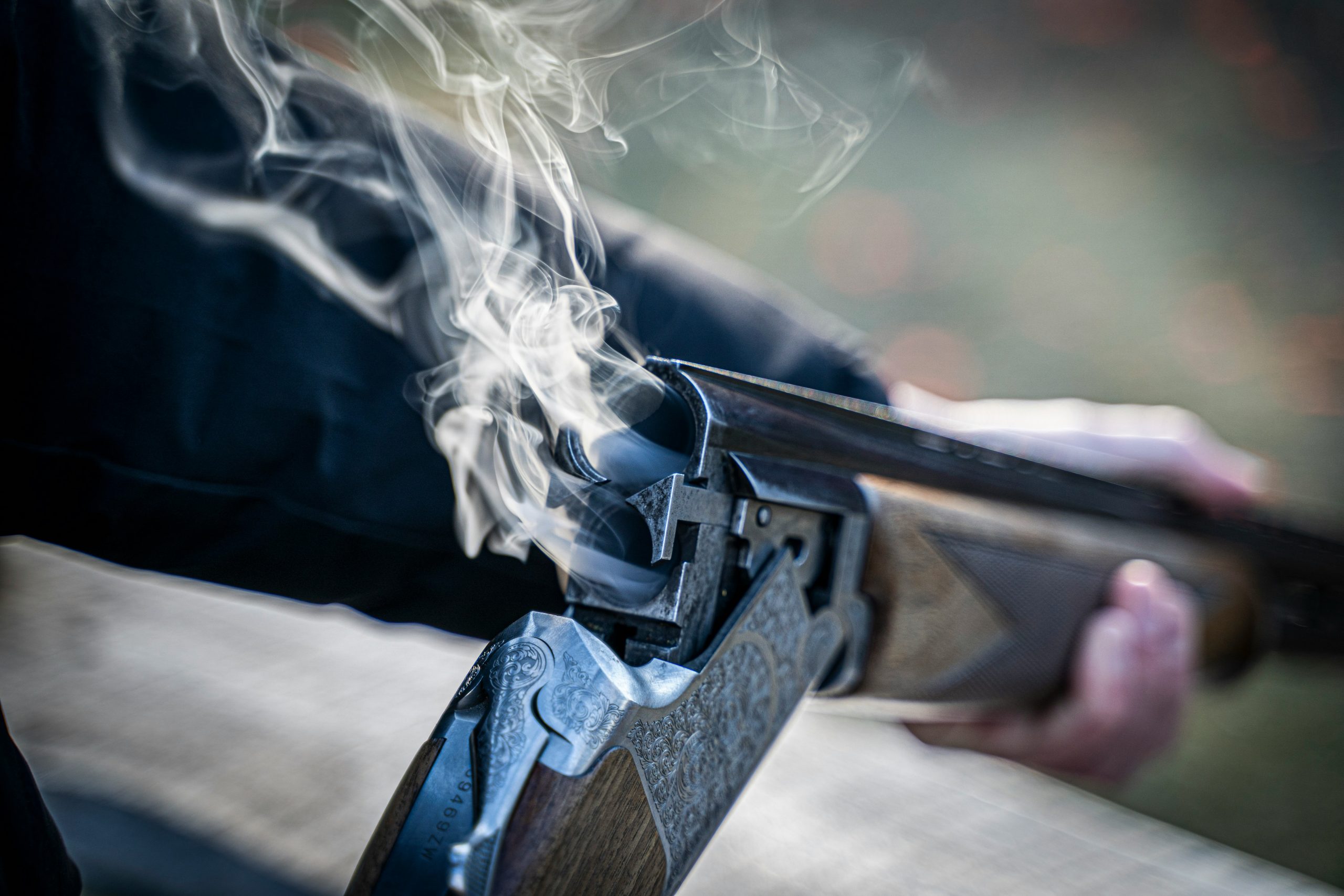
Leaving solvent residue in the bore invites corrosion and chemical reactions that weaken steel over time. Some solvents continue working long after cleaning is finished, especially in humid environments. Failing to dry the bore or lightly oil it allows moisture and chemical remnants to combine, accelerating pitting. Proper cleaning includes the use of neutralising solvents, thorough drying, and the application of minimal protective oil. Skipping these steps undermines all previous care efforts.
10. Cleaning While the Barrel Is Still Hot

Cleaning a hot barrel increases wear because heated steel is softer and more vulnerable to abrasion. Solvents also evaporate faster, concentrating chemicals and reducing lubrication during brushing. Hot barrels expand slightly, altering tolerances and increasing contact pressure with rods and brushes. Allowing the barrel to cool stabilises dimensions and reduces friction during cleaning. Patience here prevents unnecessary wear that compounds over thousands of rounds.