The early 1900s produced an extraordinary wave of firearm innovations, many of which quietly shaped the technology hunters, collectors, and sport shooters rely on today. While a few models from that era became legends, many others faded from public memory despite their craftsmanship, reliability, and historical importance. This list revisits ten classic guns that once held a respected place in American shooting culture but rarely receive the recognition they deserve today.
1. Savage Model 1914 Pump-Action .22
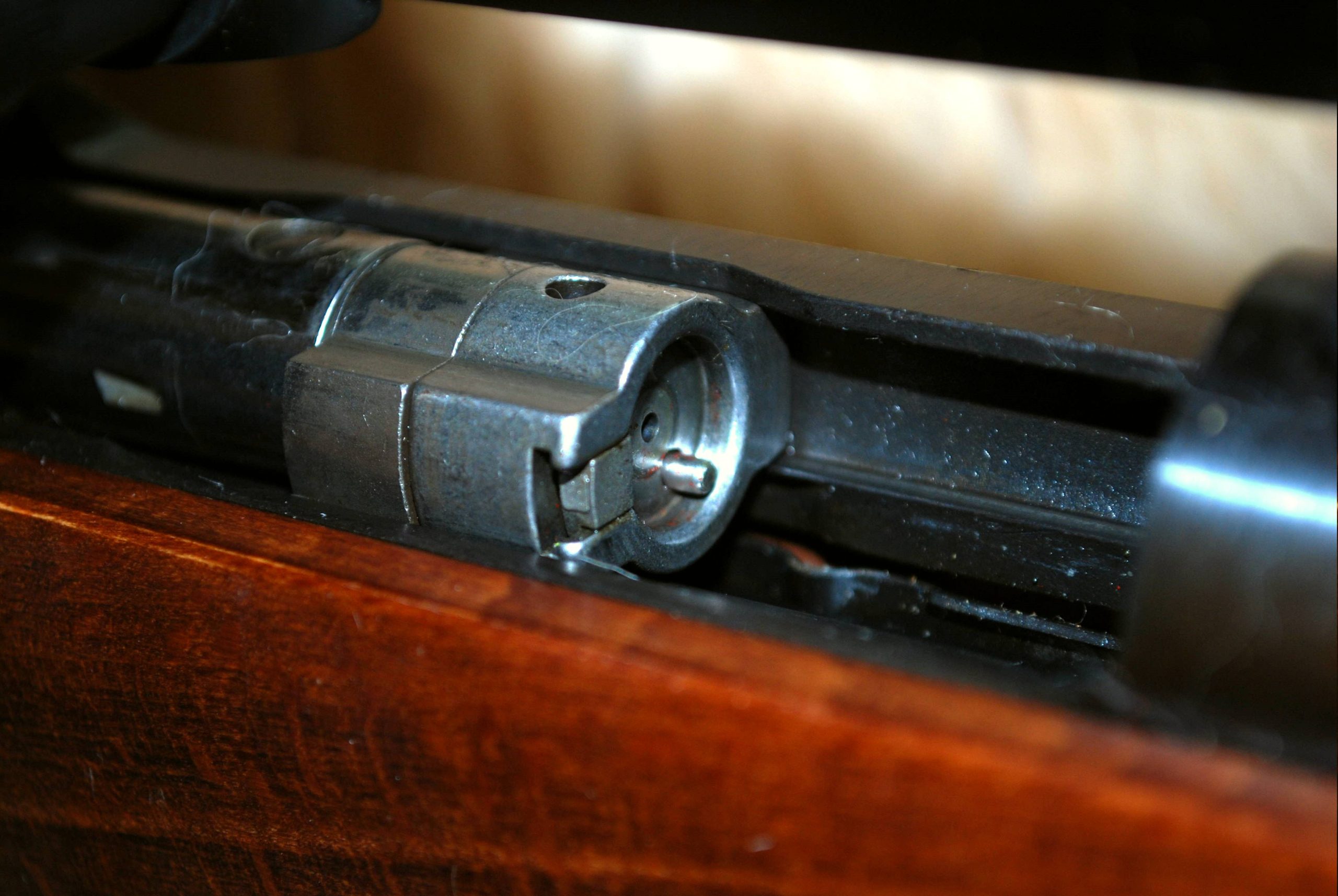
The Savage Model 1914 was a sleek and dependable pump-action rimfire rifle that served as a favorite training gun for young shooters. Its smooth action and takedown design made it easy to maintain, while the tubular magazine offered generous capacity for plinking or small-game use. Though overshadowed by more famous .22 rifles, it stood out for its accuracy and light recoil, giving generations of shooters a simple and reliable platform that performed far better than its modest reputation suggested.
2. Remington Model 12
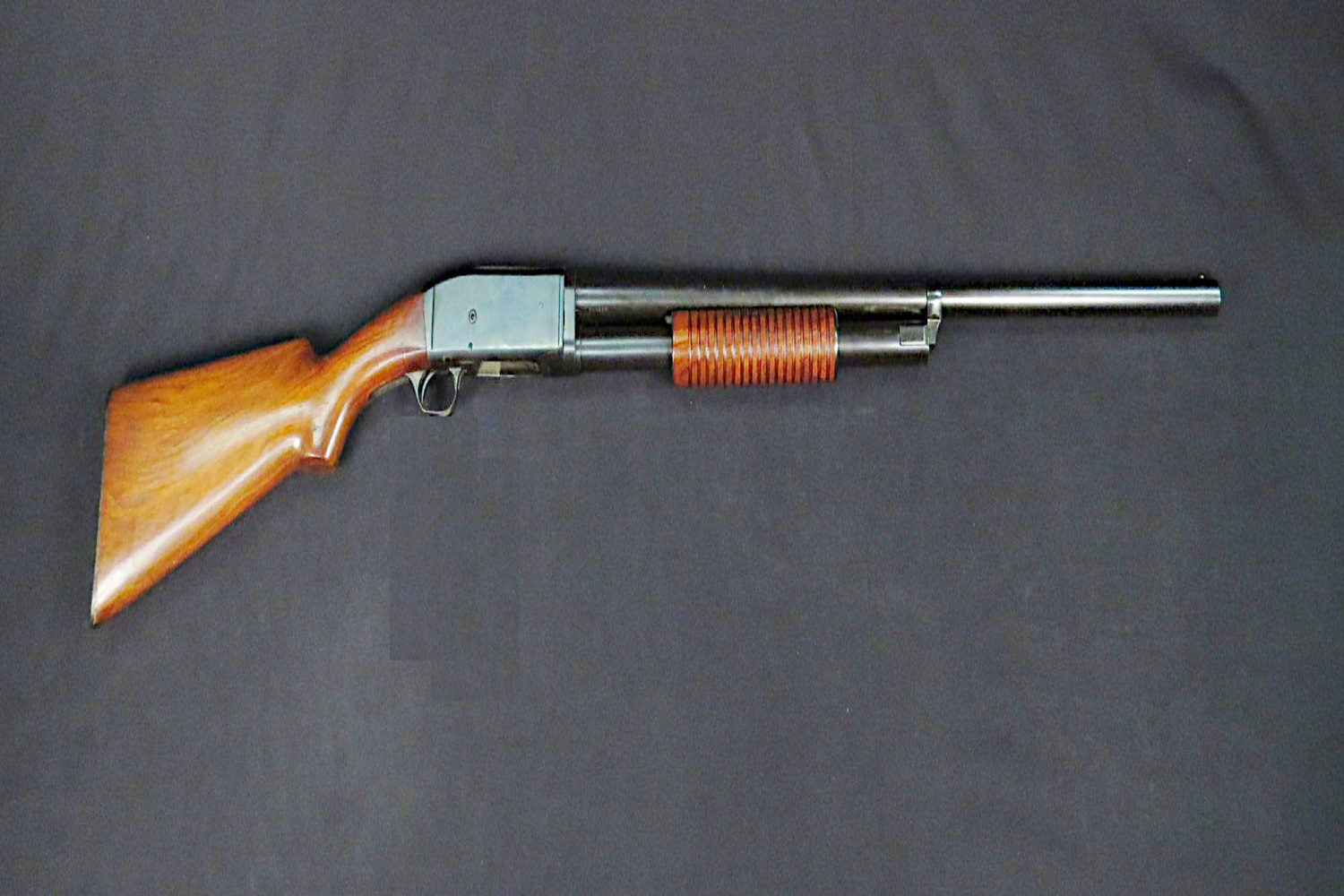
The Remington Model 12 was a finely made slide-action .22 rifle known for its precision and durability. Its hammerless design gave it a modern feel for the era, and the interchangeable barrels allowed owners to tailor it to different ammunition types. Small-game hunters valued its quick cycling and natural pointing, making it ideal for woods walking. Despite its popularity at the time, it gradually disappeared from the mainstream conversation, remembered mostly by collectors who appreciate early American machining.
3. Winchester Model 1905
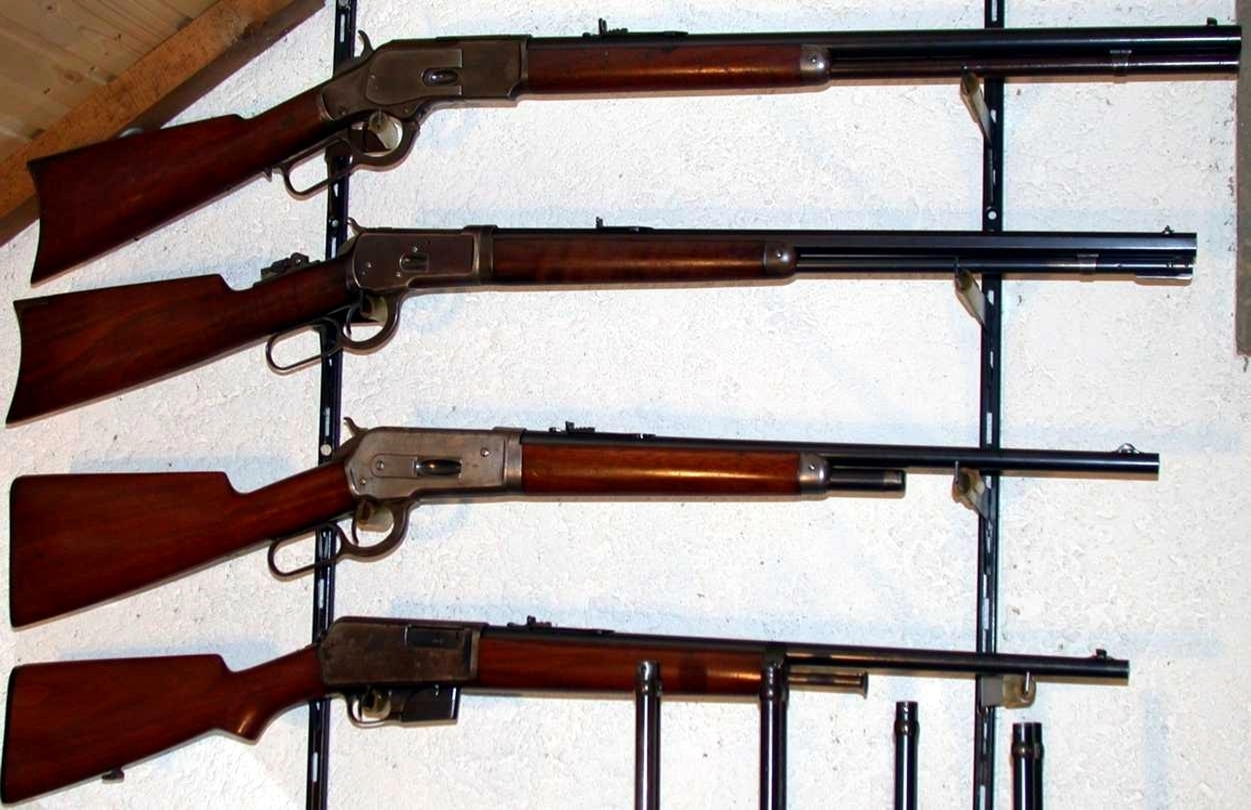
Introduced as one of the first commercially successful semi-automatic rifles, the Winchester Model 1905 featured a blowback-operated system that was revolutionary for its time. It chambered proprietary cartridges and offered surprisingly fast follow-up shots, which appealed to early adopters of self-loading technology. Although the ammo-limited widespread adoption, the rifle represented a significant turning point in firearm evolution, paving the way for later Winchester autoloaders that ultimately overshadowed its historical significance.
4. Smith & Wesson .35 Automatic
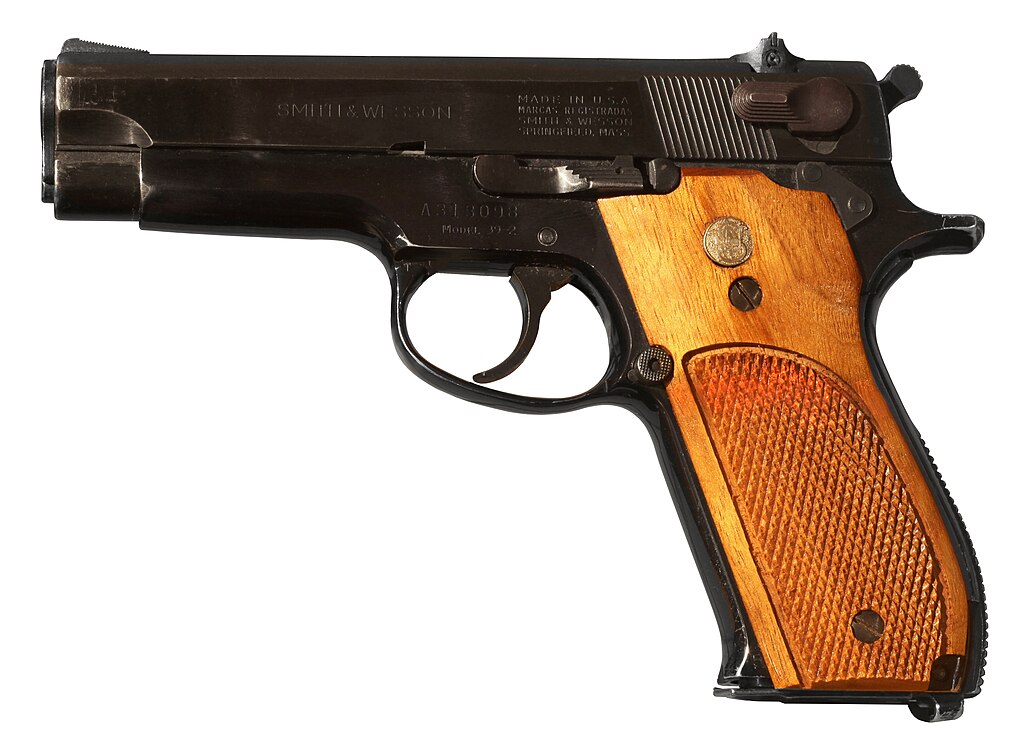
This early semi-automatic handgun was S&W’s attempt to break into a market dominated by European designs. The .35 Automatic came with an unusual cartridge and a distinctive rotating-bolt mechanism, making it mechanically different from many pistols of the era. Though it wasn’t a commercial hit, its ergonomics and craftsmanship earned praise from dedicated shooters. Even today, collectors admire its smooth operation and unique engineering, which reflect S&W’s willingness to innovate long before the modern polymer era.
5. Stevens Model 520 Shotgun
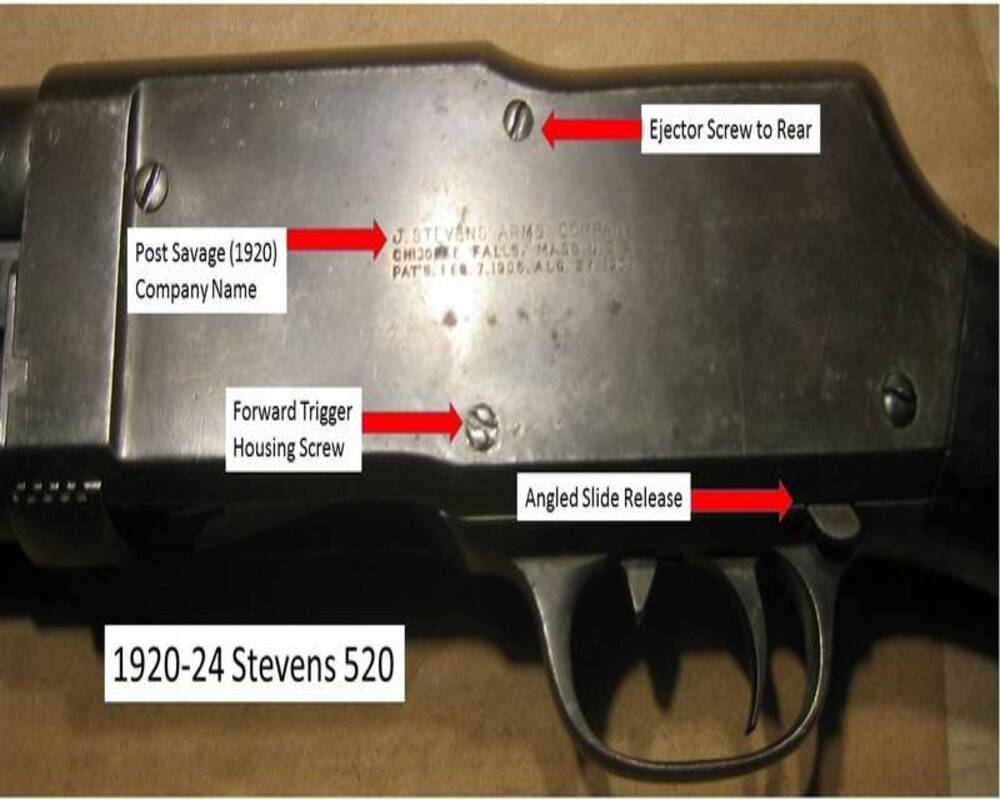
Designed by the legendary John Browning, the Stevens Model 520 was a rugged pump shotgun with a distinctive hump-backed receiver. It served hunters and farmers across the country, delivering dependable performance in rough conditions. Its strong action and simple internals made it easy to repair, contributing to its long service life. Over time, higher-profile Browning designs overshadowed it, but the 520 remains a fascinating piece of early-century American shotgun history that deserves renewed appreciation.
6. Mauser C96
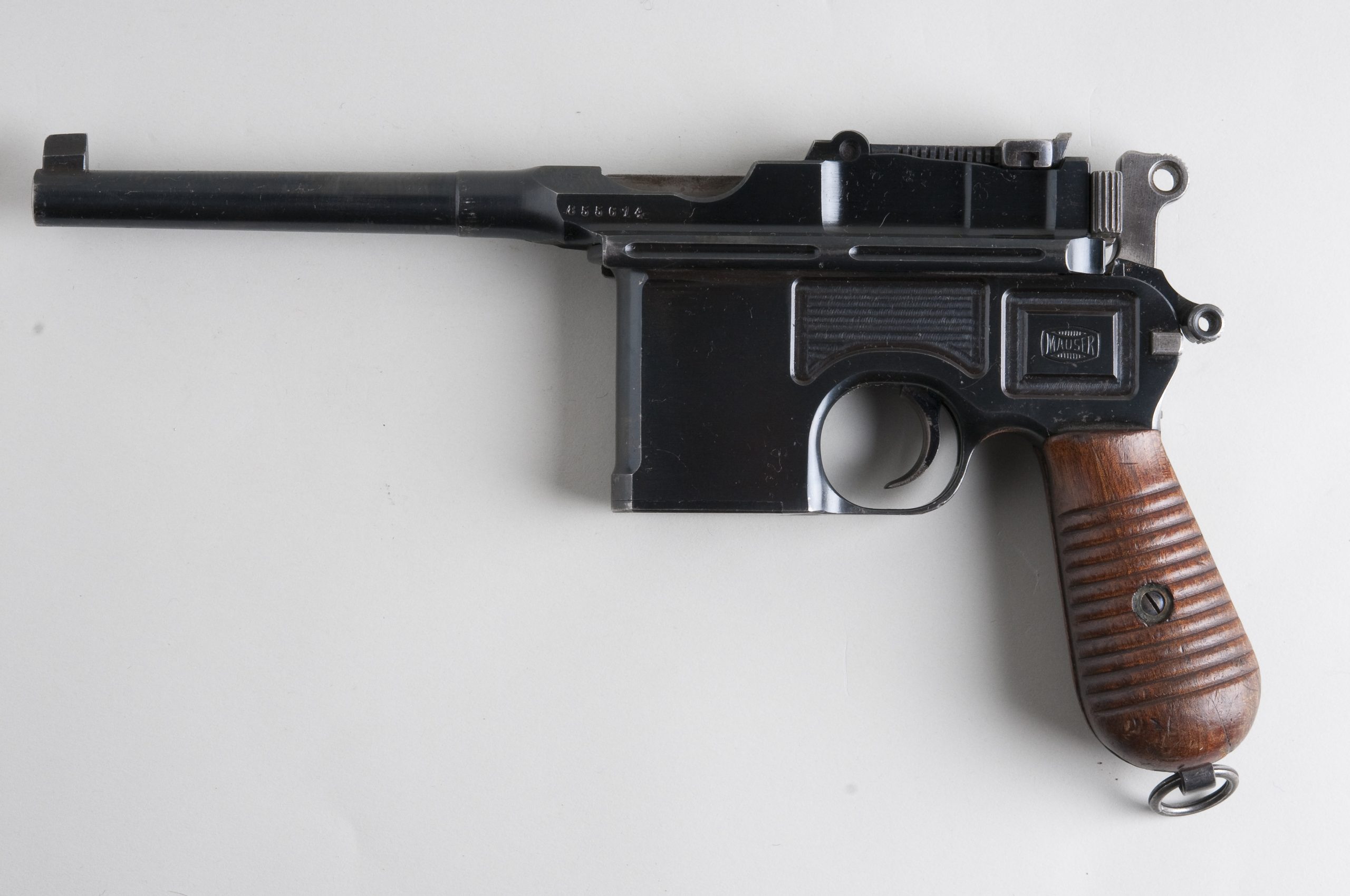
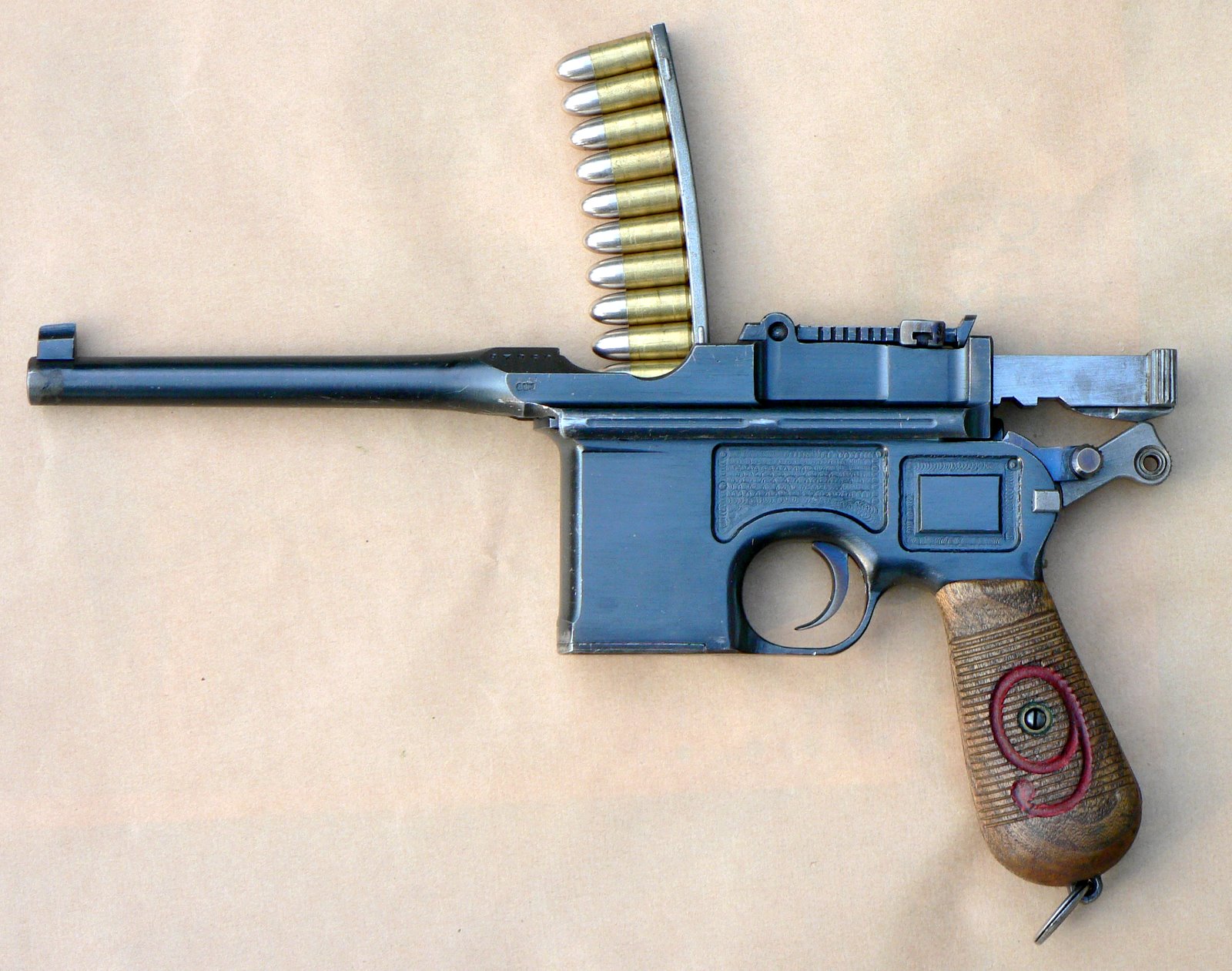
The Mauser C96, widely known as the “Broomhandle,” was a groundbreaking semi-automatic pistol that blended long-barrel accuracy with surprising power for its time. Chambered mostly in 7.63×25mm Mauser, it utilized a fixed magazine loaded by stripper clips, providing a fast and reliable feel uncommon in early handguns. Its optional wooden stock turned it into a compact carbine, making it popular with soldiers, officers, and adventurers across Europe and Asia. Its influence lasted decades.
7. Colt Police Positive .32
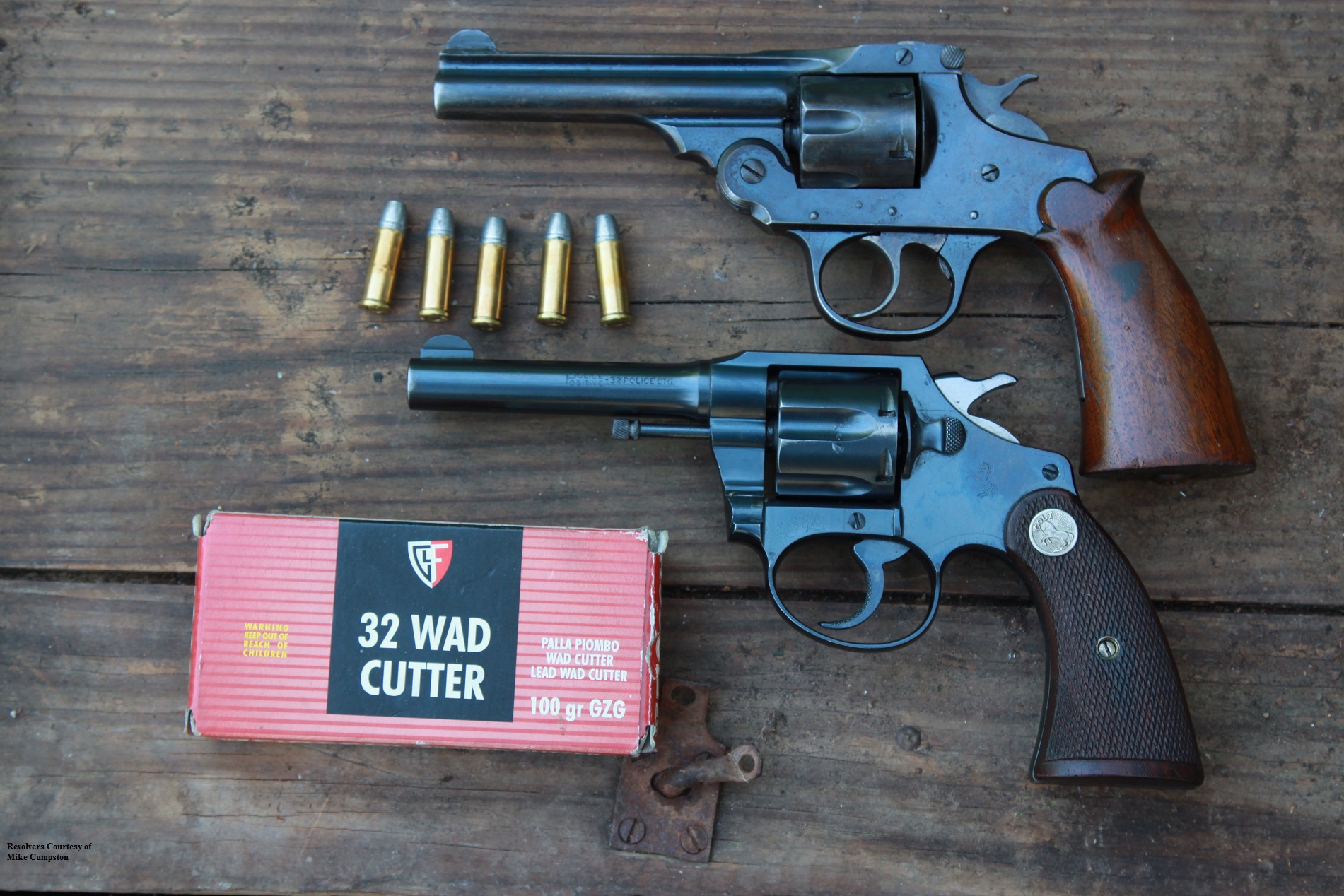
The Colt Police Positive was a compact, double-action revolver tailored for law enforcement and civilian carry. Chambered in modest calibers like .32, it delivered manageable recoil and excellent accuracy for its size. Its positive-lock safety system was a major innovation, preventing accidental discharge if dropped. As larger calibers became more common, the .32 variants slipped into obscurity, yet they remain charming examples of early 20th-century craftsmanship, built with a level of detail rarely seen in modern production revolvers.
8. Ithaca Model 37’s Predecessor: The Model 33
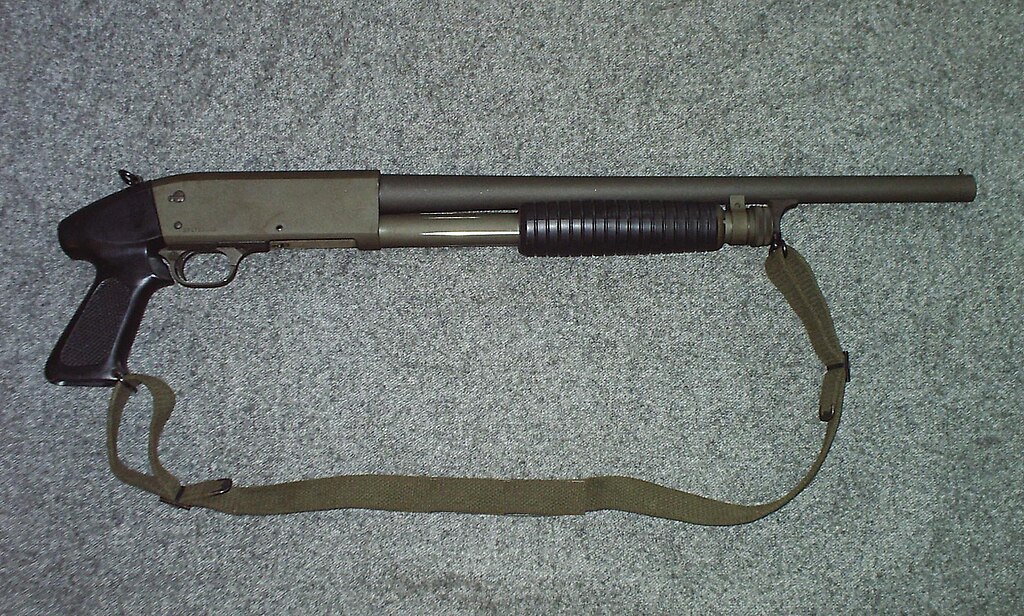
Before the legendary Model 37 arrived, Ithaca experimented with earlier pump designs like the Model 33, which featured smooth cycling and a lightweight profile. These early models laid the blueprint for what would become one of America’s most beloved shotguns. While production numbers were limited, the Model 33 showcased Ithaca’s commitment to building durable field guns. Today, collectors prize surviving examples for their rarity and role in shaping what would later become an American icon.
9. Winchester Model 1910
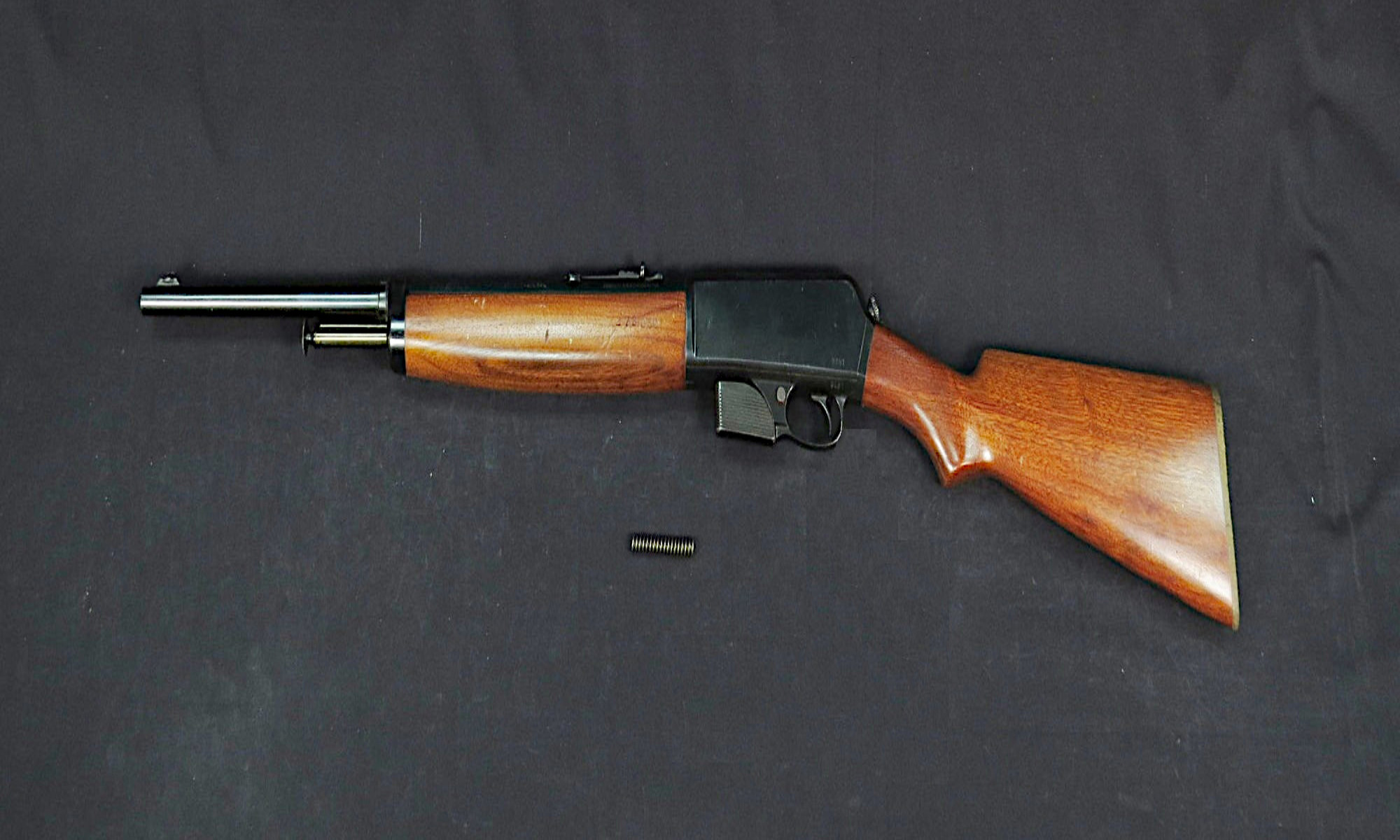
The Winchester Model 1910 carried forward the semi-automatic lineage started by earlier models but introduced a more potent .401 cartridge. Its power made it attractive to big-game hunters seeking rapid shots in thick brush, where follow-up speed mattered. Although it delivered impressive performance, the unique cartridge limited widespread use. Over time, it faded into the background, but historically, the Model 1910 stands as a bold attempt to bring semi-automatic technology into the realm of serious hunting rifles.
10. FN 1903 Pocket Hammer
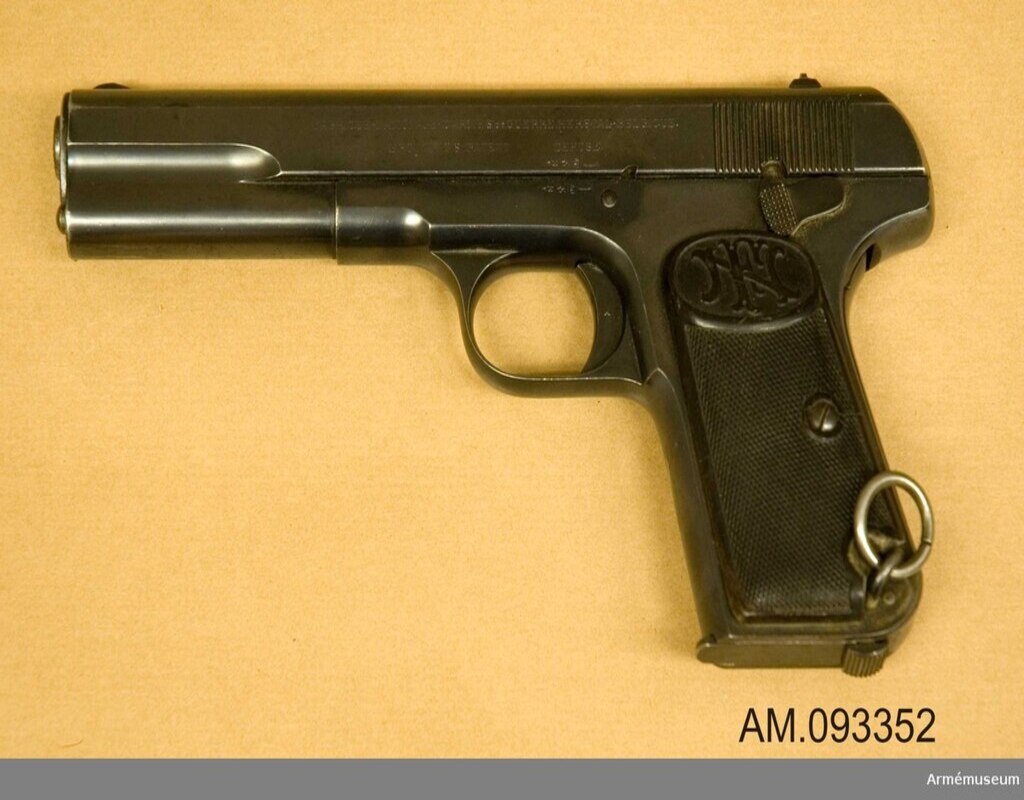
Often forgotten in favor of Browning’s other designs, the FN 1903 was a refined, full-size blowback pistol widely used in Europe but far less known in the United States. Its smooth lines, excellent trigger, and dependable operation made it a trusted sidearm for military officers and civilians. While overshadowed by later Browning-inspired pistols, the 1903 remains a beautifully engineered firearm that played an important role in early semi-auto development, even if American shooters rarely mention it today.