Winter camping can feel magical, but cold nights demand a smart plan that protects warmth from the ground up. The best approach mixes insulation, moisture control, wind protection, and steady fuel for the body, so warmth lasts past sunset. The right sleep setup matters as much as the right clothing, because heat loss continues to occur even when movement stops. Cold safety also means recognizing risk, such as the warning signs of hypothermia: uncontrolled shivering, confusion, and slurred speech. Hypothermia can develop when the body loses heat faster than it makes it. These ten practical tips focus on simple, reliable habits that make winter campsites more comfortable and safer.
Layer Clothes The Right Way
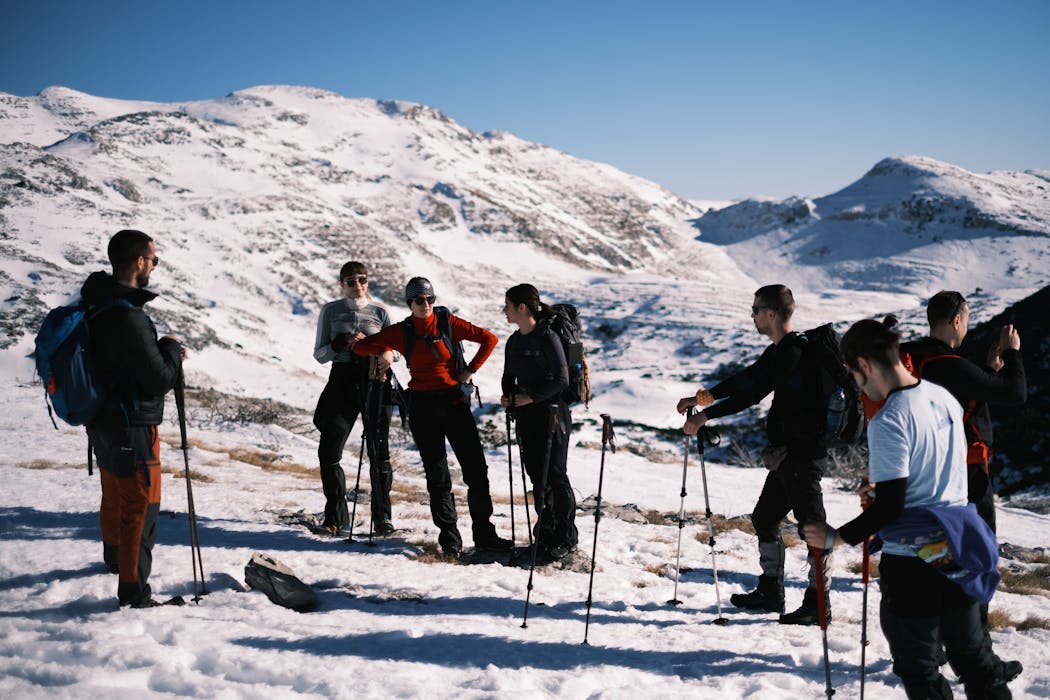
A warm camp day starts with smart layers that trap heat without trapping sweat. A light base layer that wicks moisture helps keep skin drier, while a midlayer, such as fleece or wool, adds insulation by trapping warm air. A windproof, water-resistant outer layer blocks gusts and light precipitation, which can rapidly chill the body. A flexible system is important because overheating during setup or hiking can cause sweating, and damp clothing cools quickly once the activity stops. Adding or removing layers early helps prevent that damp-and-cold cycle that can spiral into dangerous cooling.
Stay Dry To Stay Warm
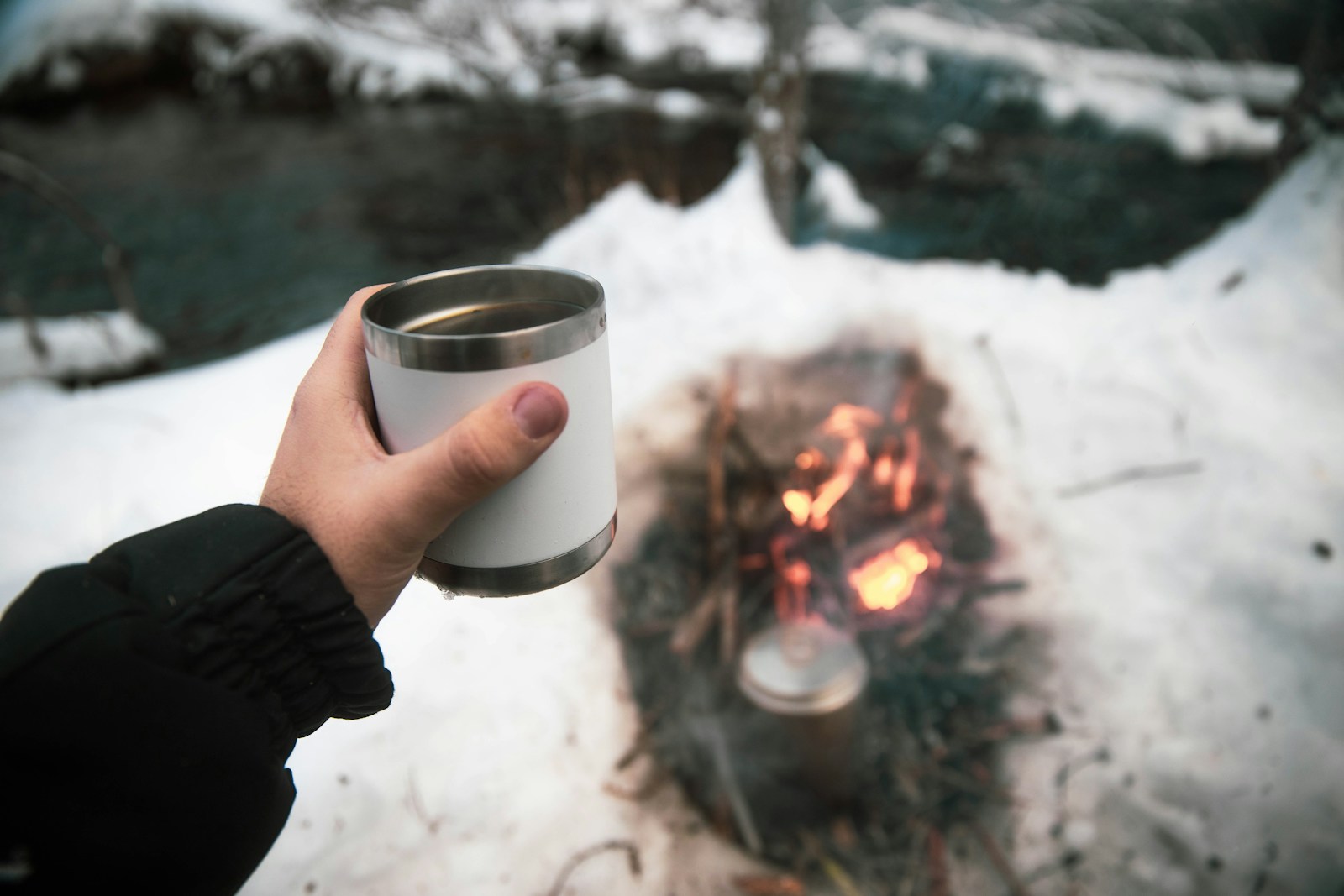
Moisture is the enemy in winter because water conducts heat away from the body far faster than air. Wet socks, damp base layers, and condensation-soaked gear can quickly chill the body. Keeping a dry set of sleep clothes in a waterproof bag and venting the tent to reduce condensation are key. Managing sweat is as important as blocking snow, since sweat left to cool can trigger rapid shivering. Small habits help, including swapping gloves after camp chores, wiping down tent walls, and drying socks near body heat. Warm drinks support comfort, but steady hydration protects circulation. Before sleep, loosen boot laces and remove insoles so trapped moisture can evaporate. Store damp layers away from insulation to prevent wetting the sleeping bag, and check rainfly vents again.
Pick A Sheltered Campsite
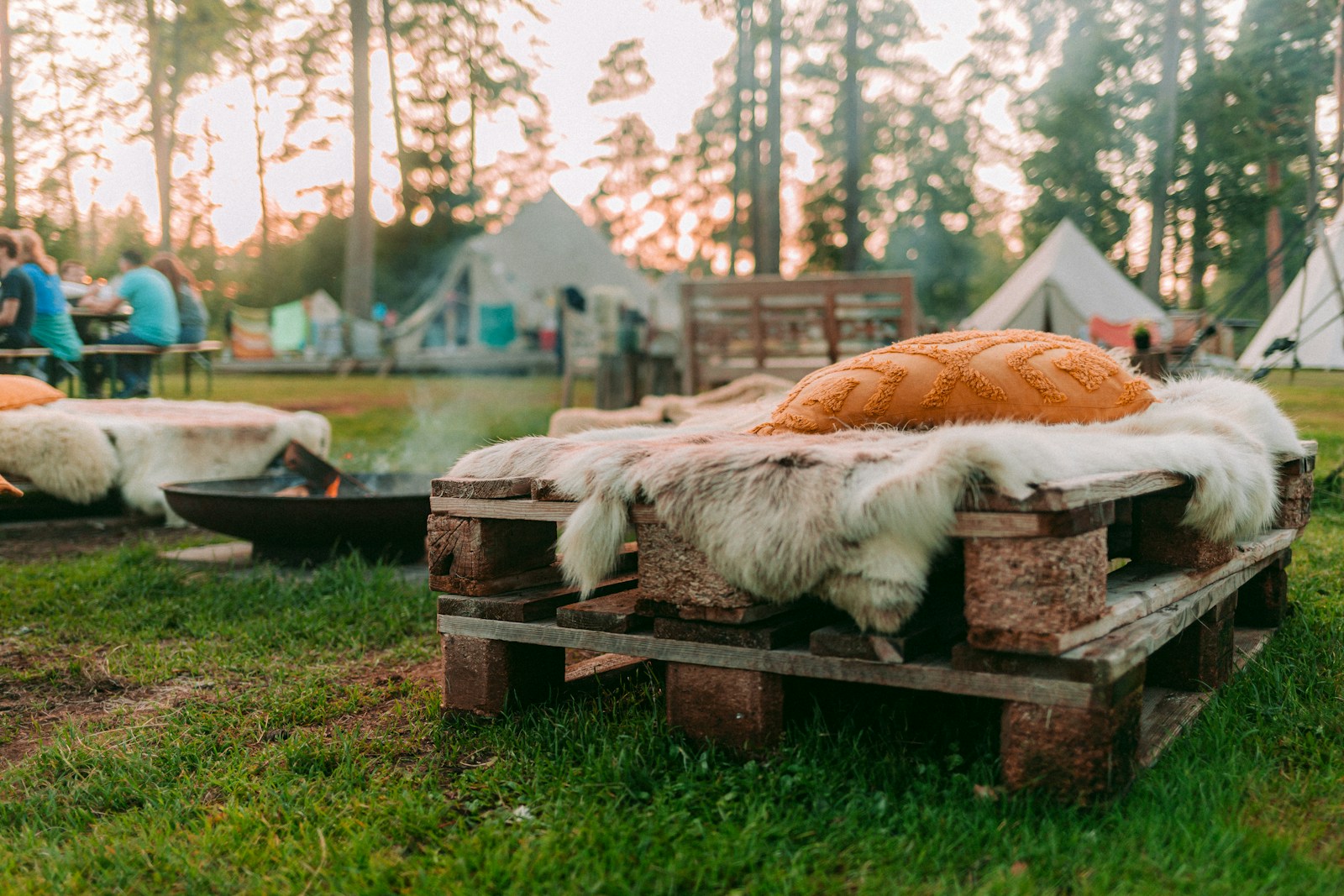
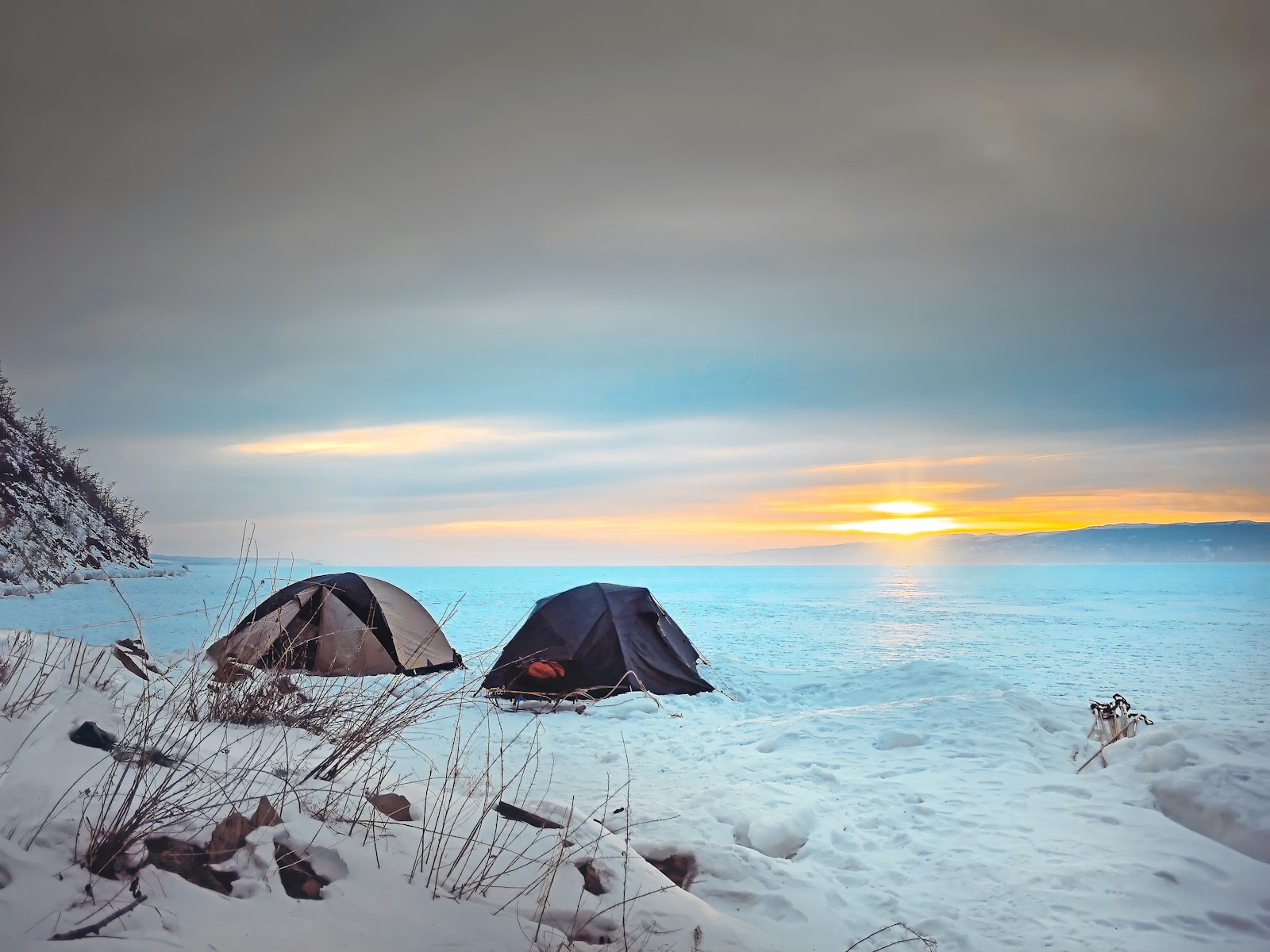
Campsite choice can add real warmth by reducing exposure to wind and pooling cold air. A spot with natural windbreaks like dense trees or terrain features can cut convective heat loss, while avoiding ridgelines reduces gusts that steal warmth all night. A slightly elevated location can be better than a low basin, where cold air can settle after dark. A well-drained surface also matters, since melting snow can create damp ground that chills gear. Checking local alerts and conditions supports safer decisions, especially when winter access changes quickly. Also, note drifting patterns and choose a door orientation away from the wind.
Use A Sleeping Pad With A High R-Value
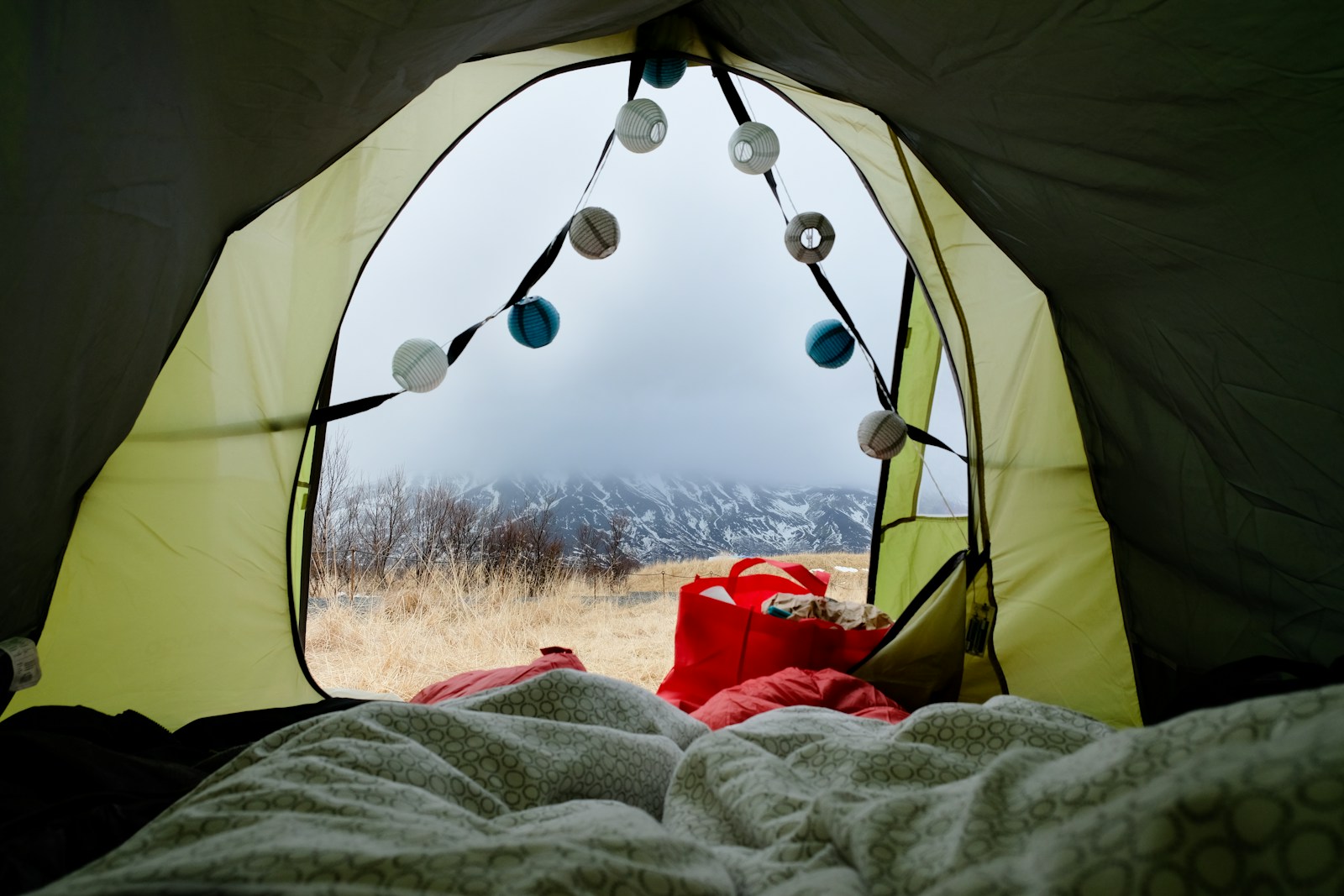
A sleeping bag alone cannot stop heat loss to frozen ground, so ground insulation is a winter essential. A sleeping pad’s R-value measures resistance to heat flow, and higher numbers mean better insulation from cold surfaces. Winter setups often rely on a warm, insulated pad or a layered system that combines a foam pad with an inflatable pad for extra protection. This approach also adds redundancy if an inflatable pad leaks. Paying attention to ground insulation can make the difference between sleeping comfortably and waking repeatedly from the cold seeping upward through the floor. A repair kit and patch practice help prevent nighttime surprises in camp.
Bring A Colder-Rated Sleeping Bag
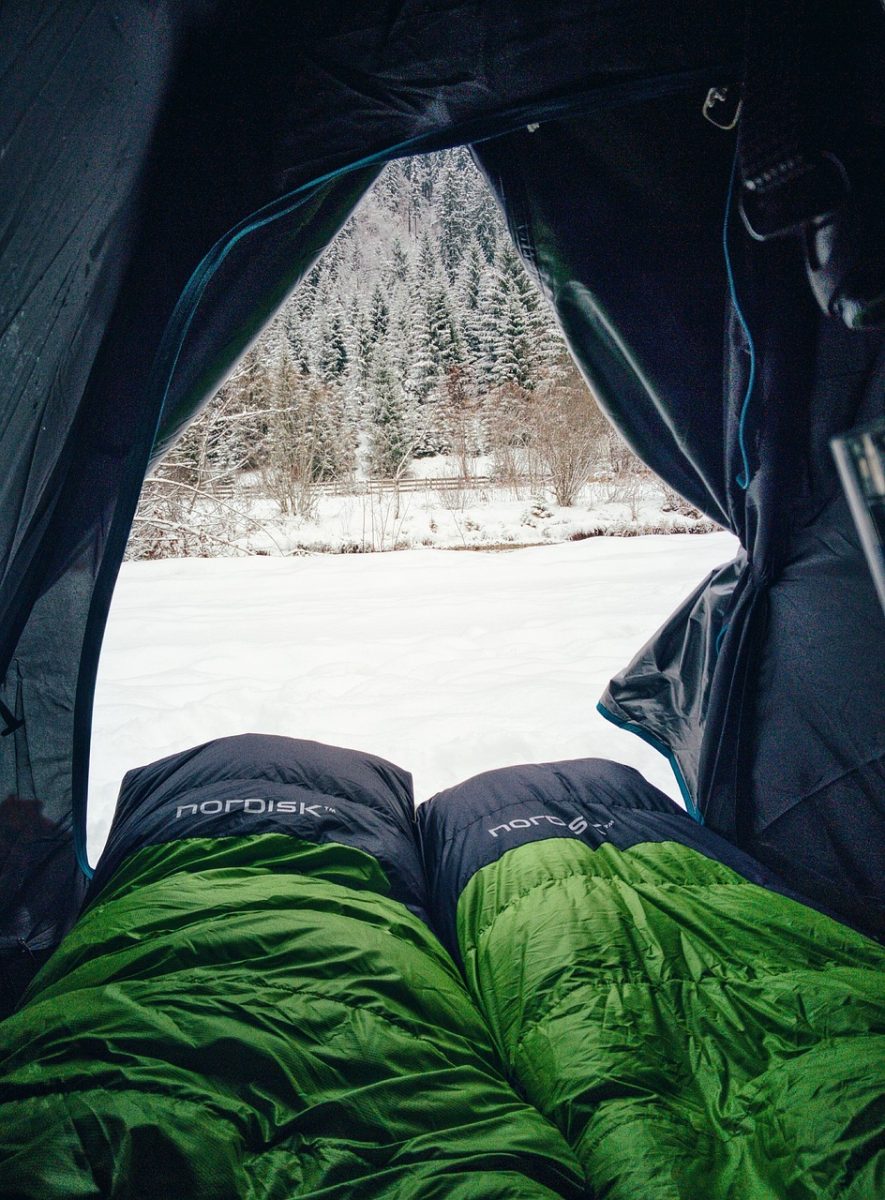
A winter sleeping bag should match the lowest expected temperatures, not the daytime forecast. Cold arrives overnight, and wind or humidity can make it feel harsher than predicted. A bag rated for colder conditions provides a safety margin, especially for people who sleep cold. Keeping the loft high matters because loft traps warm air, so storing the bag uncompressed before the trip and fluffing it before bed helps performance. A liner can add warmth and keep the inside cleaner, but it cannot replace a properly rated bag when temperatures drop well below freezing. Also, protect insulation by keeping damp clothes out of the bag.
Eat And Drink For Heat
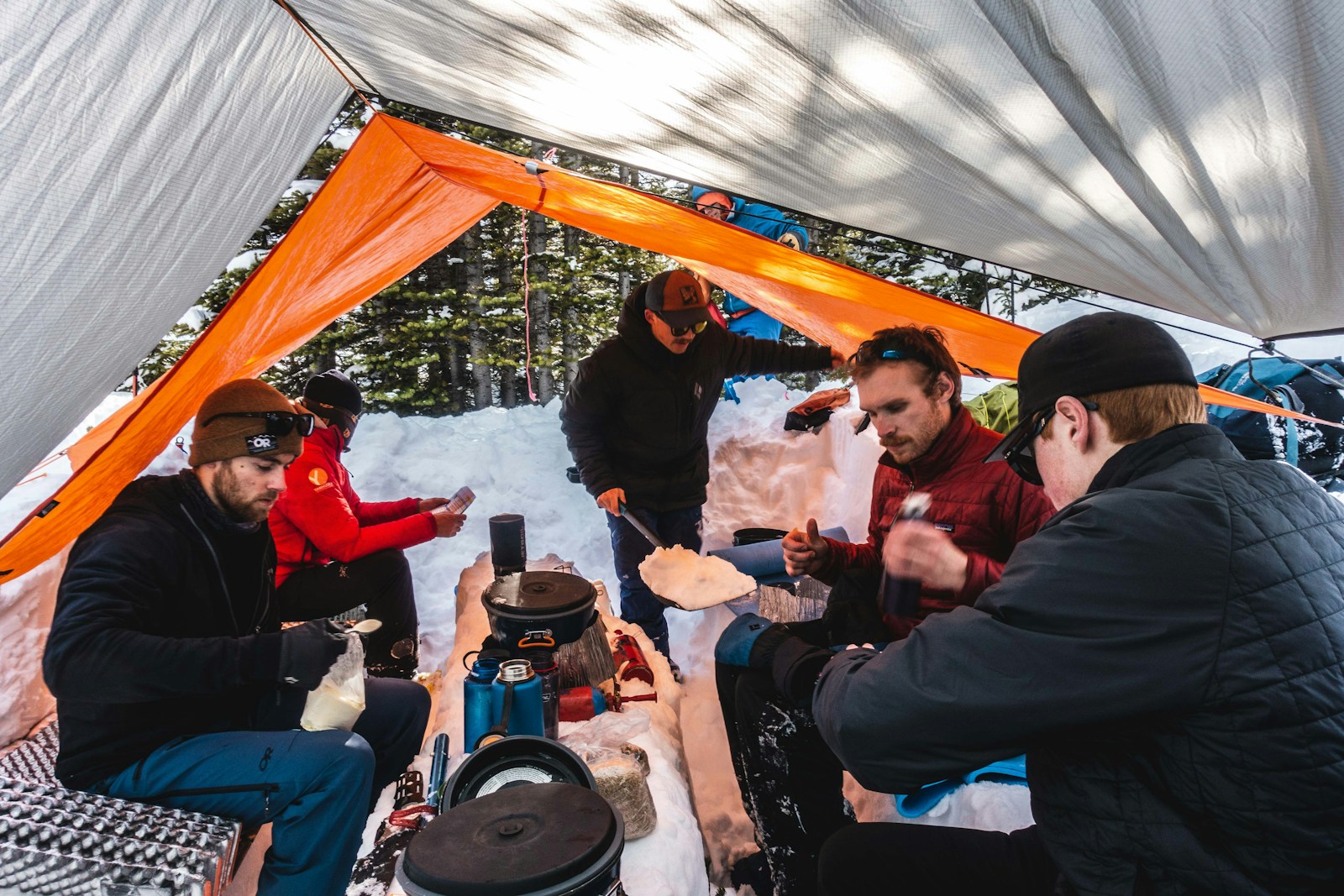
A warm body needs steady energy, so winter camping rewards regular meals and smart snacks. The body burns more calories in cold conditions, and eating before bed can support heat production overnight. Warm drinks can feel comforting, but hydration matters even in winter because cold air and exertion can still dehydrate the body. Alcohol is a poor choice because it can increase heat loss and impair judgment, raising safety risks in cold conditions. Choosing water and nonalcoholic warm beverages, along with balanced food, supports better temperature control and clearer decision-making around camp.
Keep Extremities Covered
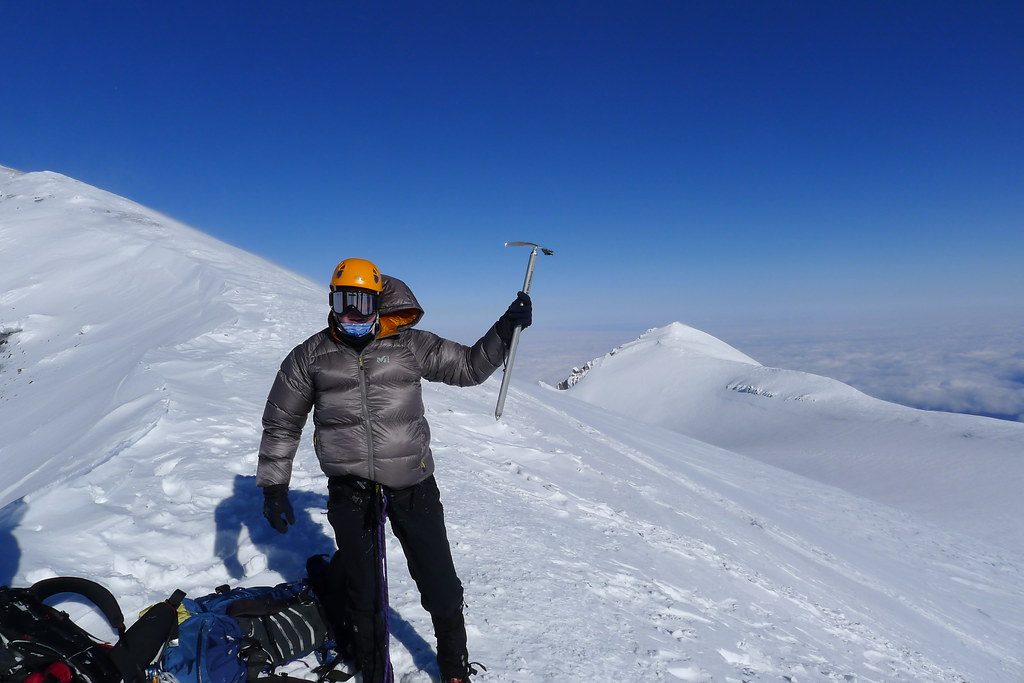
Hands, feet, and head lose heat quickly, so winter comfort often depends on small gear choices. A warm hat helps reduce heat loss from the scalp, while mittens can be warmer than gloves because fingers share heat in one pocket of insulation. Dry socks and properly sized boots help prevent chilled toes, and carrying spare socks provides a quick fix if dampness starts. Covering the face in cold weather can reduce discomfort from icy air. These basics also support safety, since frostbite and cold injury risks rise when exposed skin stays unprotected too long. Add hand warmers as backups and check skin frequently for numbness.
Vent The Tent And Manage Condensation
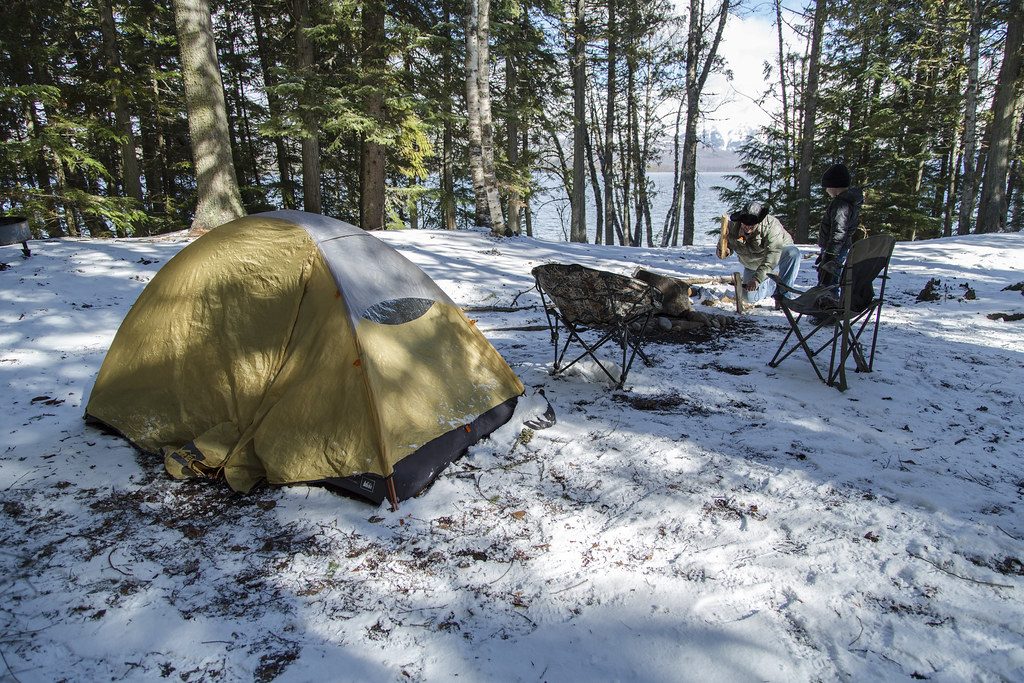
It feels natural to seal a tent tightly in winter, but trapped moisture can backfire. Warm breath and damp gear add water vapor, which can condense on cold fabric and then wet sleeping bags, clothing, and the tent floor. Simple ventilation, such as cracking vents and maintaining airflow, helps reduce condensation without turning the shelter into a wind tunnel. Keeping the rainfly properly tensioned and preventing contact with the inner fabric can also limit dripping. A slightly cooler, drier tent often feels warmer overall because dry insulation performs better through the night. Also, shake frost off walls before it melts onto gear.
Warm Up Safely Before Bed
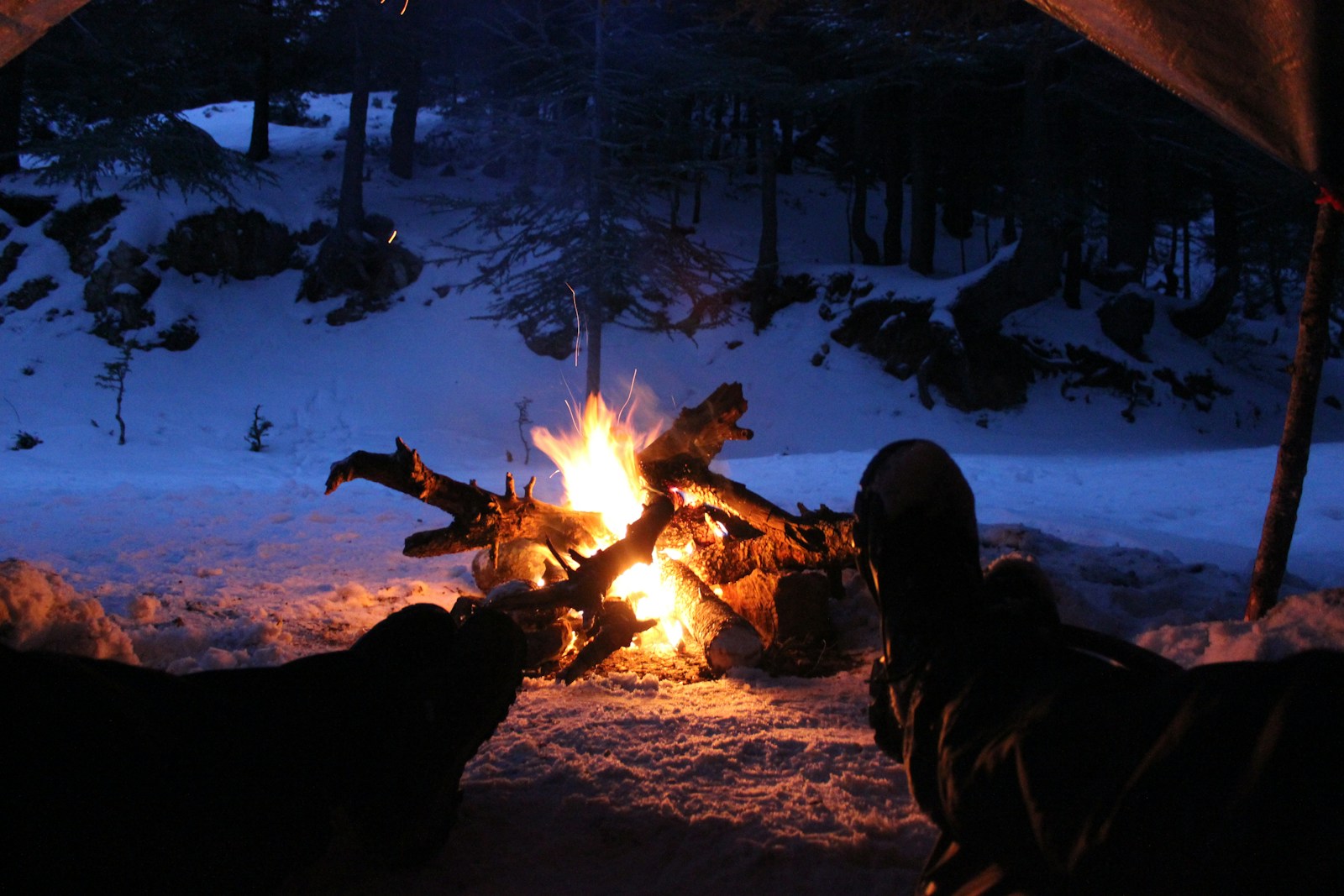
A short burst of movement before climbing into a sleeping bag can help, but the timing matters. Light activity raises body temperature, yet heavy exertion can produce sweat that later chills the body once movement stops. The goal is gentle warmth, not overheating. Changing into dry sleep layers afterward keeps moisture away from insulation. If shivering starts, addressing it early with dry clothing, food, and shelter can prevent a bigger problem. Hypothermia is a real risk in cold environments, and recognizing early signs and acting promptly can keep a fun trip from turning dangerous. Keep a warm drink handy and avoid pushing through exhaustion at night.
Pack A Cold-Weather Safety Mindset
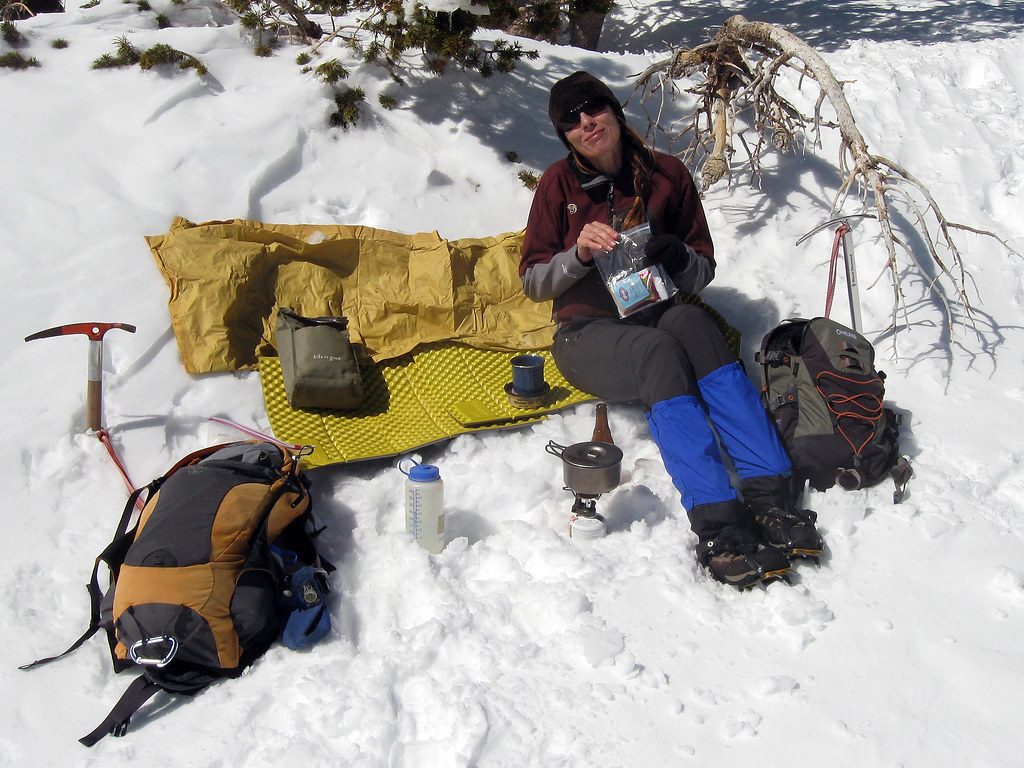
Winter camping goes better when small habits support big safety outcomes. Monitoring conditions and access helps avoid surprises, since winter closures and hazards can change plans quickly. Carrying extra insulation layers and keeping key items dry adds resilience when temperatures drop faster than expected. Paying attention to wind, wetness, and fatigue helps prevent poor decisions late in the day. Cold safety guidance emphasizes staying warm and dry, protecting exposed skin, and avoiding choices that increase risk. With a steady routine and conservative choices, winter camping can stay comfortable while still feeling adventurous.