Camping four decades ago looked very different from today’s carefully planned trips. Fewer rules, less technology, and limited outdoor infrastructure shaped how people behaved in campgrounds and backcountry areas. Campers relied more on personal judgment than on posted regulations. Gear was simpler, information traveled more slowly, and expectations were shaped by experience rather than apps. Many habits that once felt normal are now discouraged or even illegal due to environmental damage, safety concerns, and changing outdoor ethics. Looking back at these practices helps explain how camping culture evolved and why modern guidelines exist today.
1. Camping Almost Anywhere Without Reservations
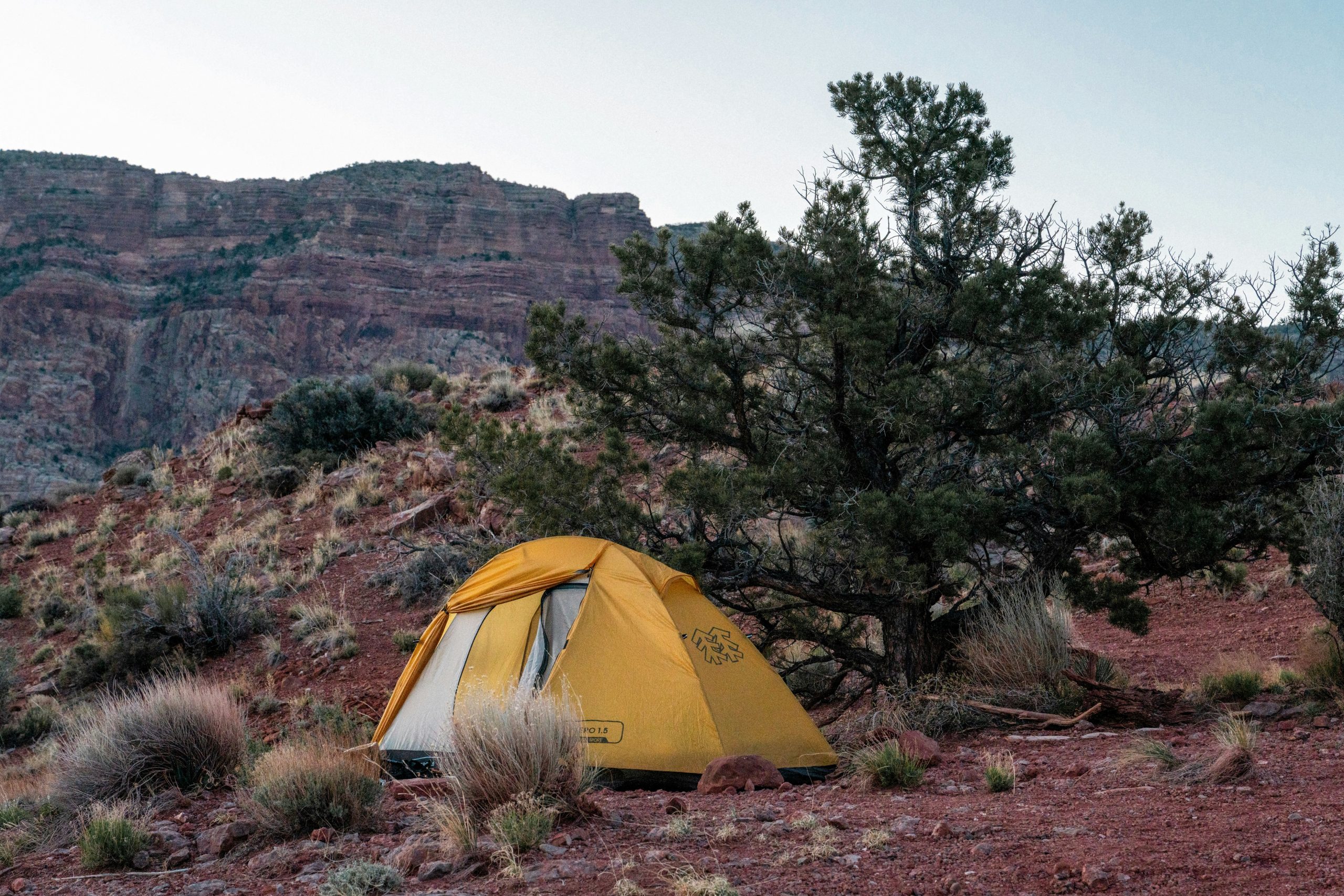
Forty years ago, campers often pulled off forest roads or arrived at campgrounds without reservations and expected to find space. Public lands were less crowded, and planning was rarely required. Families loaded their cars and headed out on weekends, assuming availability. Rangers enforced fewer capacity limits, and overflow camping was common. This freedom encouraged spontaneous trips but often led to overcrowding near lakes and trails. Today, reservation systems manage impact and protect fragile areas. Back then, camping wherever space appeared felt normal and rarely raised concerns about long-term land damage or visitor pressure.
2. Building Large Campfires as the Main Activity
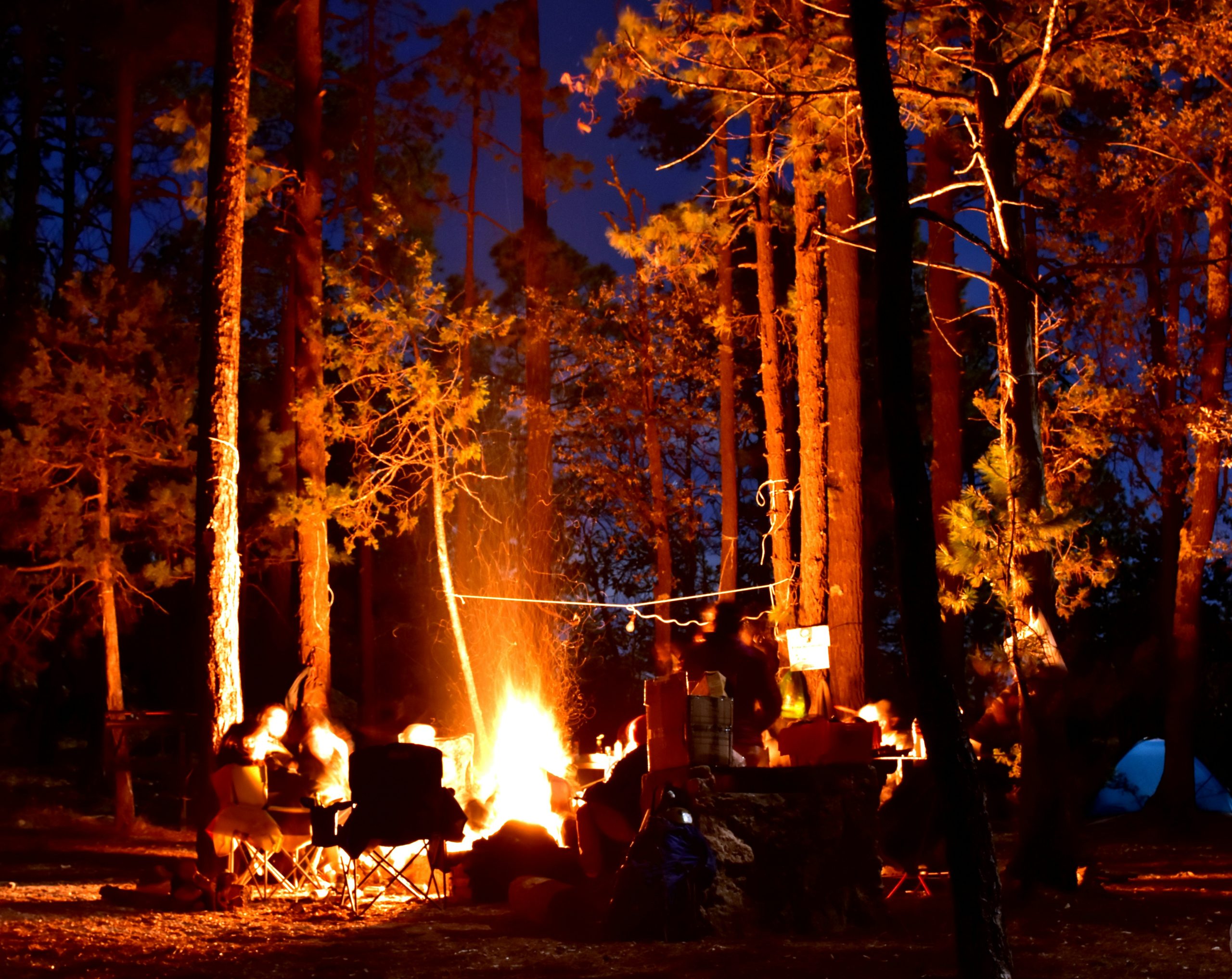
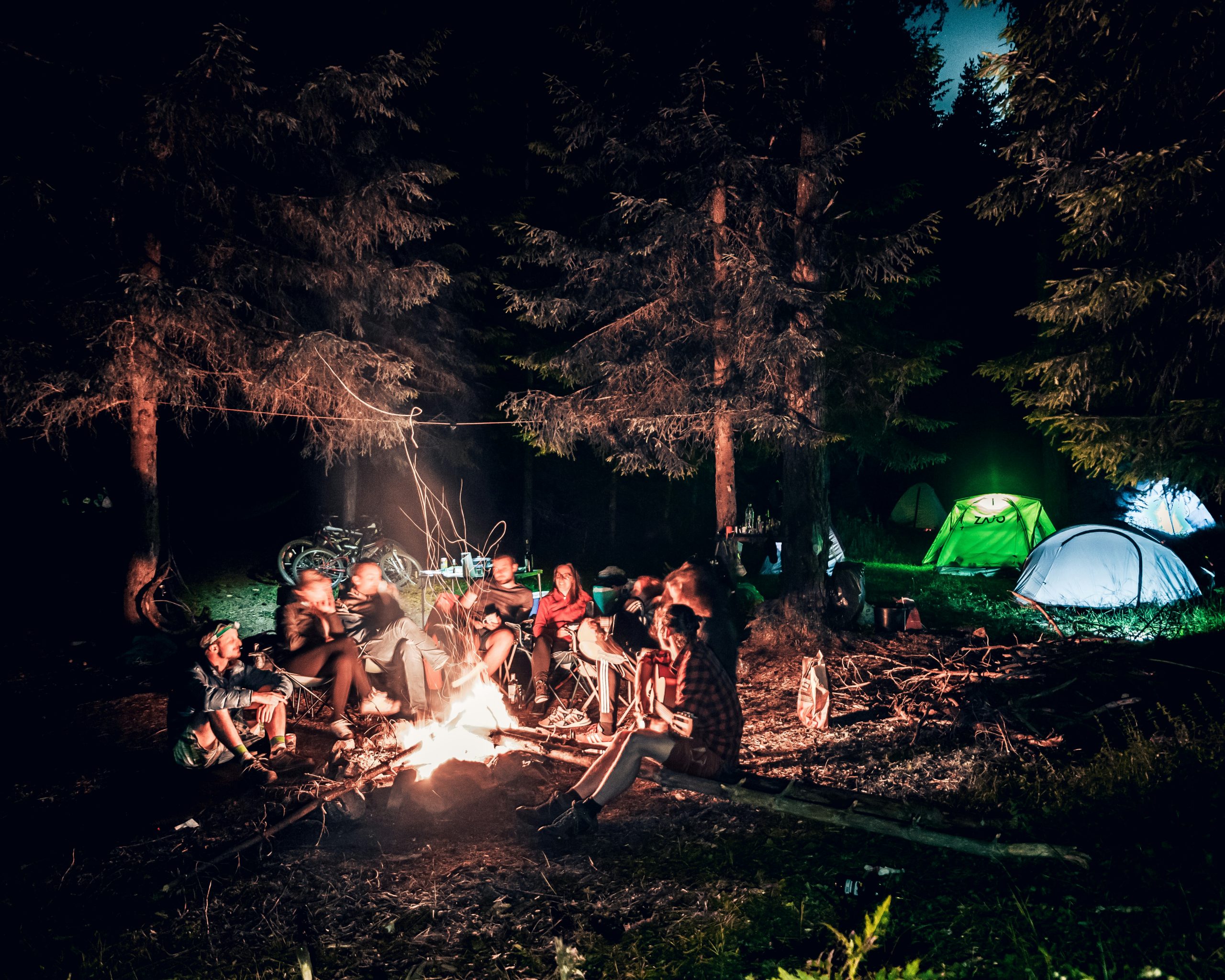
Big campfires were central to camping culture decades ago. Campers gathered wood freely, stacked tall fires, and burned them late into the night. Fires were used for warmth, cooking, entertainment, and socializing. Fire rings overflowed with logs, and sparks drifting into the dark were considered part of the experience. Awareness of wildfire risk was lower, especially outside peak fire seasons. Today, fire restrictions and leave no trace ethics discourage oversized fires. What once felt cozy and harmless is now recognized as a major environmental and safety concern.
3. Cutting Tree Branches for Firewood
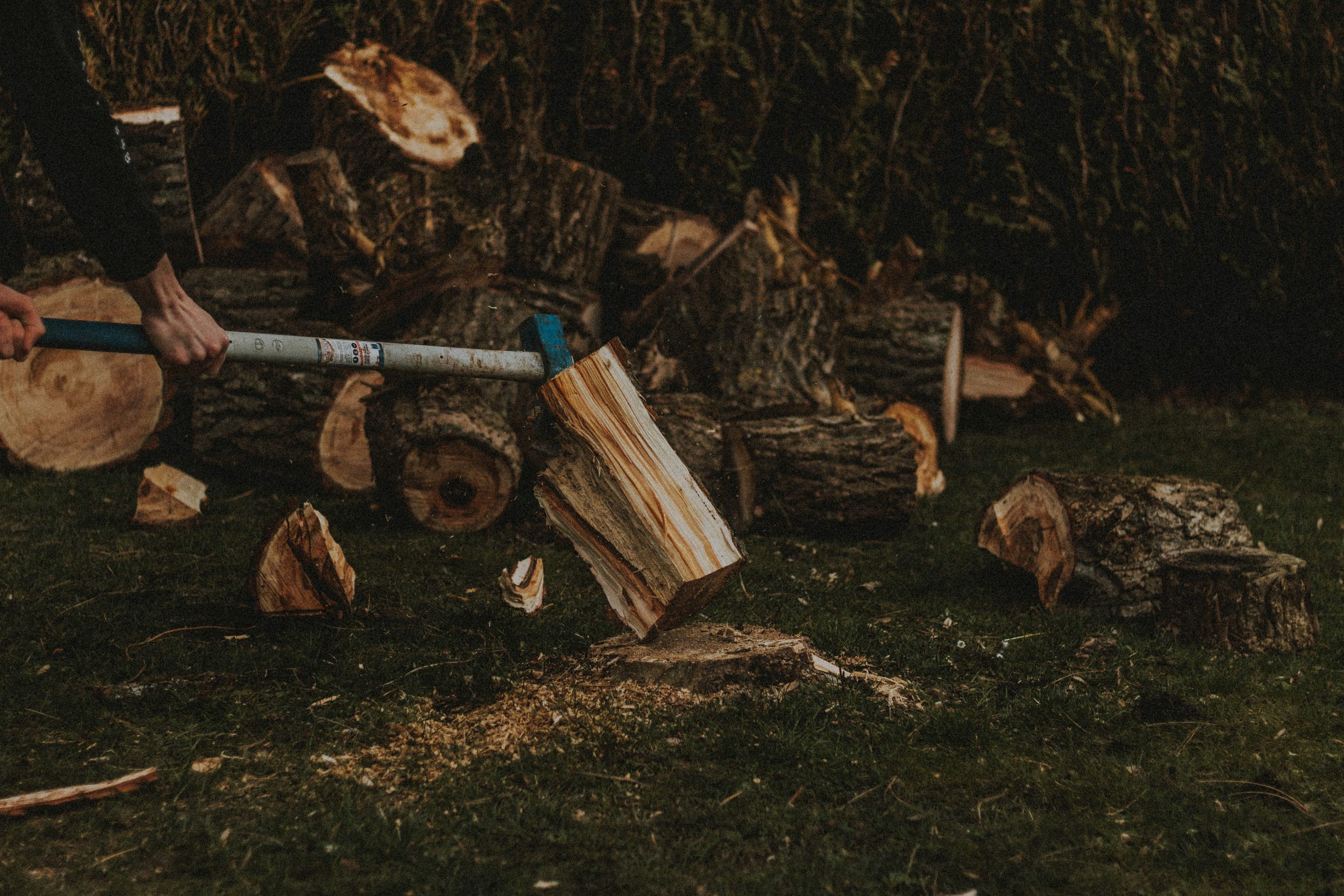
It was common to break or cut branches directly from nearby trees to fuel campfires. Deadwood collection guidelines were loosely followed or ignored entirely. Campers focused on convenience rather than ecological impact. Fresh branches burned poorly but were still used out of habit. Over time, this practice damaged trees and altered forest structure around popular campsites. Modern rules emphasize using downed wood or bringing firewood from approved sources. Forty years ago, few campers considered how repeated branch removal affected forest health or wildlife habitat.
4. Leaving Food Accessible to Wildlife
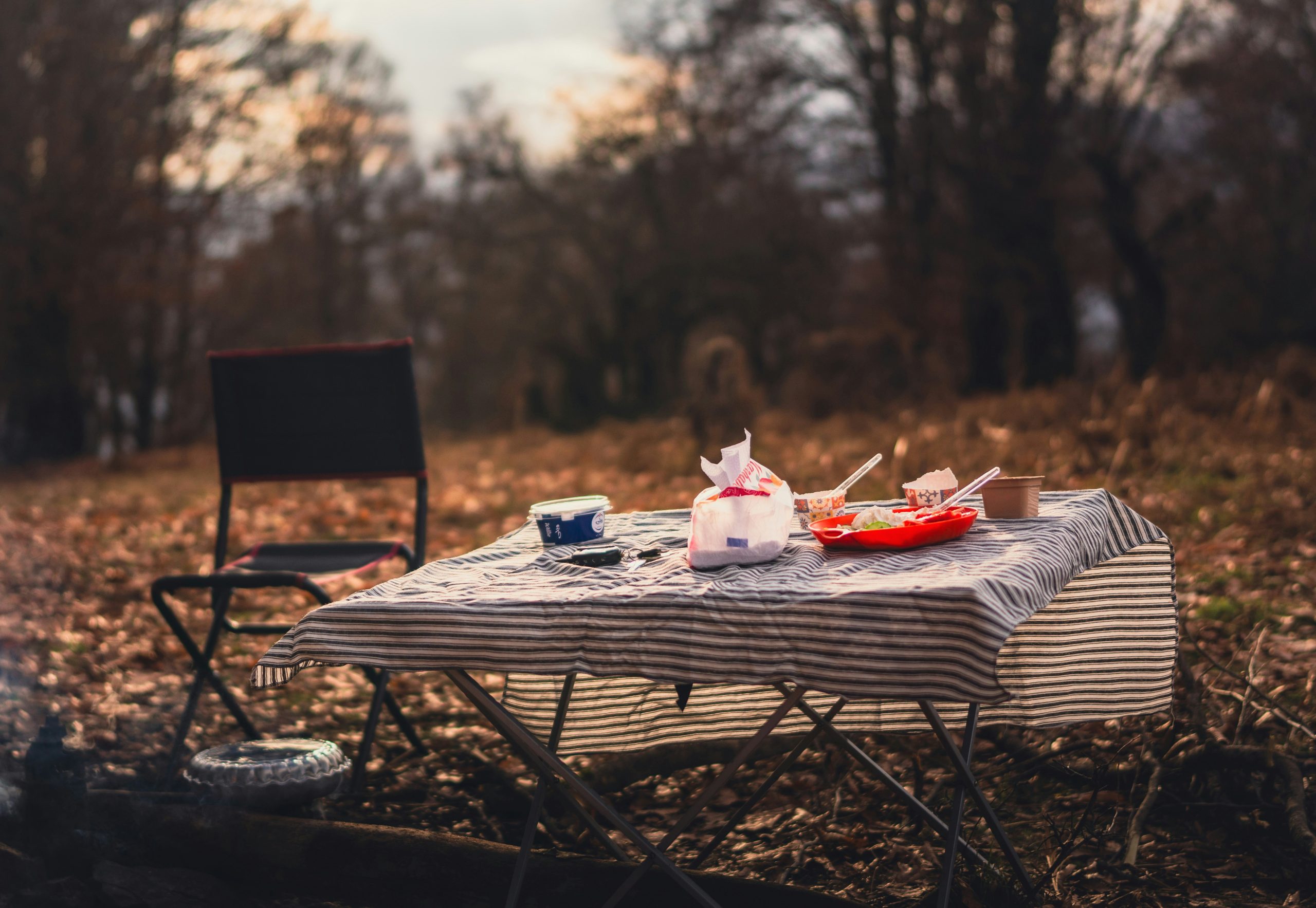
Food storage practices were casual by modern standards. Coolers, grocery bags, and uncovered cookware were often left out overnight. Encounters with raccoons, squirrels, and other animals were treated as amusing rather than dangerous. Bear-resistant containers were rare and unfamiliar to most campers. Unfortunately, this habit trained wildlife to associate humans with food. Today, strict food storage rules protect both animals and people. Decades ago, sharing campsites with bold wildlife felt like part of the adventure rather than a serious safety issue.
5. Minimal Concern About Trash Disposal
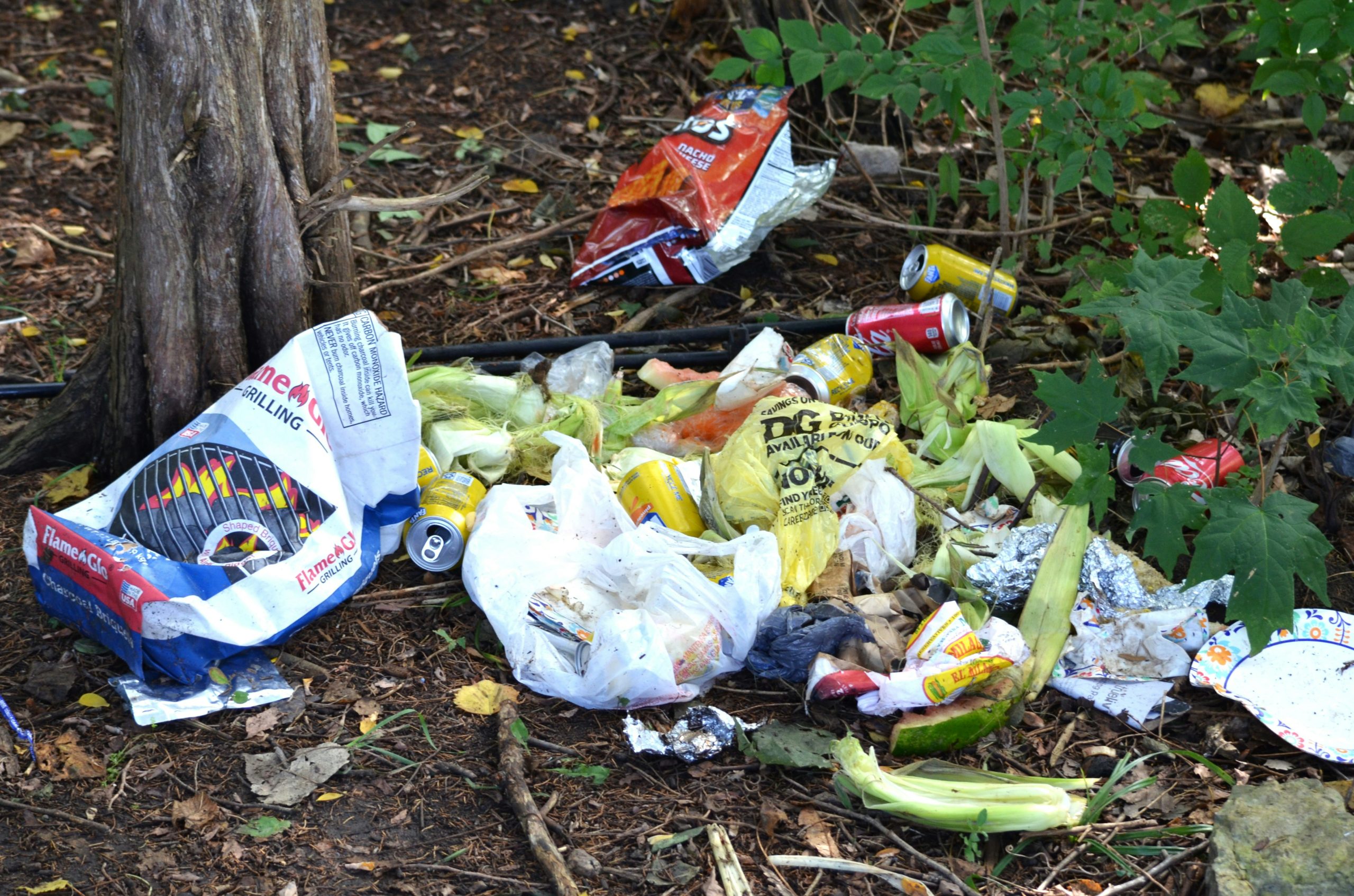
Trash handling was far less disciplined. Campers burned waste in fires, buried leftovers, or left bags near campsites for later pickup. Recycling was uncommon, and disposable packaging was increasing. Litter accumulated slowly but steadily in popular areas. The long term impact of trash on ecosystems was poorly understood. Modern camping emphasizes packing out all waste. Forty years ago, leaving small amounts behind rarely drew attention. What was once considered acceptable cleanup would now be seen as careless and damaging.
6. Drinking Untreated Water From Streams
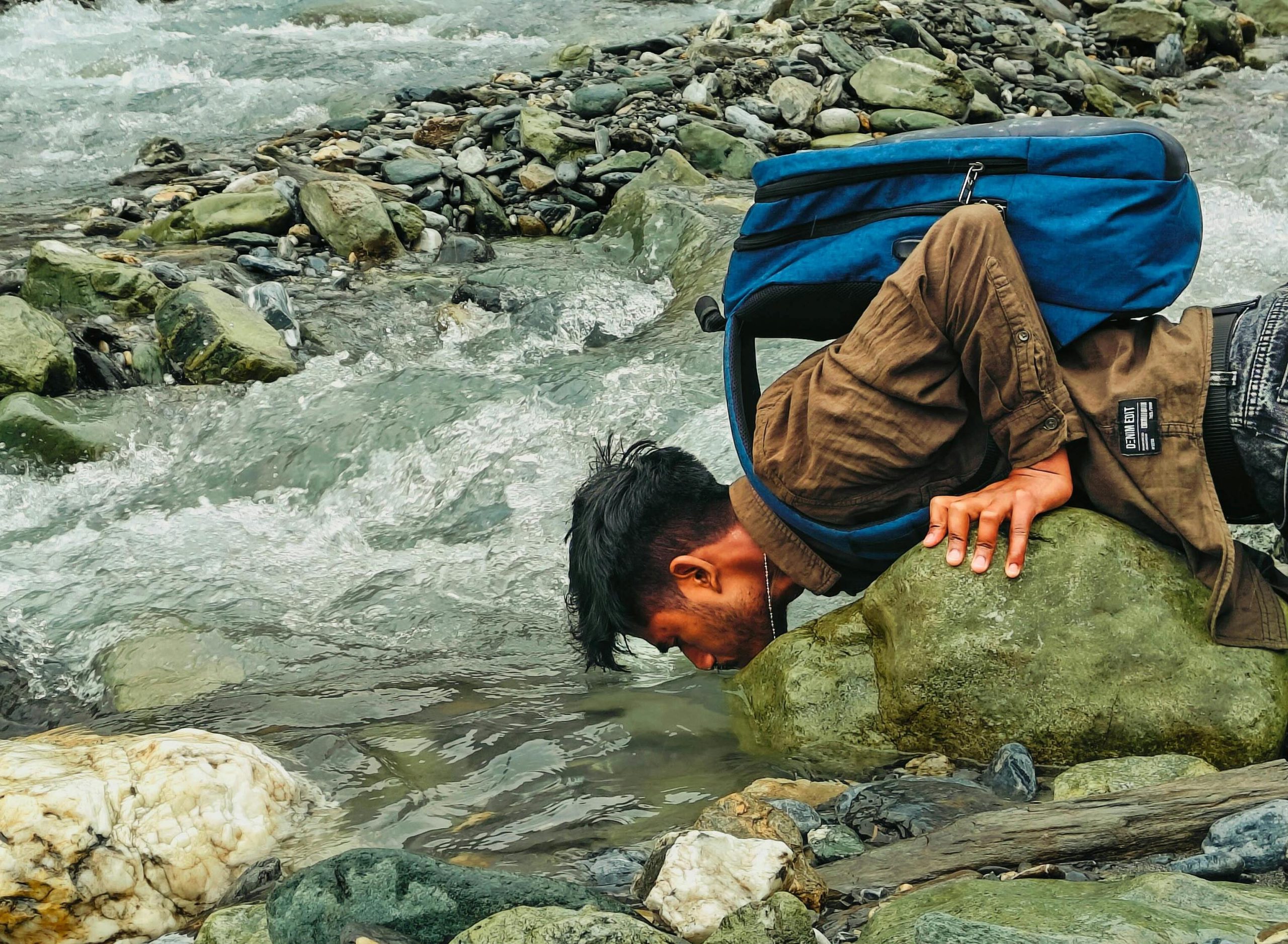
Many campers confidently drank from clear streams and lakes without treatment. The belief that moving water was safe was widespread. Water filters were bulky or unavailable, and purification tablets were uncommon. While some people avoided illness, others experienced stomach problems without understanding the cause. Increased human activity eventually contaminated many water sources. Today, water treatment is standard practice. In the past, trusting natural water sources felt normal and reinforced the idea that wilderness water was always clean.
7. Letting Children Roam Far From Camp
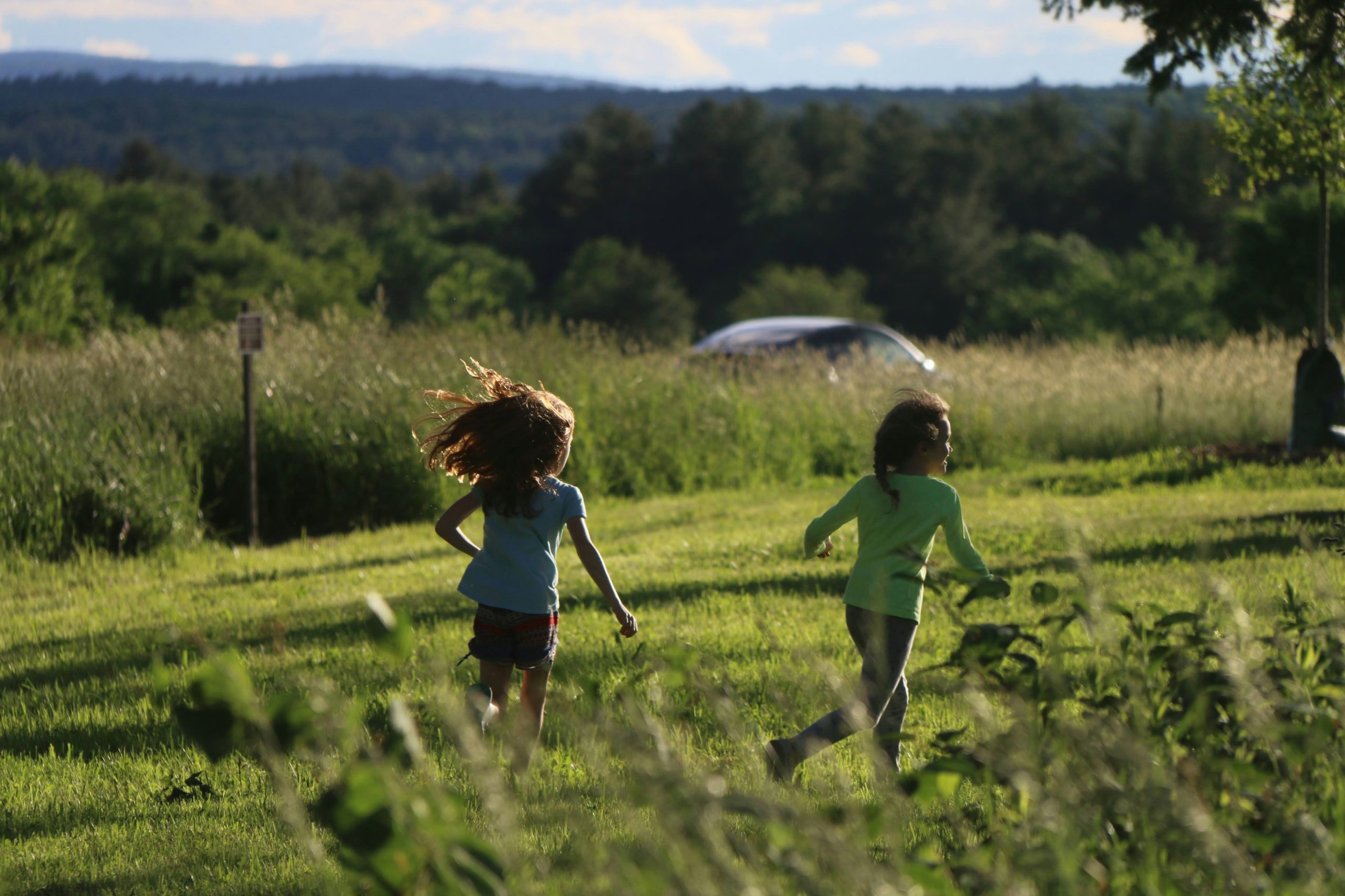
Children often wandered freely through campgrounds, forests, and nearby trails with minimal supervision. Parents trusted the environment and other campers to keep things safe. Kids explored creeks, climbed trees, and visited neighboring campsites independently. Communication relied on shouting distance rather than devices. While this freedom encouraged confidence, it also carried risks. Today, increased visitation and safety awareness have changed expectations. Forty years ago, unsupervised exploration was viewed as a healthy part of growing up outdoors.
8. Driving Vehicles Directly to Campsites
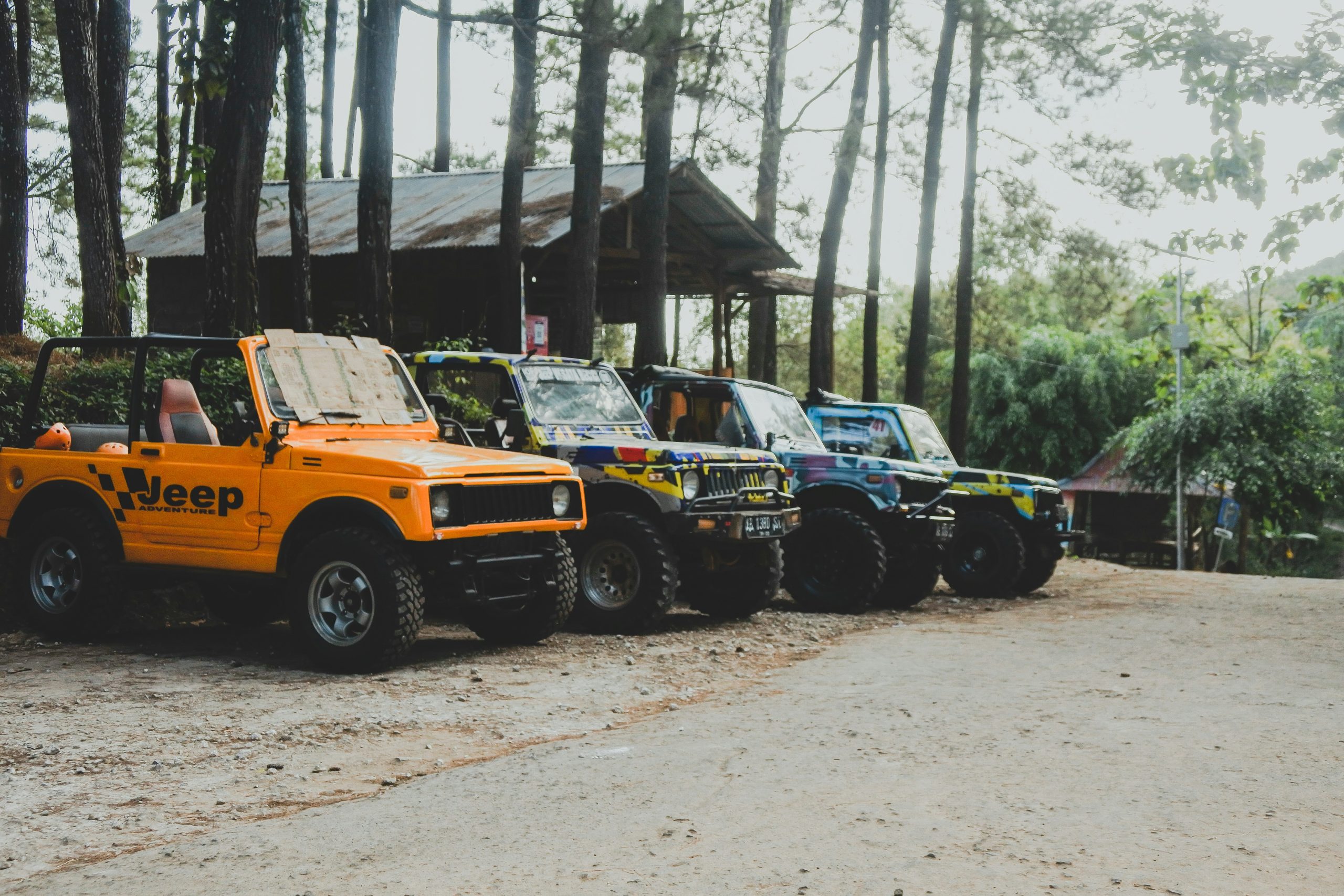
Vehicles were commonly driven close to tents, lakeshores, and fire pits. Campsites were designed for convenience rather than land protection. Off-road driving caused soil compaction and vegetation loss. Campers unloaded gear steps from their tents without concern. Modern campground design limits vehicle access to reduce damage. In the past, easy vehicle access felt normal and practical. The environmental cost of repeated vehicle use near campsites was not widely discussed or understood.
9. Little Awareness of Noise Impact
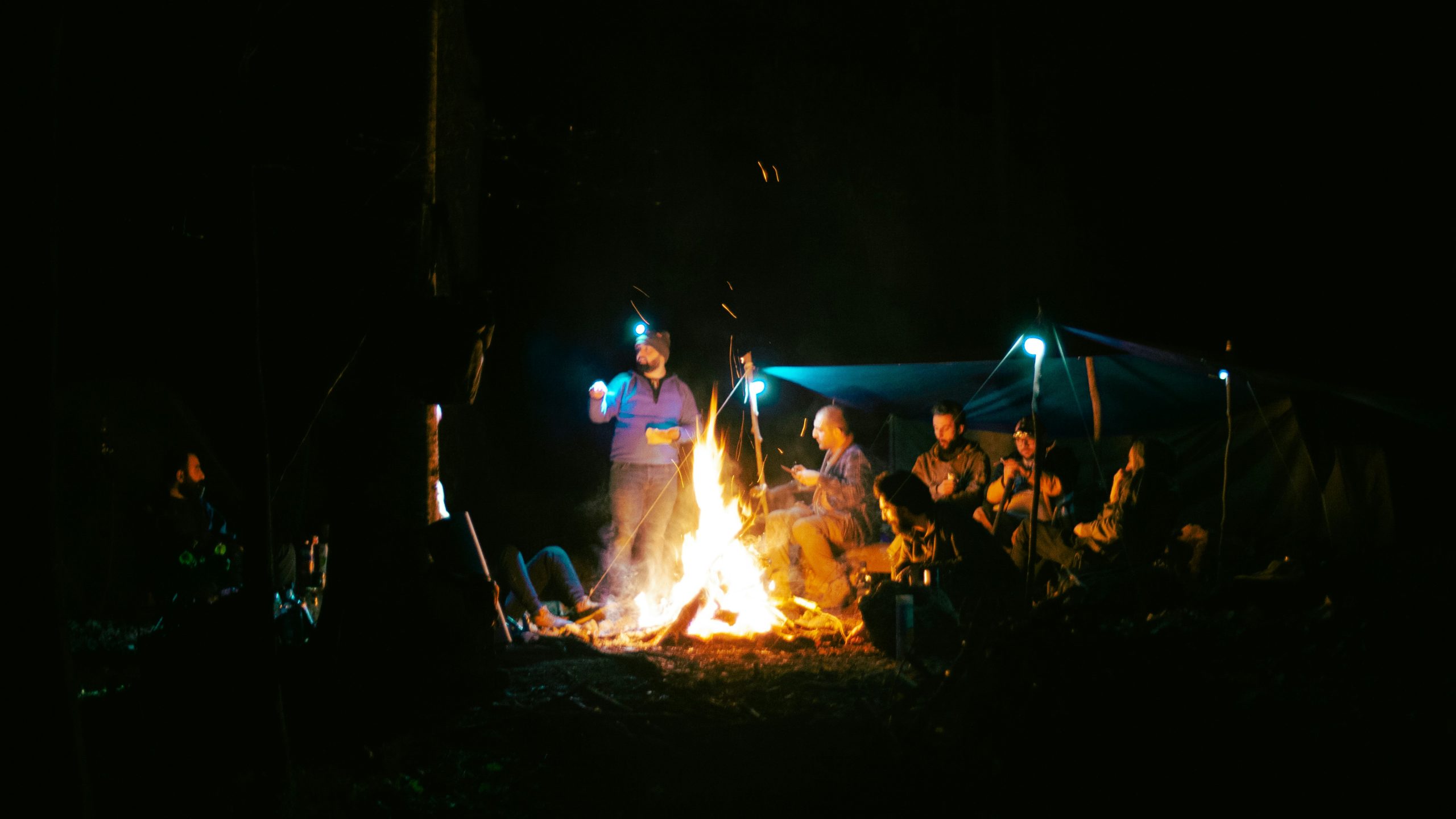
Radios, loud conversations, and late-night gatherings were common. Quiet hours existed but were loosely enforced. Campers treated campgrounds as social spaces rather than shared natural environments. Noise traveled far in open areas, affecting wildlife and other campers. Today, noise awareness is part of campground etiquette. Forty years ago, loud evenings were considered part of the fun. Respecting sound levels was secondary to enjoying time with friends and family.
10. Limited Emphasis on Leave No Trace Ethics
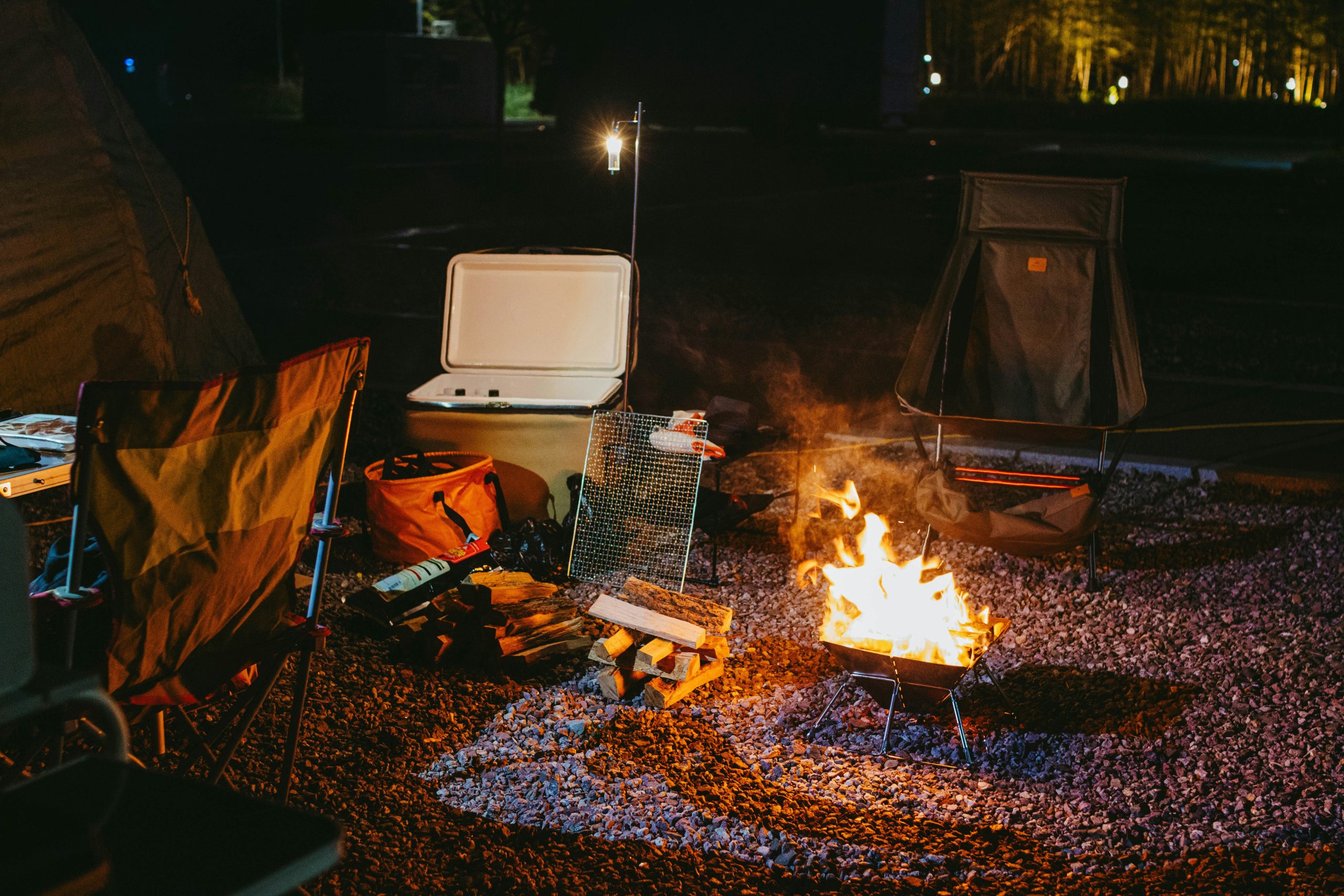
Formal leave no trace education was rare. Campers focused on enjoyment rather than minimizing impact. Trail widening, campsite expansion, and vegetation damage accumulated over time. Signs explaining environmental protection were limited or absent. As outdoor recreation grew, the need for education became clear. Modern campers are taught specific principles to protect natural spaces. Forty years ago, good intentions replaced structured guidance, leading to habits that slowly degraded popular camping areas.