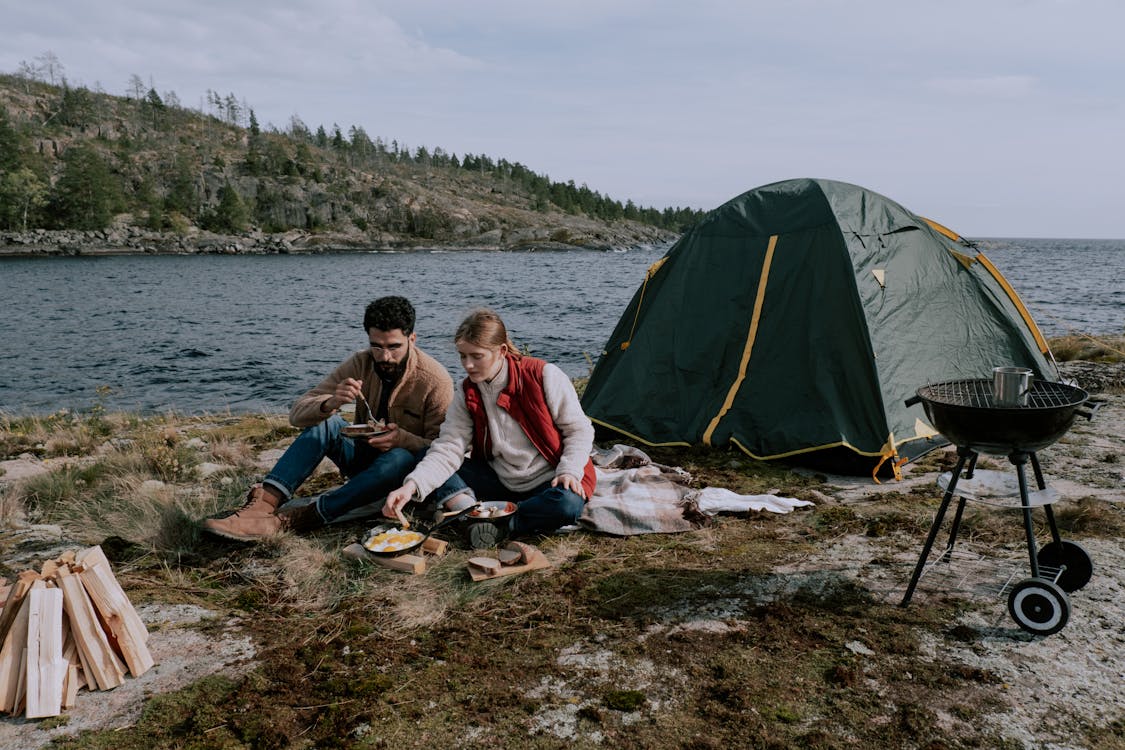
Cold weather changes the pace of camping in subtle but significant ways. Tasks that feel simple in mild conditions often become slower and more demanding when temperatures drop. Stiff fingers, bulky clothing, reduced daylight, and frozen materials all contribute to delays. Cold also affects gear performance, body movement, and decision making, requiring more patience and planning. Camp routines stretch as efficiency gives way to caution and comfort needs. Understanding how cold alters everyday tasks helps explain why winter or shoulder season camping feels more labor intensive. These ten camp tasks consistently take longer in cold conditions due to environmental and physical factors.
Pitching A Tent
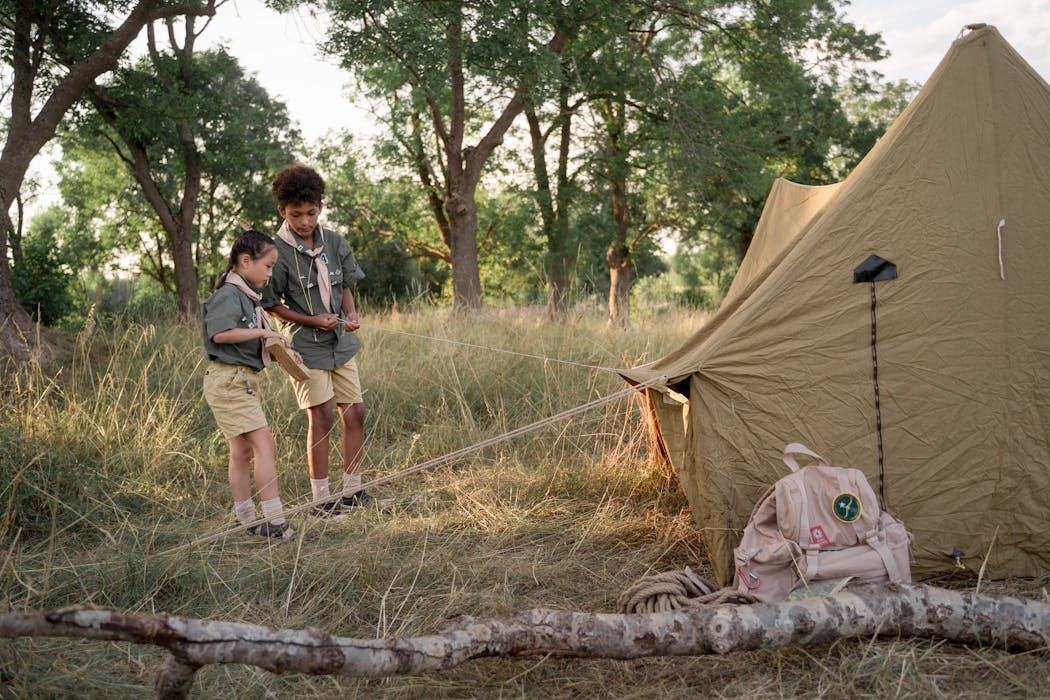
Pitching a tent in cold weather takes longer because materials behave differently at low temperatures. Tent fabric becomes stiff, making it harder to unfold, stretch, and secure properly. Stakes encounter frozen or compacted ground, requiring extra effort or alternative anchoring methods. Gloves reduce dexterity, while bare hands quickly lose warmth. Wind often increases in cold conditions, complicating setup. Aligning poles, clips, and guylines demands patience when fingers move slowly. Snow or ice on the ground adds preparation steps. These combined factors turn a routine setup into a careful, time consuming process focused on stability and warmth.
Starting A Campfire
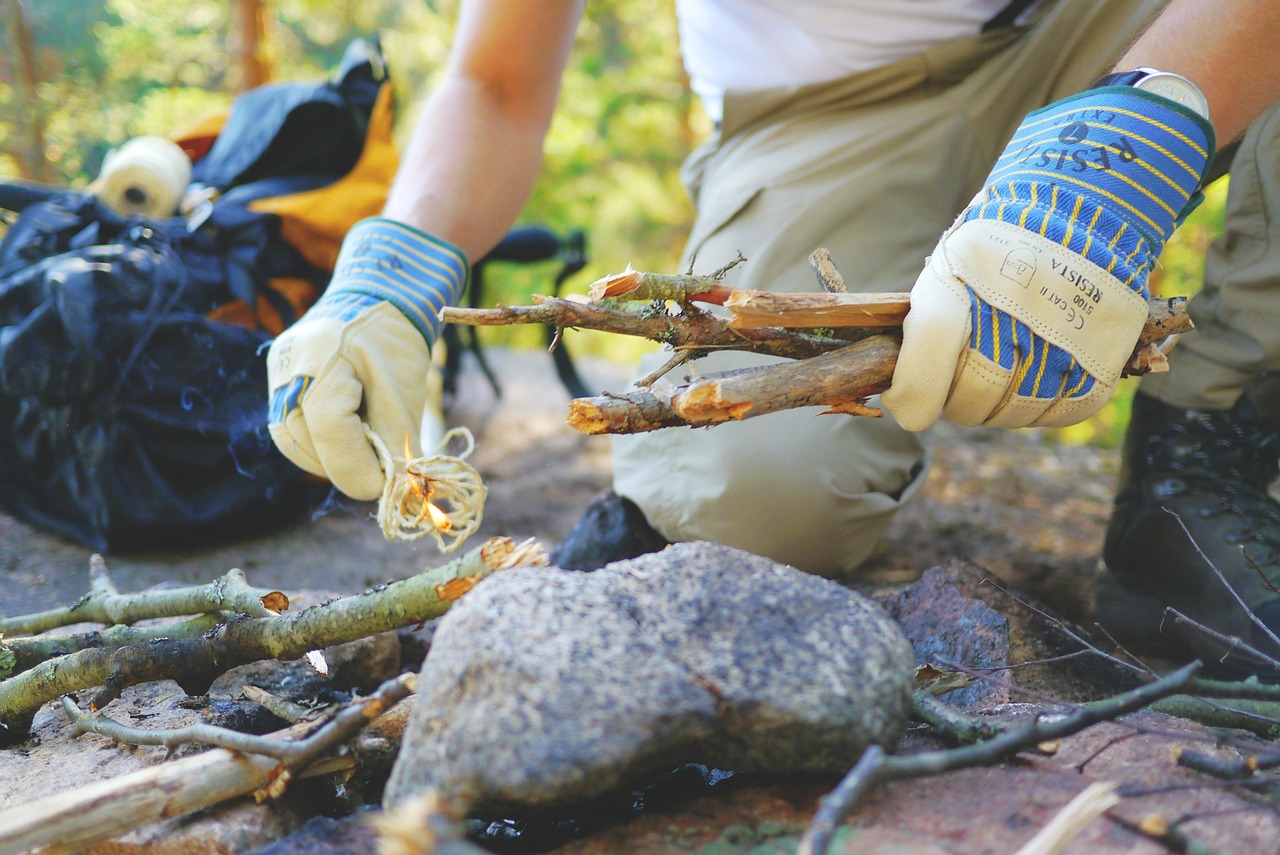
Starting a campfire in cold conditions often takes twice as long due to moisture, wind, and reduced efficiency. Firewood may be damp, frozen, or covered in snow, requiring extra preparation. Gathering suitable tinder becomes more challenging as dry materials are scarce. Cold air and wind reduce flame stability, demanding careful shielding and repeated attempts. Hands lose sensation quickly, slowing movement. Fire starters and matches may perform less reliably. Even once lit, fires take longer to establish strong heat. These challenges mean building a dependable fire in cold weather requires persistence, preparation, and significantly more time than in warmer conditions.
Cooking Meals
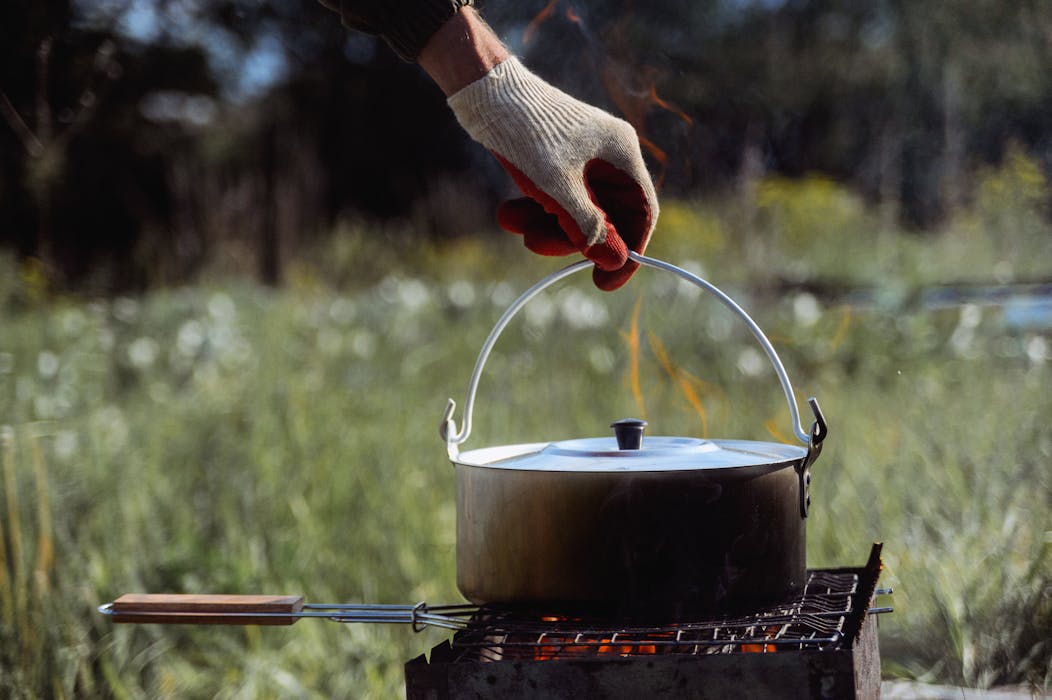
Cooking meals takes longer in cold weather because heat management becomes less efficient. Stoves require more fuel to maintain consistent temperatures. Cold air draws heat away from cookware, slowing boiling and cooking times. Wind disrupts flame stability, even with shields. Ingredients may be frozen or partially frozen, adding thawing time. Hands move more slowly when handling utensils and food. Cleaning during cooking also becomes harder as water freezes quickly. These factors combine to extend meal preparation and cooking duration, turning simple dishes into longer tasks that demand planning, patience, and careful attention to heat control in cold environments.
Fetching Water
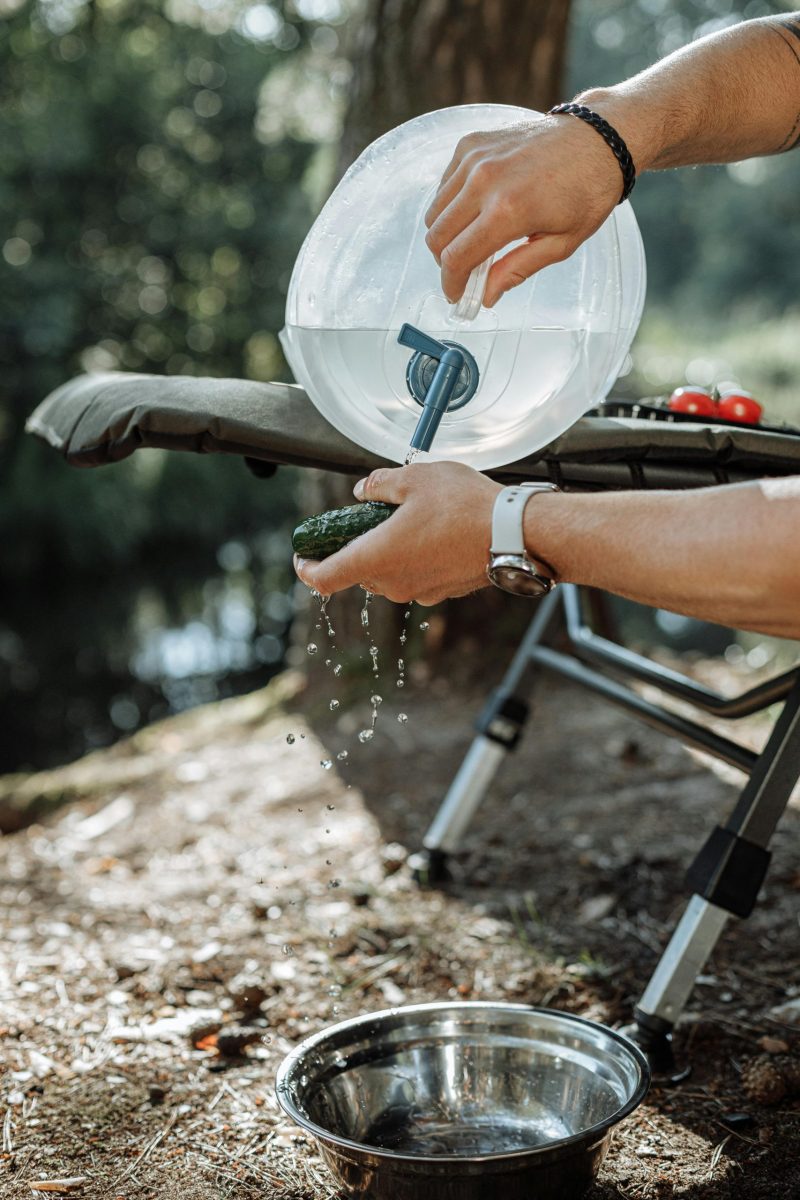
Fetching water in cold conditions often becomes a lengthy task due to freezing temperatures and access challenges. Surface water sources may be frozen, requiring ice breaking or travel to alternative locations. Pumps and spigots can freeze, limiting availability. Carrying water carefully takes longer to prevent spills or freezing during transport. Containers may ice over quickly, complicating use. Snow melting becomes an additional step when liquid water is unavailable, significantly extending the process. Cold conditions also limit how long hands can be exposed, forcing slower, interrupted movement. Altogether, water collection shifts from routine to time intensive necessity.
Changing Clothes
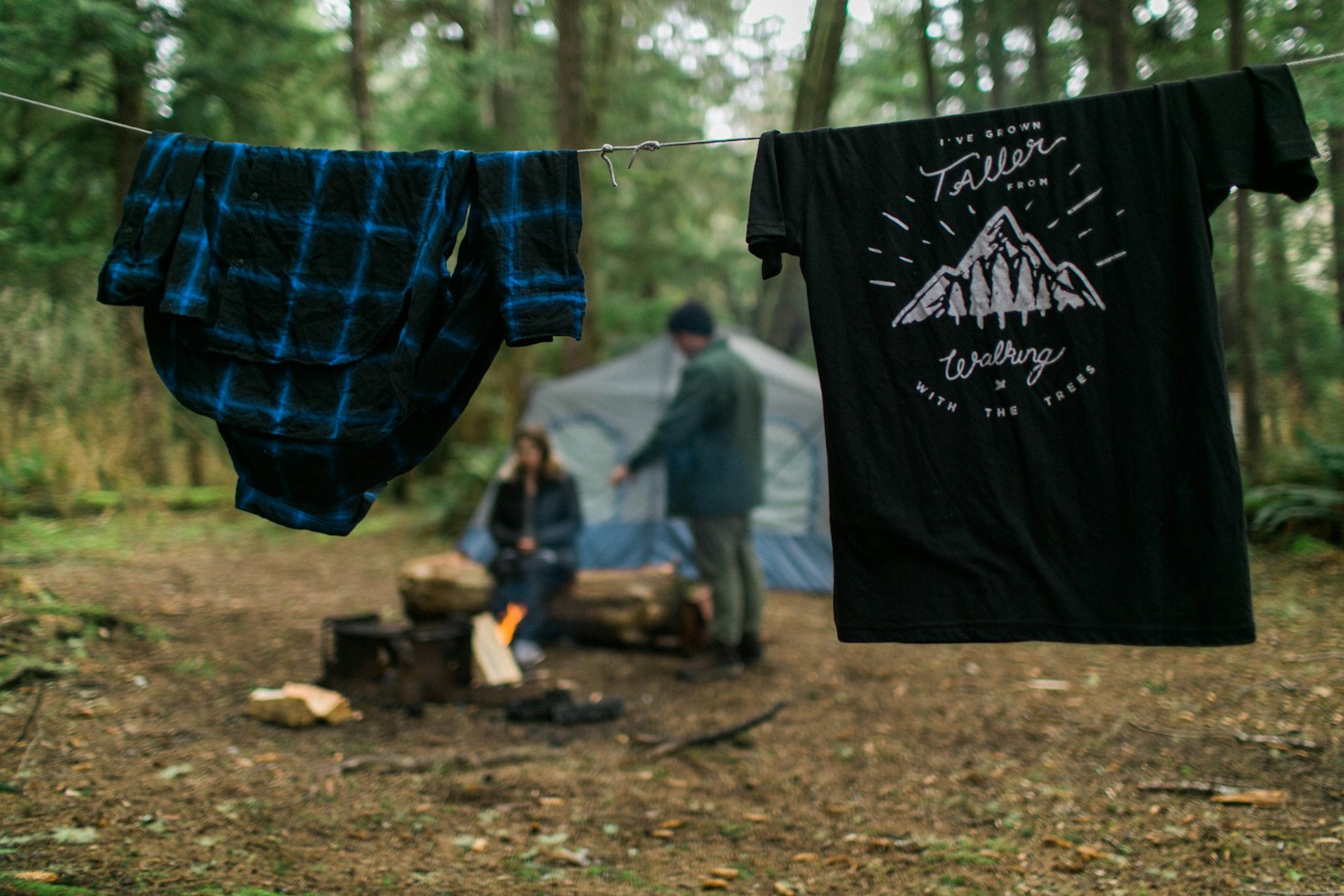
Changing clothes in cold weather takes longer because exposure must be minimized. Layers are added or removed carefully to retain body heat. Fingers move slowly, making buttons, zippers, and laces harder to manage. Bulky garments restrict movement and require adjustment. Clothing may be stiff or frozen, especially footwear left outside. Finding sheltered space becomes necessary, adding preparation time. Each step is deliberate to avoid heat loss. What takes minutes in warm conditions becomes a careful process focused on comfort and safety. Cold transforms clothing changes into extended tasks requiring planning and patience.
Packing Gear
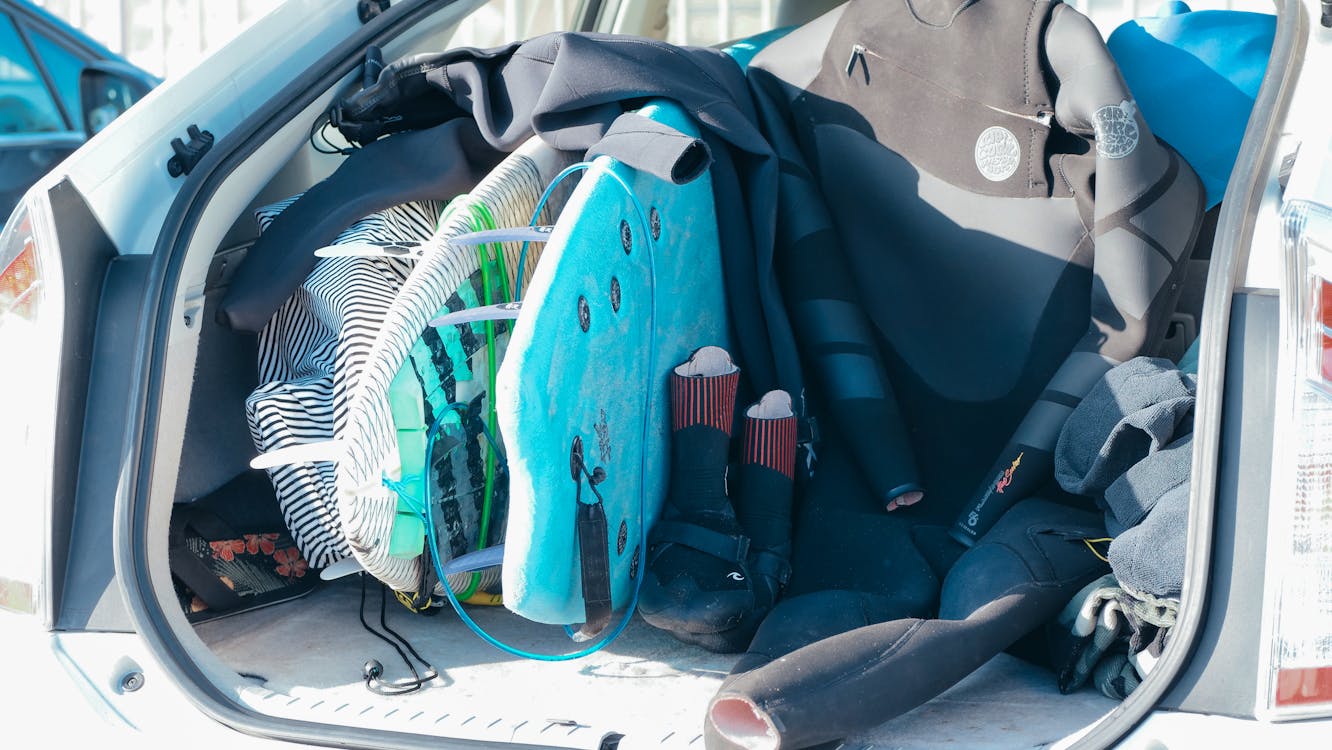
Packing gear takes more time in cold weather because materials resist compression and organization. Sleeping bags lose flexibility, making them harder to stuff. Frozen or damp items require separation to prevent ice buildup. Hands tire quickly, slowing movement. Gloves complicate grip and folding precision. Snow or frost on gear demands removal before packing. Cold also encourages extra checks to ensure nothing essential is forgotten. Zippers and buckles may stick or resist movement. These factors extend packing routines, turning a straightforward task into a slow, methodical process shaped by temperature and material limitations.
Setting Up Sleeping Areas
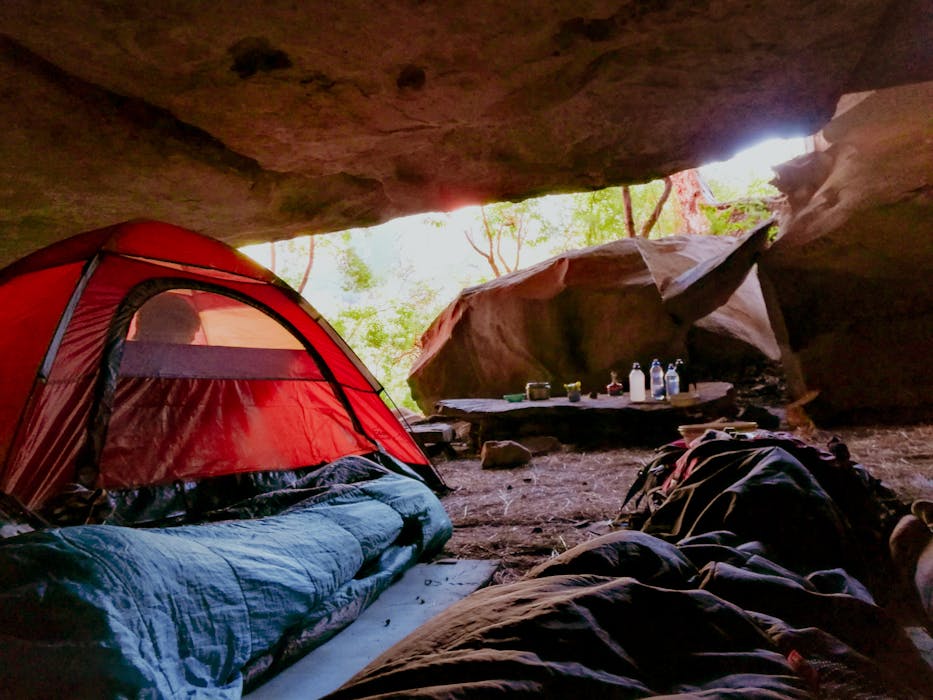
Setting up sleeping areas takes longer in cold conditions because insulation and protection become priorities. Ground preparation may involve clearing snow or ice to create a stable base. Pads and liners must be layered carefully to prevent heat loss. Sleeping bags need time to loft fully after compression. Condensation management adds steps. Hands move slowly while arranging bedding. Sheltered positioning matters more, requiring adjustments. Small errors impact warmth, encouraging careful setup. Cold weather transforms sleep preparation into a deliberate process focused on comfort, and overnight safety rather than quick convenience.
Washing Dishes
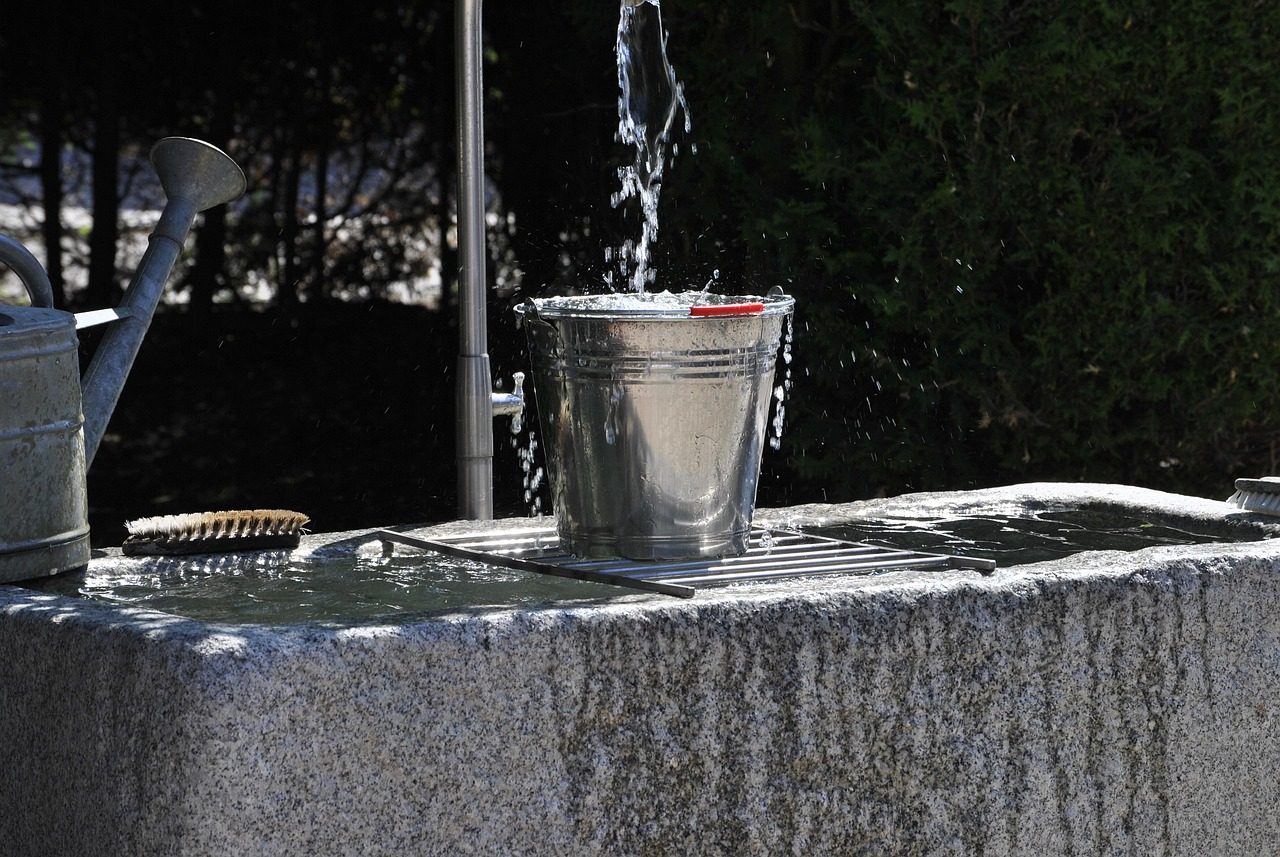
Washing dishes in cold weather becomes a drawn out task due to freezing temperatures and limited water usability. Water cools rapidly, reducing cleaning effectiveness. Soap performs poorly in cold conditions. Hands cannot remain exposed for long, requiring breaks. Dishes may freeze between steps if left unattended. Drying takes longer as evaporation slows. Finding unfrozen water sources adds time. Many campers resort to snow or wiping methods, which require patience. What is normally quick cleanup becomes a slow sequence of steps shaped by temperature constraints and the need to prevent ice buildup on cookware.
Using The Bathroom
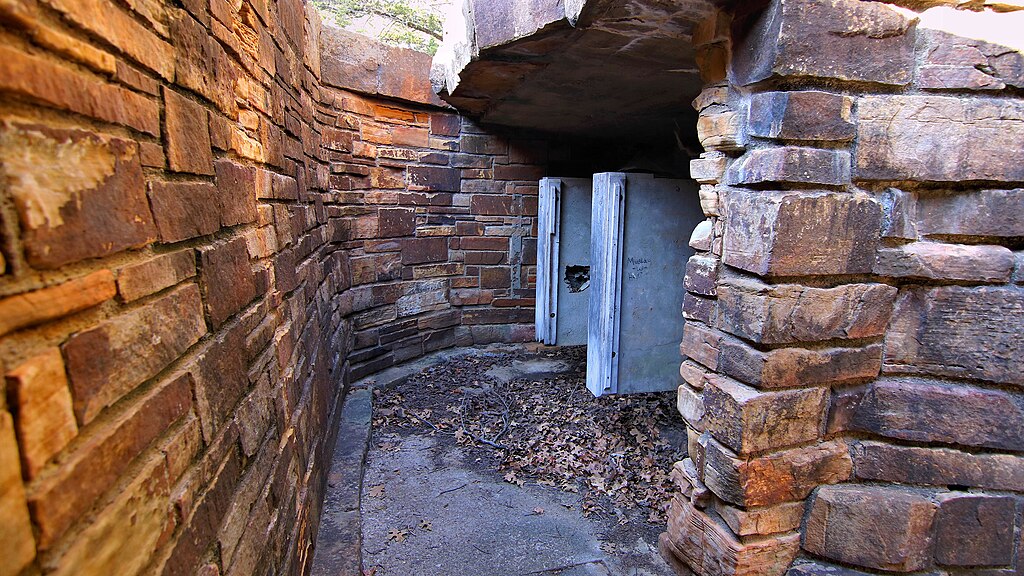
Using the bathroom in cold conditions often takes longer due to clothing layers and environmental exposure. Removing and replacing insulated garments requires time and coordination. Nighttime trips involve navigation in darkness and cold. Facilities may be frozen or snow covered, adding preparation. Exposure limits speed, as rushing increases discomfort. Hygiene tasks require caution to avoid frostbite. Even simple routines become extended due to careful movement and re layering. Cold transforms bathroom visits into deliberate outings, emphasizing warmth preservation and safety over convenience or speed.
Breaking Camp
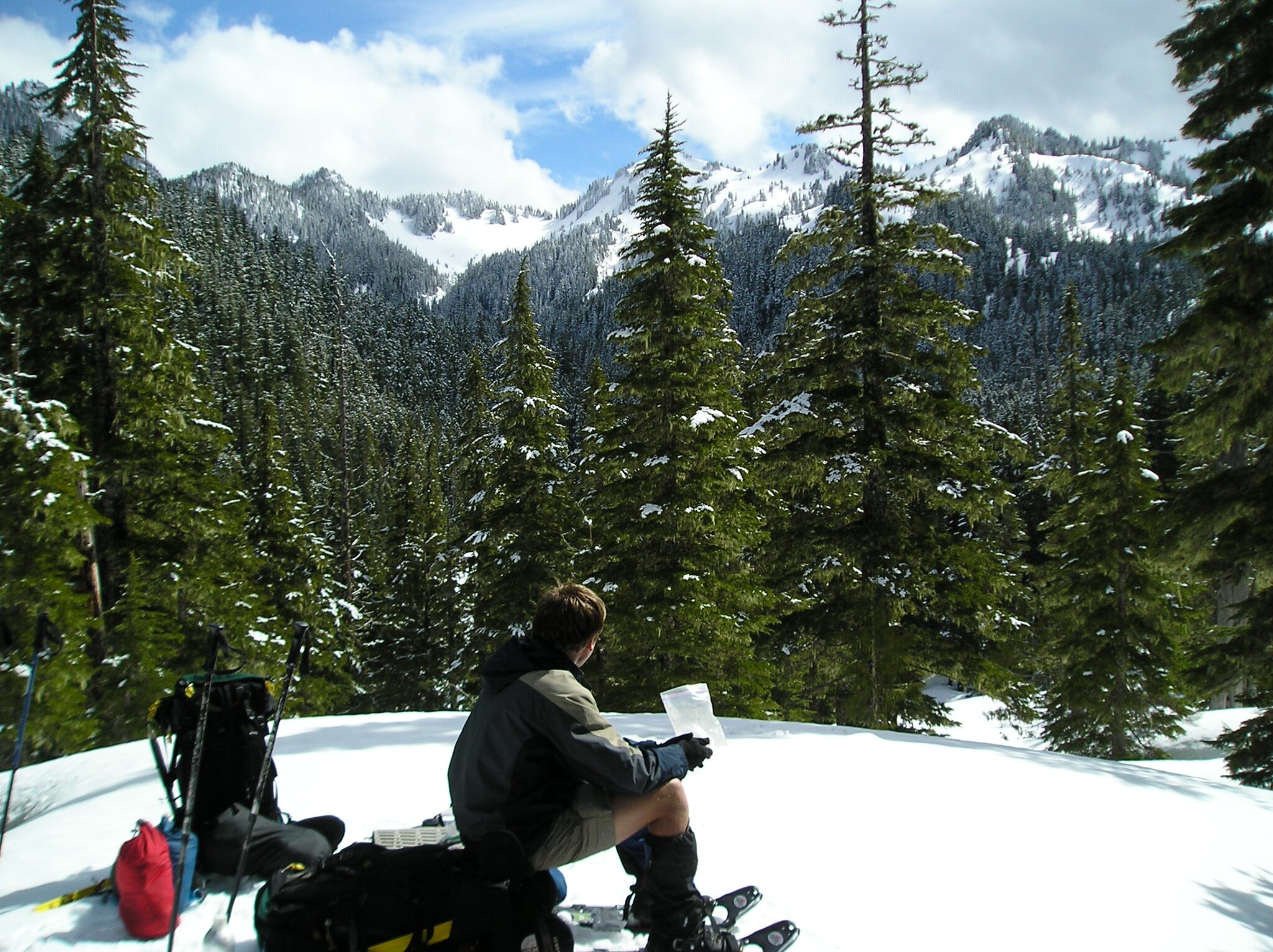
Breaking camp in cold weather takes significantly longer because every task is affected by temperature. Frozen gear resists handling. Snow or ice must be cleared from equipment. Fingers lose dexterity, slowing movement. Moisture management becomes critical to prevent freezing during travel. Packing order matters more, requiring planning. Final checks increase to ensure warmth and safety after departure. Cold also limits how long work can continue without rest. Together, these factors stretch departure routines, making breakdown a careful, extended process rather than a quick conclusion to a camping stay.