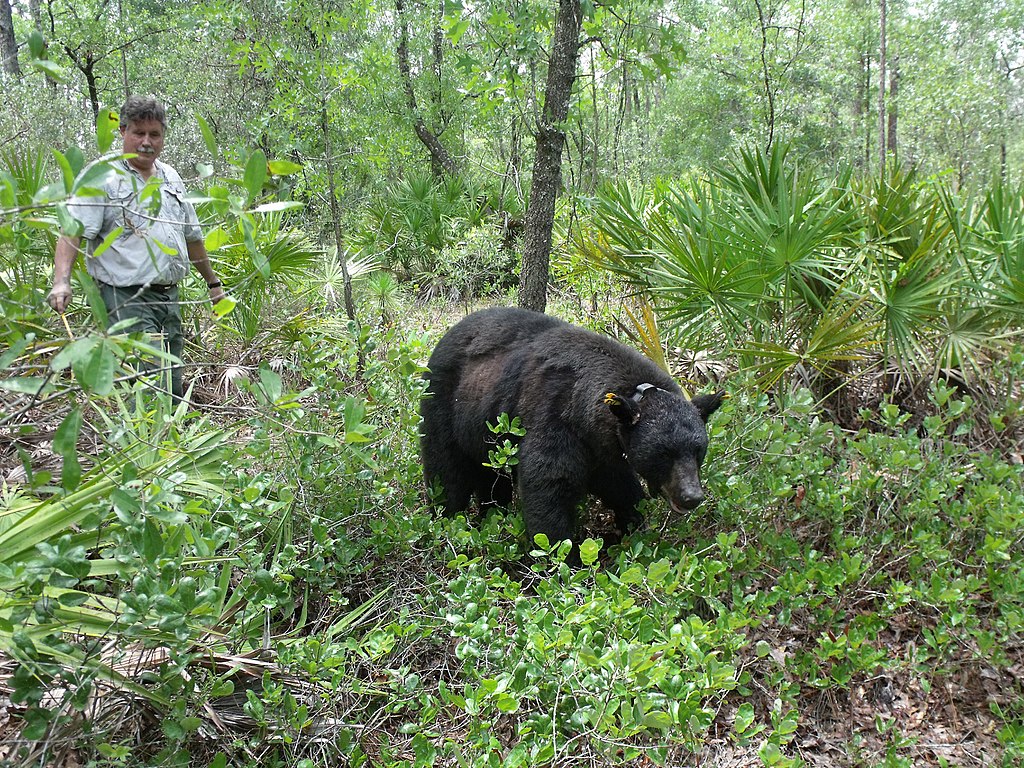
A bear encounter can unfold fast, and the wrong handgun caliber can leave too little penetration, too little momentum, or too little reliability when thick muscle and heavy bone come into play. The best bear defense plan still centers on bear spray, awareness, and avoidance, but many people also carry a sidearm as a last resort, so caliber choice matters. This is where everyday self-defense logic can fall short, since some rounds may not reach vital organs from awkward angles or through the shoulder structure. An effective approach favors deep-driving bullets, proven platforms, and realistic practice under pressure. The list ahead breaks down ten calibers that are widely viewed as weak picks for bear attacks.
The .22 Long Rifle Lacks Penetration and Reliable Ignition.
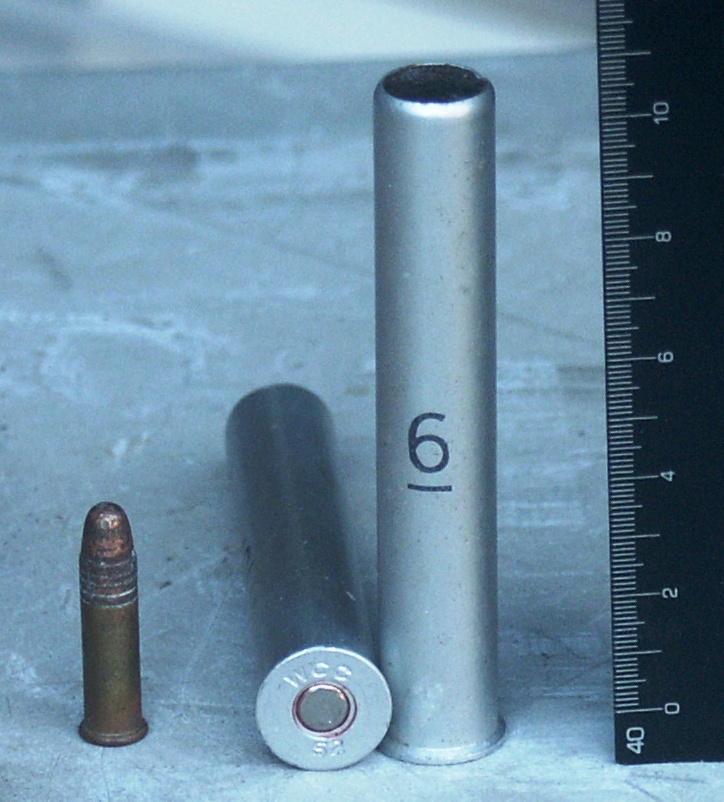
This small rimfire round is excellent for plinking and small game, but it rarely delivers the deep, straight penetration needed to stop a large animal quickly. The lightweight bullet can deflect or slow dramatically after striking dense shoulder tissue or bone, which matters when a bear is moving, and angles are poor. An additional concern involves rimfire priming, which can be less consistent than centerfire ignition in critical moments. The short time window in a charge makes repeated perfect hits unlikely, so a cartridge that depends on ideal placement creates risk. This is why many bear defense discussions discourage .22 LR for emergency protection.
The .25 ACP Was Designed For Pocket Pistols, Not Bears.
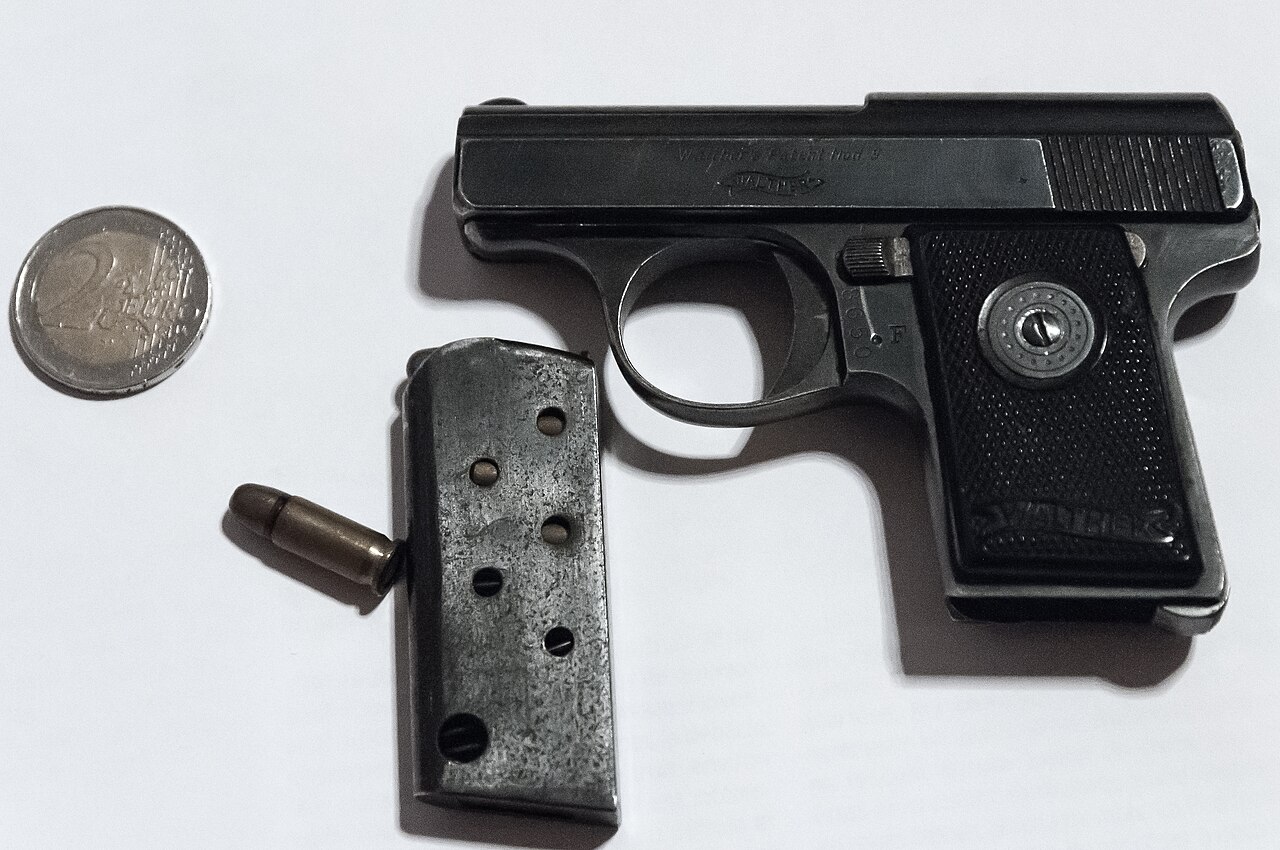
An ultra-compact carry role shaped .25 ACP, and that legacy shows in low energy and very light bullet weights. The cartridge generally struggles to penetrate deeply through thick muscle and heavy skeletal structures that can block access to vital organs. This caliber also offers fewer widely available heavy, deep-driving bullet options compared with more outdoors-focused choices. An accuracy challenge can appear too, since many .25 ACP pistols have tiny sights and short grips that slow fast, controlled fire. The conditions of a bear encounter rarely allow careful aiming, so minimal power leaves little margin. This is why .25 ACP is typically viewed as a poor bear defense caliber.
The .32 ACP Brings Convenience But Little Stopping Margin.
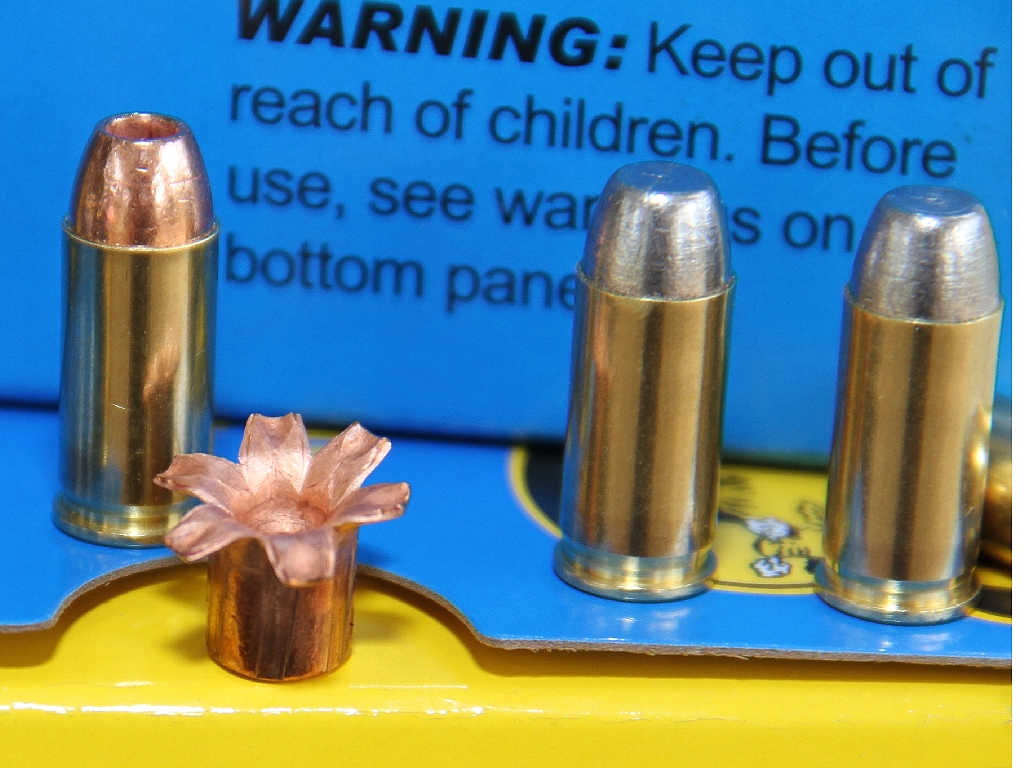
This cartridge is often carried for comfort and mild recoil, yet bears defense rewards, momentum, and penetration more than ease. The common .32 ACP load uses modest bullet weights that can struggle against heavy bone and dense muscle, especially if expansion occurs early. An FMJ option may penetrate better than a hollow point, but the cartridge still operates within limited performance constraints. The small pistols chambered for .32 ACP can also be harder to run quickly under stress because of the short sight radius and minimal grip area. This combination reduces real-world margin when a charging animal demands fast, decisive results.
The .380 ACP Often Underperforms With Typical Self-Defense Ammo.
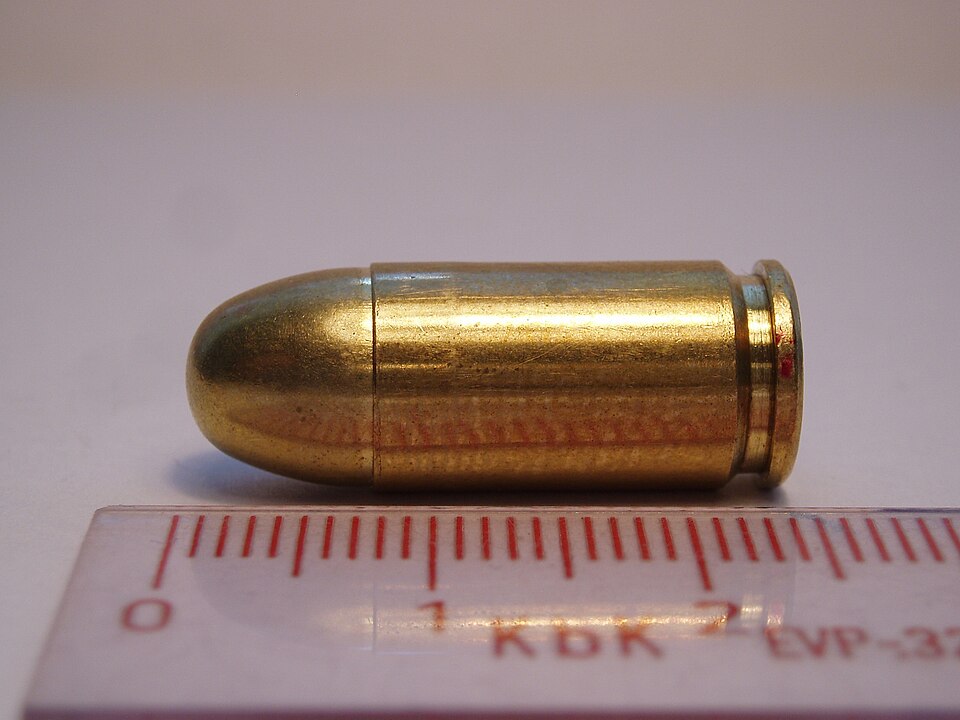
The popularity of .380 ACP comes from compact carry guns, but many common loads are built to expand in human targets, not drive deep in large animals. This can lead to shallow penetration when thick hide, muscle, and bone absorb energy before vital organs are reached. An added limitation is platform size, since many .380 pistols are small and can be harder to control for rapid, accurate follow-up shots. The option of FMJ can help penetration somewhat, yet it still lacks the momentum that stronger cartridges provide. This is why .380 ACP is frequently considered a weak choice for bear encounters with standard ammunition.
The 9mm Luger Can Be Marginal With Standard Defensive Loads.
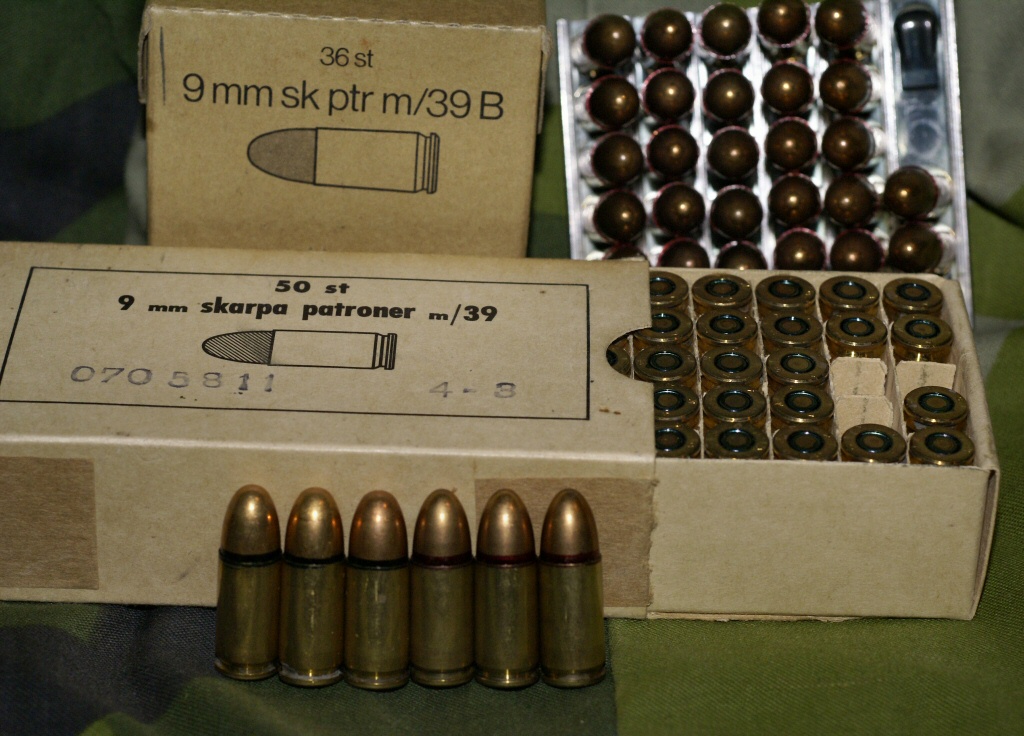
This widely carried round can be shot well, but many mainstream 9mm hollow points are tuned for controlled penetration and reliable expansion in human threats. The same behavior can be a drawback against a bear, where deep straight-line penetration may be needed through the shoulder structure or at oblique angles. An animal-defense load using hard-cast or solid bullets can improve performance, yet that is not what many people keep in everyday magazines. The shorter barrels on compact 9mm pistols can also reduce velocity, which can further reduce penetration. This is why standard 9mm carry ammo is often viewed as less dependable for bear defense.
The .38 Special Can Fall Short In Common Loadings.
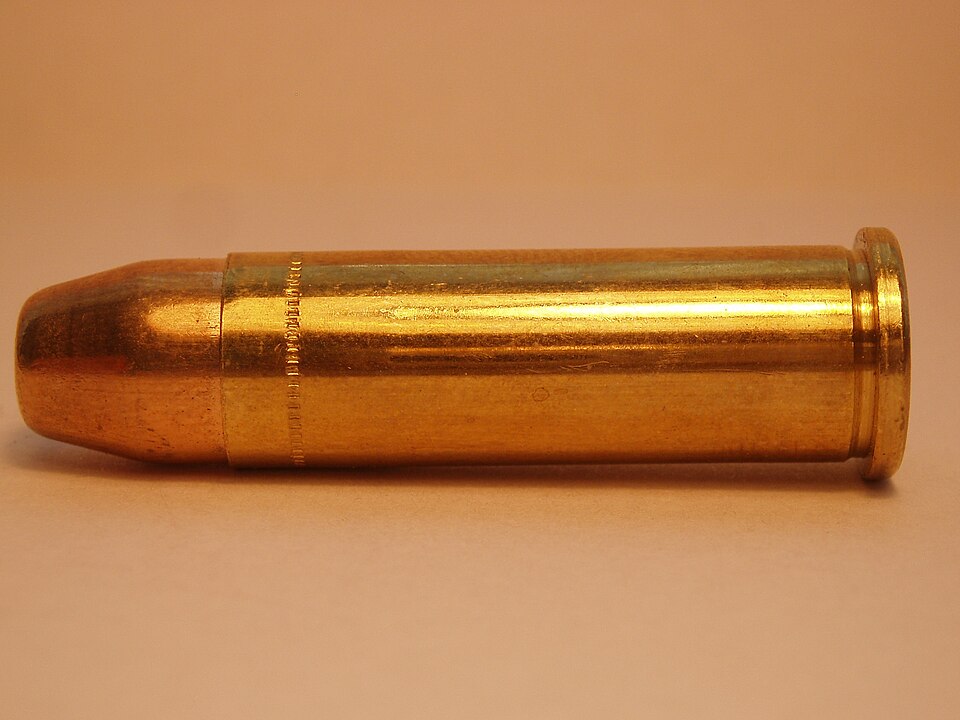
An older classic, .38 Special remains popular in revolvers, but many readily available loads are mild and designed for manageable recoil. The reduced velocity and lighter bullet construction can limit penetration when heavy bone and dense muscle need to be breached. This matters because bear encounters rarely present perfect angles, and the ability to reach vital organs quickly is critical. An upgrade to +P can help, yet it still may not match the deeper-driving performance of stronger chamberings that accept heavier bullets at higher speeds. The frequent use of short-barreled carry revolvers can also reduce velocity further, narrowing the margin even more.
The .40 S&W Sits Between Service Roles And Animal Defense.
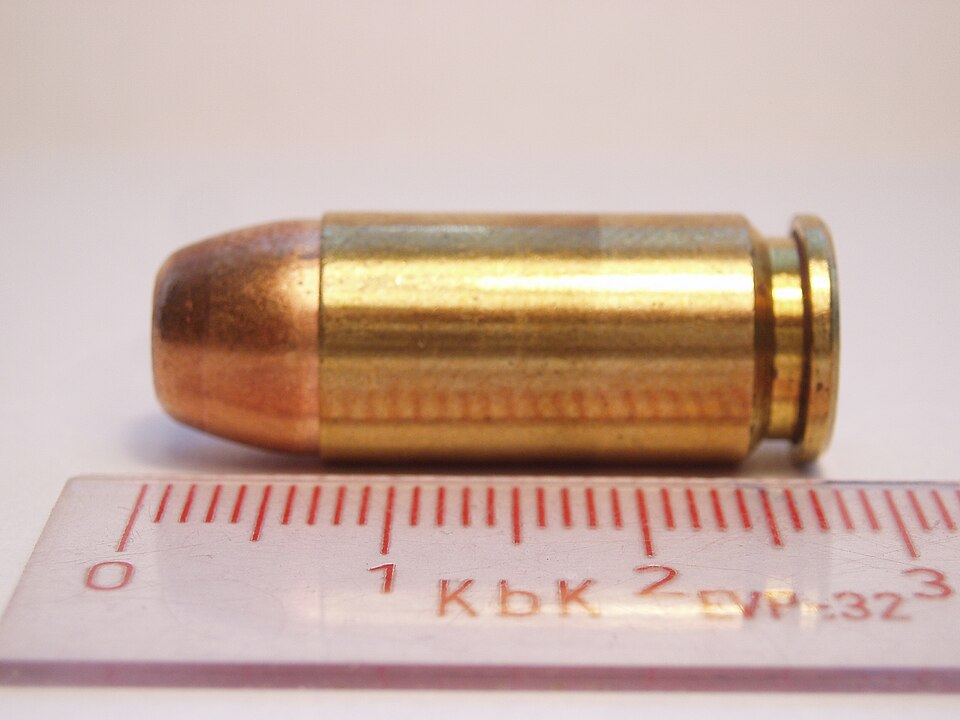
The .40 S&W performs well in many law-enforcement style contexts, but bear defense typically favors heavier bullets and deeper penetration than standard loads emphasize. This cartridge often uses expanding bullet designs that can open early and slow before reaching vital structures in a large animal. An additional factor is controllability, since compact .40 pistols can feel snappy and make rapid, accurate strings harder under adrenaline. The practical issue is consistency, because a bear may be quartering or partially blocked by limbs, and penetration becomes the deciding factor. This is why many outdoors carriers prefer more penetration-focused cartridges and bullet styles over typical .40 S&W defensive loads.
The .45 ACP Trades Speed For Diameter In Many Loads
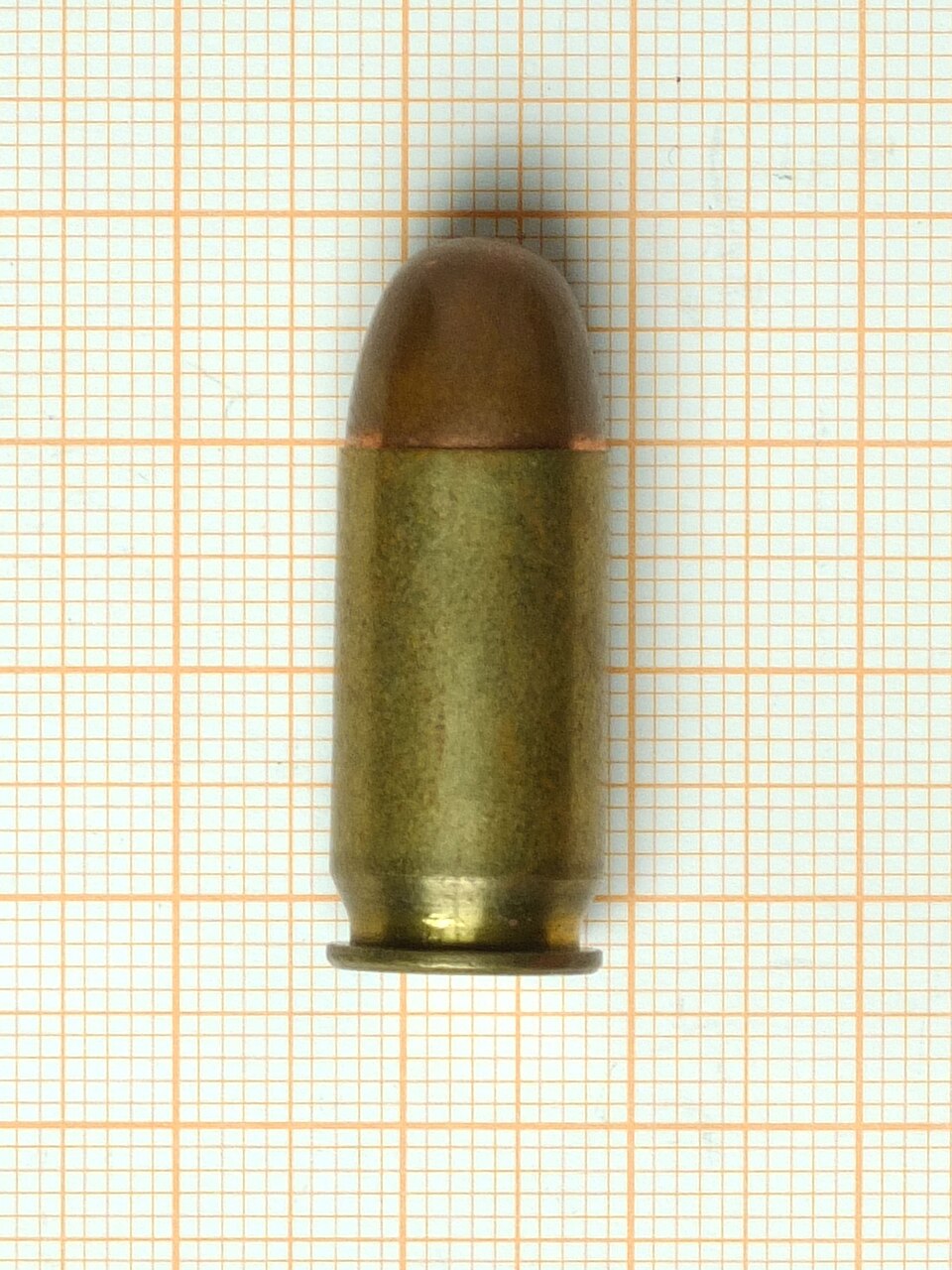
This round is respected for personal defense, yet its typical moderate velocity can limit bone-breaking and deep penetration compared with faster, higher-momentum options. The common hollow point approach may expand early and shed speed, reducing reach through thick muscle. An FMJ can penetrate better, but it still may not provide the same penetration margin as more powerful outdoors-oriented cartridges. The platform can be reliable and shootable, but bear defense is not only about caliber diameter, since reaching vital organs quickly matters more than making a wide wound track early. This is why .45 ACP is often considered less ideal than cartridges built around deep-driving bullet performance.
The .357 SIG Offers Velocity But Fewer Heavy Bullet Paths.
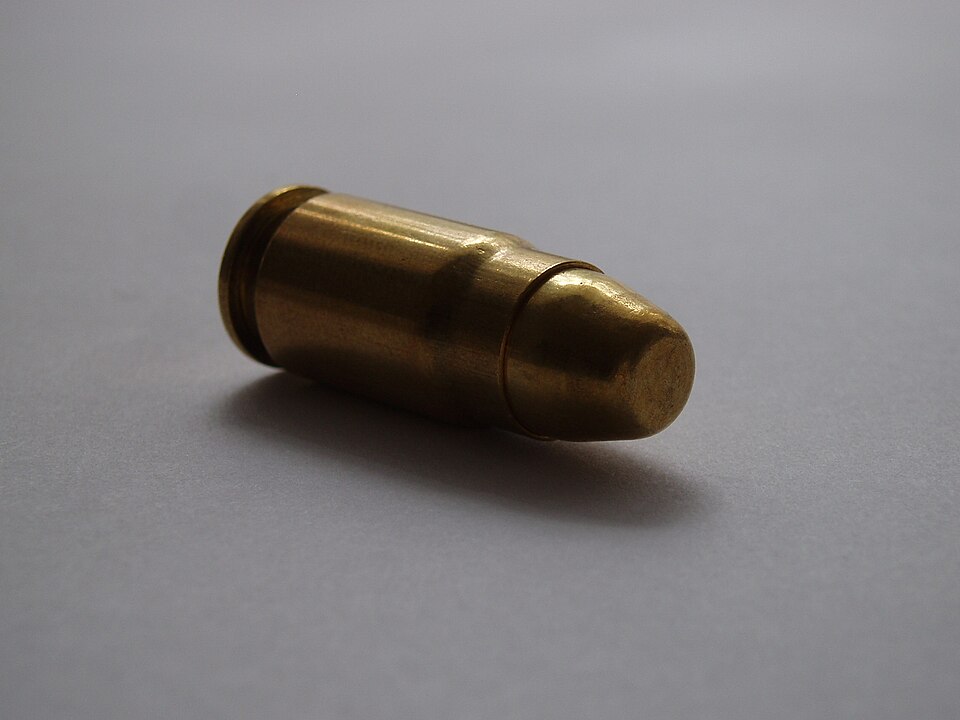
An advantage of .357 SIG is speed, but the caliber commonly uses lighter bullets than many bear defense loads prefer. The reliance on expansion-driven defensive designs can reduce penetration if the bullet opens early in thick tissue. This cartridge also has fewer widely stocked hard-cast or solid options compared with more traditional outdoors rounds, making preparation less straightforward. An otherwise reliable service pistol platform does not change the physics of momentum and sectional density, which often favor heavier bullets for large animals. The result is a cartridge that can work on paper yet still lacks the deep-driving confidence many people want when bears are a realistic concern.
The .357 Magnum Can Be Borderline Without Heavy Hard-Cast Loads.
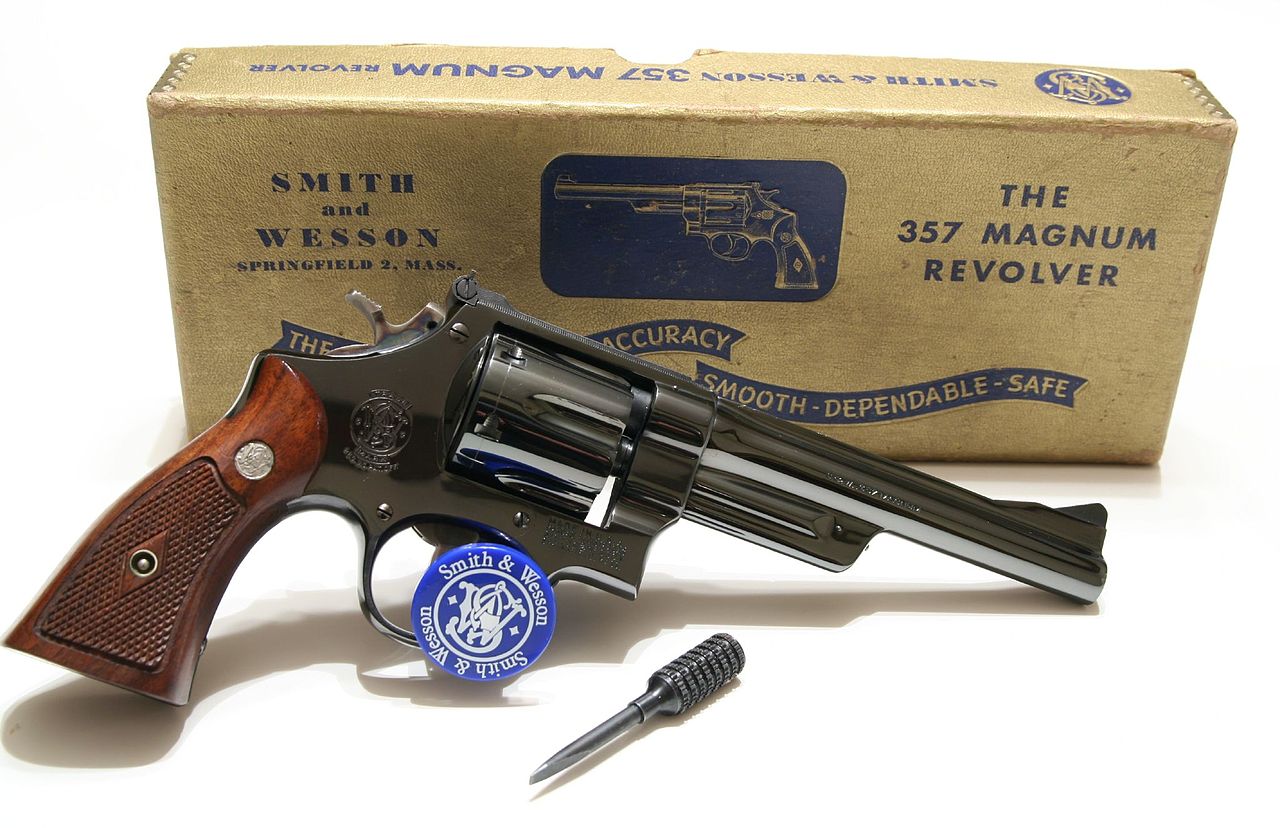
The .357 Magnum has meaningful power, but results depend heavily on bullet selection and shot placement, especially on larger bears. This cartridge is often sold with lighter hollow points meant for two-legged threats, and those loads can expand quickly and limit penetration in thick muscle and bone. An appropriate heavy hard-cast load can improve deep penetration, yet recoil and muzzle blast can slow follow-up shots for some shooters, particularly in short revolvers. The unpredictability of angles during a charge increases the need for penetration margin, which is why many outdoors carriers choose stronger magnum revolver cartridges or robust 10mm animal-defense loads instead.