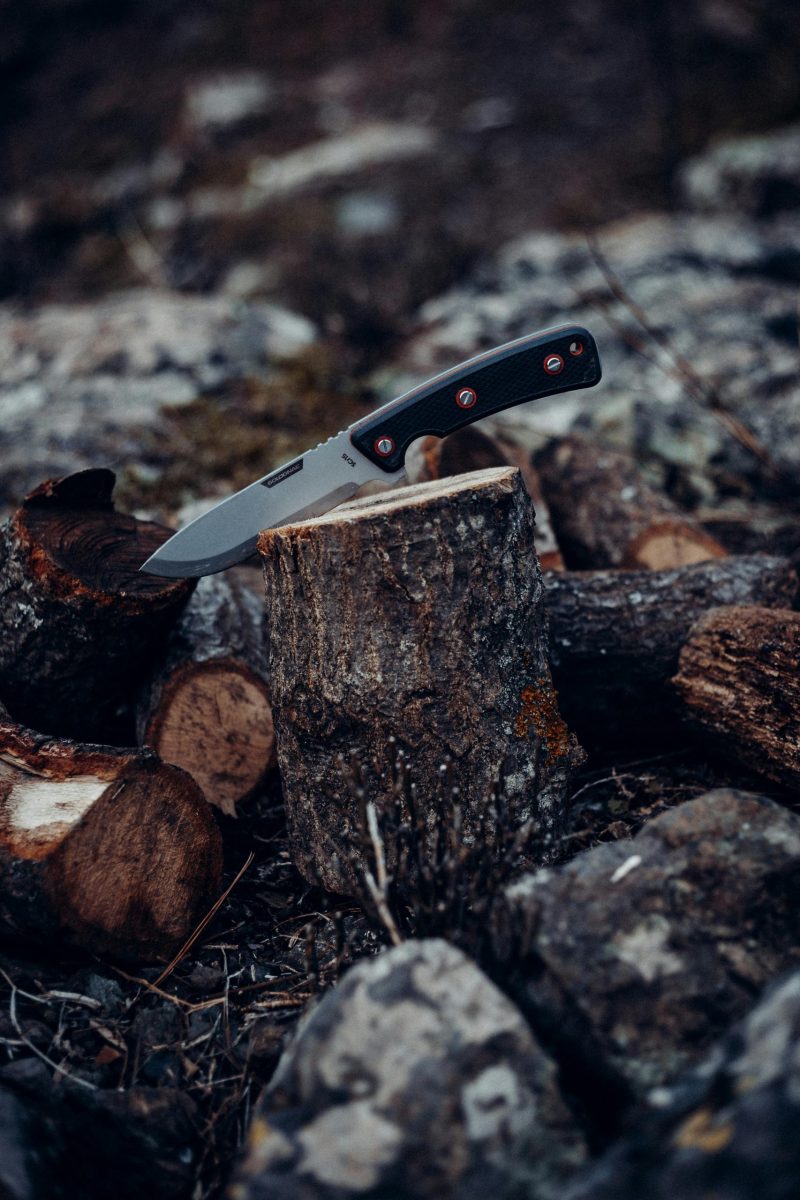
Bushcraft attracts beginners with promises of self reliance, simplicity, and outdoor skill building. Knife work sits at the center of this practice, shaping how food gets prepared, shelters form, and tools emerge from raw materials. Learning correct techniques early builds safety, confidence, and efficiency in the field. Beginners benefit from mastering fundamentals before attempting advanced cuts or heavy tasks. This guide highlights ten essential bushcraft knife techniques that new practitioners should practice first, focusing on control, awareness, and proper body mechanics to support long term skill development outdoors during varied seasons and changing conditions safely.
Grip And Stance

Grip and stance establish the foundation for all bushcraft knife use. A secure grip balances control without tension, allowing precise movement rather than force. The stance positions the body safely, keeping the blade path away from legs and hands. Practicing stable footing improves balance on uneven ground. Beginners should learn neutral grips, thumb support, and relaxed wrists to prevent fatigue. Proper stance encourages deliberate motion and awareness of surroundings. Mastering grip and stance first reduces injury risk and prepares beginners for every other cutting technique used during camp tasks outdoors across varied weather and terrain.
Push Cut
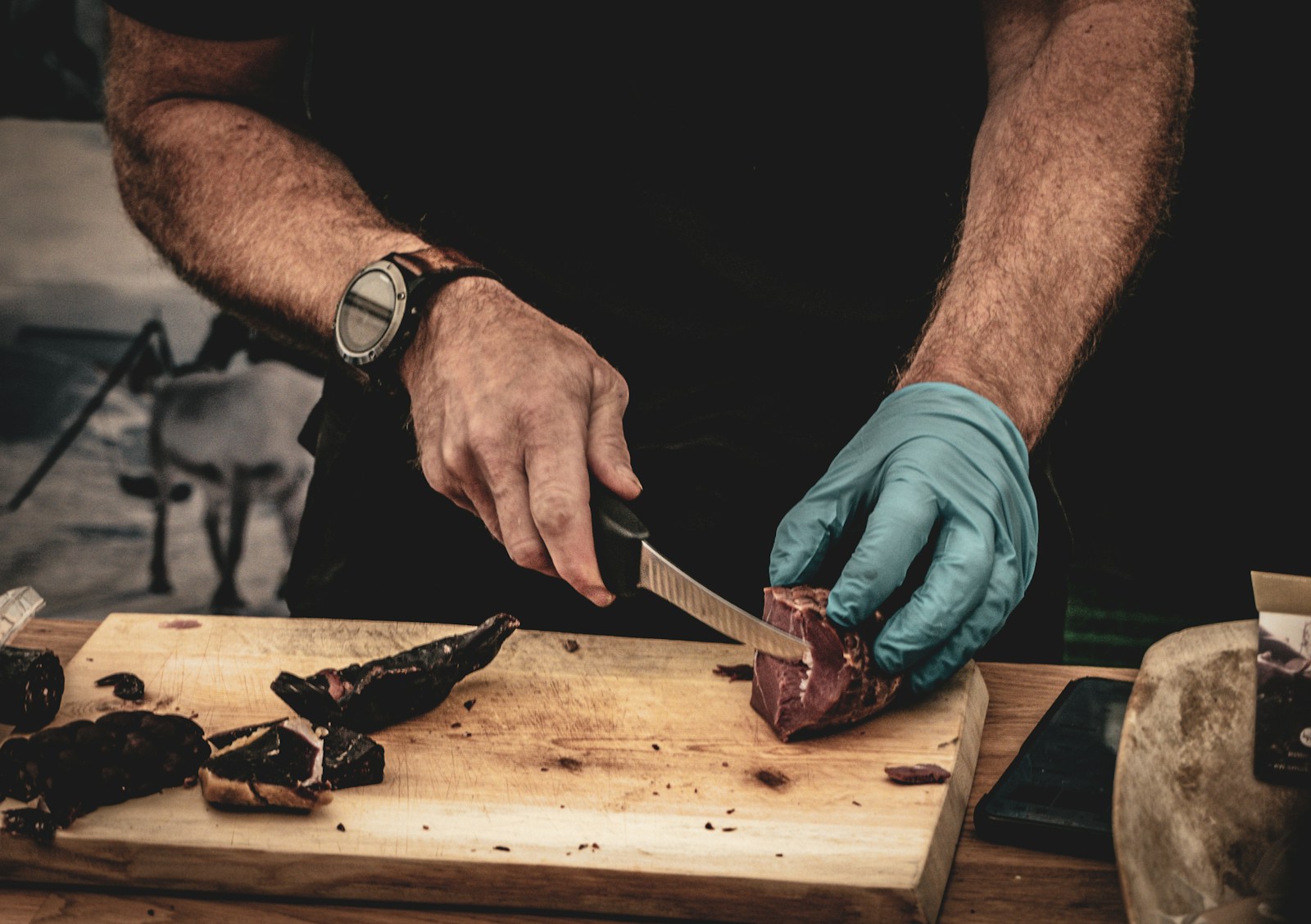
The push cut teaches controlled slicing using steady forward pressure. This technique keeps the blade edge moving away from the body, reducing slips and sudden force. Bushcrafters rely on push cuts for food preparation, feather sticks, and fine shaping. Beginners practice by bracing material securely and guiding the knife smoothly. Emphasis stays on precision, not speed. Learning proper push cut angles builds edge awareness and consistency. Regular practice improves efficiency and minimizes strain, making this technique a safe starting point for developing confidence with a bushcraft knife outdoors during everyday campsite preparation tasks safely overall.
Pull Cut

The pull cut draws the blade toward the body under controlled conditions. When performed correctly, the arms stay anchored and the cutting motion remains short and precise. This technique excels at carving notches and refining shapes. Safety depends on proper bracing and clear blade paths. Beginners learn to work slowly, keeping elbows tight and fingers protected. Practicing pull cuts improves coordination and fine motor control. With supervision and focus, this technique expands versatility while reinforcing respect for blade direction and disciplined movement during bushcraft projects across shelters, tools, and campcraft learning environments for beginners everywhere.
Batoning
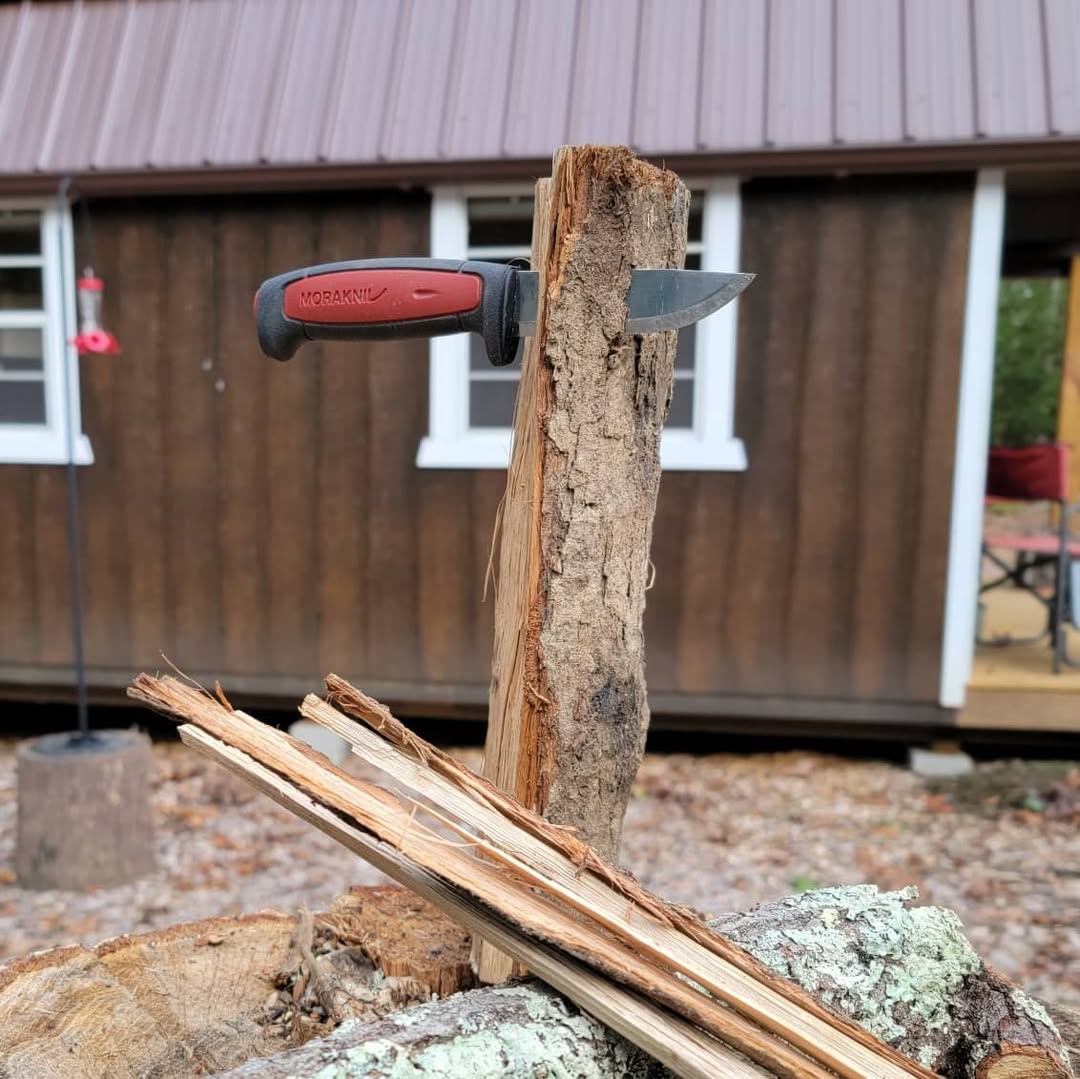
Batoning uses a wooden baton to drive the knife through wood. This technique splits kindling and exposes dry cores for fire starting. Beginners must use sturdy fixed blade knives designed for impact. Proper alignment prevents twisting and edge damage. Practicing controlled strikes teaches patience and accuracy. Batoning also reinforces understanding of wood grain and resistance. When performed carefully, batoning reduces reliance on axes for small tasks. Learning this method first builds confidence in processing wood safely and efficiently during bushcraft activities in the field across campsites, forests, and varied seasonal conditions without rushing movements unnecessarily.
Feather Sticks
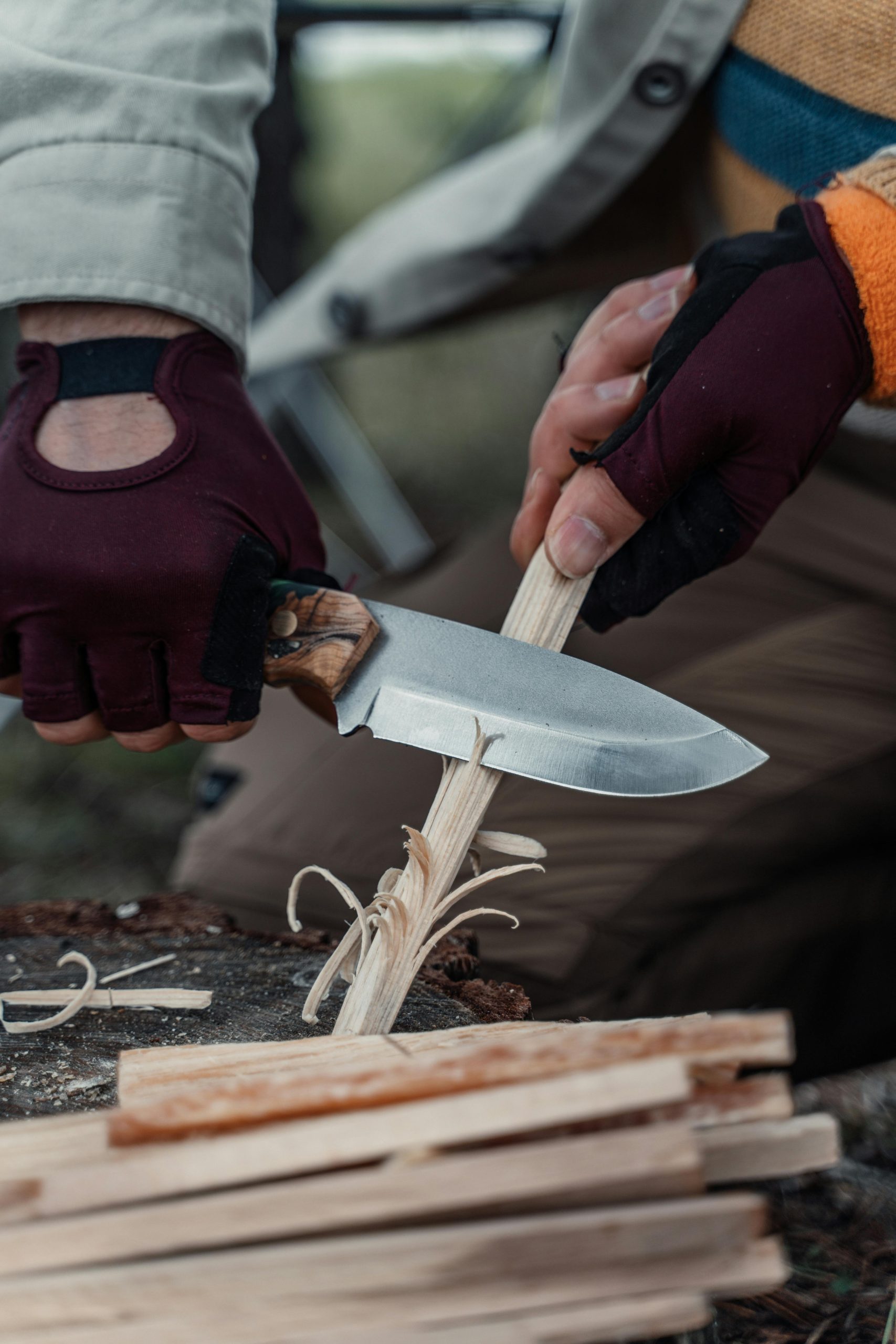
Feather sticks involve shaving thin curls from dry wood to create fire tinder. This technique demands light pressure and consistent angles. Beginners learn patience as curls stack without breaking free. Feather sticks support fire building when tinder is scarce. Practicing this skill improves blade control and edge sharpness awareness. Stable grips and careful wrist movement matter. Success depends on wood selection and moisture awareness. Mastering feather sticks builds confidence in fire preparation and reinforces respect for controlled cuts during bushcraft practice sessions outdoors across cold, wet, and challenging environmental conditions often encountered by beginners early.
Notch Carving
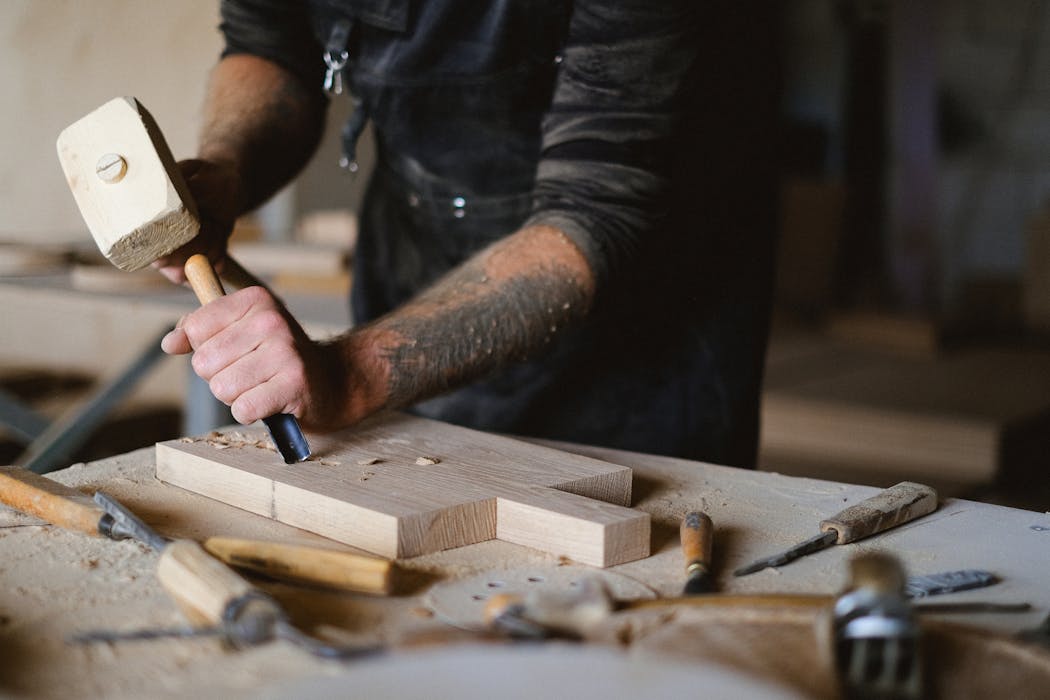
Notch carving allows bushcrafters to join wood for traps, pot hangers, and shelters. This technique requires planning cuts rather than removing excess material. Beginners start with simple square and V notches. Controlled angles and measured depth prevent weakening the structure. Practicing notches improves spatial thinking and patience. Knife placement and body positioning remain critical for safety. As accuracy improves, confidence grows. Notch carving teaches how small, deliberate cuts achieve strong results during bushcraft construction tasks outdoors across shelters, camp furniture, and functional outdoor projects that demand precision and structural reliability over time for beginners learning.
Safe Sheathing And Handling
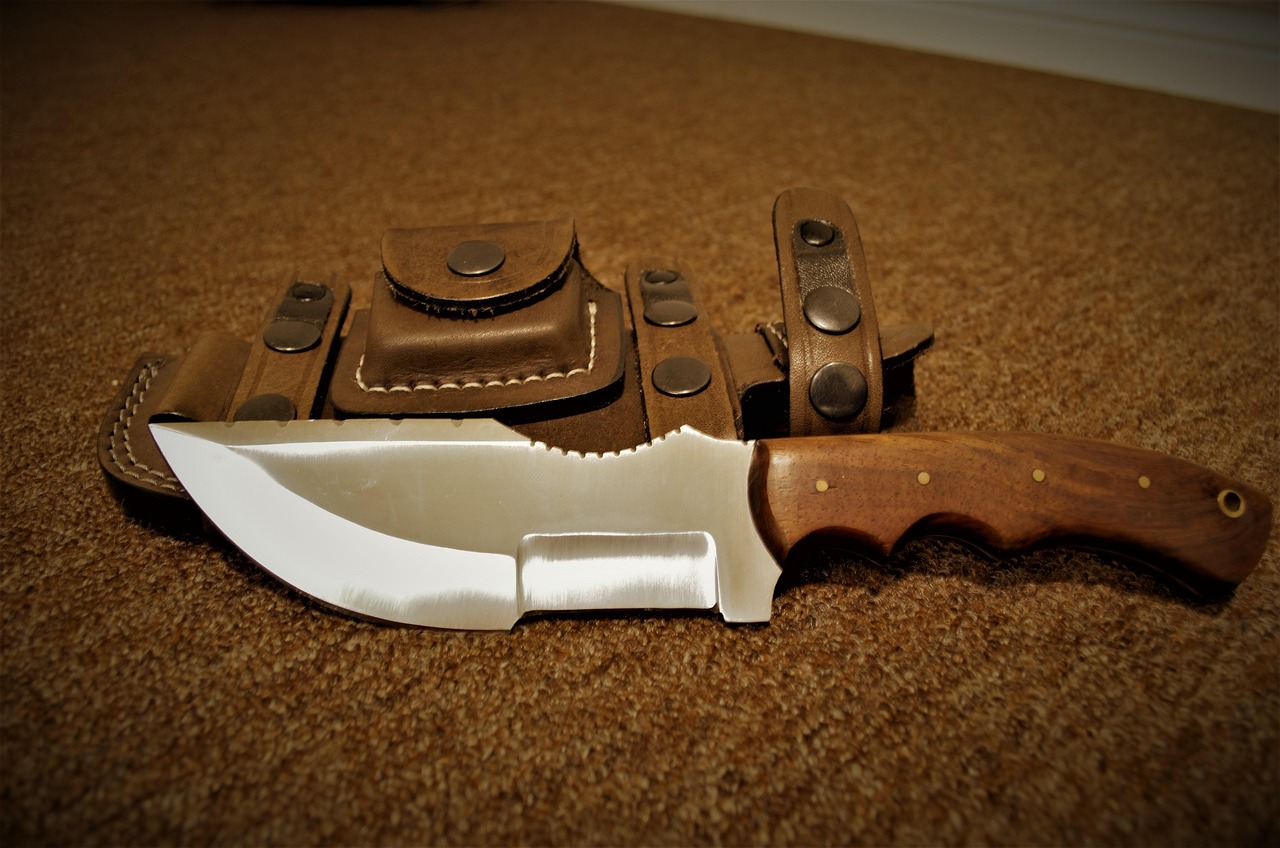
Safe sheathing and handling prevent most knife related injuries. This technique focuses on awareness during transitions between cutting and resting. Beginners practice slowing movements and confirming surroundings before sheathing. Proper hand placement keeps fingers clear of edges. Maintaining eye contact with the sheath improves accuracy. Handling discipline continues during passing or setting the knife down. Practicing these habits builds consistency. Safe handling reinforces respect for the tool and protects others nearby during group activities and shared bushcraft environments outdoors where awareness and communication matter equally for safety among participants of all experience levels present together.
Edge Maintenance Basics
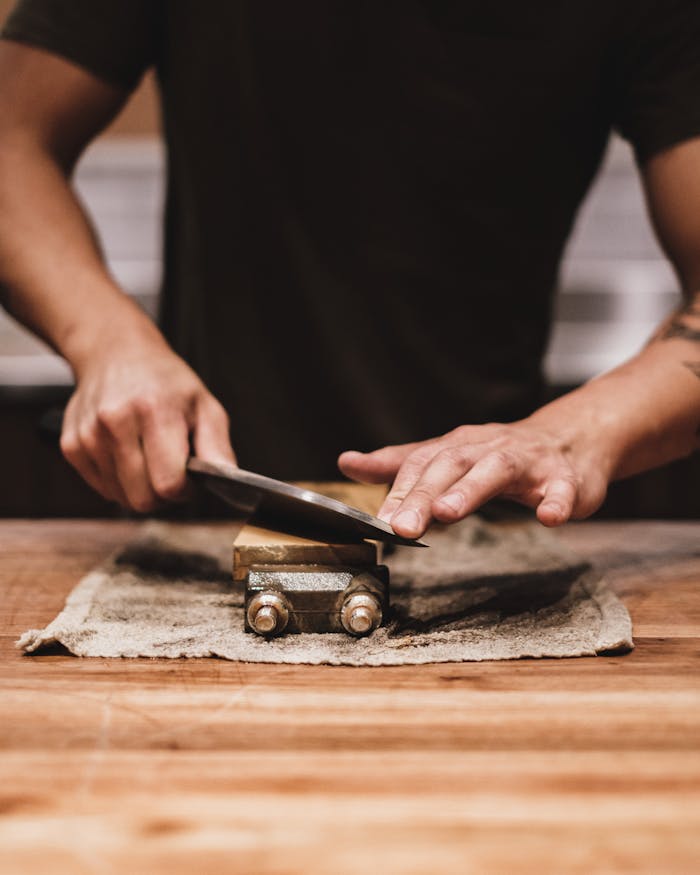
Edge maintenance basics ensure consistent knife performance in the field. Beginners learn stropping, light honing, and cleaning after use. Sharp edges cut predictably, reducing force and slips. Dull blades increase risk and fatigue. Understanding angles and pressure matters more than speed. Maintenance routines extend tool life and reliability. Practicing edge care builds respect for equipment and materials. This technique supports every other skill by keeping the knife ready for precise, controlled work during bushcraft tasks outdoors across food preparation, carving, and emergency fire making situations encountered regularly during extended outdoor trips in remote areas sometimes.
Wood Selection And Grain Reading
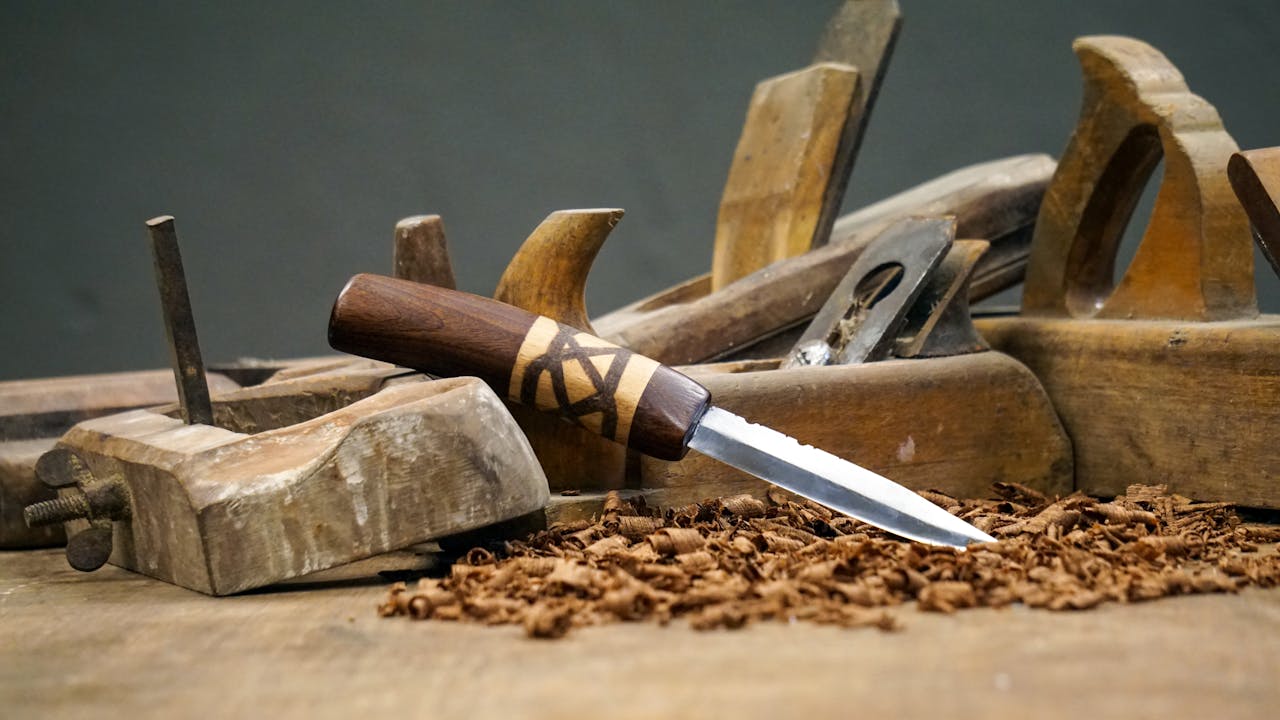
Wood selection and grain reading guide effective knife work. Beginners learn to identify dry, sound wood free of cracks. Grain direction influences cut control and strength. Reading grain prevents splitting and wasted effort. Practicing observation builds patience and understanding of materials. This technique supports carving, batoning, and notching success. Knowledge of tree species and moisture improves results. Learning to read wood helps beginners work efficiently and safely while respecting natural resources during bushcraft practice outdoors across forests, woodlands, and managed outdoor environments worldwide where conditions vary by season and climate and experience levels differ widely.
Controlled Choking Up
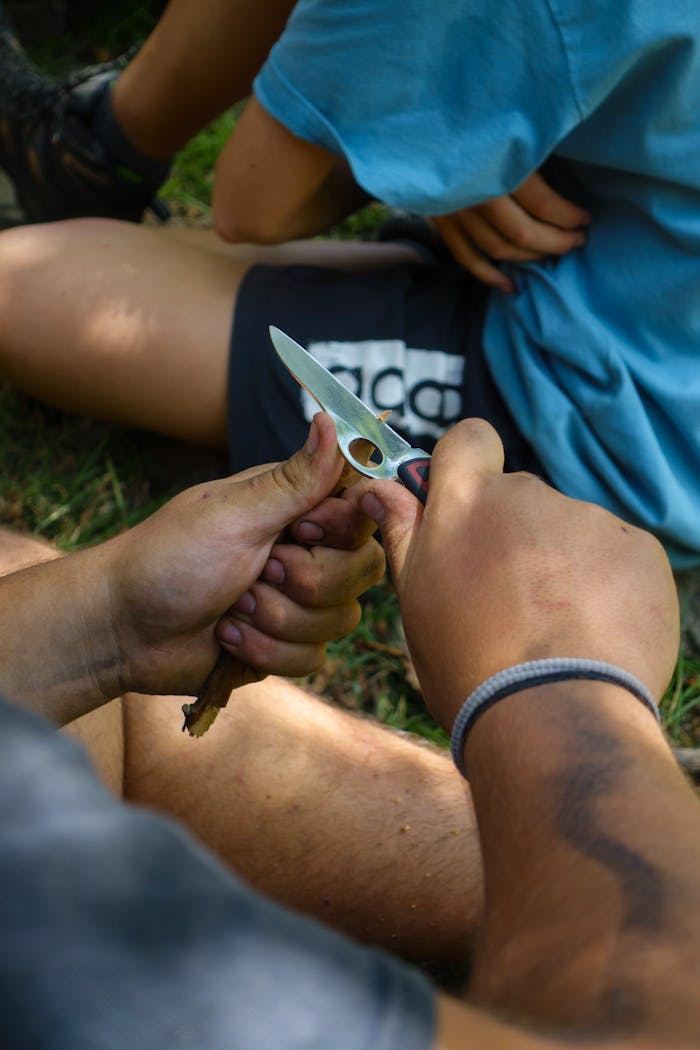
Controlled choking up involves gripping closer to the blade for detail work. This technique increases precision and reduces leverage. Beginners use choking up for fine carving and food tasks. Proper finger placement and awareness of sharp edges remain essential. Practicing slowly builds confidence and dexterity. This grip improves control during small cuts. Understanding when to choke up versus hold the handle teaches adaptability. Mastering this technique rounds out beginner skills and prepares hands for varied bushcraft challenges outdoors including cooking, tool making, and shelter finishing tasks encountered early during learning stages in practical settings often.